
Hamburg-Nord
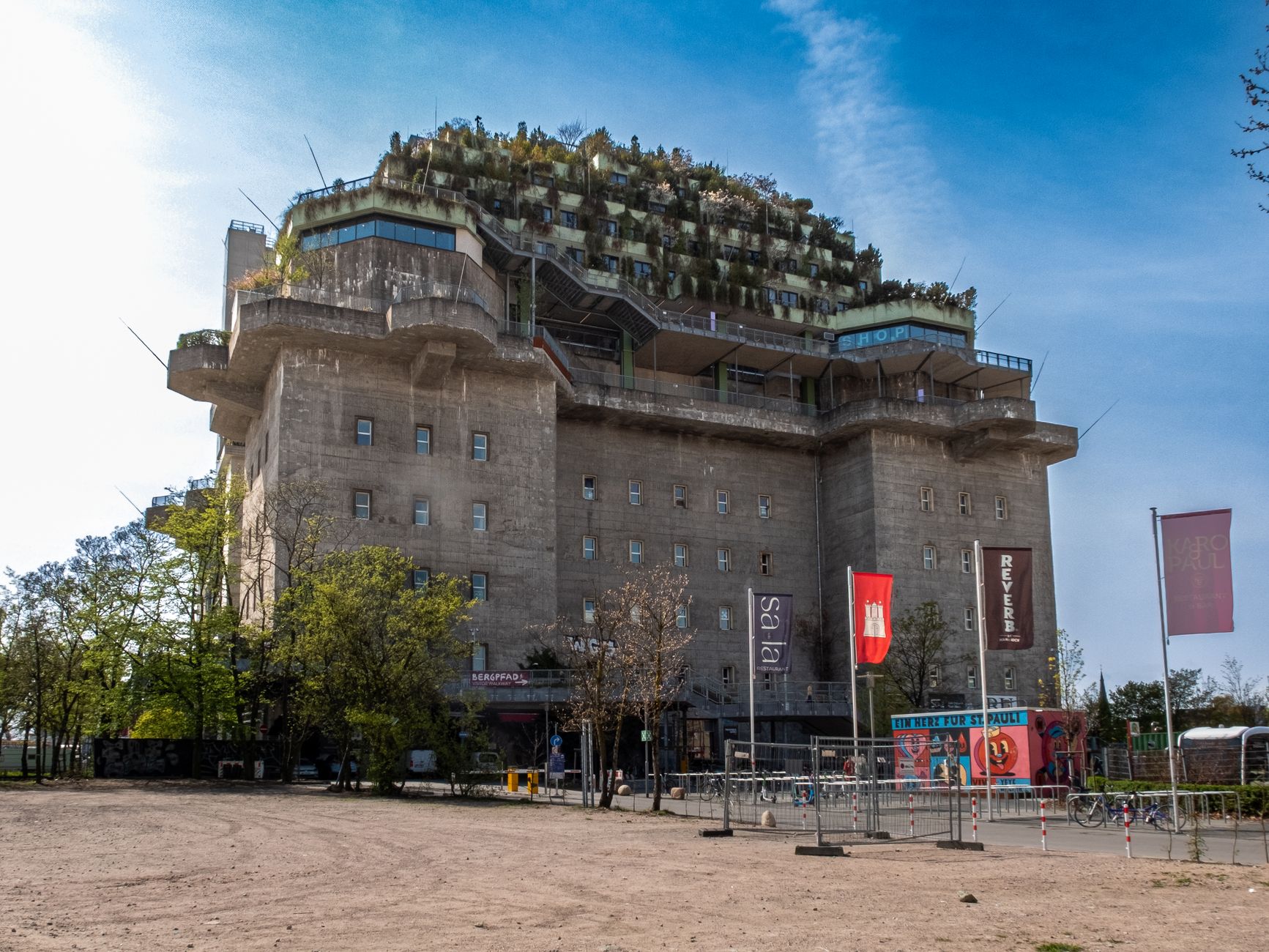
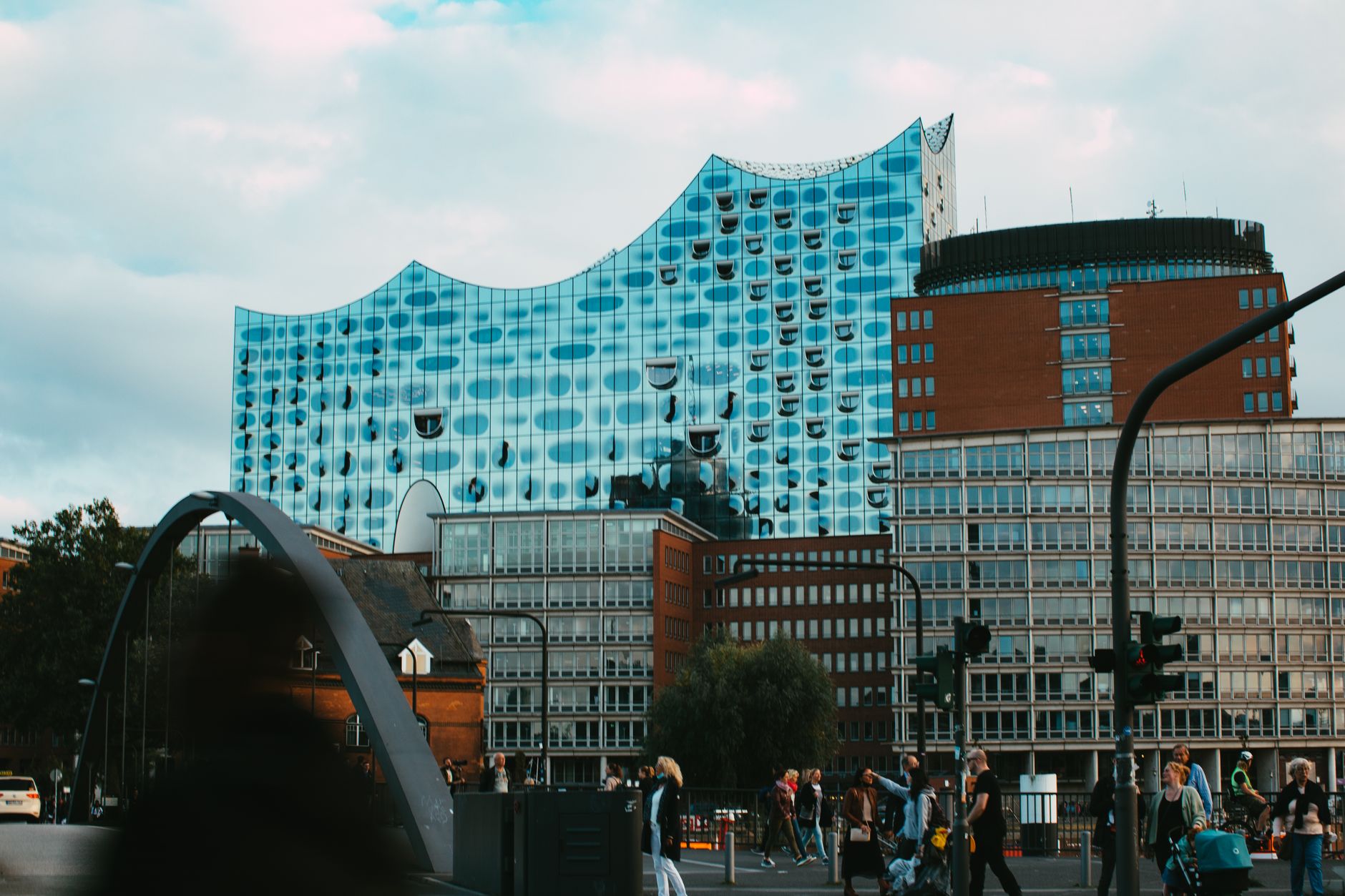

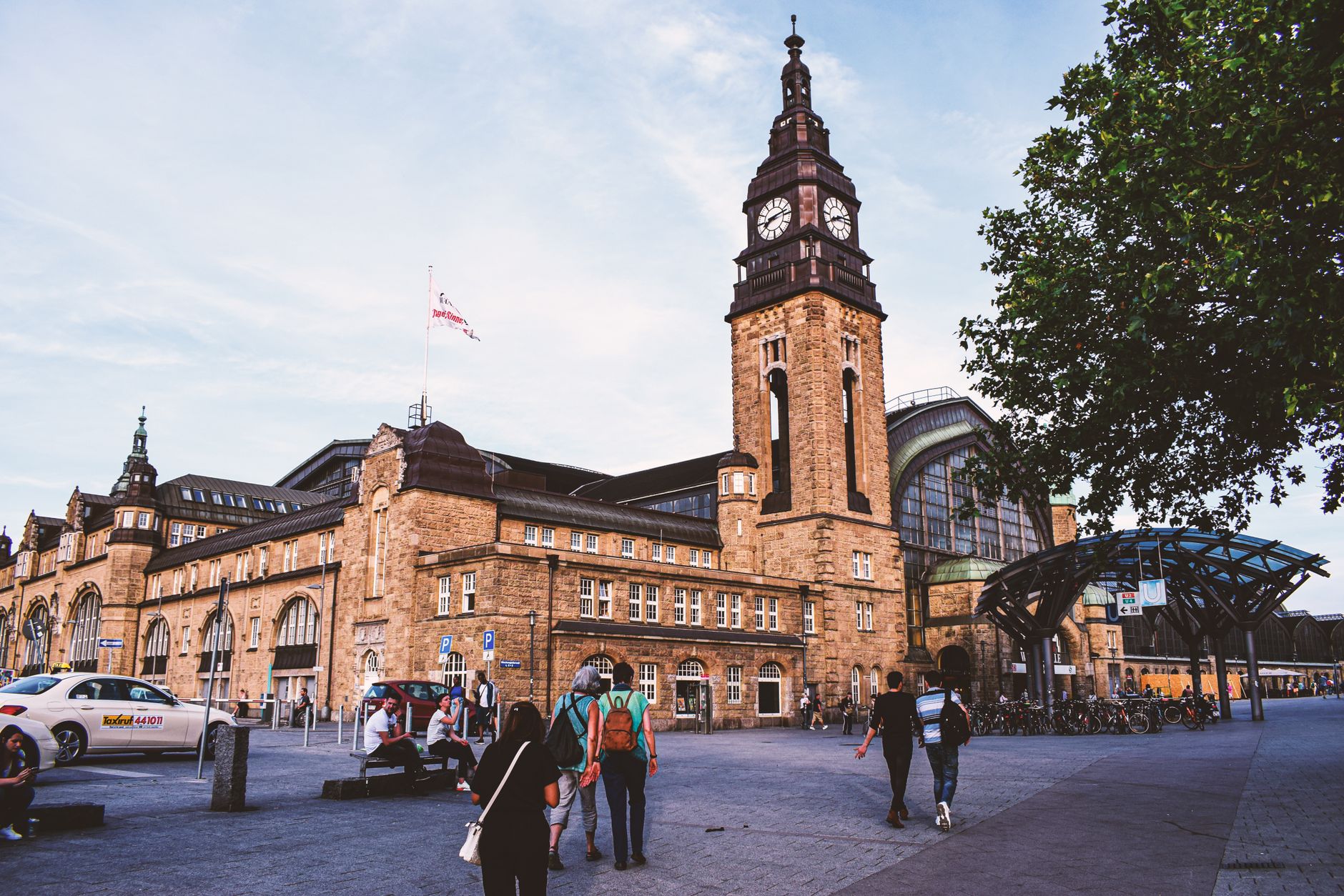
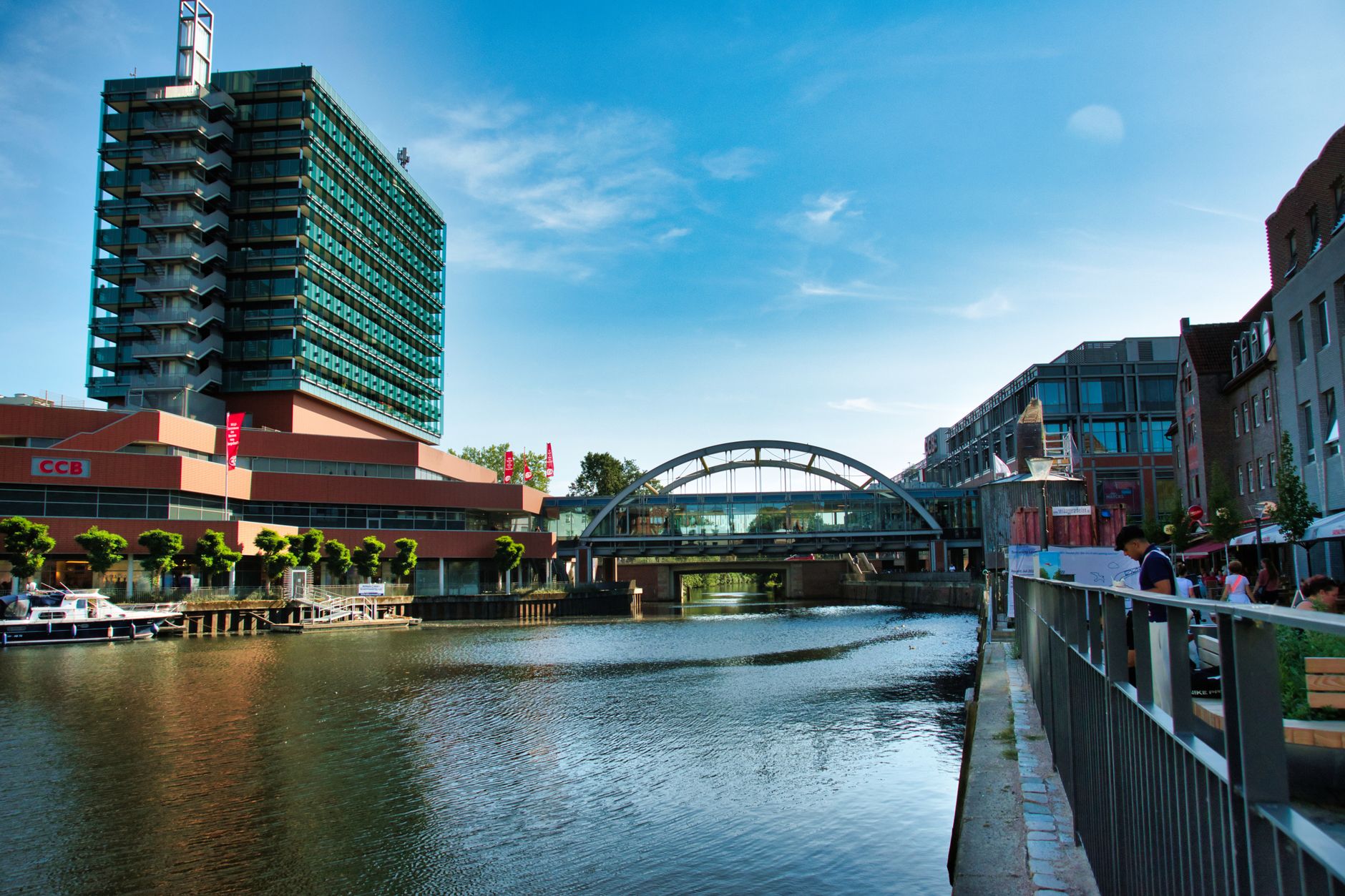
Hamburg-Nord is where the city keeps its daily life — the long farmers' market running a full kilometre under the Isemarkt U-Bahn arches, the Stadtpark's open-air concerts drifting across the grass on summer evenings, and Ohlsdorf's cemetery park so vast it has its own transit stop. This is one of Hamburg's seven boroughs, stitched together from quarters like Eppendorf, Winterhude, Barmbek, and Langenhorn, each with its own texture.
The borough stretches north from the Inner Alster's edge into quieter residential ground, carrying the kind of infrastructure a city actually runs on: the UKE university medical centre, the Museum of Labour, two serious theatres near Mundsburg. What you find here is Hamburg without the postcard framing.
💛 What travellers fall for
People who come back tend to anchor in Winterhude or Eppendorf and work outward from there. The Isemarkt on Tuesday and Friday mornings draws a loyal crowd. Ohlsdorf cemetery rewards a long, aimless afternoon — the chapels and mausoleums are genuinely worth the detour, and the U1 drops you right at the gate.
Deals in Hamburg-Nord
Book directly at the provider
How Hamburg-Nord came to be
Hamburg-Nord as a formal borough dates to January 26, 1937, when the Greater Hamburg Ordinance reorganised the city and drew in surrounding Prussian territories. The quarters it absorbed had their own distinct trajectories — Barmbek-Nord, for instance, was farmland until industrialisation in the 1910s and 1920s brought workers north, and the Hamburg-Altonaer Stadt- und Vorortbahn opened its Barmbeck station (now Barmbek) in 1907, knitting the area into the wider city.
After the Second World War, Hamburg-Nord absorbed another layer of transformation. The 1960s saw City-Nord rise as a purpose-built commercial district — glass and concrete offices that embodied the city's postwar push toward a new kind of prosperity, and which still stand today as a particular kind of period document.
Who and what shaped it
Landmark buildings
See Hamburg-Nord in motion
Plan your visit
On the map
When to go
Hamburg-Nord shares the city's sub-oceanic climate: winters run cold and grey with reliable rain, while summers are mild and occasionally genuinely warm, with the best light arriving from mid-May onward. Pack a layer even in July — evenings at the Stadtpark can cool quickly.
Right now
Background & history adapted from Wikipedia (CC BY-SA) · specs from Wikidata (CC0) · weather from Open-Meteo · map data © OpenStreetMap contributors · photos from Wikimedia Commons / Unsplash with per-image credit. No third-party reviews or social posts reproduced.