
Harburg
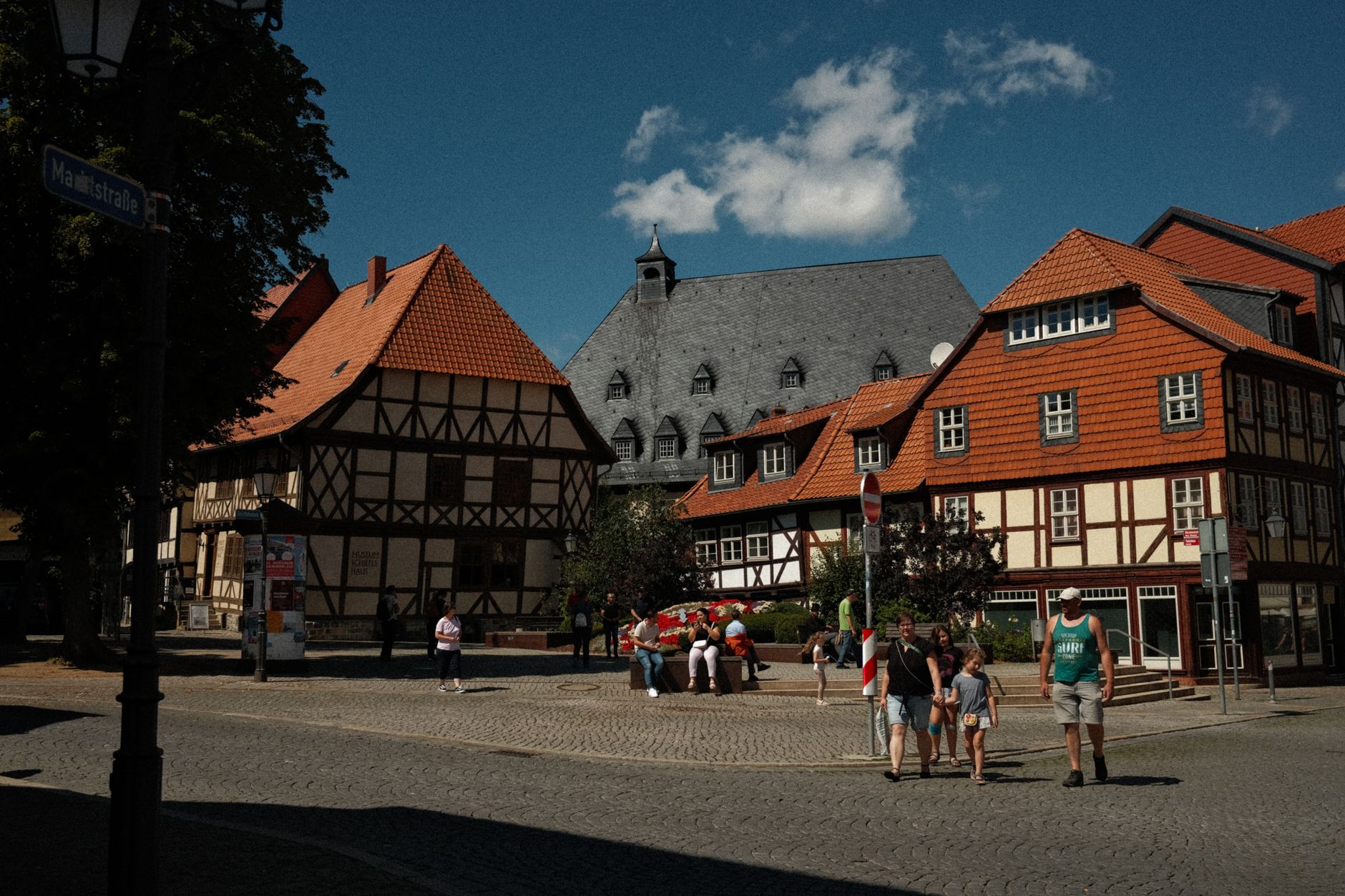
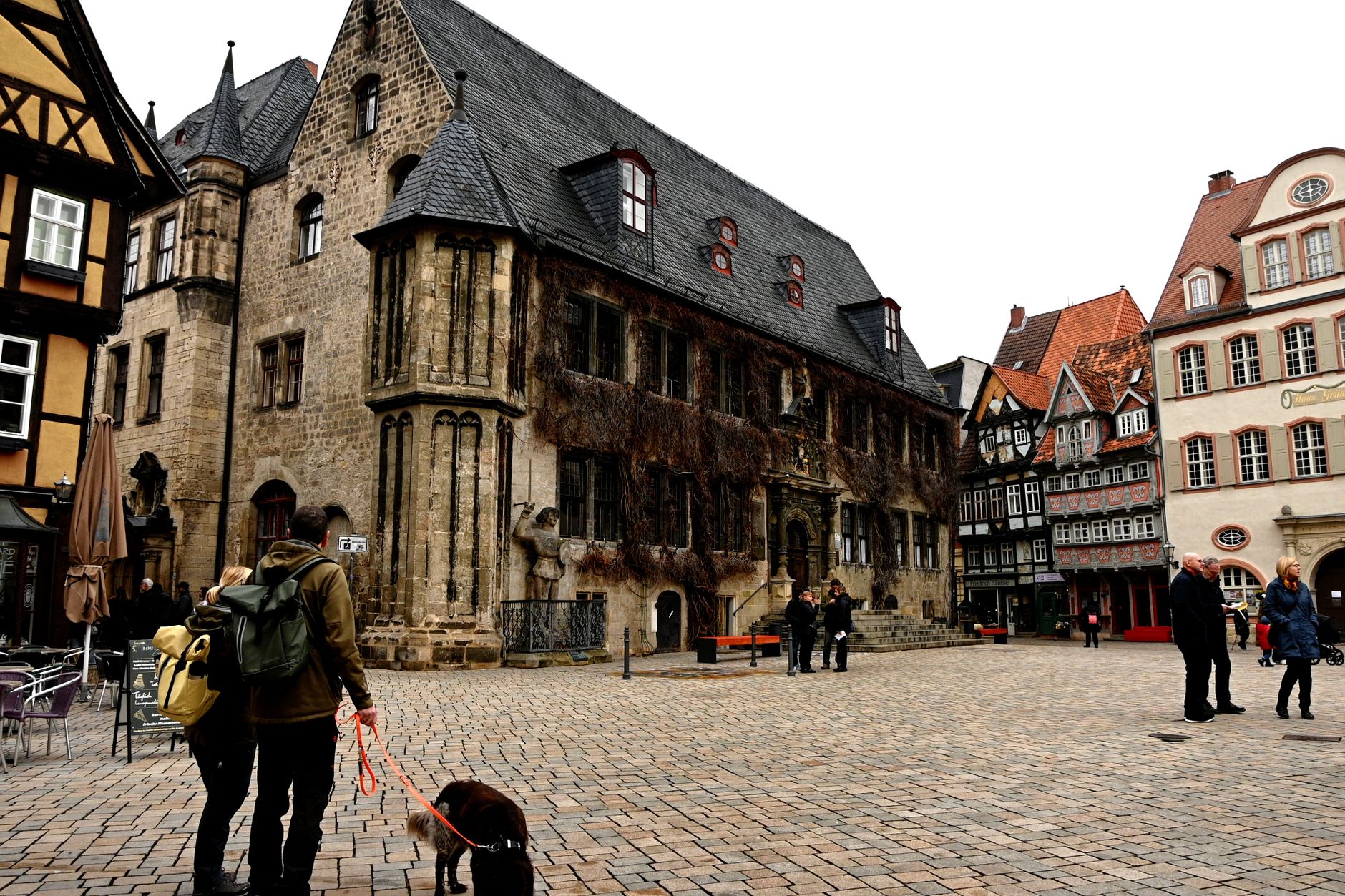
Harburg sits on the south bank of the Elbe, and that geography still defines it — the container terminals of Hamburg's port press in from the north while, to the south, the land opens into orchards and heathland. The inner harbour, the Binnenhafen, is the pivot point: old brick warehouses converted into offices and studios, the water catching whatever light the sky allows.
The Hamburg University of Technology keeps the streets younger than you might expect for a district this far from the city centre, and the Altes Land — Northern Europe's largest fruit-growing region — begins practically at the borough's edge, apple and cherry trees running southwest along the Elbe all the way to the marshes.
💛 What travellers fall for
People who come back tend to time it around the Altes Land blossom in late April or early May, when the orchards in Neuenfelde and Francop are in full flower and you can walk the dyke paths between the trees. The Binnenhafen Festival draws them again in summer — a reason to linger at the water rather than just pass through.
Deals in Harburg
Book directly at the provider


How Harburg came to be
The name traces back to a castle the counts of Stade called Horeburg — swamp castle — with the earliest written records appearing in 1133 and 1137. The settlement outside the castle walls received municipal rights in 1288 and town privileges in 1297, beginning nearly six and a half centuries of independent civic life.
In 1927 Harburg merged with Wilhelmsburg to form Harburg-Wilhelmsburg. A decade later, on 1 April 1937, it was transferred from Prussia to the state of Hamburg, and a year after that — 1 April 1938 — absorbed into the unified Hamburg municipality, ending the municipal independence it had held since the thirteenth century.
Who and what shaped it
Landmark buildings
See Harburg in motion
Plan your visit
On the map
When to go
Winters are cold and grey, with January temperatures dipping below freezing and occasional snow; spring stays unsettled well into April. Summer brings mild, pleasant days punctuated by cool spells and the odd thunderstorm, with peaks occasionally touching 33°C — mid-May through mid-September is when the light and the orchards are both at their best.
Right now
Background & history adapted from Wikipedia (CC BY-SA) · specs from Wikidata (CC0) · weather from Open-Meteo · map data © OpenStreetMap contributors · photos from Wikimedia Commons / Unsplash with per-image credit. No third-party reviews or social posts reproduced.