
Barmbek
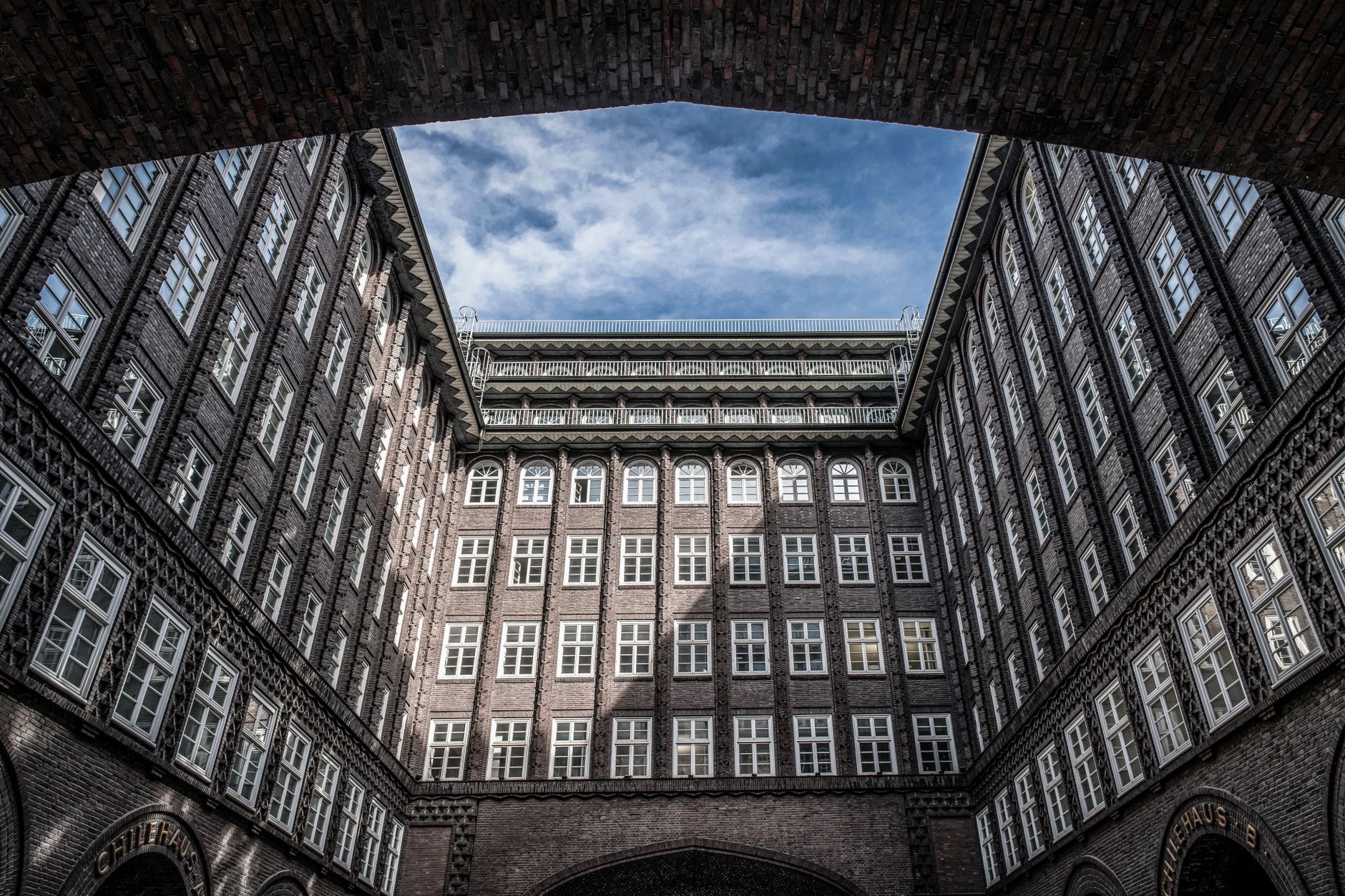
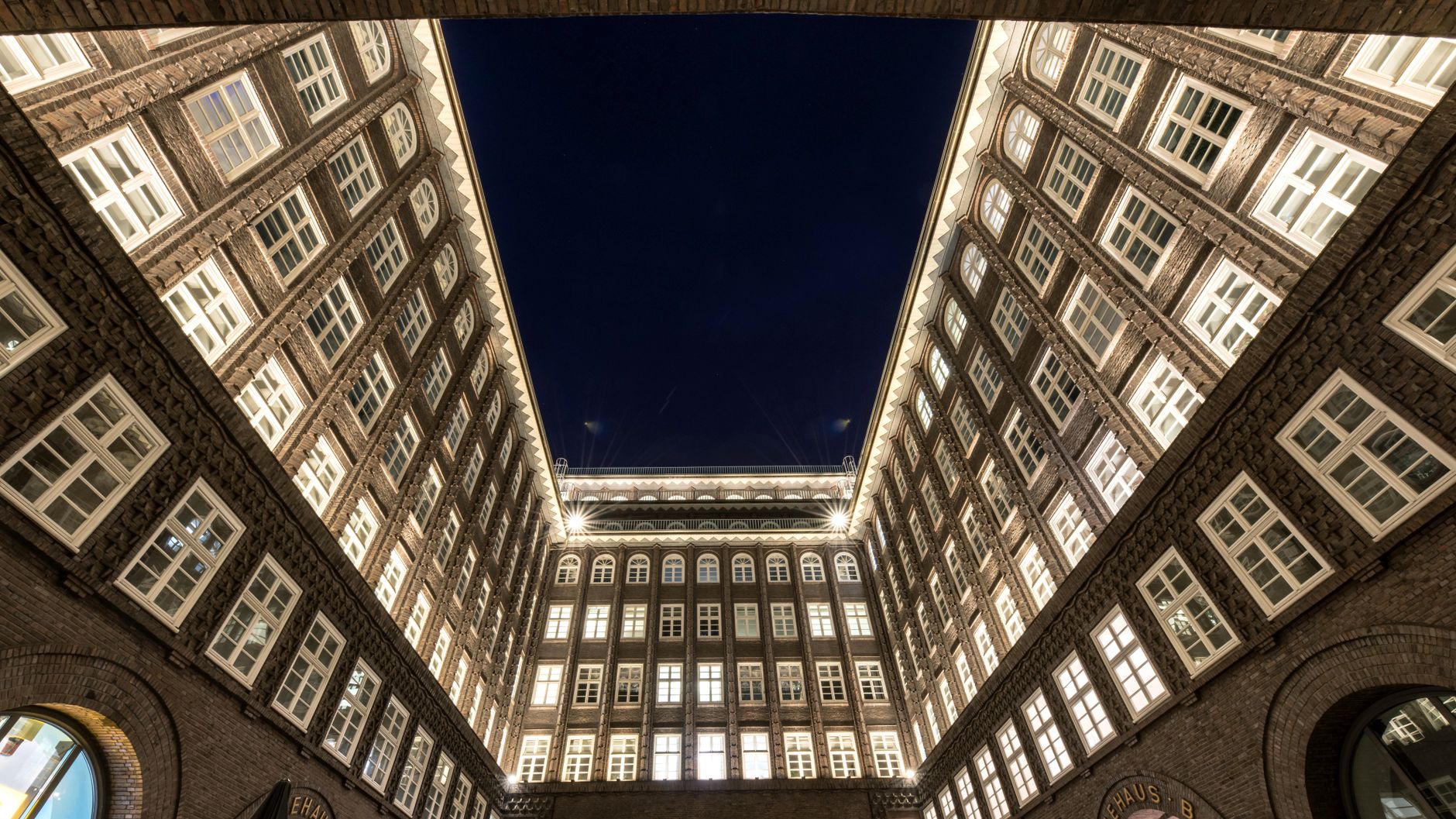
The first thing you notice in Barmbek is the brick — red clinker everywhere, most of it rebuilt after the 1943 bombing raids levelled the neighbourhood. Walk the streets of Barmbek-Nord and you'll find interwar housing blocks in the spare, rational style of the Weimar Republic's New Objectivity, more than 4,300 apartments pressed into service before the republic collapsed. In Barmbek-Süd, where the district softens toward Uhlenhorst, Art Nouveau facades survive, and a cluster of streets named after composers — Beethovenstraße, Mozartstraße, Schubertstraße — turns out to owe their theme to a simple misunderstanding about who Wagner was.
💛 What travellers fall for
People who keep coming back tend to circle the Museum der Arbeit on Wiesendamm more than once — partly for whatever temporary show is running, partly to stand outside and look at T.R.U.D.E., the enormous tunnel-boring machine parked in the square like a retired giant. The Zinnschmelze pulls a local crowd for live music on weekday evenings when the rest of the city feels far away.
Experiences you don't want to miss


Deals in Barmbek
Book directly at the provider


How Barmbek came to be
The name appears in records as early as 1271, written 'Bernebeke', and the spelling didn't settle into its modern form until 1946. For centuries it was a village under Hamburg's orbit; the city absorbed it as a suburb in 1894. Its character as a workers' quarter was partly shaped by displacement: when the Speicherstadt warehouse district was cleared in 1883, large numbers of working-class residents were pushed outward, and Barmbek grew to absorb them.
The neighbourhood was largely destroyed in the Allied bombing of Hamburg in 1943 and rebuilt through the 1950s in the functional red-brick manner you see today. Barmbek-Nord was formally incorporated into Hamburg under the Greater Hamburg Act of 1937, and in 1951 the area was divided into the three quarters — Barmbek-Süd, Barmbek-Nord, and Dulsberg — that still define it.
Who and what shaped it
Landmark buildings
See Barmbek in motion
Plan your visit
On the map
When to go
Summers run mild to warm, with July and August reaching 21–25°C and occasional hot spells pushing past 33°C; expect fast rain showers rather than long grey days. Winters are cold and overcast, and spring stays unstable well into May, so mid-May through September is the window when the neighbourhood is easiest to walk.
Right now
Background & history adapted from Wikipedia (CC BY-SA) · specs from Wikidata (CC0) · weather from Open-Meteo · map data © OpenStreetMap contributors · photos from Wikimedia Commons / Unsplash with per-image credit. No third-party reviews or social posts reproduced.