
Bergedorf
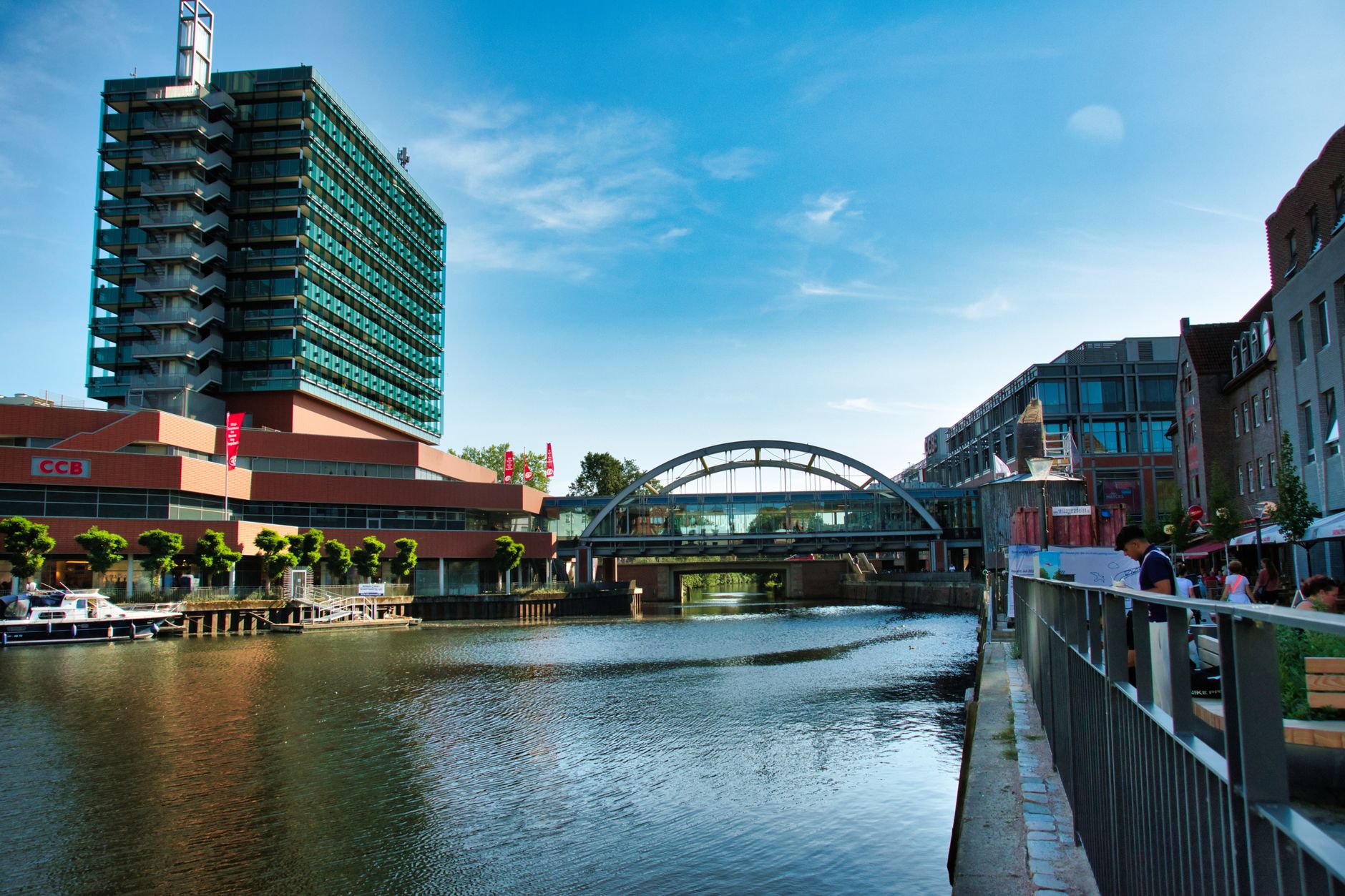
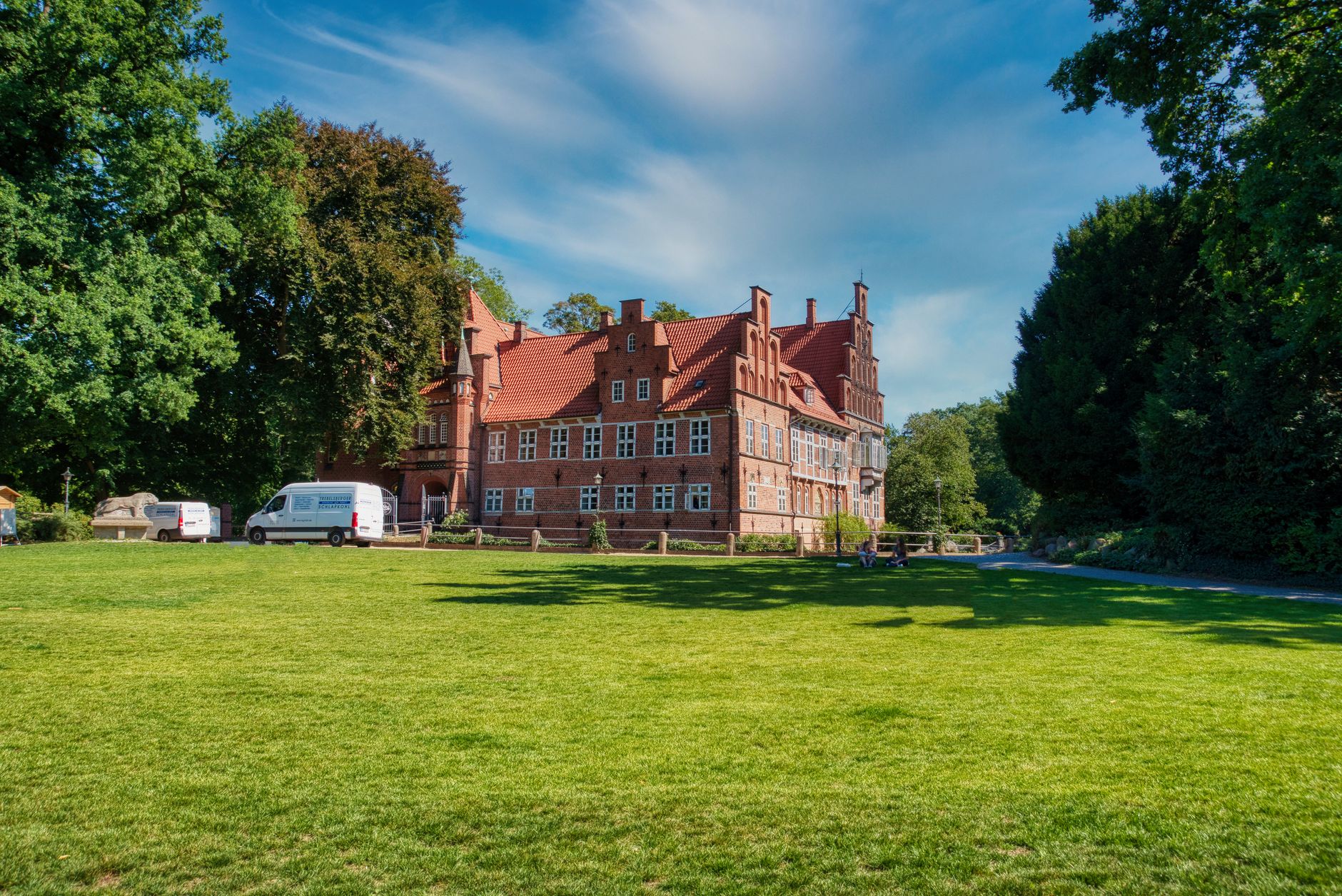
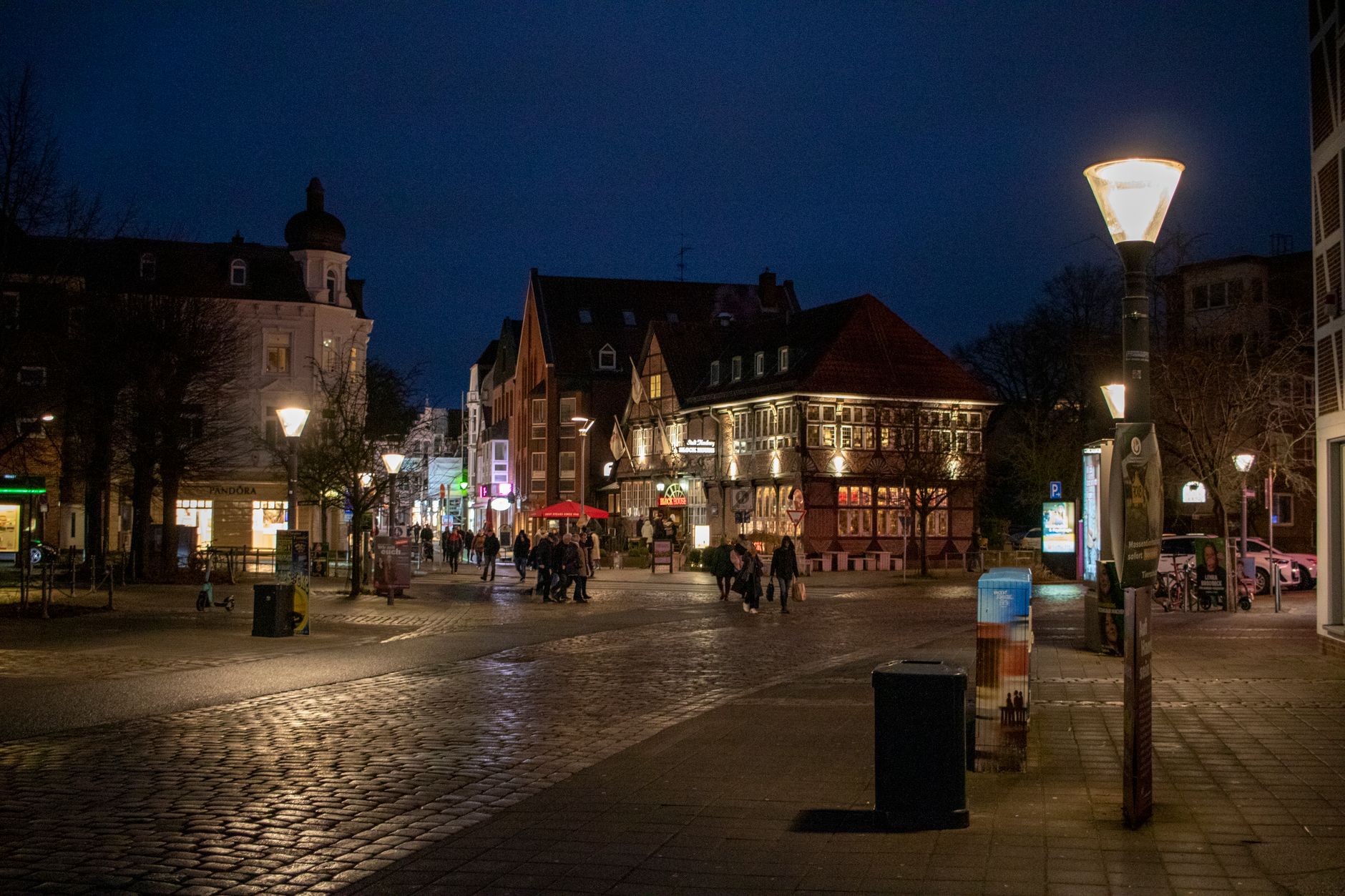
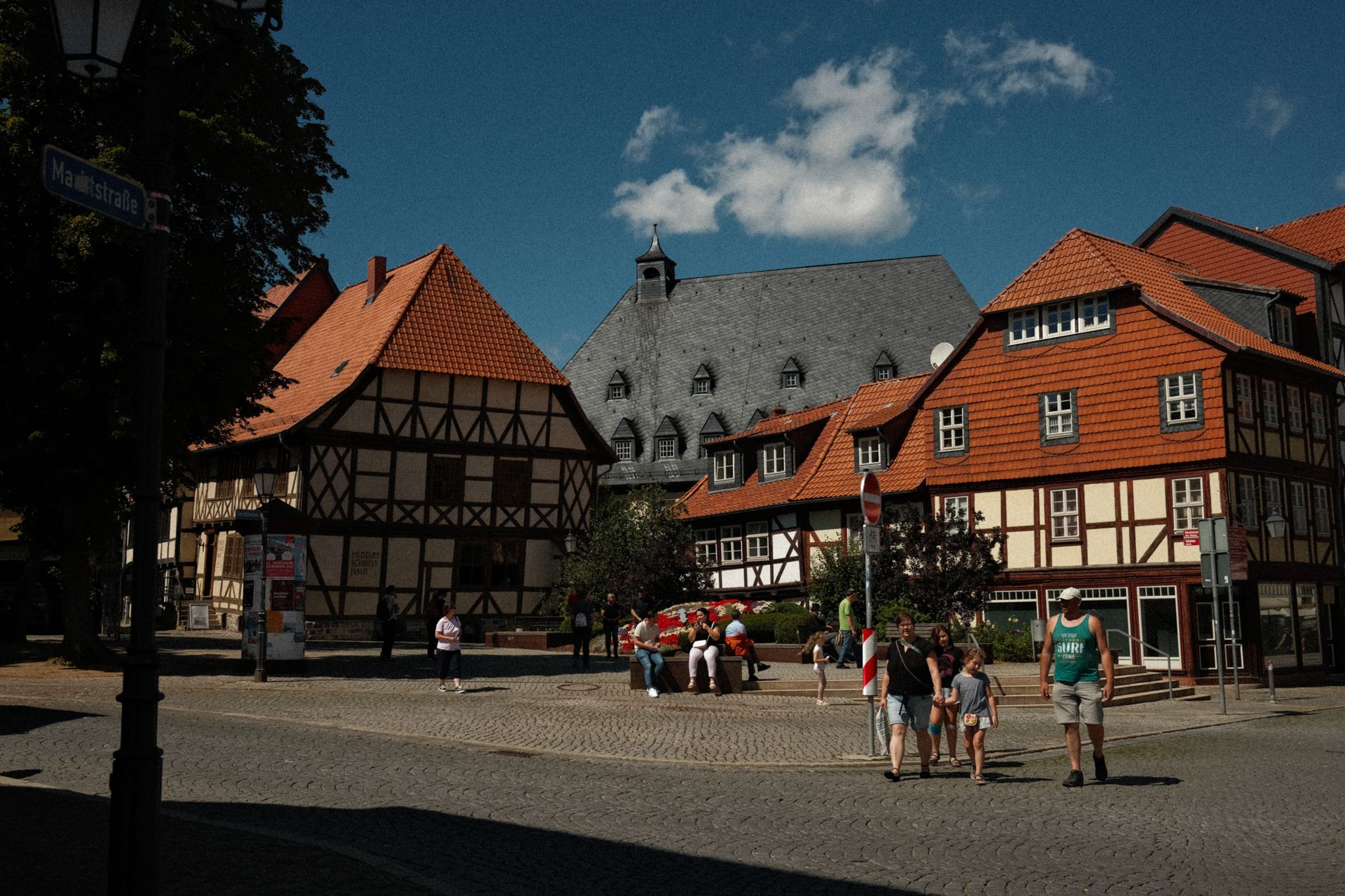
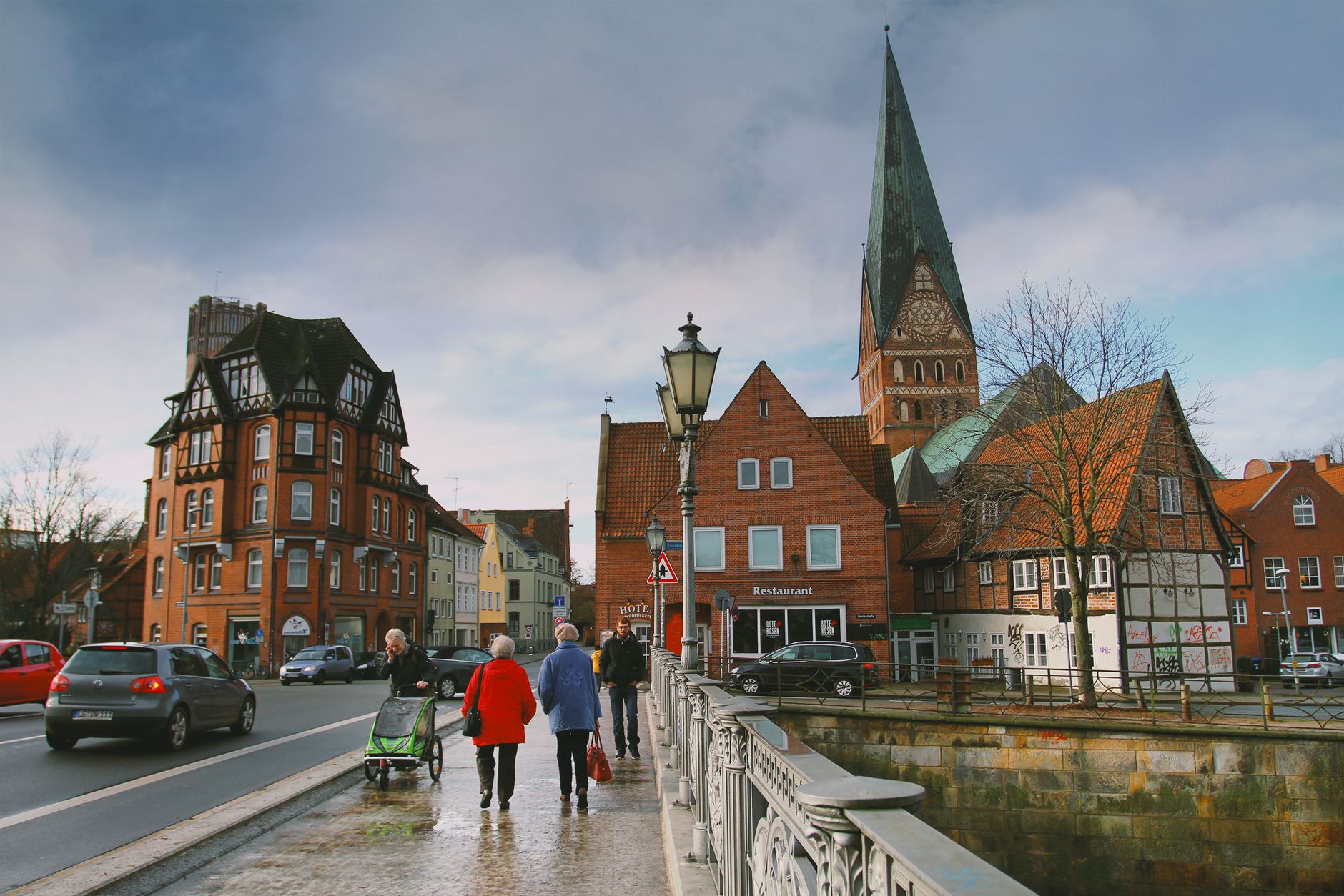
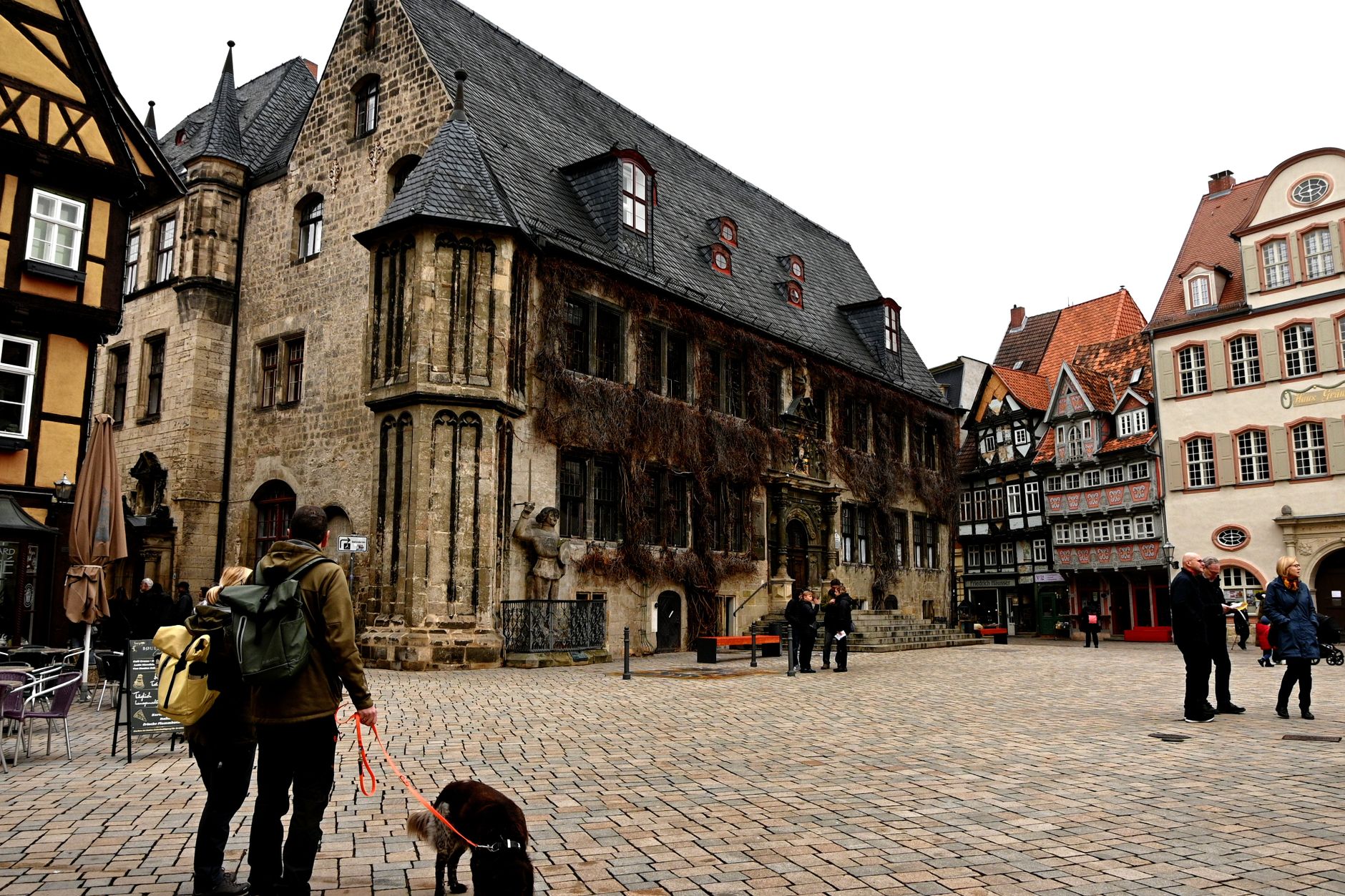
Bergedorf sits at the southeastern edge of Hamburg, where the city quietly gives way to farmland and the Elbe's tributaries spread into the flat marshlands of the Vierlande. The old castle still stands at the centre, a low-slung medieval structure that has been a ducal seat, a joint possession of two rival cities, and now a local museum — all within a park that Napoleonic-era occupation inadvertently gave the town.
What draws people here is a certain unhurried quality. The S2 from Altona drops you at a station that has been running since 1846, and within a short walk you can stand in front of a corn mill built in 1208 or look up at the neo-baroque domes of an observatory that helped shape European astronomy.
💛 What travellers fall for
People who come back tend to combine the observatory's stargazing nights with a morning at the Rieck Haus in Curslack — the 1533 farmhouse puts the whole Vierlande landscape in context. The Christmas market around the castle is worth timing a visit for: the courtyard does something particular to candlelight.
Experiences you don't want to miss


Deals in Bergedorf
Book directly at the provider

How Bergedorf came to be
Bergedorf appears in the record as early as 1162, received town privileges in 1275, and spent its early centuries passing between rulers — from the Duchy of Saxony-Lauenburg to a brief pawn arrangement with Lübeck under Eric III in 1370. The settlement's most unusual chapter began with the Peace of Perleberg on 23 August 1420, when Hamburg and Lübeck took joint possession, ruling the territory through alternating bailiffs in an arrangement so singular it had its own name: Beiderstädtischer Besitz, the bi-urban condominium.
That shared ownership lasted nearly four and a half centuries and produced its own postal system — the Bi-Urban Mail, founded 1847, issuing its own stamps from 1861 to 1867. In 1867, Lübeck sold its share to Hamburg, and Bergedorf became the Rural Seigniory of Hamburg, eventually folding into the city as a borough with its own distinct memory of having been, for a long time, something between two places at once.
Who and what shaped it
People who shaped it
Landmark buildings
See Bergedorf in motion
Plan your visit
On the map
When to go
Summers are mild and occasionally hot — July averages around 24°C, though temperatures have pushed past 39°C in recent years, and rain comes in quick showers rather than long grey stretches. Winters are cold and dark, with January dipping below freezing; if you visit then, the castle Christmas market gives you a reason to be outside anyway.
Right now
Background & history adapted from Wikipedia (CC BY-SA) · specs from Wikidata (CC0) · weather from Open-Meteo · map data © OpenStreetMap contributors · photos from Wikimedia Commons / Unsplash with per-image credit. No third-party reviews or social posts reproduced.