
Rahlstedt
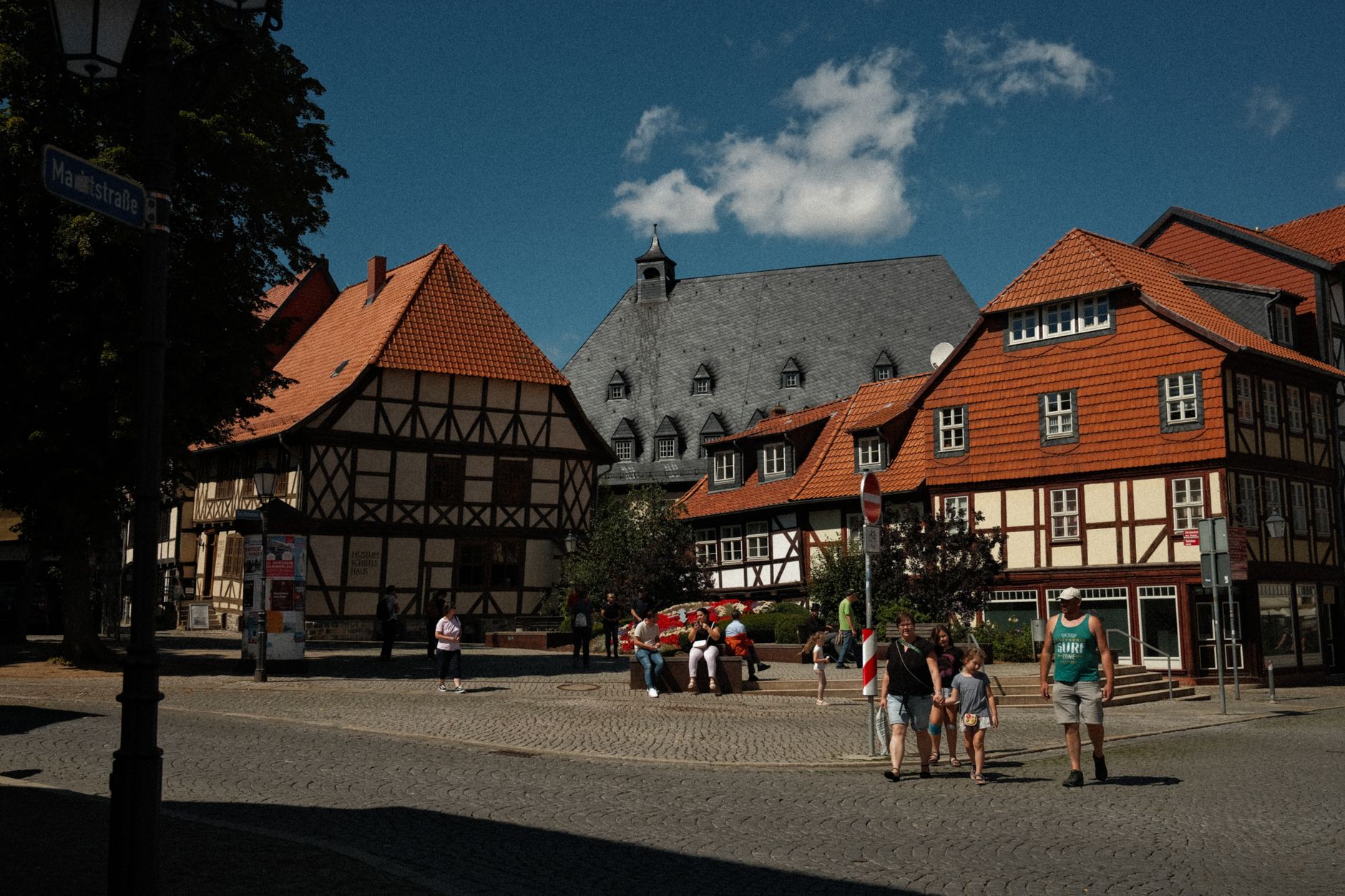
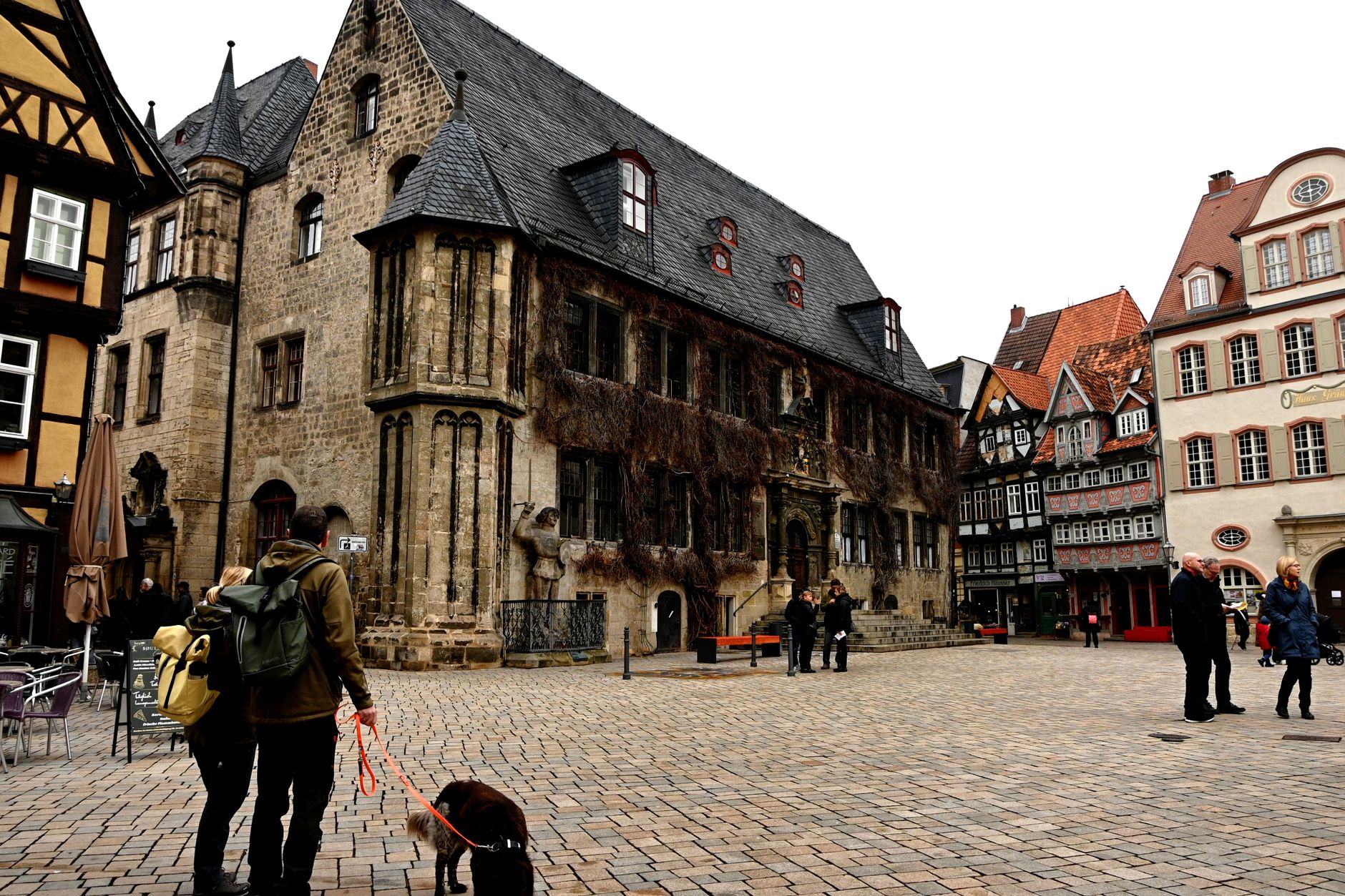
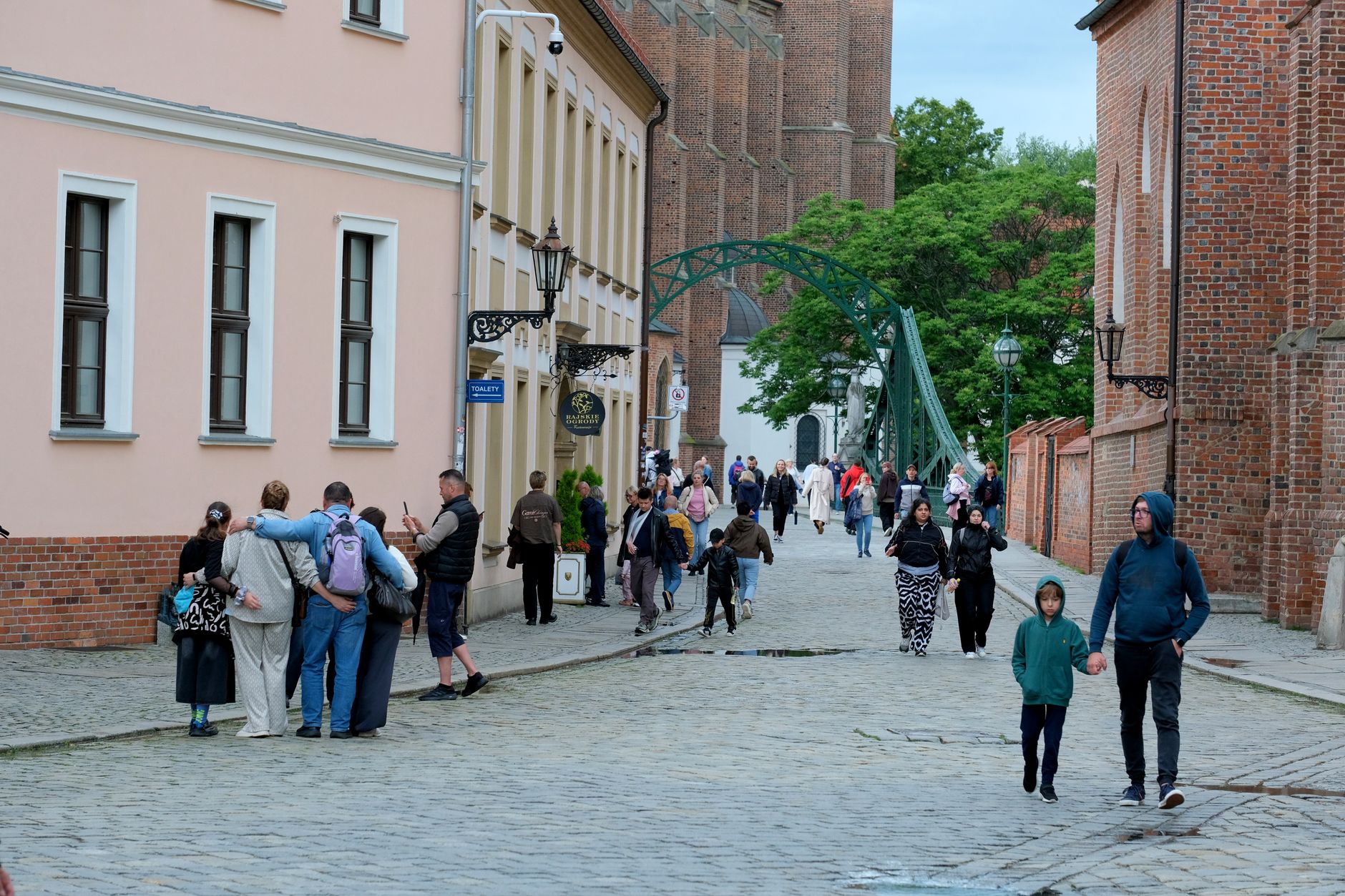
Rahlstedt earns its place on Hamburg's eastern edge less by drama than by depth. Stand in the Dorfplatz — laid out in the old Wendish circular form, unchanged across the centuries — and you get a quick read on what this place is: a working quarter of nearly 96,000 people that has quietly absorbed wave after wave of history without losing its original shape.
The fieldstone walls of Alt-Rahlstedter Kirche have been standing since the 13th century. A short walk away, Wilhelminian and Art Nouveau villas line Remstedtstraße in a protected ensemble of stucco and ambition. Rahlstedt is not performing for visitors, which is exactly what makes it worth the trip.
💛 What travellers fall for
People who come back tend to time a walk through Liliencronpark for a quiet afternoon, then loop to the old church before the light drops. The cemetery on the edge of the Wandse corridor — 19,000 graves, including Detlev von Liliencron's — is genuinely worth an hour if you have any patience for old stones and older names.
Deals in Rahlstedt
Book directly at the provider


How Rahlstedt came to be
The name goes back to 1248, when the settlement was recorded as 'Radoluestede' — a place on safe ground, founded by a man named Radolf. Long before that, late Paleolithic reindeer hunters of the Hamburg culture roamed this terrain at the close of the Ice Age, a fact confirmed by excavations in the 1930s. For centuries the area sat within the Duchy of Holstein under Danish rule, then passed to Prussia in 1864.
The railway arrived in 1865, and Alt-Rahlstedt quickly became a villa suburb for Hamburg's prosperous middle class — which explains the Art Nouveau ensembles still intact on Remstedtstraße today. In 1927, several surrounding villages merged into a single Prussian municipality, and ten years later the Greater Hamburg Act folded everything into the city.
Who and what shaped it
People who shaped it
Landmark buildings
See Rahlstedt in motion
Plan your visit
On the map
When to go
Hamburg's maritime climate means mild, grey winters and cool summers; July and August are the most reliably pleasant months for walking the villa streets and the Wandse corridor. Spring and autumn bring frequent rain, so a waterproof layer earns its weight regardless of the forecast.
Right now
Background & history adapted from Wikipedia (CC BY-SA) · specs from Wikidata (CC0) · weather from Open-Meteo · map data © OpenStreetMap contributors · photos from Wikimedia Commons / Unsplash with per-image credit. No third-party reviews or social posts reproduced.