
Hamburg-Mitte
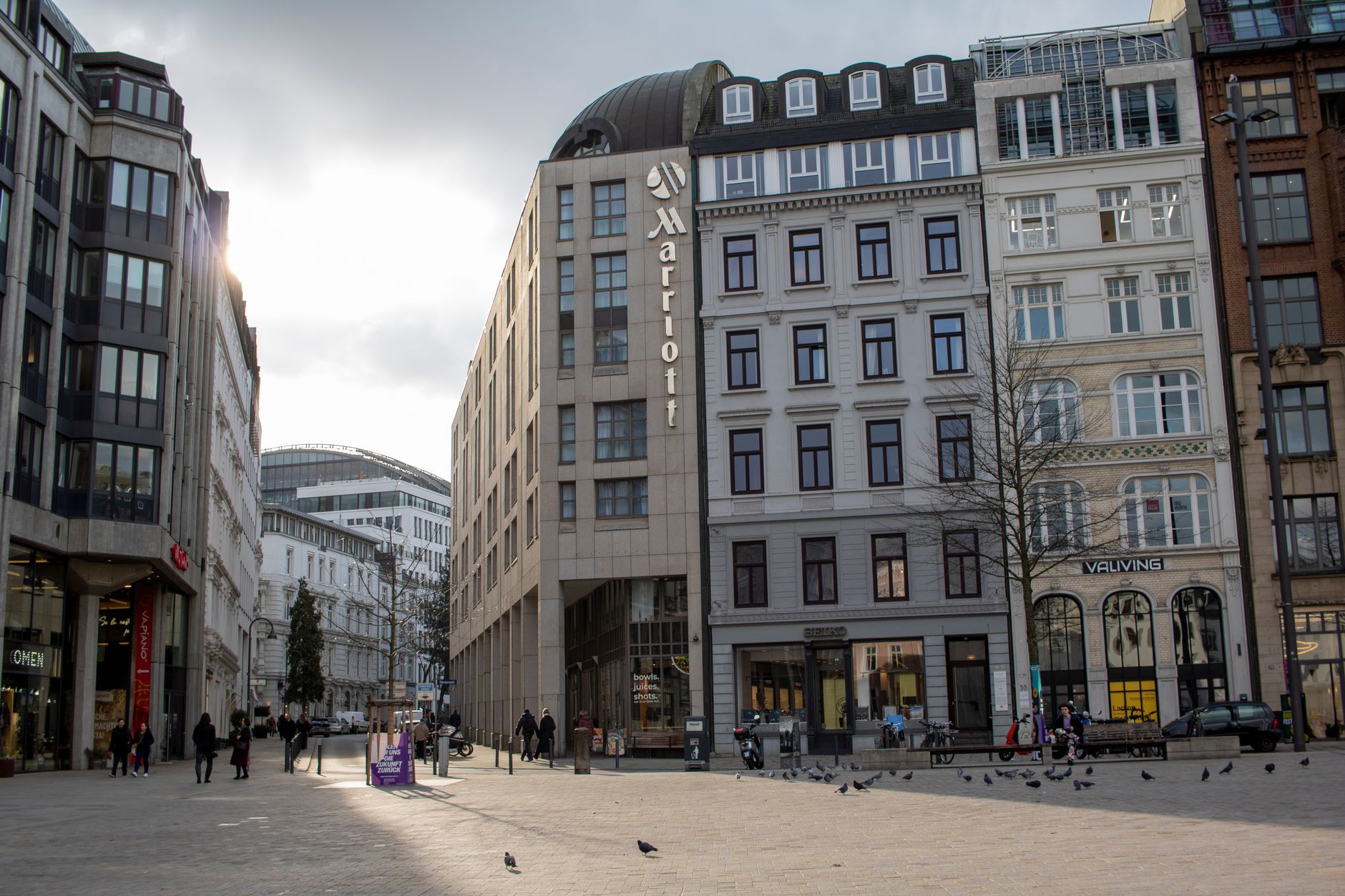
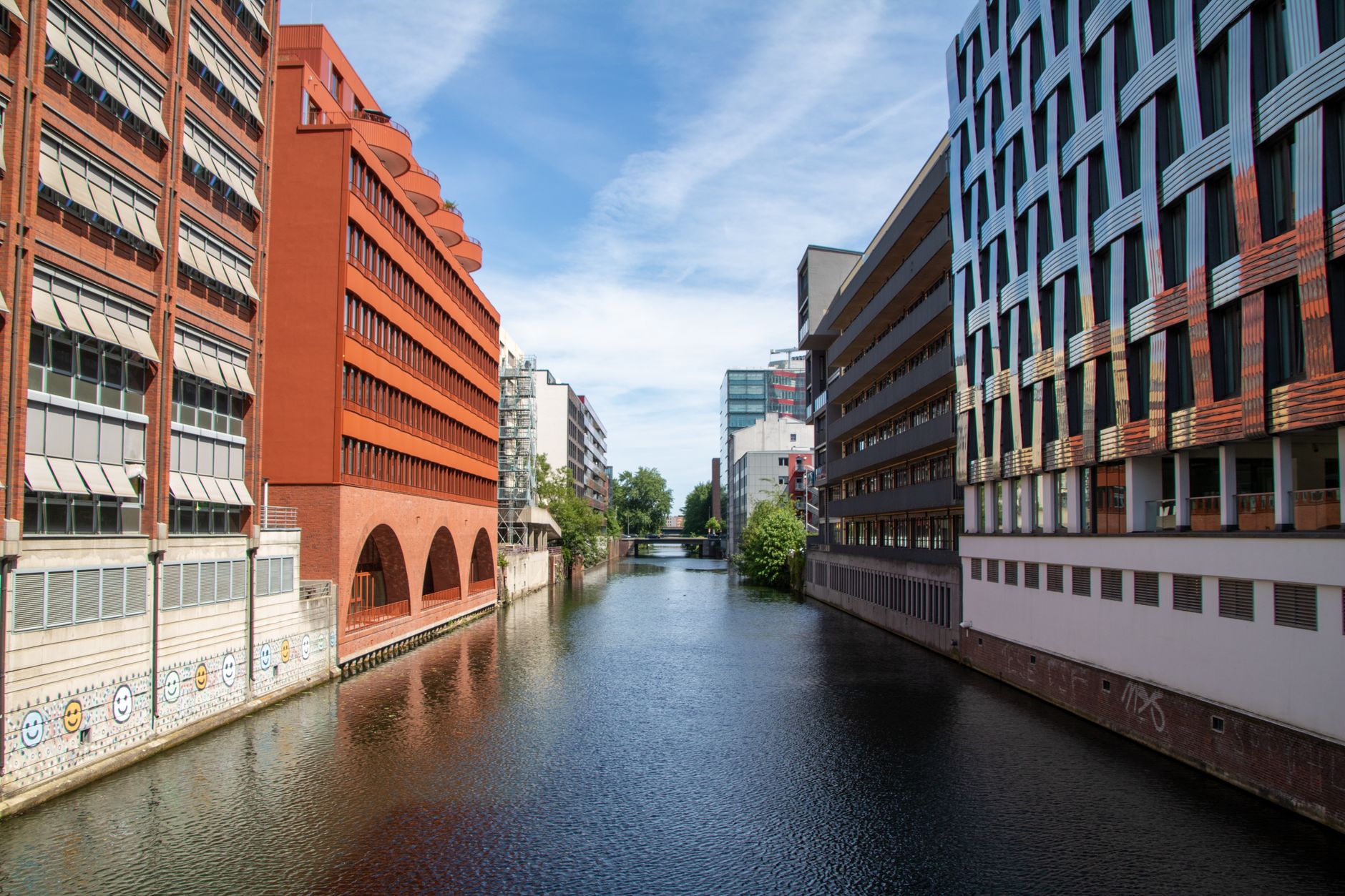
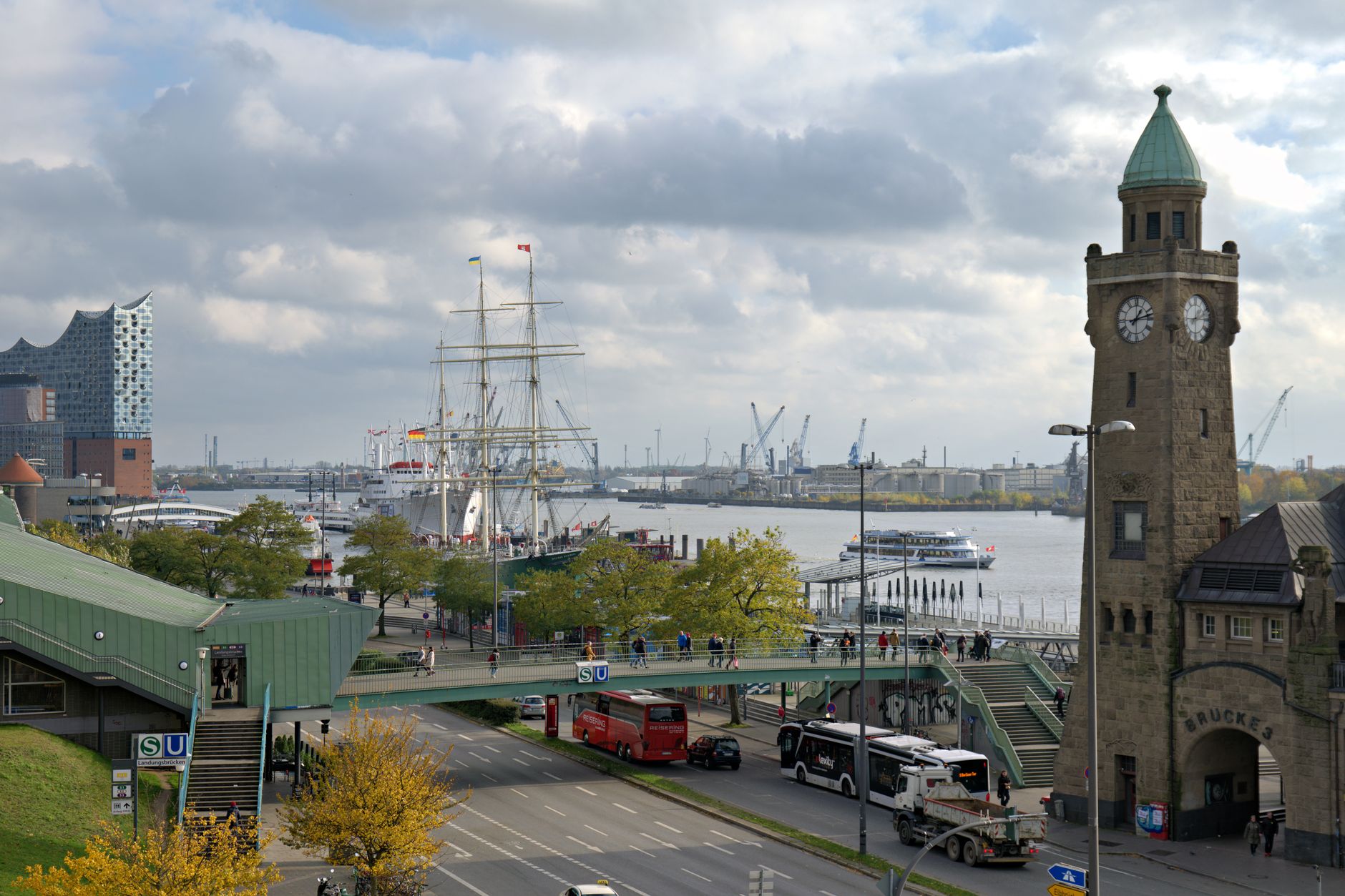
Hamburg-Mitte is where the city keeps its oldest arguments and its newest ambitions side by side. The copper spire of St. Michael's Church rises 132 metres over rooftops that were rebuilt after wartime, while a few kilometres south, the Elbphilharmonie — open since January 2017 — stands 108 metres tall at the water's edge, its wave-shaped glass roof still drawing long stares from the bridge.
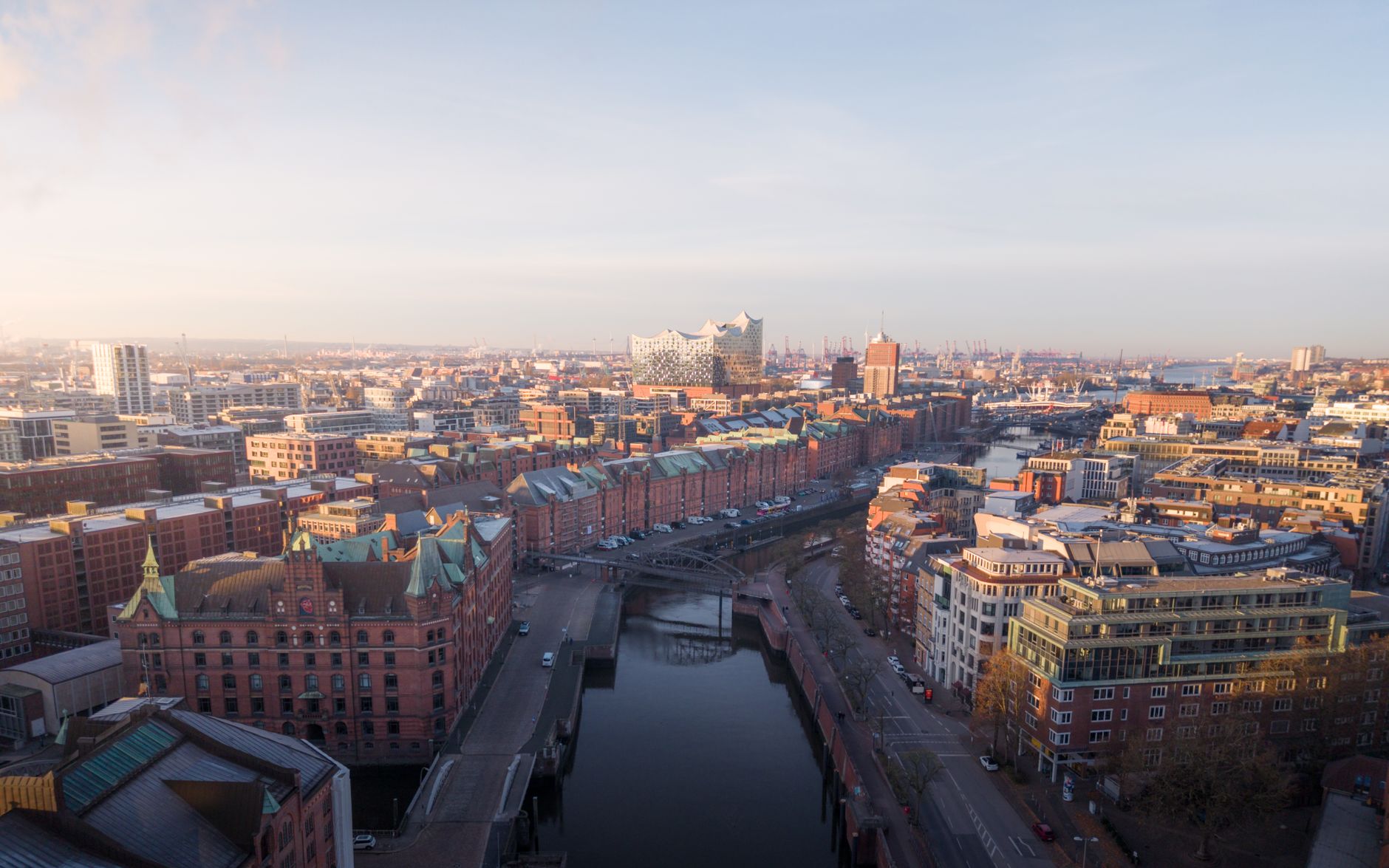
The borough holds the Innenstadt, the old warehouse district of Speicherstadt, the St. Pauli waterfront, and the vast HafenCity development all at once. That range is the point: you can walk from a UNESCO-listed brick canal warehouse to a concert hall that became a new city landmark in the space of an afternoon.
💛 What travellers fall for
People who come back tend to take the U3 rather than walking everywhere — it loops through the center and along the Alster, and the elevated stretches give you sightlines you don't get at street level. They also learn quickly that the HADAG harbour ferries run on the same integrated ticket as the U-Bahn, which makes the Landungsbrücken stages feel less like a tourist stop and more like a useful pier.
Deals in Hamburg-Mitte
Book directly at the provider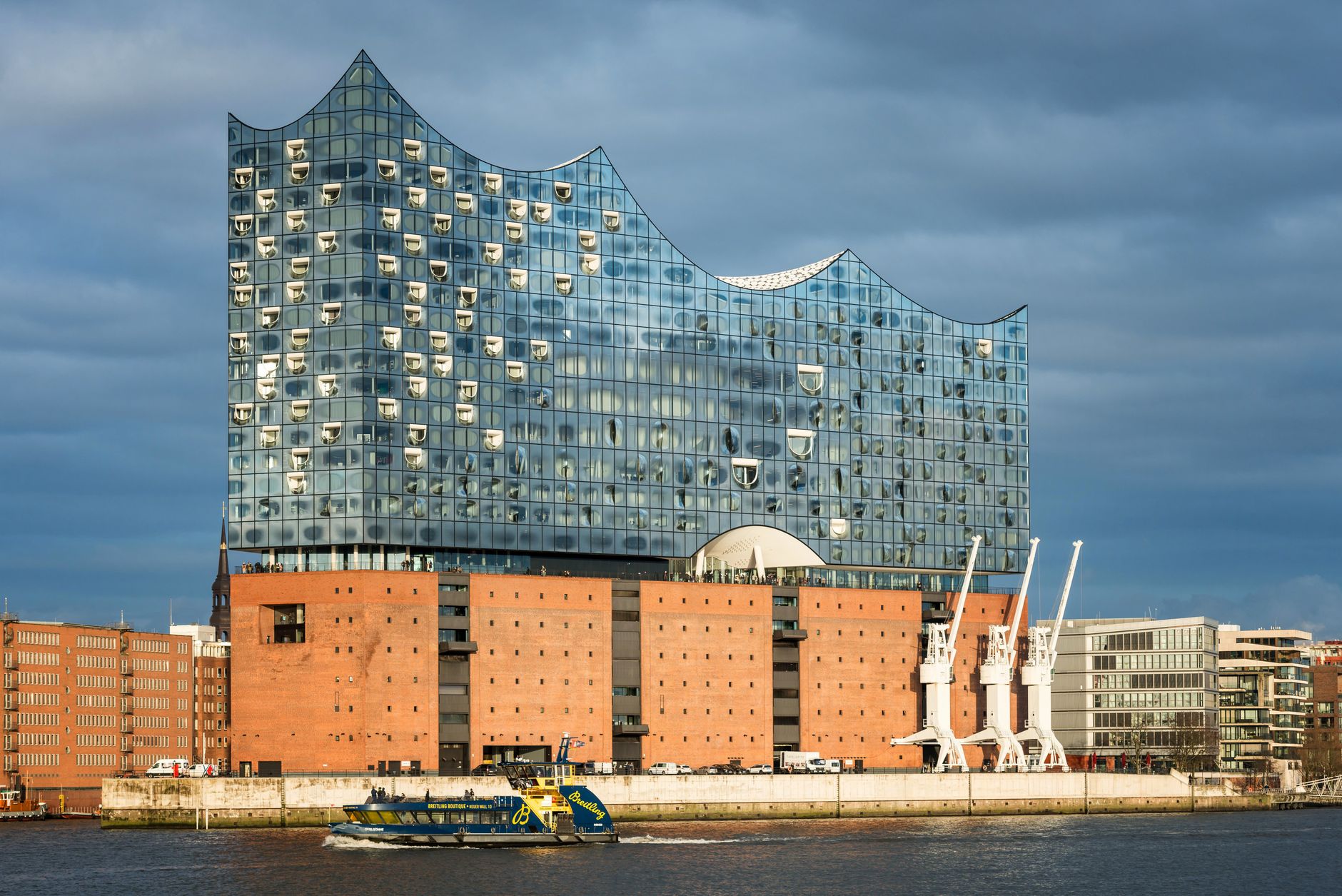
How Hamburg-Mitte came to be
The borough as it exists today is partly a product of the 1937 Greater Hamburg Act, which folded surrounding settlements and rural areas into the city under a single administrative framework. That reorganisation drew borders that still largely hold. In March 2008, the quarter of Wilhelmsburg was transferred into Hamburg-Mitte from the neighbouring borough of Harburg, shifting the district's geography southward toward the Elbe.
The physical core — the Altstadt and Neustadt — carries older layers. The Speicherstadt warehouse district was built between 1883 and 1927, eventually earning UNESCO World Heritage status. The Rathaus, in Neo-Renaissance style with just under 650 rooms, went up at the end of the 19th century. The Chilehaus, whose construction began in April 1922 and opened in July 1923, added a different kind of civic ambition to the skyline.
Who and what shaped it
Landmark buildings
See Hamburg-Mitte in motion
Plan your visit
On the map
When to go
Winters are damp, windy and frequently grey, with January averaging around 2°C and occasional snow when colder air pushes in from the east. Spring stays unsettled well into April; real warmth tends to arrive in May, with July the warmest month and the period from mid-May to mid-September the most comfortable for time spent outside.
Right now
Background & history adapted from Wikipedia (CC BY-SA) · specs from Wikidata (CC0) · weather from Open-Meteo · map data © OpenStreetMap contributors · photos from Wikimedia Commons / Unsplash with per-image credit. No third-party reviews or social posts reproduced.