
Altona
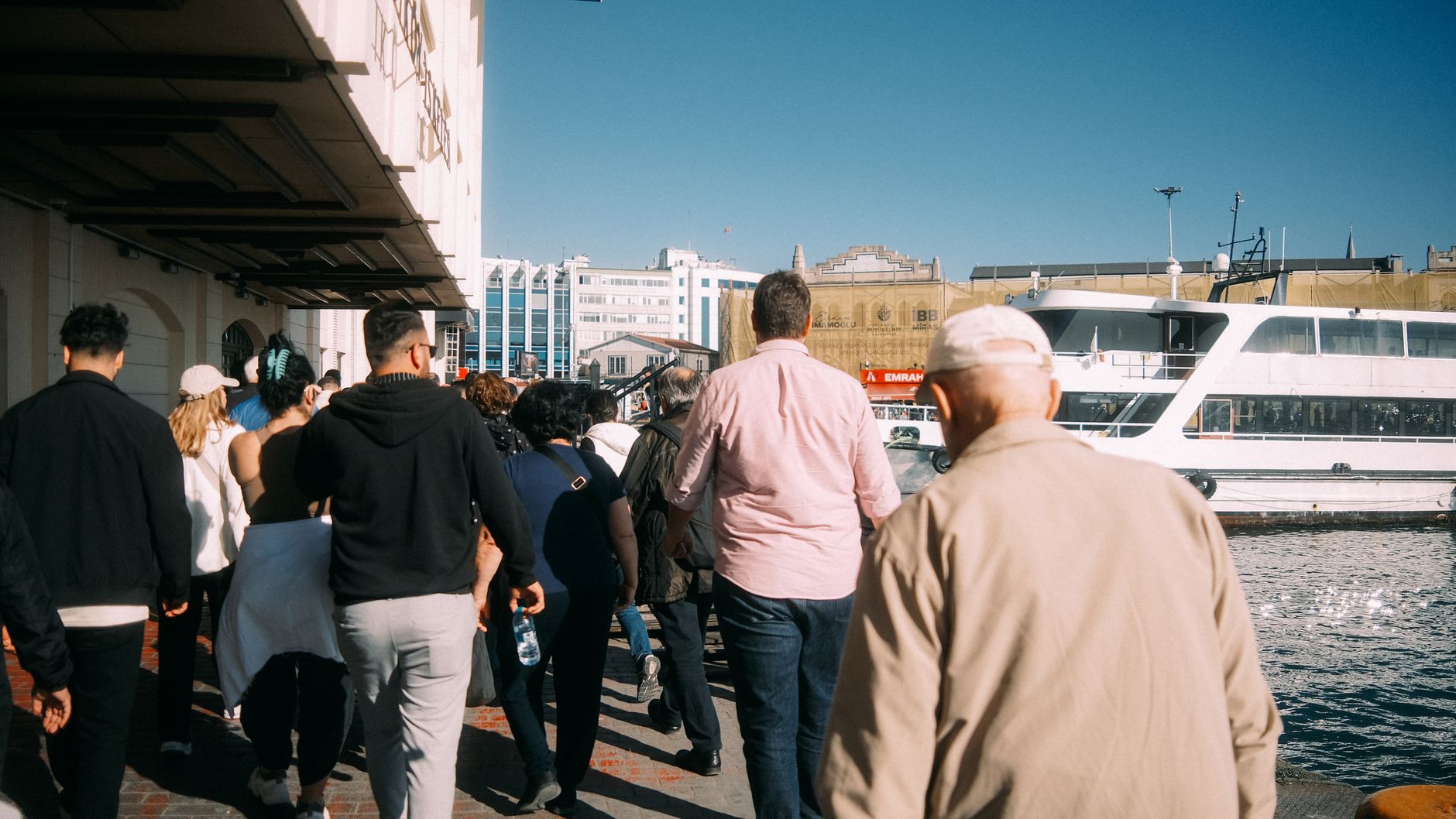
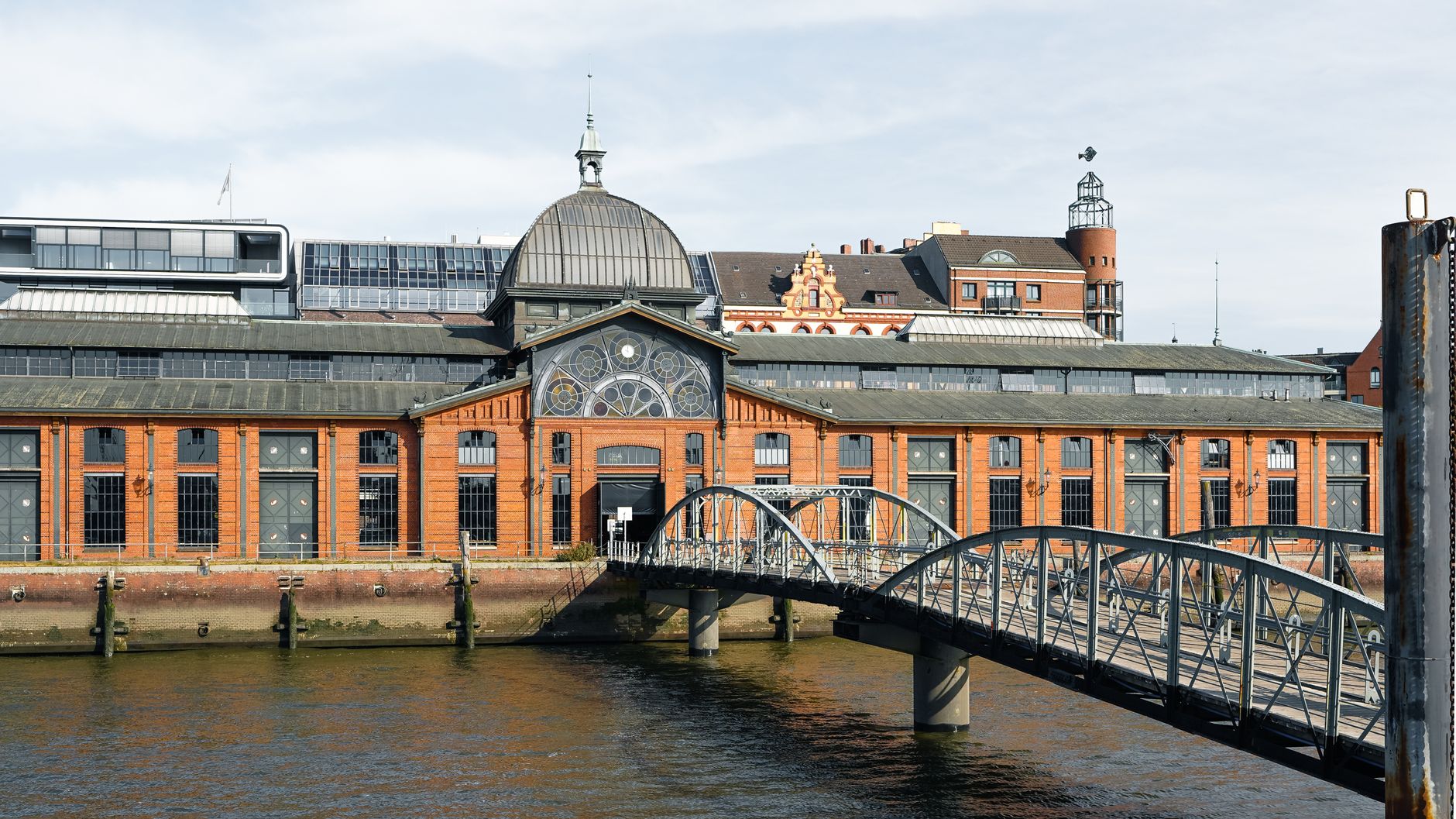
On Sunday mornings, the Altonaer Fischmarkt opens at five in the morning — and people actually show up. Traders hawk eels and smoked fish from stalls while the Elbe idles below, and by eleven it's all over, the crowd dispersed into the day. That early-morning ritual tells you something essential about Altona: it has its own rhythms, its own loyalties, its own sense of when and why to gather.
Altona sits at Hamburg's western edge, technically a district of the city since 1937 but carrying itself with the confidence of somewhere that was a separate city for three centuries. The Elbe is always close, the streets shift quickly from canal-side calm to the narrow bar-lined alleys of Ottensen, and the trains at Hamburg-Altona station load up for Munich or Berlin as if the place still has somewhere important to be.
💛 What travellers fall for
People who return to Altona tend to anchor around Ottensen — specifically the Fabrik on Barnerstraße, which has been putting on concerts in an old factory space long enough that no one remembers it being anything else. The Elbberg Campus terrace is worth the detour for the harbour view, and the Volkspark is large enough to actually get lost in.
Experiences you don't want to miss



Deals in Altona
Book directly at the provider


How Altona came to be
Altona started as a tavern by the Hamburg border in 1537 — the name may derive from a Hamburg innkeeper's complaint that it was "all too near." The Counts of Holstein-Pinneberg cultivated it as a rival settlement, and in 1664 the Danish king Frederik III granted it full municipal rights. For more than two centuries it operated as a Danish city on German soil, which gave it a particular tolerance for religious minorities and a stubborn independence from Hamburg's guilds.
Swedish troops burned it in 1713. It was absorbed into the German Empire after 1871. On 17 July 1932, a march by Nazi supporters through the working-class streets ended in gunfire between political factions; eighteen people died in what became known as Bloody Sunday. Five years later, the city that had existed independently for nearly three centuries was folded into Hamburg by decree.
Who and what shaped it
People who shaped it
Landmark buildings
See Altona in motion
Plan your visit
On the map
When to go
Altona runs on a sub-oceanic rhythm: mild, grey, and damp for most of the year, with summers that can reach 30°C but usually sit comfortably in the low twenties. Winters are cold without being brutal, but the dark and the drizzle accumulate — mid-May through mid-September is when the Elbe and the parks actually reward being outside.
Right now
Background & history adapted from Wikipedia (CC BY-SA) · specs from Wikidata (CC0) · weather from Open-Meteo · map data © OpenStreetMap contributors · photos from Wikimedia Commons / Unsplash with per-image credit. No third-party reviews or social posts reproduced.