
Niendorf
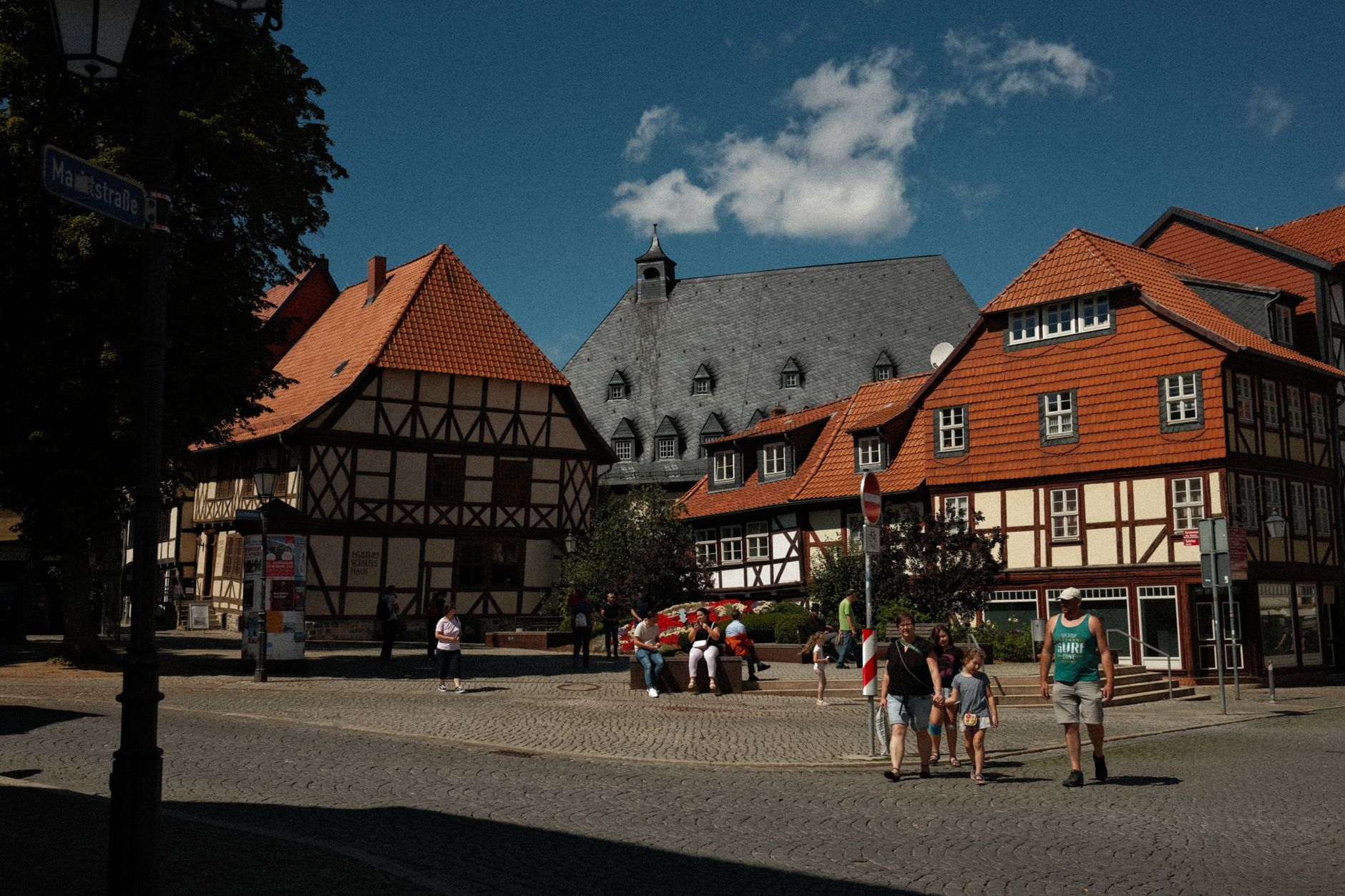
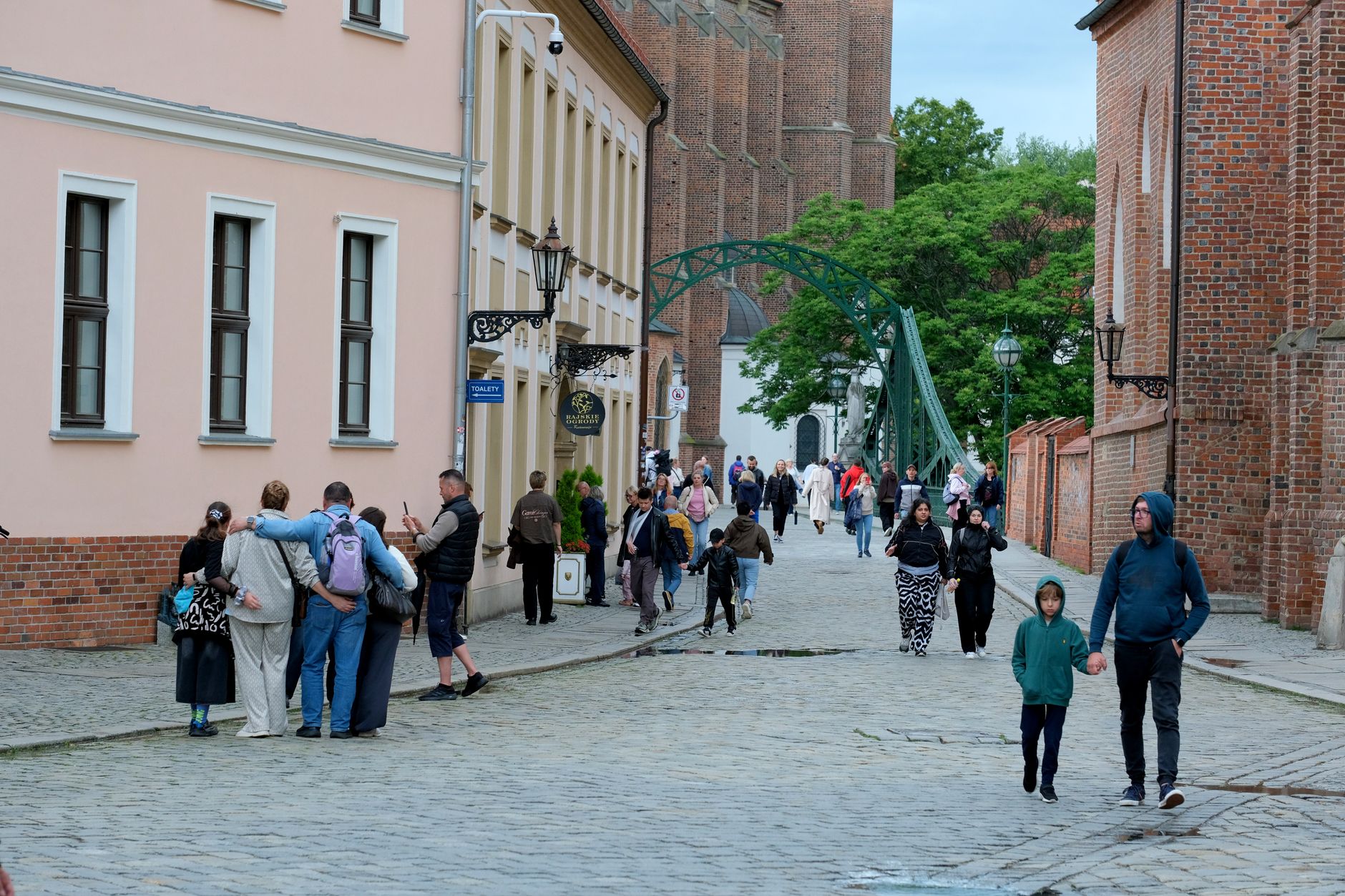
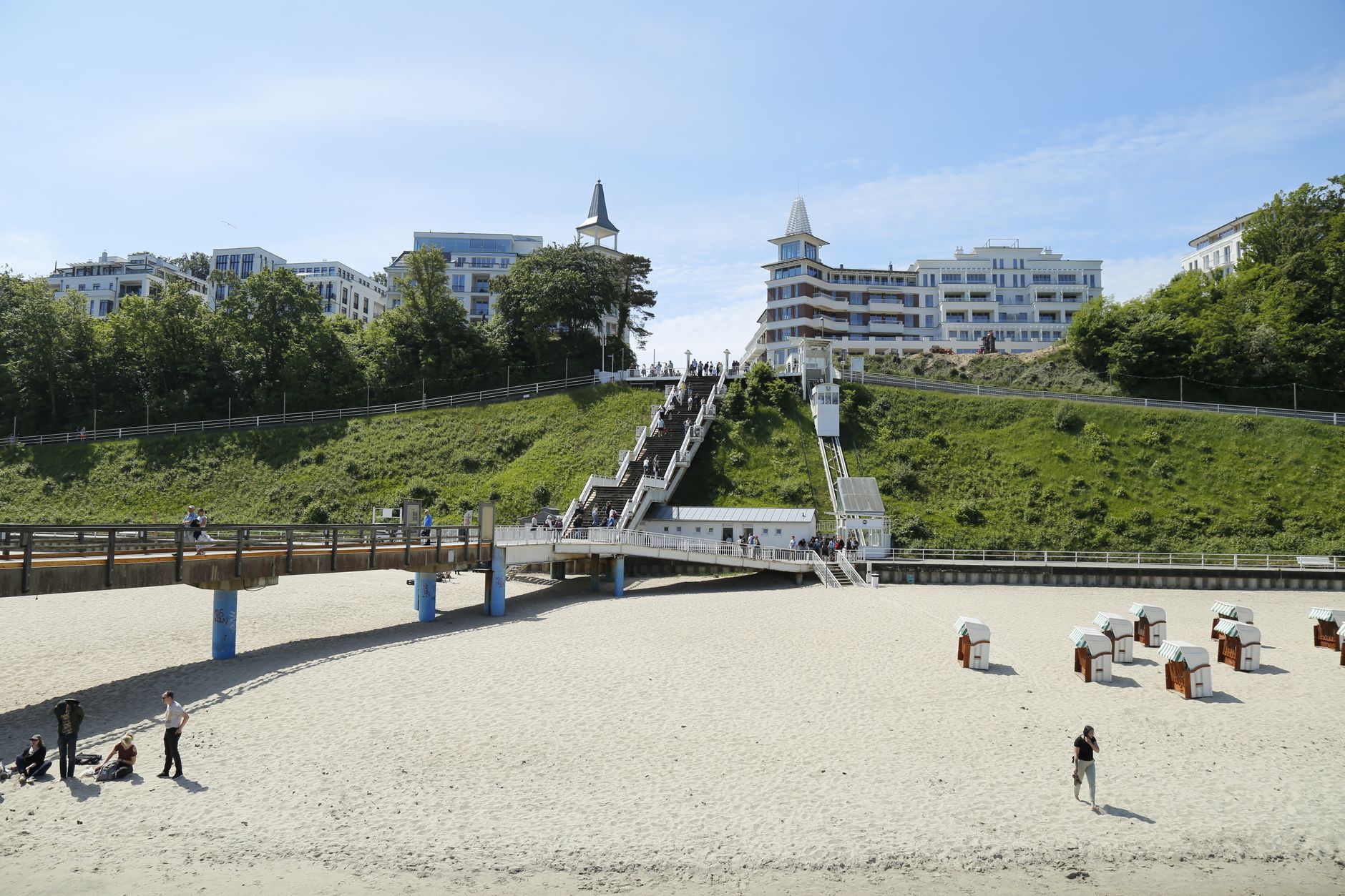

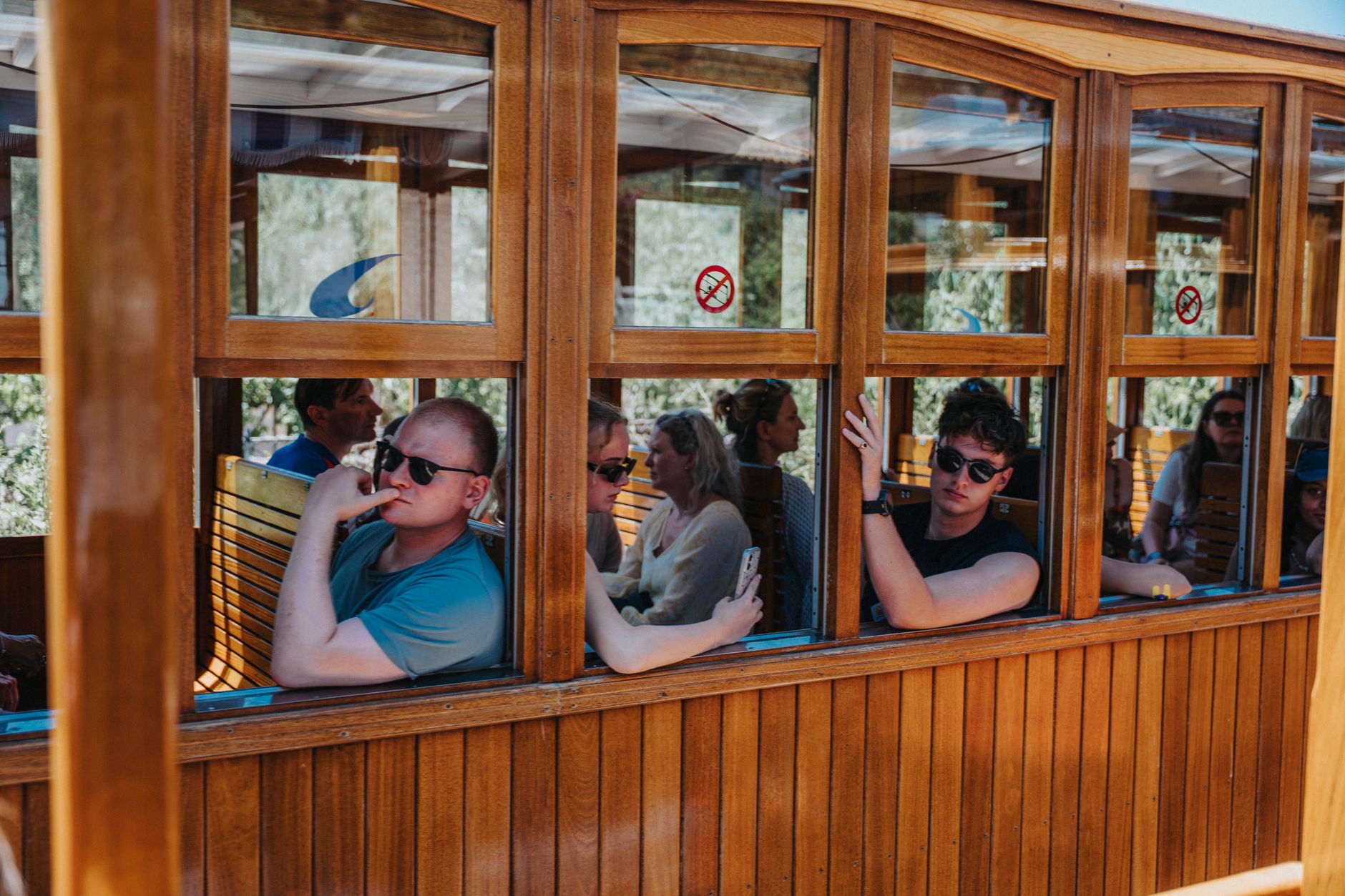
The U2 deposits you at Niendorf-Markt and you surface to a pedestrian zone where, until an Allied bombing raid in 1943, farmhouses stood. That continuity — village erased, suburb built over it, life going on — is the key to reading Niendorf. The Tibarg shopping street sits on that old farmland now, and two minutes' walk away the 1770 Marktkirche still holds its octagonal nave and a baptismal angel that lowers from the ceiling on a hand crank.
North of the shopping zone, the Niendorfer Gehege opens into 150 hectares of beech and oak. Hamburg merchants started putting villas along its edge around 1900; some are listed buildings now, half-swallowed by the canopy. The forest has been public since 1952.
💛 What travellers fall for
People who come back tend to anchor their visit to the Gehege. Walk in far enough and the suburb falls away entirely. The Waldcafé Corell — a hexagonal timber building with a grass roof, open since 1981 — is the natural turning point, with the pony farm next door doing its thing regardless of the weather.
Deals in Niendorf
Book directly at the provider


How Niendorf came to be
Niendorf appears in the written record in 1343, a farming settlement in what was then Schleswig-Holstein. For centuries it stayed agricultural — moorland, meadows, fields. The shift came with the streetcar, which made it viable as a villa suburb for Hamburg's merchant class. Around 1900 families like the HAPAG director Theodor Merck began building along the Gehege's edge. The last tram, line 2, ran until 1978.
The U-Bahn completed the transformation: the U2 reached Niendorf-Markt in 1985 and pushed north to Niendorf-Nord in 1991. Between those two dates, the suburb settled into its current shape — a late-1960s cooperative housing block called the Wagriersiedlung (over 1,000 units, built 1968) on one side, listed merchant villas on the other.
Who and what shaped it
People who shaped it
Landmark buildings
See Niendorf in motion
Plan your visit
On the map
When to go
Summers run warm but never hot — July and August average around 21–25°C, with cool evenings that call for a layer — and arrive with fast, heavy showers roughly every few days. Winters are grey and damp rather than deeply cold, with snow that rarely settles for more than a day or two; May, when the beeches in the Gehege are fully leafed and the days lengthen noticeably, is the most straightforward time to visit.
Right now
Background & history adapted from Wikipedia (CC BY-SA) · specs from Wikidata (CC0) · weather from Open-Meteo · map data © OpenStreetMap contributors · photos from Wikimedia Commons / Unsplash with per-image credit. No third-party reviews or social posts reproduced.