
Stuttgart
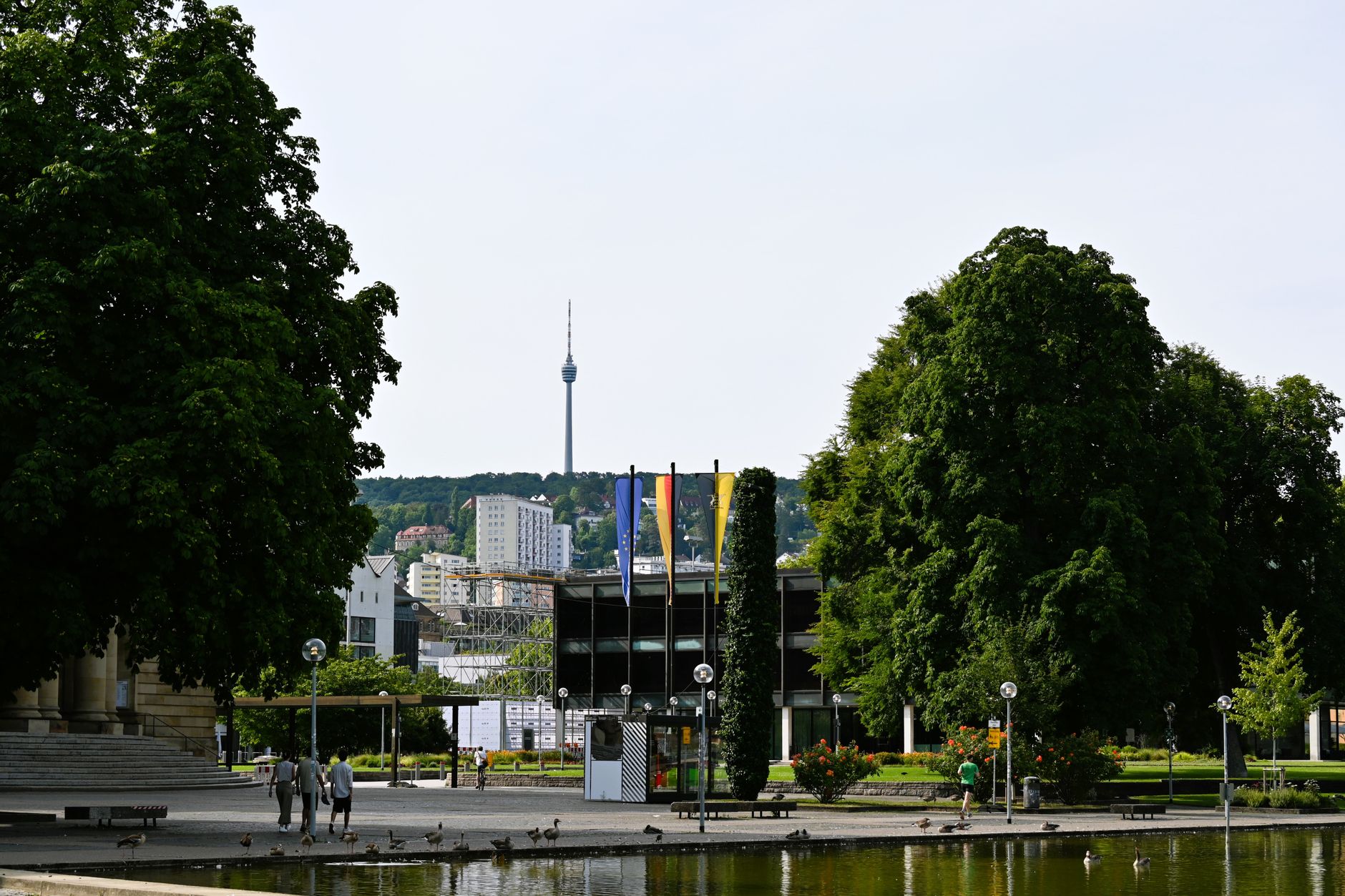
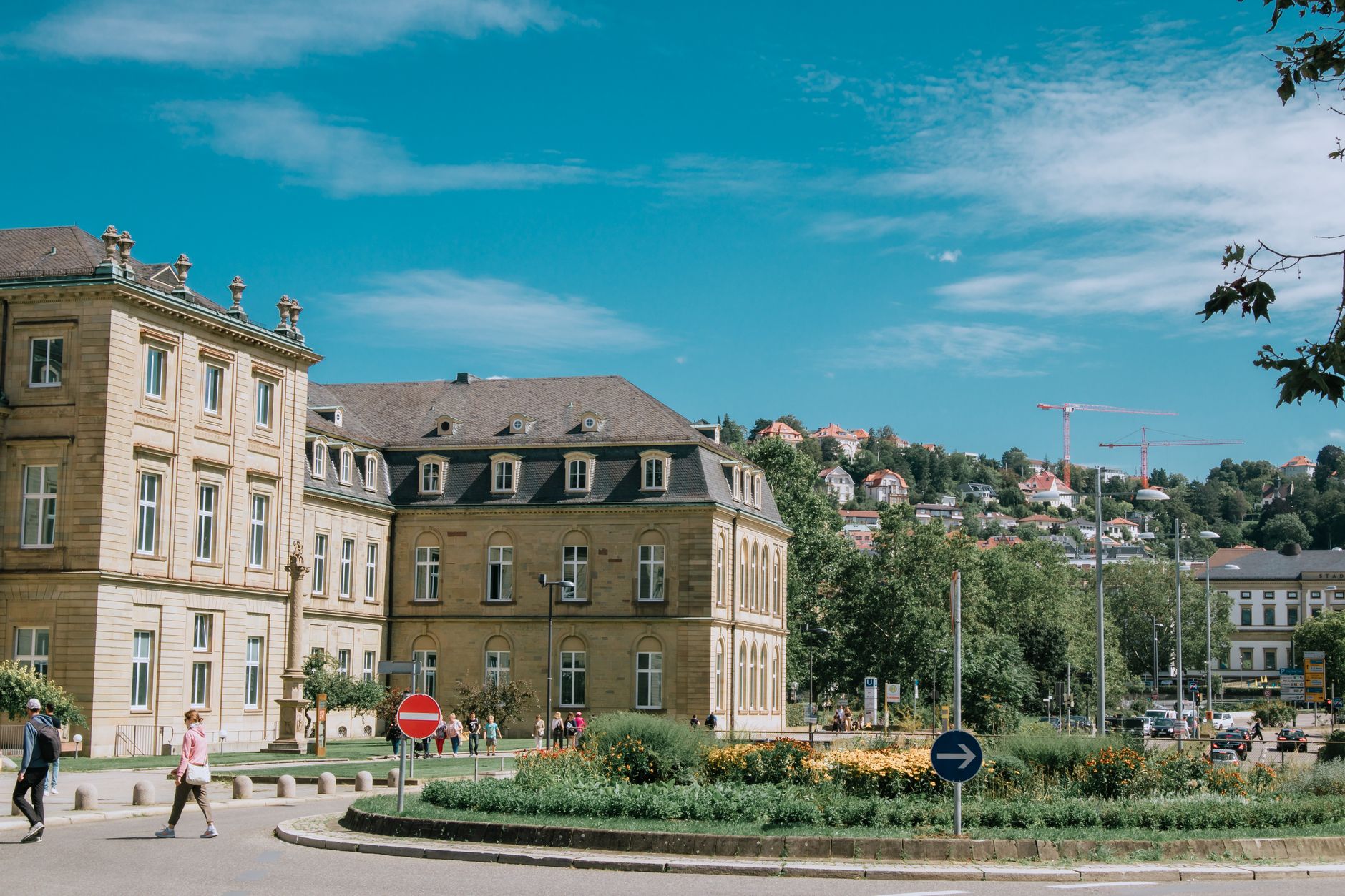
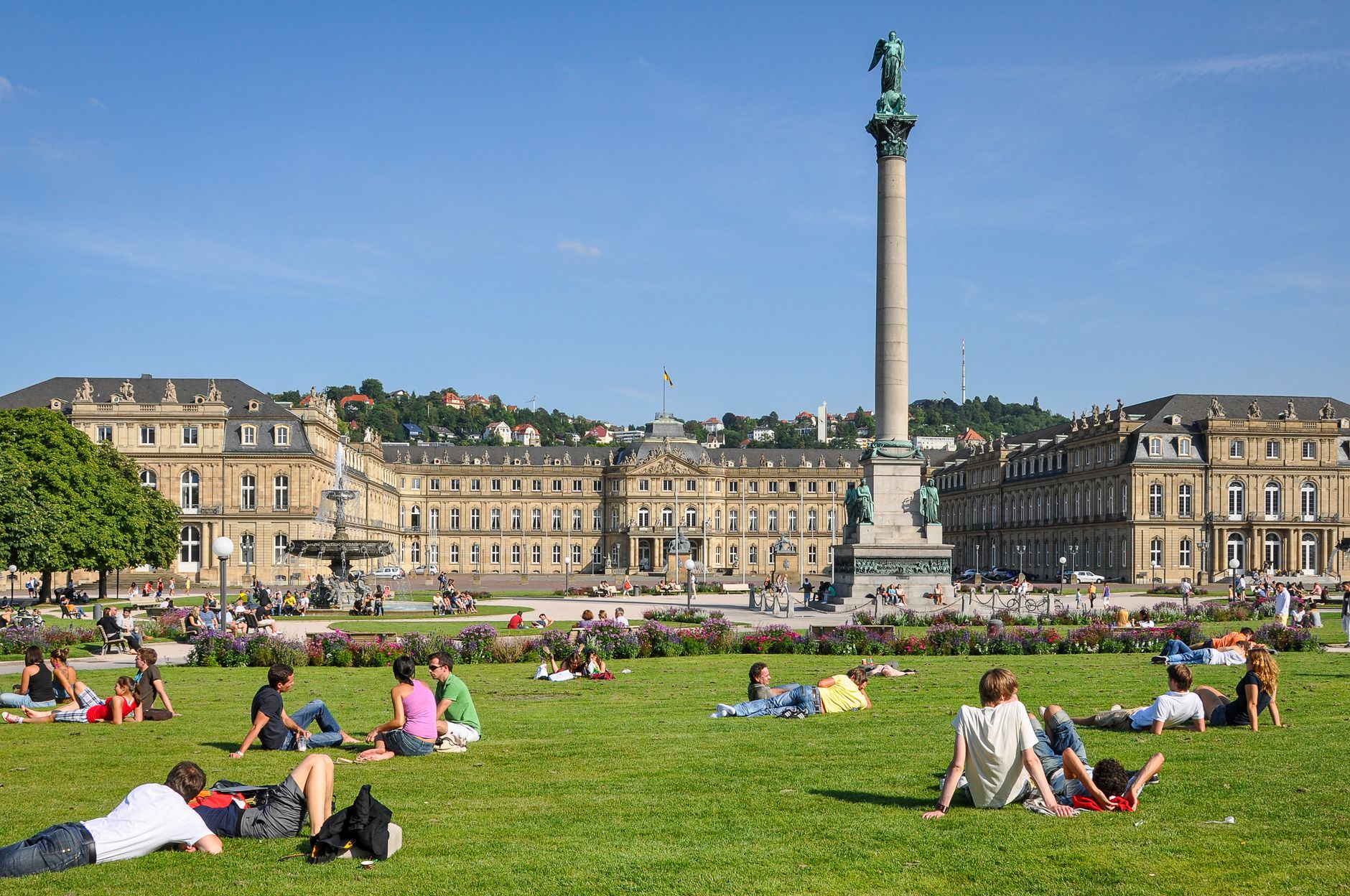
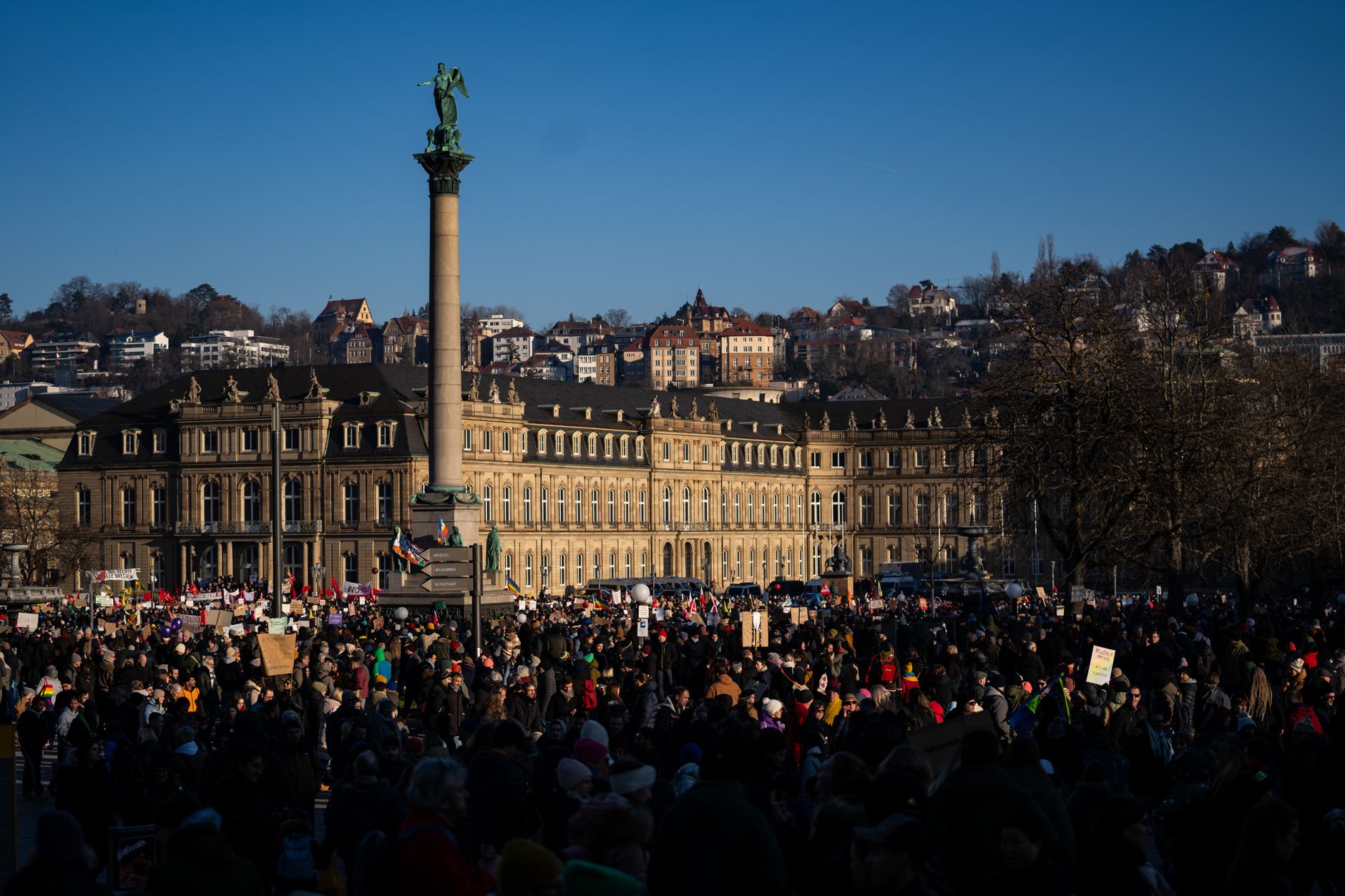
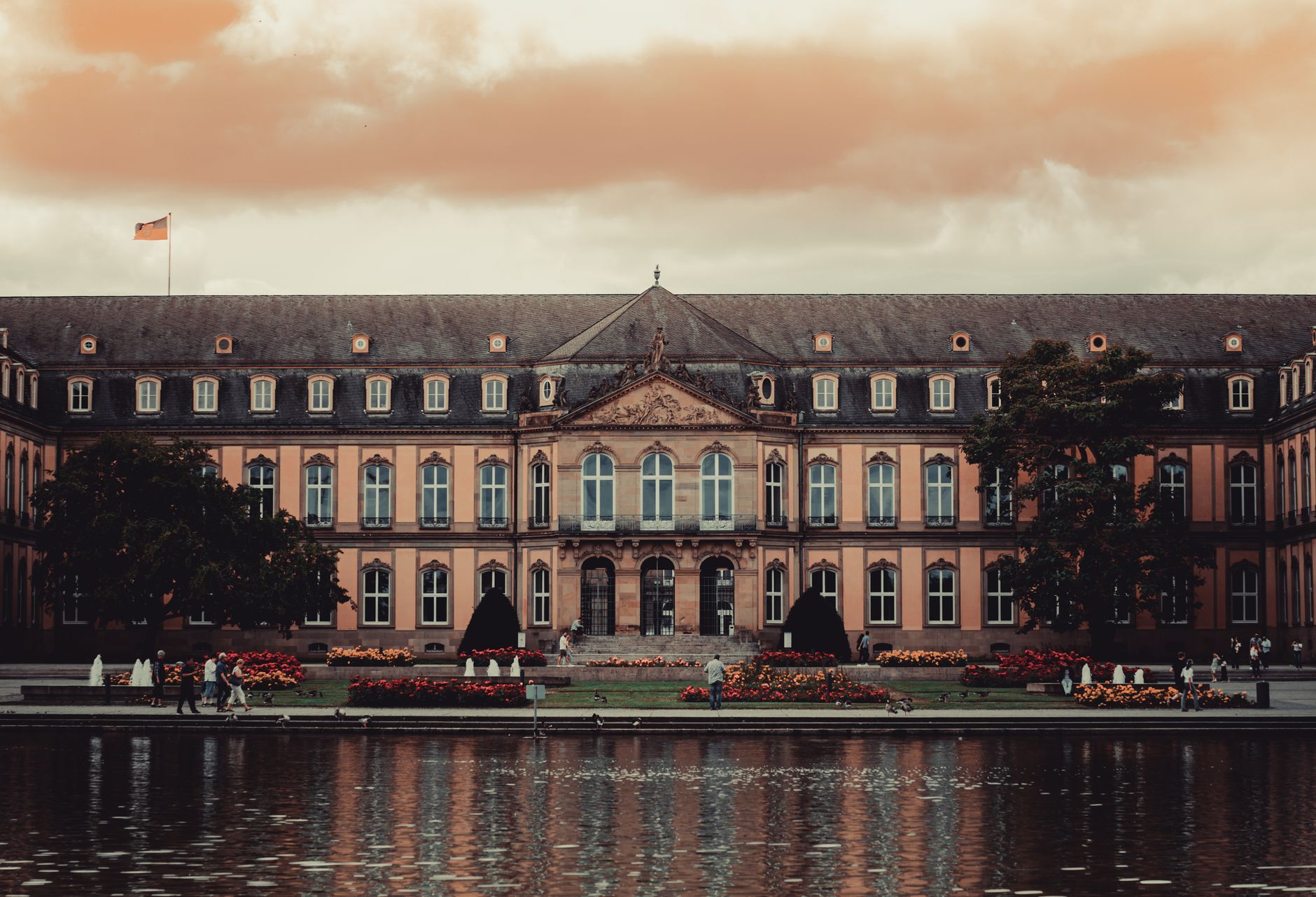
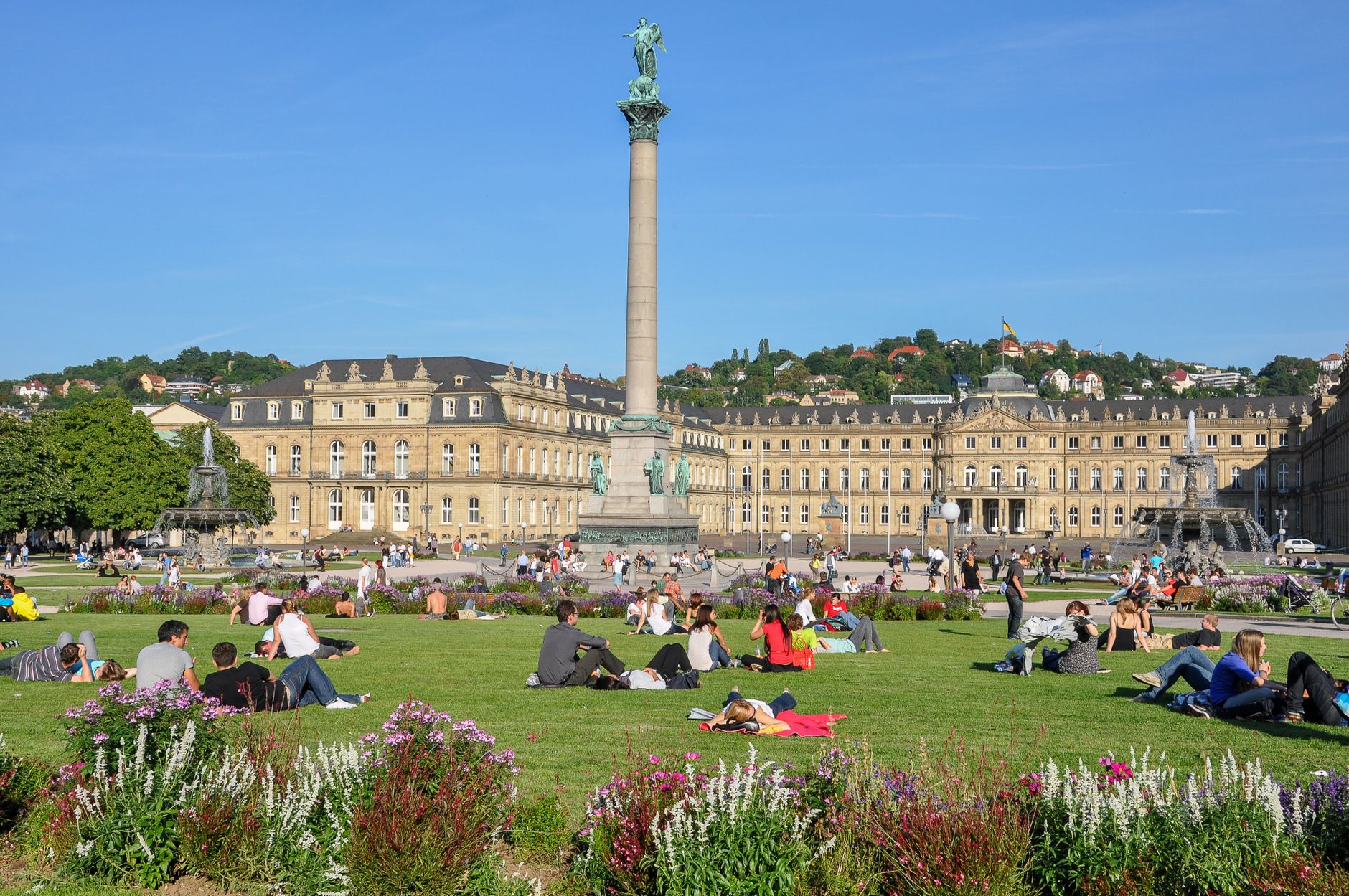
Stuttgart is a city that keeps surprising you with its contrasts. The locals call the city centre "the cauldron" — a bowl-shaped valley where summer heat pools between vineyard slopes and glass-and-steel corporate towers. Those slopes have been producing wine since 1108, and more than 400 stone stairways called Stäffele still connect the terraced hillside neighbourhoods to the streets below, worn smooth by centuries of feet.
This is also where Gottlieb Daimler developed an early internal combustion engine, where Hegel grew up, and where a 1927 housing estate designed under Mies van der Rohe — with Le Corbusier, Gropius, and Scharoun — still stands as a UNESCO World Heritage Site. The city wears its industrial and intellectual weight lightly.
💛 What travellers fall for
People who come back tend to mention the same few things: climbing the Stäffele at dusk with a local wine in hand, standing inside the Stadtbibliothek's stark white cube of a reading room, and making time for the Weissenhof Estate on a quiet weekday when the modernist geometry of the houses isn't crowded. The New State Gallery rewards a second visit once you've stopped being surprised by James Stirling's postmodern moves.
Deals in Stuttgart
Book directly at the provider
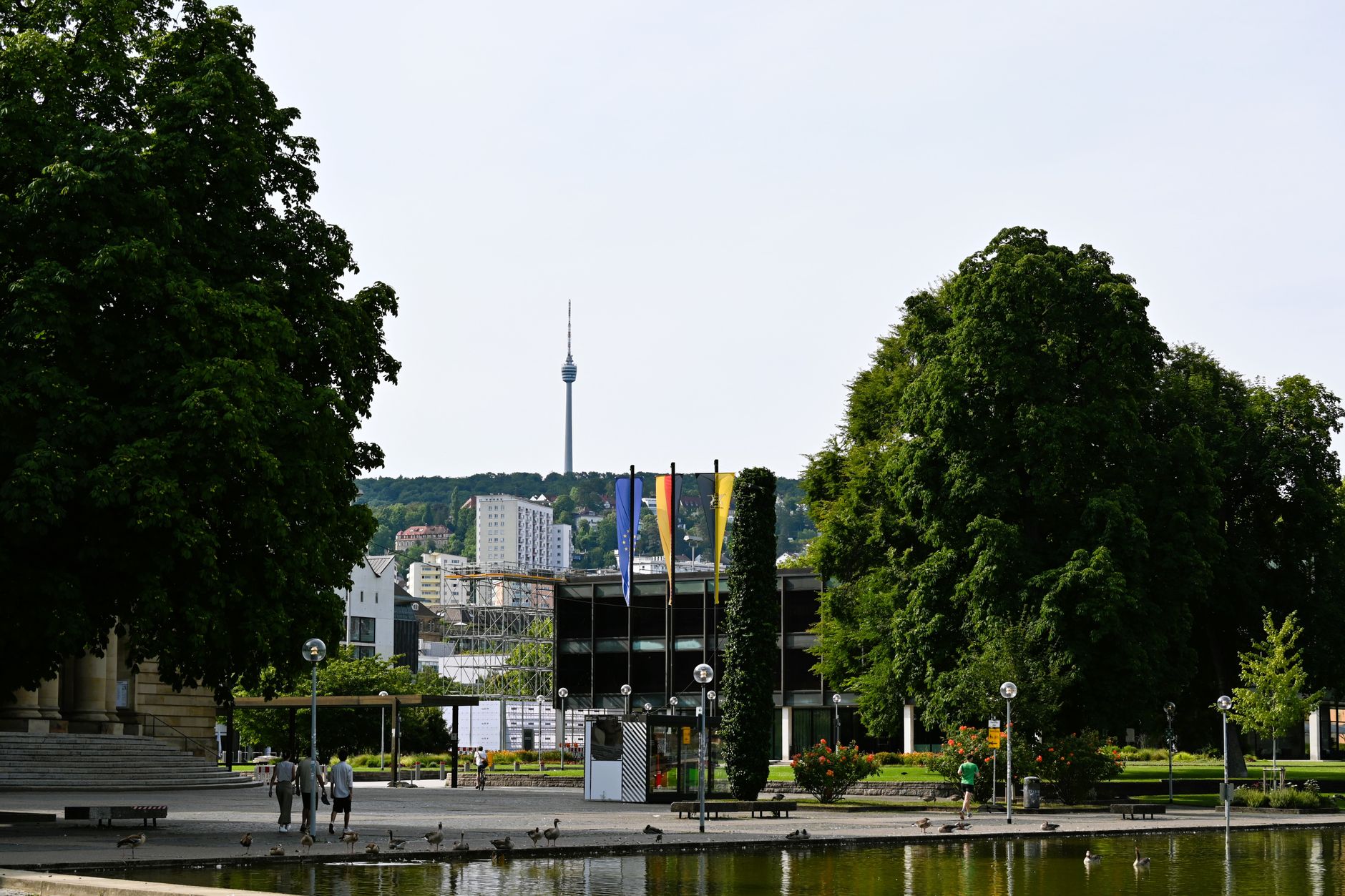
How Stuttgart came to be
Stuttgart began in 950 AD not as a city but as a stud farm — "Stuotgarten" in Old German — where Duke Liudolf of Swabia bred warhorses. It received a city charter in 1320 and grew steadily into the seat of the Counts, Dukes, and eventually Kings of Württemberg, a role it held until the monarchy dissolved in 1918. The Altes Schloss, dating from the 10th century, and the Baroque Neues Schloss (built 1746–1807) both stand as physical markers of that long dynastic run.
WWII left the city heavily damaged, but by 1952 Stuttgart had rebuilt enough to become capital of the newly formed state of Baden-Württemberg. That same year it re-emerged as a centre of industry, publishing, and culture — a trajectory that had already been set in 1927, when the Weissenhof Estate announced to the world that this was a city paying close attention to the future.
Who and what shaped it
People who shaped it
Landmark buildings
See Stuttgart in motion
Plan your visit
On the map
When to go
May through September brings temperatures between 20 and 25°C and is the most reliable time to be outdoors on the Stäffele or in the vineyard neighbourhoods. Winters are cold but rarely severe — expect 20 to 30 snow days between December and February, with light accumulation — and the city functions normally through them.
Right now
Background & history adapted from Wikipedia (CC BY-SA) · specs from Wikidata (CC0) · weather from Open-Meteo · map data © OpenStreetMap contributors · photos from Wikimedia Commons / Unsplash with per-image credit. No third-party reviews or social posts reproduced.