
Harz Mountains
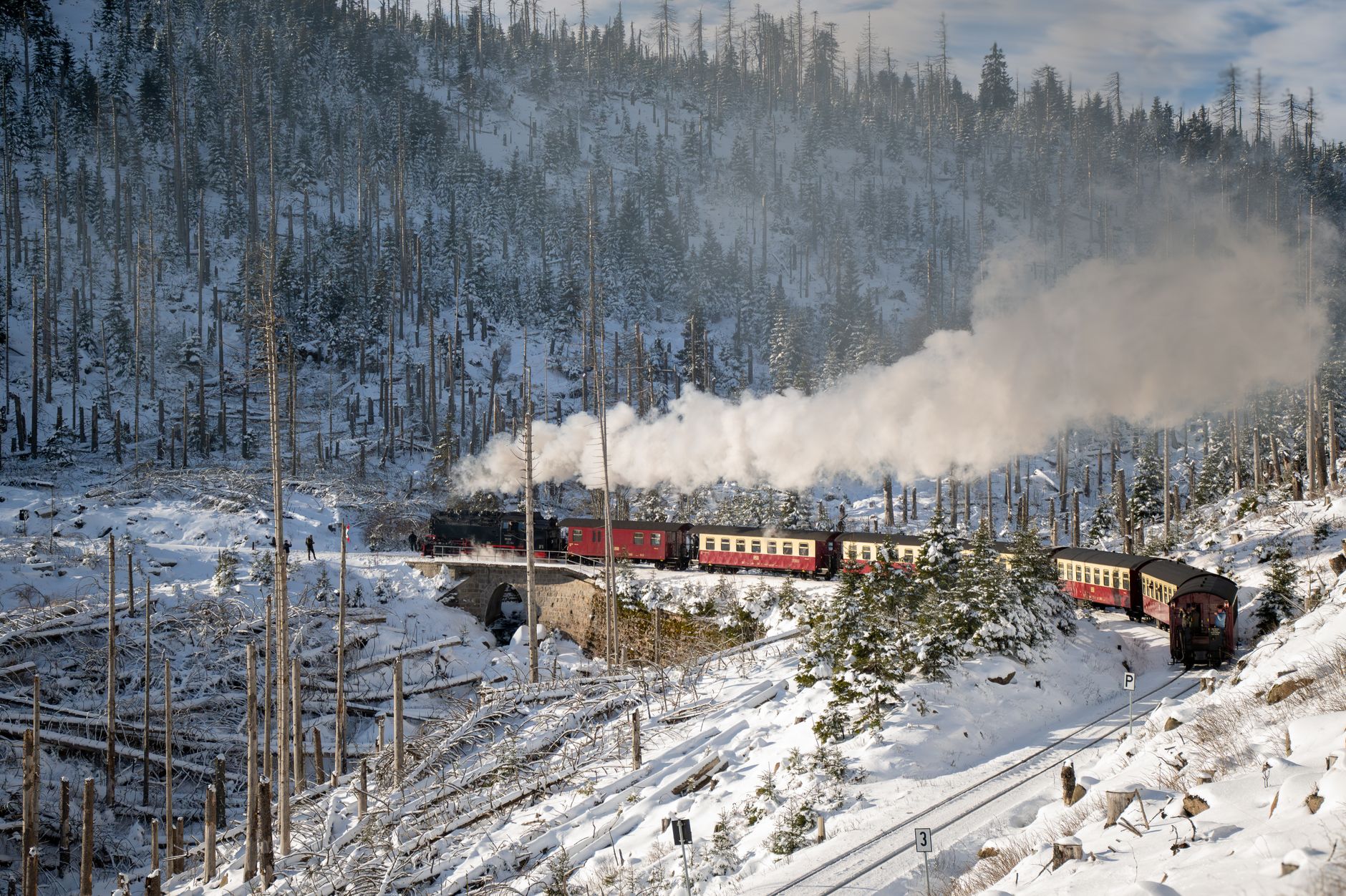
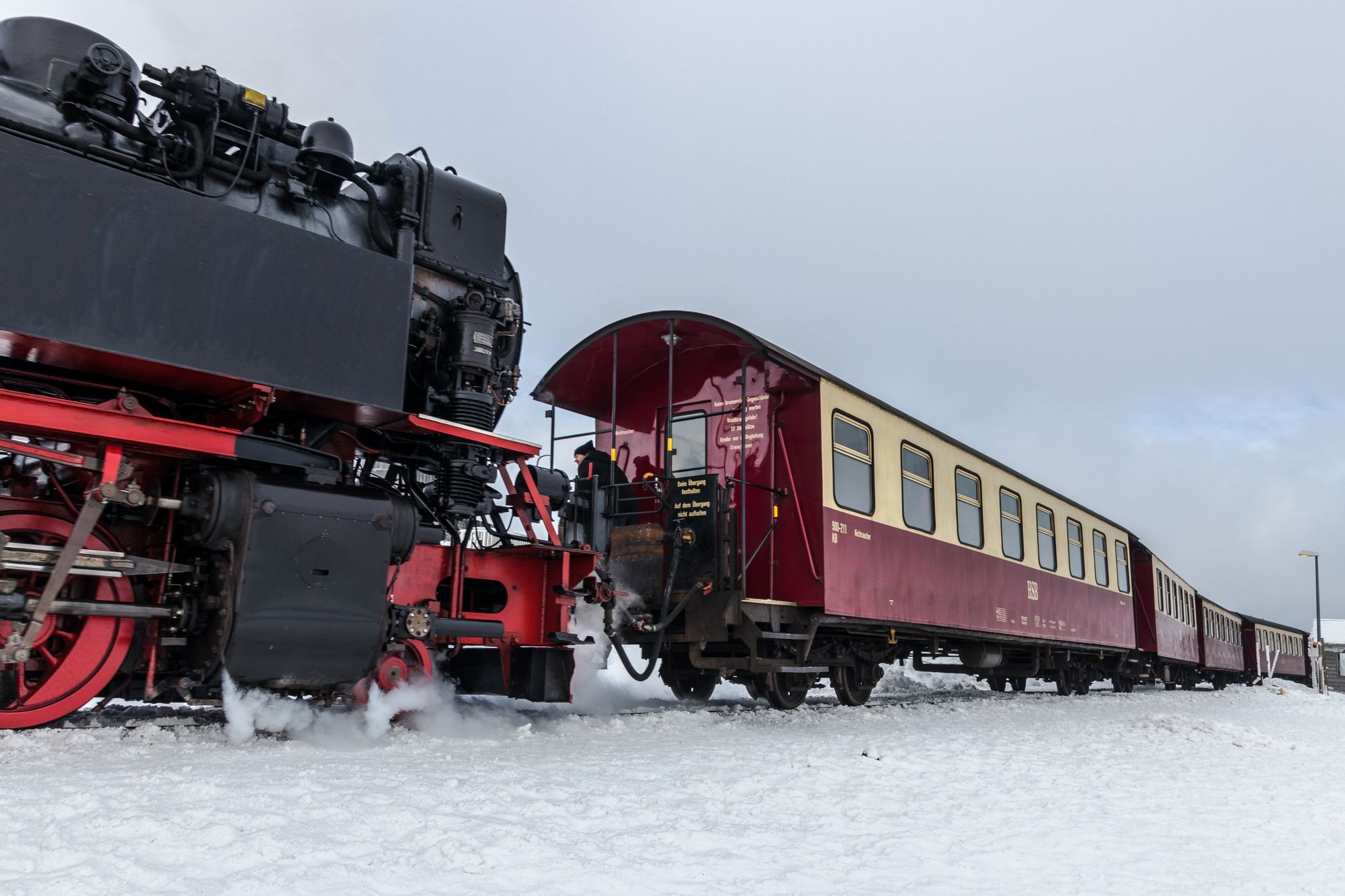
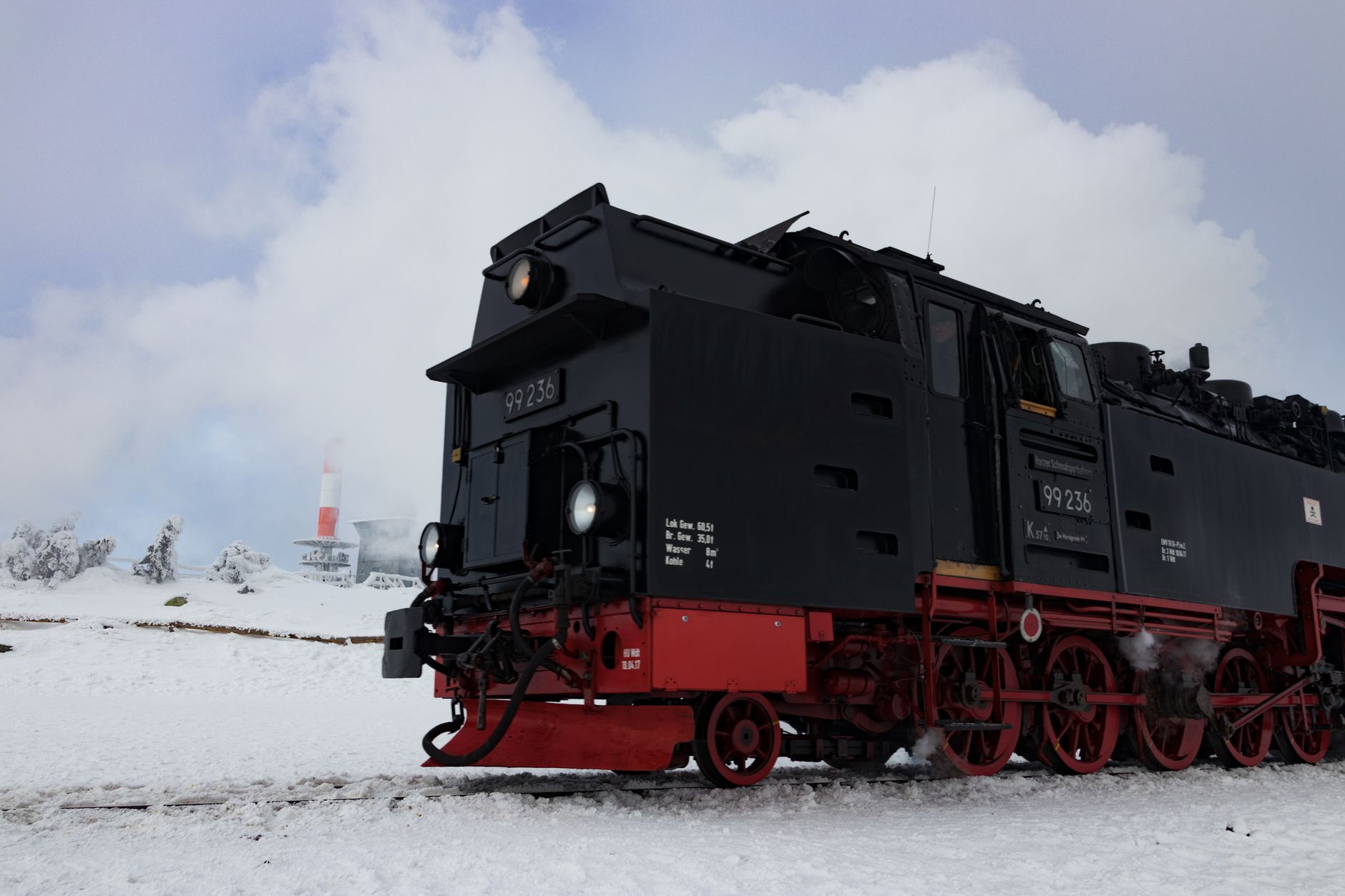
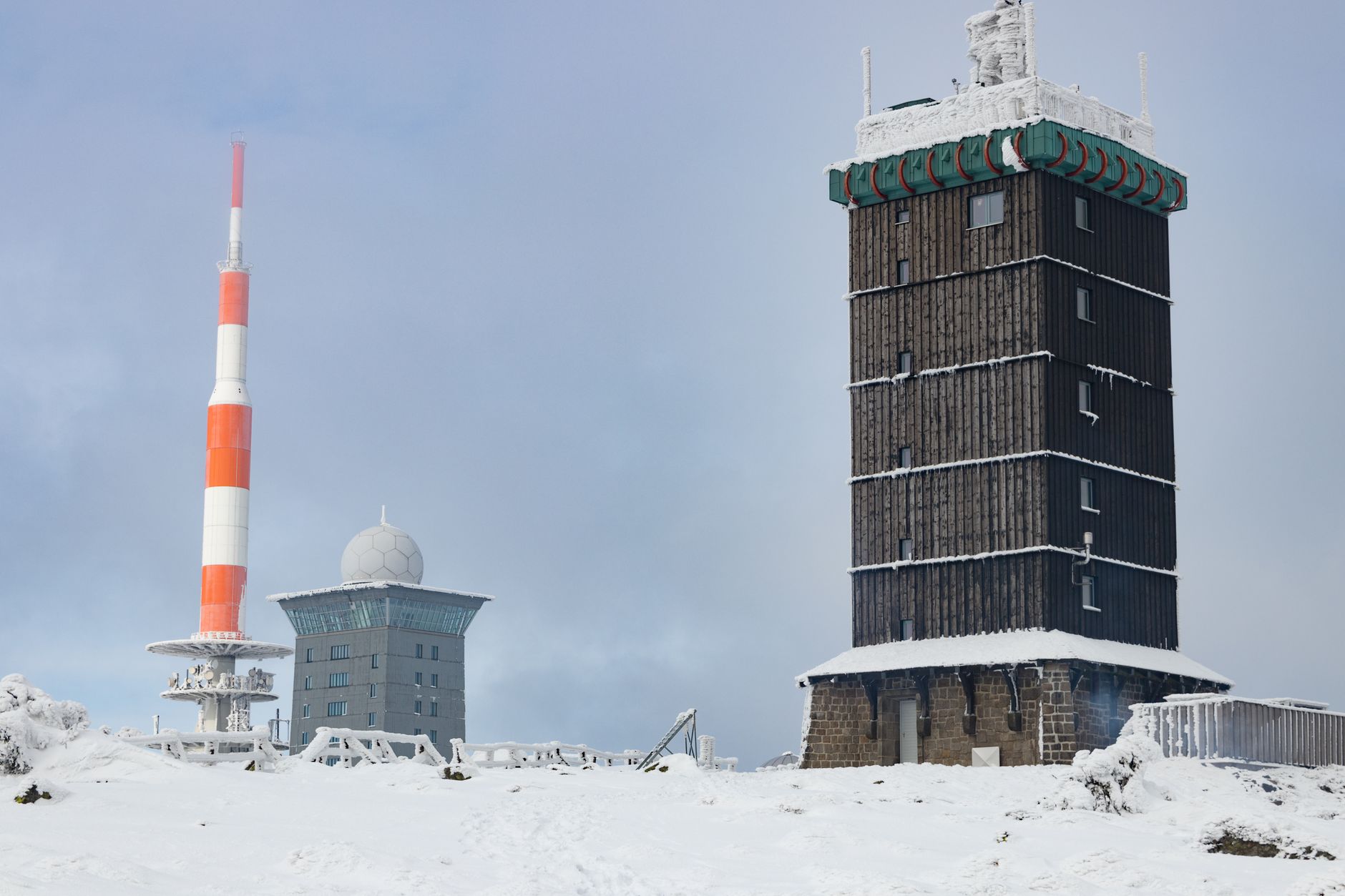
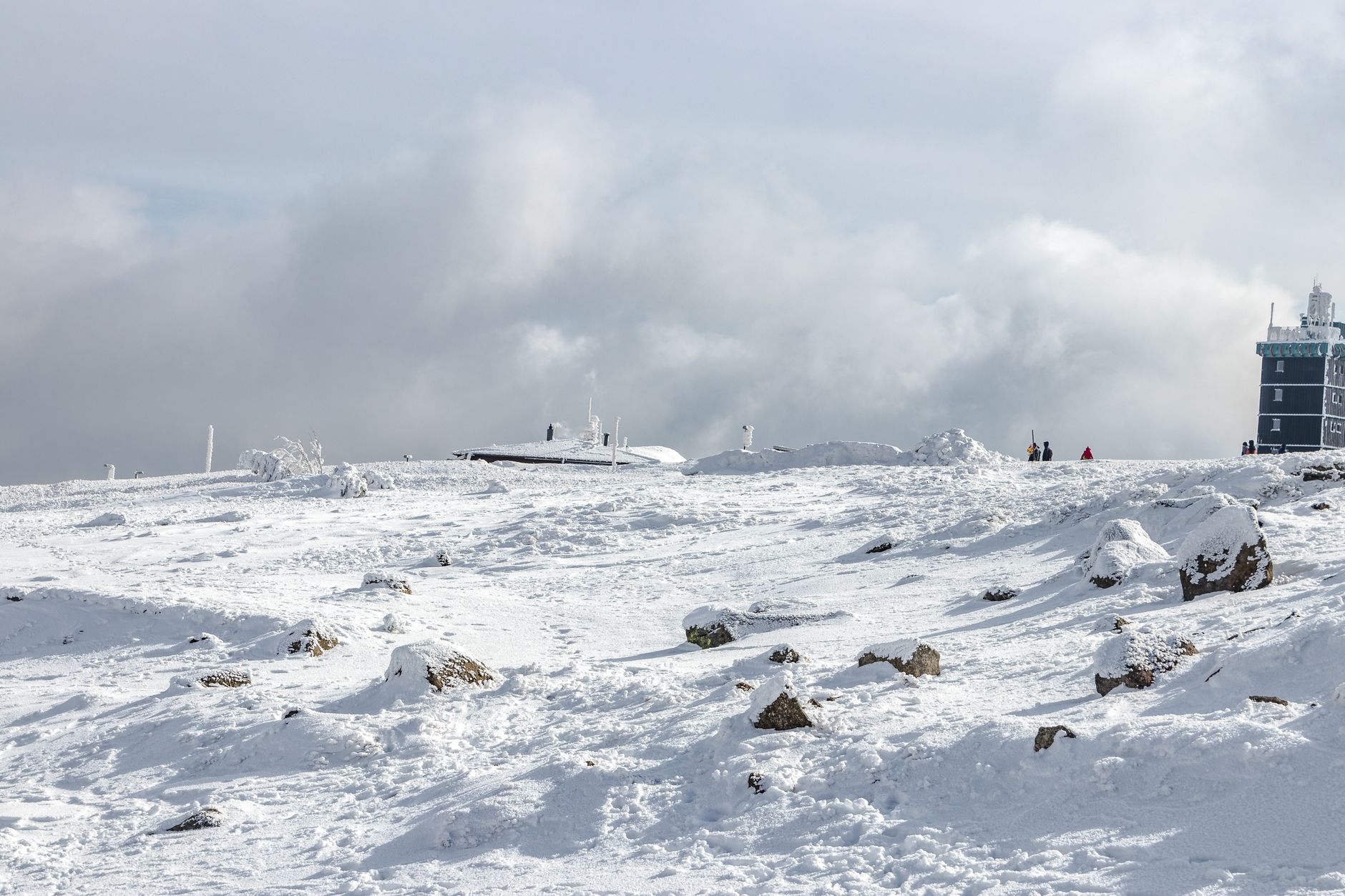
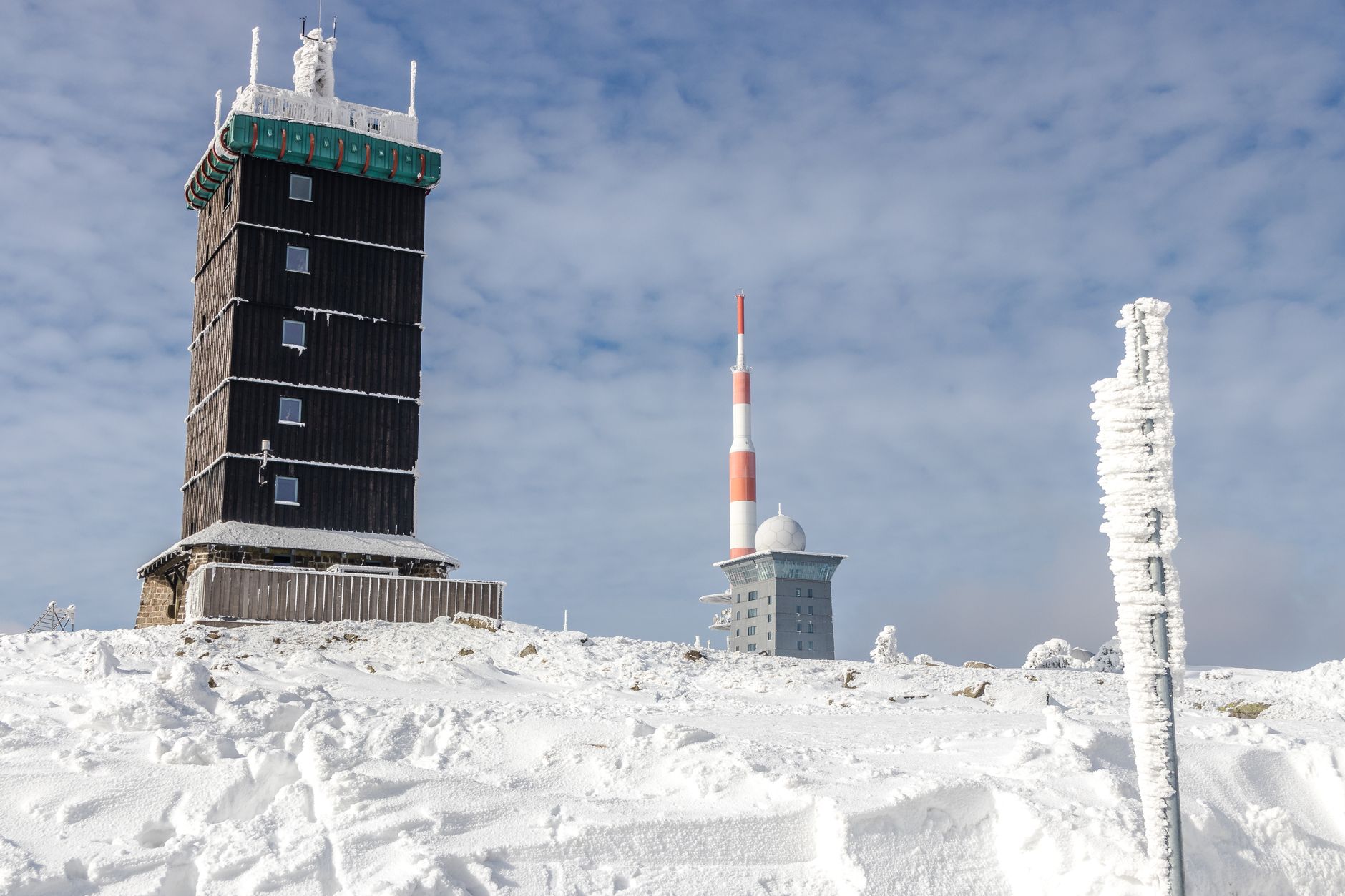
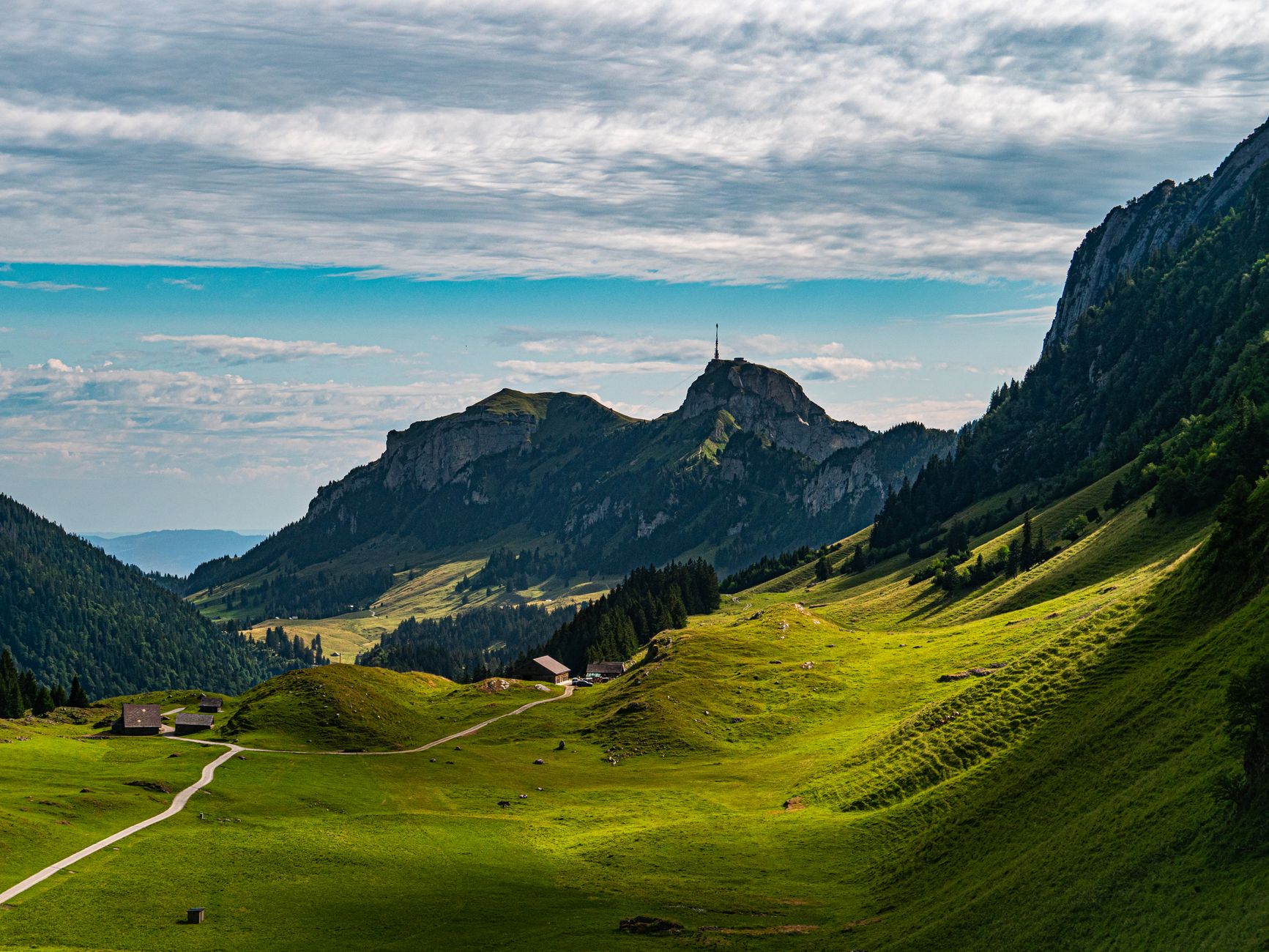
The Brocken sits at 1,141 metres and draws cloud like a magnet — on many mornings the summit is an island above a white sea, the steam train pulling up through the murk before breaking into pale light. This is the highest point in northern Germany, and the Harz Mountains around it carry centuries of weight: copper and lead pulled from the earth since the tenth century, Goethe writing the Brocken into *Faust*, Heinrich Heine walking these paths in the early 1800s and recording what he found.
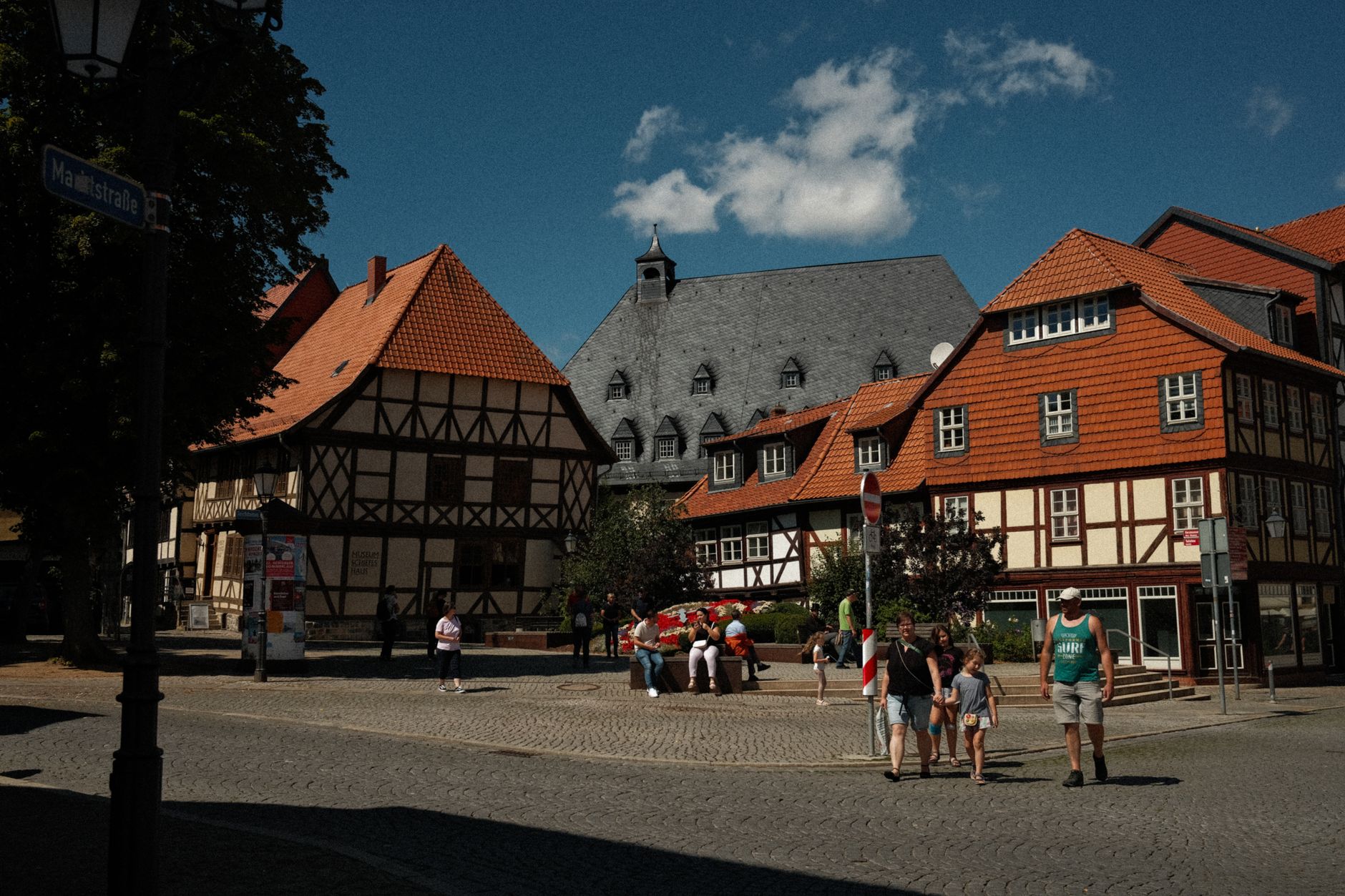
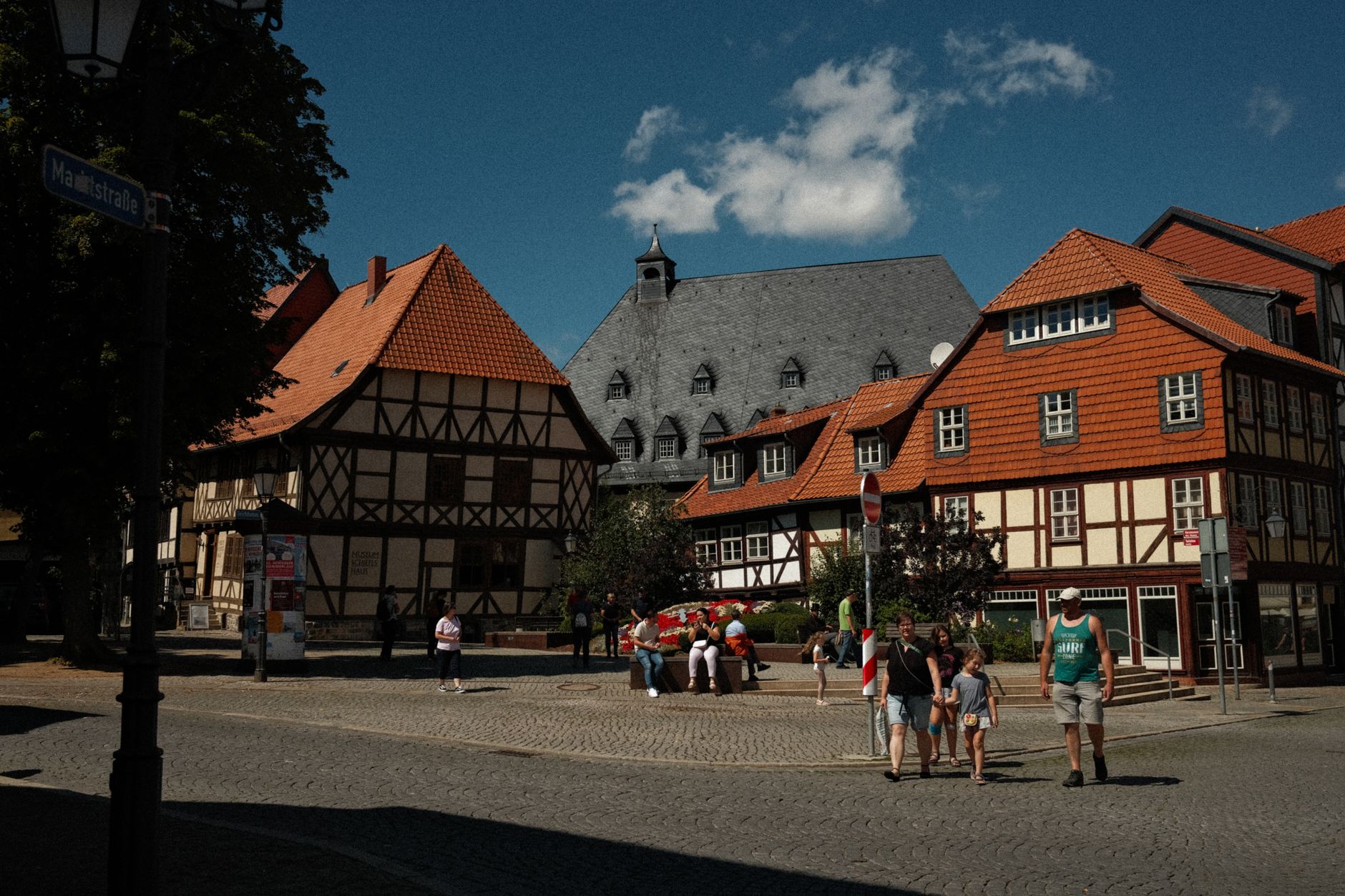
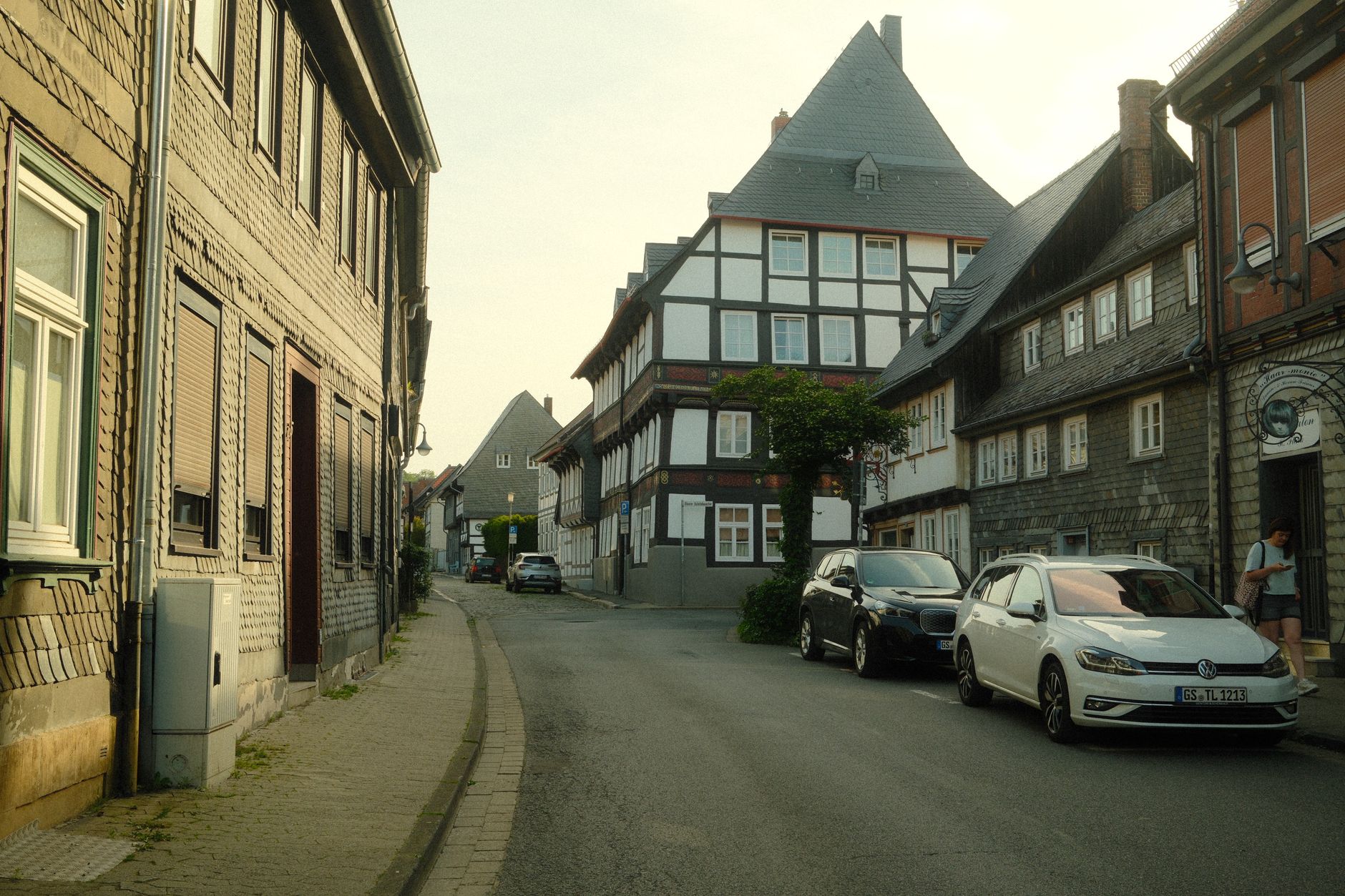
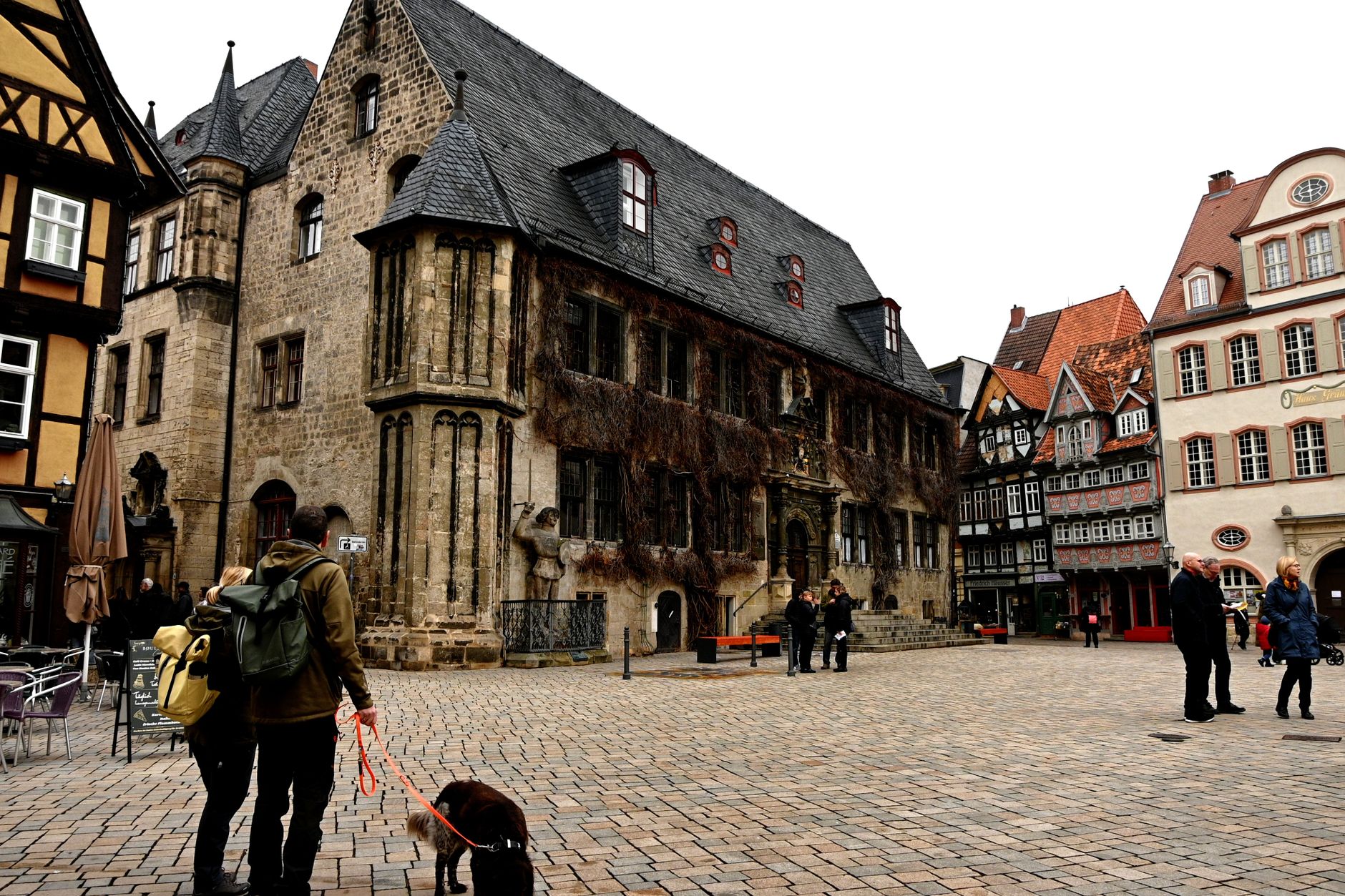
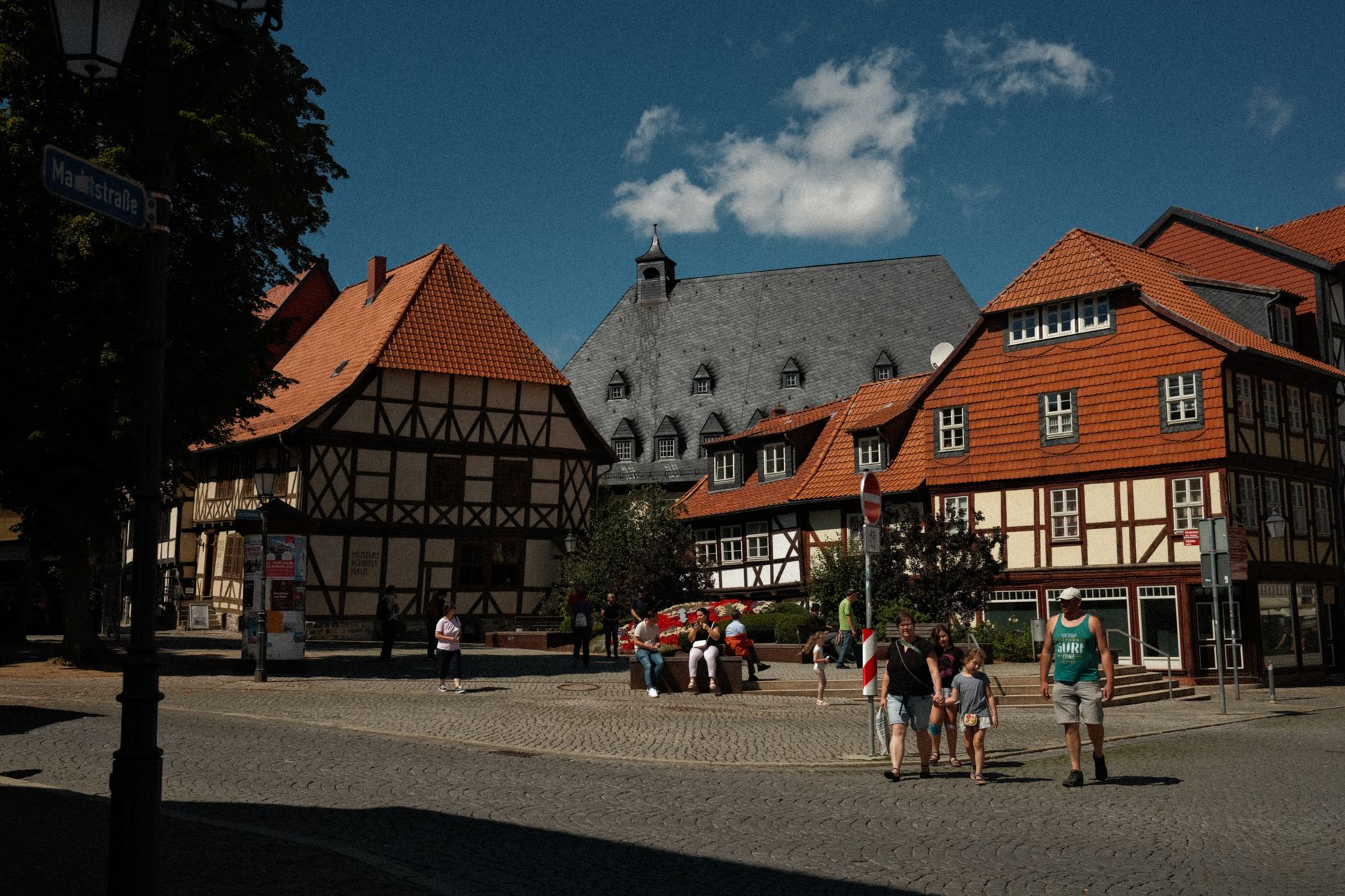
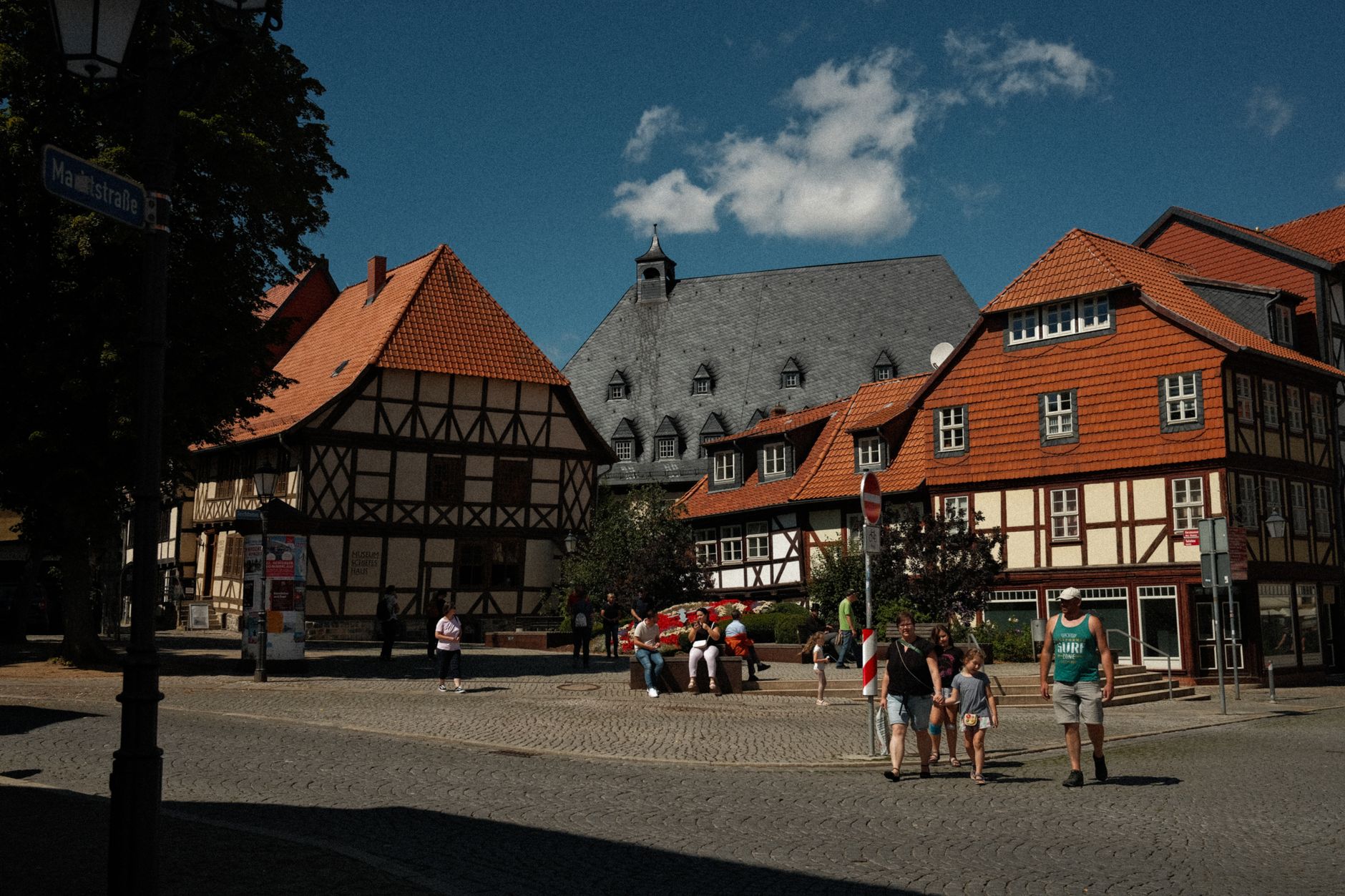
Below the summit, the region spreads across two German states in a patchwork of spruce forest, river valleys, and medieval towns. Goslar and Quedlinburg hold UNESCO designations and streets of half-timbered buildings that span five centuries. The narrow-gauge steam railway, running since 1899, still functions as actual transport as much as spectacle.
Popular cities in Harz Mountains
💛 What travellers fall for
People who come back tend to swap the Brocken summit for the Selke Valley — the medieval castle there, built between 1120 and 1180 and never once taken by force, sits quietly above the river with almost no crowd. The Harz Card covers the steam train, the Rammelsberg mine, and the castle entrance, so buy it before you start moving.
How Harz Mountains came to be
People have moved through the Harz for a very long time — Neanderthal tools have been found in Unicorn Cave, and Homo sapiens arrived around 47,000 years ago — but the landscape that shaped the region's identity came later, with mining. Copper, lead, and zinc were being extracted from opencast sites by the tenth and eleventh centuries; as surface deposits gave out, the work went underground. The Rammelsberg Mine near Goslar operated for over a thousand years before closing in June 1988.
The towns that grew from this industry left their own marks. Goslar's old town and the Rammelsberg Mines entered the UNESCO World Heritage List in 1992; Quedlinburg, whose existence traces to the ninth century and which was governed by women for eight centuries, followed in 1994. The Walkenried Monastery, founded by Cistercians in 1127, joined an expanded UNESCO designation in 2010 alongside the region's historic water management system.
Who and what shaped it
People who shaped it
Landmark buildings
See Harz Mountains in motion
Plan your visit
On the map
When to go
Spring and early summer bring cool, changeable weather — layers are sensible at any elevation. The Brocken sits in cloud for roughly 300 days a year, so a clear summit view is earned rather than guaranteed; winter brings real snow and temperatures well below freezing.
Right now
↡ Cities
Background & history adapted from Wikipedia (CC BY-SA) · specs from Wikidata (CC0) · weather from Open-Meteo · map data © OpenStreetMap contributors · photos from Wikimedia Commons / Unsplash with per-image credit. No third-party reviews or social posts reproduced.