
Ilsenburg

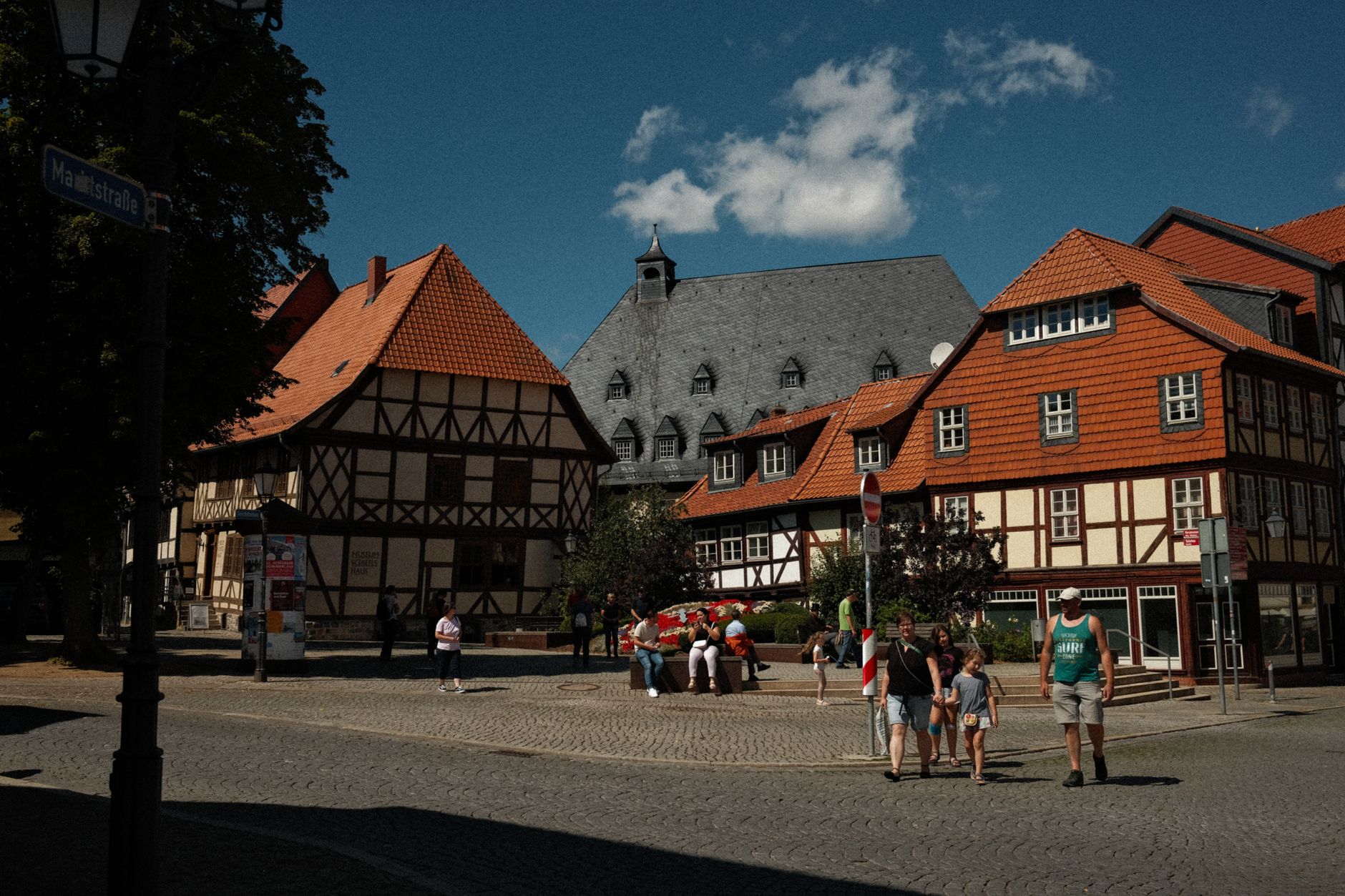
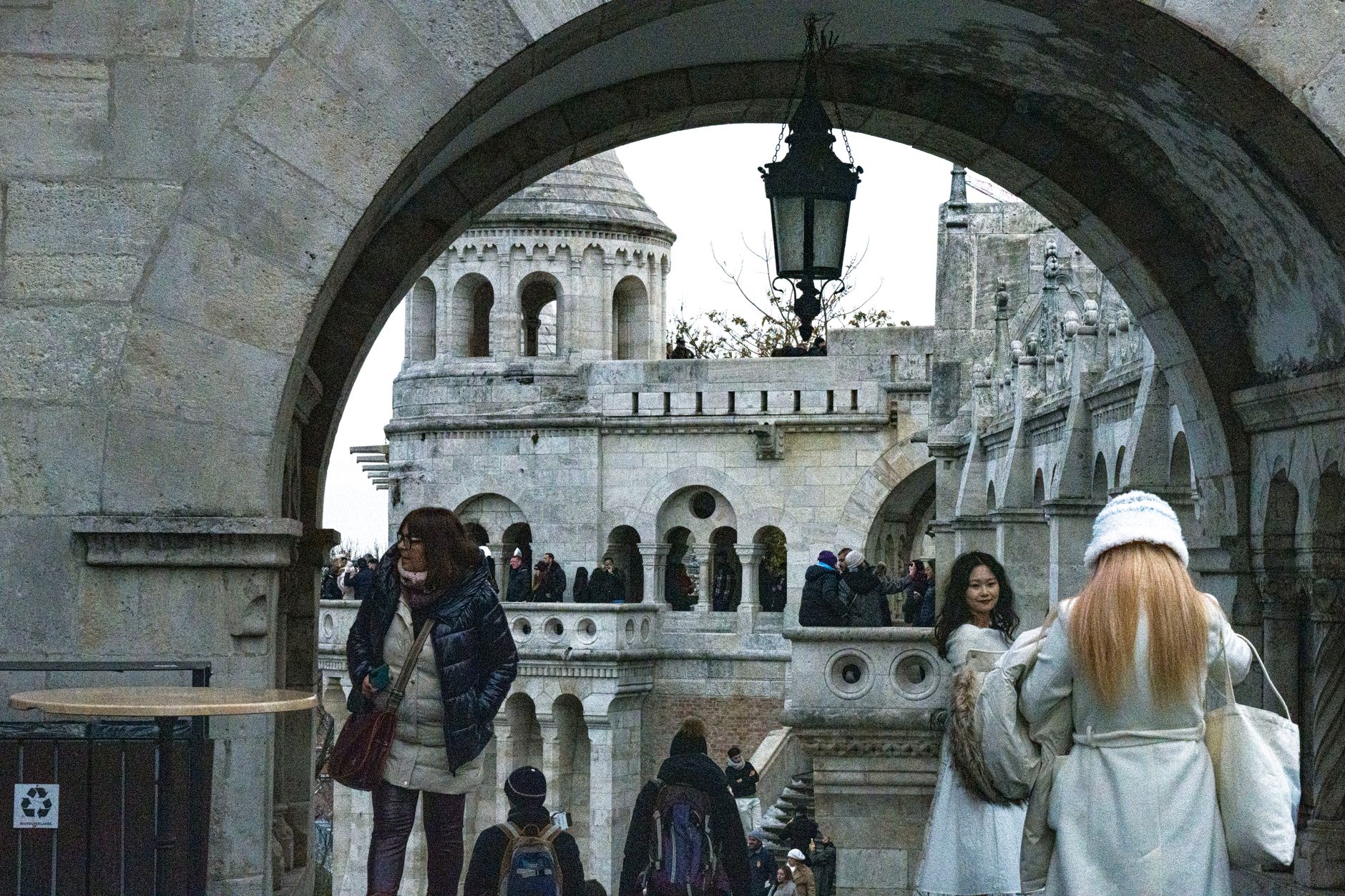
The River Ilse gives this small Harz town its name and its character — you follow it upstream from the centre into a valley that narrows into forest, the path worn smooth by walkers who have been coming here since Heinrich Heine descended this same route in the early 1820s. Ilsenburg is quiet in the way that places with a long memory tend to be: a Benedictine abbey founded in 1018, an iron foundry tradition stretching back five centuries, and a granite peak called the Ilsenstein standing 150 metres above the valley with an iron cross that the counts of Stolberg-Wernigerode raised after the Napoleonic Wars.
💛 What travellers fall for
People who return tend to mention the Ilsental National Park House as the right place to start — pick up a trail map and walk the Iron Trail along the Ilse before the tour groups arrive. The 3 km loop past 16 cast-iron objects is short enough to do before lunch, which leaves the afternoon for the chapter house at the abbey.
Deals in Ilsenburg
Book directly at the provider


How Ilsenburg came to be
Ilsenburg enters the written record in 995, when Emperor Otto III stopped at a royal hunting lodge here called Elysinaburg. King Henry I is thought to have built the original stronghold, and in 1003 Henry II bestowed the estate on the Bishop of Halberstadt; a Benedictine abbey followed by 1018. The abbey's Romanesque fabric — parts of which still stand — shaped the town's identity for centuries, until the German Peasants' War of 1525 left it in ruins.
After the Reformation, the counts of Wernigerode took over the castle and made it their residence until 1710. By the mid-16th century, iron extraction had taken hold around the central pond, and the foundry tradition that grew from it lasted well into the modern era. The town received its official municipal status only in 1959, and was designated an air spa in 2002 — a formal recognition of what the valley had been offering walkers informally for a very long time.
Who and what shaped it
People who shaped it
Landmark buildings
See Ilsenburg in motion
Plan your visit
On the map
When to go
Summers are comfortable without being hot, with July averaging around 23°C and the valley providing shade on the trail. Winters run long and cold — February nights dip below freezing and snowfall is common — so the Harz season here runs roughly May through September.
Right now
Background & history adapted from Wikipedia (CC BY-SA) · specs from Wikidata (CC0) · weather from Open-Meteo · map data © OpenStreetMap contributors · photos from Wikimedia Commons / Unsplash with per-image credit. No third-party reviews or social posts reproduced.