
Goslar
The clock on the Glocken building over Goslar's Marktplatz opens four times a day — 9am, noon, 3pm, 6pm — and small mechanical figures emerge to tell the story of the city and its mine in tinny, charming song. It's a good introduction to how seriously Goslar takes its own past.
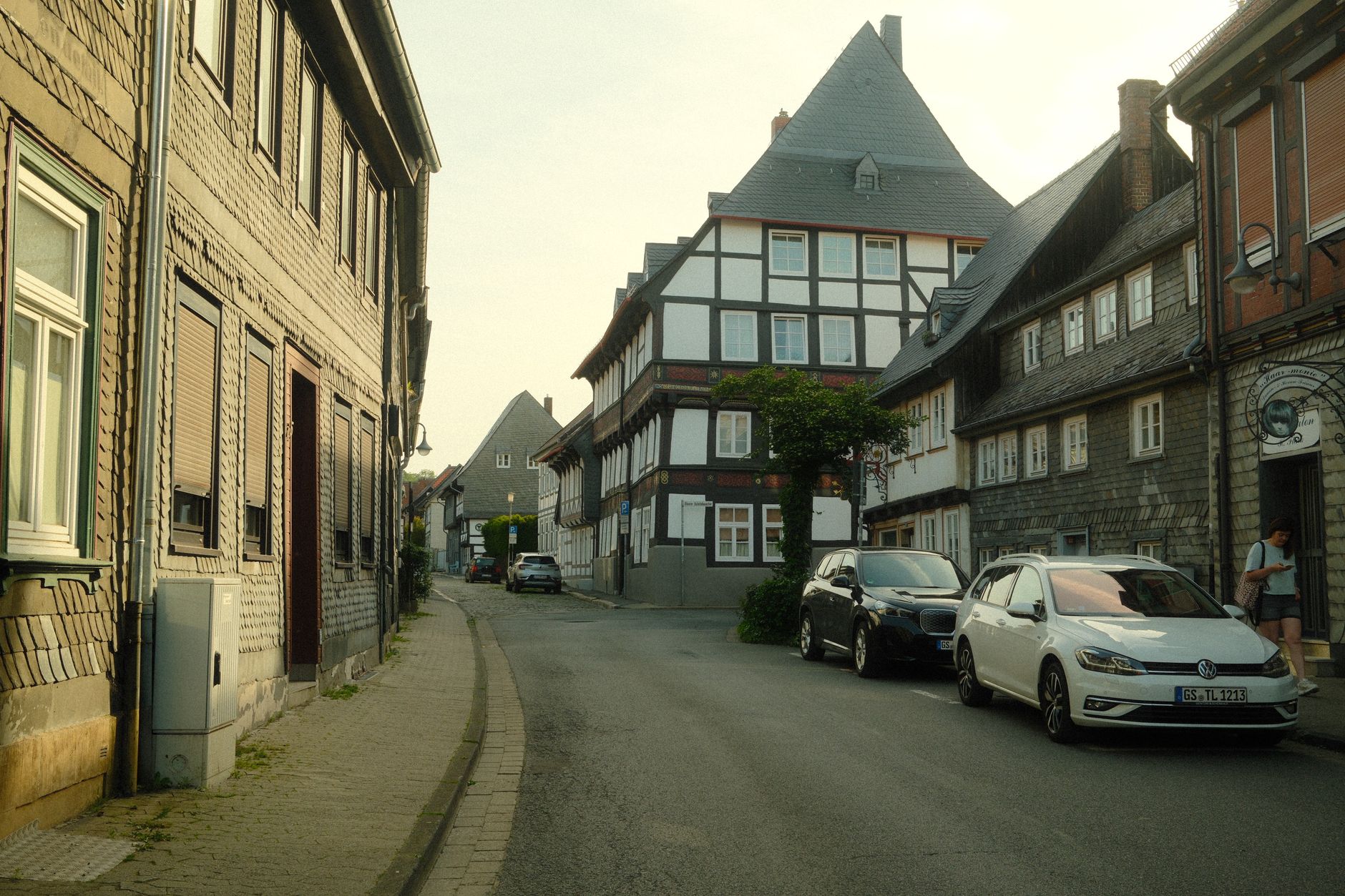
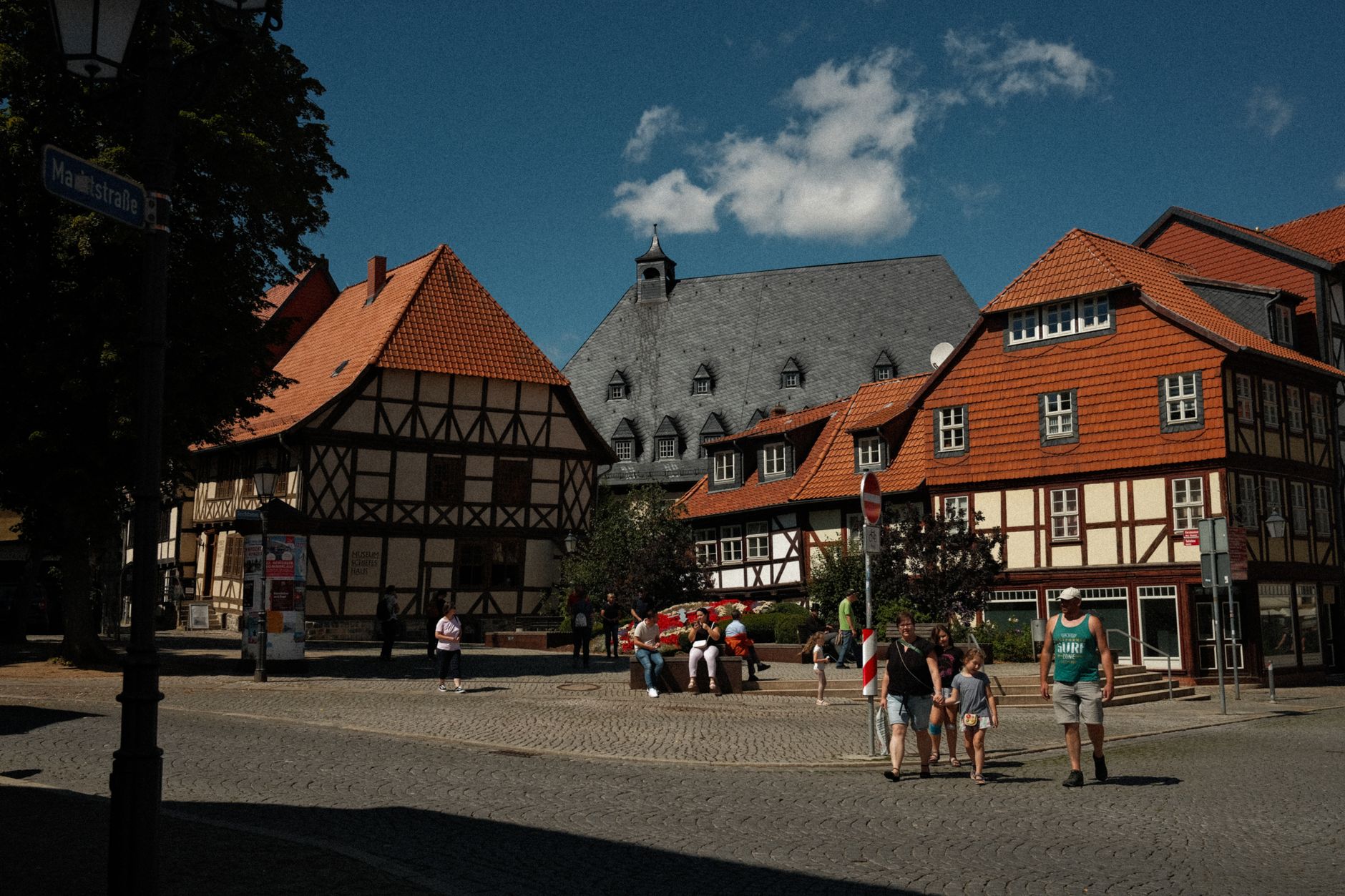
The old town holds more than 1,500 timber-framed houses built between the 15th and 19th centuries, and the whole ensemble — along with the Rammelsberg mine on the edge of town — earned UNESCO status in 1992. The streets are compact enough to walk end to end in twenty minutes, but the layers underneath them go back over a thousand years.
💛 What travellers fall for
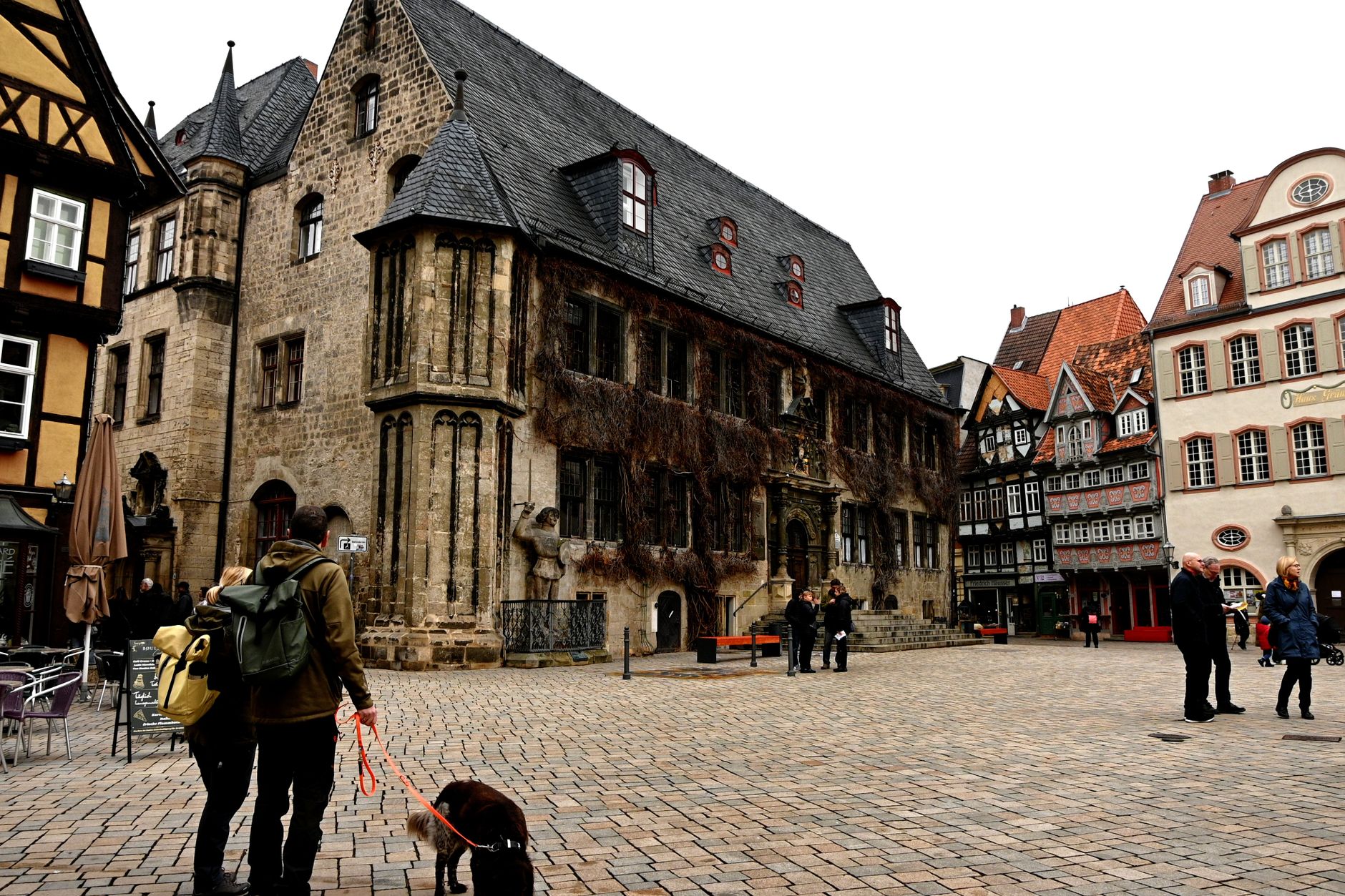
People who return tend to do it for the Rathaus's Huldigungssaal — Late Gothic paintings covering every surface of what was once a council chamber, easy to walk past if you're not paying attention. The Rammelsberg museum rewards a second visit too; the mine tour runs deeper than most people expect on the first go.
Deals in Goslar
Book directly at the provider
How Goslar came to be
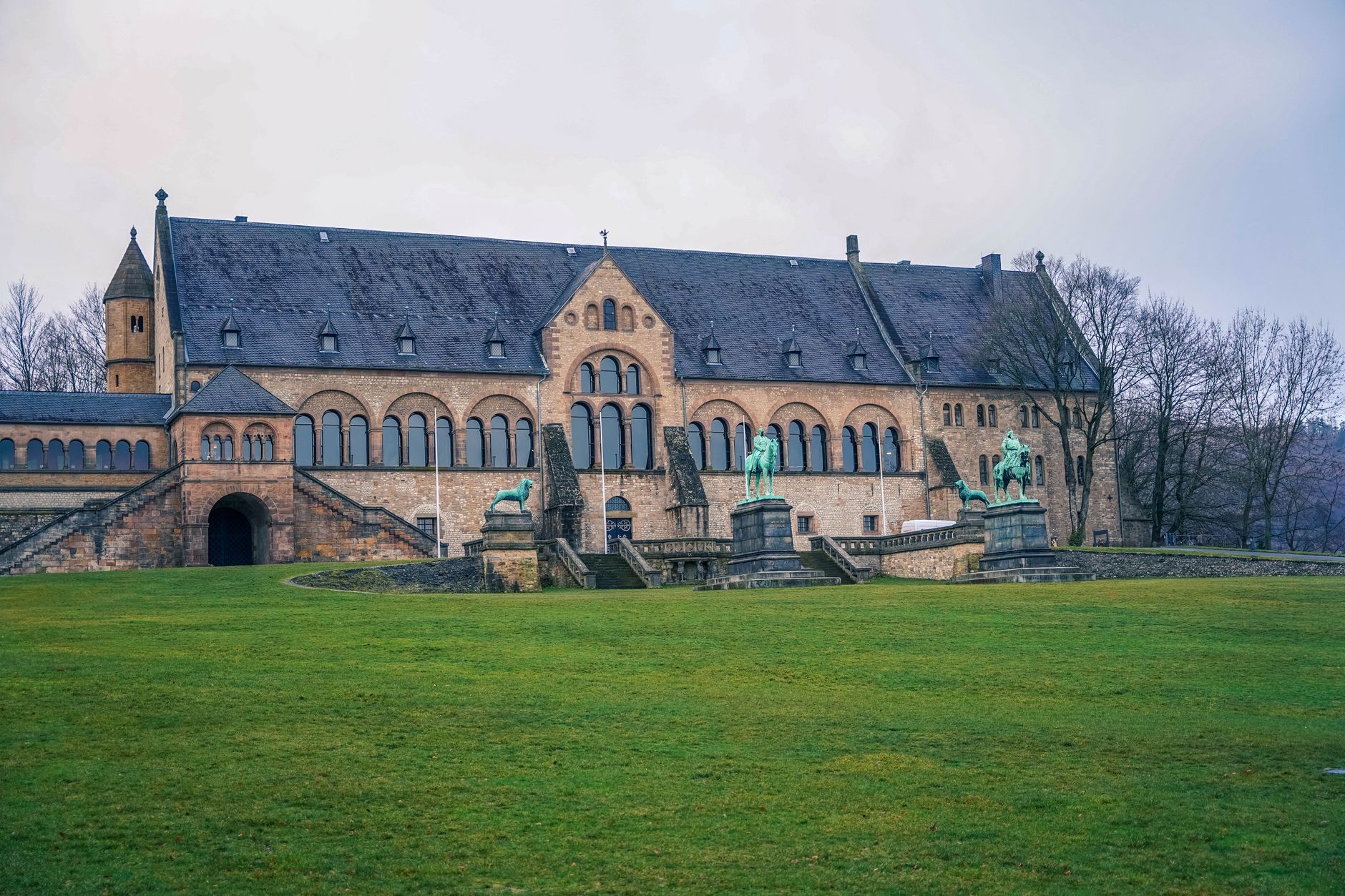
Henry I of East Francia is credited with founding Goslar in 922, drawn by silver ore discovered in the Rammelsberg mountain, though the first written record doesn't appear until 979. By 1009, Emperor Henry II had declared it an imperial city, and under Henry III — who held court here 18 times in 17 years — Goslar became one of the most important seats of power in the Holy Roman Empire. The Kaiserpfalz palace, built between 1040 and 1050, served imperial rulers for over two centuries.
The city joined the Hanseatic League in the 13th century, and the wealth of that era is still readable in the Rathaus's Hall of Homage, decorated in the 1500s when the city was at its commercial peak. The Rammelsberg mine ran for over a thousand years before closing in 1988.
Who and what shaped it
People who shaped it
Landmark buildings
See Goslar in motion
Plan your visit
On the map
When to go
Goslar sits at the northern edge of the Harz Mountains, which means winters are cold and can bring snow, while summers are mild and green. Late spring and September offer the most comfortable conditions for walking both the old town and the surrounding trails.
Right now
Background & history adapted from Wikipedia (CC BY-SA) · specs from Wikidata (CC0) · weather from Open-Meteo · map data © OpenStreetMap contributors · photos from Wikimedia Commons / Unsplash with per-image credit. No third-party reviews or social posts reproduced.