
Hahnenklee
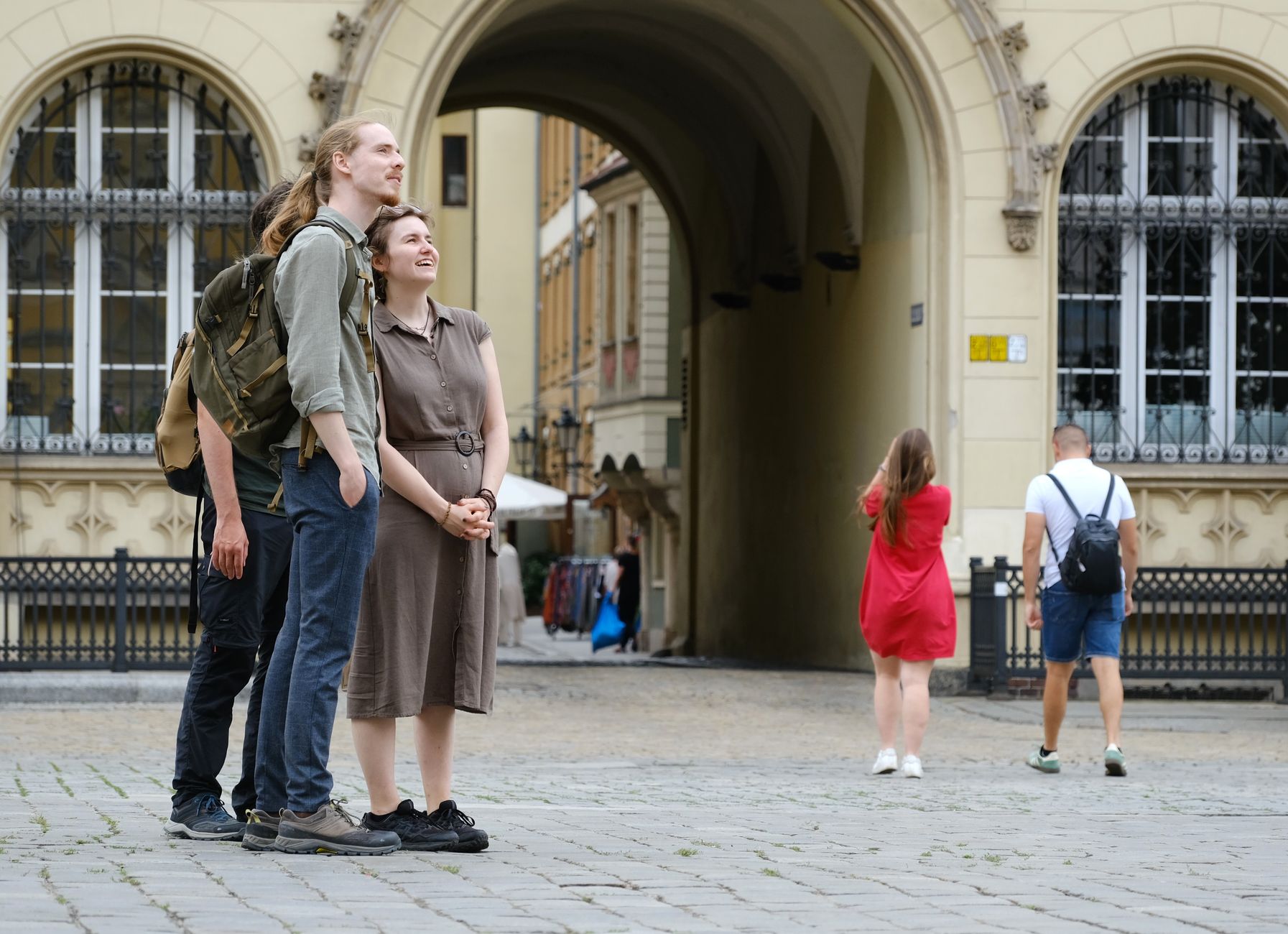
At 726 metres, the Bocksberg sits above Hahnenklee like a quiet supervisor, and in winter it disappears entirely under two metres of snow. The town below — about 1,200 people, a stave church that looks borrowed from a Norwegian fjord, and a cable car that runs when the ski slopes need it — earned its climatic spa designation back in 1882, and the air still carries that particular cold-clean quality the 19th century considered medicinal.
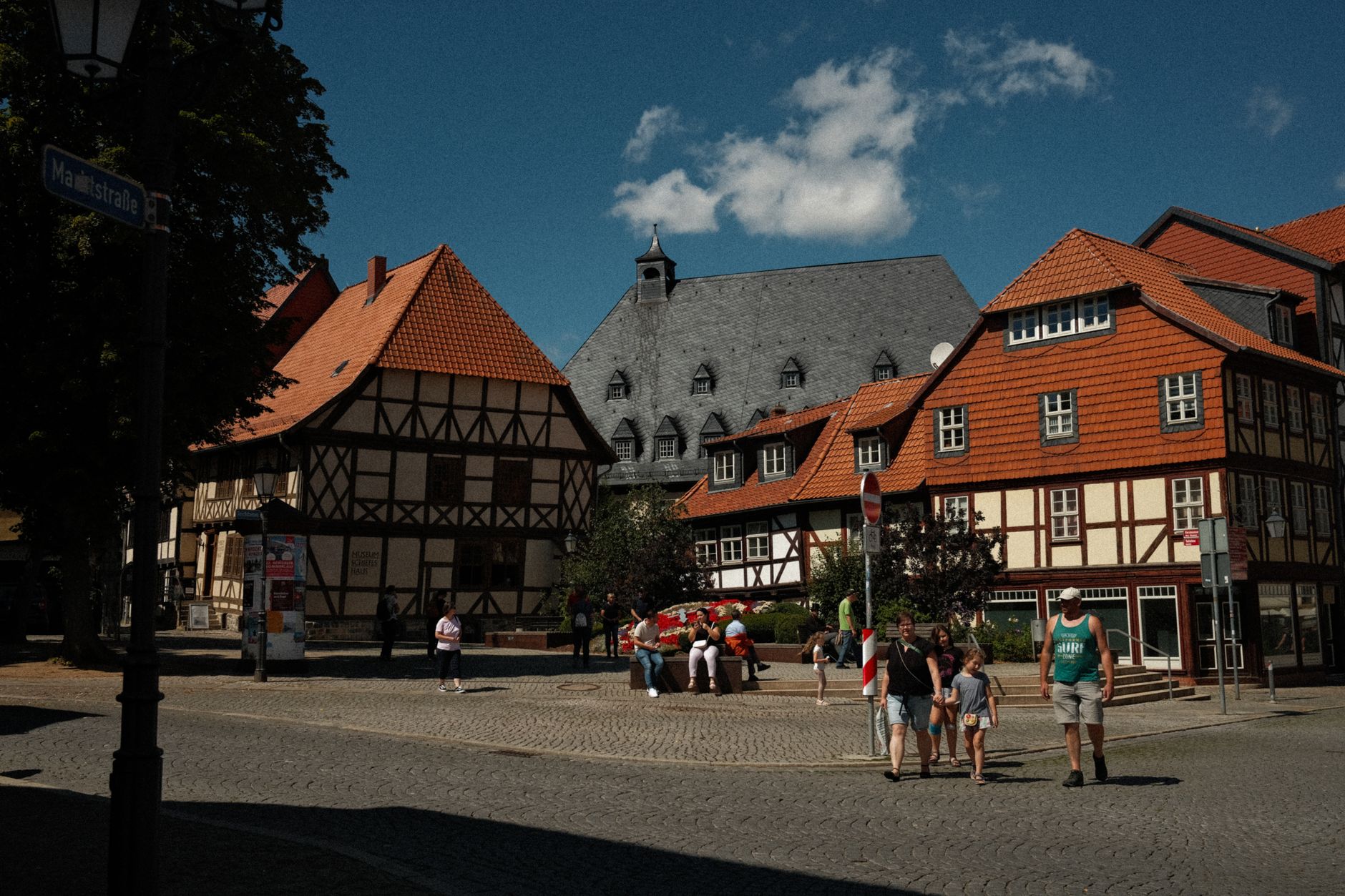
Hahnenklee is compact enough to walk end to end before lunch. The wooden buildings along the high street, some half-timbered and dating to the mining boom, give the place a texture that outlasted the ore. The Hahnenklee Crags rise from a 700-metre rock face and look out across the Oder valley — no commentary required.
💛 What travellers fall for
People who return tend to mention the Liebesbank Trail first — seven kilometres of circular path dotted with 25 individually designed benches, each one different, placed where the views earn a rest. They also mention the Gustav Adolf Stave Church in early morning light, before the day-trippers arrive from Goslar, when the spruce timber is almost amber.
Deals in Hahnenklee
Book directly at the provider


How Hahnenklee came to be
The settlement began as a mining outpost in the 16th century, its half-timbered houses built with local timber and stone foundations heavy enough to bear the snowload. Recognition as a climatic spa in 1882 shifted the town's identity from extraction to restoration — the Kurhaus followed, and with it a different kind of visitor.
In April 1945, American forces arrived and the population swelled almost overnight from around 850 to 2,600 as refugees moved through. Four years later, in 1949, the town received formal recognition as a state-approved health resort. The composer Paul Lincke — credited as the father of Berlin operetta — spent his final years here, drawn by the same restorative air the spa brochures had promised for decades. He died in Hahnenklee-Bockswiese on 3 September 1946. The Paul-Lincke-Haus now holds his memory, and the annual Paul Lincke Ring award keeps his name in circulation.
Who and what shaped it
People who shaped it
Landmark buildings
See Hahnenklee in motion
Plan your visit
On the map
When to go
Summers are mild and green, with afternoon temperatures around 18°C and enough sunny days to justify the hiking trails, though you should expect rain on roughly three days a week. Winters are genuinely snowy — up to two metres of accumulation — which is the point if you're here for the slopes or the cross-country trails.
Right now
Background & history adapted from Wikipedia (CC BY-SA) · specs from Wikidata (CC0) · weather from Open-Meteo · map data © OpenStreetMap contributors · photos from Wikimedia Commons / Unsplash with per-image credit. No third-party reviews or social posts reproduced.