
Bad Harzburg
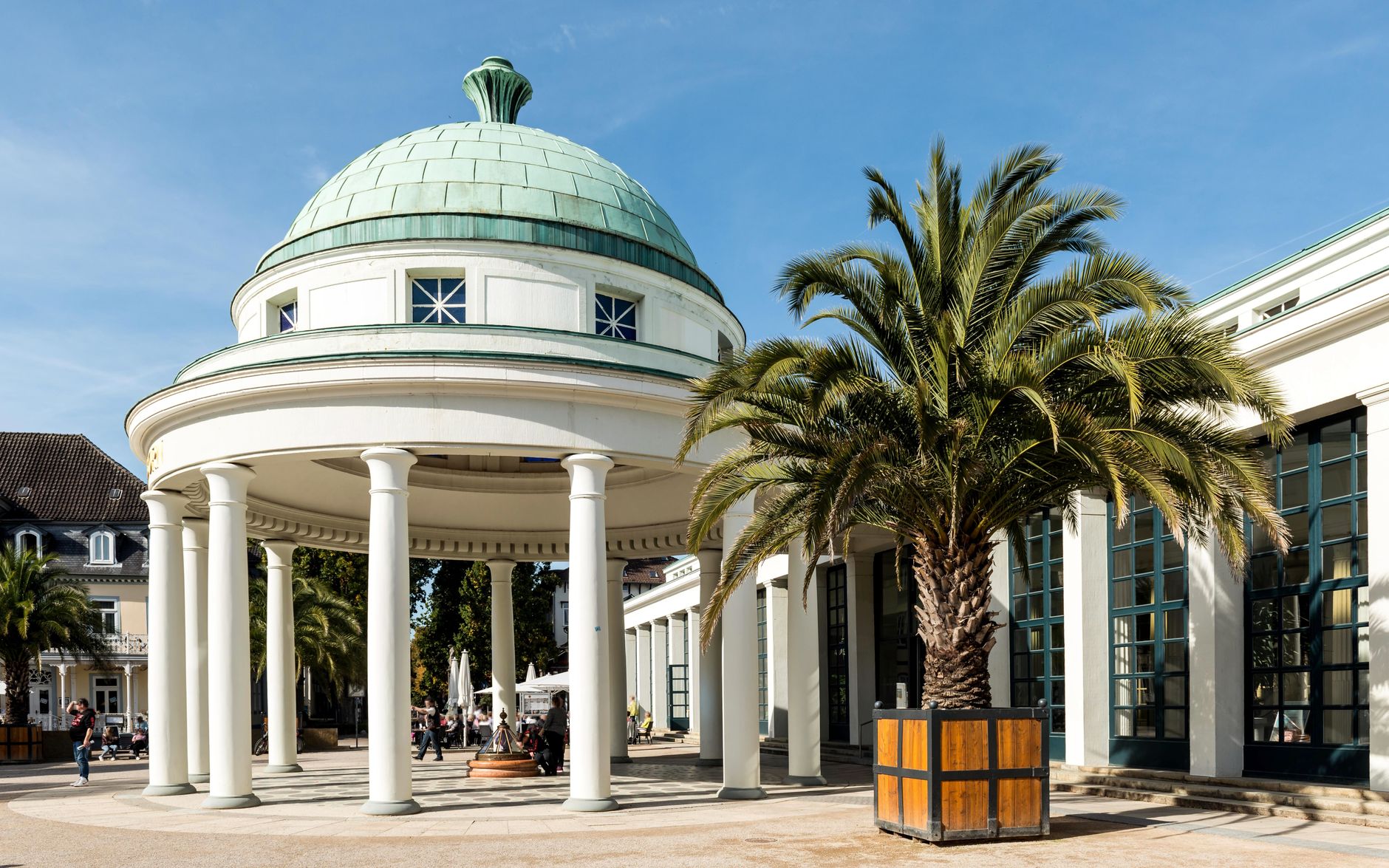
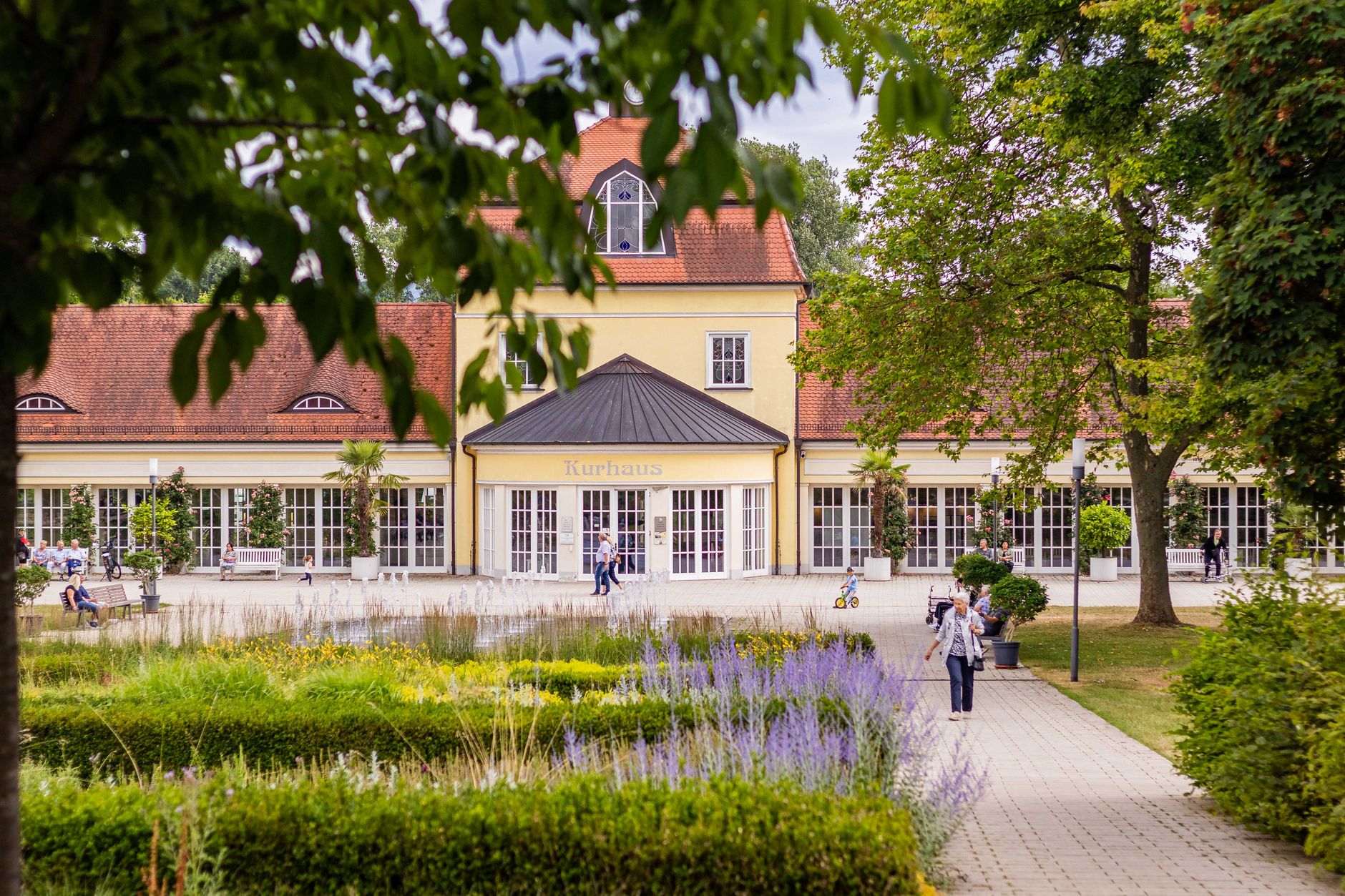
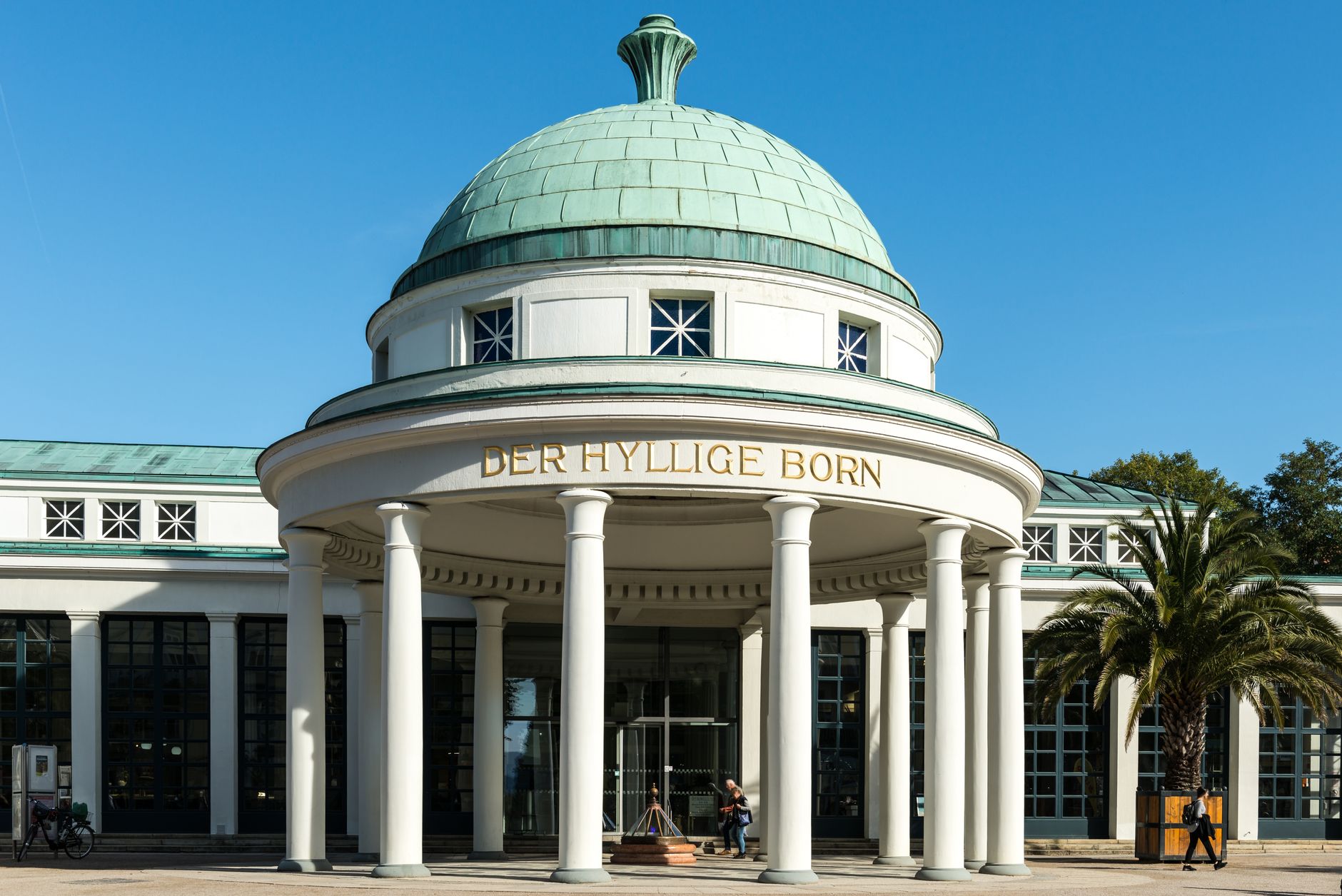
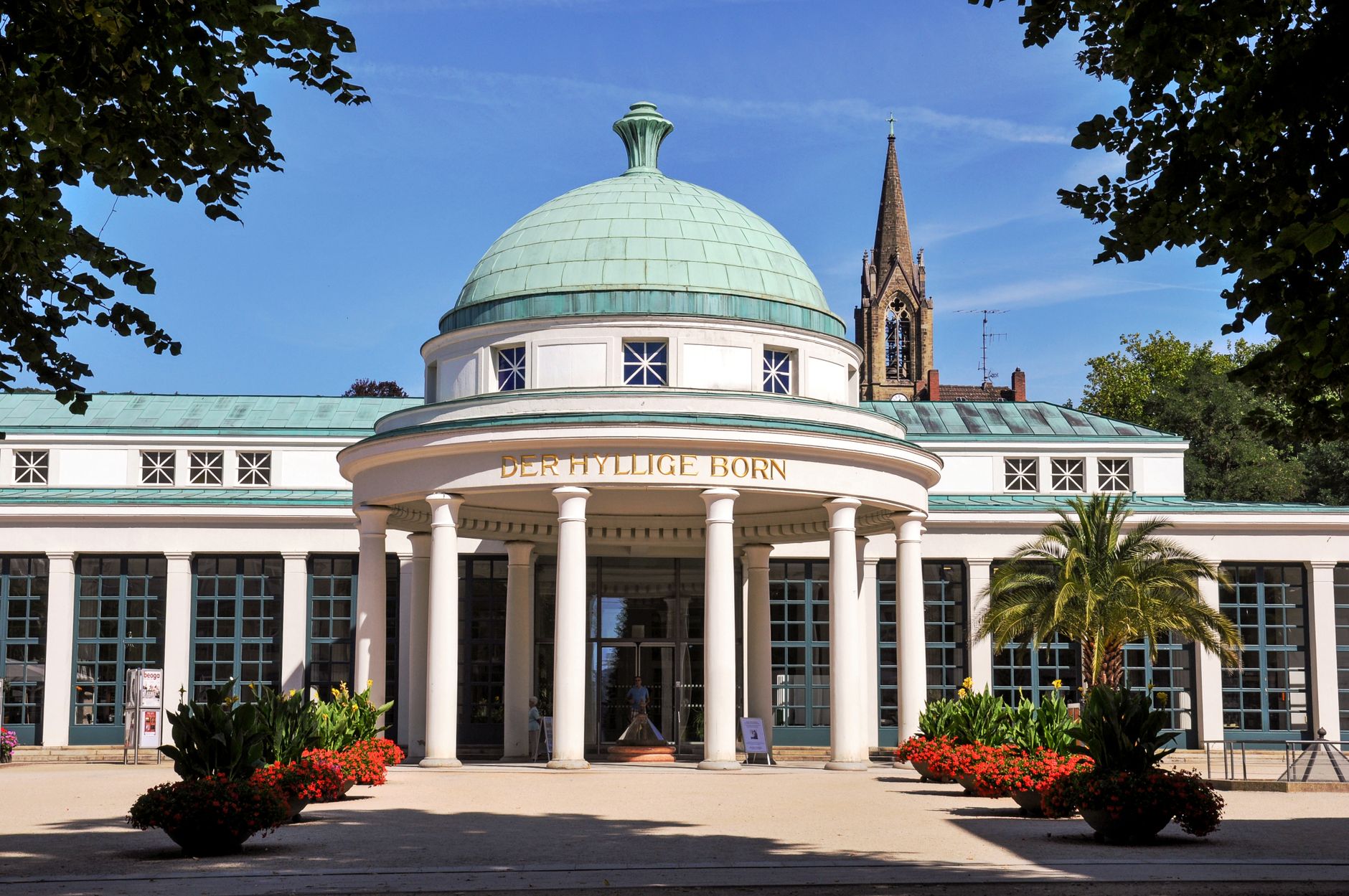
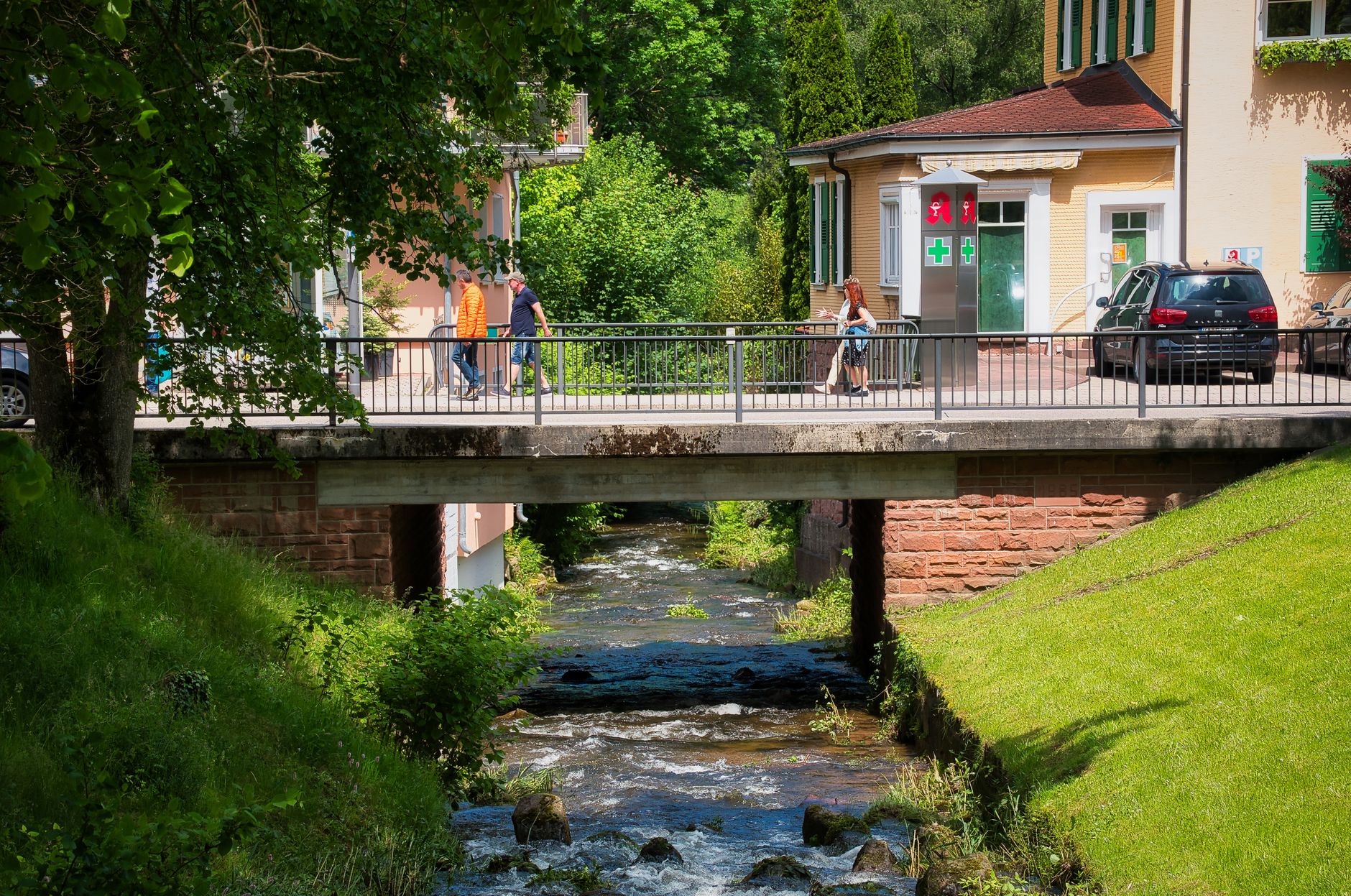
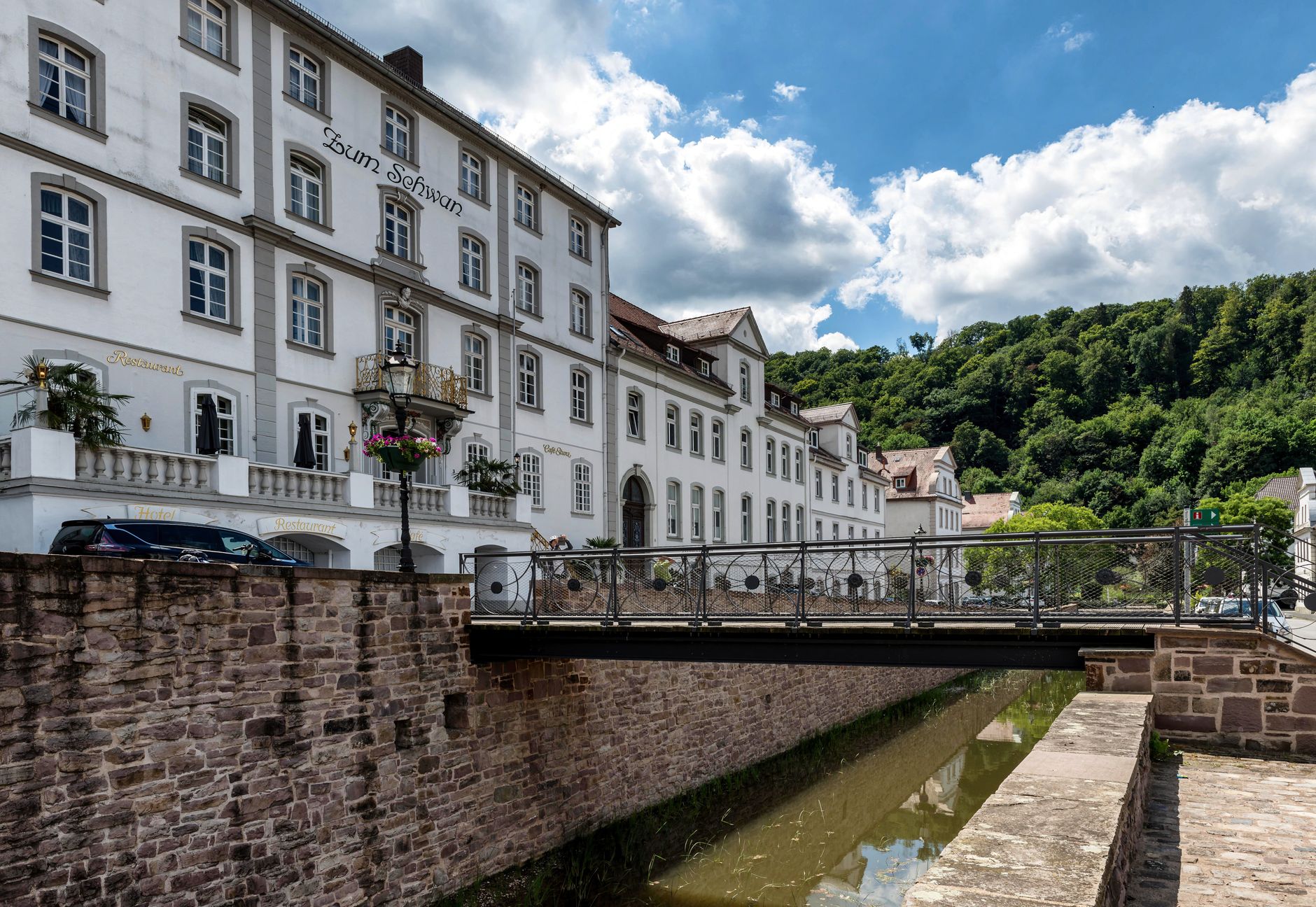
Bad Harzburg sits at the northern edge of the Harz range where the mountains give way to the North German Plain, and the view from the old castle hill makes that transition visible in a single glance. A 19-metre stone column in the spa gardens commemorates a medieval emperor's humiliation at Canossa — a piece of 19th-century political theatre planted in a 20th-century resort town, which tells you something about the layers here.
The town runs on saltwater springs, pine air and a cable car that has been hauling visitors up the Großer Burgberg since 1929. It earned its 'Bad' prefix the old-fashioned way: seven sulphur-laced saline springs that still feed the thermal baths beside the Radau river.
💛 What travellers fall for
People who return tend to take the Burgberg cable car up and walk down — the descent through beech forest past the castle ruins takes less than an hour and costs nothing after the 3-euro gondola ticket. The 1905 railway station is worth a slow look: Renaissance Revival outside, Jugendstil inside, and trains direct to Brunswick.
Experiences you don't want to miss




Deals in Bad Harzburg
Book directly at the provider

How Bad Harzburg came to be
The site's recorded history opens in 968, and King Henry IV raised a serious fortress here between 1065 and 1068 — Bishop Benno II of Osnabrück did the architectural work. It stood barely a decade before the Saxon Rebellion of 1073–75 tore it down. Later rebuilt under Frederick Barbarossa, the castle saw out another two centuries before Otto IV, Holy Roman Emperor, died within its walls on 19 May 1218.
The dukes of Brunswick-Lüneburg kept the area productive: their stud farm at Bündheim dates to 1413, one of Europe's oldest. The castle itself was finally demolished by order of Duke Augustus the Younger in 1650, leaving the foundation walls and tower stumps visible today. By the 19th century the saline springs had recast the town as a spa resort, and that identity has held ever since.
Who and what shaped it
People who shaped it
Landmark buildings
See Bad Harzburg in motion
Plan your visit
On the map
When to go
Summers are warm and good for walking, with the forest canopy keeping the ridge trails comfortable. Winters turn properly cold and snowy — the Harz transition zone earns its reputation — so pack accordingly if you're coming between November and March.
Right now
Background & history adapted from Wikipedia (CC BY-SA) · specs from Wikidata (CC0) · weather from Open-Meteo · map data © OpenStreetMap contributors · photos from Wikimedia Commons / Unsplash with per-image credit. No third-party reviews or social posts reproduced.