
Thale
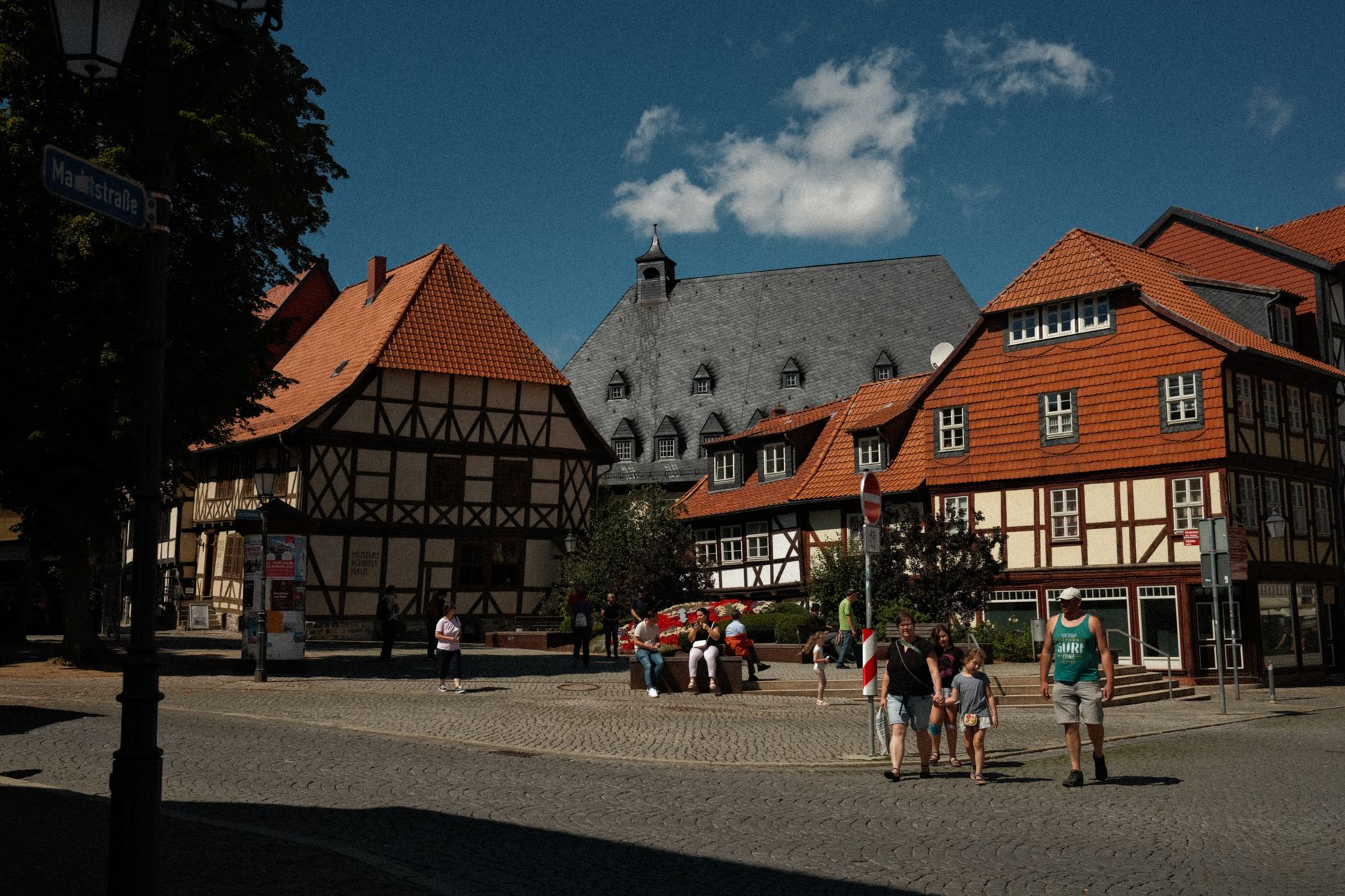

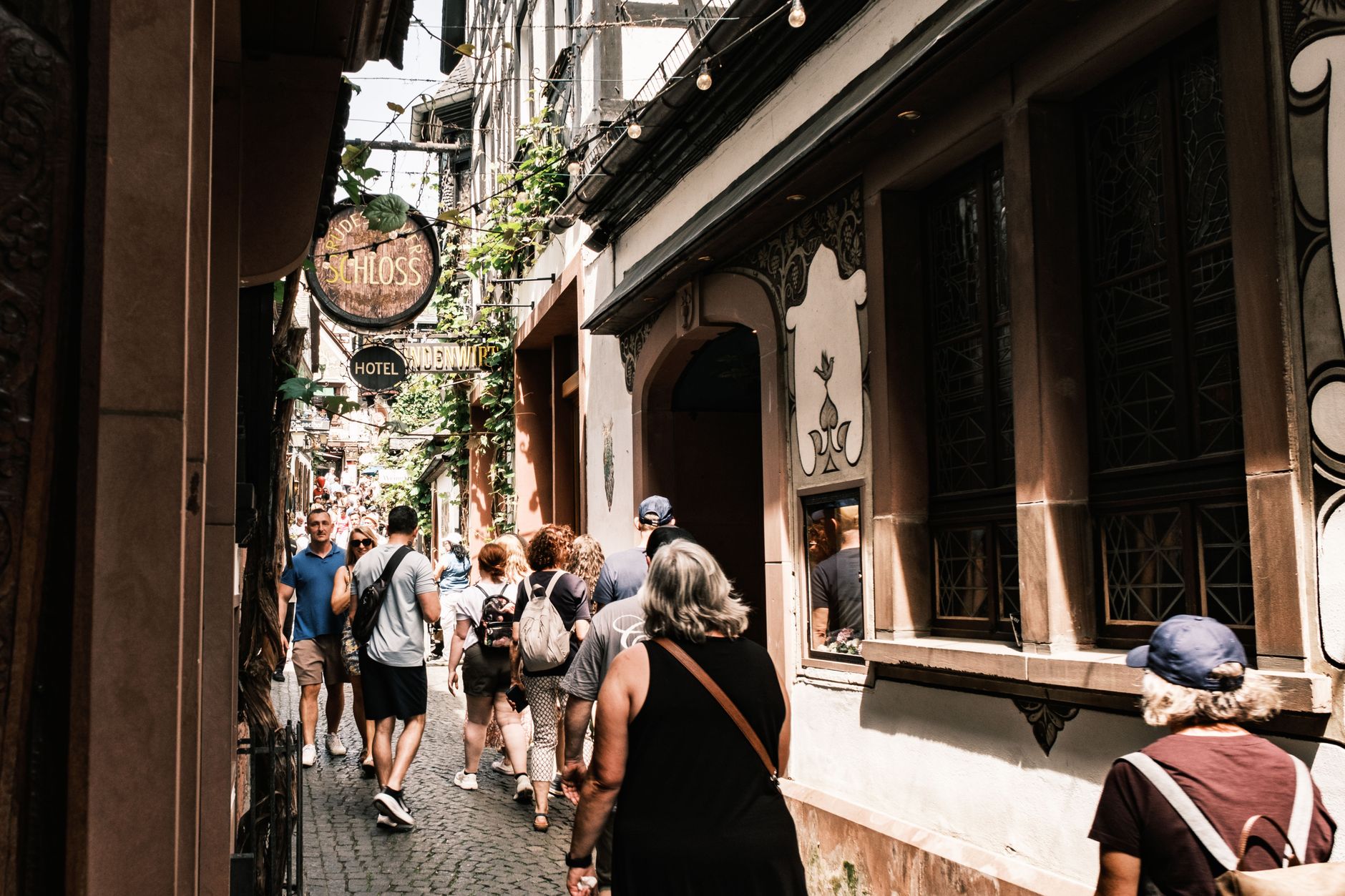
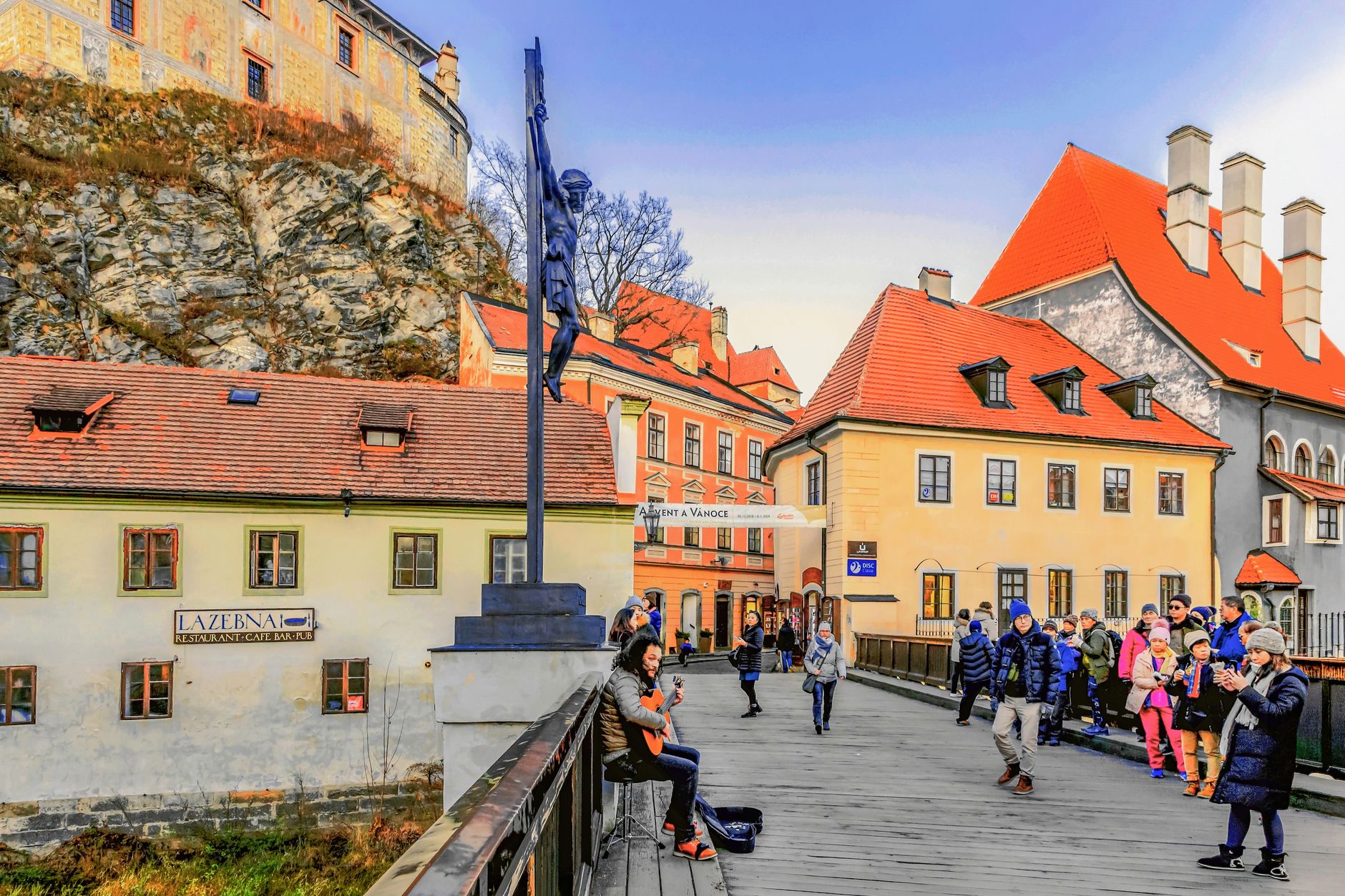
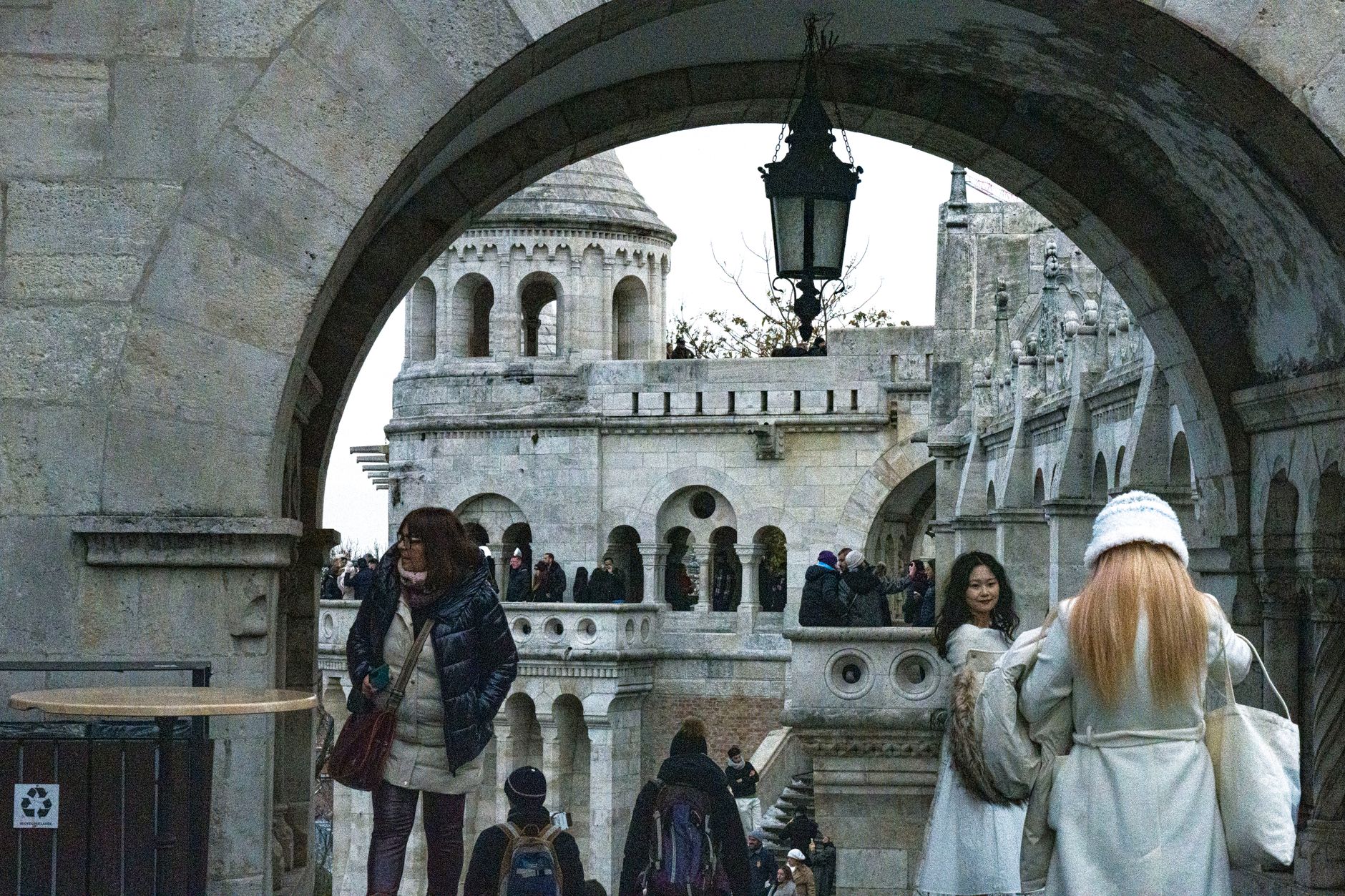
Thale sits at the point where the Bode River cuts through the northeastern edge of the Harz, leaving behind a gorge deep enough to swallow the afternoon light. Two rocky plateaus flank the valley — the Hexentanzplatz at 454 metres on one side, the granite cliff of Roßtrappe at 403 metres on the other — and a pair of cable cars will carry you up to both. The town below is compact and railway-connected, its modest streets still carrying traces of a steel and enamel industry that once produced a tenth of the world's enamelled goods.
Heinrich Heine passed through and wrote about it. The open-air theatre on the Hexentanzplatz has been running since 1903. The Bode Gorge stretches above the town centre, and Germany's longest pedestrian suspension bridge hangs over the Rappbode Reservoir a short distance away.
💛 What travellers fall for
People who come back tend to time it around Walpurgis Night — the 30th of April, when the Hexentanzplatz leans fully into its witches' folklore. Others return for the Bergtheater's summer programme. Either way, the combined cable-car ticket (SuperSpar II, €10.50 return for both lifts) is always the first thing they buy.
Deals in Thale
Book directly at the provider
How Thale came to be
A settlement here appears in records as early as 936, tied to Wendhusen Abbey, which was founded around 825 as a chapter of canonesses. The town itself only received formal rights in 1922, but its modern character was shaped much earlier by iron and steel. By 1872 around 350 workers were employed in the local iron industry; by 1905 that number had reached 4,400. The enamel works founded in 1835 — the oldest of their kind in Europe — eventually accounted for roughly one in ten enamelware pieces made anywhere in the world.
The same factories turned to steel helmet production during the First World War and held a monopoly on that work from 1934. Tourism arrived alongside industry: the Hubertus Spring opened in 1836, and by the early twentieth century figures including Karl Liebknecht, Rosa Luxemburg and Clara Zetkin were addressing workers here, while writers like Heine and Fontane came for the landscape.
Who and what shaped it
People who shaped it
Landmark buildings
See Thale in motion
Plan your visit
On the map
When to go
July days reach around 24°C — warm enough for the gorge walks and the summer toboggan run, but the valley shade keeps things comfortable. January sits around 4°C, and the lifts and toboggan run stay open through winter, so the off-season is quieter but far from closed.
Right now
Background & history adapted from Wikipedia (CC BY-SA) · specs from Wikidata (CC0) · weather from Open-Meteo · map data © OpenStreetMap contributors · photos from Wikimedia Commons / Unsplash with per-image credit. No third-party reviews or social posts reproduced.