
Quedlinburg
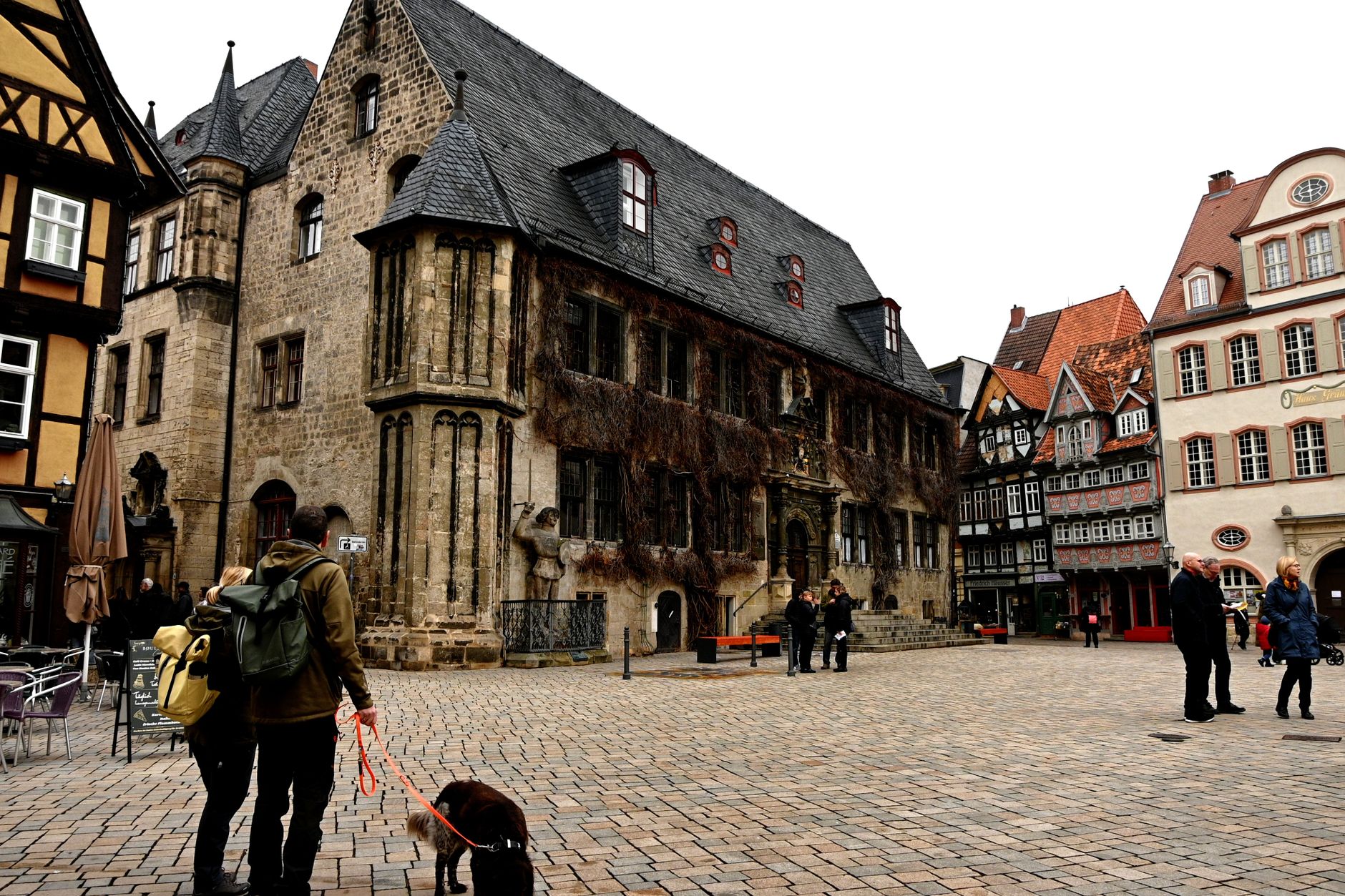
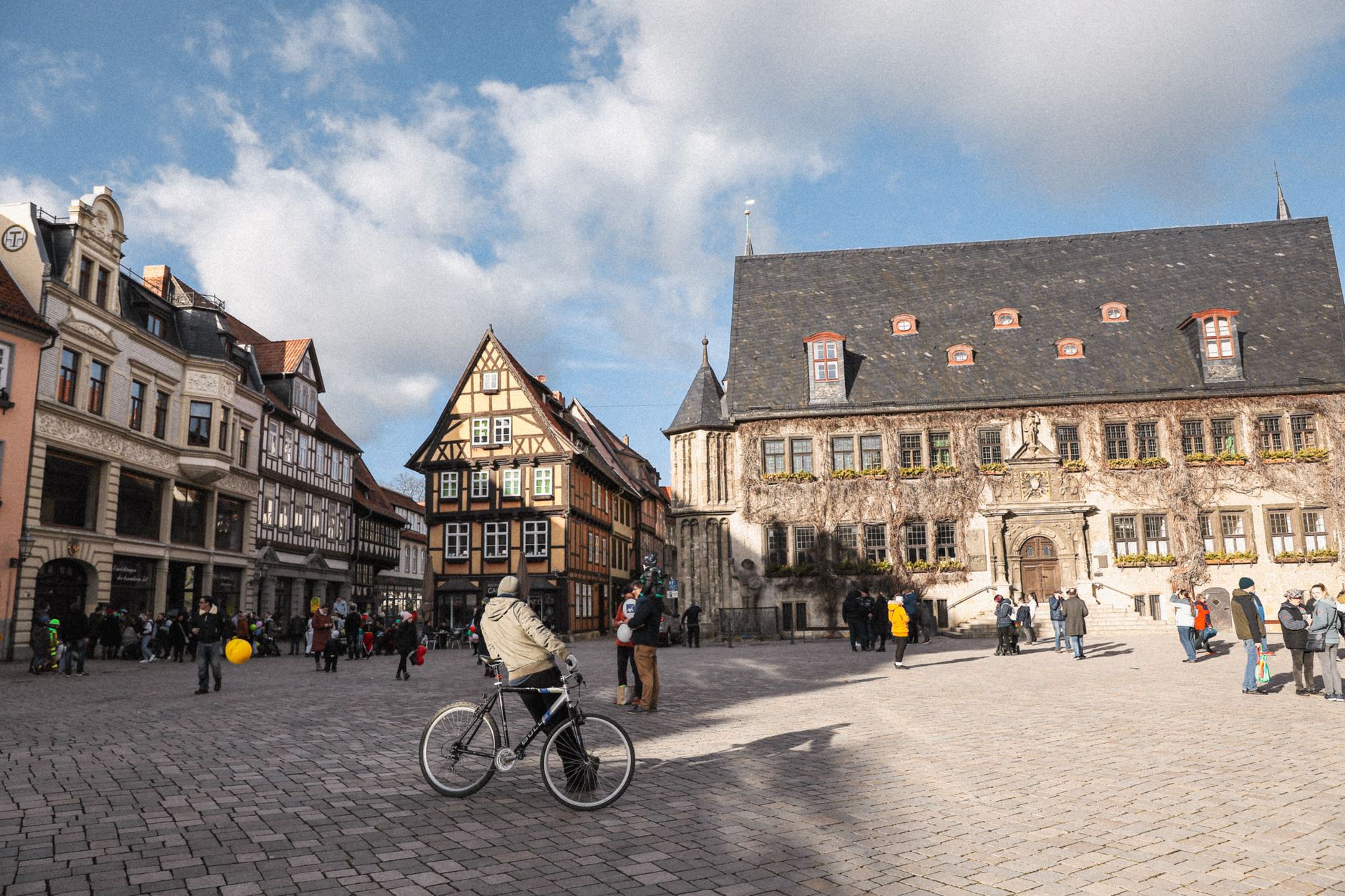
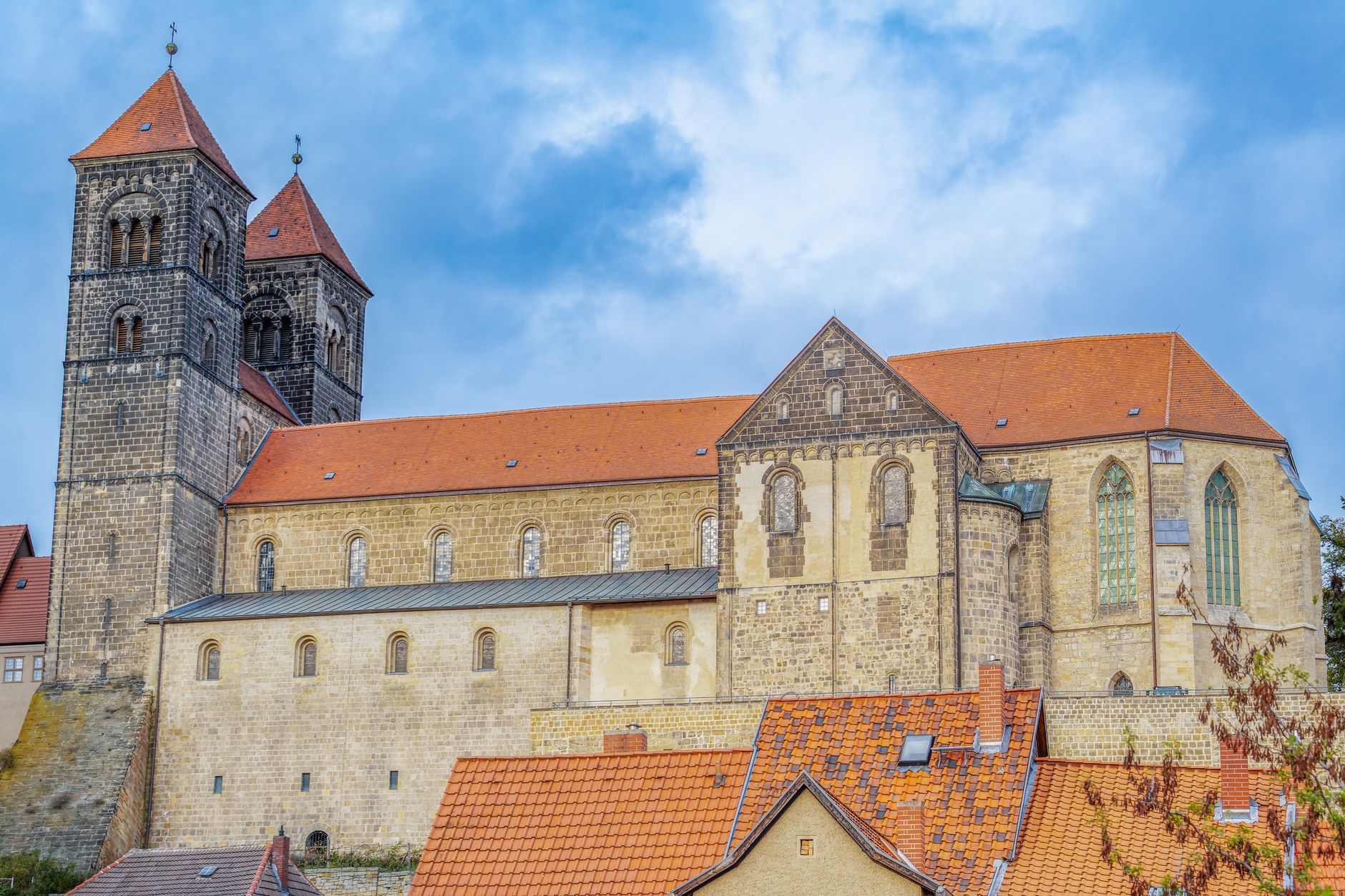
Stand at the foot of Quedlinburg's castle hill and you're looking at the place where, in 919, a Saxon duke named Henry allegedly received the German crown while out hawking. That story may be part legend, but the hill above you is entirely real — Romanesque stonework, a crypt full of carved capitals, and the bones of a dynasty that shaped medieval Europe.
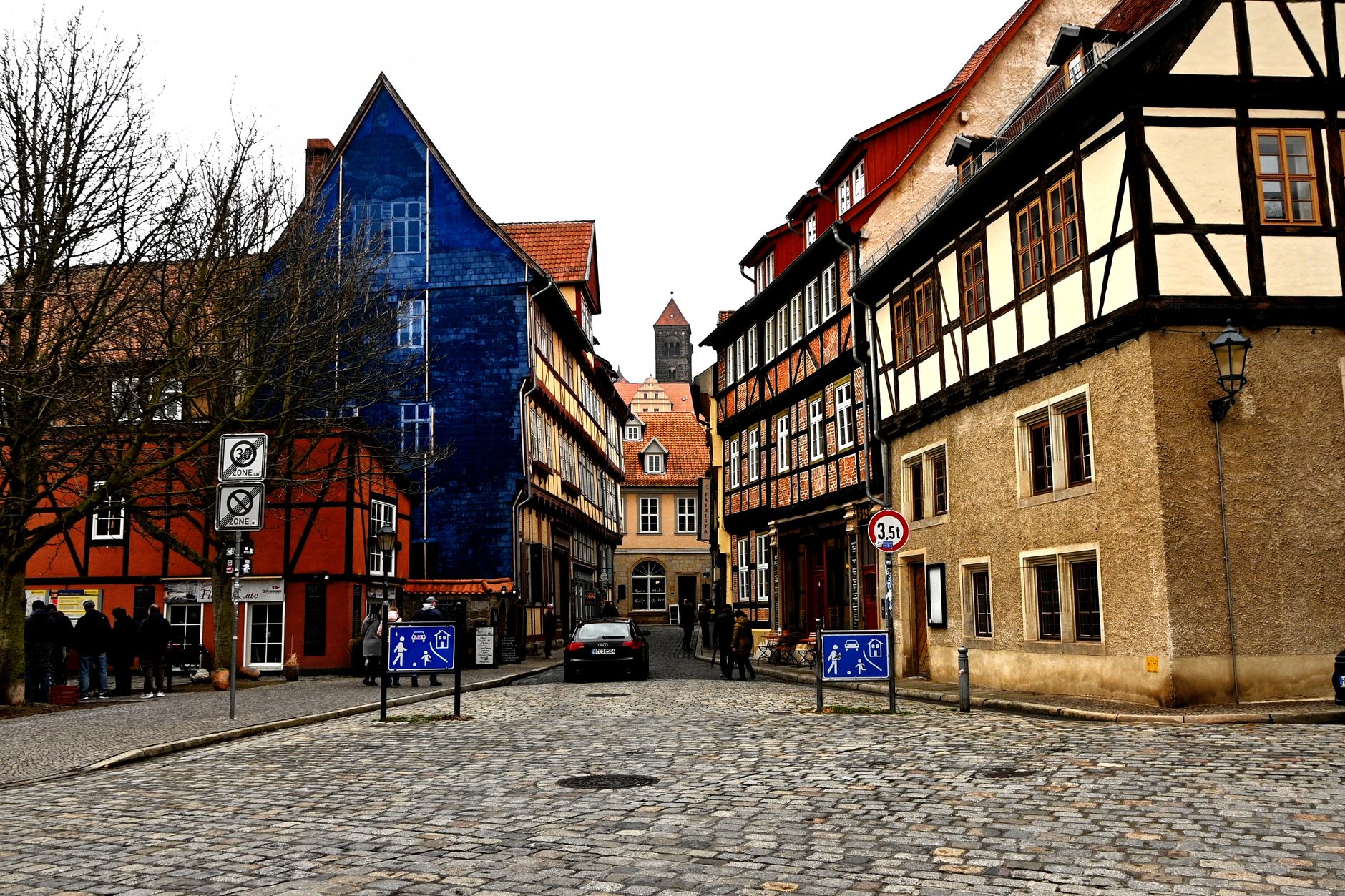
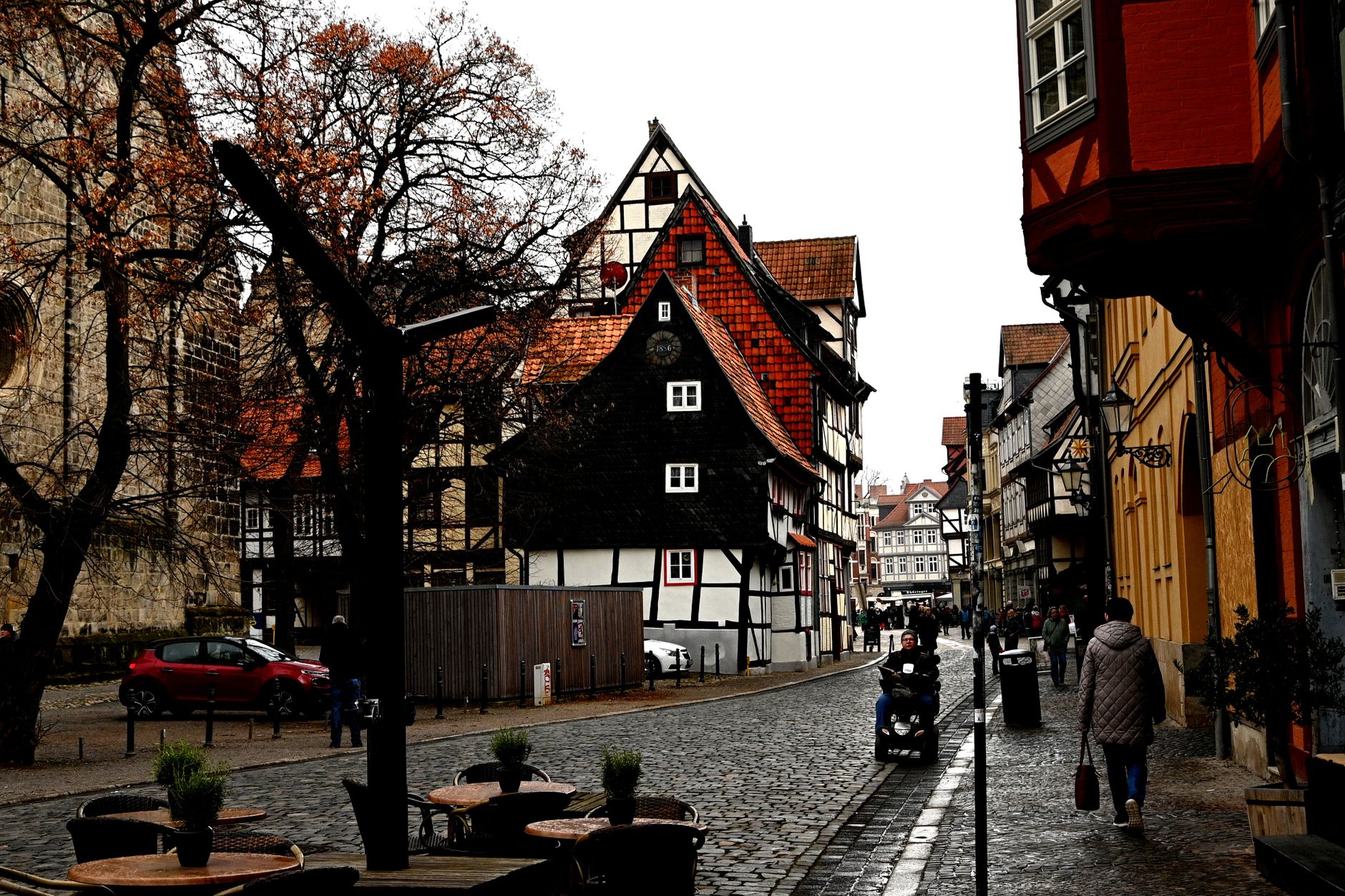
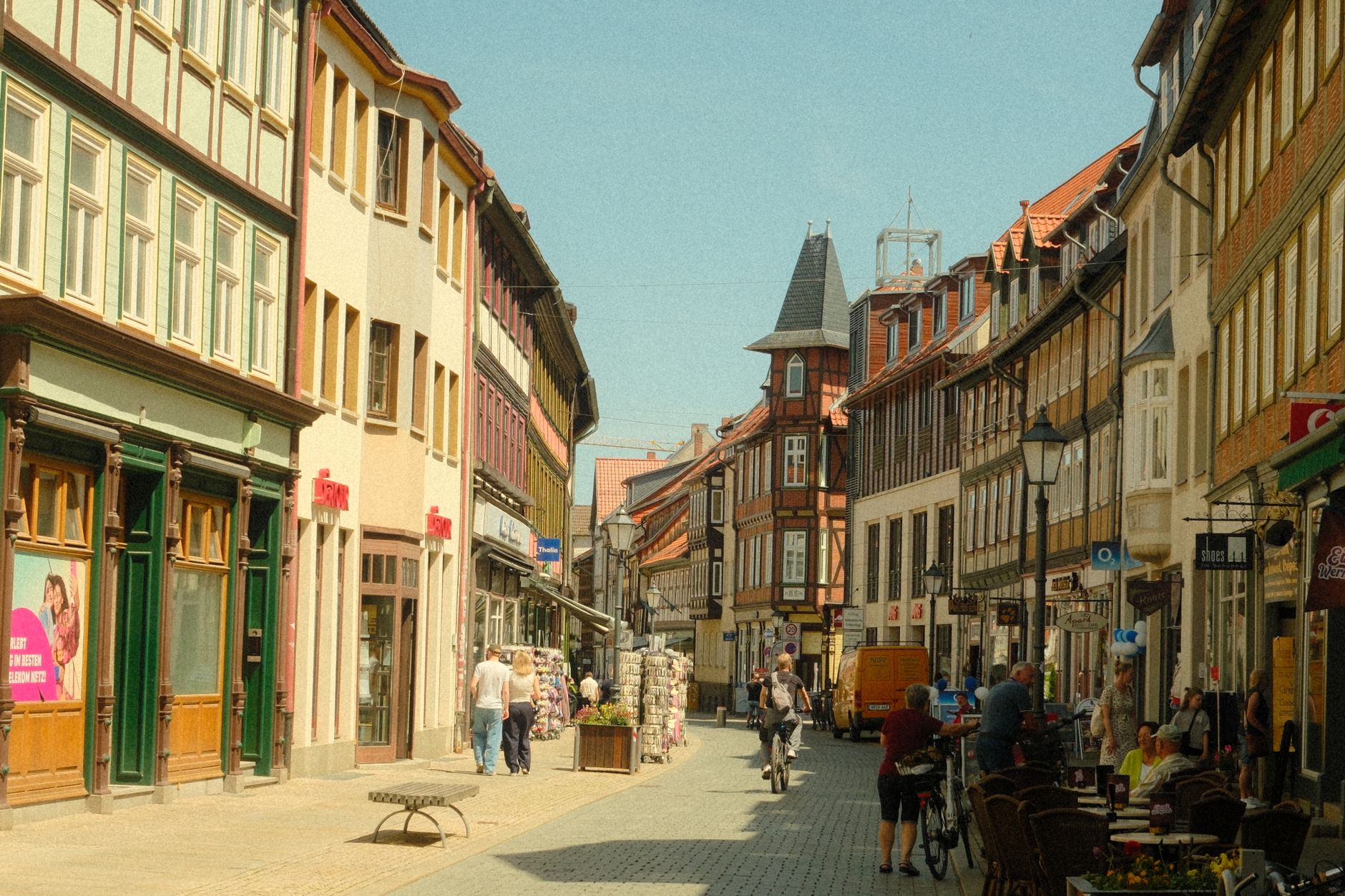
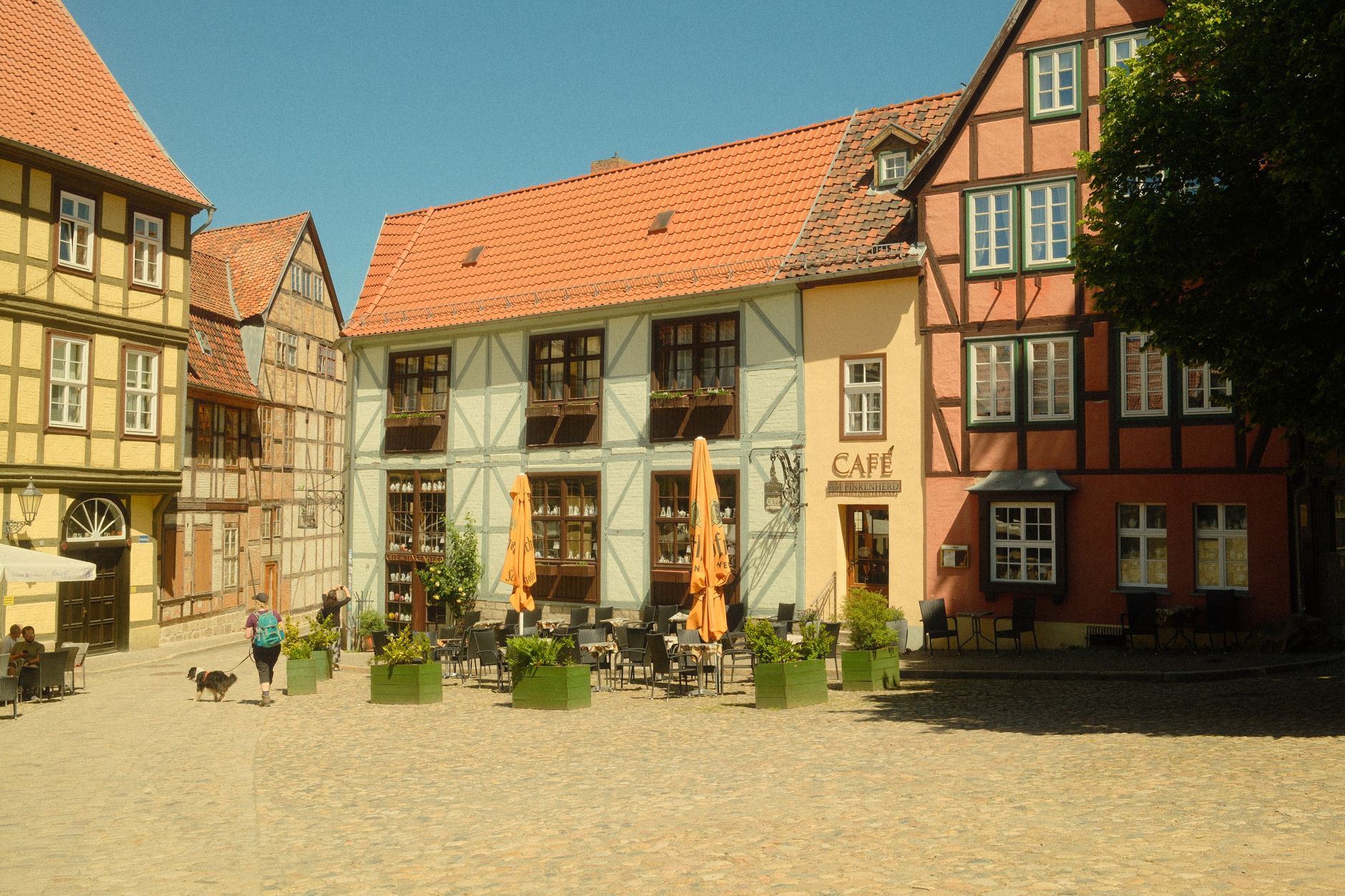
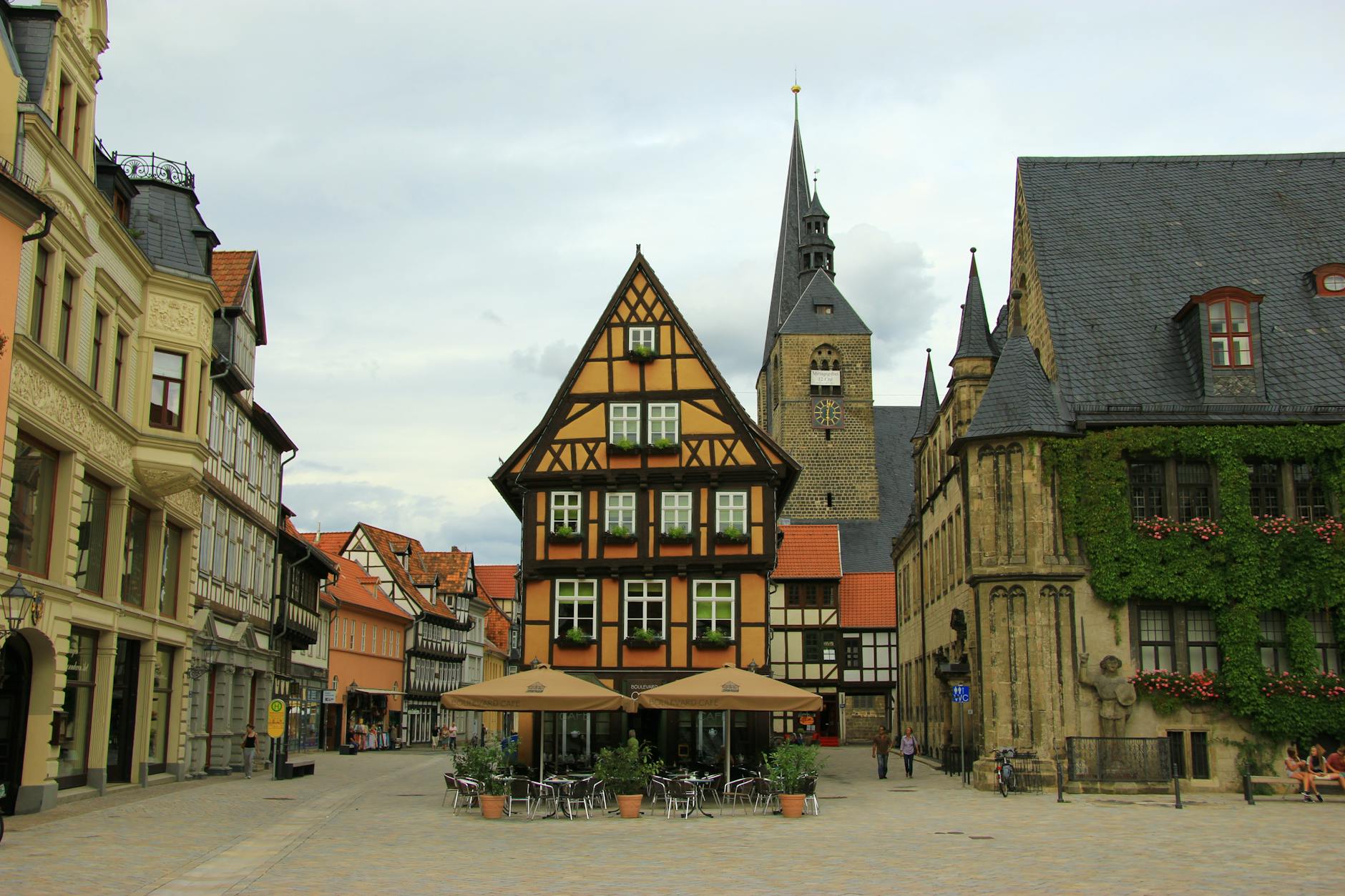
Quellinburg survived the twentieth century largely intact, which means its 2,000 half-timbered houses still stand in their original proportions, most of them built during a prosperity surge between 1620 and 1720. Walking its lanes feels less like visiting a museum than stumbling into a town that simply never got around to tearing itself down.
💛 What travellers fall for
People who return tend to time a visit for a weekday morning, when the Collegiate Church opens at ten and the crypt is nearly empty. The Treasure of Quedlinburg — ivory combs, jewelled swords, golden reliquaries, all returned from Texas in 1992 — deserves unhurried attention in the Schloss Museum. The narrow-gauge steam railway up into the Harz is worth the detour on its own.
Deals in Quedlinburg
Book directly at the provider
How Quedlinburg came to be
Henry I founded a fortress here in 922, three years after the crown of the East Frankish kingdom came to him at the foot of this same hill. When he died in 936, his wife Matilda founded a women's abbey on Castle Hill in his memory, dedicated to Saint Servatius, and led it for over thirty years. Their son Otto I raised the abbey to imperial status in 968, making Quedlinburg a centre of Ottonian power — effectively a capital of the early German empire between 919 and 1024.
The town joined the Hanseatic League and traded actively until 1477, then passed through Saxon and eventually Brandenburgian hands before the abbey was secularised in 1803. Its last abbess, the Swedish princess Sofia Albertina, was an early advocate for women's rights — a thread that runs through Quedlinburg's history from Matilda onward, and includes Dorothea Erxleben, who became Germany's first female medical doctor in 1754.
Who and what shaped it
People who shaped it
Landmark buildings
See Quedlinburg in motion
Plan your visit
On the map
When to go
Summers are mild and green, ideal for walking the old streets and the surrounding Harz foothills. Winters are cold and occasionally snowy, which suits the stone architecture well but limits access to seasonal sites like St. Wiperti Church.
Right now
Background & history adapted from Wikipedia (CC BY-SA) · specs from Wikidata (CC0) · weather from Open-Meteo · map data © OpenStreetMap contributors · photos from Wikimedia Commons / Unsplash with per-image credit. No third-party reviews or social posts reproduced.