
Blankenburg
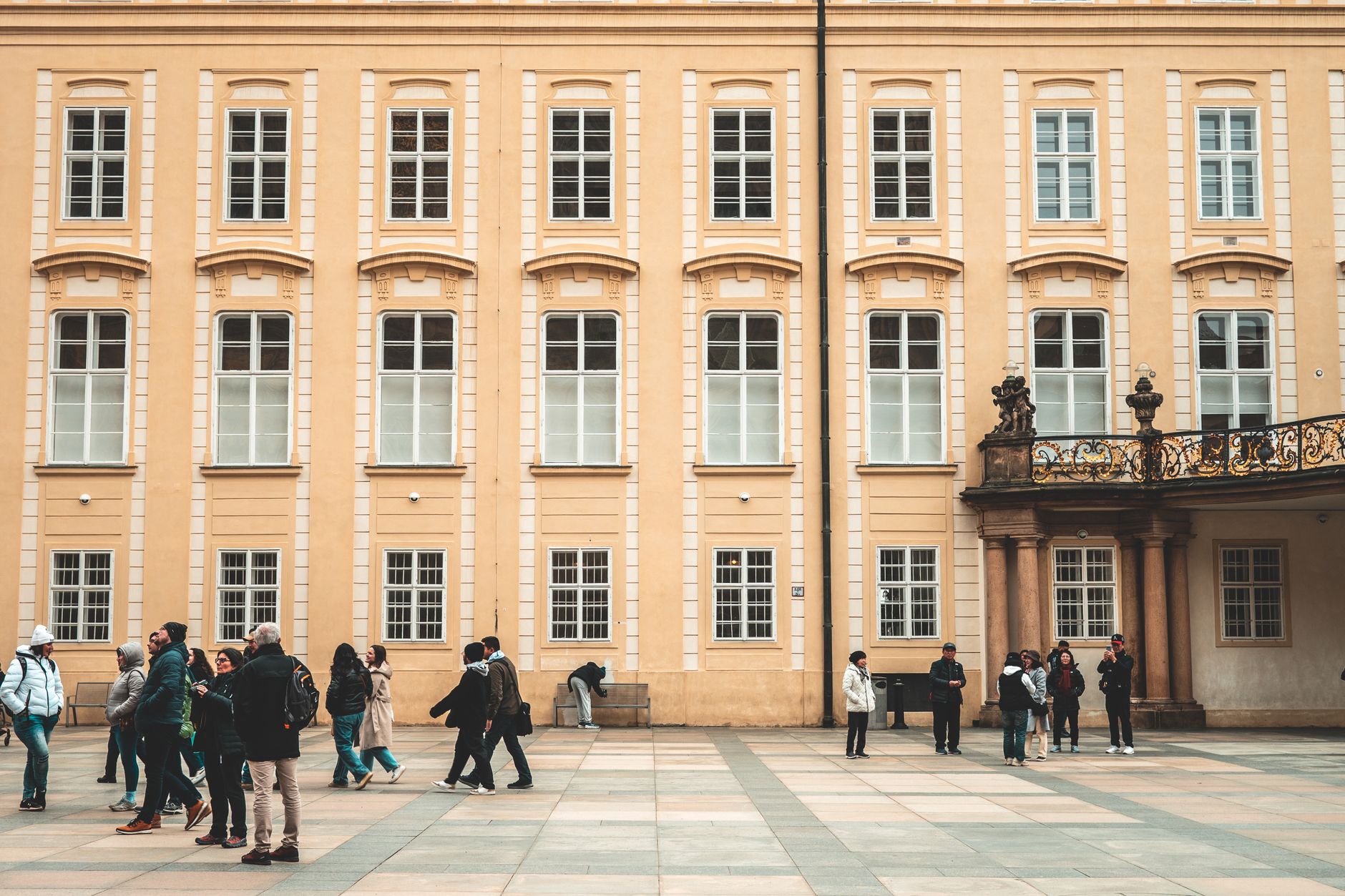
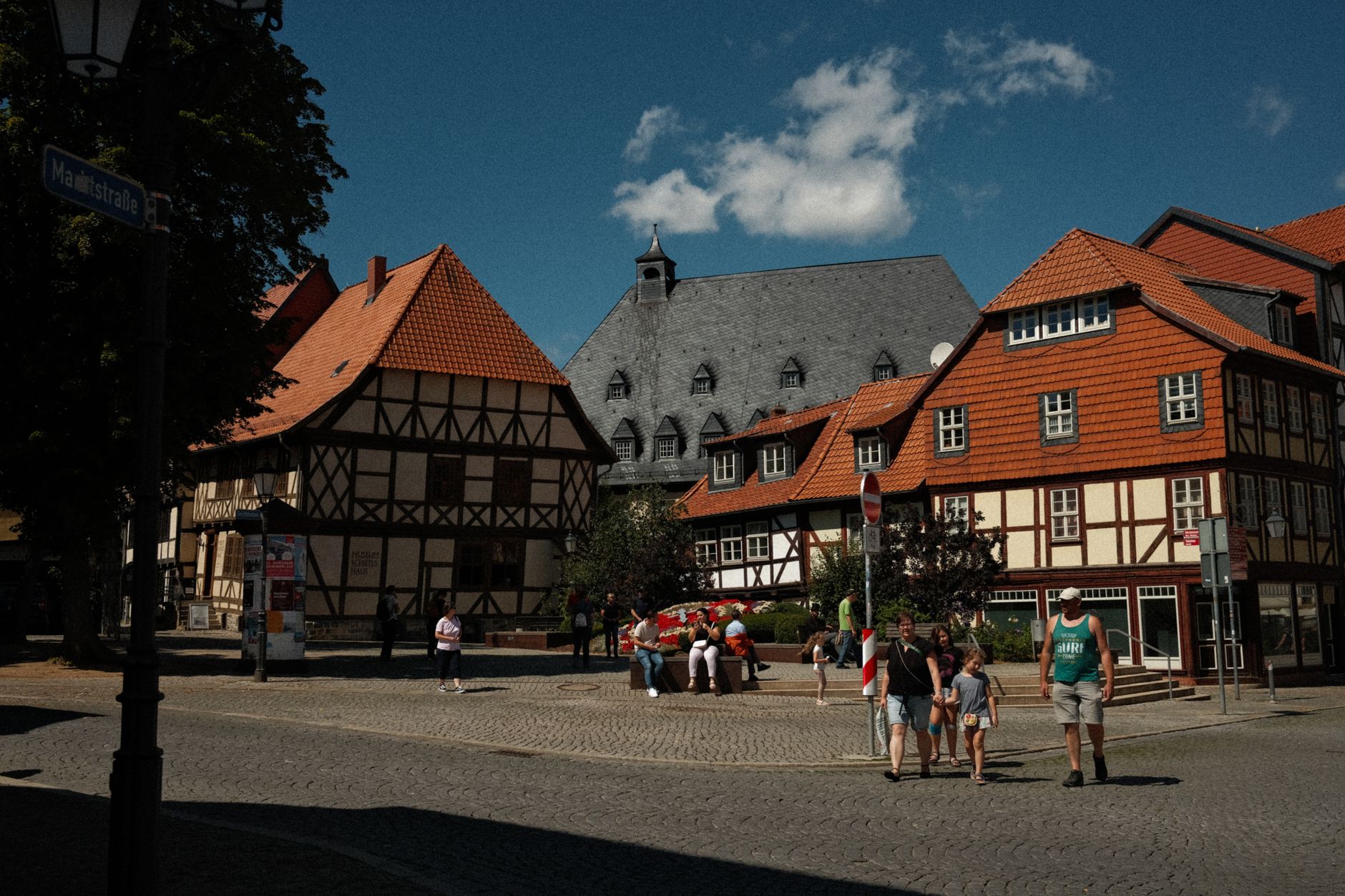
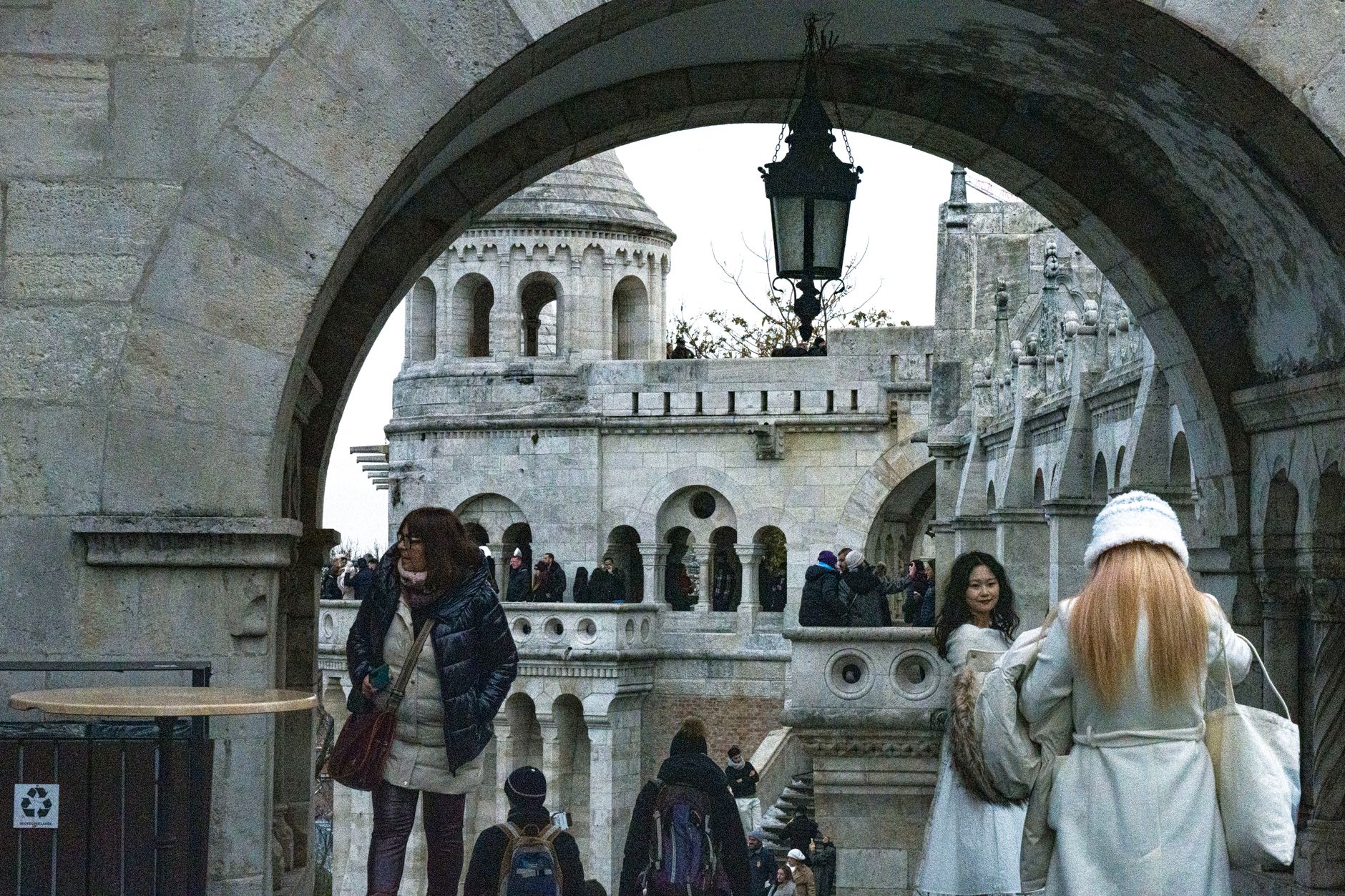
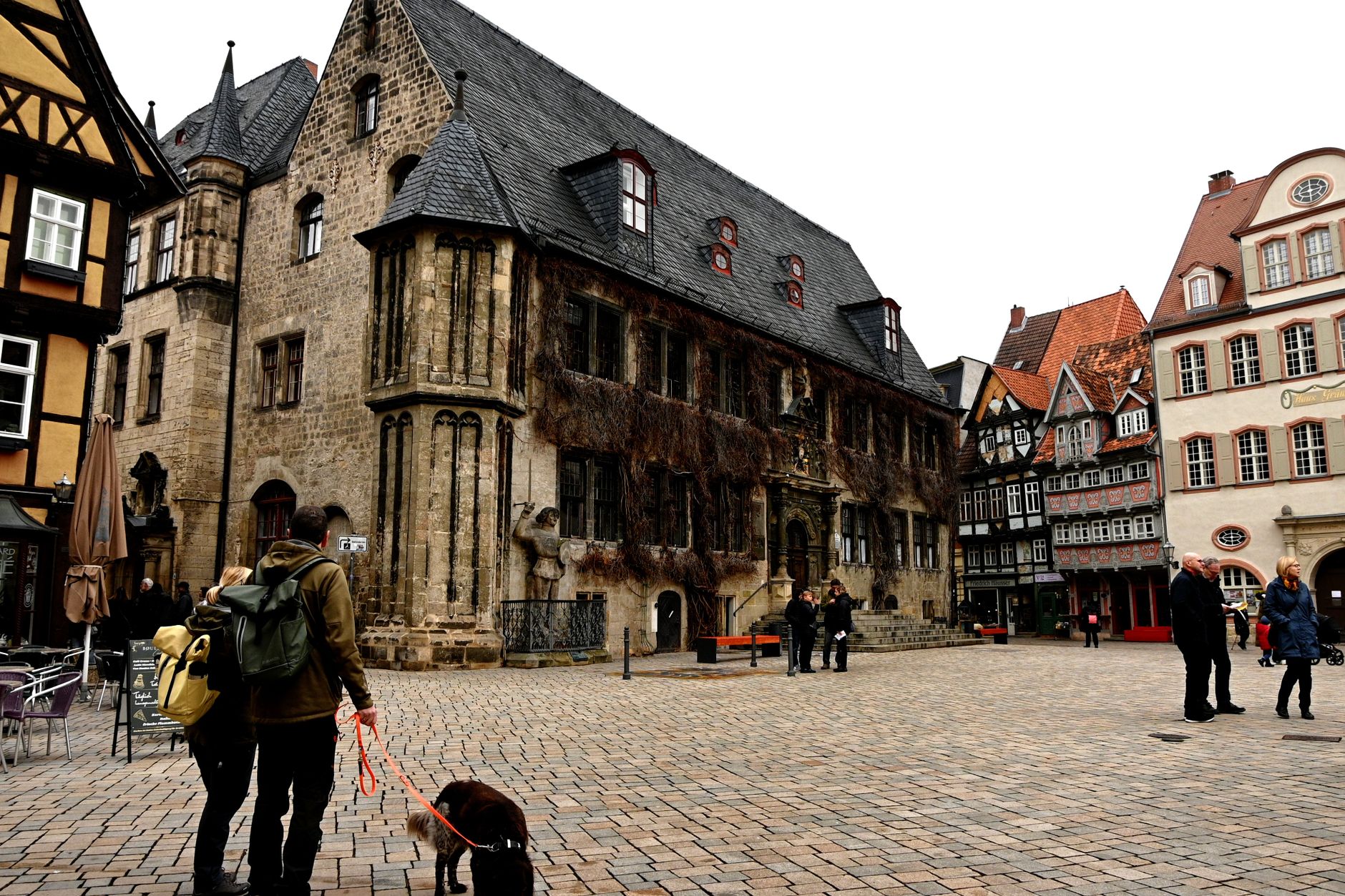
Blankenburg sits at the northern edge of the Harz on a limestone ridge, its Baroque castle visible from the valley below long before you reach the town. The great pile up there — grey-walled, a little battered, roofs still being coaxed back from decades of neglect — is the thing that orients you. Everything else arranges itself around it.
Below the castle, the town keeps its own quiet order: a Renaissance town hall, a parish church with Romanesque bones dating to around 1200, and a 100-hectare garden complex that spreads across terraces and pheasantry paths. Three kilometres north, the sandstone ruins of Regenstein Castle rise from the rock, its caves and trenches cut by hand into the hillside.
💛 What travellers fall for
People who come back tend to walk out to Regenstein early, before the knight's tournament crowds arrive, when the carved sandstone chambers are cool and almost empty. The Herbergsmuseum — the only surviving historic journeyman's hostel in Germany still operating as a museum — earns its own detour, small and genuinely strange in the best way.
Experiences you don't want to miss


Deals in Blankenburg
Book directly at the provider


How Blankenburg came to be
Blankenburg's first recorded mention comes from 1123, the same year Lothair of Süpplingenburg built a castle on the Blankenstein hill to mark the border between Saxony and Thuringia. The Counts of Regenstein developed the settlement beneath it into a proper residential town, and for several centuries the place traded on its strategic position and aristocratic patronage.
Its most coherent architectural moment came between 1705 and 1718, when Duke Louis Rudolf of Brunswick-Wolfenbüttel hired architect Hermann Korb to recast the castle in Baroque. Emperor Joseph I elevated the territory to a principality during Louis Rudolf's residence. A fire in 1836 forced substantial rebuilding of the lower town, and the collapse of the Principality of Anhalt-Bernburg later that century left Blankenburg economically marooned — a condition the railway lines of 1872 and 1886 only partially corrected. During the Second World War a Buchenwald subcamp operated here; roughly 500 prisoners were put to forced labour. In 1945 the town passed from British to Soviet occupation, and the castle spent the post-reunification decades slowly deteriorating until a preservation association formed in 2005 and won the German Prize for Monument Protection in 2014.
Who and what shaped it
People who shaped it
Landmark buildings
See Blankenburg in motion
Plan your visit
On the map
When to go
The Harz edge gives Blankenburg proper four seasons: winters are cold and occasionally snowy, springs mild and green, summers warm without the humidity of lower German plains. Autumn brings clear light and fewer visitors, which makes October a particularly good time to walk the gardens and the sandstone formations of the Teufelsmauer.
Right now
Background & history adapted from Wikipedia (CC BY-SA) · specs from Wikidata (CC0) · weather from Open-Meteo · map data © OpenStreetMap contributors · photos from Wikimedia Commons / Unsplash with per-image credit. No third-party reviews or social posts reproduced.