
Region

Dresden

Dresden
Photo by Memory Lane on Pexels
Dresden
Photo by Levent Simsek on Pexels
Dresden
Photo by Niklas Jeromin on Pexels
Dresden
Photo by Maria Marselle on Pexels
Dresden
Photo by Husam Wafaei on Pexels
Dresden
Photo by Daniel on Pexels
City break Culture & history luxury

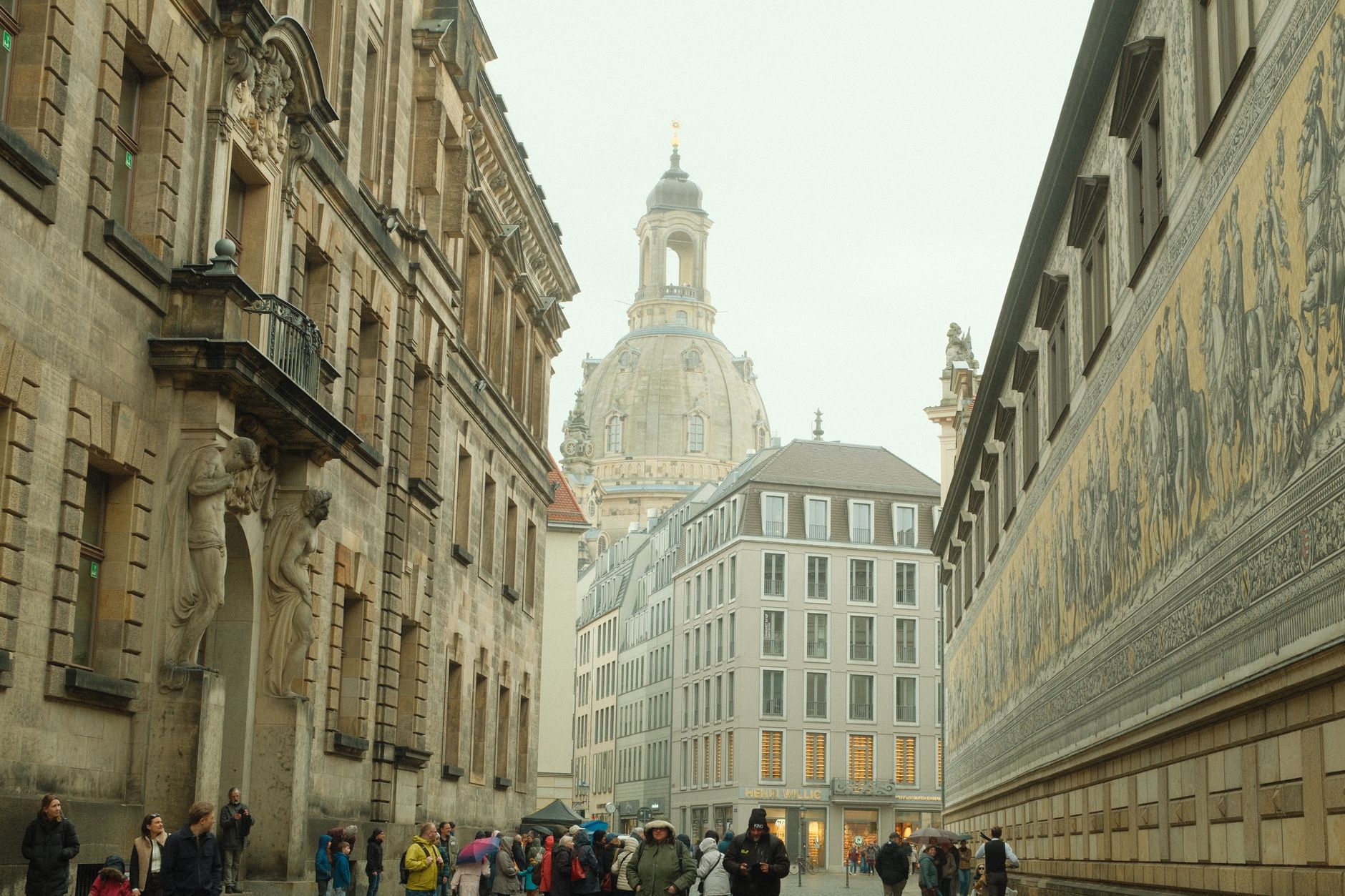
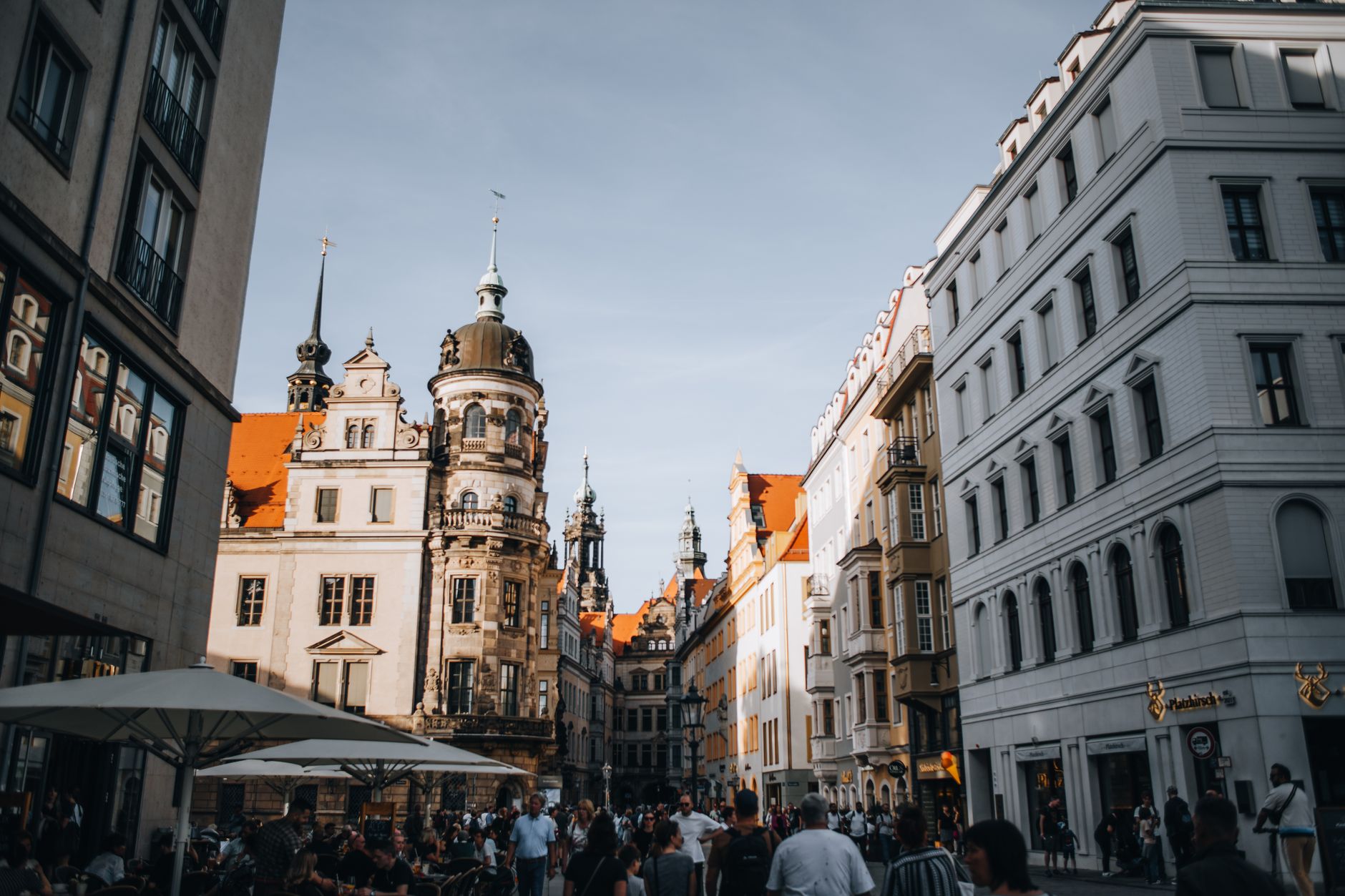
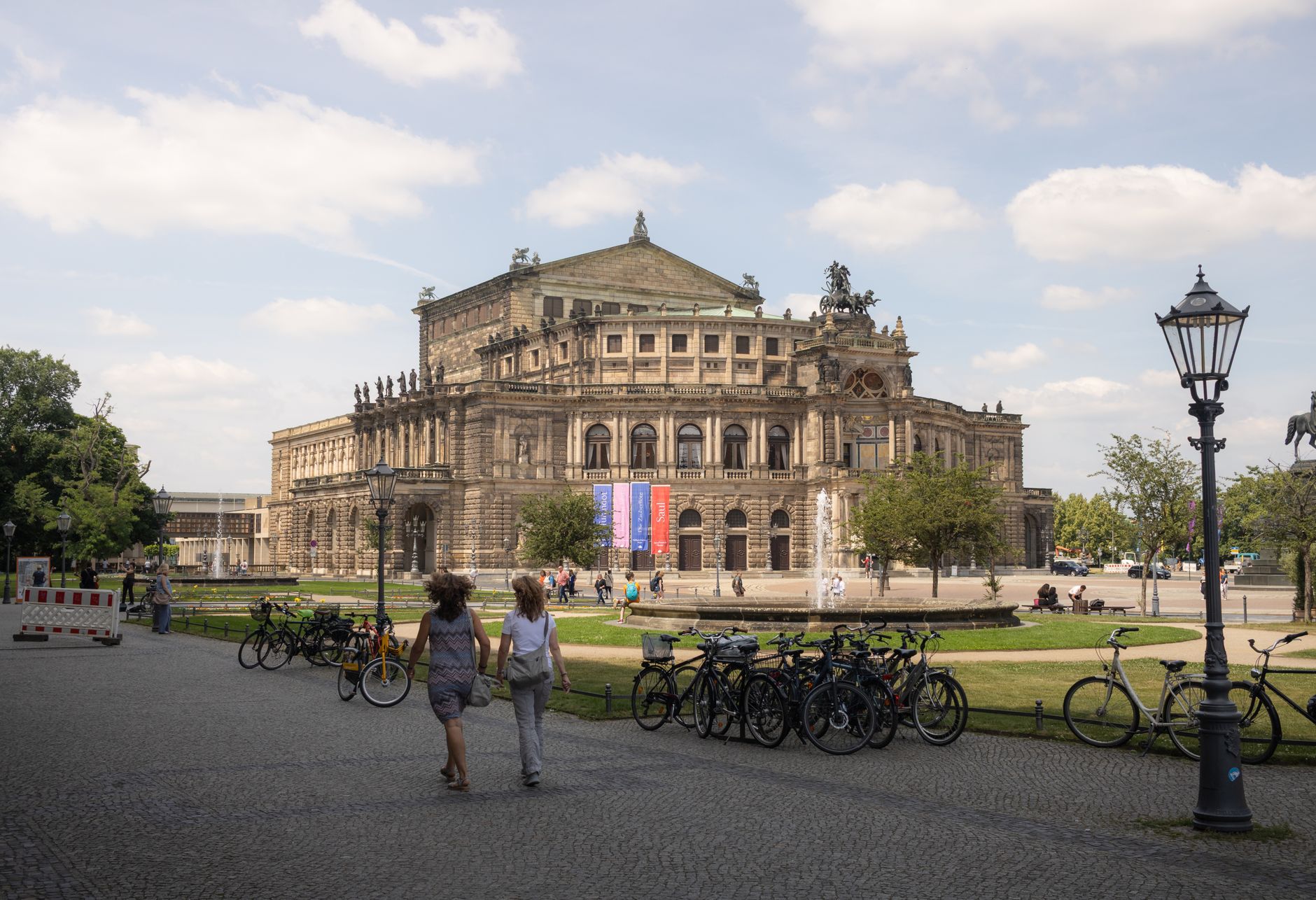
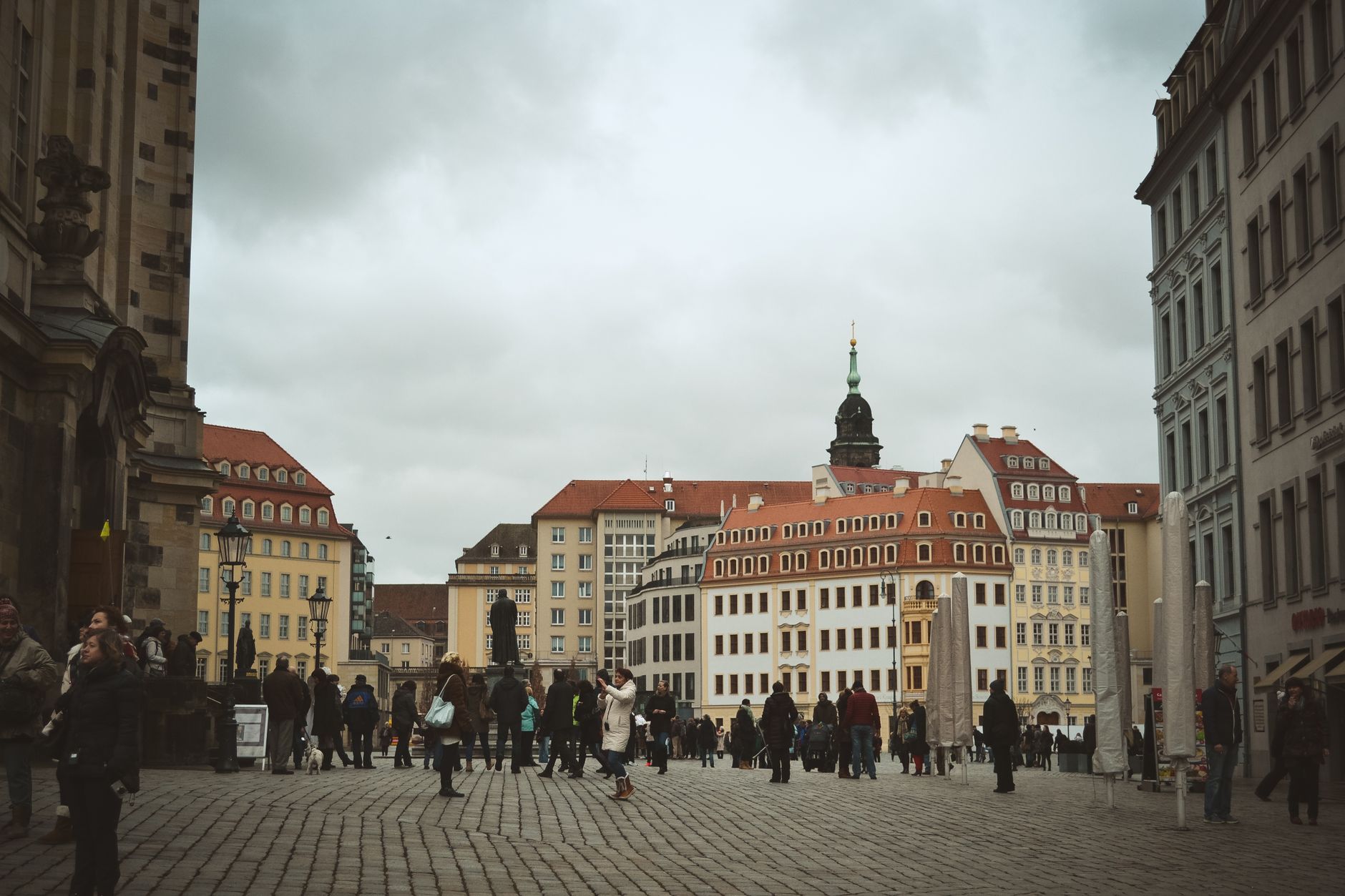
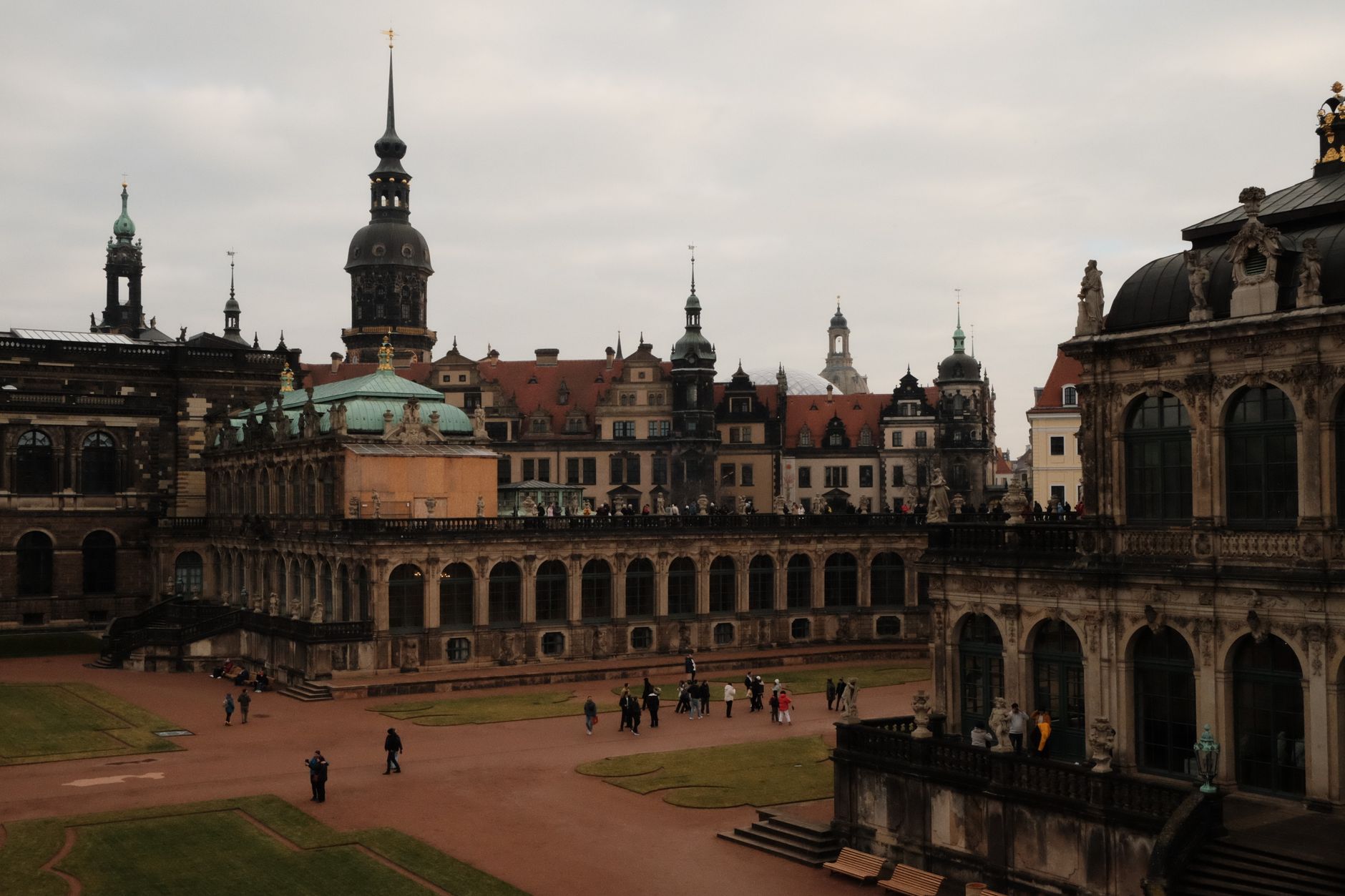
Dresden earns its reputation on stone and water. The Elbe curves through the city's center, and along its banks a skyline rises that Augustus the Strong spent a reign assembling — the Zwinger's gilded ironwork, the Frauenkirche's sandstone dome, the Semperoper's neoclassical façade. Over ninety percent of that center was leveled in a single night in February 1945, which makes the fact that so much of it still stands — rebuilt, seam by seam — the central fact of the city.

Dresden is a place that rewards slowing down. The Green Vault alone demands an afternoon. The Procession of Princes, 25,000 Meissen porcelain tiles stretched across a palace wall, stops most people mid-stride. The city is compact enough to cover on foot, layered enough to keep pulling you back.

Good to know
Dresden has its own international airport, and high-speed rail connects it to Berlin in under two hours. Spring and early autumn are the easiest seasons — crowds are manageable and the Elbe light is good. Book the Green Vault well in advance; timed tickets sell out.
The story

How Dresden came to be

The name 'Dresdene' appears in a document dated 31 March 1206, when Margrave Dietrich chose it as a residence. City rights followed in 1288. The Elbe was already crossed by a stone bridge by 1220, roughly where the Augustus Bridge stands today. Dresden's defining era arrived in the eighteenth century under Augustus the Strong, who collected art with the intensity of a man building a legacy — the Zwinger, the Green Vault, the ambition of a 'Florence on the Elbe' all trace back to his reign.

Napoleon made it capital of the Kingdom of Saxony in 1806, and by 1852 the population had reached 100,000. The night of February 13, 1945, erased most of what centuries had assembled. Reconstruction of the Frauenkirche, which collapsed to rubble and was left as a war memorial through the GDR years, ran from 1994 to 2005 — one of the more deliberate acts of civic memory in modern European history.

People & landmarks

Who and what shaped it

People who shaped it

Augustus the Strong
18th-century Elector who patronized the Zwinger palace and Green Vault, envisioning Dresden as 'Florence on the Elbe'.
George Bähr
Architect who designed the Frauenkirche, completed 1743; one of Germany's most important evangelical churches.
Gottfried Semper
Architect who originally built the Semperoper in 1841; rebuilt after 1945 and reopened February 13, 1985.
Matthäus Daniel Pöppelmann
Chief architect of Dresden Baroque; designed the Zwinger palace complex.
Frédéric Chopin
Polish composer who fled to Dresden following the 1831 Polish uprising.
Adam Mickiewicz
Polish writer who fled to Dresden and wrote Dziady, Part III here.
Heinrich Tessenow
Architect who built the Hellerau Festspielhaus festival theatre in 1911.

Landmark buildings

Frauenkirche
Evangelical church designed by George Bähr, completed 1743; destroyed February 13, 1945; rebuilt 1994–2005 and reopened in 2006.
Zwinger Palace
Built 1709 under Augustus the Strong; housed tournaments and courtly activities; contains Old Masters Picture Gallery and major museums.
Semperoper
Opera house originally built 1841 by Gottfried Semper; destroyed by fire 1869 and bombing 1945; reopened February 13, 1985.
Dresden Castle (Residenzschloss)
Fortified residence from 13th century, expanded as seat of Saxon rulers; houses the Green Vault treasury established by Augustus the Strong.
Katholische Hofkirche
Cathedral built 1739–1755 by Italian architect Gaetano Chiaveri; served Catholic population since 1751.
Procession of Princes (Fürstenzug)
330-foot mural of 25,000 Meissen porcelain tiles created 1870–1876 to celebrate the 800-year anniversary of the Wettin Dynasty.
Yenidze
Cigarette factory built 1909 with Moorish and art nouveau design mimicking a mosque façade.
Hellerau Garden City
Founded 1909 as Germany's first garden city; includes the Hellerau Festspielhaus built by Heinrich Tessenow in 1911.
Augustus Bridge
Stone bridge over the Elbe; original structure built 1220 at this location.
Watch

See Dresden in motion

Practical

Plan your visit

On the map

When to go

Dresden has a continental climate: summers are warm and sometimes humid, winters cold with occasional snow. April through June and September through October offer the most reliable conditions for walking the city — mild temperatures and long enough daylight to cover ground without rushing.

Right now

21°C
Partly cloudy
Sat
🌦️
27°
20°
Sun
🌦️
23°
15°
Mon
20°
12°
Tue
🌧️
23°
14°
Weather data: Open-Meteo

Background & history adapted from Wikipedia (CC BY-SA) · specs from Wikidata (CC0) · weather from Open-Meteo · map data © OpenStreetMap contributors · photos from Wikimedia Commons / Unsplash with per-image credit. No third-party reviews or social posts reproduced.

Top