
Moselle Valley
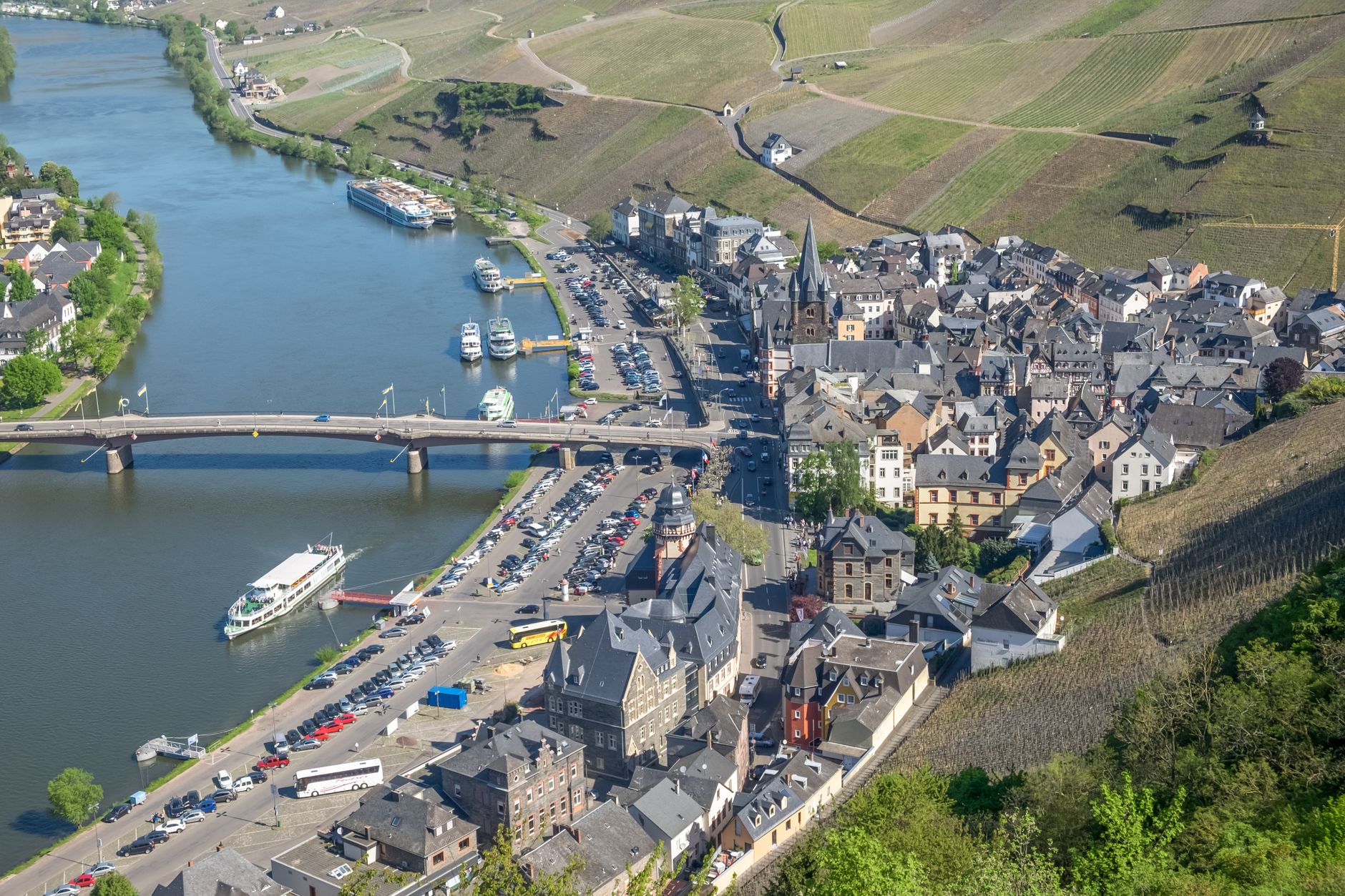
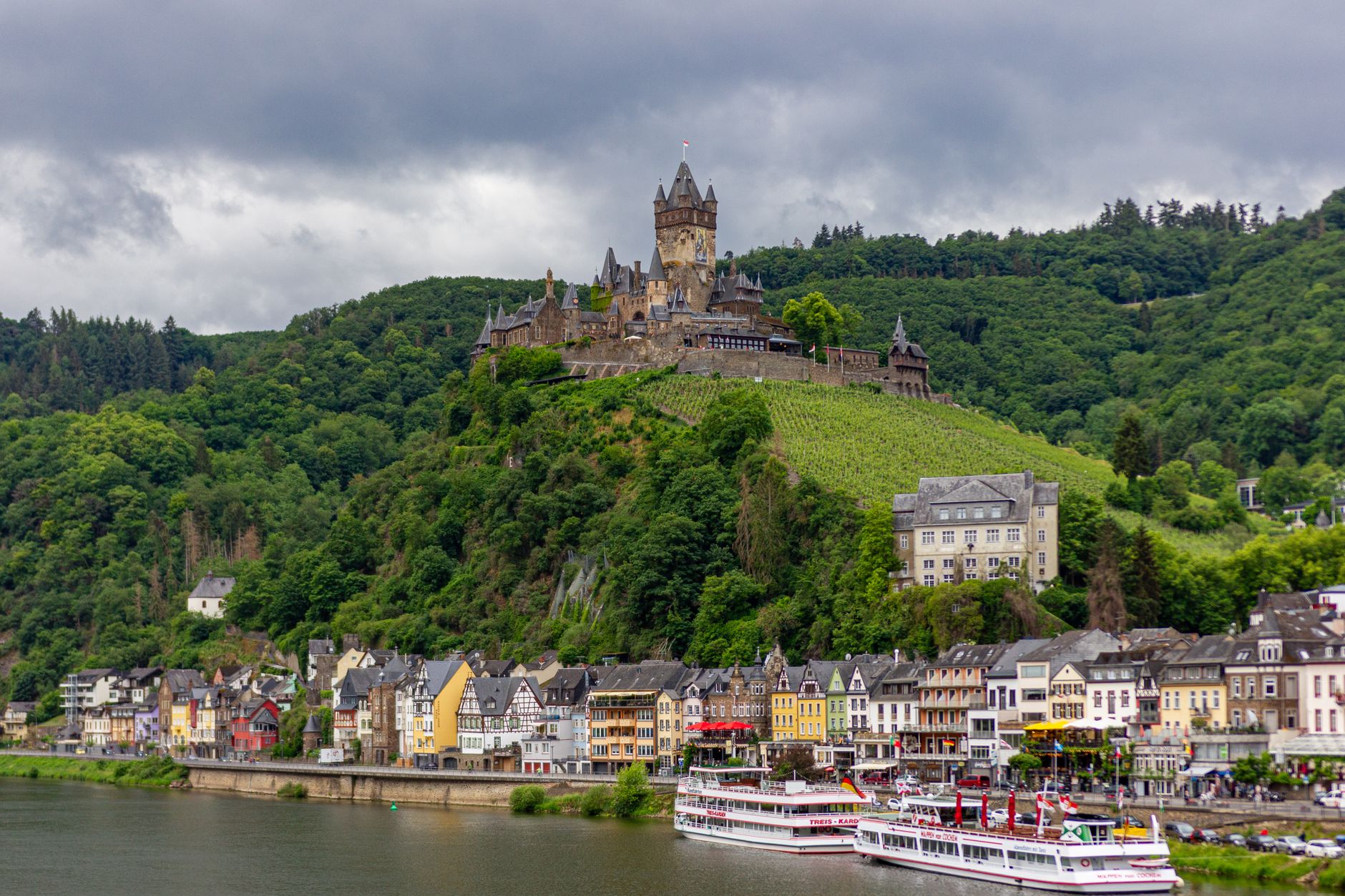
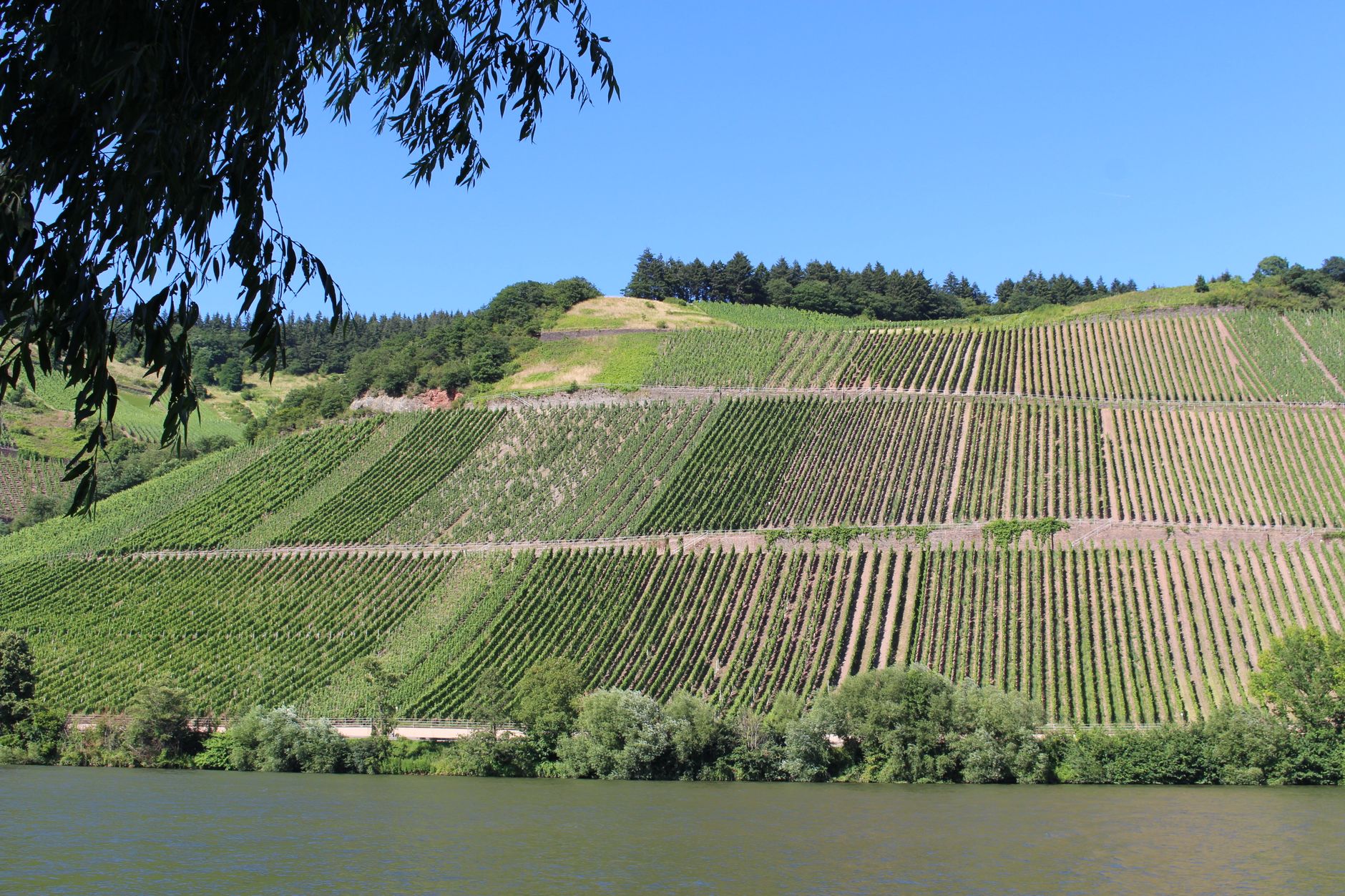
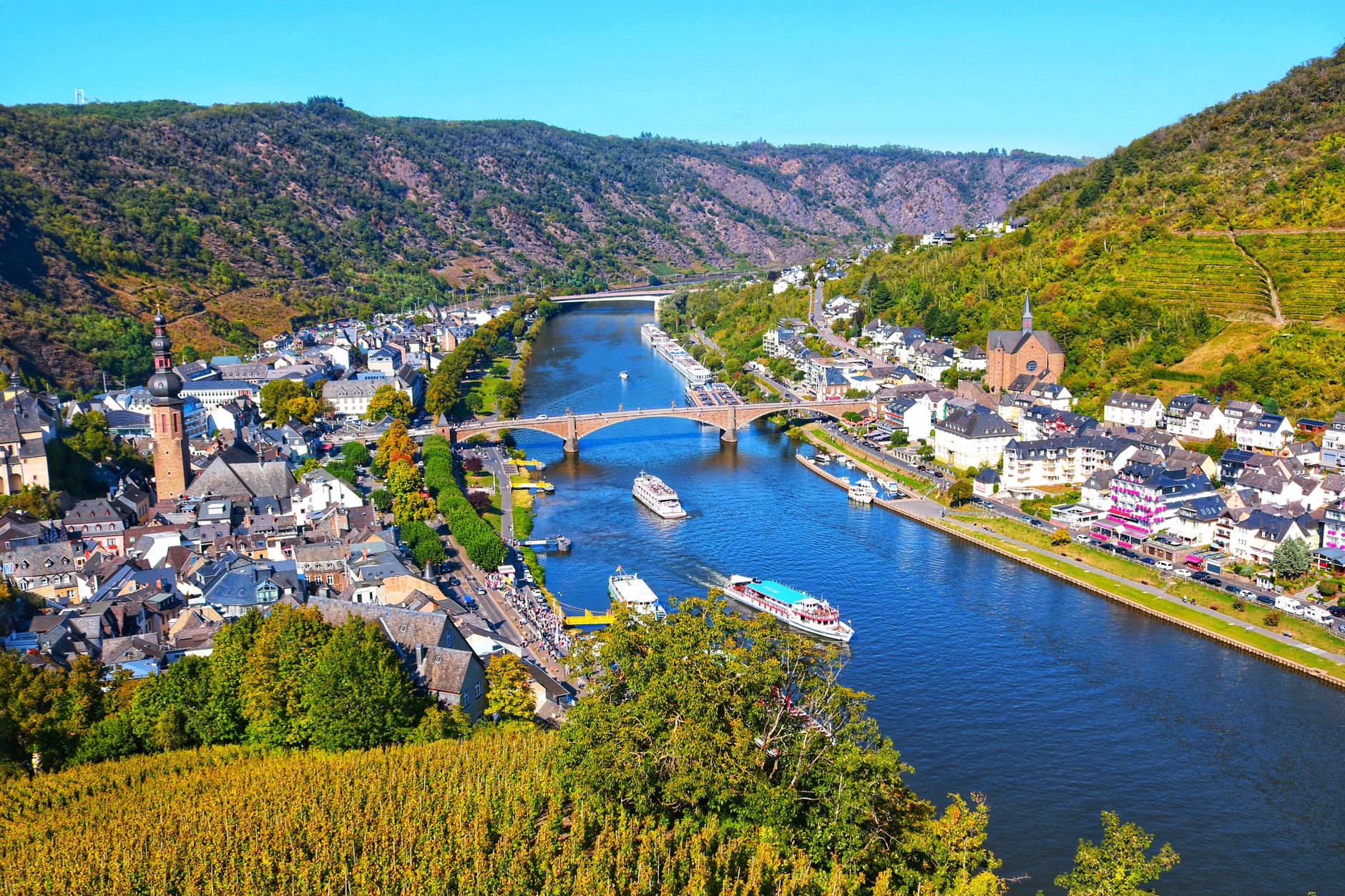
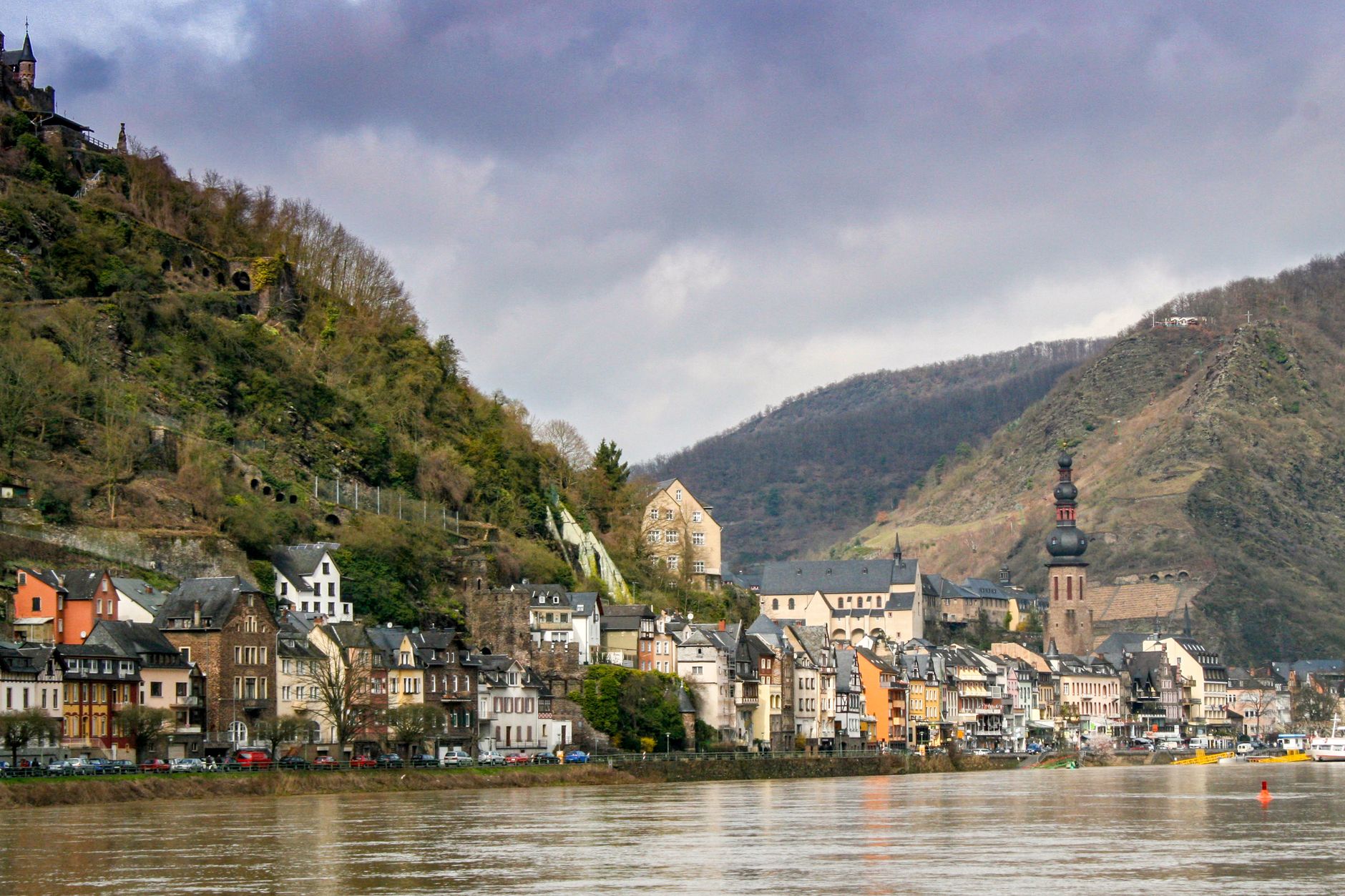
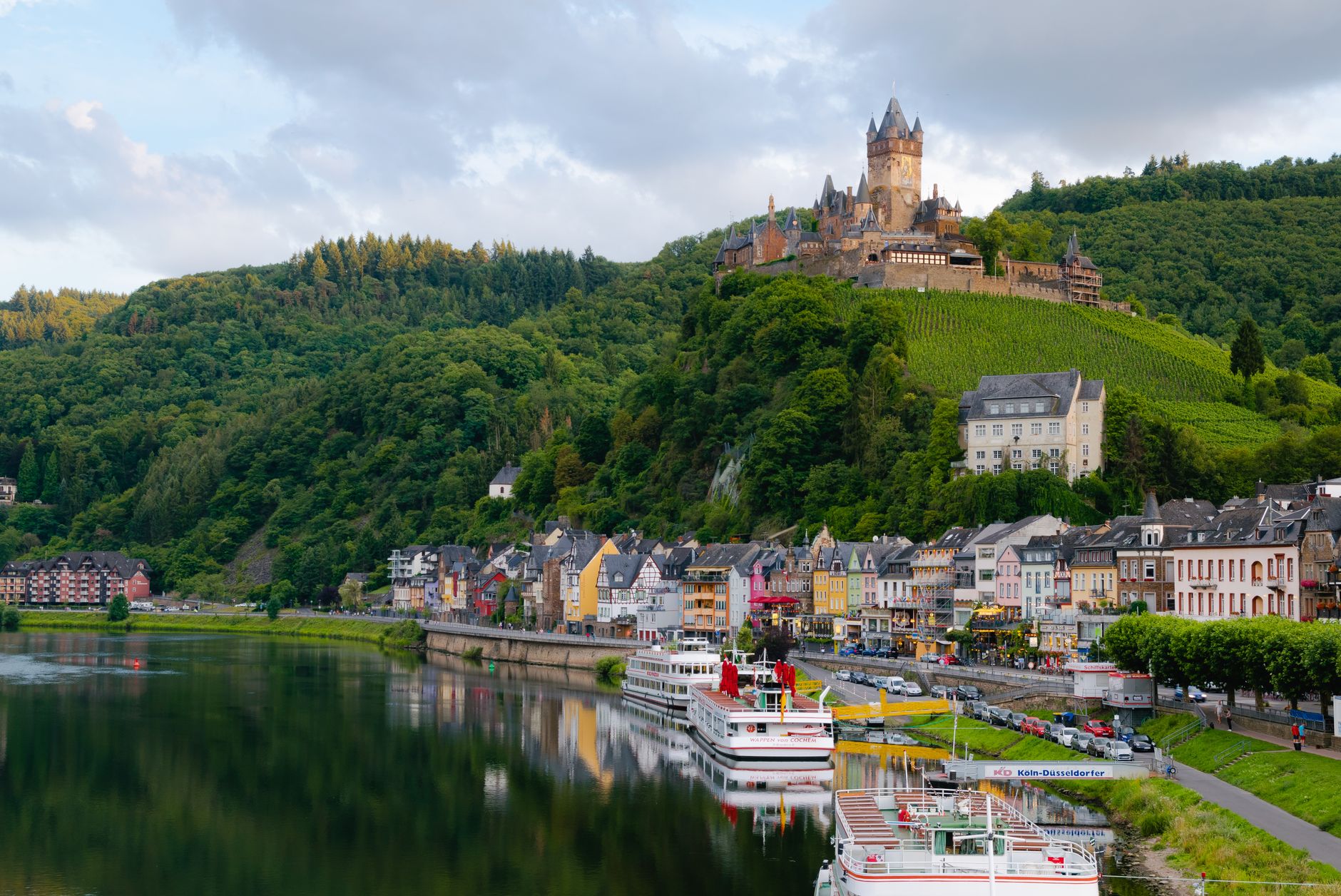
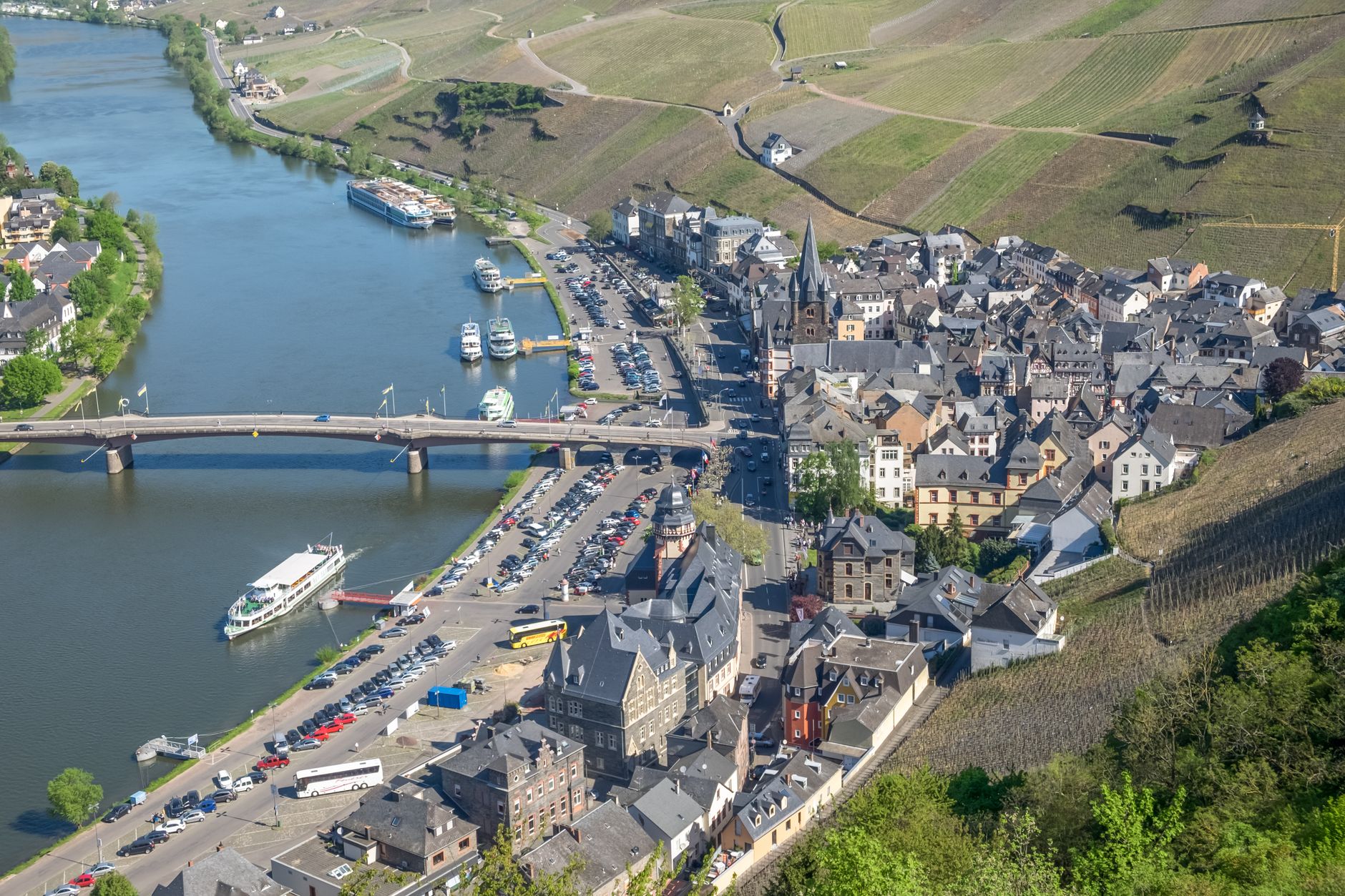
The Moselle cuts a slow, looping path between Trier and Koblenz, and the river has had two thousand years to carve something worth paying attention to. The slopes above it are steep enough that every vineyard has to be worked by hand, which is why the Riesling grown here tastes the way it does — mineral, precise, earned.
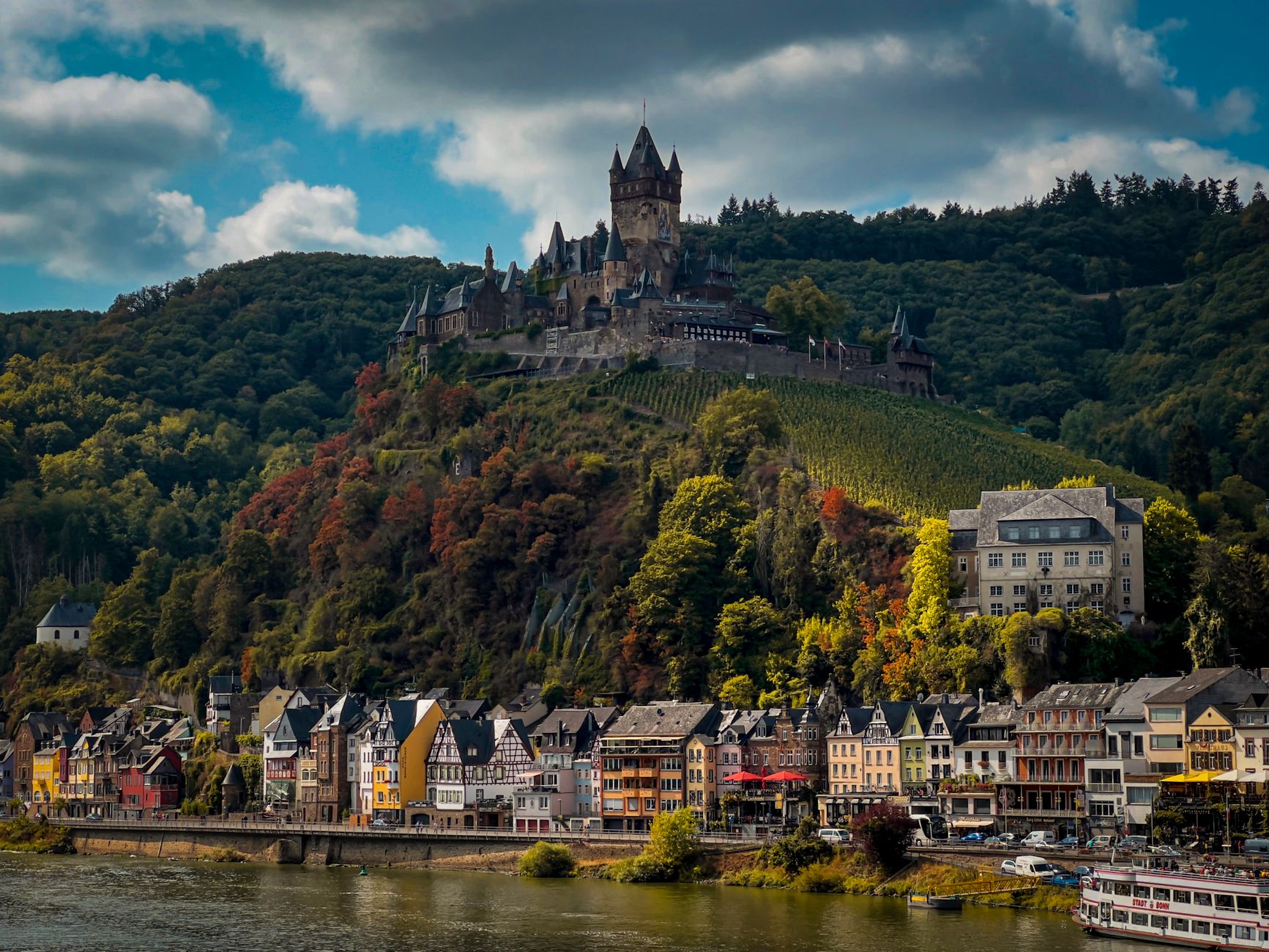
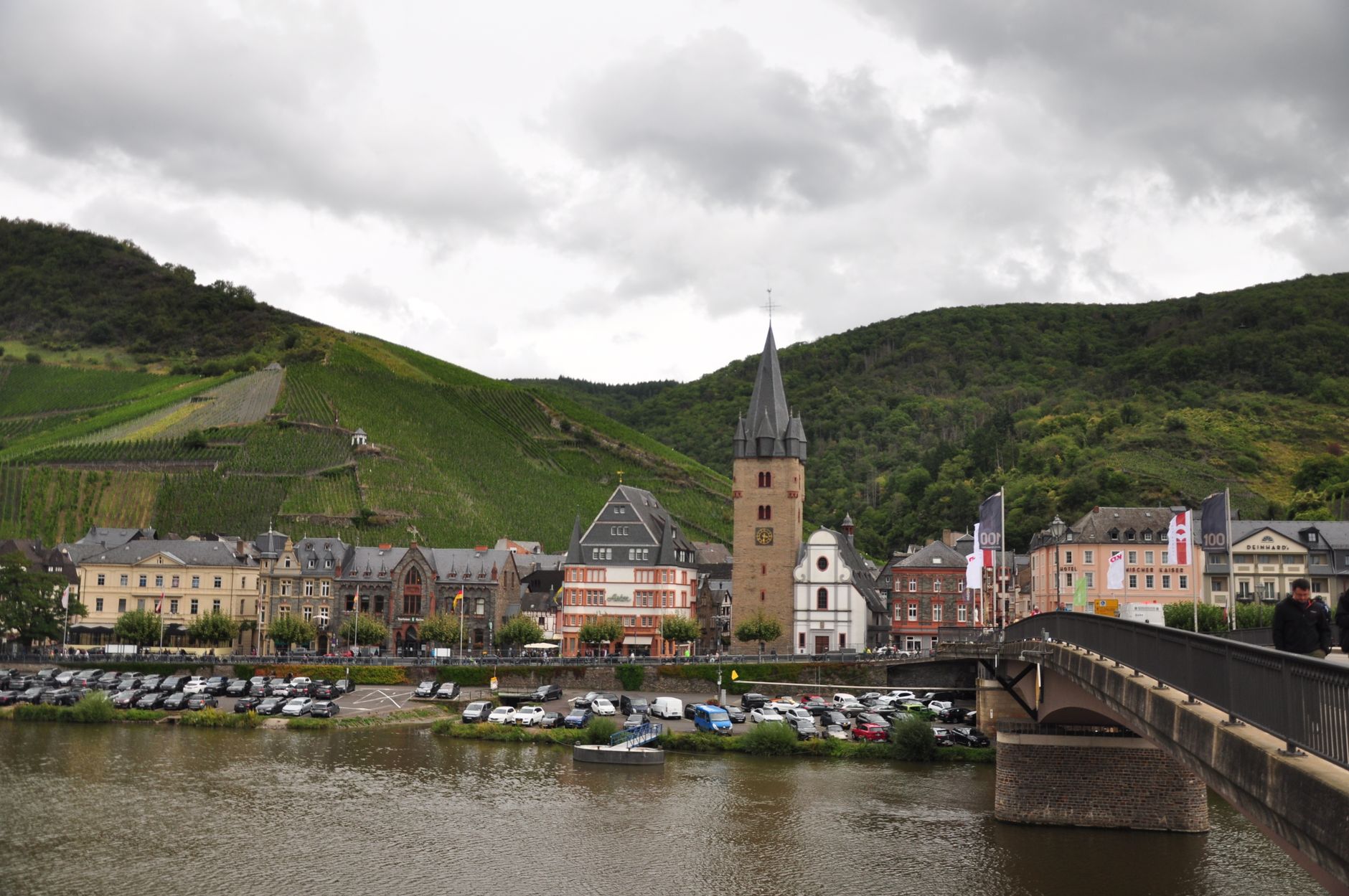
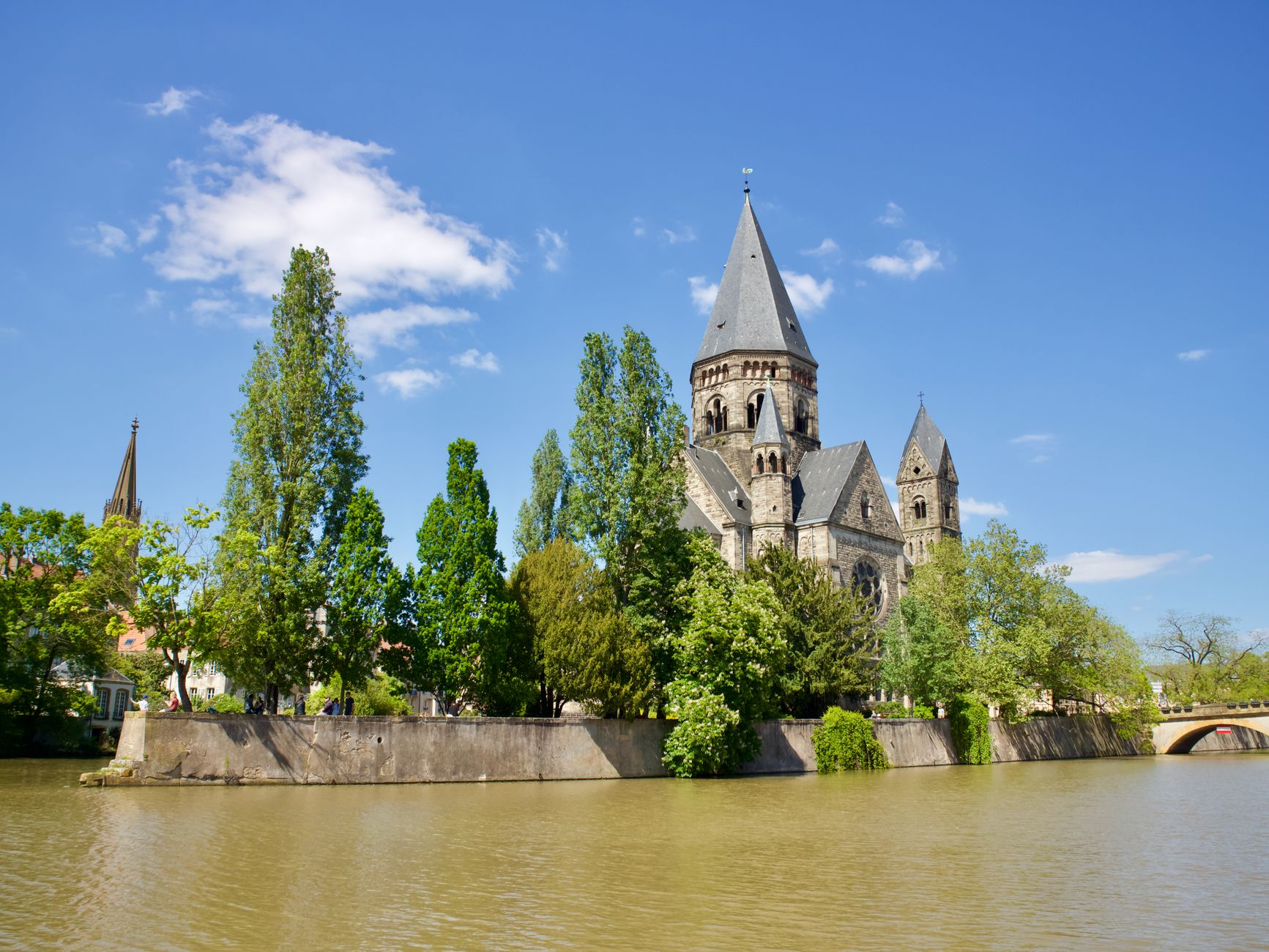
Between the vines, medieval castles appear on ridgelines with an almost suspicious regularity. The towns below them — Cochem, Beilstein, Bernkastel-Kues — are small enough to walk end to end before lunch, and the river connects all of it, whether you're on a bicycle, a boat, or a B-road following the bends.
Popular cities in Moselle Valley
How Moselle Valley came to be
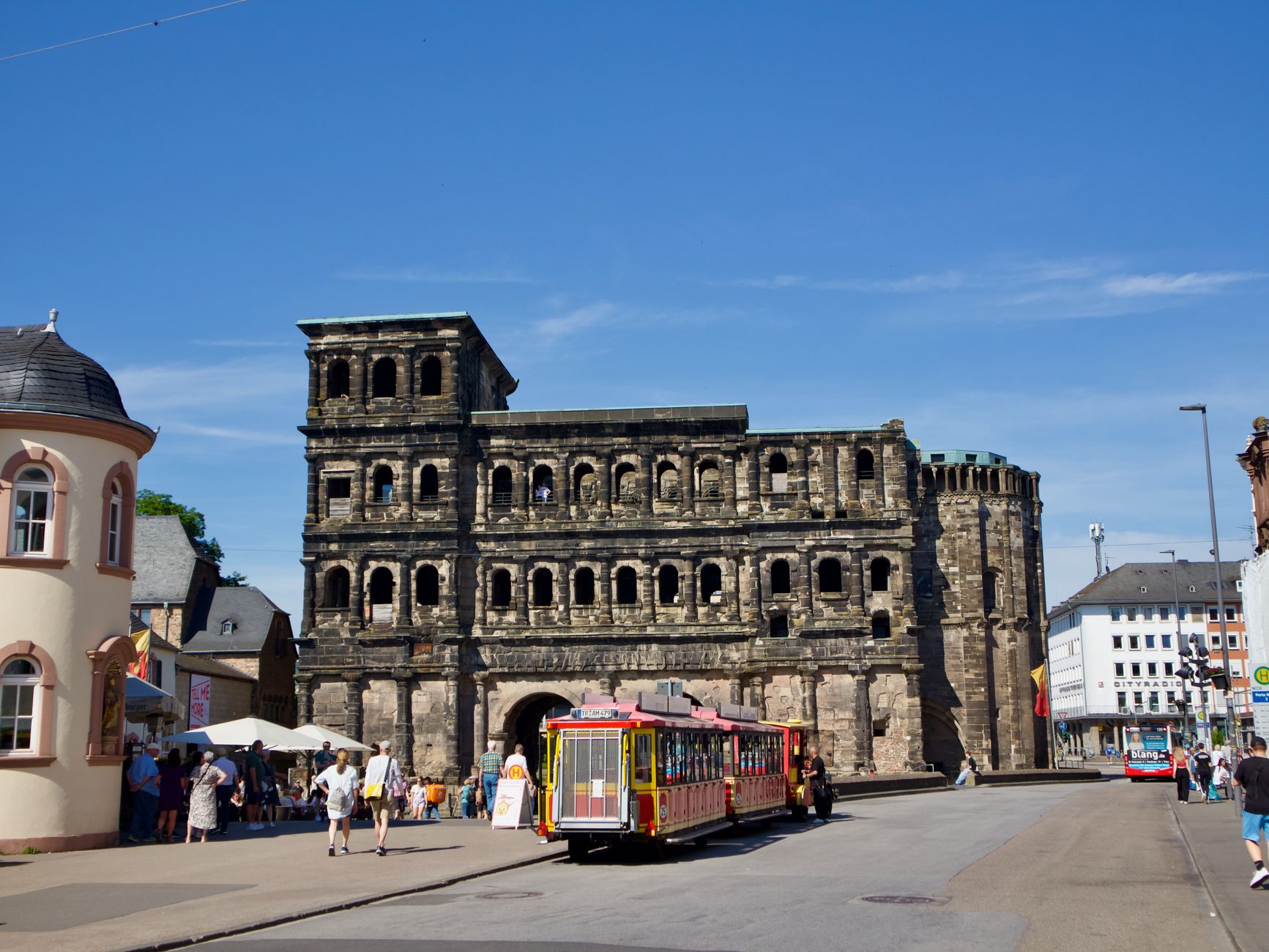
The Romans arrived here in the 1st century BC, planted vines, and founded what would become Trier — Augusta Treverorum — in 15 BC. The poet Ausonius wrote about the river around 371 AD, and his contemporary Venantius Fortunatus did the same two centuries later; both were recording a landscape that already felt established. The Porta Nigra in Trier, built around 200 AD, still stands.
The valley's patchwork of small vineyard plots has a more recent explanation. After Napoleon occupied the region, an 1807 inheritance law required land to be divided equally among all heirs — a rule whose effects on the shape of Moselle wine culture are still visible today in the narrow, hand-worked terraces that define the slopes.
Who and what shaped it
People who shaped it
Landmark buildings
See Moselle Valley in motion
Plan your visit
On the map
When to go
Spring brings mild temperatures and fresh green on the vines from April onward, though rain is likely — pack accordingly. Summer is warm and draws the most visitors. September offers cooler air, autumn colour on the hillsides, and noticeably thinner crowds; winter is quiet and cheaper, though several castles and boat services close or reduce hours significantly.
Right now
↡ Cities
Background & history adapted from Wikipedia (CC BY-SA) · specs from Wikidata (CC0) · weather from Open-Meteo · map data © OpenStreetMap contributors · photos from Wikimedia Commons / Unsplash with per-image credit. No third-party reviews or social posts reproduced.