
Beilstein
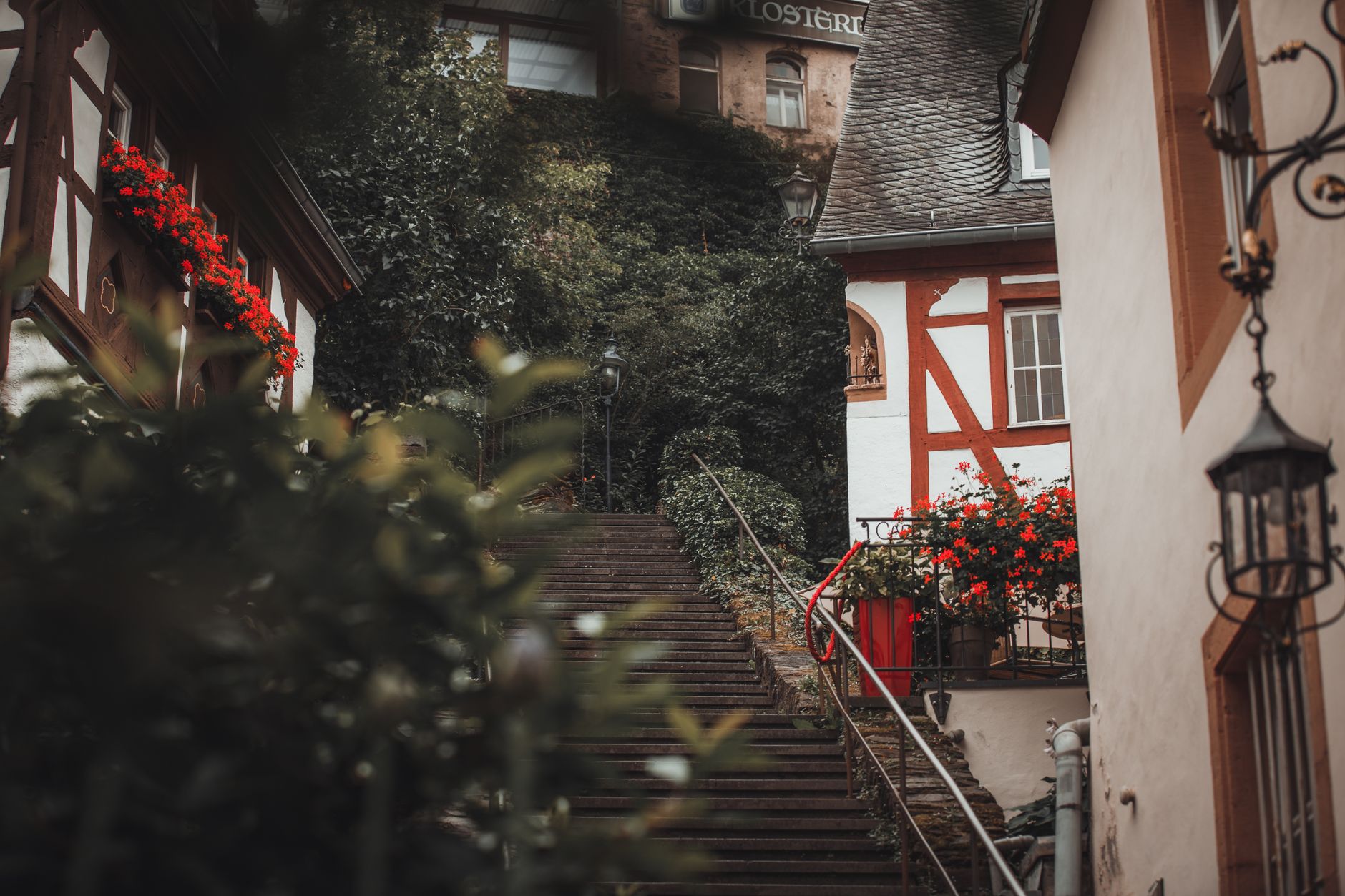
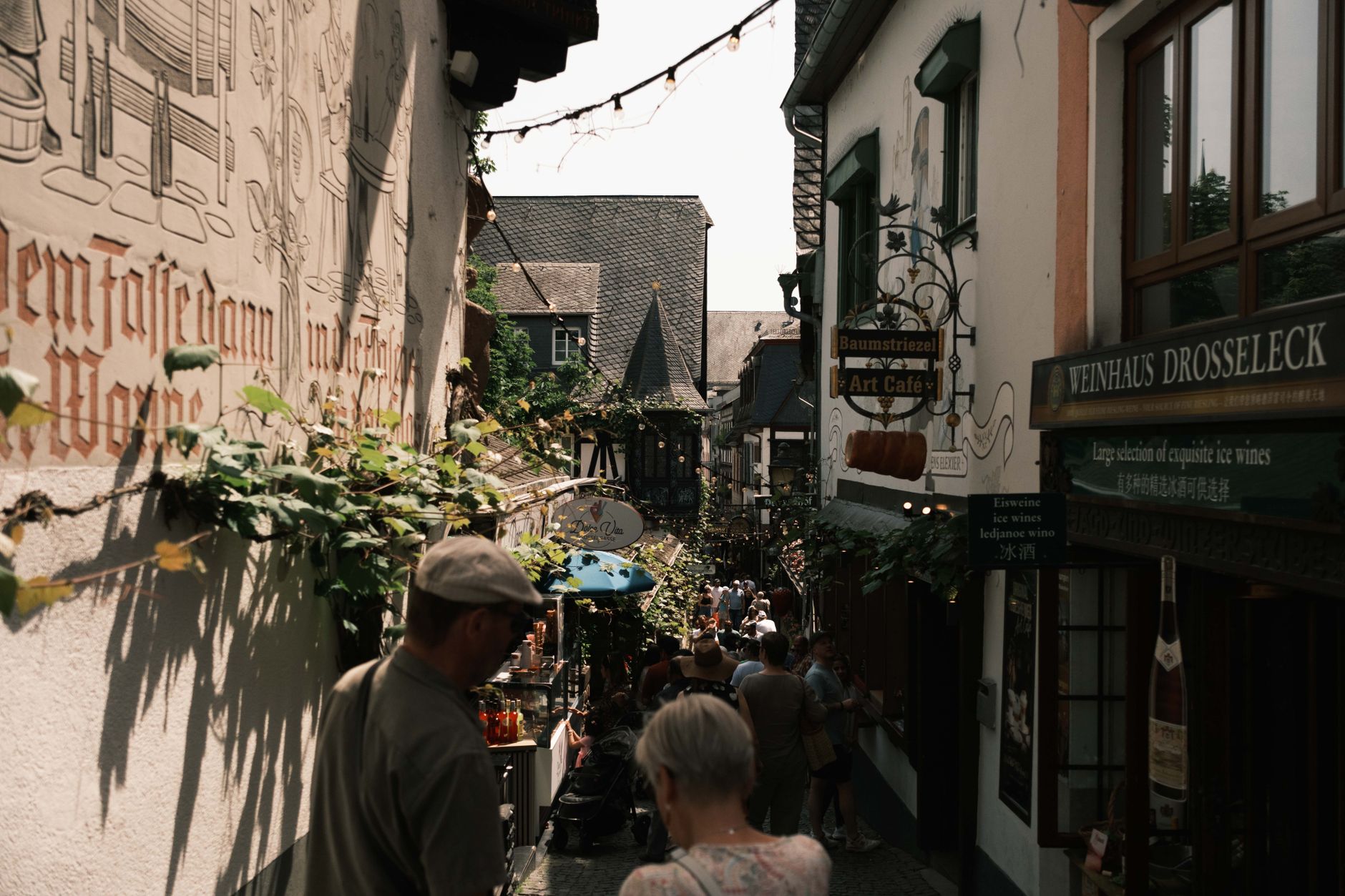
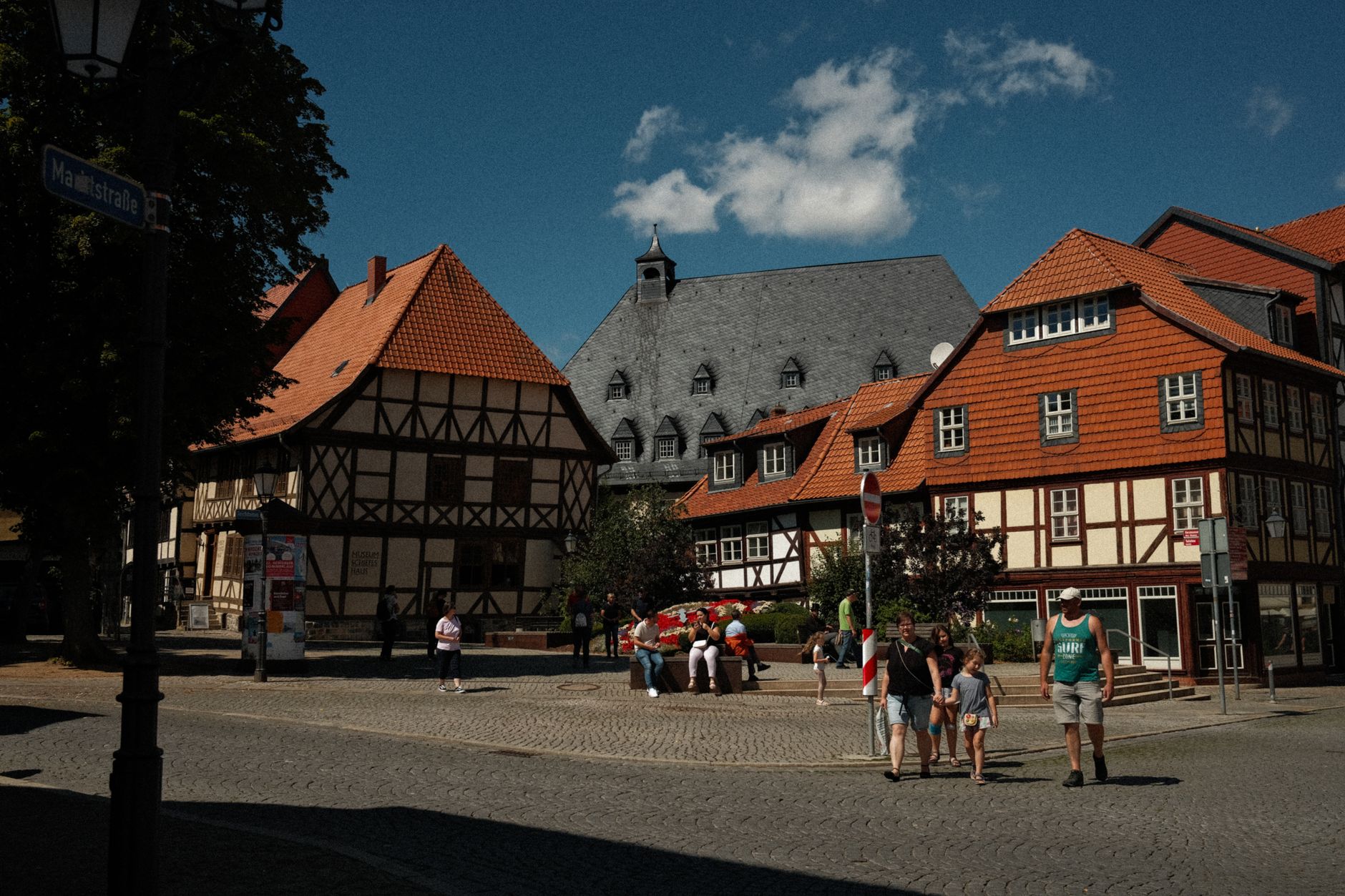
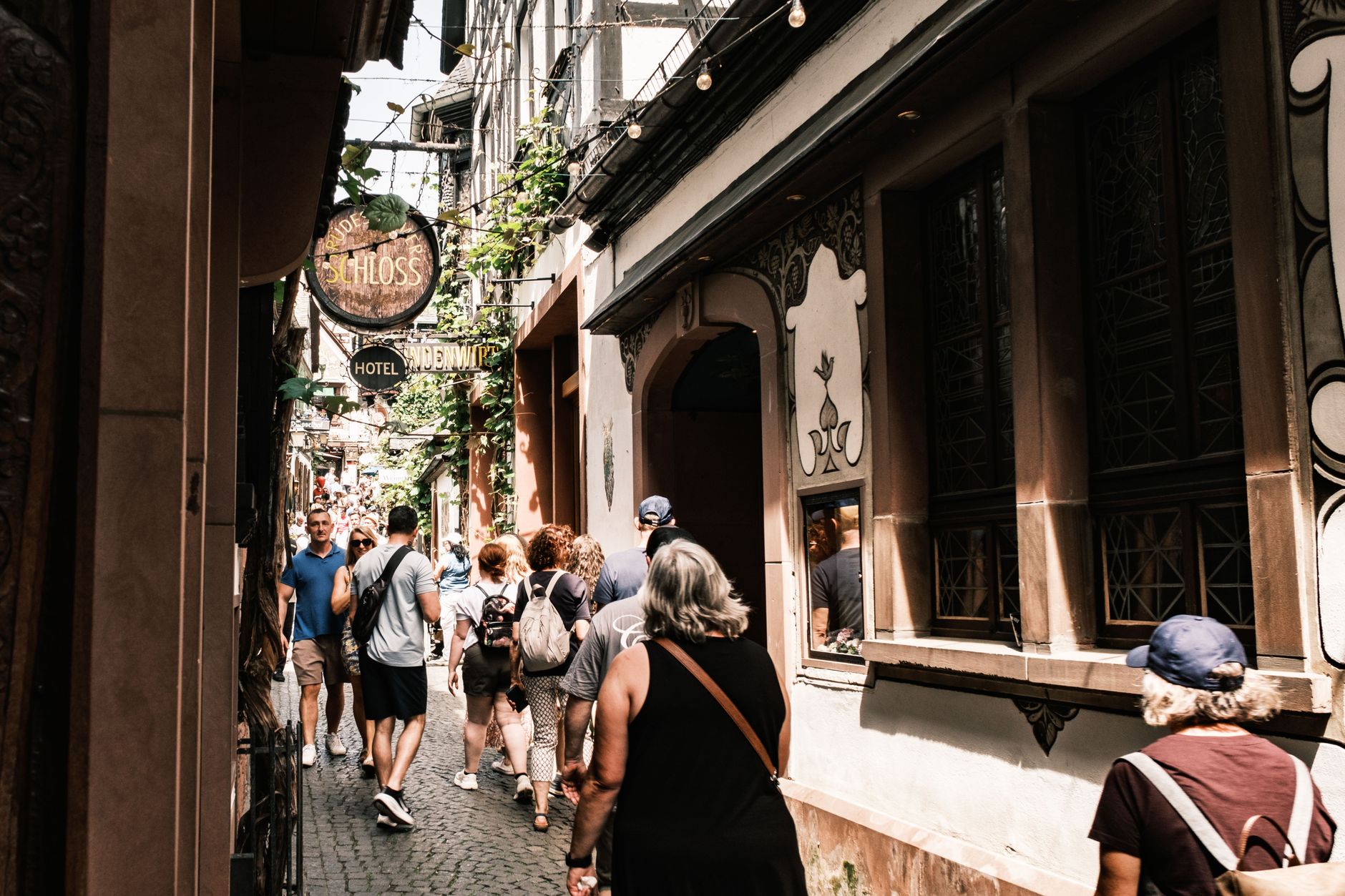
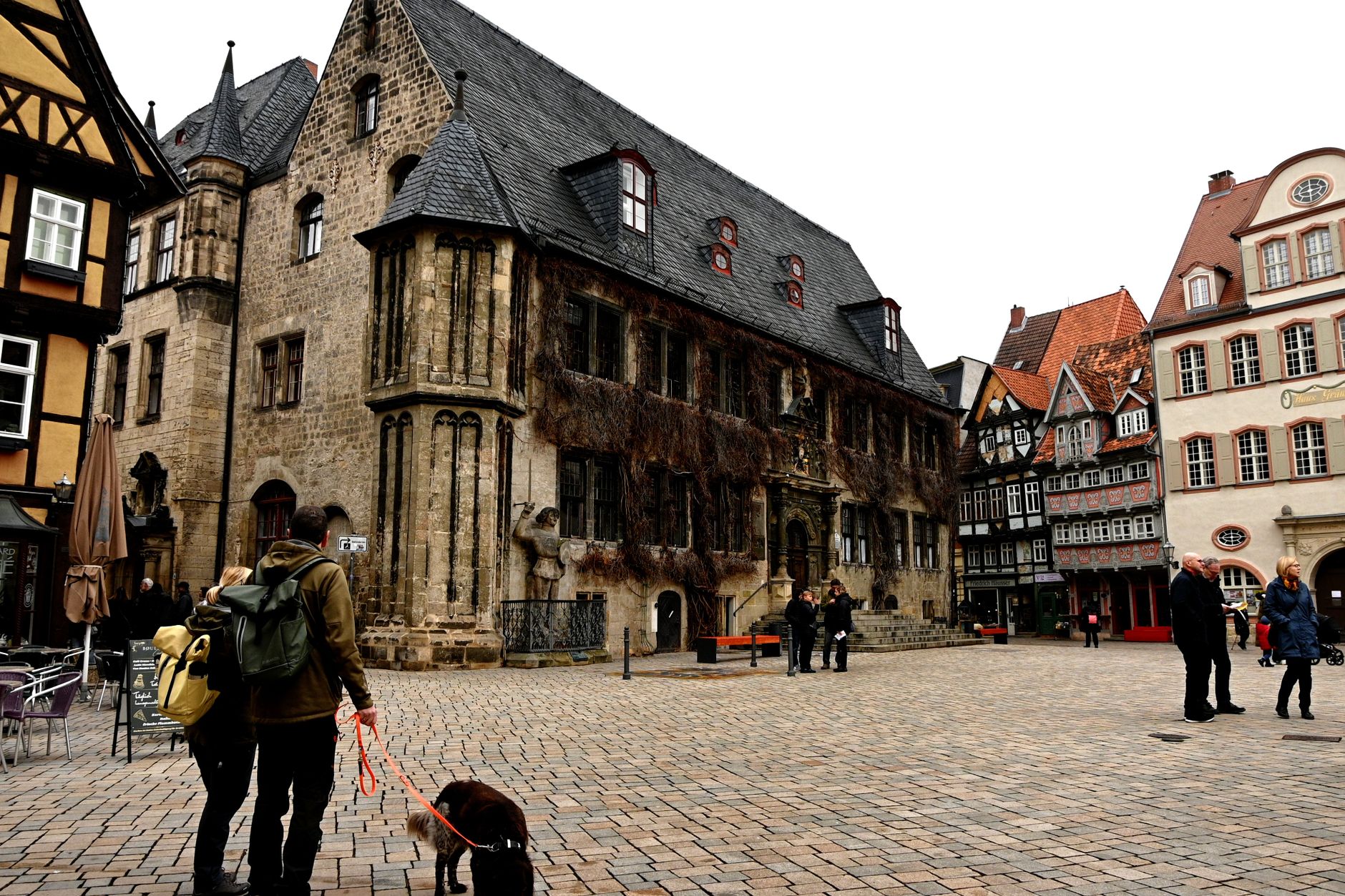
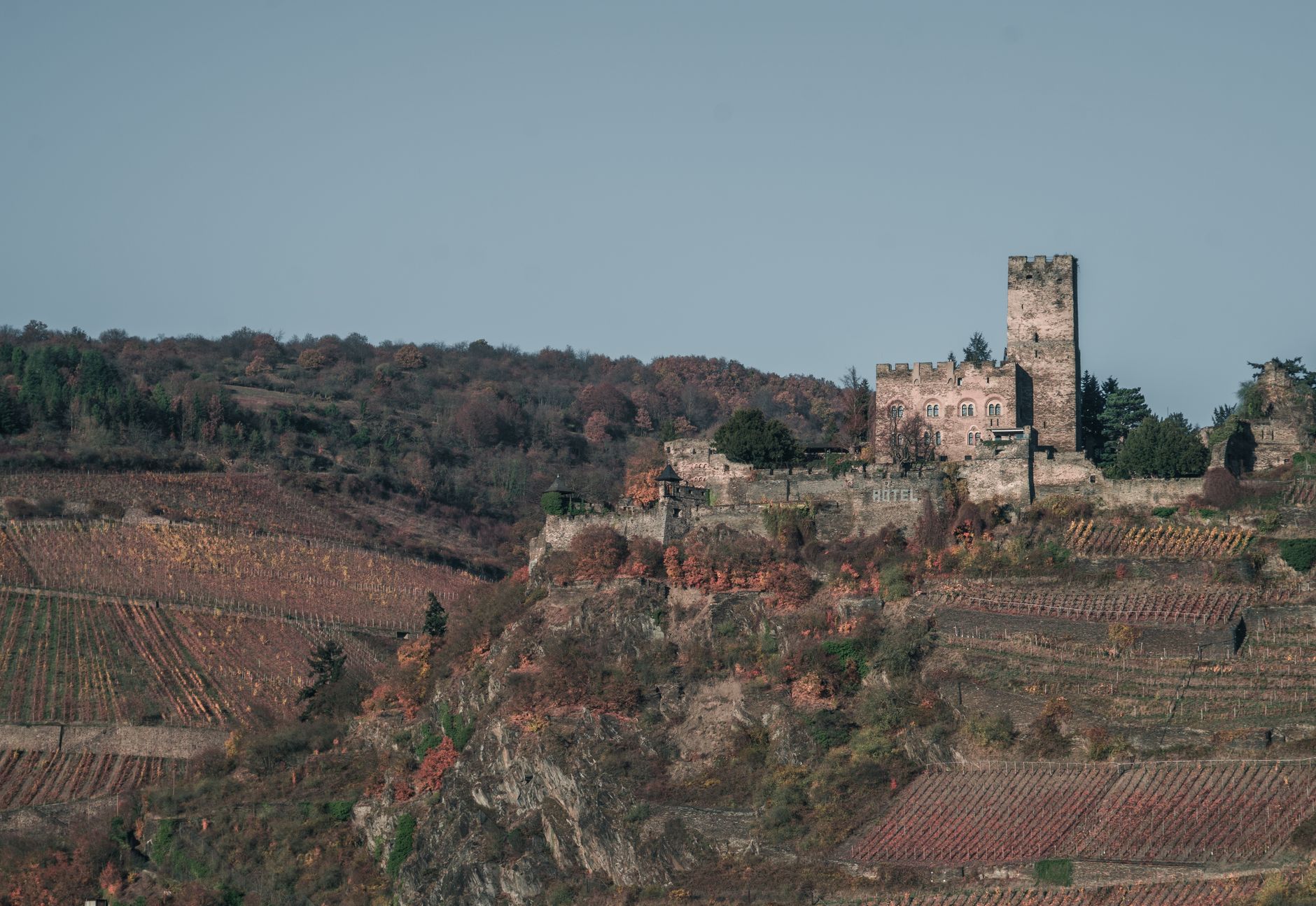
Beilstein has about 140 residents, a market square that dates to 1322, and the kind of stillness that makes you slow your pace without deciding to. The village sits tight against the Moselle, its half-timbered houses climbing toward the ruined keep of Metternich Castle — destroyed by the French in 1689 and left that way, which turns out to suit it.
You can walk the whole place in an hour, yet it rewards longer looking. The 108 steps of the Klostertreppe lead to a Baroque Carmelite church containing a 12th-century Black Madonna from Spain. Up past the ruins, a small Jewish cemetery opens quietly on the hillside, with 104 stone steles marking a community that goes back to 1309.
💛 What travellers fall for
People who return tend to time it around the river boats from Cochem — the hour-and-a-half ride upstream beats the car for arriving in the right frame of mind. The castle keep costs €2.50 and 120 stairs; the view at the top makes both feel like a bargain. Come on a weekday if you can.
Experiences you don't want to miss


Deals in Beilstein
Book directly at the provider
How Beilstein came to be
Frankish graves place settlement around AD 800, but Beilstein's recorded life sharpens in 1268, when the Lords of Braunshorn took it as a fief. Under Johann von Braunshorn, Holy Roman Emperor Heinrich VII granted the village town privileges in 1309 — the same year a Jewish community was founded — and fortifications followed, including five gates and towers, two of whose round towers still stand.
The lordship passed through several hands before the Imperial Counts of Metternich were enfeoffed with it by the Electorate of Trier in 1488. In 1634, Carmelites established a convent and church here. Then, in 1689, French forces destroyed the castle — leaving the ruin that Klemens von Metternich, the 19th-century Austrian statesman, would later own. The village has been part of Rhineland-Palatinate since 1946.
Who and what shaped it
People who shaped it
Landmark buildings
See Beilstein in motion
Plan your visit
On the map
When to go
Summer days reach around 24°C, warm enough for the river boats and the climb up to the castle without much hardship. Spring and early autumn keep the crowds thinner and the light on the valley particularly good.
Right now
Background & history adapted from Wikipedia (CC BY-SA) · specs from Wikidata (CC0) · weather from Open-Meteo · map data © OpenStreetMap contributors · photos from Wikimedia Commons / Unsplash with per-image credit. No third-party reviews or social posts reproduced.