
Zell an der Mosel
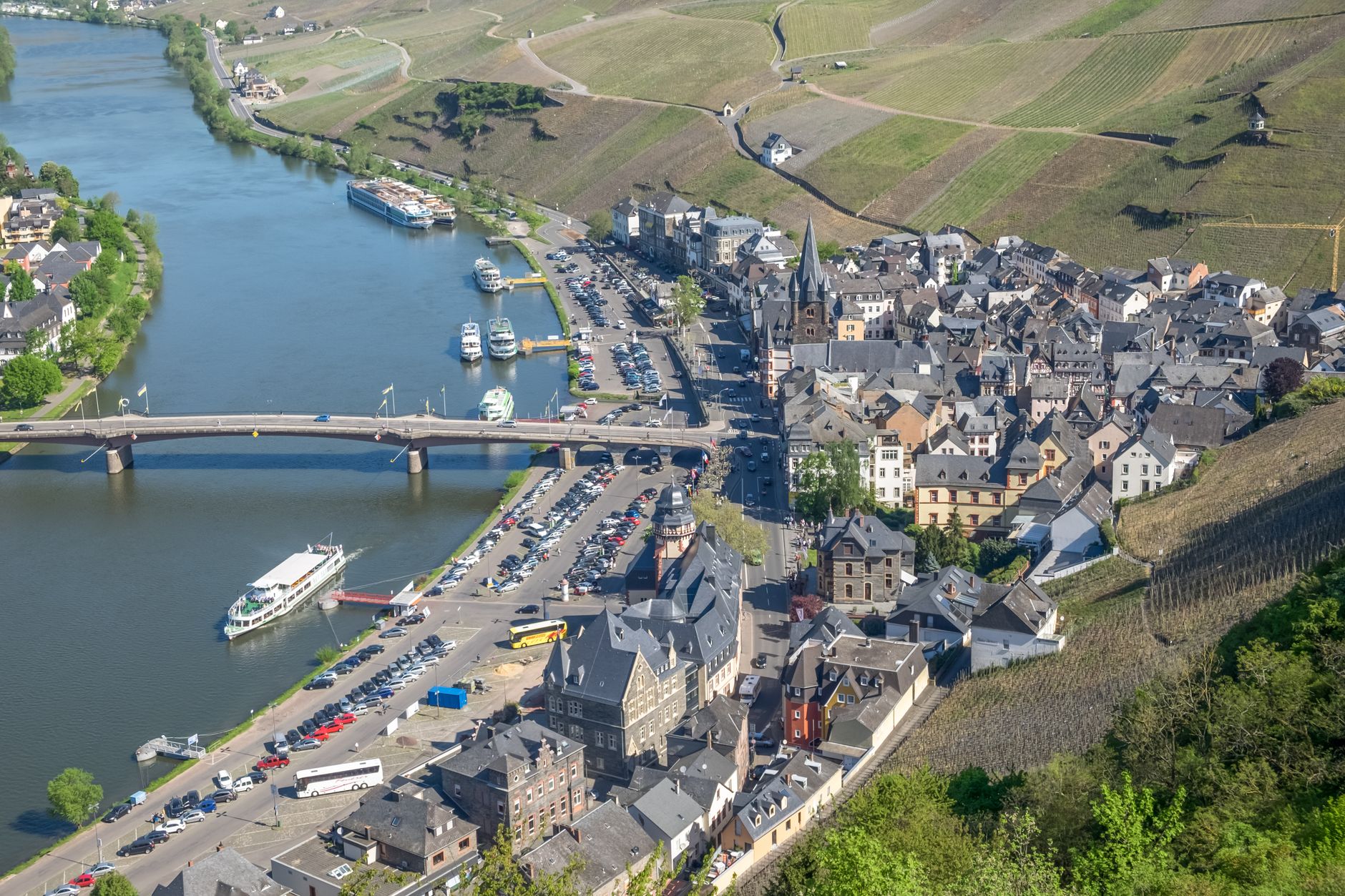
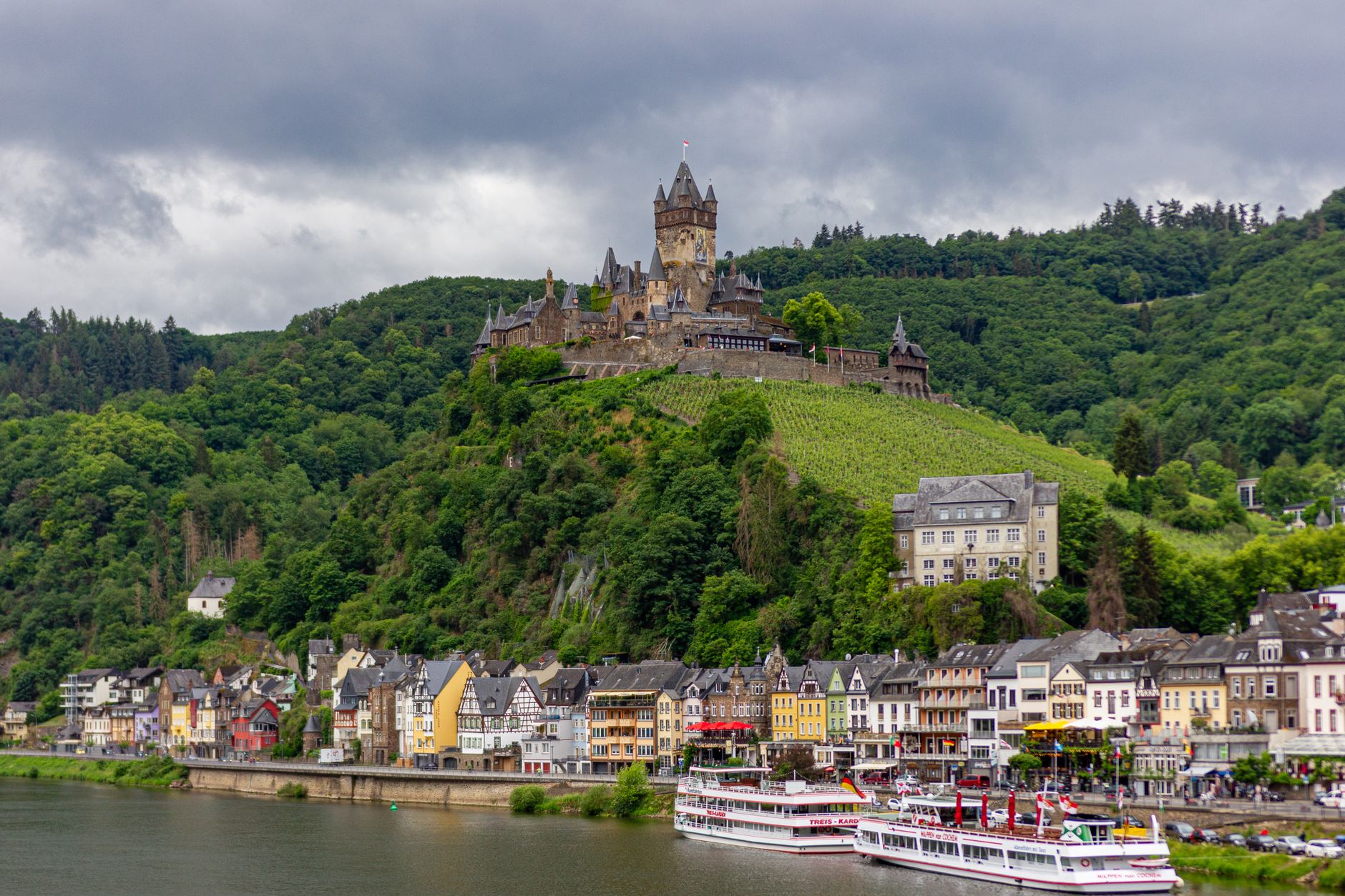
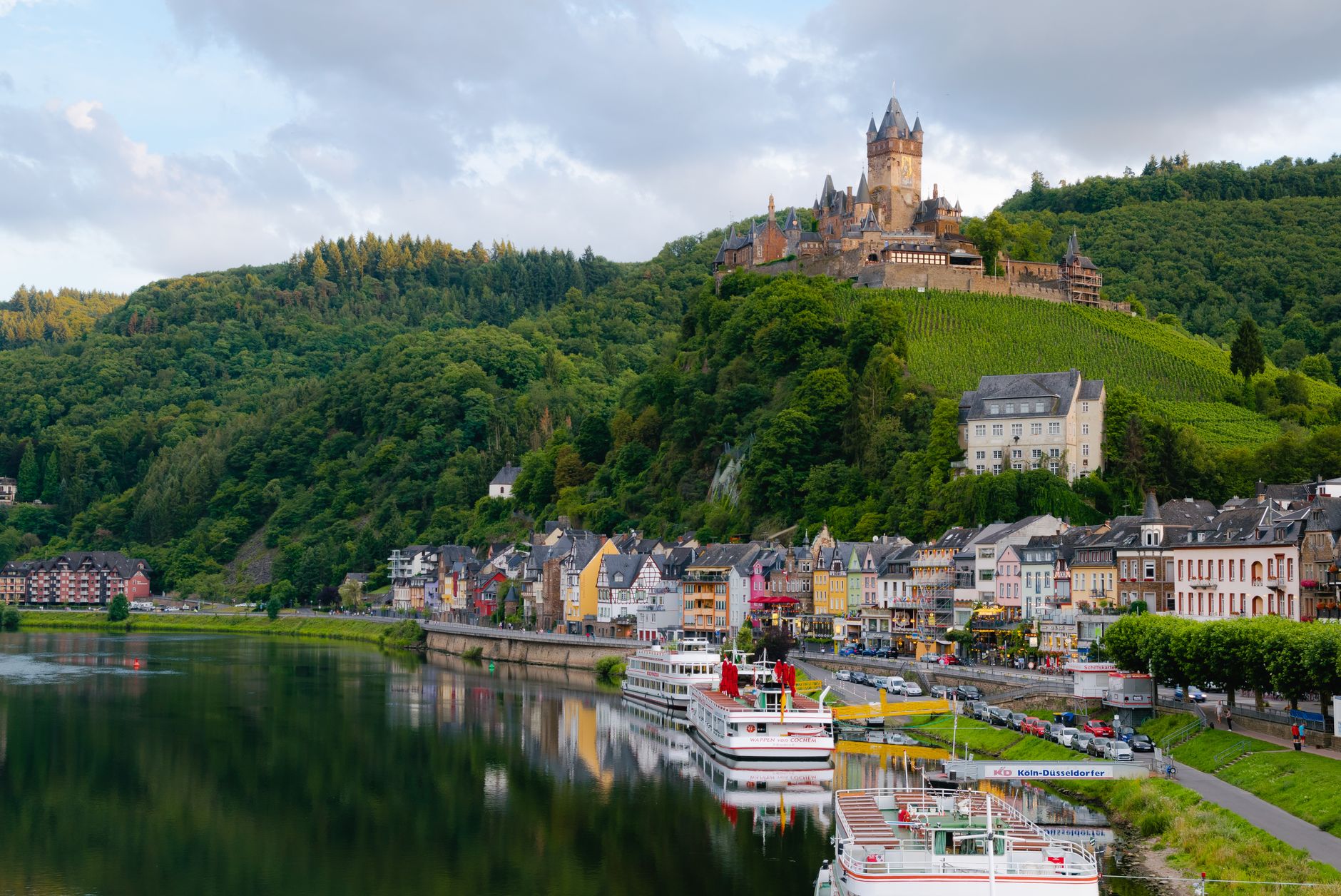
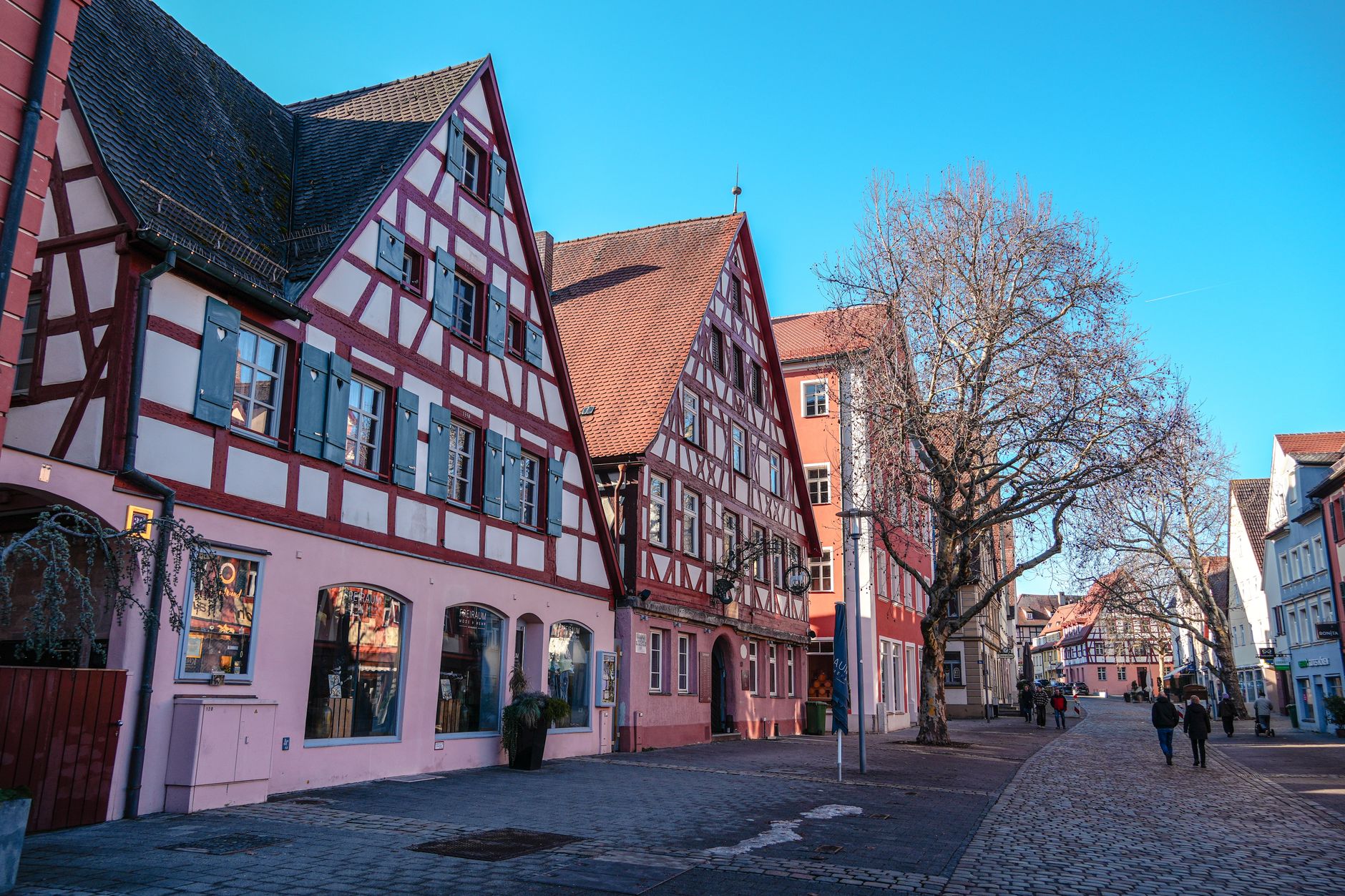
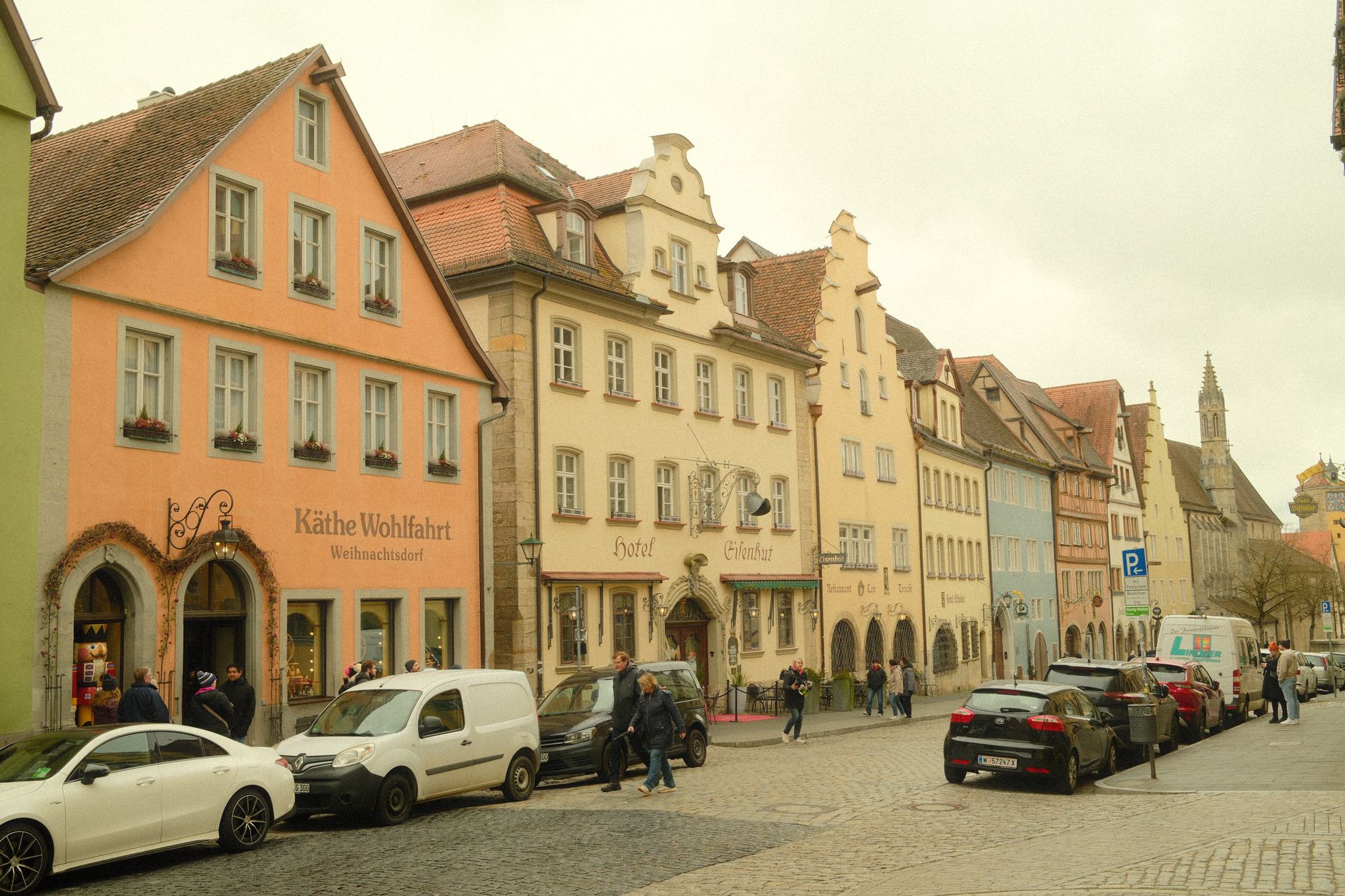
The town takes its name from the Romans, who built warehouses here — cellae — along the river road sometime after AD 70. That etymology still feels apt: Zell an der Mosel is a place of storage and accumulation, where a 1520 Antwerp altarpiece sits inside an 18th-century parish church, a 16th-century castle now pours wine, and 331 hectares of steep vineyard slope above a market square dominated by a fountain to a black cat.
The Schwarze Katz legend is the town's most-exported story: a feisty cat once guarded the best barrel from visiting buyers, and the wine became famous for it. The fountain is cheerful kitsch, but the vineyards behind it are serious.
💛 What travellers fall for
People who come back tend to time it around the Collis-Turm walk — the 1906 lookout tower reached by trail above town, where the full bend of the Moselle opens out below you. Then down through Balduinstraße for a glass poured from a barrel in a building that's been standing since 1515.
Deals in Zell an der Mosel
Book directly at the provider

How Zell an der Mosel came to be
Roman road-builders stopped here first, raising warehouses and a bathhouse with hypocaust heating — the remains surfaced only in 1978 during sewerage work on Oberstraße. The town received its charter in 1222, and by 1229 a wall with three gates enclosed it. Zell became an Electoral-Trier possession in 1332 and the seat of its regional administration; Elector Richard von Greiffenklau added the castle between 1535 and 1543.
French Revolutionary forces ended that arrangement in 1794, and the Congress of Vienna handed Zell to Prussia in 1814. Two fires, in 1848 and 1857, gutted much of the old town — which explains why the surviving medieval structures feel all the more specific and worth seeking out.
Who and what shaped it
Landmark buildings
See Zell an der Mosel in motion
Plan your visit
On the map
When to go
May through September is the window when daytime temperatures sit between 18 and 24°C and rainfall stays moderate — warm enough to walk the vineyard trails without a coat, cool enough by evening to want a glass of something local. December brings just 42 hours of sun and the year's heaviest rain, though the valley takes on a quieter character entirely its own.
Right now
Background & history adapted from Wikipedia (CC BY-SA) · specs from Wikidata (CC0) · weather from Open-Meteo · map data © OpenStreetMap contributors · photos from Wikimedia Commons / Unsplash with per-image credit. No third-party reviews or social posts reproduced.