
Bernkastel-Kues
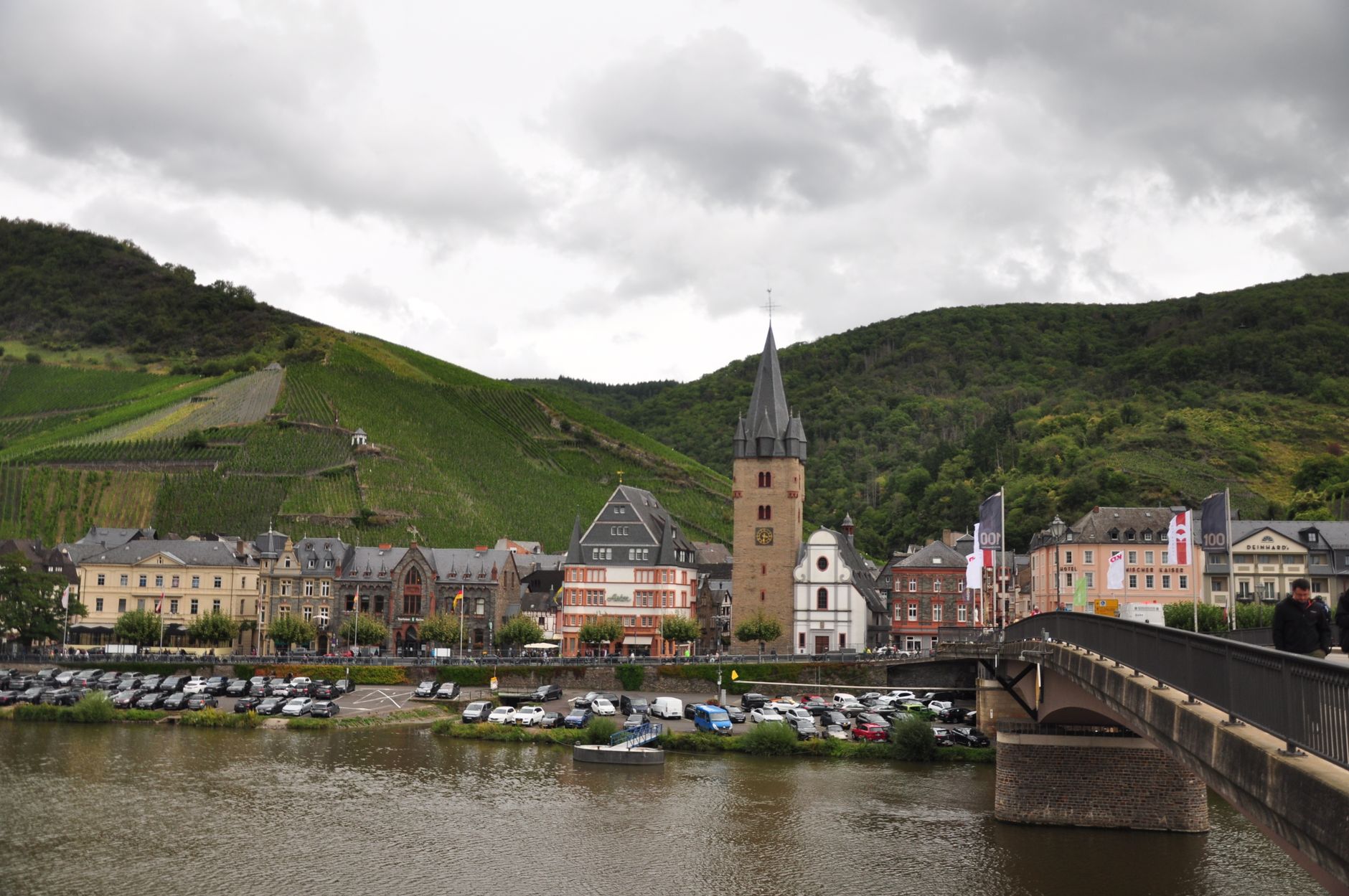
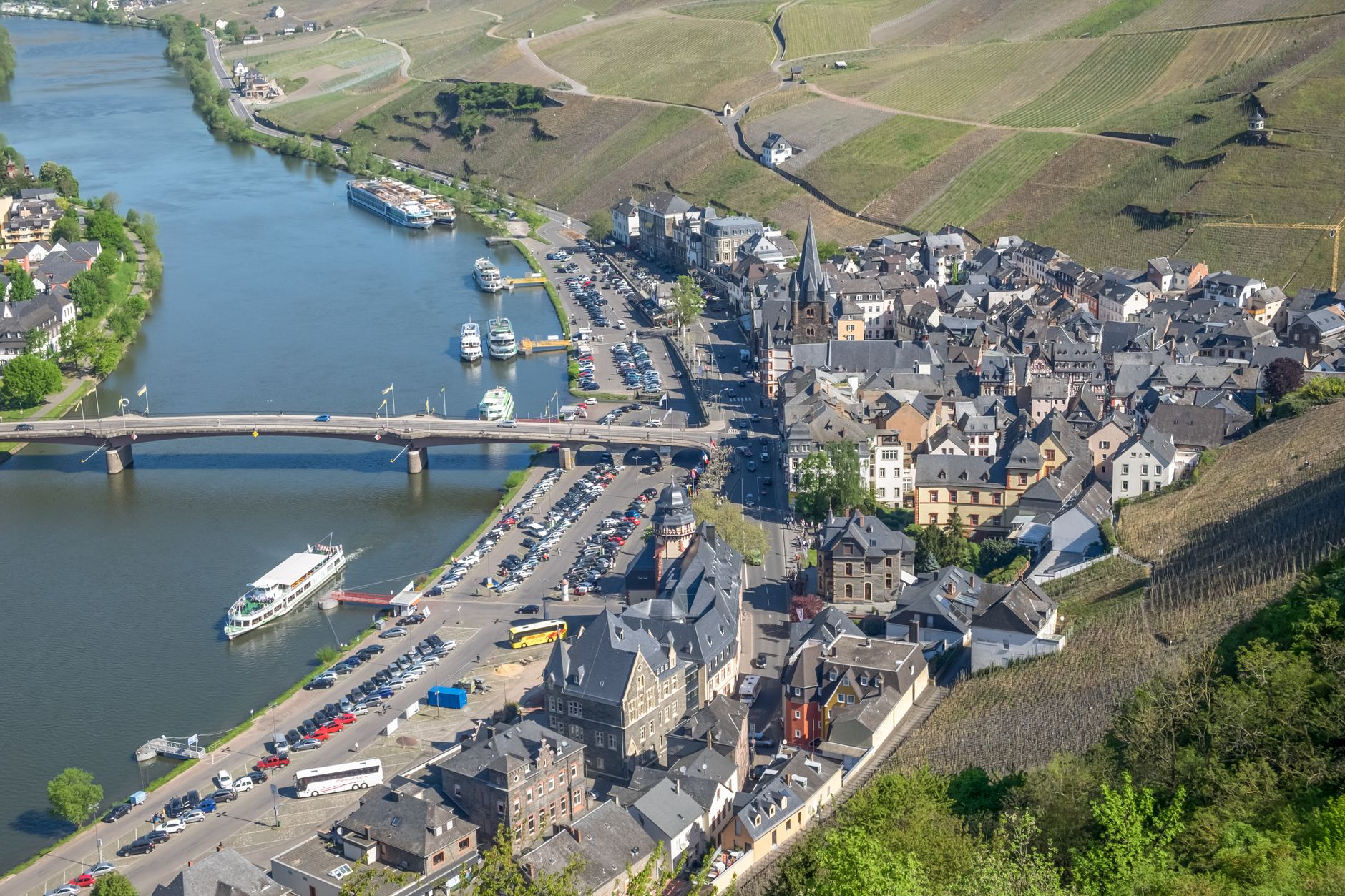
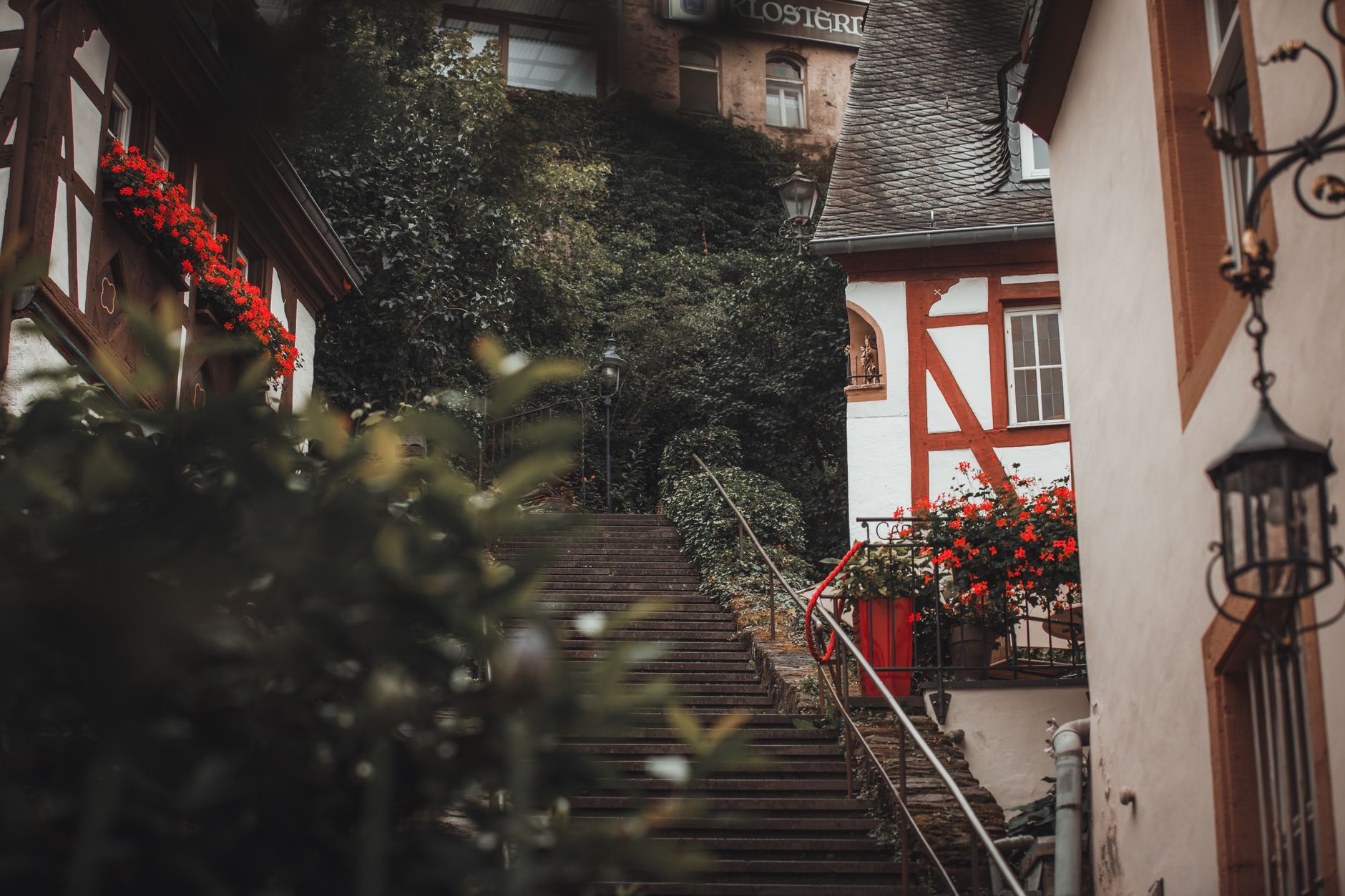
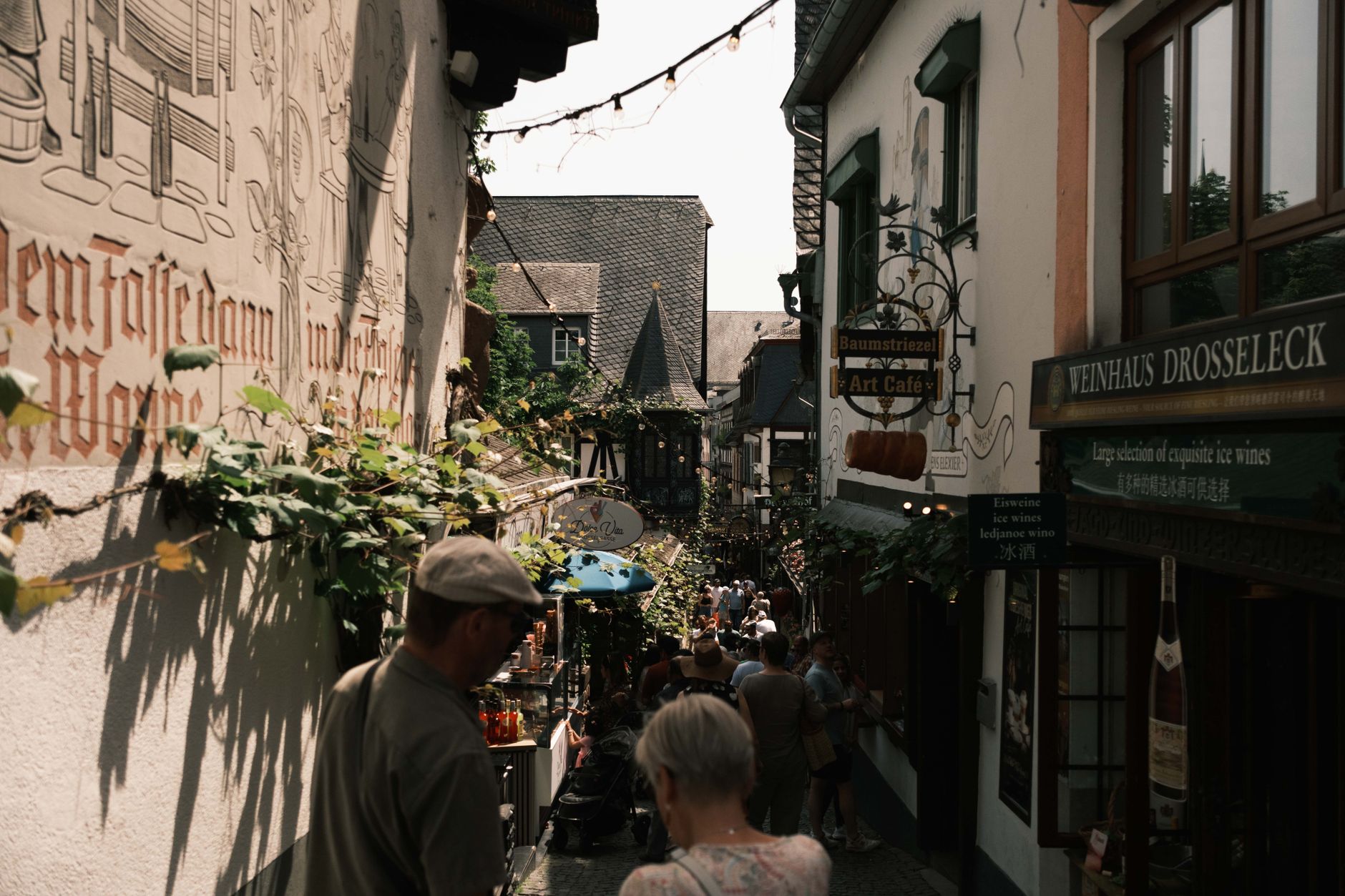
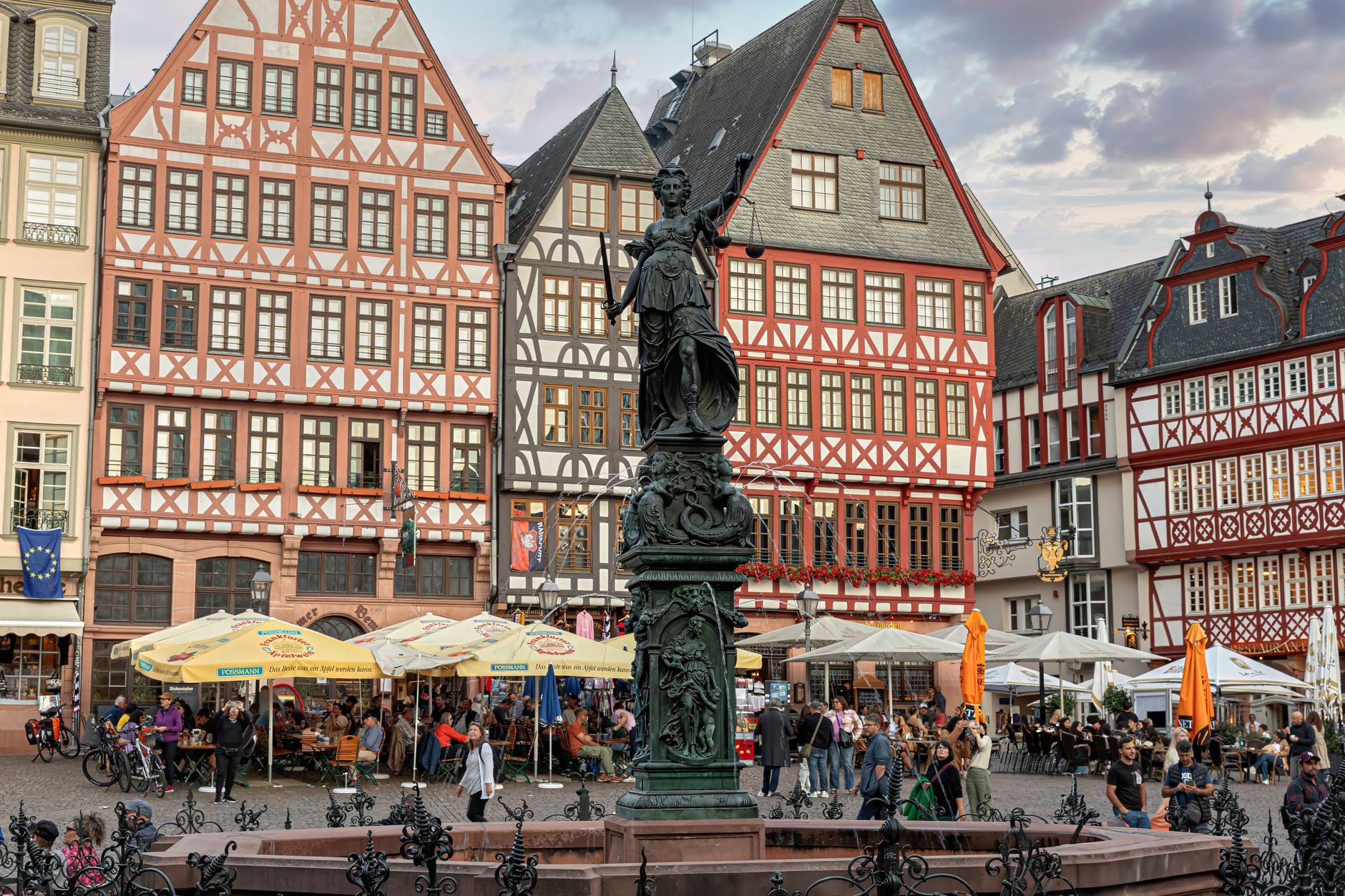
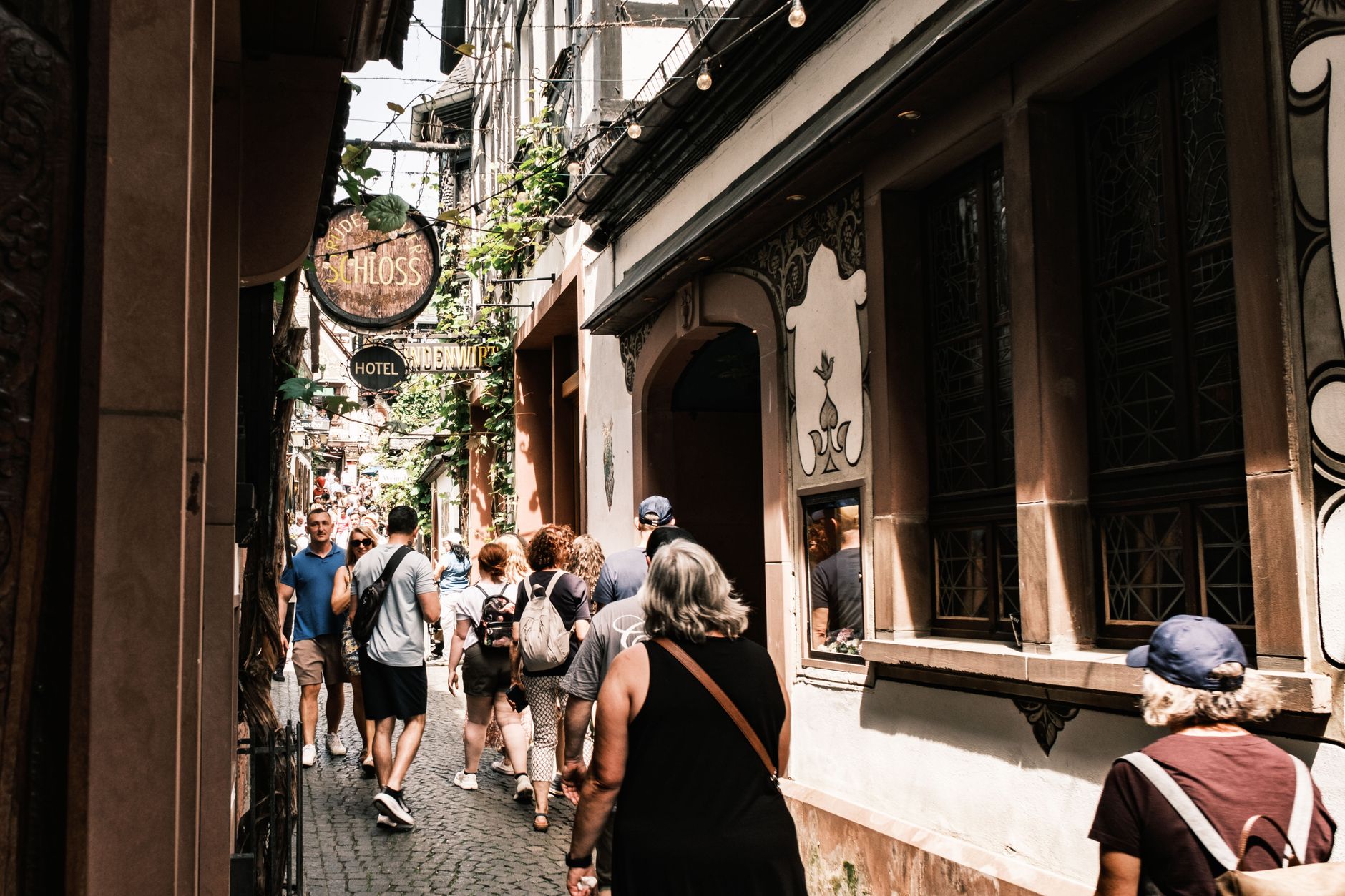
The Mosel bends here in a long curve, and Bernkastel-Kues sits on both banks — Bernkastel climbing the steep slate hillside, Kues spread flat on the opposite shore. The bridge between them is short, but the two halves took until 1905 to officially become one town. What draws most people first is the Marktplatz: half-timbered houses from 1608 pressing close around a late-Renaissance town hall, the upper floors of each building jutting a little further over the cobblestones than the floor below.
The vineyards are the other reason to come. The Bernkasteler Doctor plot — 1.8 hectares of near-vertical south-facing slate — changed hands in 1900 at 100 gold marks per vine, a figure that tells you everything about what the Mosel's best sites were already worth.
💛 What travellers fall for
People who return tend to cross the bridge to Kues first, before the day-trippers arrive, and walk to the Cusanusstift — the late-Gothic hospital Cardinal Nicholas of Cusa built in 1458. The chapel is quiet, the library of manuscripts still there. Then back across for coffee on the Marktplatz, before the tour coaches park.
Experiences you don't want to miss




Deals in Bernkastel-Kues
Book directly at the provider
How Bernkastel-Kues came to be
People were living on this stretch of the Mosel as far back as 3000 BC, and by the 4th century Romans had built a castellum on the hill where Burg Landshut now stands as a ruin. Bernkastel first appears in documents in the early 11th century, when Adalbero von Luxemburg took lordship of the settlement. Archbishop Heinrich II von Finstingen built Landshut Castle in 1277; Archbishop Boemund I granted Bernkastel formal town status in 1291, confirmed by Emperor Louis the Bavarian in 1332.
The castle burned in 1692 and was never rebuilt. French forces arrived in 1794, Prussia took over after the Congress of Vienna in 1815, and Bernkastel and Kues were finally merged administratively on April 1, 1905. The town's most consequential native, Nikolaus von Kues, had been born here in 1401 — philosopher, mathematician, cardinal — and founded the St. Nicholas Hospital across the river in 1458, bequeathing it his personal library of over 200 manuscripts.
Who and what shaped it
People who shaped it
Landmark buildings
See Bernkastel-Kues in motion
Plan your visit
On the map
When to go
The Mosel Valley runs warm and sheltered relative to the German average — the slate hillsides store heat and the river moderates cold. Summers are mild and sunny, ideal for walking the vineyard paths; spring and autumn are crisp and clear, with autumn bringing the harvest. Winters are quiet and grey, with occasional frost.
Right now
Background & history adapted from Wikipedia (CC BY-SA) · specs from Wikidata (CC0) · weather from Open-Meteo · map data © OpenStreetMap contributors · photos from Wikimedia Commons / Unsplash with per-image credit. No third-party reviews or social posts reproduced.