
Bruttig-Fankel
The first thing you notice in Bruttig-Fankel is how the Moselle bends just so, and the steep vineyard slopes rise almost vertically behind the half-timbered houses with their stepped and floating gables. This is a double village — Bruttig and Fankel sitting side by side along the river — and the distinction still matters locally, even if the outside world long since merged them on a map.
Bruttig's name appears in a royal document from 898, when a Lotharingian king handed over an estate here of arable land and vineyards. That combination has defined the place ever since. The Riesling grown on named slopes like Pfarrgarten and Götterlay still comes from ground that was being worked over a thousand years ago.
💛 What travellers fall for
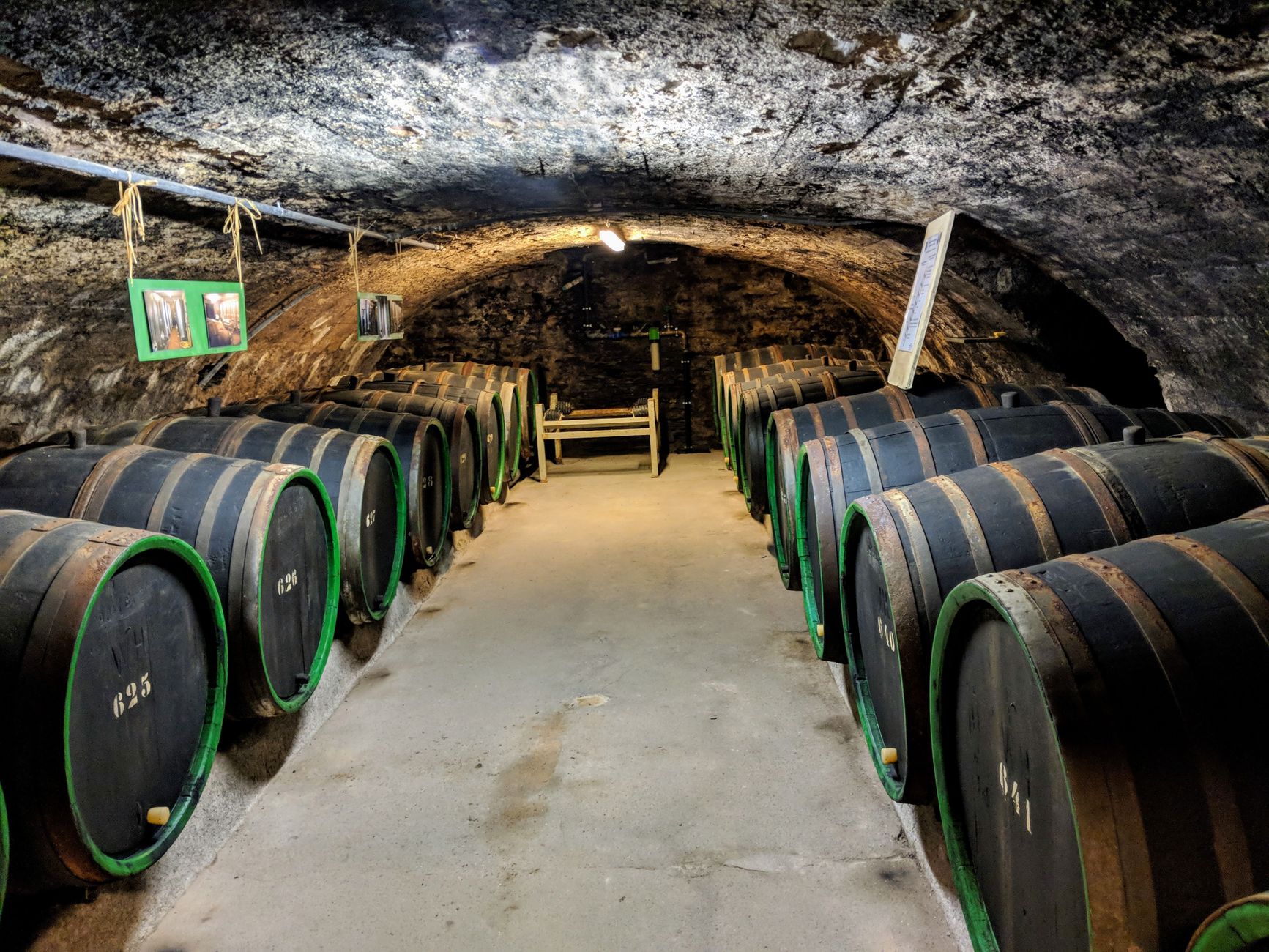
People who come back tend to time their return for the second weekend in August, when Bruttig holds its Winemakers' Festival. Spend an evening at one of the Straußwirtschaften — the seasonal wine taverns — and order whatever they're pouring from the Rosenberg slope. The Schunk'schen Haus from 1659 is easy to walk past; don't.
Experiences you don't want to miss


Deals in Bruttig-Fankel
Book directly at the provider


How Bruttig-Fankel came to be
On 4 June 898, the Lotharingian king Zwentibold transferred to a convent land in a village recorded as Pruteca — arable earth, a courtyard, and vineyards in the Mayen country. That document is Bruttig's entrance into the written record. Fankel appears around 1100, its name tracing back to the Celtic word for wetlands.
Both centres passed through French occupation from 1794, administered under the Mairie of Beilstein, before the Congress of Vienna assigned them to Prussia in 1816. Since 1946 they have been part of Rhineland-Palatinate. The Renaissance Schunk'schen Haus, built 1659, and the two old town halls that survive in the lanes are the legible remains of a prosperous late-medieval civic life. Bruttig also gave the world Petrus Mosellanus — born Peter Schade here in 1493, later a humanist philologist of some standing in Leipzig — though the town wears that lightly.
Who and what shaped it
People who shaped it
Landmark buildings
See Bruttig-Fankel in motion
Plan your visit
On the map
When to go
Summers are mild and partly cloudy, with July and August the warmest months around 22°C — good for the river and the vineyards. Winters run cold and grey, dropping near or below freezing in January and February; spring and autumn bring the most comfortable walking weather and the best light on the slopes.
Right now
Background & history adapted from Wikipedia (CC BY-SA) · specs from Wikidata (CC0) · weather from Open-Meteo · map data © OpenStreetMap contributors · photos from Wikimedia Commons / Unsplash with per-image credit. No third-party reviews or social posts reproduced.