
Metz
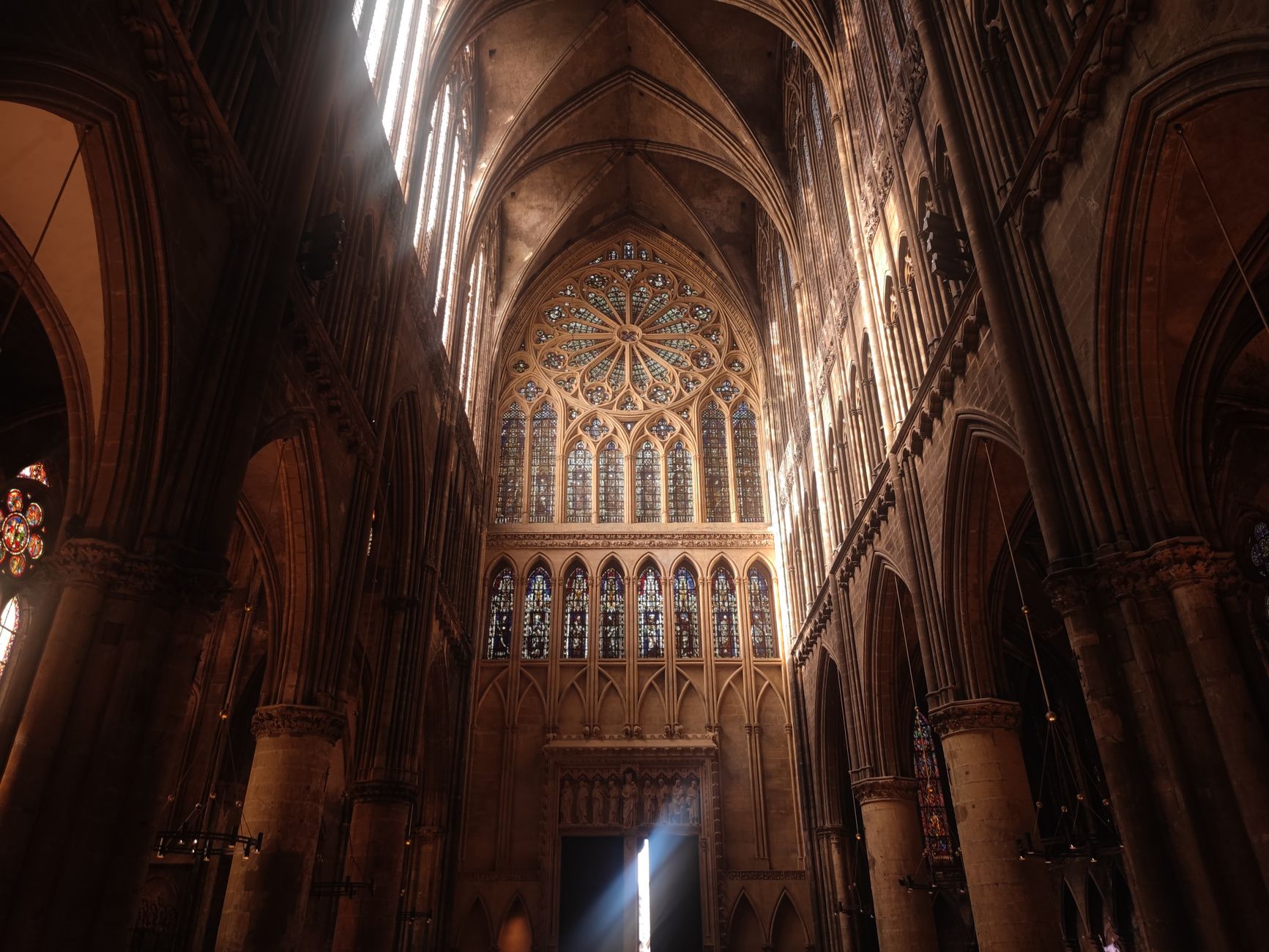
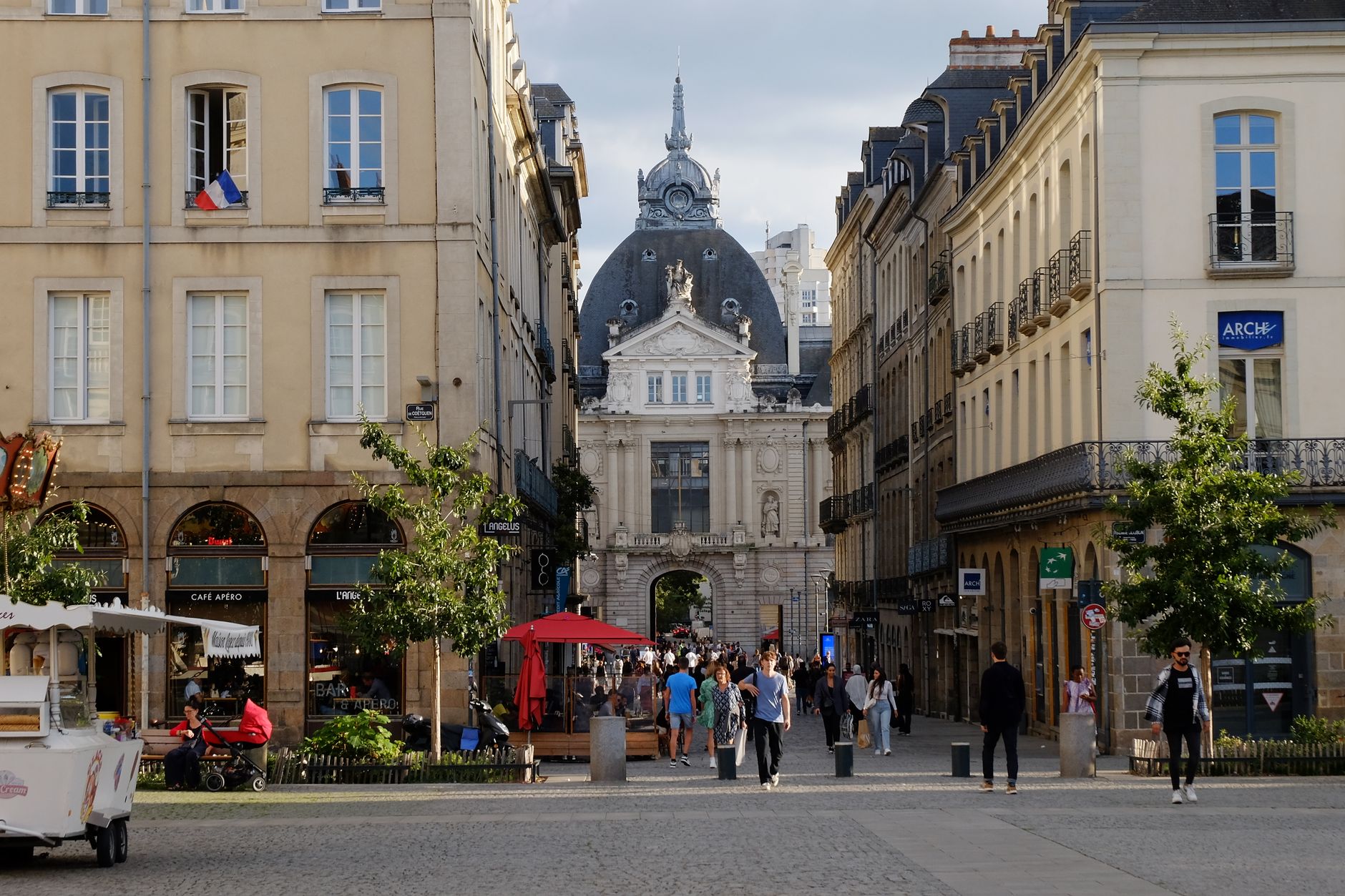
Stand inside the Cathedral of Saint-Stephen on a clear afternoon and the light does something you won't anticipate: 6,496 square metres of stained glass turns the air amber, blue, and rose all at once. The medieval builders called it *la Lanterne du Bon Dieu* — the Good Lord's lantern — and three centuries of construction, from 1220 to 1552, went into earning that name.
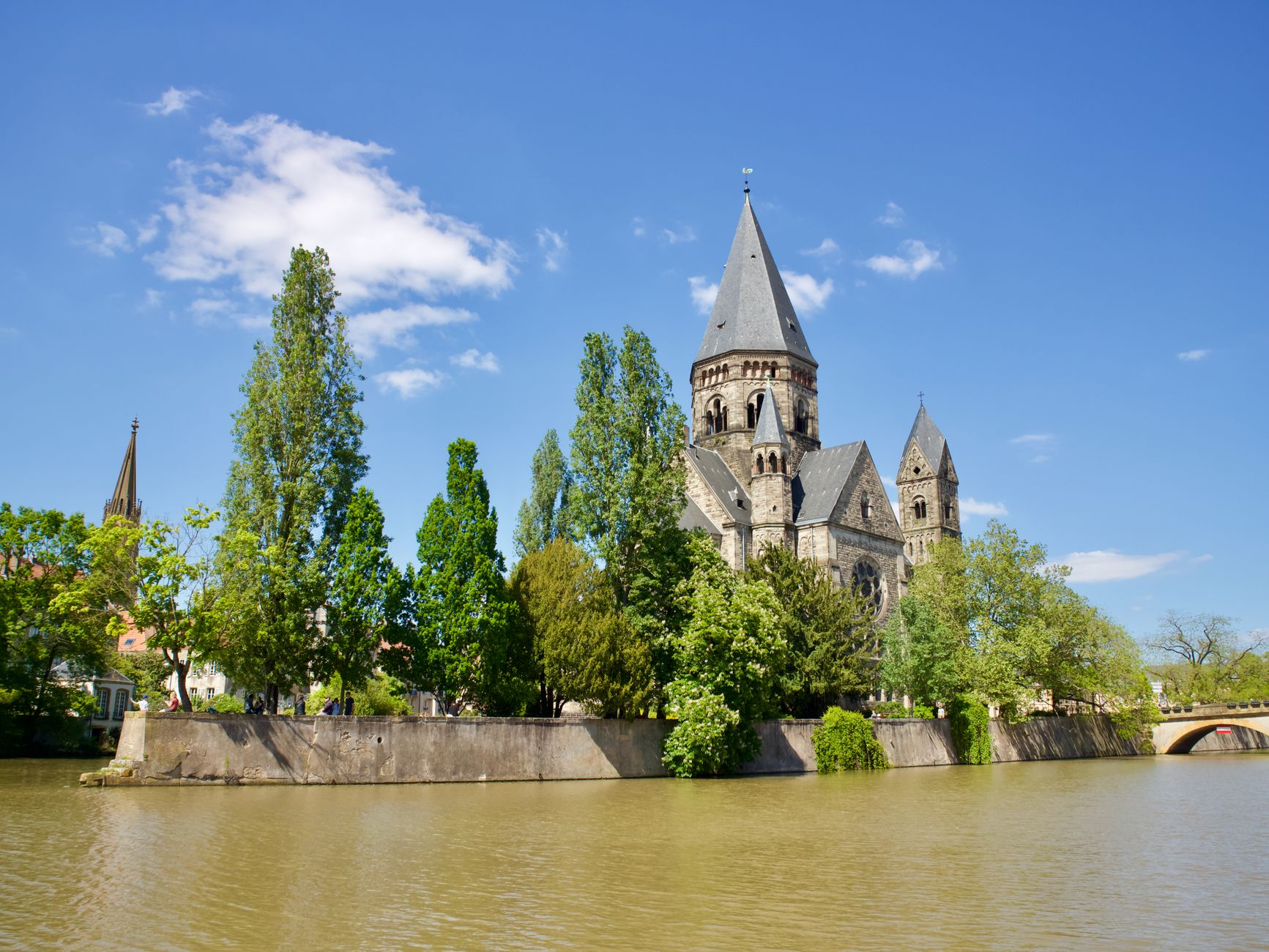
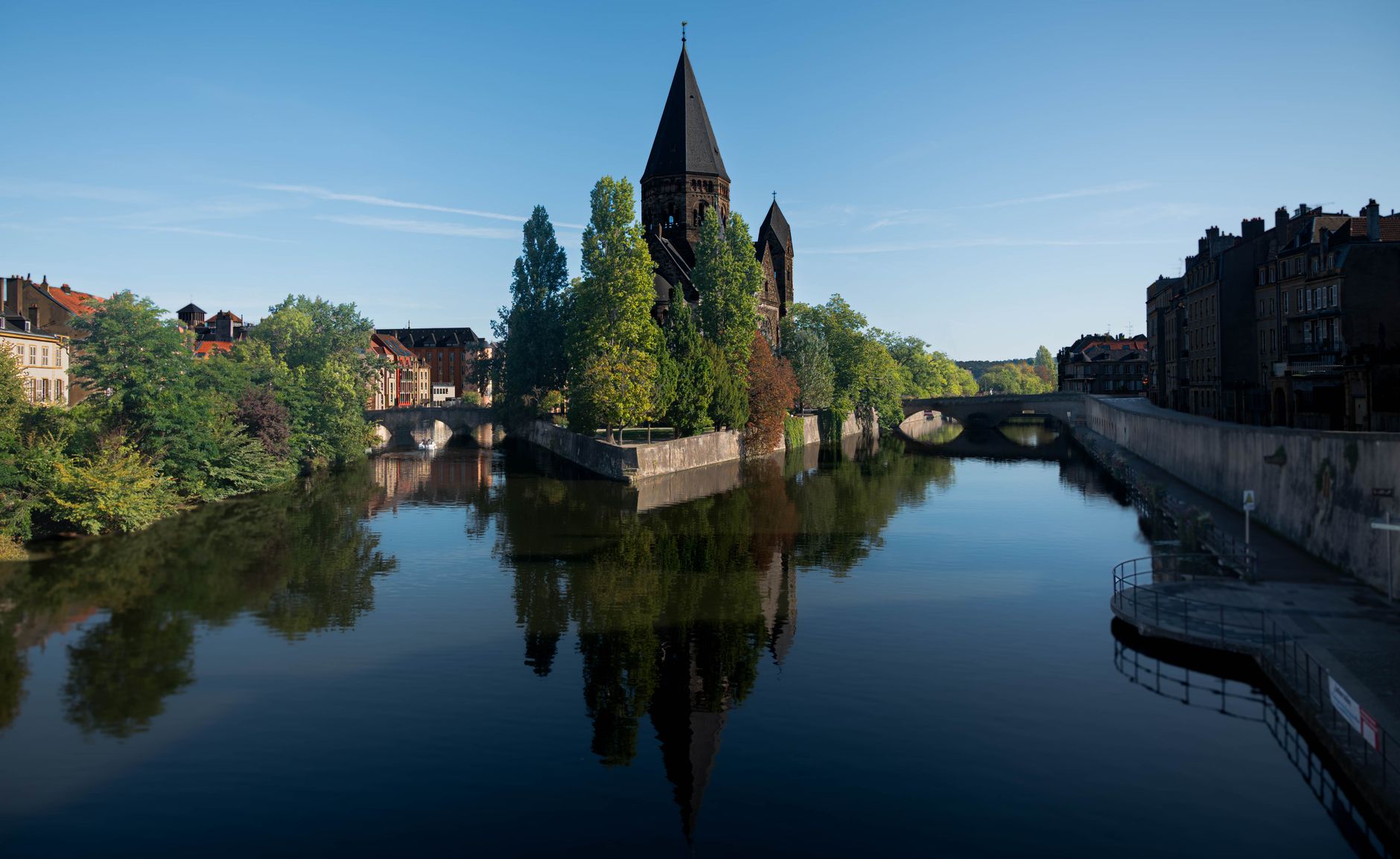
Metz is a city that has changed hands so many times — Celtic, Roman, Frankish, French, German, French again, German again — that the architecture reads like a compressed history of Western Europe. Walk ten minutes from the Gothic cathedral and you're in Kaiser Wilhelm II's purpose-built Imperial District, all neo-Romanesque railway halls and mock-Bavarian facades. Then, since 2010, a satellite of the Centre Pompidou sits at the edge of it all.
💛 What travellers fall for
People who come back tend to mention the same quiet detour: the Basilica of Saint-Pierre-aux-Nonnains, the oldest church in France, built as a Roman bath in 380 AD and so understated it barely announces itself. Go on a weekday, when it's running a concert or small exhibition, and you'll have the 4th-century walls mostly to yourself.
Deals in Metz
Book directly at the provider
How Metz came to be
The Mediomatricians, a Celtic tribe, established themselves on Sainte-Croix hill in the late 3rd century BC. The Romans called the place Divodurum — roughly, *town at the holy mountain* — and by the 2nd century AD it held 40,000 people. Attila sacked it in 451; the Franks took it shortly after. When Clovis died in 511, Metz became the capital of the Austrasian kingdom, and the 843 Treaty of Verdun made it capital of Lotharingia under Emperor Lothair I.
For centuries it operated as a semi-independent Free City within the Holy Roman Empire, wealthy and encircled by the Duchy of Lorraine. The 1552 Treaty of Chambord brought it de facto into France; the 1648 Peace of Westphalia made it official. Then, after the Franco-Prussian War of 1870–71, Bismarck annexed Metz to Germany, and Kaiser Wilhelm II remade the area around the railway station as a showcase of German prestige. France reclaimed it in 1918, lost it again from 1940 to 1945, and has held it since.
Who and what shaped it
People who shaped it
Landmark buildings
See Metz in motion
Plan your visit
On the map
When to go
Metz has a continental climate with cold, sometimes wet winters and warm summers. April through June and September through October give you the best balance of light and mild temperatures for walking the old city; July and August can be warm but rarely oppressive.
Right now
Background & history adapted from Wikipedia (CC BY-SA) · specs from Wikidata (CC0) · weather from Open-Meteo · map data © OpenStreetMap contributors · photos from Wikimedia Commons / Unsplash with per-image credit. No third-party reviews or social posts reproduced.