
Cochem
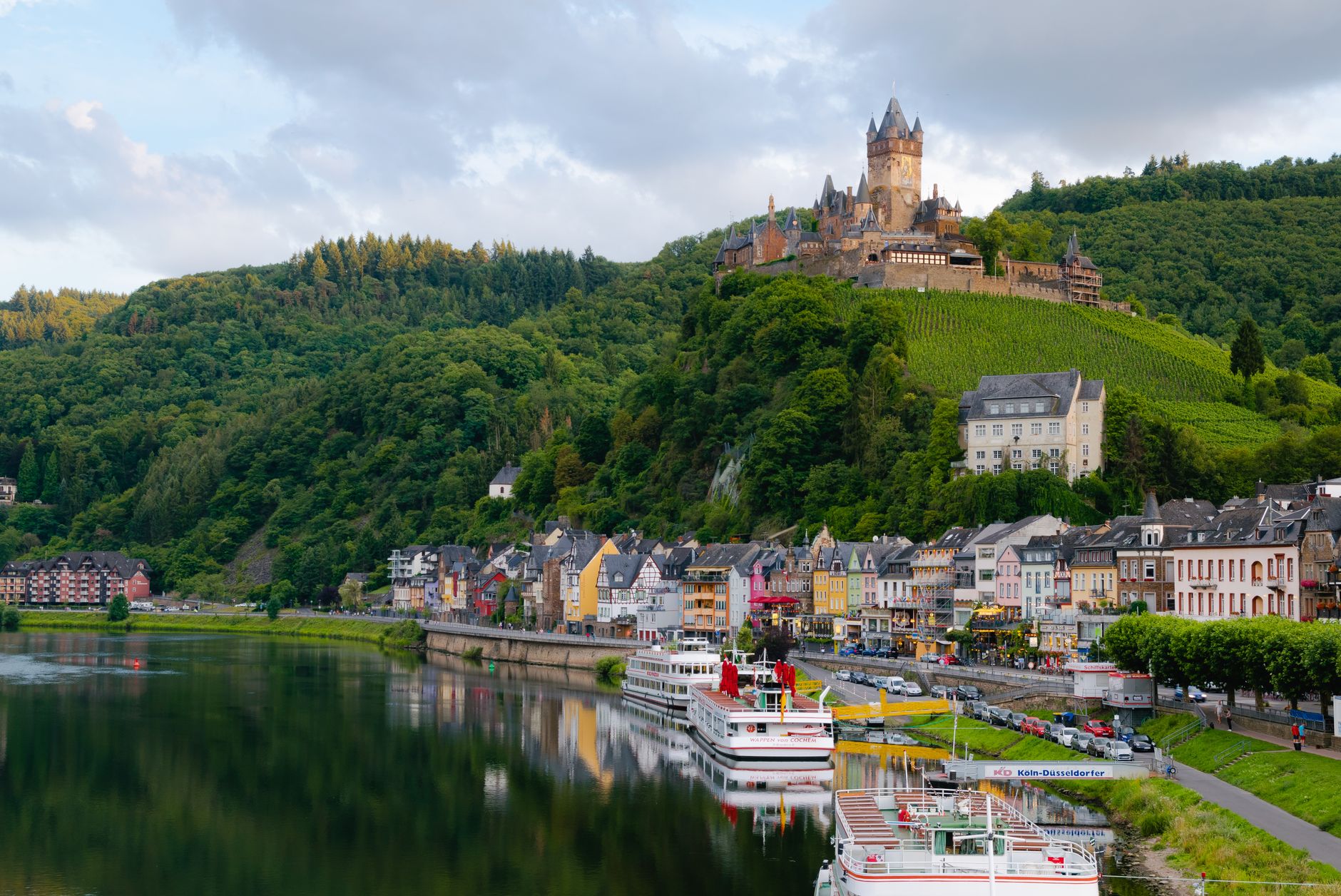
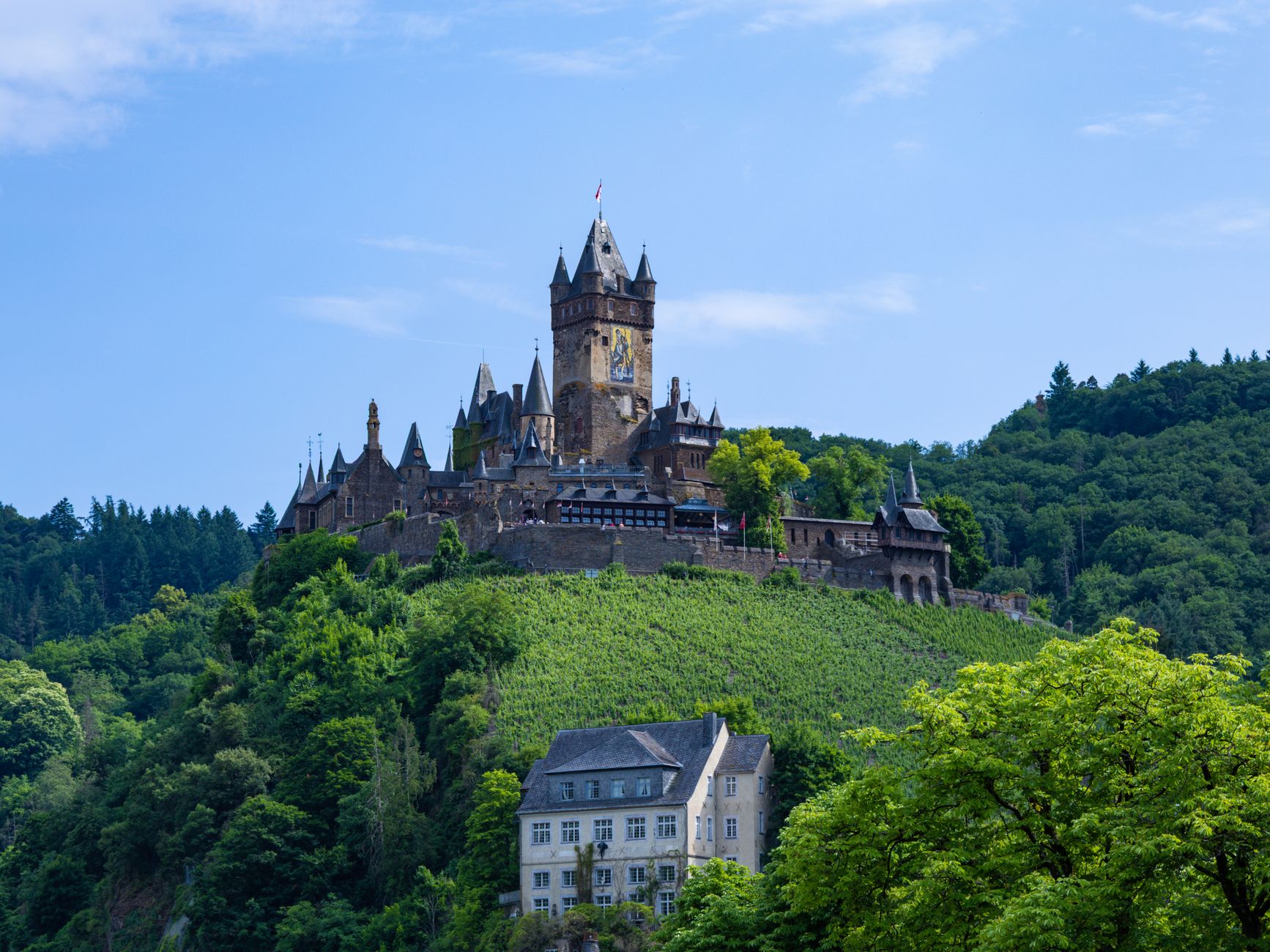
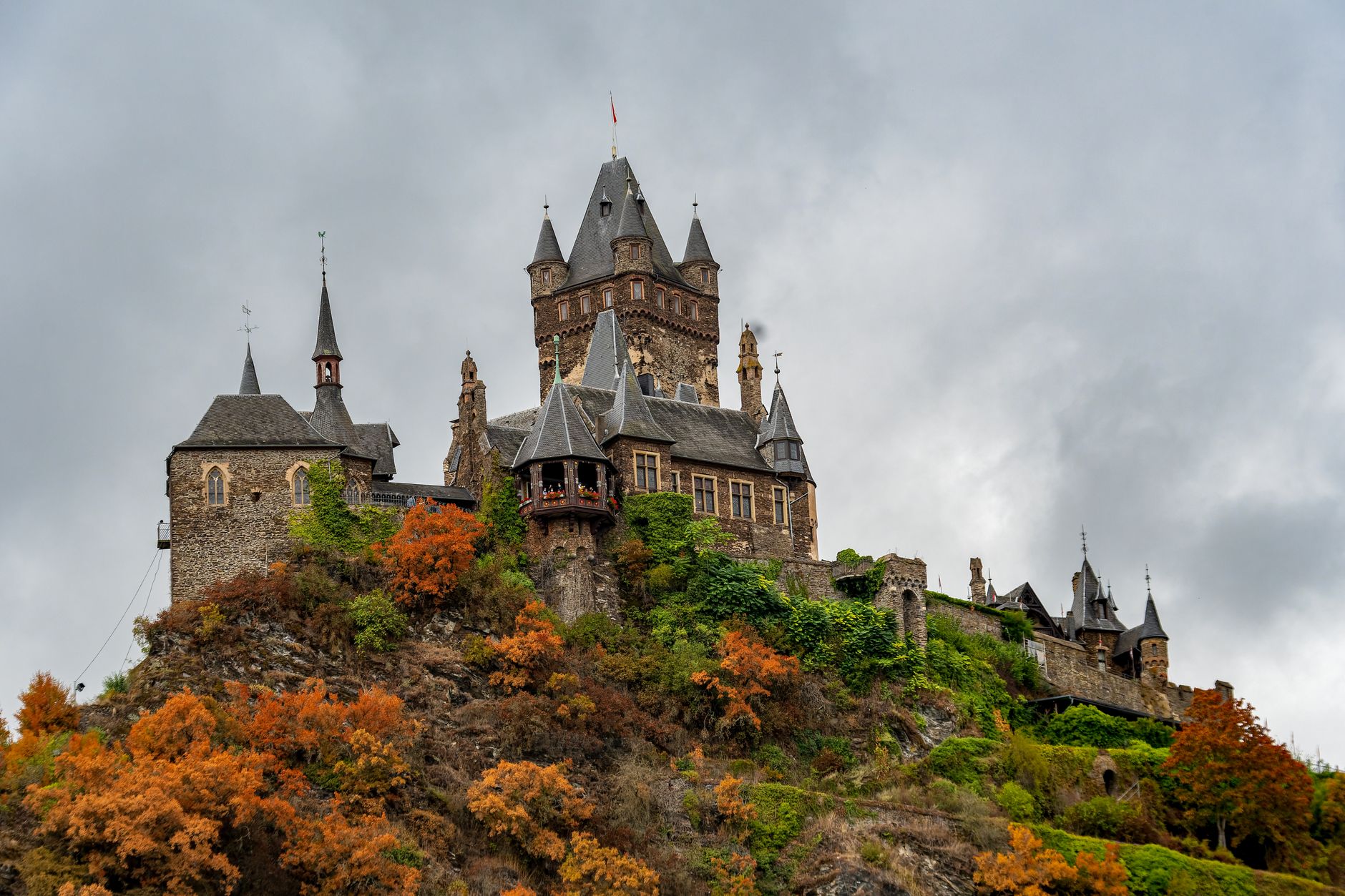
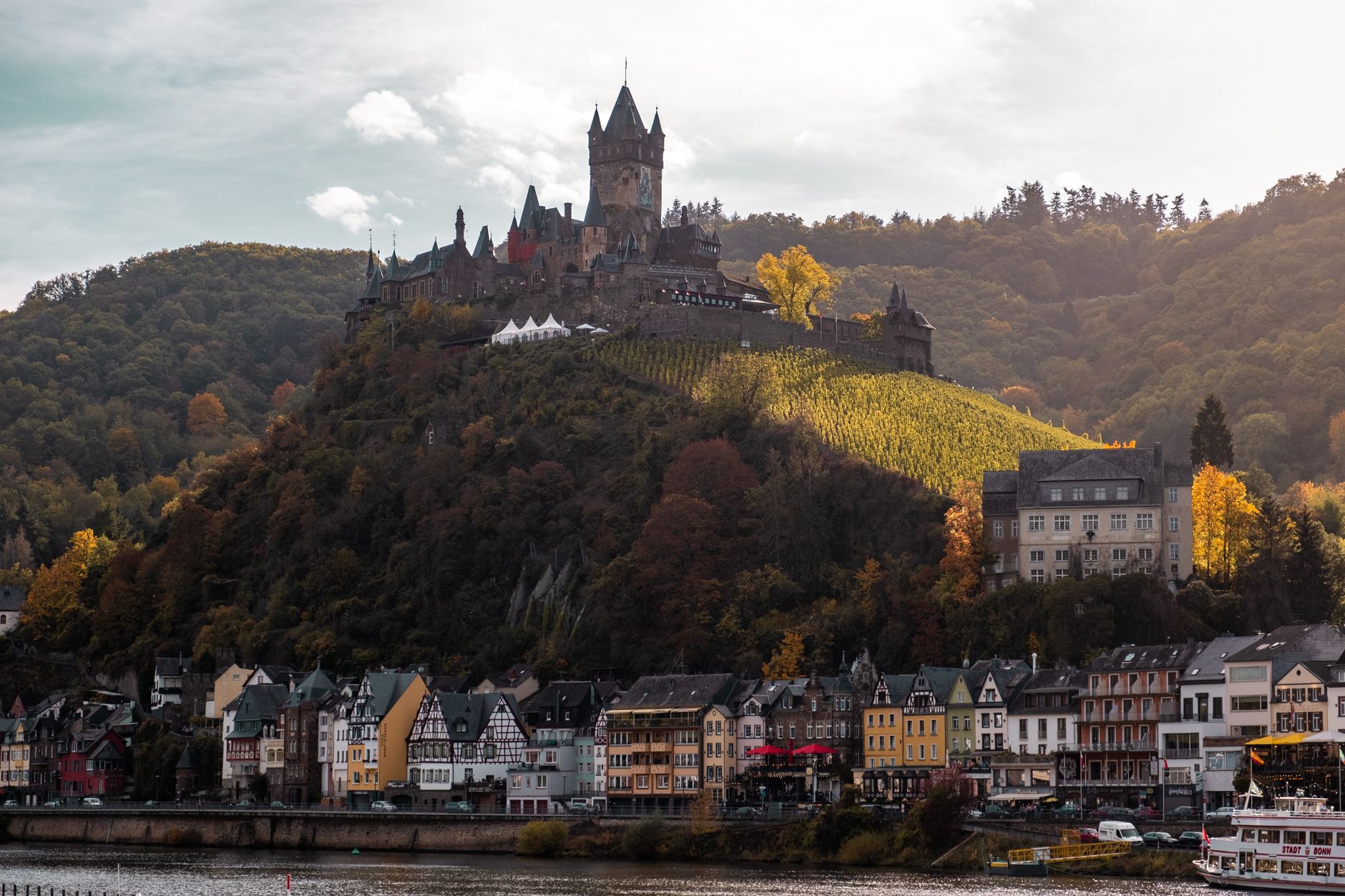
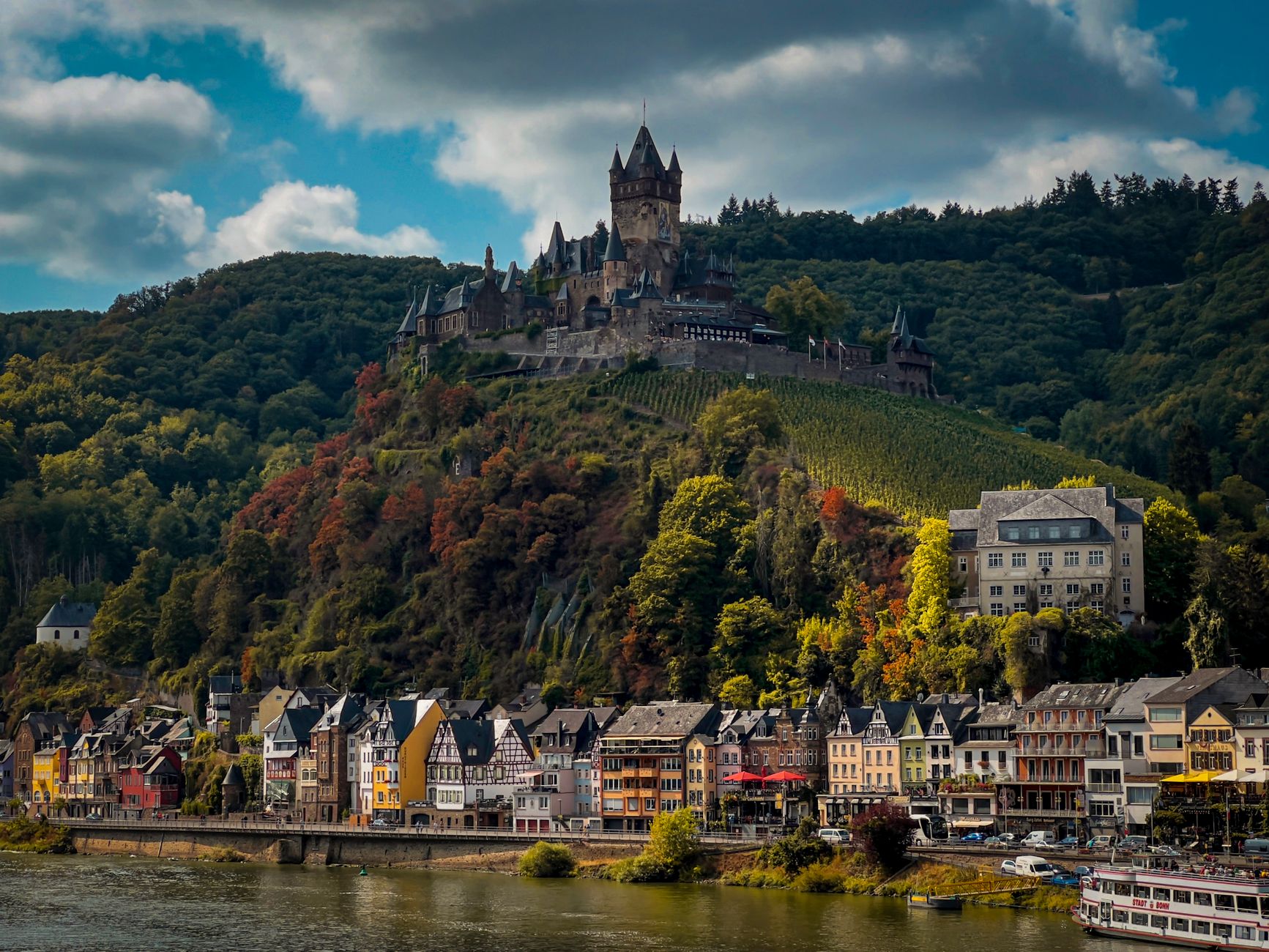
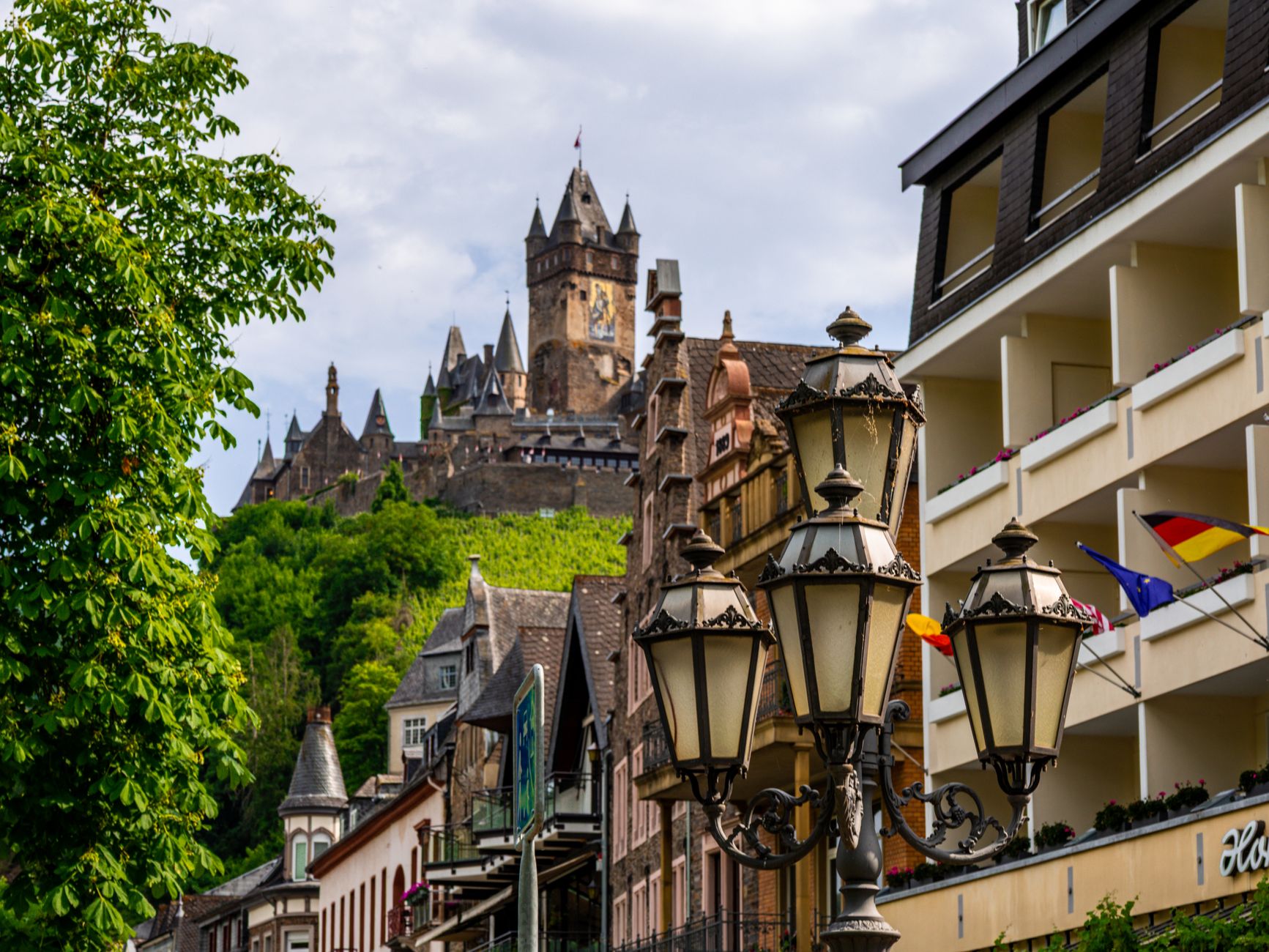
Cochem sits in a bend of the Moselle where the river valley is at its most theatrical — vineyards stacked on near-vertical slate slopes, half-timbered facades pressed tight against the water, and above it all, the turrets of Reichsburg Castle riding the ridge like something a child drew from memory. The castle is the obvious anchor, but the town itself rewards a slower look: the old gate at Enderttor still carries its medieval stonework, the market square holds its shape, and the narrow lanes of the Altstadt run between the castle hill and the river with barely enough room to spare.
What surprises most visitors is the Cold War footnote buried beneath the quiet. In Cochem-Cond, thirty metres underground, the Bundesbank kept 15 billion German marks in reserve banknotes through the decades of nuclear anxiety — a vault that sat silent while tourists above drank Riesling on the promenade.
💛 What travellers fall for
People who come back tend to time it around the Moselpromenade in full summer flower, walk the footpath up to Reichsburg rather than taking the shuttle, and make a point of the Senfmühle on Mustard Mill — the 1810 origins give it more texture than a souvenir stop. The Bundesbank bunker tour, German-only, rewards the effort of following along.
Deals in Cochem
Book directly at the provider
How Cochem came to be
The name appears in writing as early as 866 — 'Villa cuchema' — though Celtic and Roman layers lie beneath that. Town rights came in 1332, and the fortifications followed almost immediately; the Enderttor gate, commissioned by Balduin of Luxembourg, Archbishop of Trier, dates to the mid-1300s and still stands connected to the original wall. Cochem spent centuries under Electoral Trier before French Revolutionary troops arrived in 1796.
Reichsburg Castle's story has a second act. First documented in 1130, occupied by King Konrad III in 1151 and declared an Imperial castle, it was razed by Louis XIV's forces in 1688–89 during the Nine Years' War. The ruins sat for nearly two centuries until Berlin industrialist Louis Frédéric Jacques Ravené bought them in 1868 for 300 Goldmark and hired government consultant Hermann Ende to rebuild in Gothic Revival style. Ravené died in 1879; his son Louis Auguste saw the interior work through. The city of Cochem has owned the castle since 1978.
Who and what shaped it
People who shaped it
Landmark buildings
See Cochem in motion
Plan your visit
On the map
When to go
Summer brings reliable warmth around 15°C as an average, with the valley holding heat well into September — autumn is particularly good for the vineyard colours without the peak-season crowds. Winter is quiet and can be raw; most visitors plan around the warmer half of the year.
Right now
Background & history adapted from Wikipedia (CC BY-SA) · specs from Wikidata (CC0) · weather from Open-Meteo · map data © OpenStreetMap contributors · photos from Wikimedia Commons / Unsplash with per-image credit. No third-party reviews or social posts reproduced.