
Traben-Trarbach
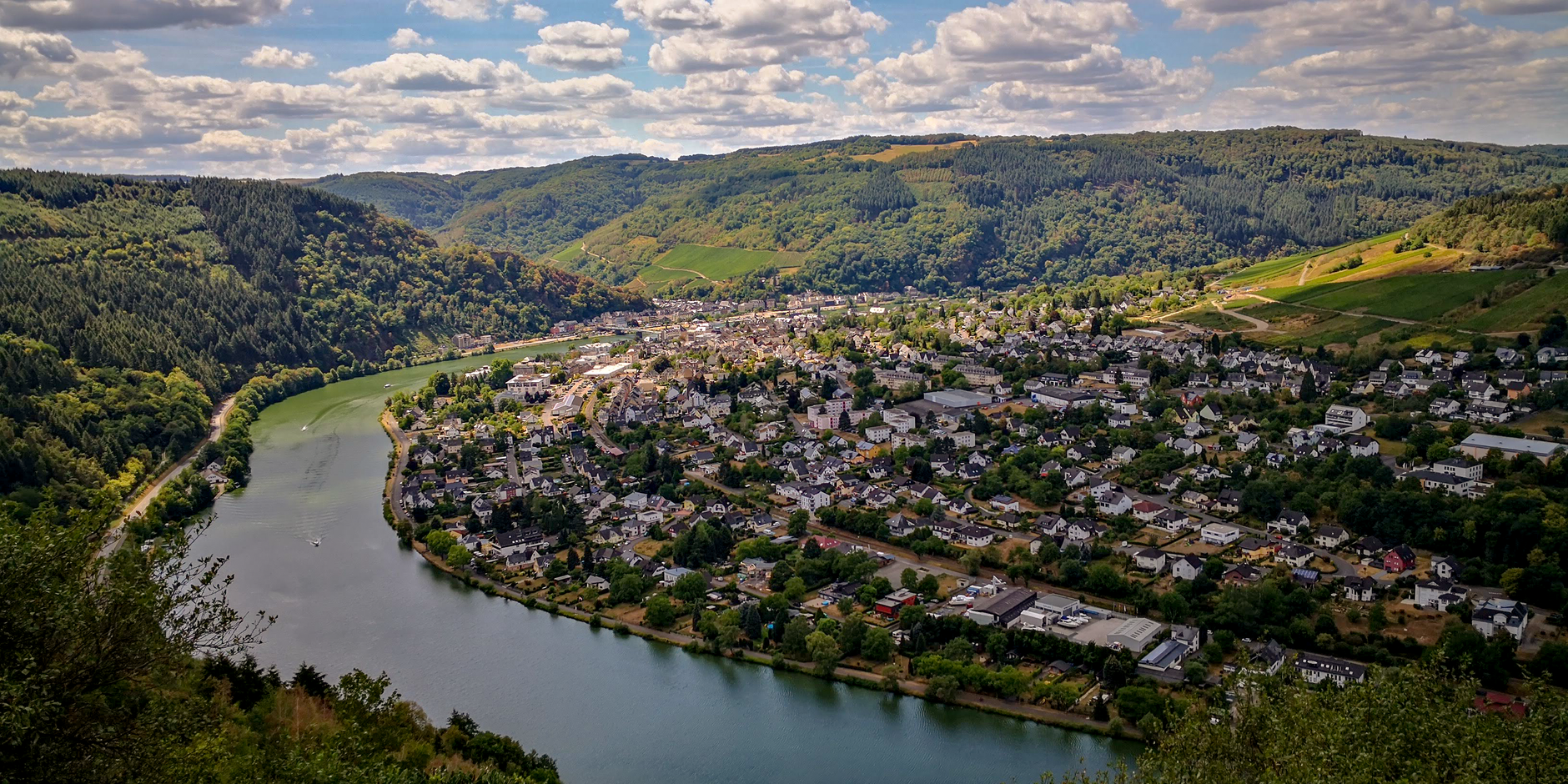
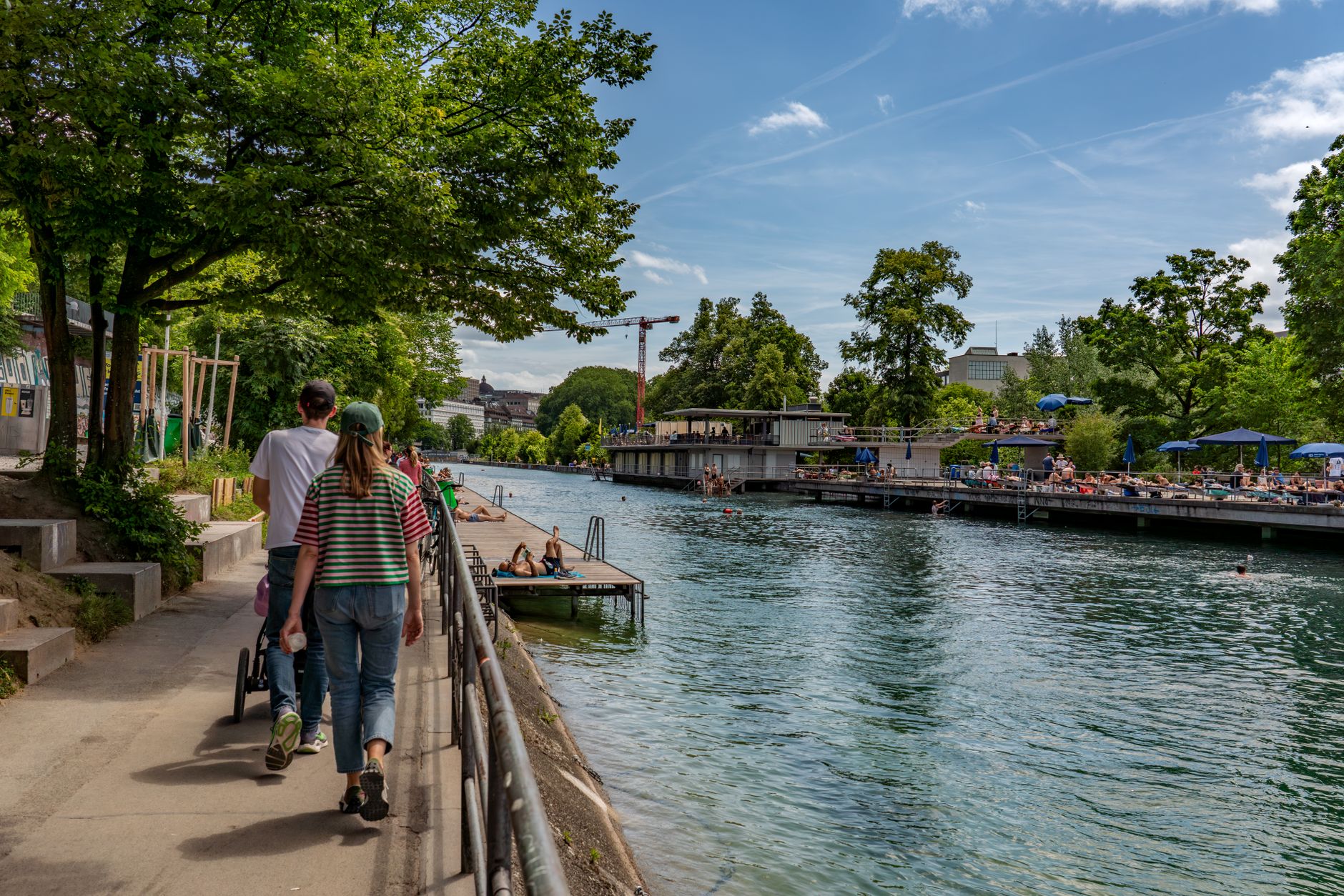
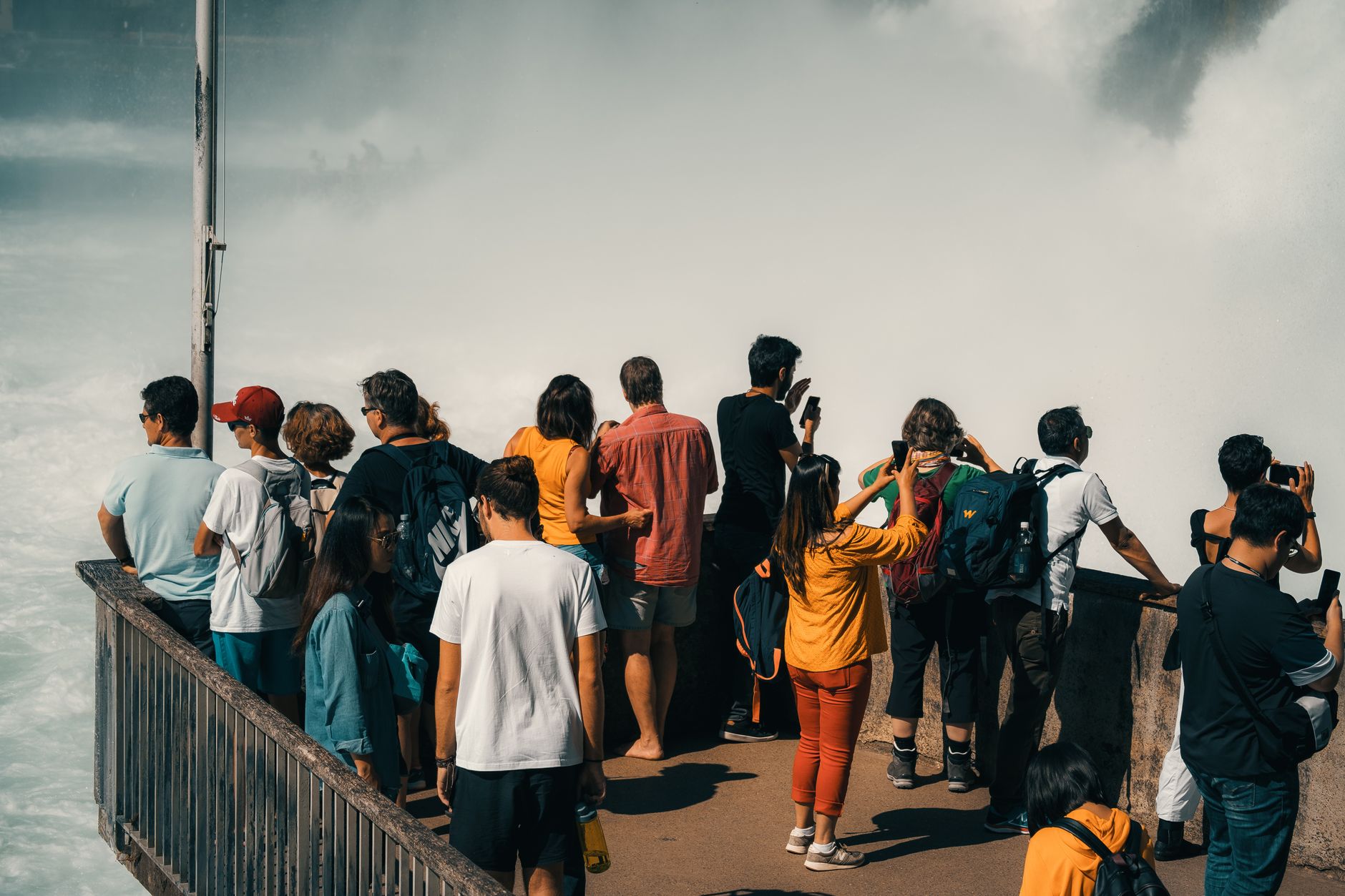
Traben-Trarbach is a town that split its identity down the middle of a river and never quite reunited. Traben sits on one bank, Trarbach on the other, and the two communities only formally merged in 1904 — the same year Bruno Möhring's Art Nouveau bridge gate was already drawing attention to what this stretch of the Moselle had become: around 1900, the second-largest wine transshipment point in Europe after Bordeaux, with over a hundred wine companies operating along the valley.
Below street level, the evidence of that era survives in an extraordinary network of vaulted wine cellars carved under the town centre. Above ground, Möhring's fingerprints are everywhere — the bridge gate, the spa building, private houses on Am Bahnhof and An der Mosel — giving the town a coherent Art Nouveau character rare for a place this size.
💛 What travellers fall for
People who come back tend to mention the same sequence: walk the bridge at dusk when the gate towers go quiet, then descend into the Unterwelt cellars before dinner. The Buddha Museum inside the old Kayser winery catches most visitors off guard — 2,000 figures, some 1,700 years old, in a building that still smells faintly of oak.
Deals in Traben-Trarbach
Book directly at the provider

How Traben-Trarbach came to be
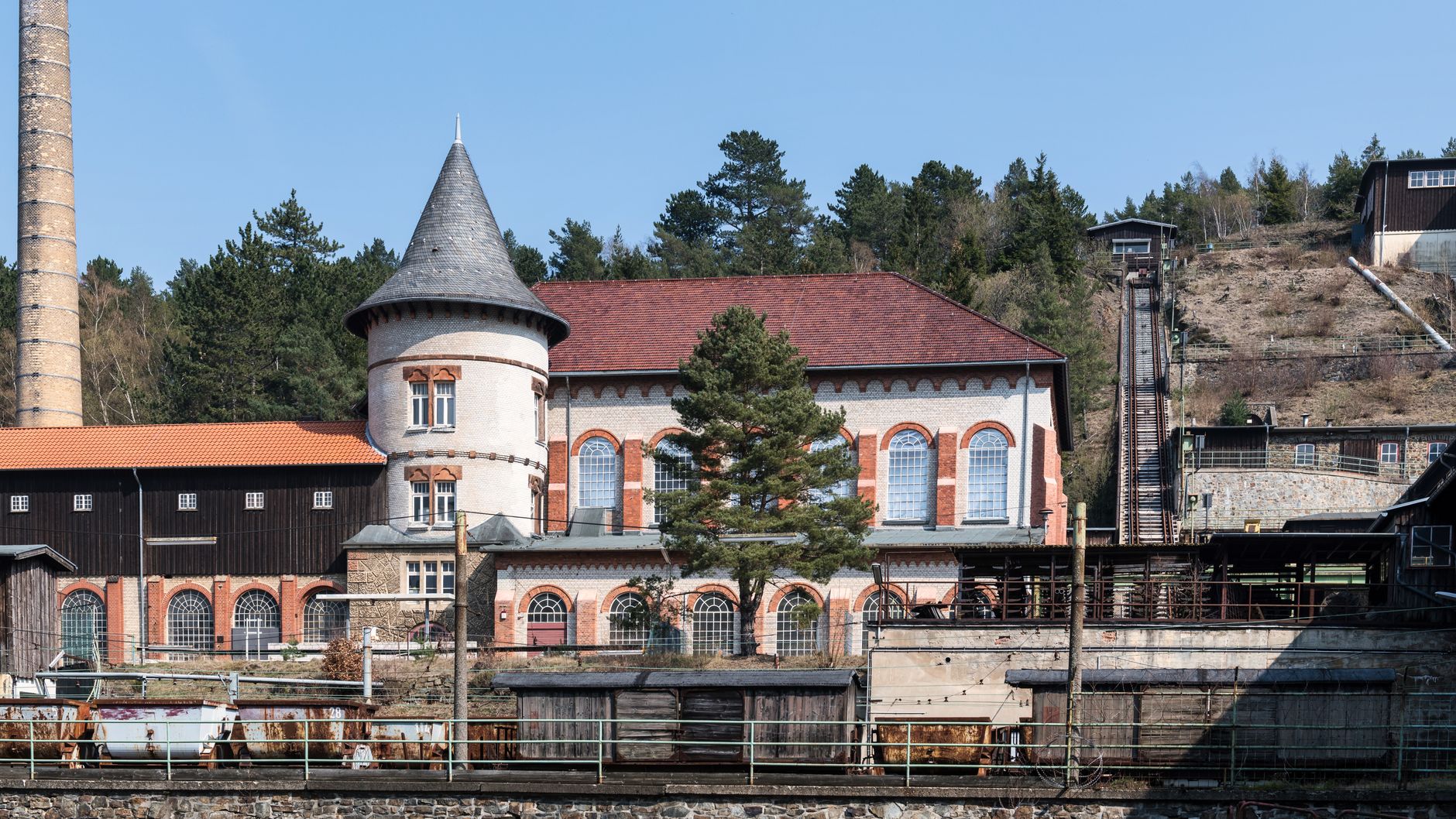
The two settlements have separate origin stories. Traben appears in records as early as 830, when Emperor Louis the Pious granted it to the minster at Aachen. Trarbach followed in 1142 and received its city charter in 1254, serving as the seat of the Counts of Sponheim until 1437. France seized Traben in 1683–84 and Vauban built Mont-Royal above the town — ramparts 30 metres high, three kilometres long, capacity for 12,000 troops — only for it to be demolished under the 1697 Treaty of Ryswick. The foundations remain visible on the hillside.
Fire did more lasting damage than any army. The 1857 blaze left 1,400 of Trarbach's 1,700 inhabitants homeless and erased most of the medieval fabric. What replaced it, accelerated by the wine-trade boom of the late 19th century, was the Art Nouveau town you walk through today.
Who and what shaped it
People who shaped it
Landmark buildings
See Traben-Trarbach in motion
Plan your visit
On the map
When to go
Summers along this bend of the Moselle are warm and dry enough to sit outside along the river; the valley topography traps heat well into September. Winters are mild by German standards but grey, and many wine-related businesses reduce their hours between November and March.
Right now
Background & history adapted from Wikipedia (CC BY-SA) · specs from Wikidata (CC0) · weather from Open-Meteo · map data © OpenStreetMap contributors · photos from Wikimedia Commons / Unsplash with per-image credit. No third-party reviews or social posts reproduced.