
Nuremberg
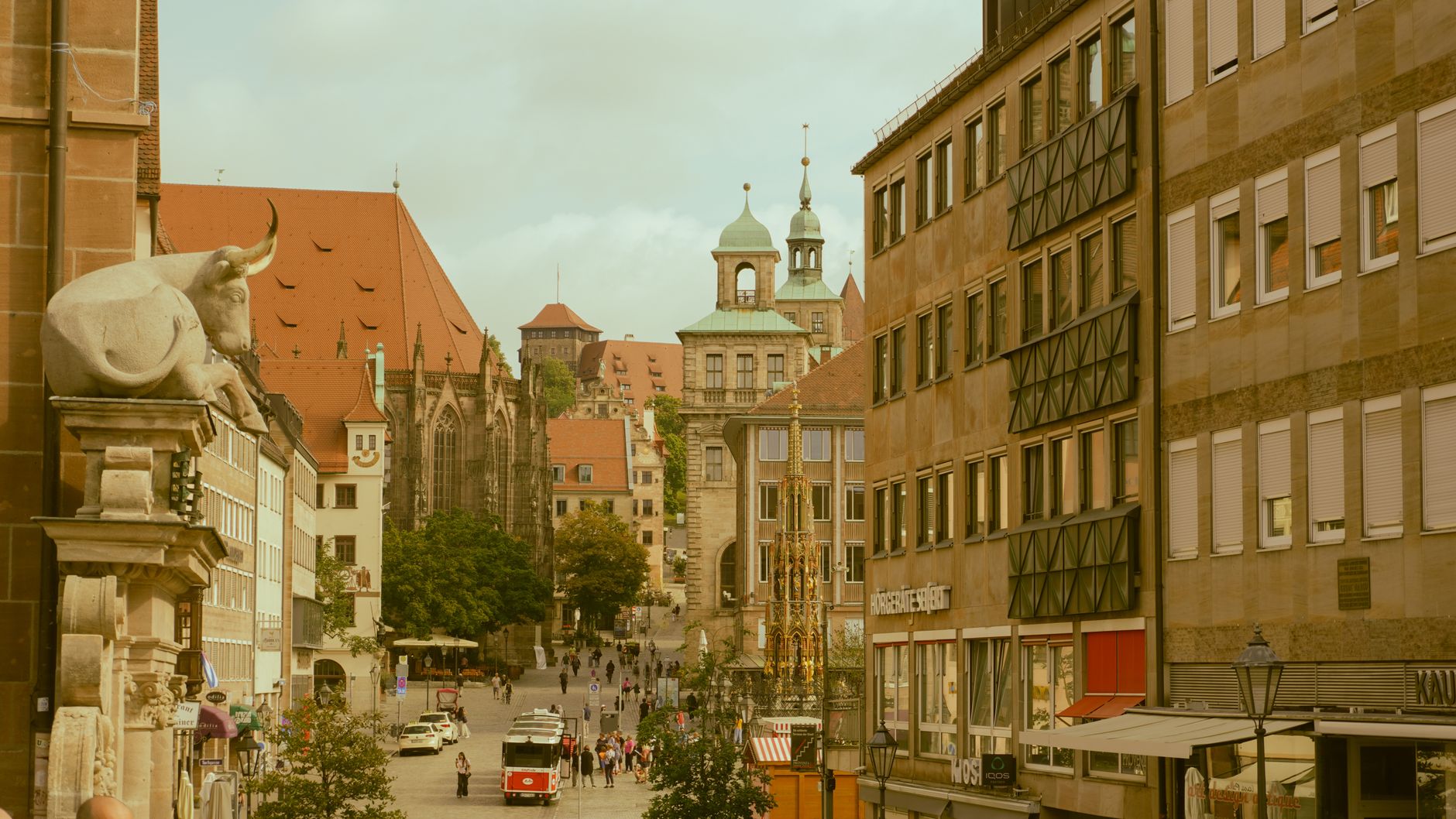
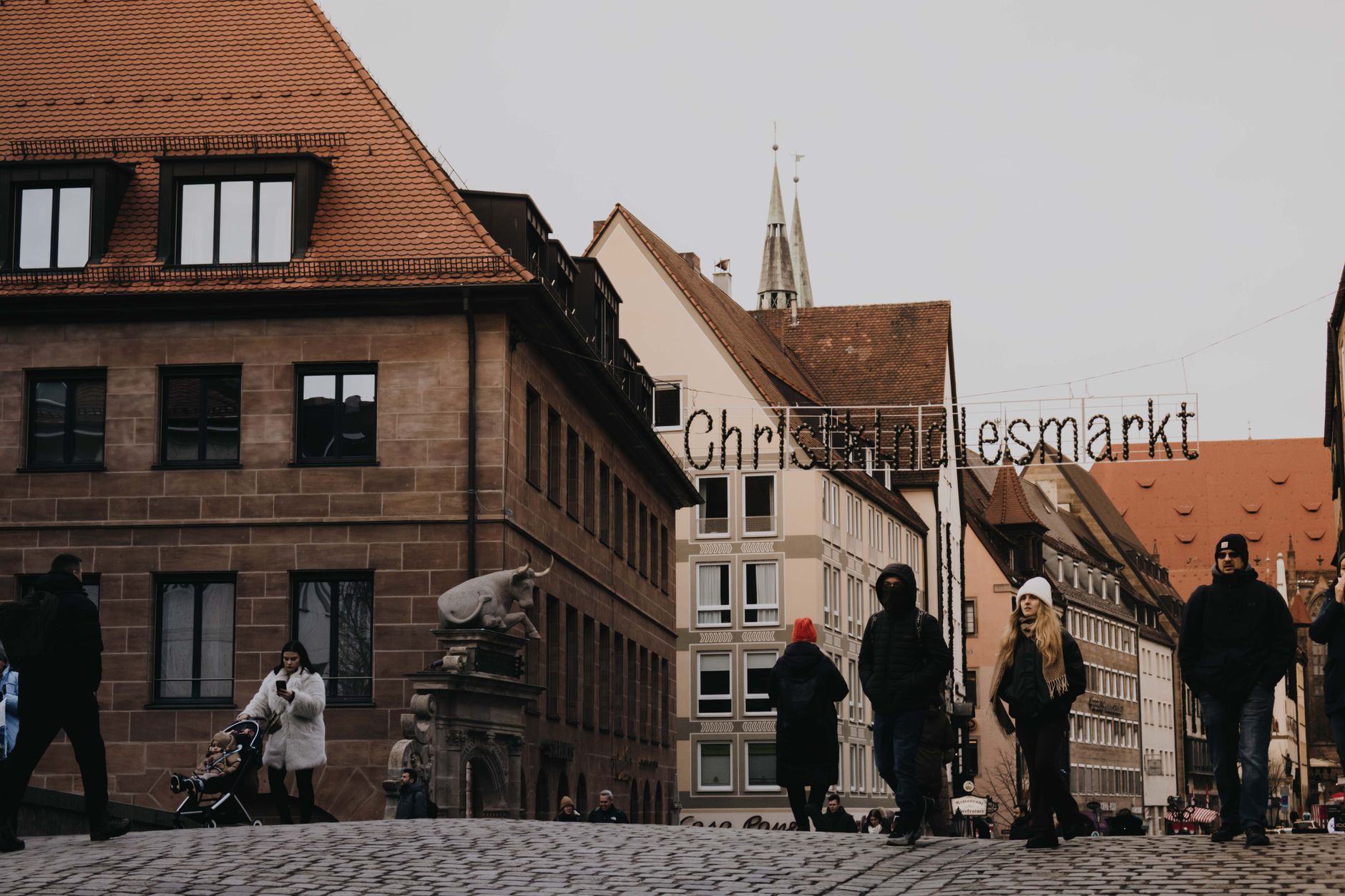
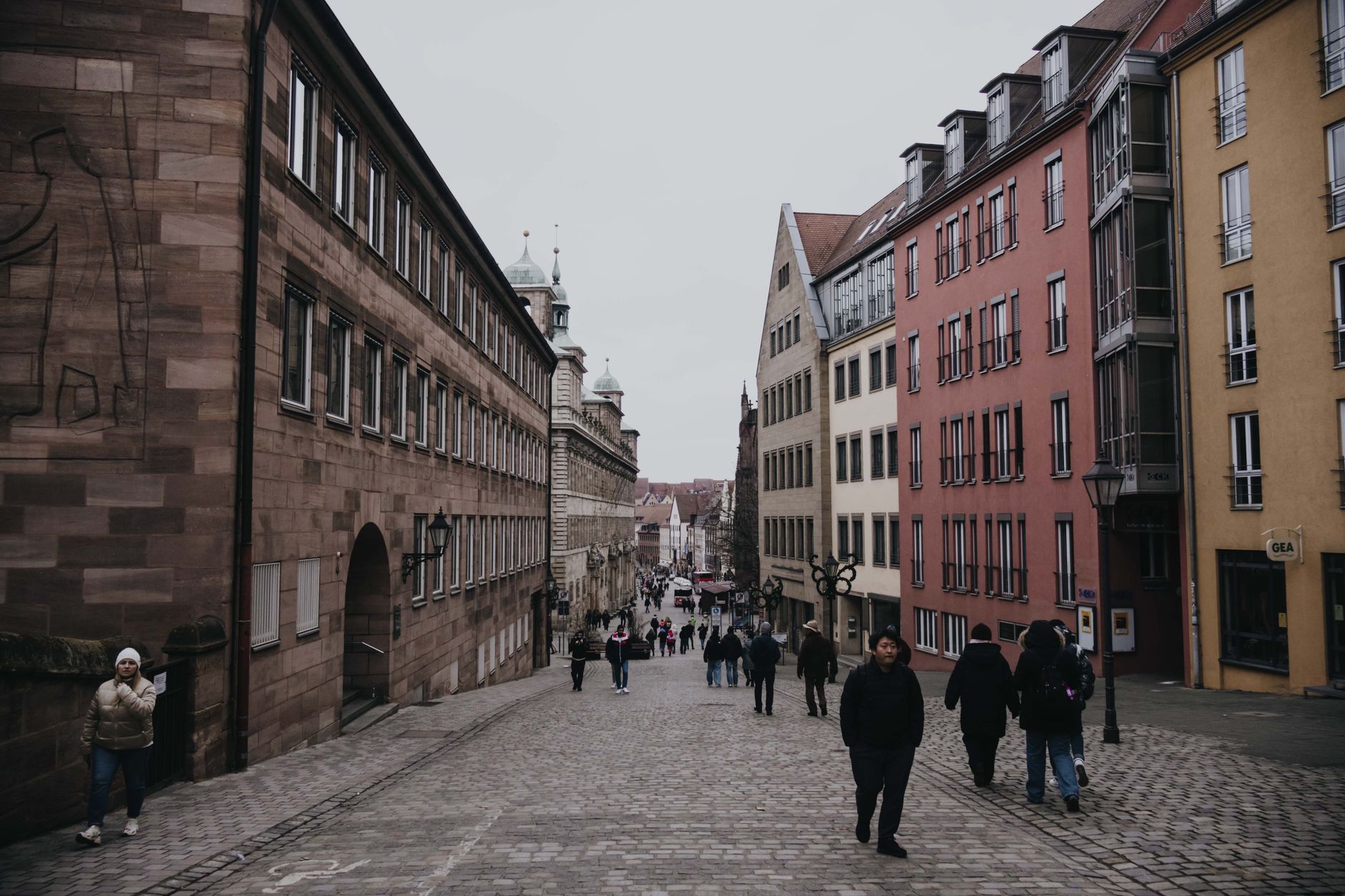
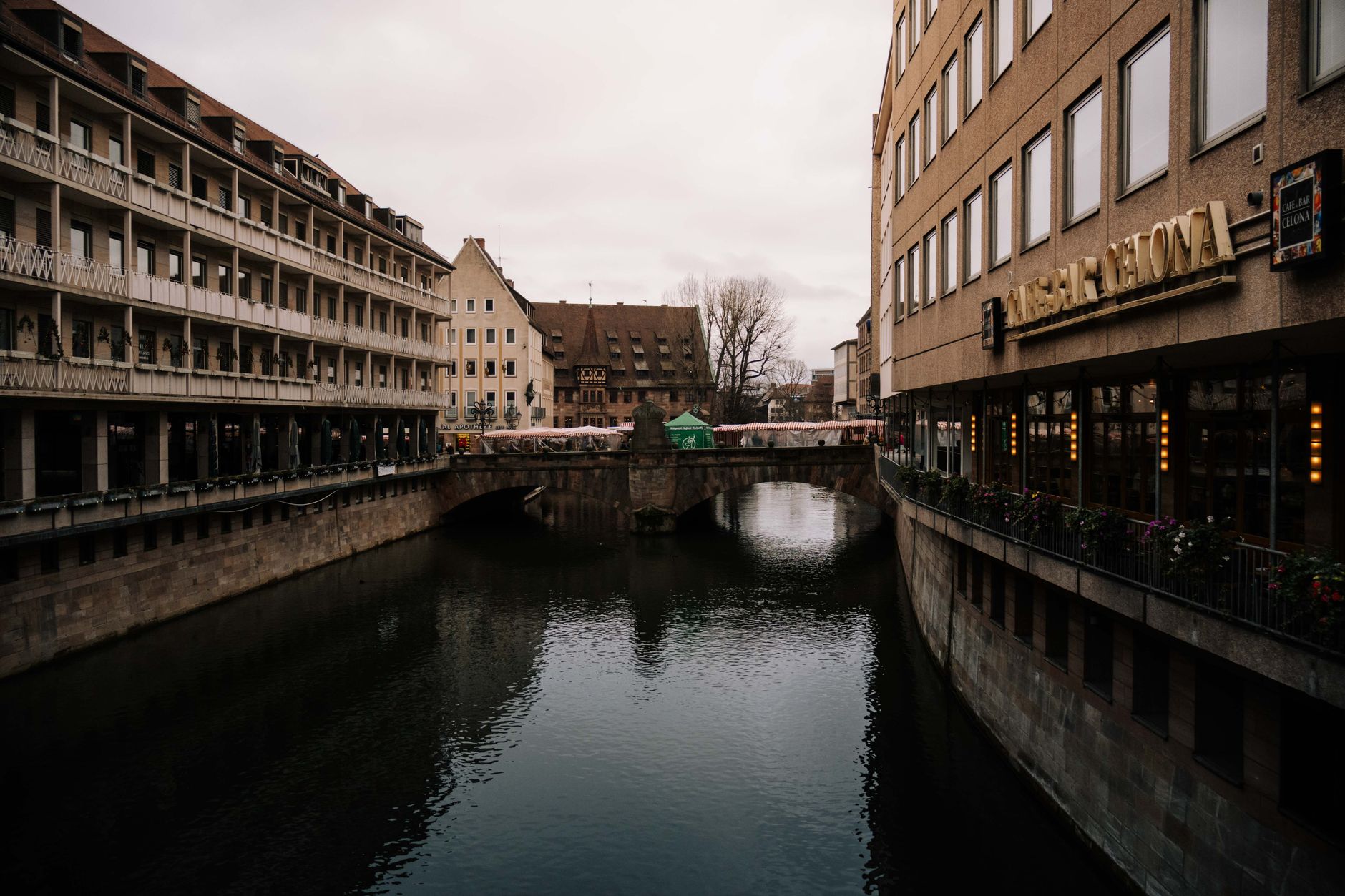
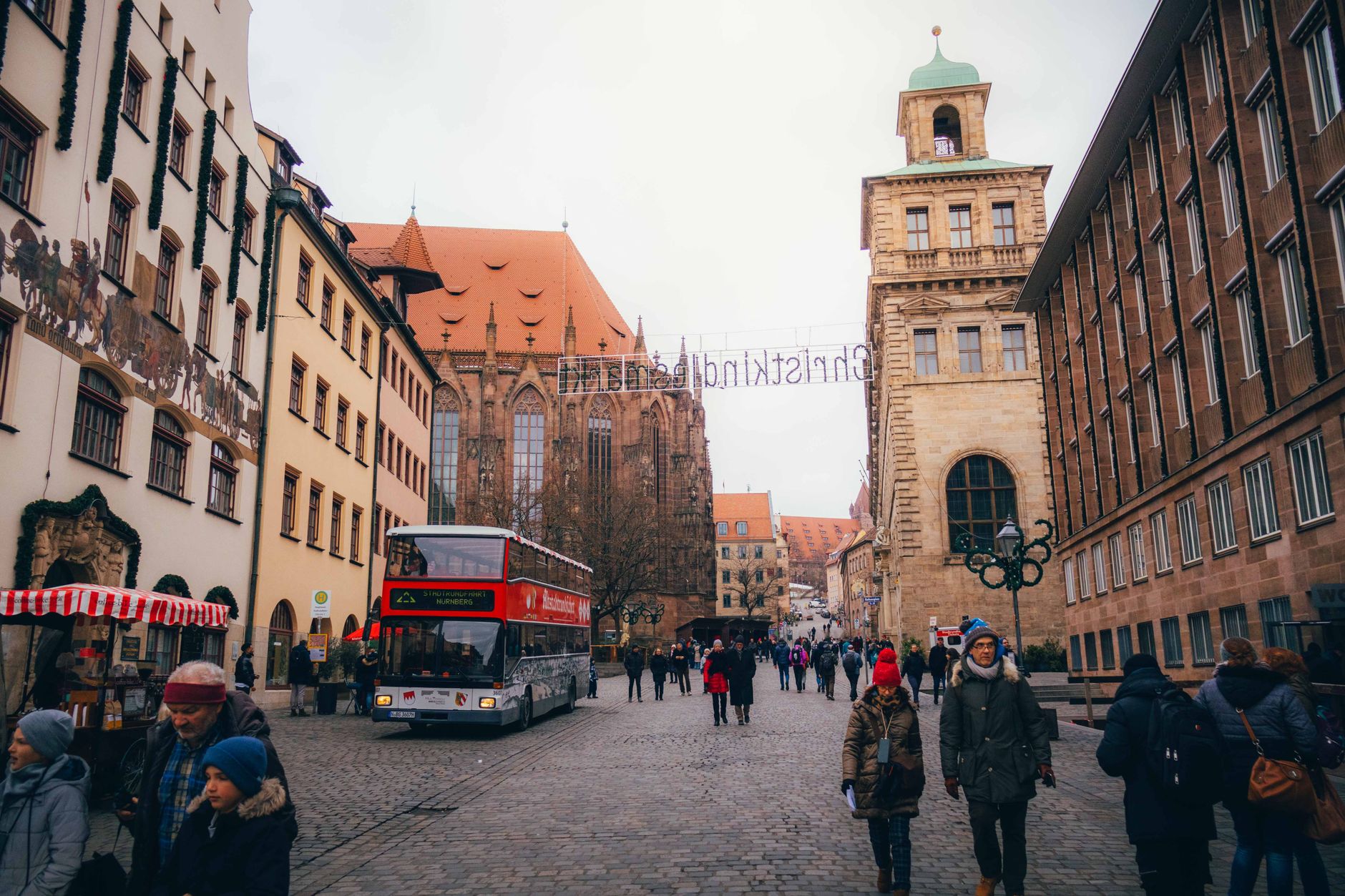
Nuremberg sits at a kind of permanent crossroads between what Germany was and what it chose to become. The sandstone castle above the old town has stood since around 1030, and the medieval street plan below it — Weissgerbergasse with its pastel timber-framed houses, the 19-metre Gothic spire of the Schöner Brunnen on the Hauptmarkt — was rebuilt after Allied bombing destroyed ninety percent of the city in a single hour on 2 January 1945. The decision to reconstruct within the original medieval contours rather than start fresh is what you're walking through.
Three kilometres southeast, the vast concrete shell of the Nazi Party Rally Grounds — eleven square kilometres beside the Grosser Dutzendteich lake — makes a different kind of demand on your attention. Nuremberg holds both things without flinching, and that is what makes it worth your time.
💛 What travellers fall for
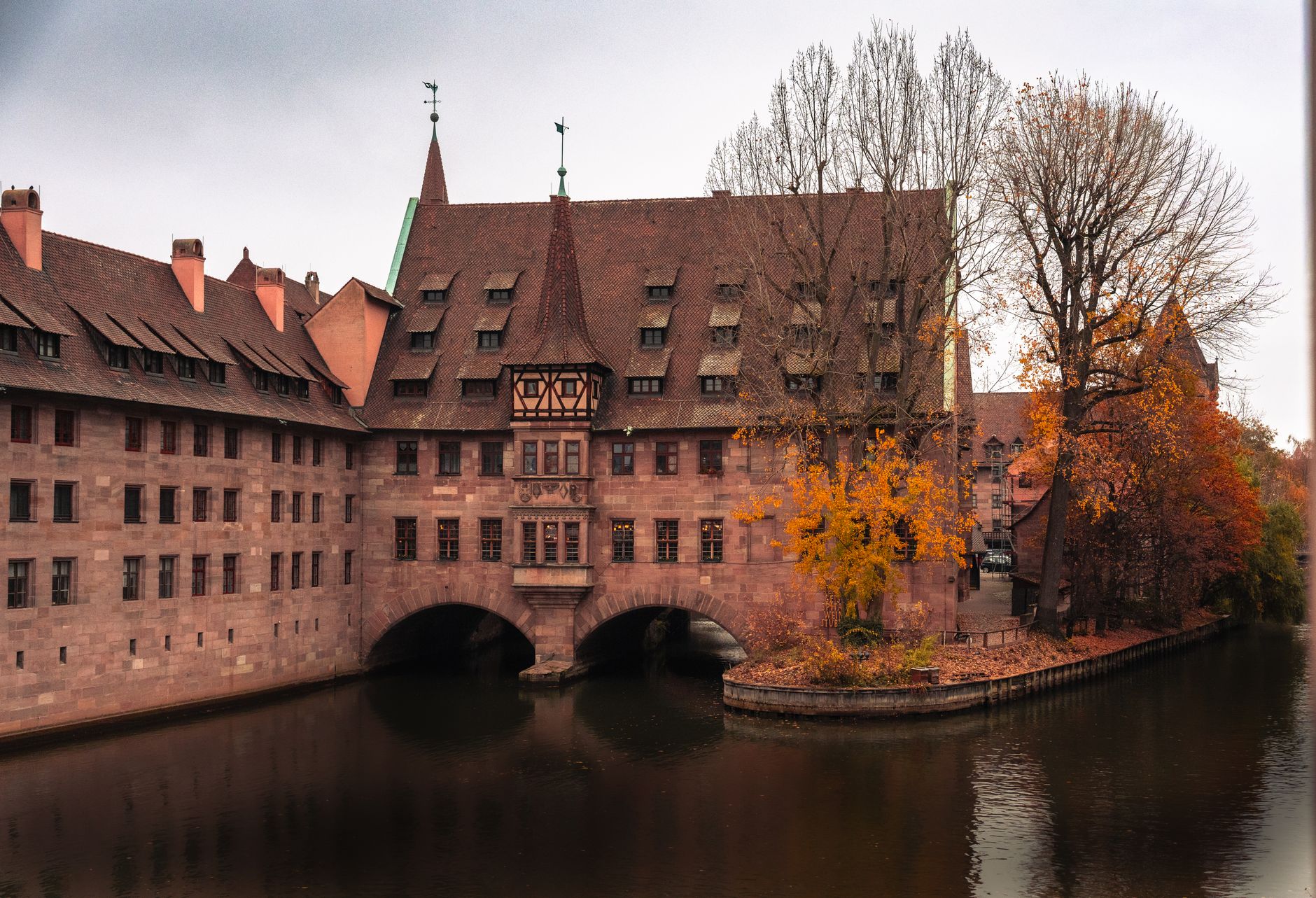
People who come back tend to arrive via Hauptbahnhof and walk straight through the Königstor gate rather than taking any transit — that ten-minute approach sets the city up properly. They also mention the Heilig-Geist-Spital: a medieval hospital founded in 1332, now partly a restaurant, built on arches over the river Pegnitz. Lunch there before the Kaiserburg climb is a reliable sequence.
Deals in Nuremberg
Book directly at the provider

How Nuremberg came to be
A document from 1050 gives Nuremberg its first written mention, but the castle on the sandstone crag above the city predates that by roughly twenty years. By 1219 the settlement had become a Free Imperial City with the right to govern itself, and the Golden Bull of 1356 — Charles IV's constitutional document — named Nuremberg as the place where newly elected German kings must hold their first Imperial Diet. In 1423, Emperor Sigismund entrusted the Imperial regalia to the city; they remained here until French troops forced their removal in 1796.
The late 15th and early 16th centuries brought a different kind of authority. Albrecht Dürer was born here in 1471, and his contemporaries — sculptor Veit Stoss, brass founder Peter Vischer, stonecutter Adam Kraft, cobbler-poet Hans Sachs — made Nuremberg a centre of German artistic life. The humanist Willibald Pirkheimer, astronomer Regiomontanus, and Martin Behaim, who designed the world's first globe, gave the city an equal reputation for learning.
Who and what shaped it
People who shaped it
Landmark buildings
See Nuremberg in motion
Plan your visit
On the map
When to go
Summers are warm and generally sunny, with July averaging around 19°C — good walking weather. Winters are cold and often grey, with temperatures regularly below freezing from December through February; the city's famous Christmas market runs through those short, dark December days.
Right now
Background & history adapted from Wikipedia (CC BY-SA) · specs from Wikidata (CC0) · weather from Open-Meteo · map data © OpenStreetMap contributors · photos from Wikimedia Commons / Unsplash with per-image credit. No third-party reviews or social posts reproduced.