
Lake Constance
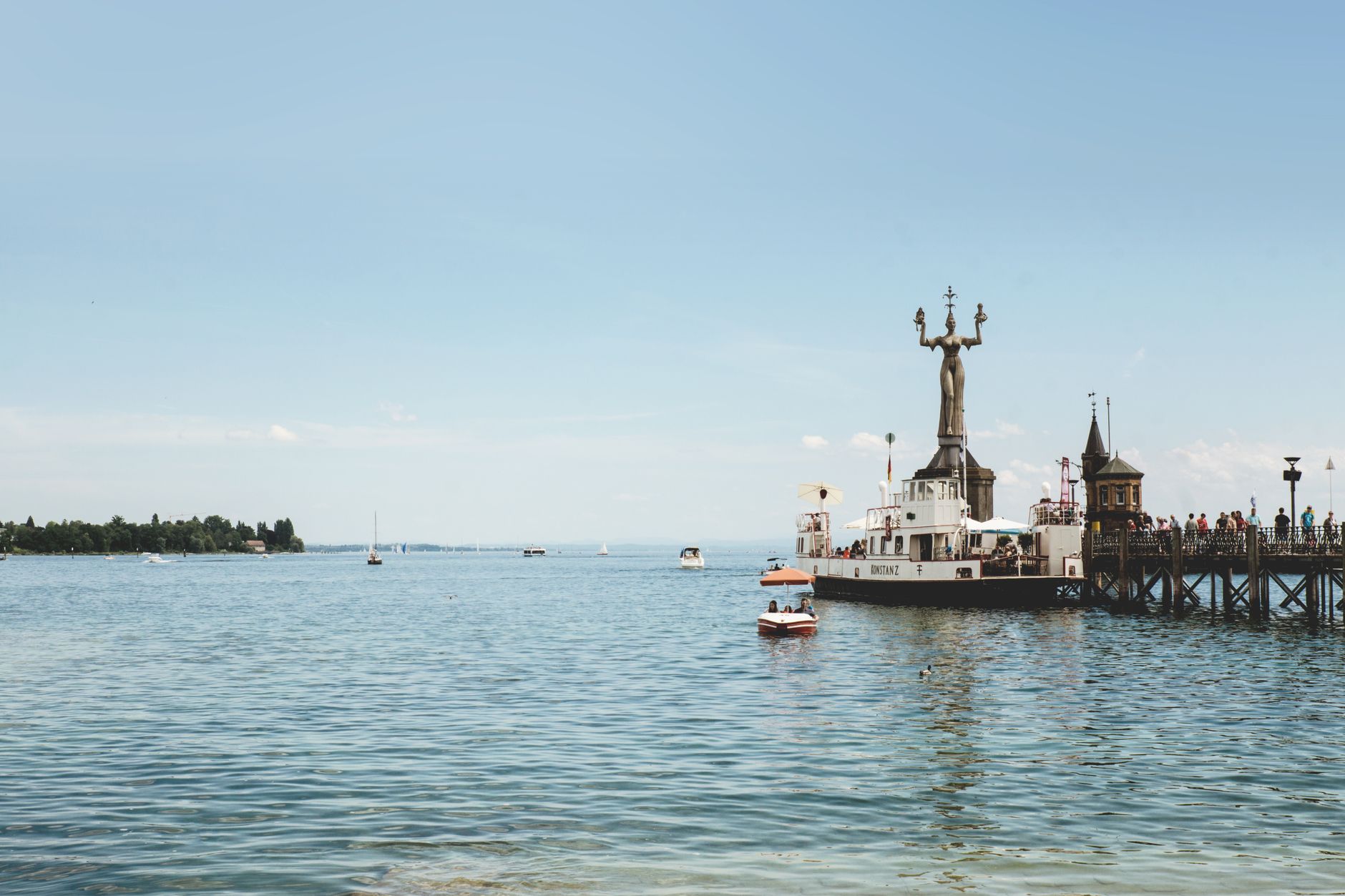
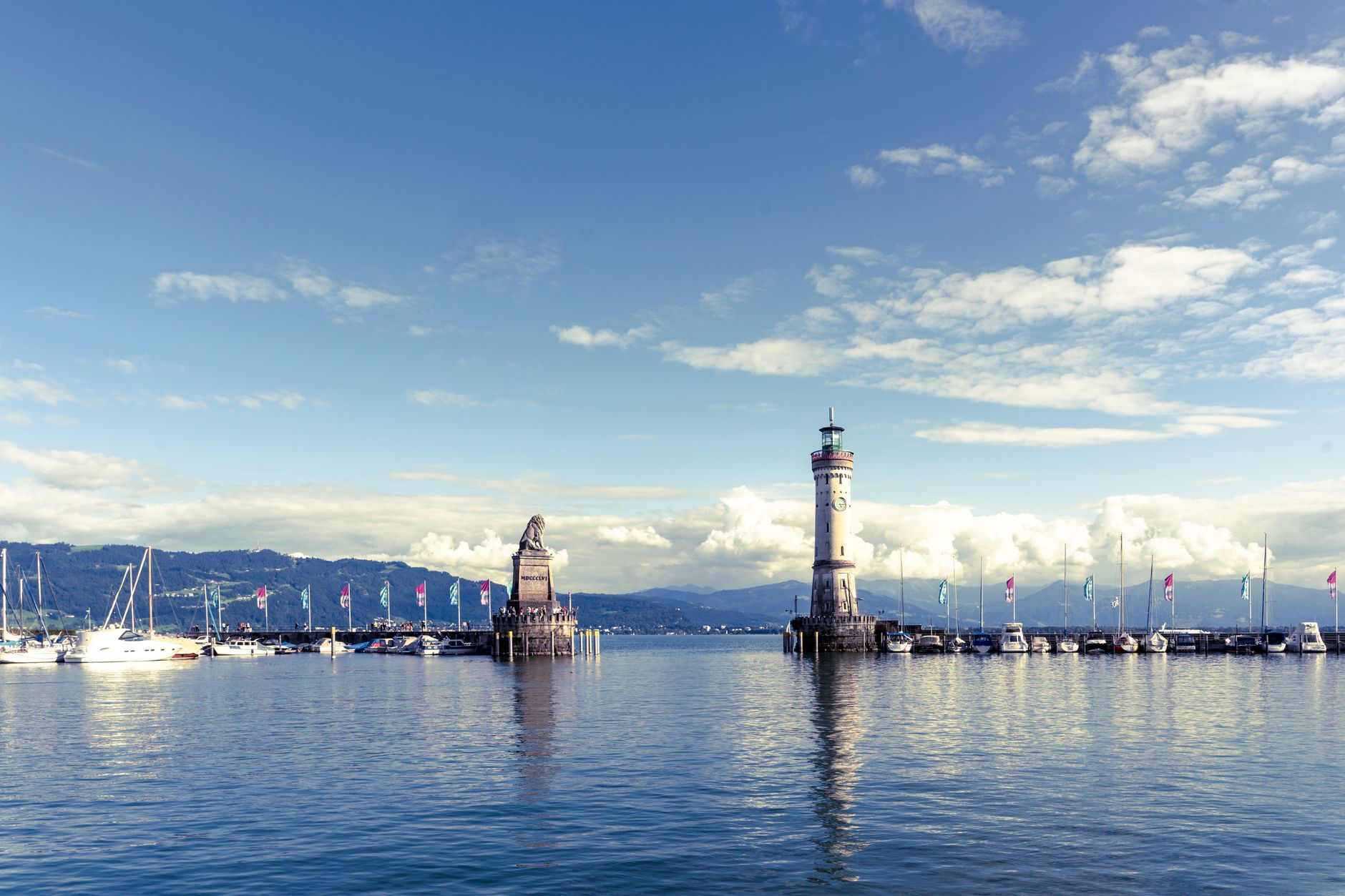
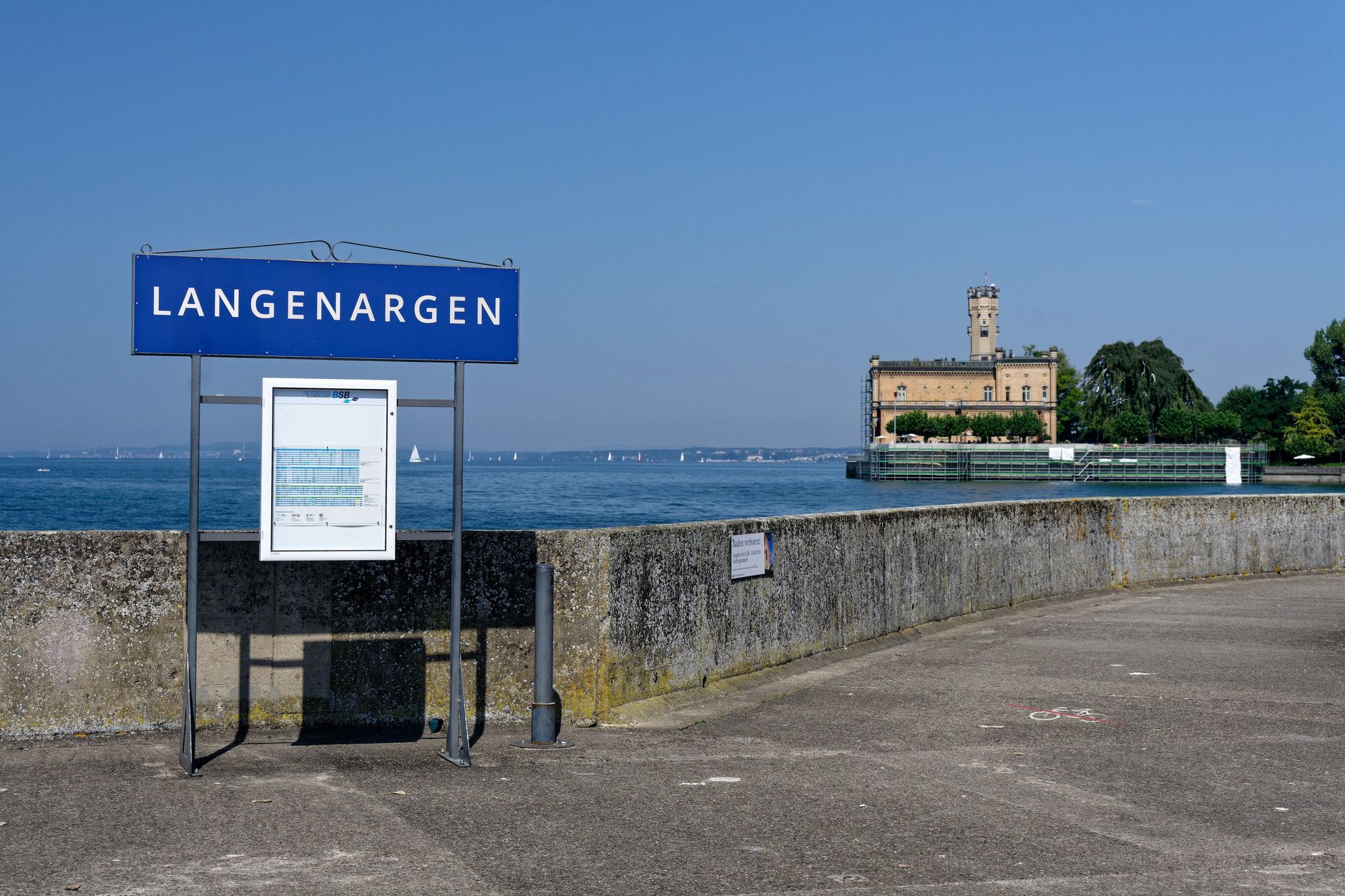
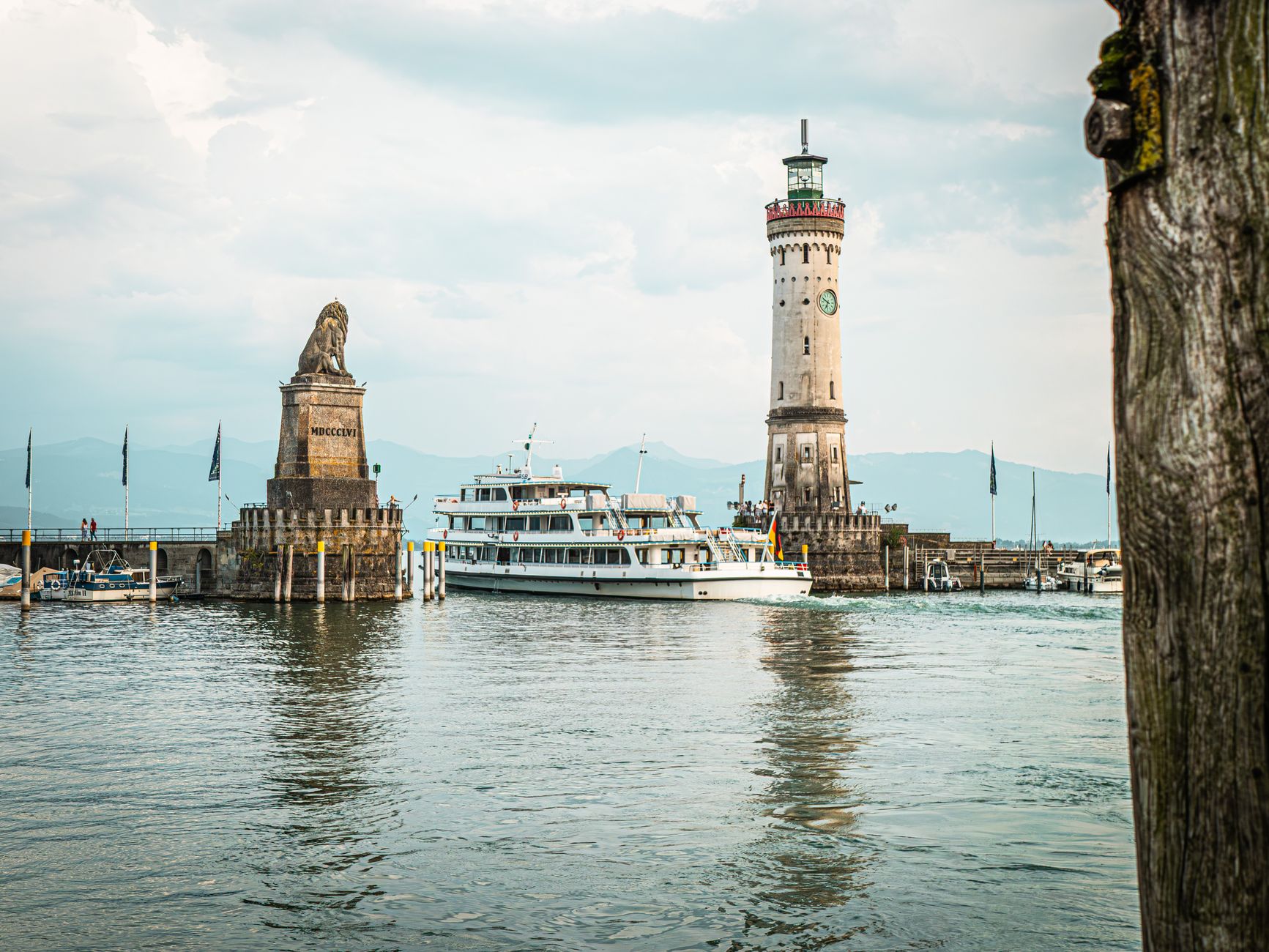
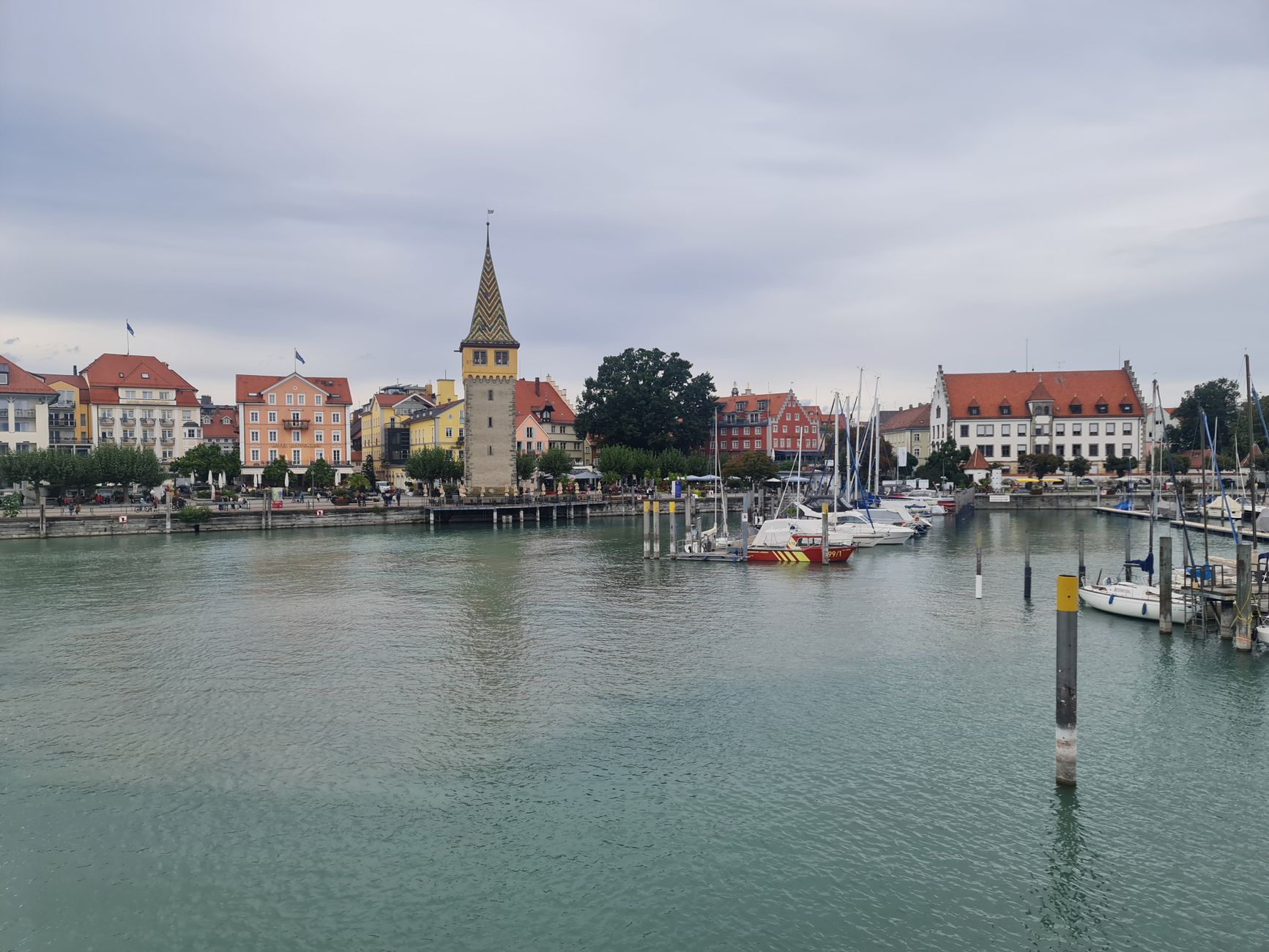
Lake Constance — the Bodensee — sits at the point where Germany, Austria and Switzerland converge, its 536 square kilometres of water so wide that on hazy mornings the far shore disappears entirely. Three countries, two UNESCO World Heritage Sites, a cycling path that rings the whole lake, and a harbour still guarded by a six-metre stone lion: the scale here is quietly disorienting.
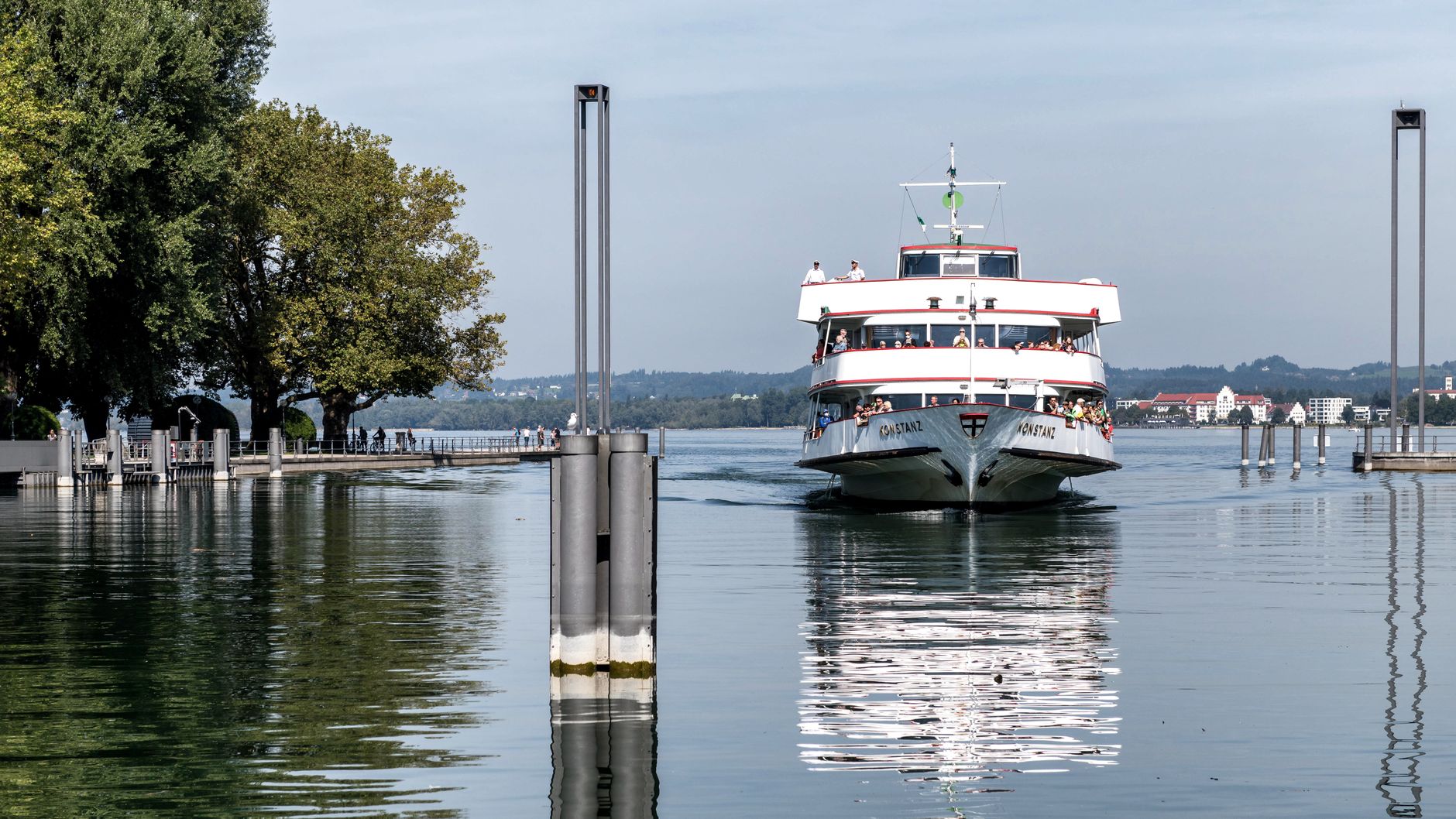
The lake rewards slow movement. Ferries and catamarans connect the towns, so you can leave your car in Konstanz, cross to Meersburg's cobbled streets, and be on Mainau Island among a million flowering plants before lunch. The water itself stays warm enough to swim well into September.
💛 What travellers fall for
Regulars tend to anchor in Konstanz and radiate outward by boat rather than road. They book the Bregenz Festival stage early — opera on the water, with the Alps behind — and time a morning on Reichenau Island before the day-trippers arrive. The Bodensee Card PLUS pays for itself fast if you're spending more than two nights.
How Lake Constance came to be
The lake's shape is the Rhine Glacier's work — it carved a valley 500 metres deep roughly 30,000 years ago. By the time Romans arrived, people had been living in lake-dwelling settlements here for millennia. The geographer Pomponius Mela named the waters in 43 AD; a few decades earlier, the Roman Alpine campaign of 16/15 BC had folded the whole region into the empire.
Christianity reshaped the lake's identity: Reichenau Abbey became a centre of Carolingian learning, and Konstanz Cathedral, consecrated in 1089, anchored a diocese that lasted until 1821. The Council of Constance (1414–1418) convened here to resolve the Western Schism — one of the most consequential ecclesiastical gatherings of the Middle Ages. In 1900, Ferdinand von Zeppelin flew his first airship over these same waters.
Who and what shaped it
People who shaped it
Landmark buildings
See Lake Constance in motion
Plan your visit
On the map
When to go
Summer runs warm to genuinely hot — expect 26–33°C through July and August, easing toward 20°C by late September, when the crowds thin and the light turns golden. Winters are cold and quiet; most boat services and outdoor attractions scale back significantly outside the May–October window.
Right now
Background & history adapted from Wikipedia (CC BY-SA) · specs from Wikidata (CC0) · weather from Open-Meteo · map data © OpenStreetMap contributors · photos from Wikimedia Commons / Unsplash with per-image credit. No third-party reviews or social posts reproduced.