
Romantic Road
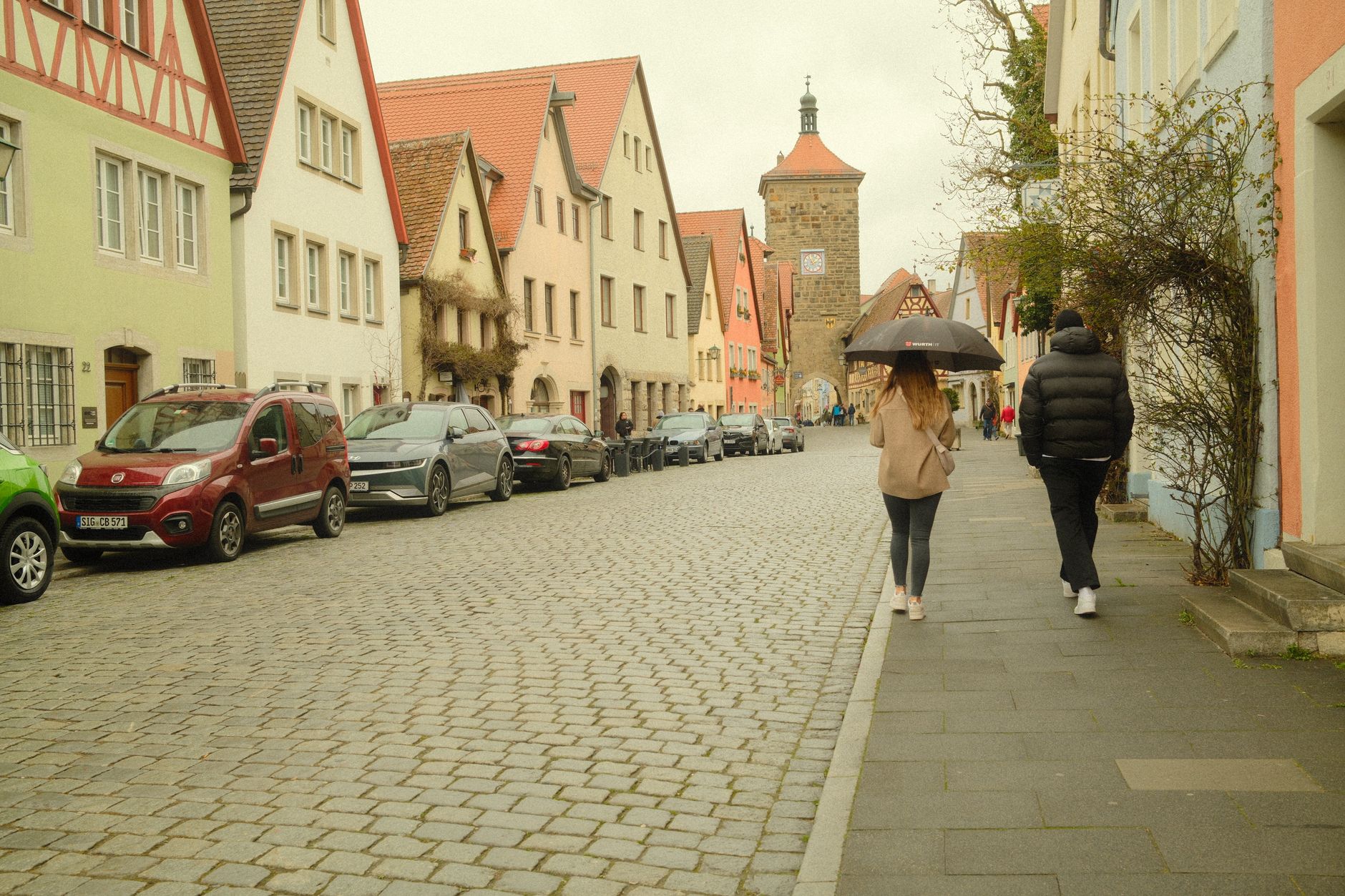
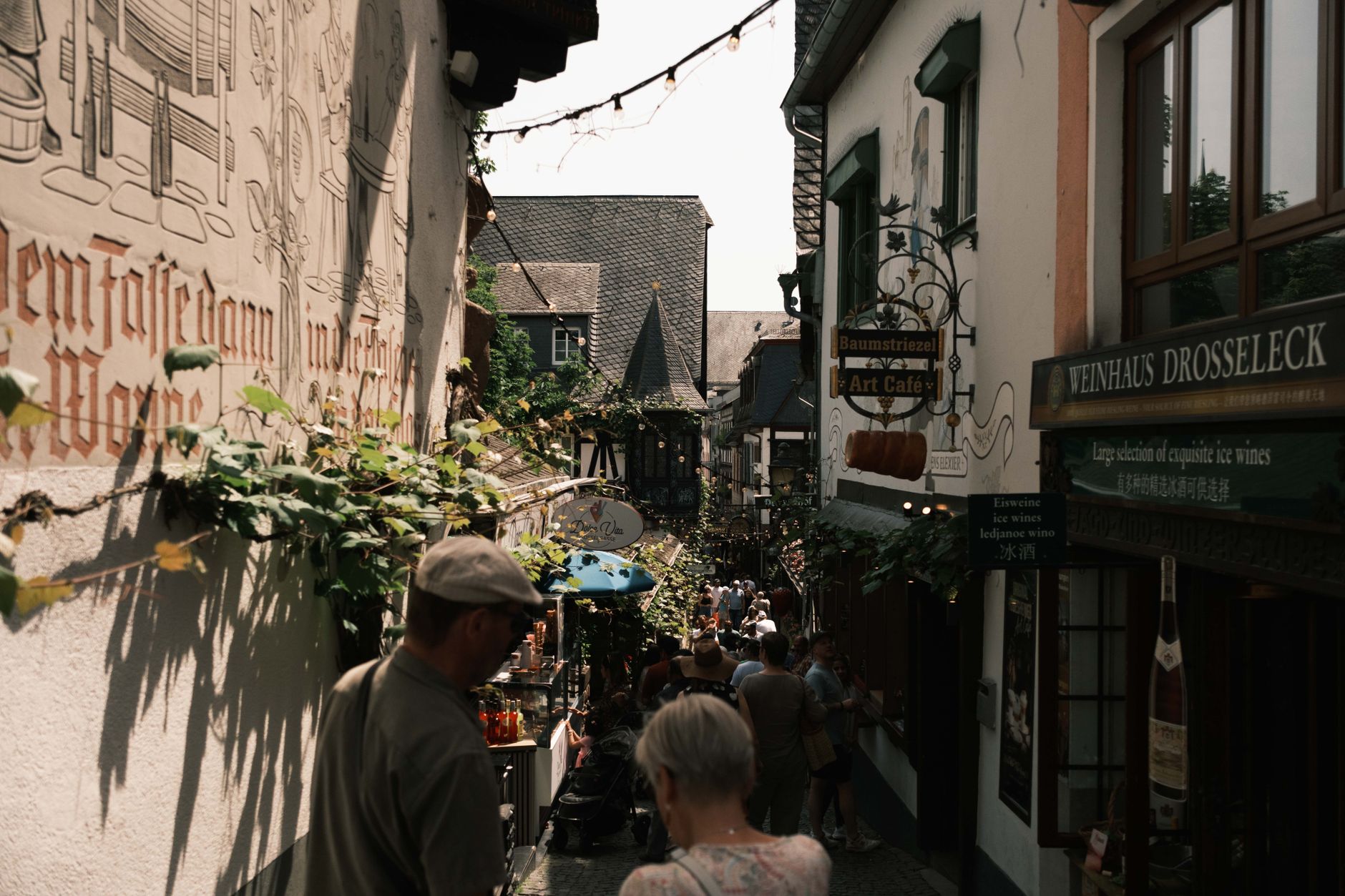
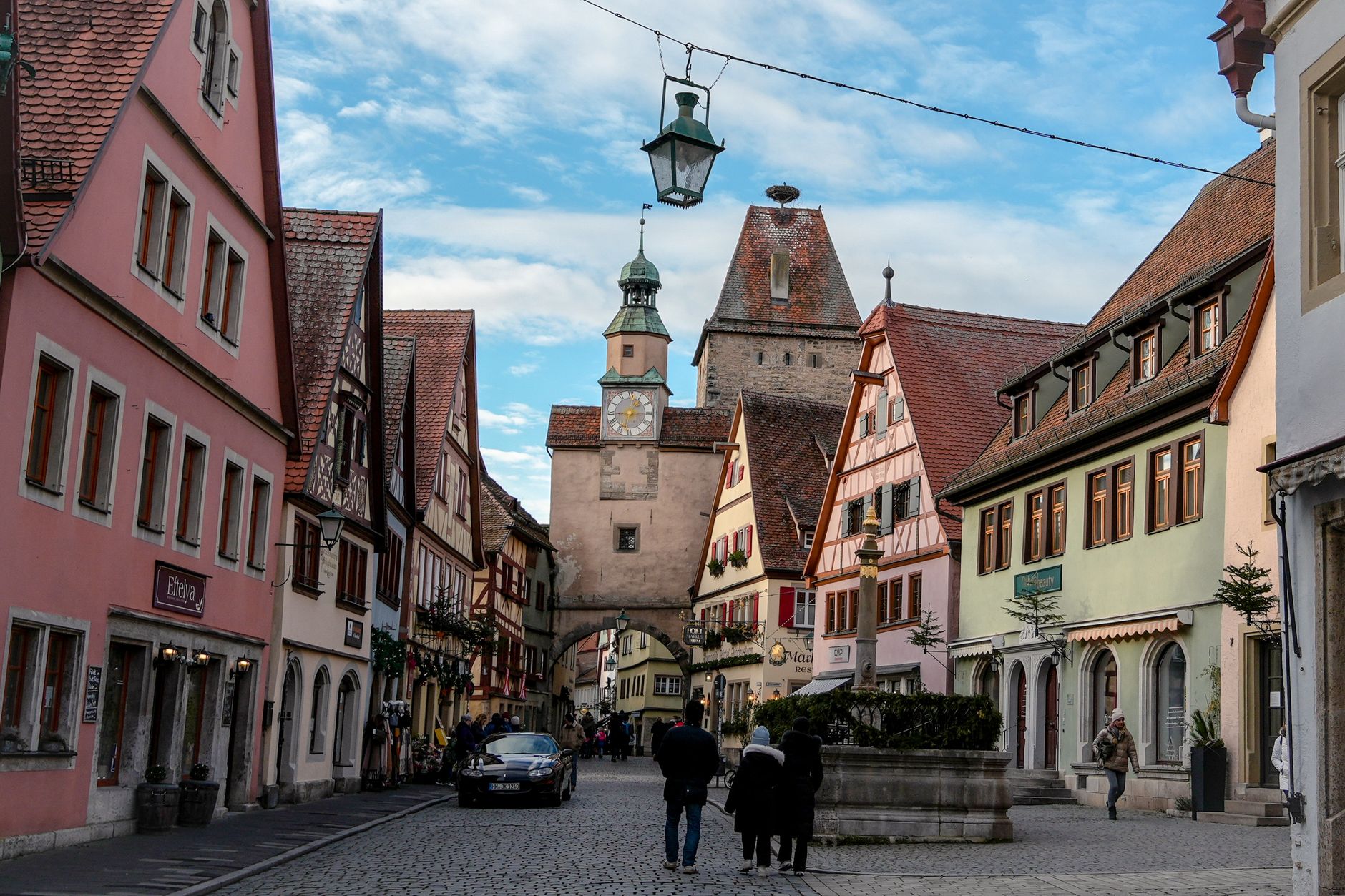
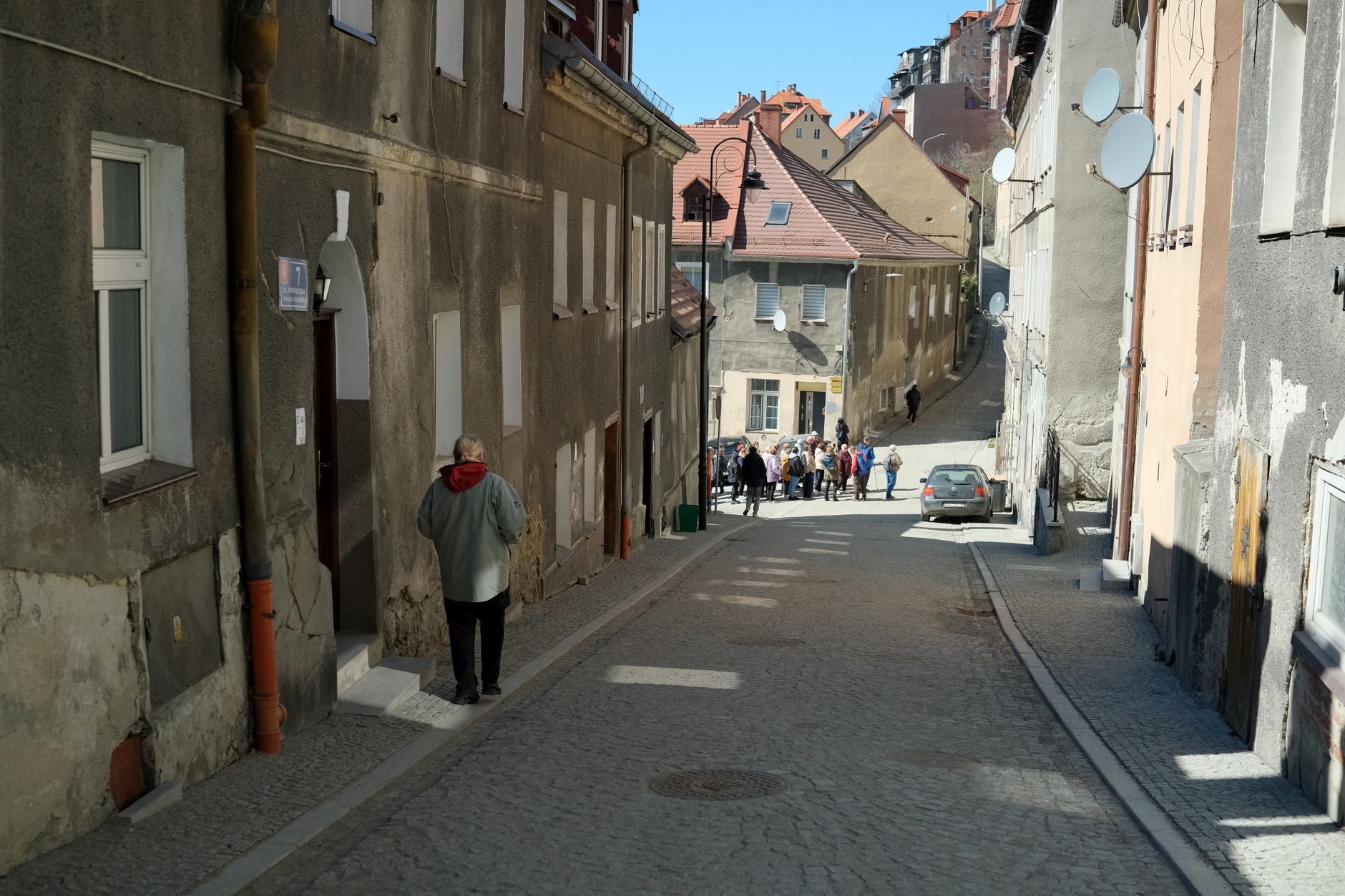
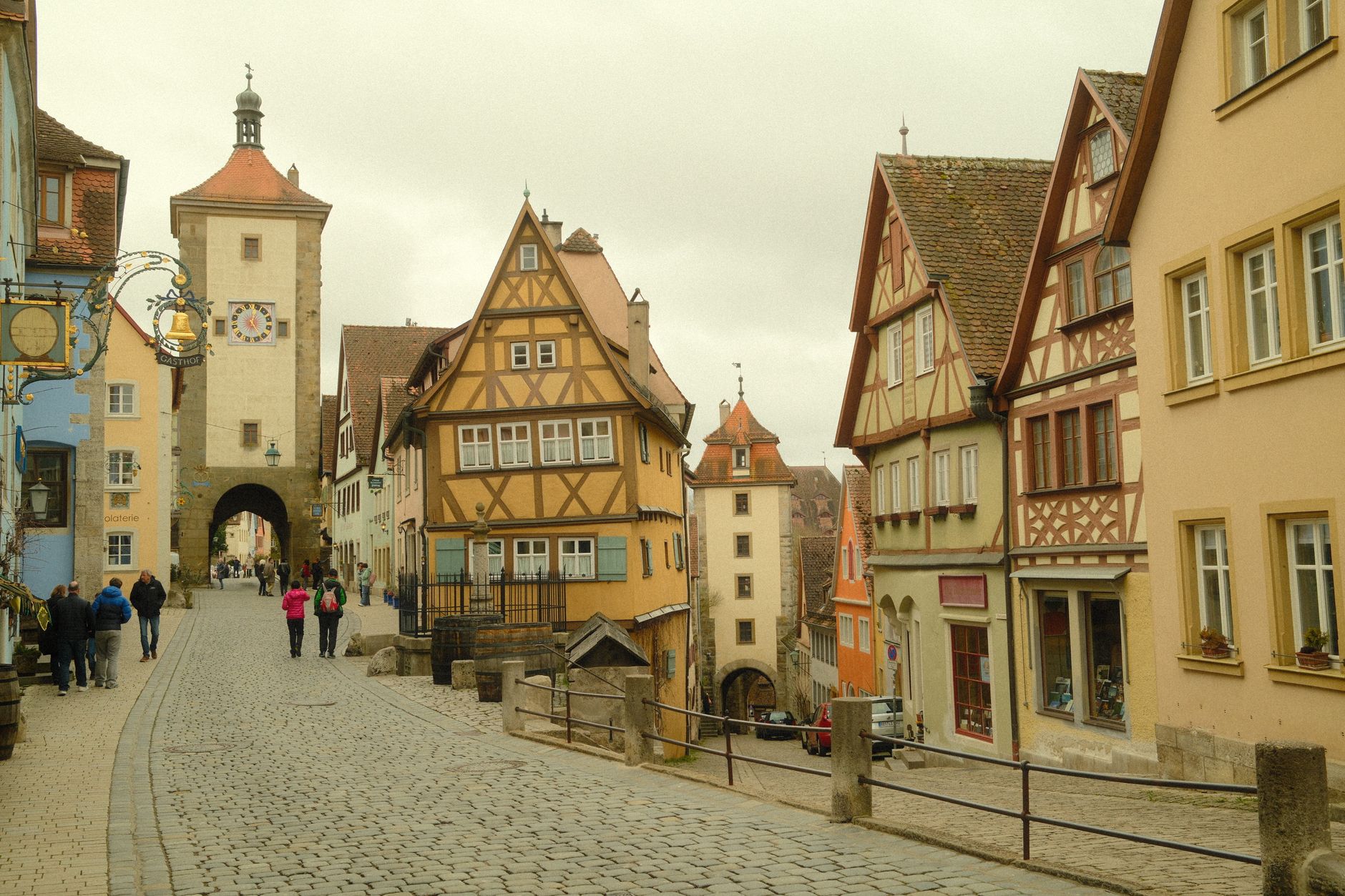
The Romantic Road runs 460 kilometres through southern Germany, from the wine-country city of Würzburg down to Füssen at the foot of the Alps, threading together medieval market towns, walled cities and a 19th-century castle that a Disney artist once used as a reference sketch. What holds it together is not a single landscape or culture but a pace — the pace of surface roads, small squares and church towers that have been keeping the same hours for six centuries.
Along the way you pass Rothenburg ob der Tauber, where you can walk the full circuit of intact town fortifications, and Nördlingen, the only city on the route still entirely enclosed by its medieval wall. Würzburg's 350-room Residence, Augsburg's Roman foundations and the Wieskirche each earn their own stops.
Popular cities in Romantic Road
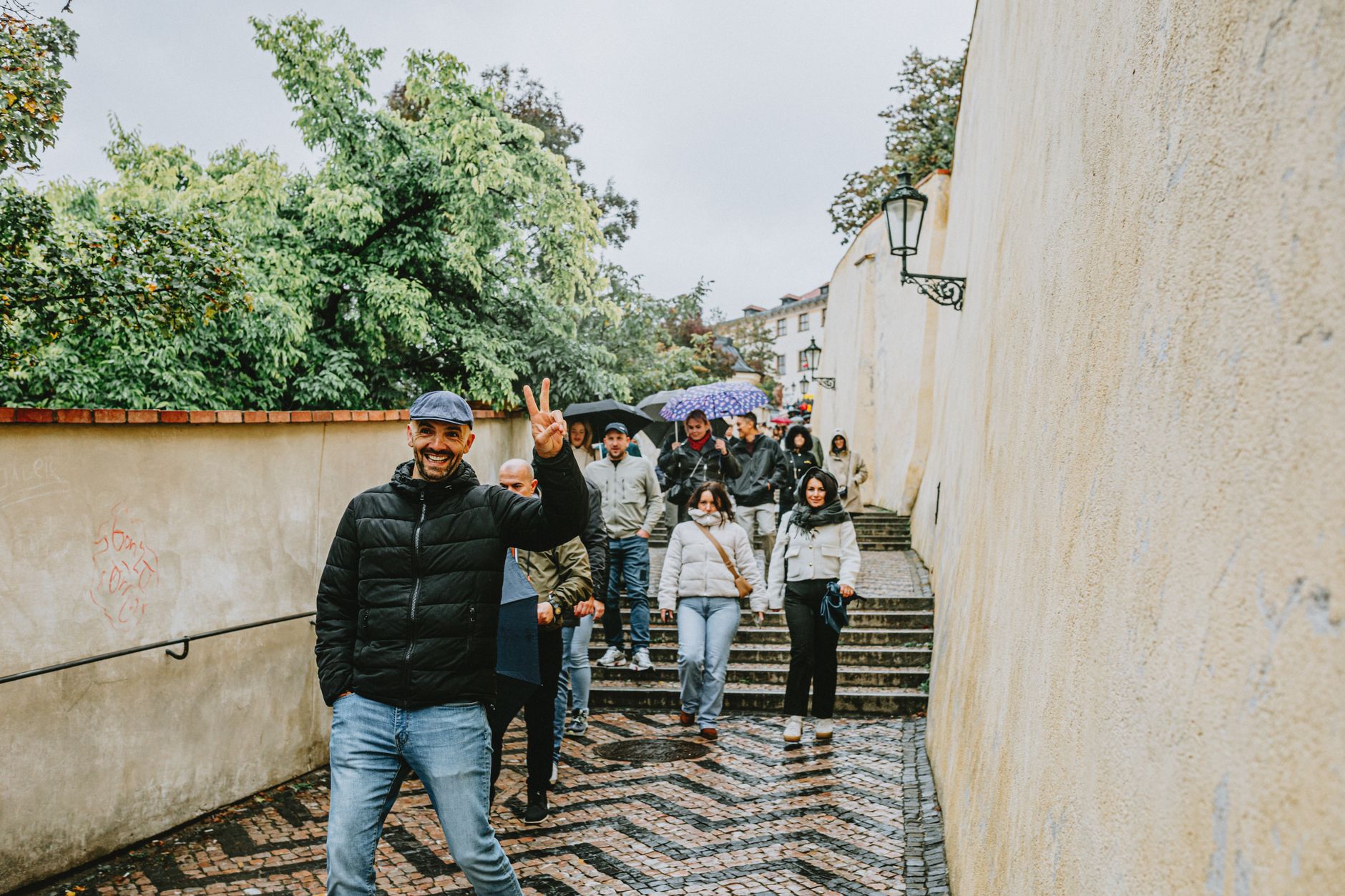
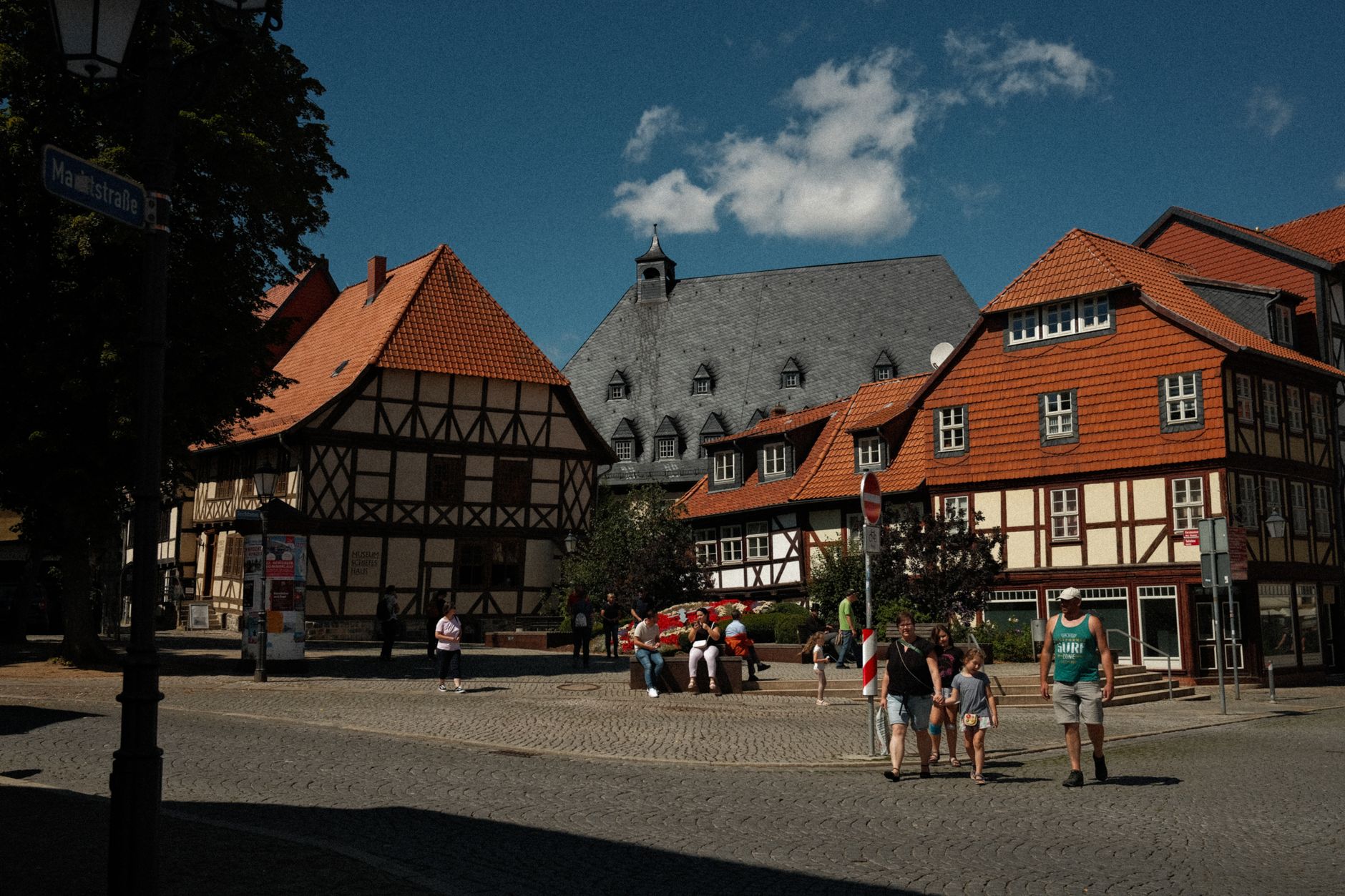
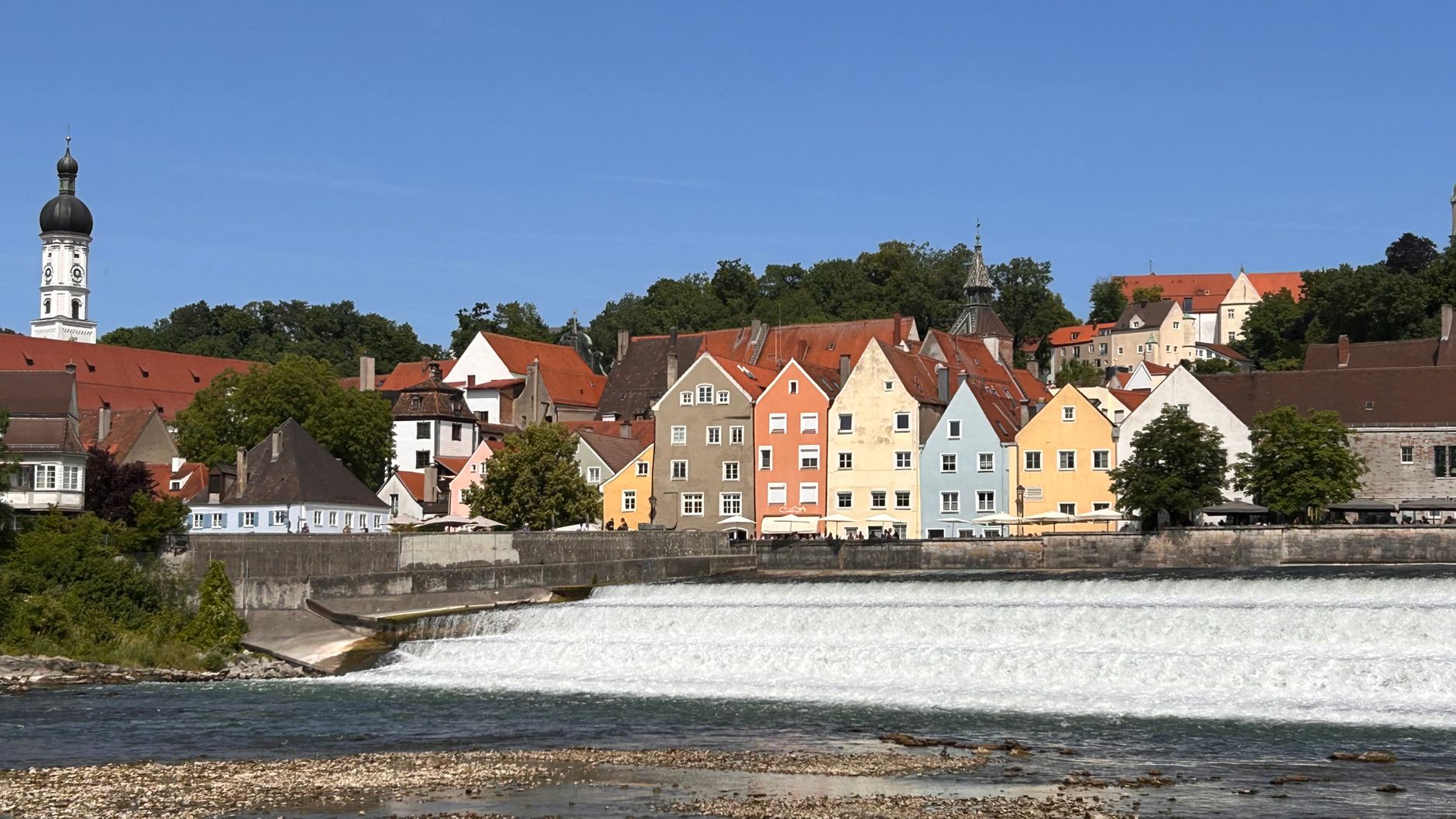
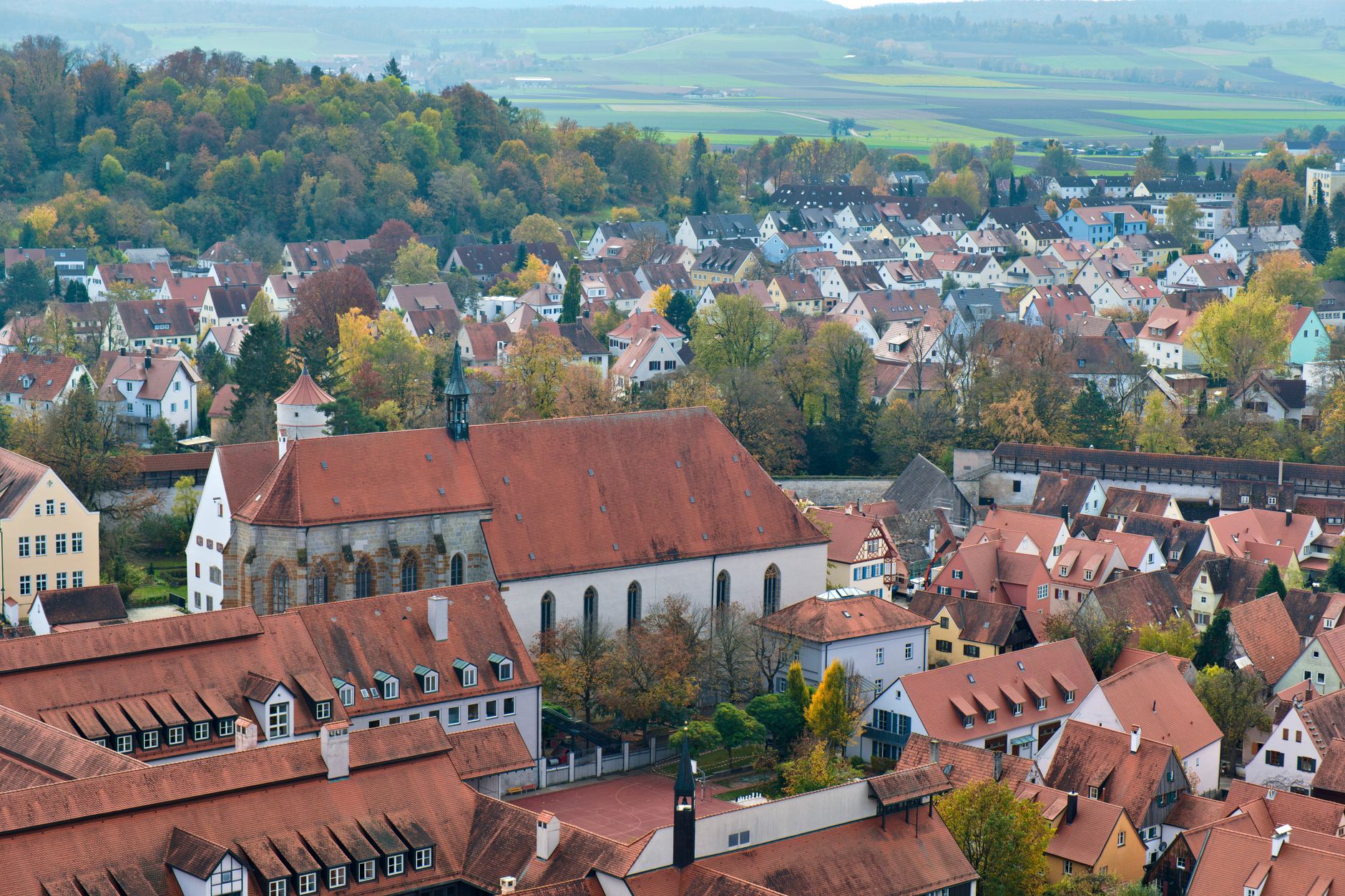
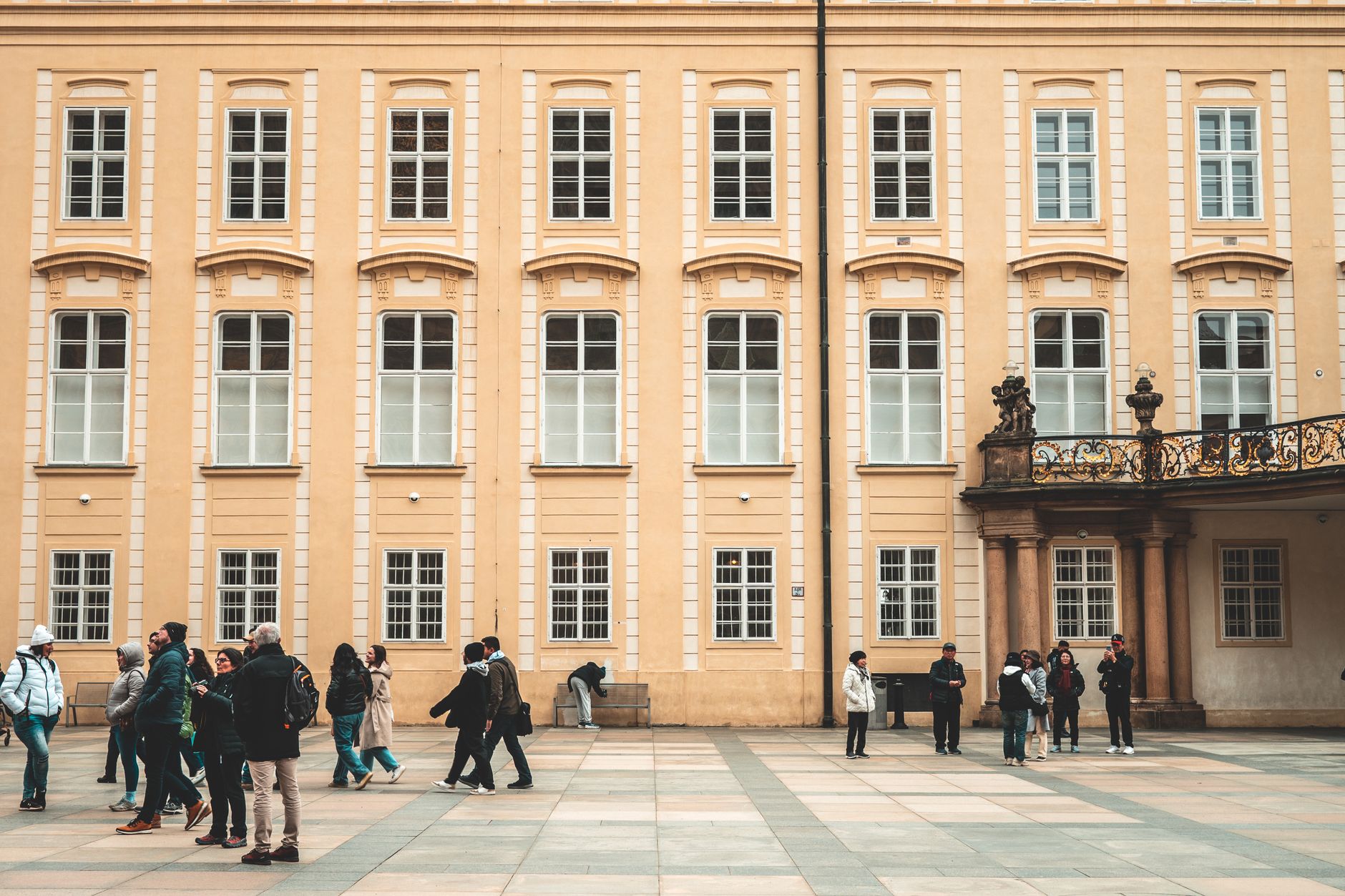
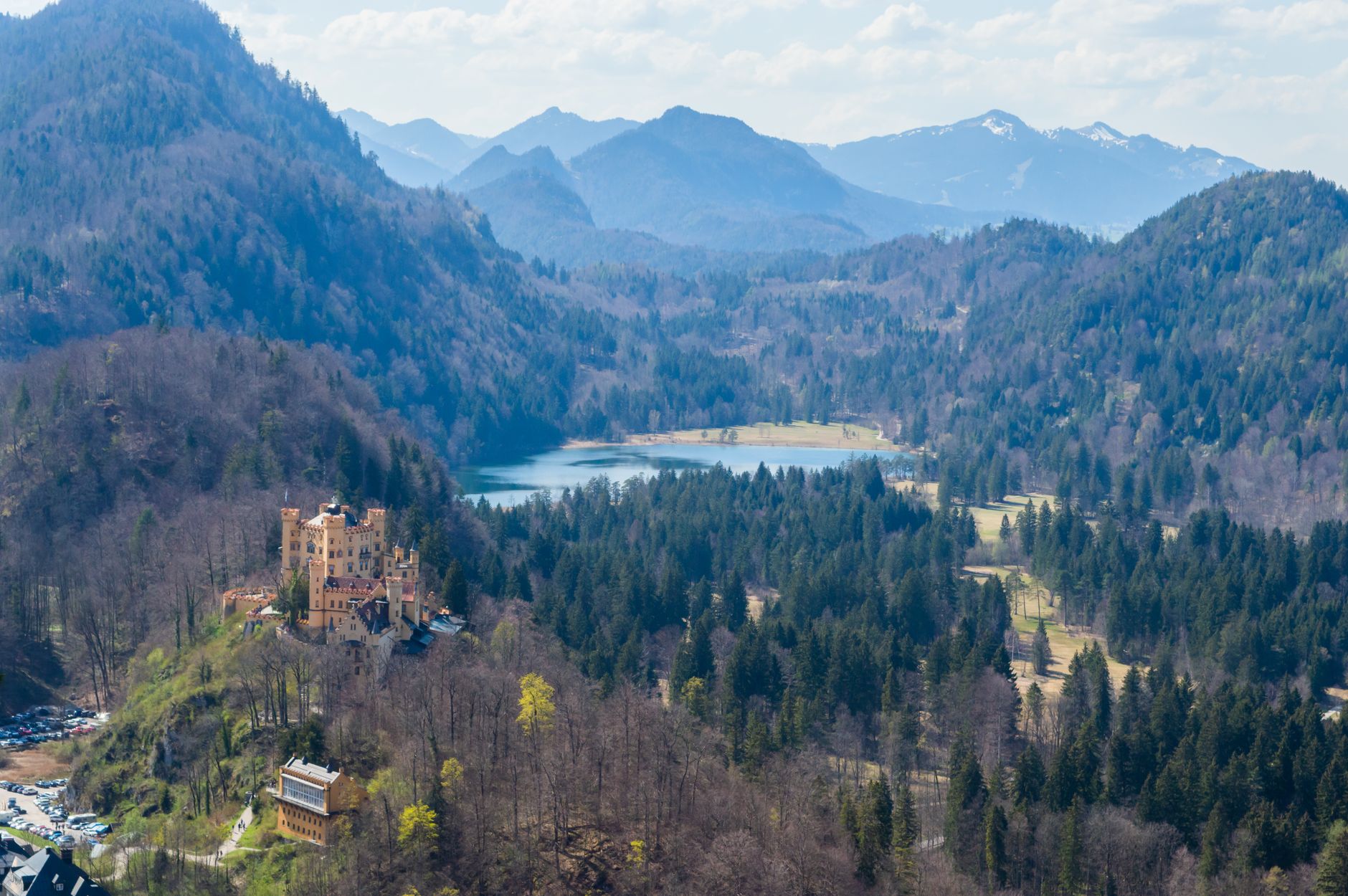
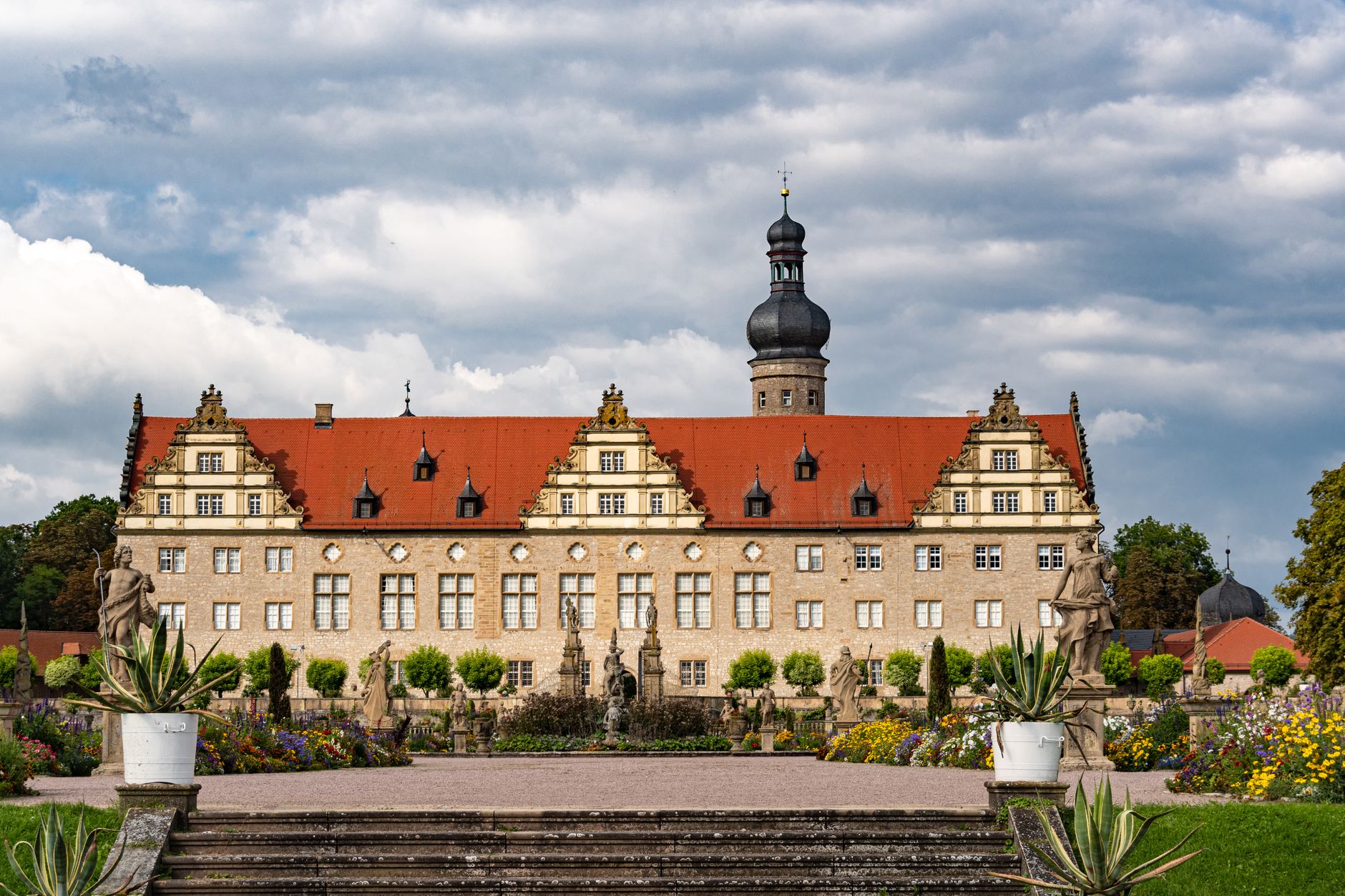
How Romantic Road came to be
In medieval times this corridor served as a trade route linking central Germany with the south, goods moving between the Main river and the Alps along roads that shaped the towns still standing today. The named route, however, is a postwar invention. In 1950, Dr. Ludwig Wegele and a group of promotion-minded travel agents formalised the itinerary, partly to show international visitors — Americans especially — a Germany of half-timbered houses and Gothic churches rather than recent memory. The inaugural coach ran in June of that year, with Johann Marquart of Augsburg at the wheel.
The idea worked partly because the raw material was already there: Augsburg had been founded by the Romans in 15 BC, Rothenburg's walls had survived largely intact, and Dinkelsbühl's old town preserves 44 percent of its medieval-era buildings. The route gave a frame to what the landscape had been quietly holding onto for centuries.
Who and what shaped it
People who shaped it
Landmark buildings
See Romantic Road in motion
Plan your visit
On the map
When to go
Summers are warm and long, with the busiest crowds arriving July through August; spring and early autumn offer cooler temperatures and noticeably thinner crowds, especially in the smaller towns. Winters are cold and can bring snow, which settles well on the walled towns but closes some attractions.
Right now
↡ Cities
Background & history adapted from Wikipedia (CC BY-SA) · specs from Wikidata (CC0) · weather from Open-Meteo · map data © OpenStreetMap contributors · photos from Wikimedia Commons / Unsplash with per-image credit. No third-party reviews or social posts reproduced.