
Weikersheim
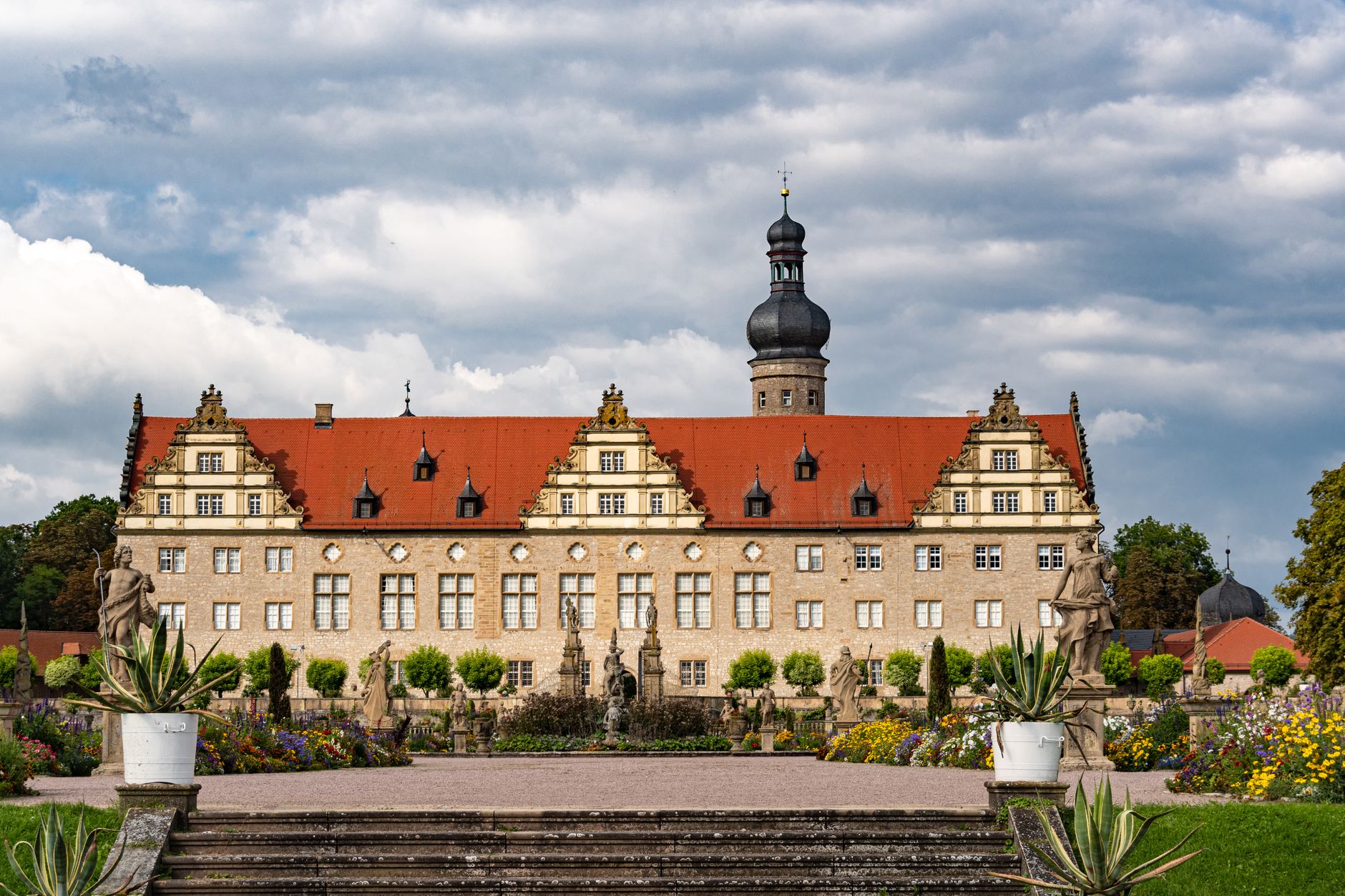
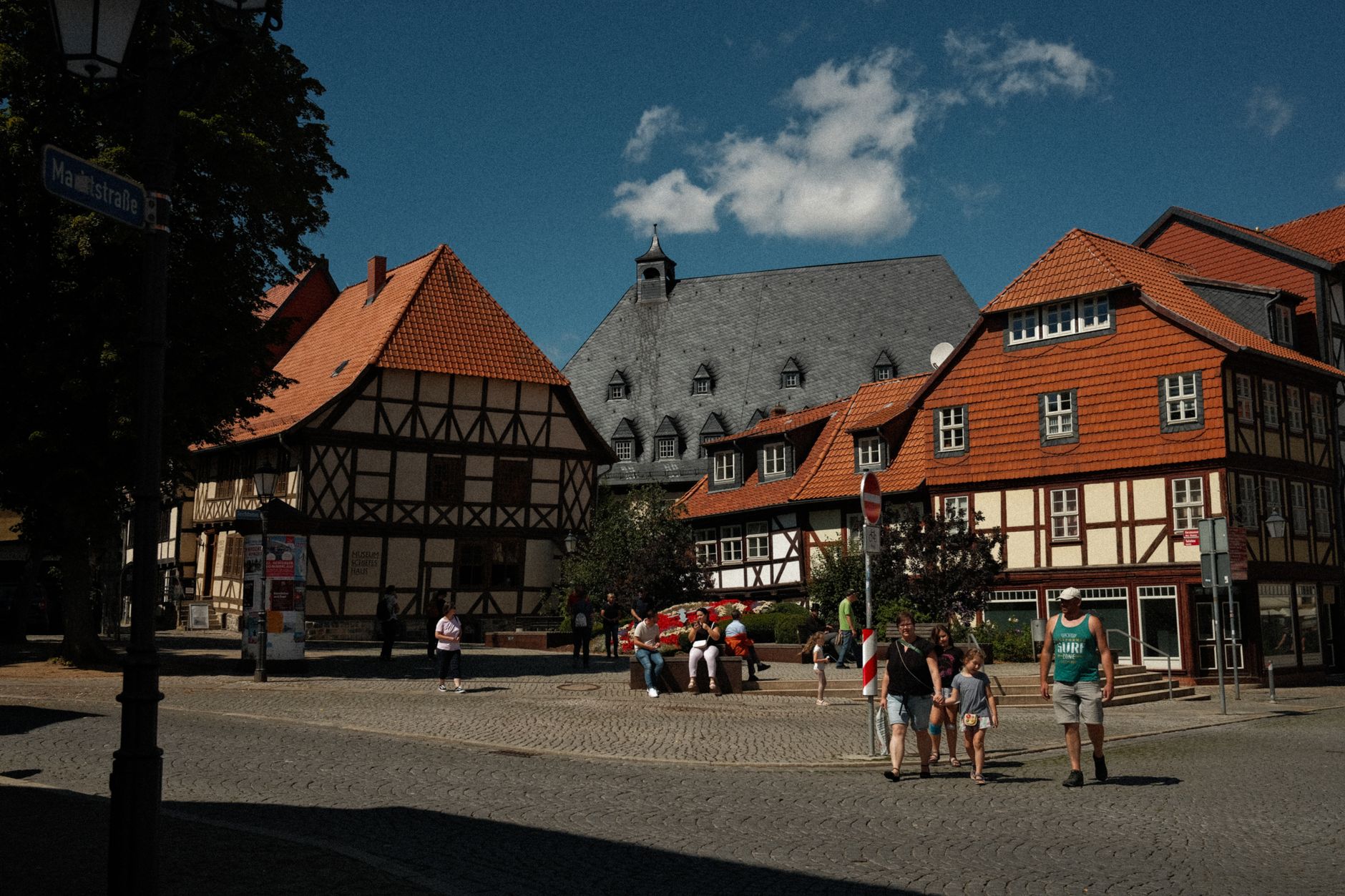
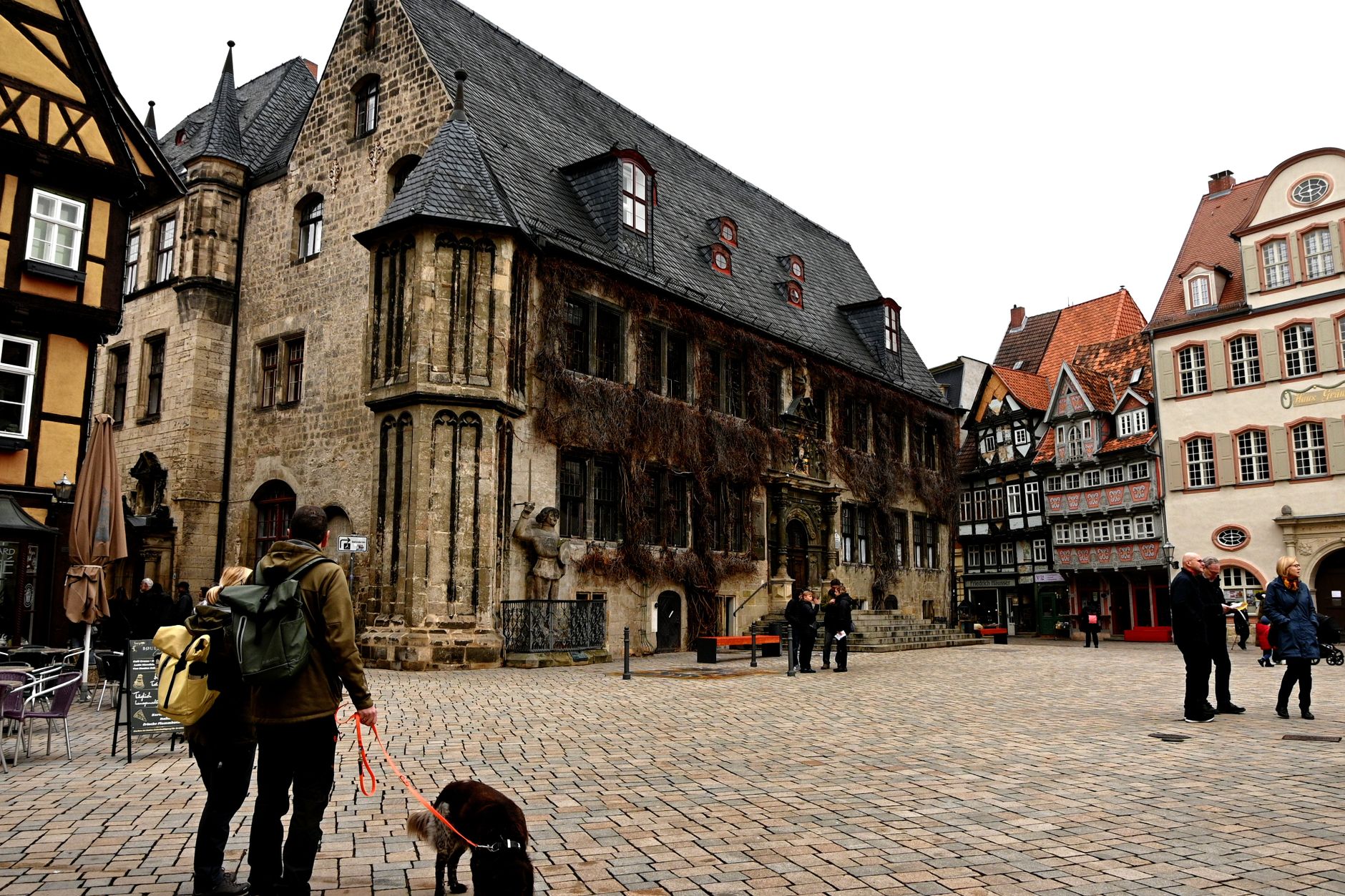
Stand in Weikersheim's marketplace and you have the whole town in one frame: the parish church on one side, a baroque town hall on another, and straight ahead the entrance to a Renaissance palace whose gardens stretch further than the square suggests. The Tauber valley keeps things quiet here — a few hundred metres of cobblestone, a goose tower that now holds the town museum, and a palace that outlasted the dynasty that built it.
The palace is the reason most people come, and it rewards the detour. The Rittersaal alone — a Renaissance hall from 1600 with plaster elephants and a ceiling dense with hunting scenes — is one of the better-preserved rooms of its kind in southwestern Germany.
💛 What travellers fall for
People who come back tend to time it for the summer music programme — Jeunesses Musicales Germany uses the palace for concerts, and the garden at dusk, with the Sommer family sculptures casting long shadows across the baroque axial paths, is a different place than it is at noon. Get into the garden early if you want the dwarfs to yourself.
Deals in Weikersheim
Book directly at the provider


How Weikersheim came to be
A deed from Fulda Monastery first records the settlement in 837 CE as 'Wichartesheim.' Town rights came in 1313, and the Lords of Hohenlohe — documented here since Conrad of Weikersheim in 1153 — held the place for centuries. The turning point was 1587, when Count Wolfgang of Hohenlohe-Weikersheim began converting the medieval moated castle into a Renaissance palace, a project completed in 1605. His wife Magdalena was a sister of William the Silent of Orange, which gives some sense of the connections the family kept.
Count Carl Ludwig, who inherited in 1709 and stayed for over fifty years, gave the palace and its garden their current character — commissioning Daniel Mathieu to lay out the baroque garden in 1708 and Christian Lüttich to build the nearly 100-metre orangery in 1723. After mediatization in 1806, the estate passed to Württemberg; the state of Baden-Württemberg bought it in 1967.
Who and what shaped it
People who shaped it
Landmark buildings
See Weikersheim in motion
Plan your visit
On the map
When to go
June and August are the most reliable months, with temperatures around 24°C and generous sunshine. January and February drop to around -1°C, and May sees the heaviest rainfall — worth knowing if you're planning time in the garden.
Right now
Background & history adapted from Wikipedia (CC BY-SA) · specs from Wikidata (CC0) · weather from Open-Meteo · map data © OpenStreetMap contributors · photos from Wikimedia Commons / Unsplash with per-image credit. No third-party reviews or social posts reproduced.