
Schwangau
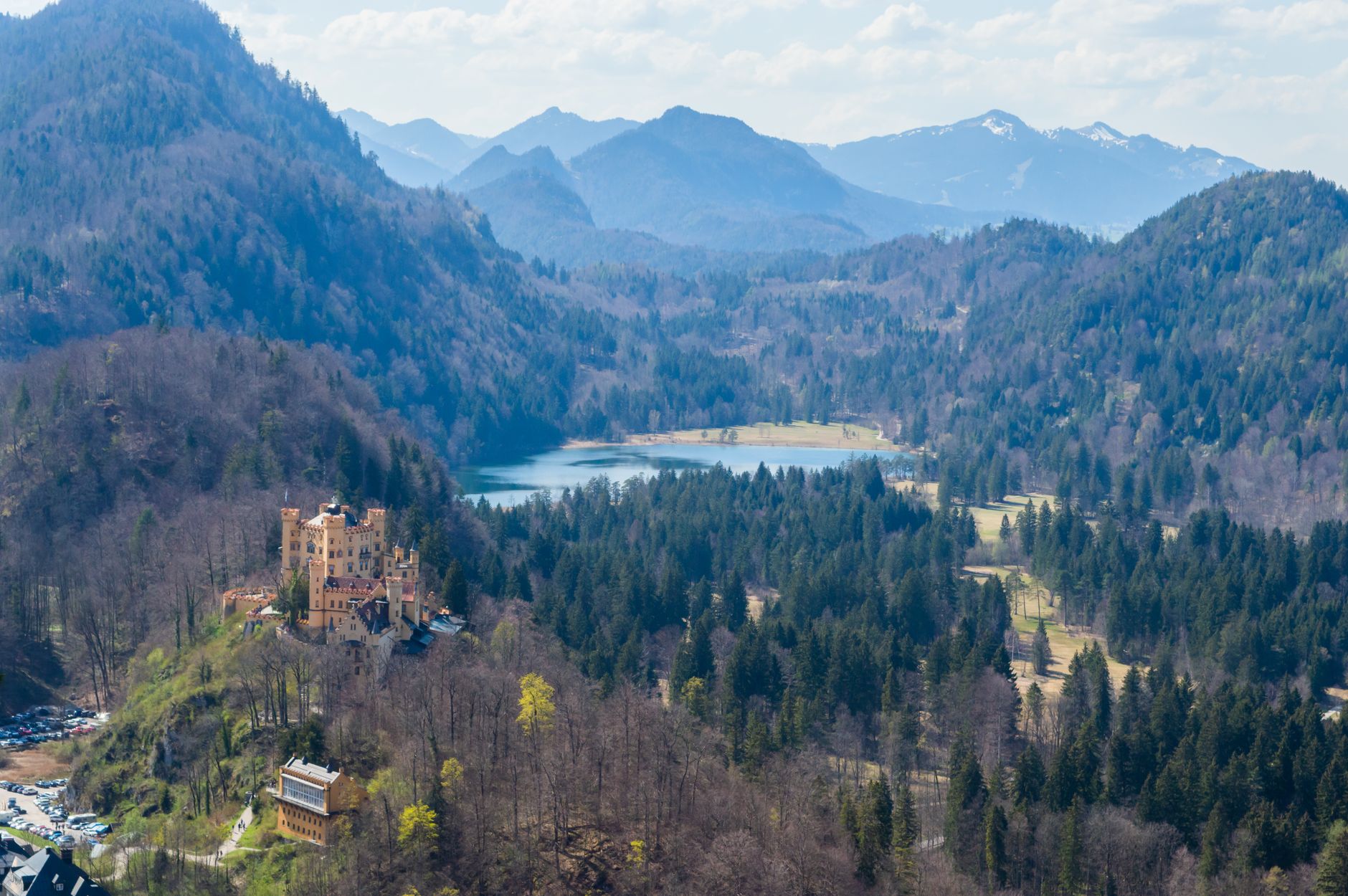
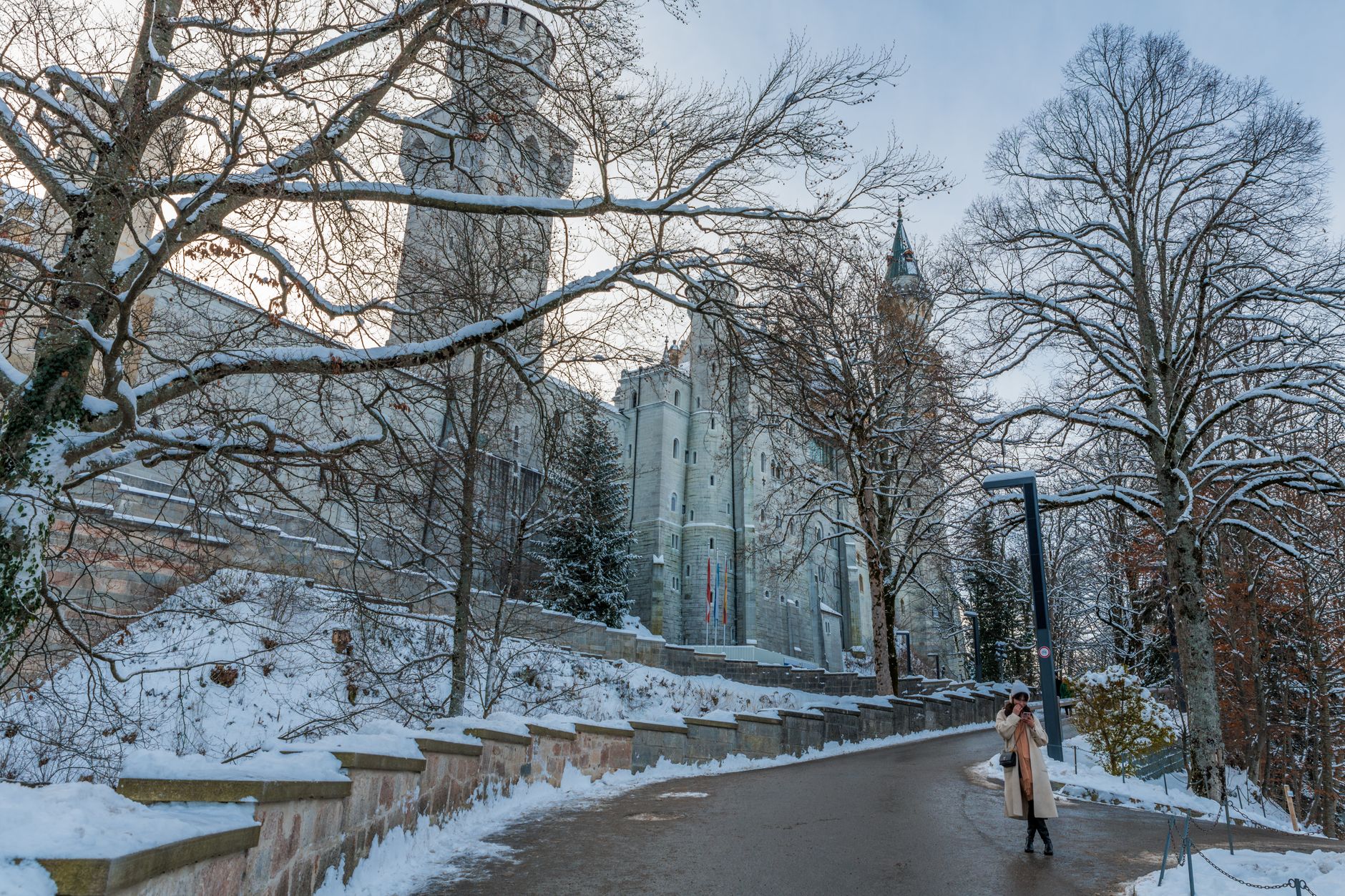
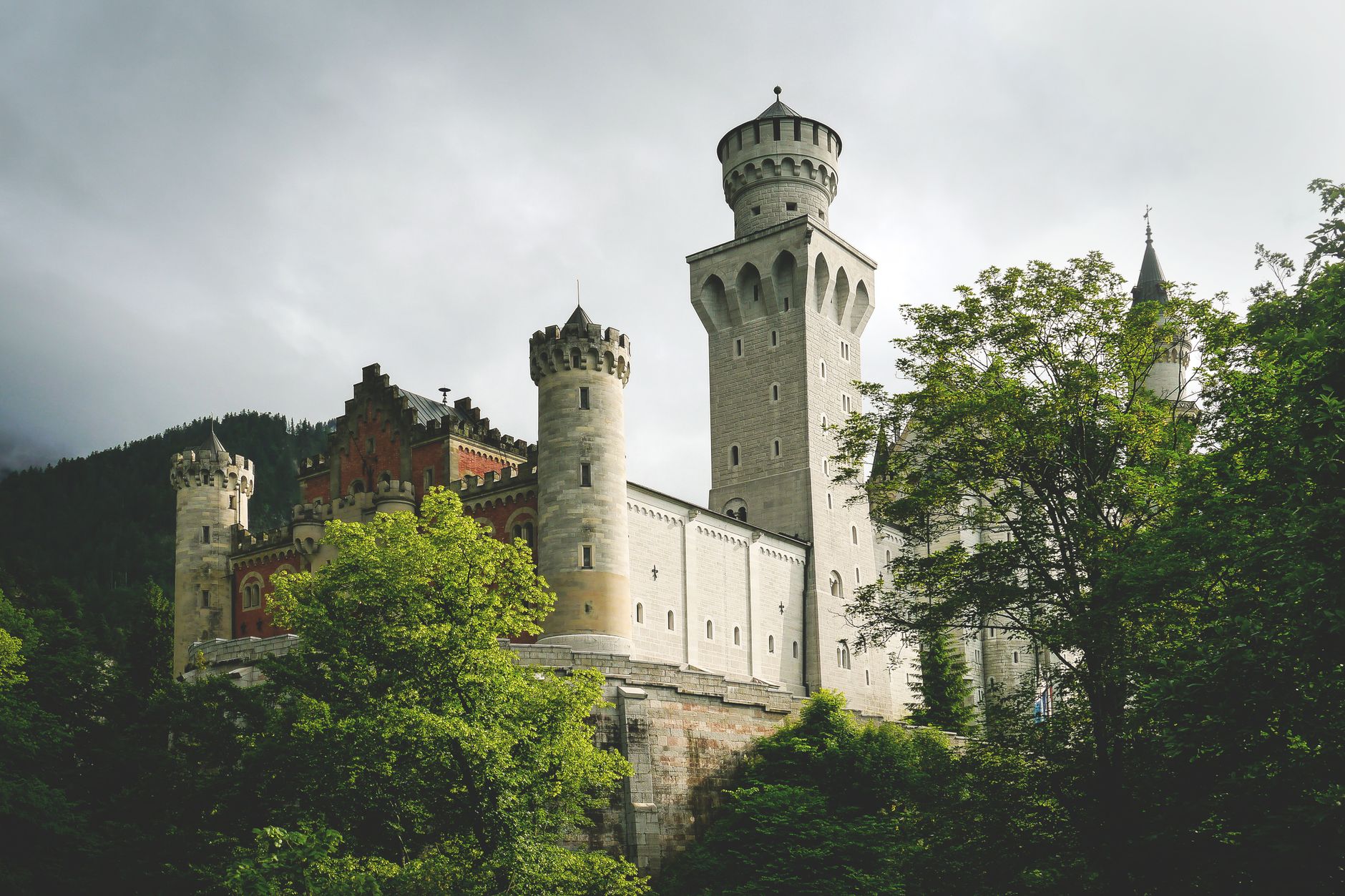
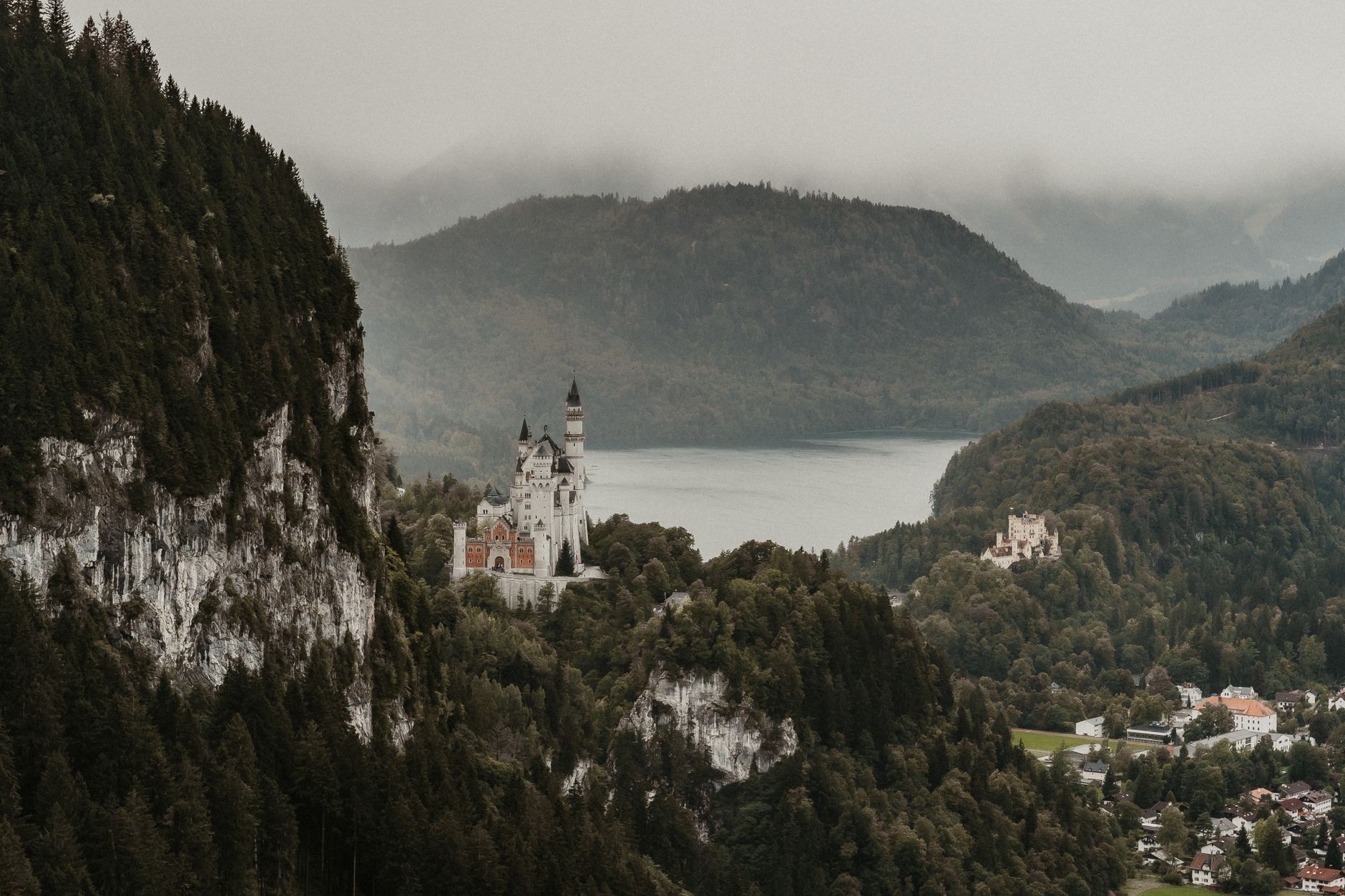
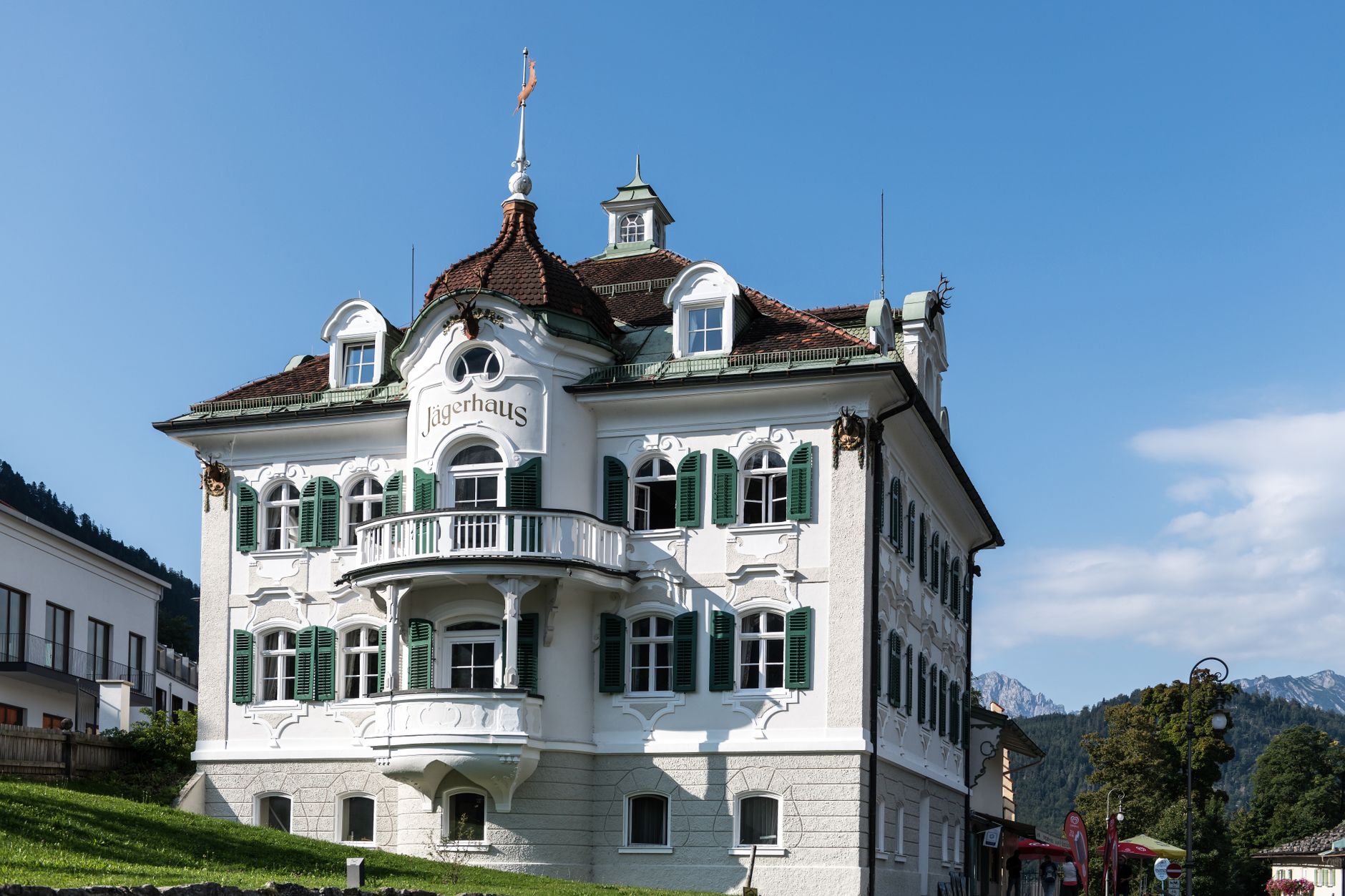
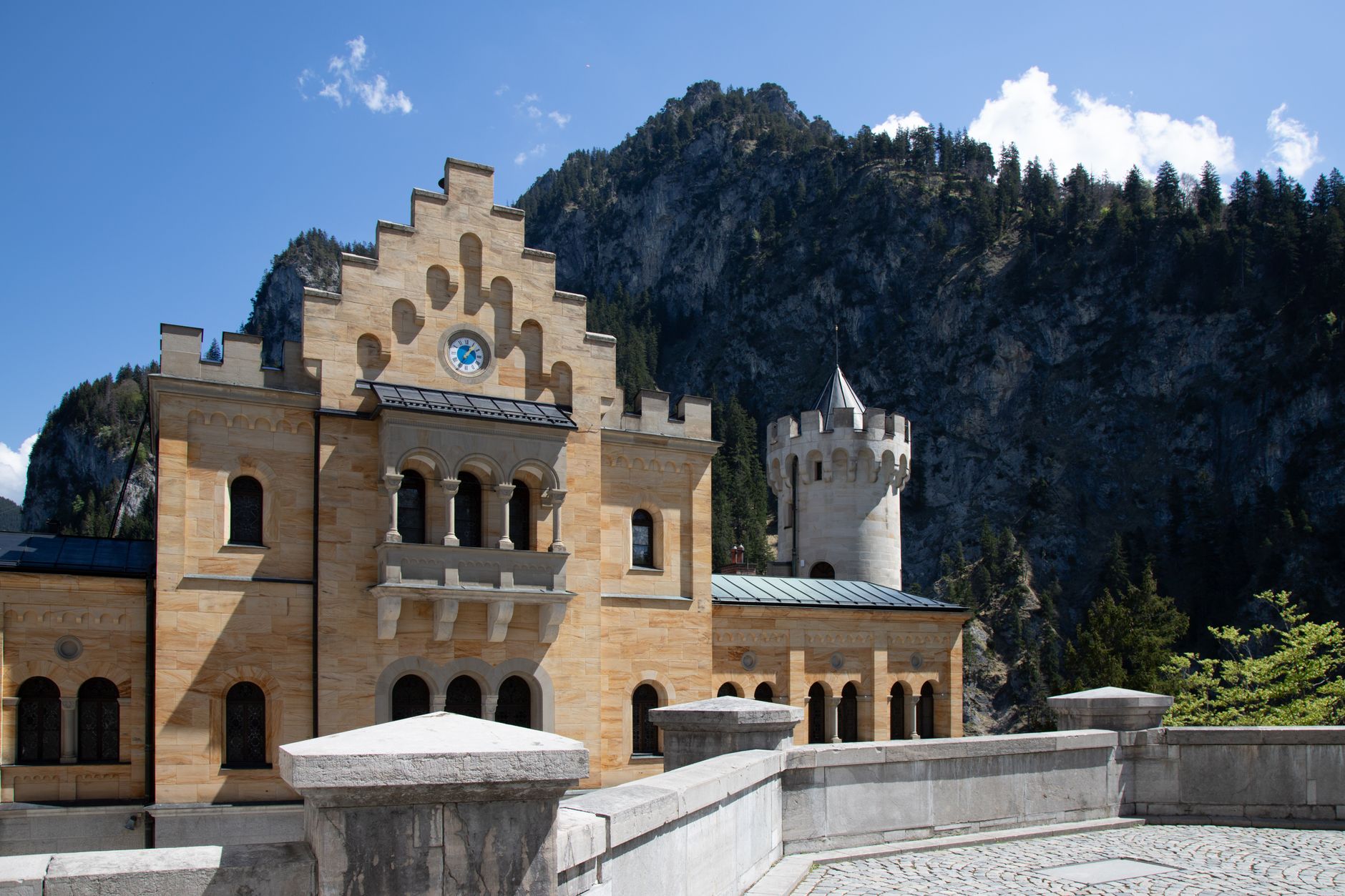
The thing that stops you first is not the castle — it's the angle. From the valley floor near the Church of Saint Coloman, Neuschwanstein sits against the Alpine rock like something a teenager drew in the margins of a history textbook, too tall and too white and too serious to be real. And yet it is real, and since July 2025 it carries UNESCO World Heritage status to prove it. Schwangau is a small municipality in the far south of Bavaria, pressed up against the Austrian border, and almost everything here orients itself around two castles on two hills above the village of Hohenschwangau.
Below Neuschwanstein stands Hohenschwangau Castle, the yellow one, which is older in its current form and quieter in its associations — a place where a crown prince walked in on a spring day in 1829 and decided he had to own the ruins. Both castles reward a full day, and the surrounding landscape of the Tegelberg massif and the lakes below it gives you somewhere to put your eyes when the crowds arrive.
💛 What travellers fall for
People who return tend to come back in October or November, when the tour groups thin and the Tegelberg turns amber. The morning shuttle bus to Neuschwanstein fills fast regardless of season, so regulars buy tickets online the night before and walk up rather than wait for a carriage — the path is steep but you arrive oriented.
Deals in Schwangau
Book directly at the provider


How Schwangau came to be
The site goes back to at least 1090, when a fortification called Castrum Swangowe was held by the Elder House of Welf. Ownership passed through the Staufer dynasty after 1191 and eventually to the empire before Bavaria absorbed the county in 1803. What stands today at Hohenschwangau is largely the work of Crown Prince Maximilian, who stumbled across the ruined medieval castle during a walking tour in April 1829, bought it in 1832, and commissioned Domenico Quaglio to rebuild it in a neo-Gothic manner. Construction ran from 1833 to 1837, with further additions through 1855. It became the summer and hunting residence where the future Ludwig II spent his adolescence, absorbing the murals of medieval legend that would later drive his own building ambitions.
Ludwig II commissioned Neuschwanstein in September 1869. The Gateway Building was finished by 1873; his own rooms in the Palas were ready in 1884. He never saw the castle without scaffolding. At 65 metres it holds the Guinness record as the world's tallest castle, and the keep with its chapel was never built — Ludwig died in 1886 before the project was complete.
Who and what shaped it
People who shaped it
Landmark buildings
See Schwangau in motion
Plan your visit
On the map
When to go
July averages around 21°C at its warmest, making summer the most comfortable season for the uphill walks, though also the most crowded. January drops to around 2°C, and snow on the surrounding peaks is common from late autumn through early spring — the landscape is stark and the queues are shorter.
Right now
Background & history adapted from Wikipedia (CC BY-SA) · specs from Wikidata (CC0) · weather from Open-Meteo · map data © OpenStreetMap contributors · photos from Wikimedia Commons / Unsplash with per-image credit. No third-party reviews or social posts reproduced.