
Dinkelsbühl
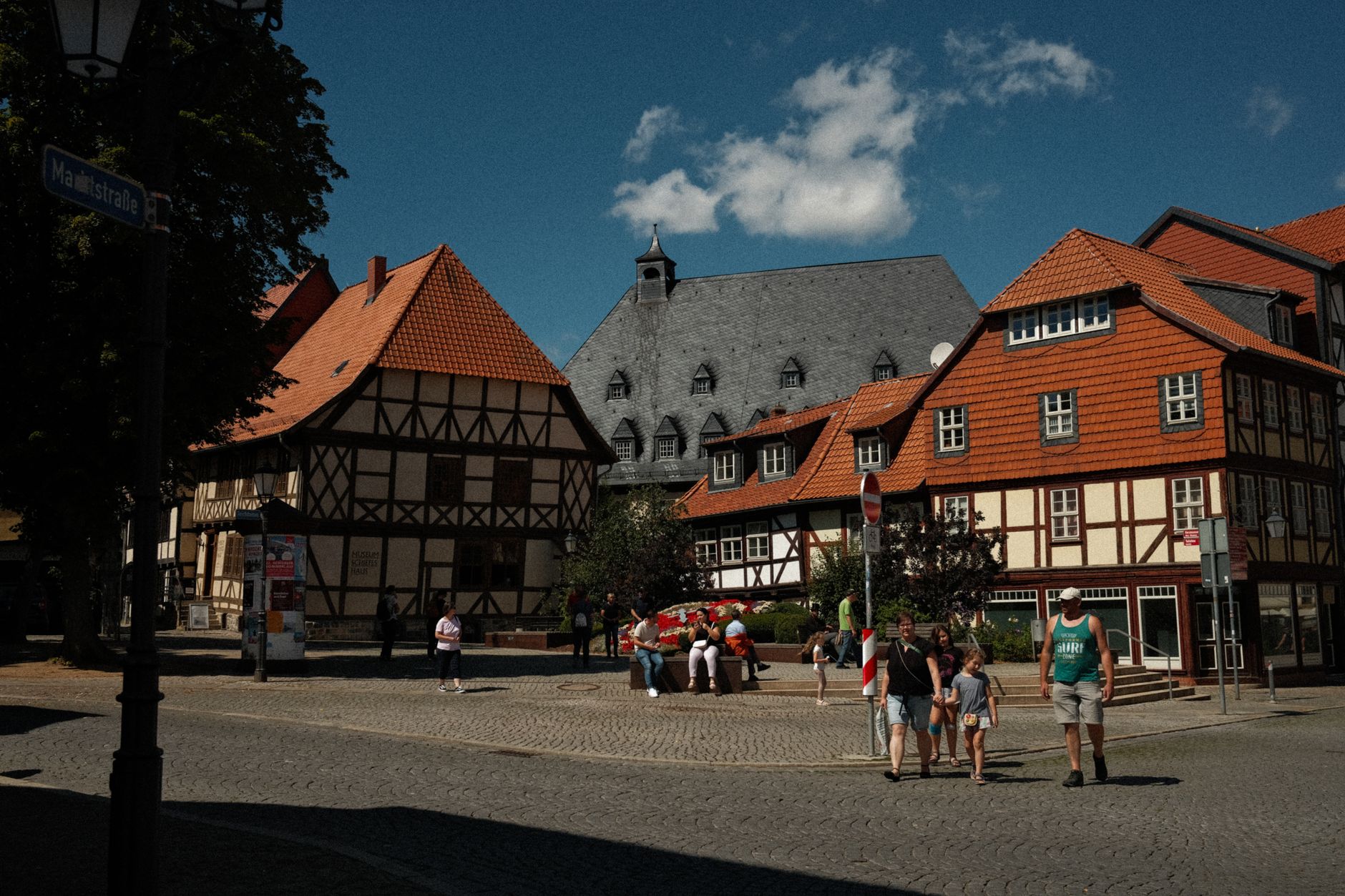
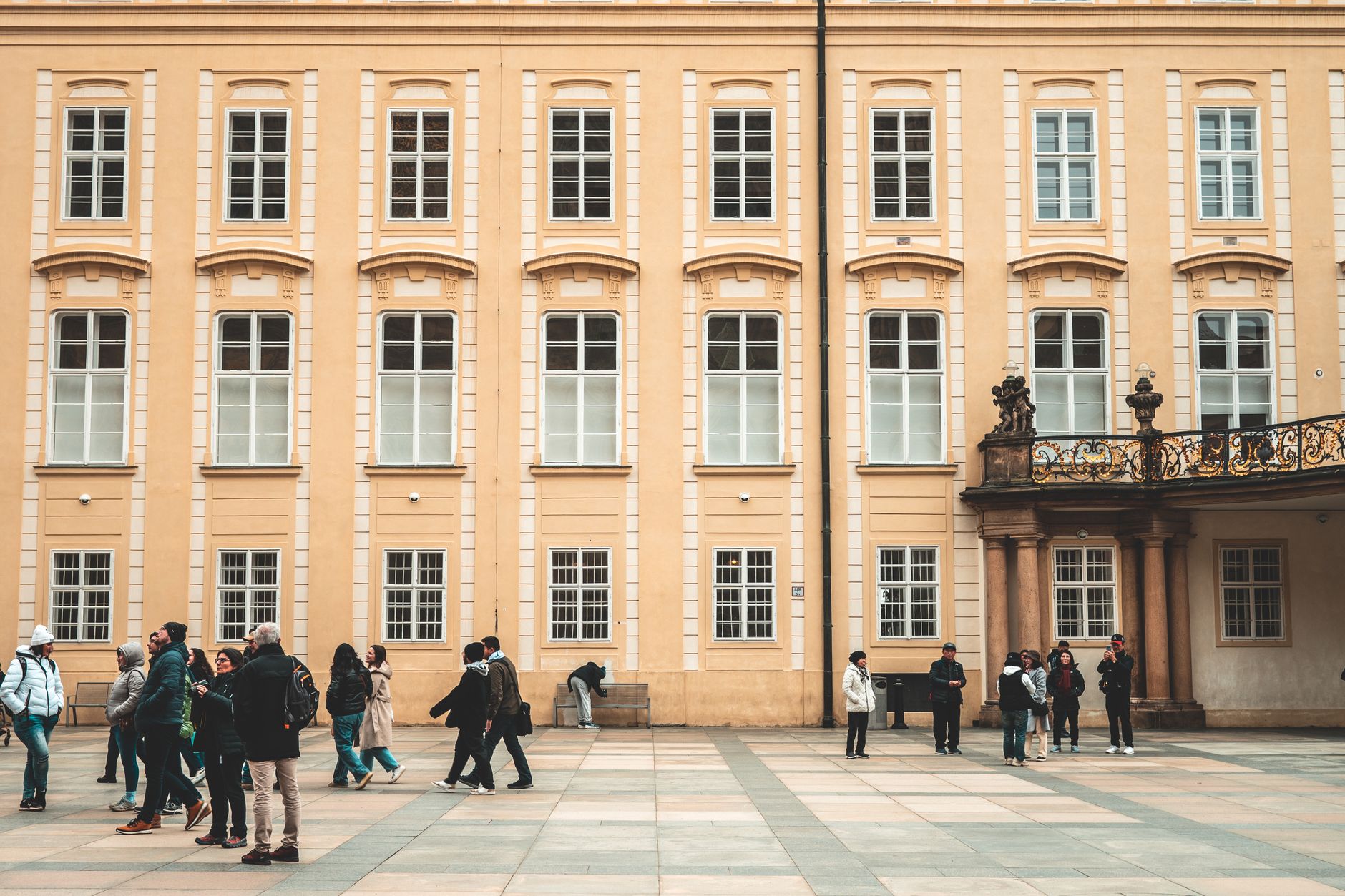
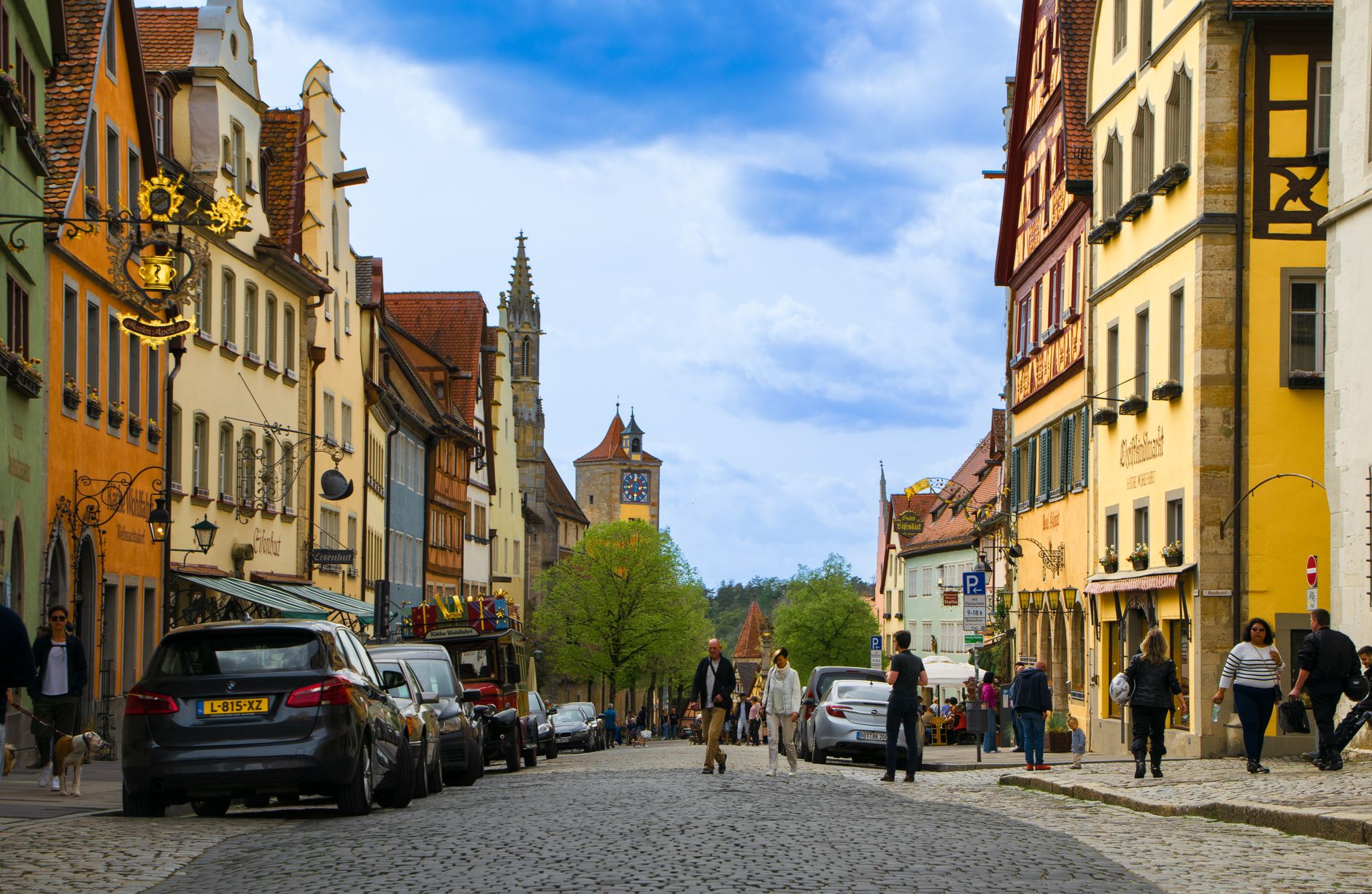
Dinkelsbühl's medieval town wall still stands complete — all sixteen towers, the bastions, the four gates, the moat — and inside it, a town of 11,600 people goes about its day largely as it has for centuries. The late-Gothic Minster of St. George anchors the center, its fan-vaulted interior rising without aisles in the hall-church style that Nikolaus Eseler brought to completion between 1448 and 1499.
This is one of only a handful of German towns to have come through both world wars without structural damage, which means the half-timbered streetscapes around the Weinmarkt are not reconstructions. What you see is what was built, patched, and lived in across six or seven hundred years.
💛 What travellers fall for
People who come back tend to mention the same thing: arriving just after the day-trippers leave, when the Wörnitz-side orchards go quiet and the town wall path is yours alone. The Ratstrinkstube's spire catches the last light oddly well from the Lion Fountain end of the square — worth the small detour.
Deals in Dinkelsbühl
Book directly at the provider

How Dinkelsbühl came to be
A Frankish fortification guarding the ford across the River Wörnitz was already here in the 9th century, protecting two imperial roads at their crossing point. The name 'burgus Tinkelspuhel' appears in a deed of gift from Emperor Barbarossa in 1188, and by 1273 the town had become a free imperial city with its own fortifications rising through the 14th and 15th centuries.
The Thirty Years' War brought Swedish troops to its gates in 1632. The religious conflicts that shaped that era left a peculiar local legacy: a Concordance of Equality that required the town to treat Protestant and Catholic citizens with strict parity — an arrangement that held until Bavaria annexed the city in 1802, ending its independent status after more than five centuries.
Who and what shaped it
People who shaped it
Landmark buildings
See Dinkelsbühl in motion
Plan your visit
On the map
When to go
Summers are mild to warm, rarely oppressive, and the long evenings suit a slow walk along the town wall. Winters are cold and often grey, but the old town empties of visitors and the atmosphere turns genuinely local.
Right now
Background & history adapted from Wikipedia (CC BY-SA) · specs from Wikidata (CC0) · weather from Open-Meteo · map data © OpenStreetMap contributors · photos from Wikimedia Commons / Unsplash with per-image credit. No third-party reviews or social posts reproduced.