
Donauwörth
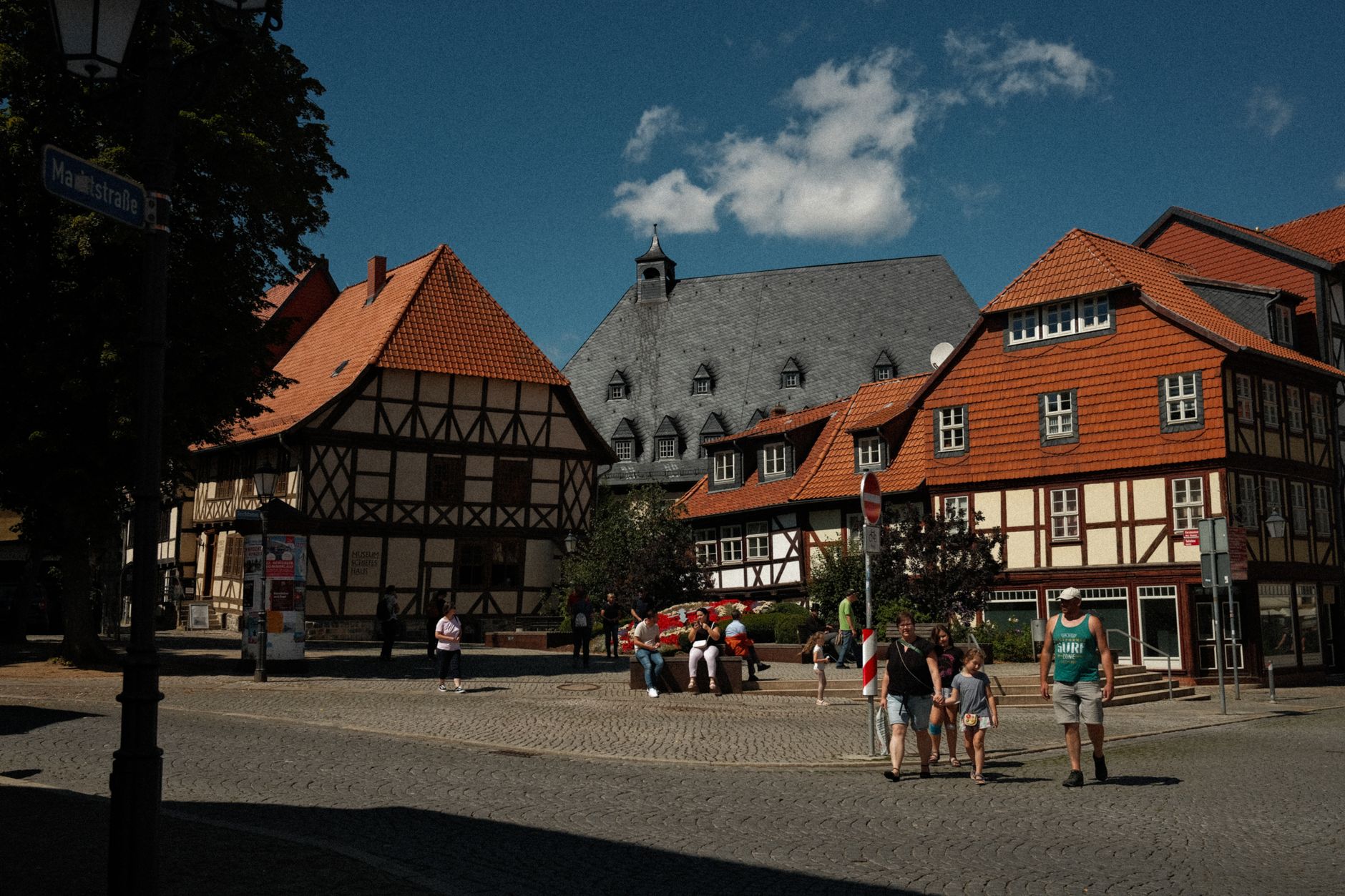
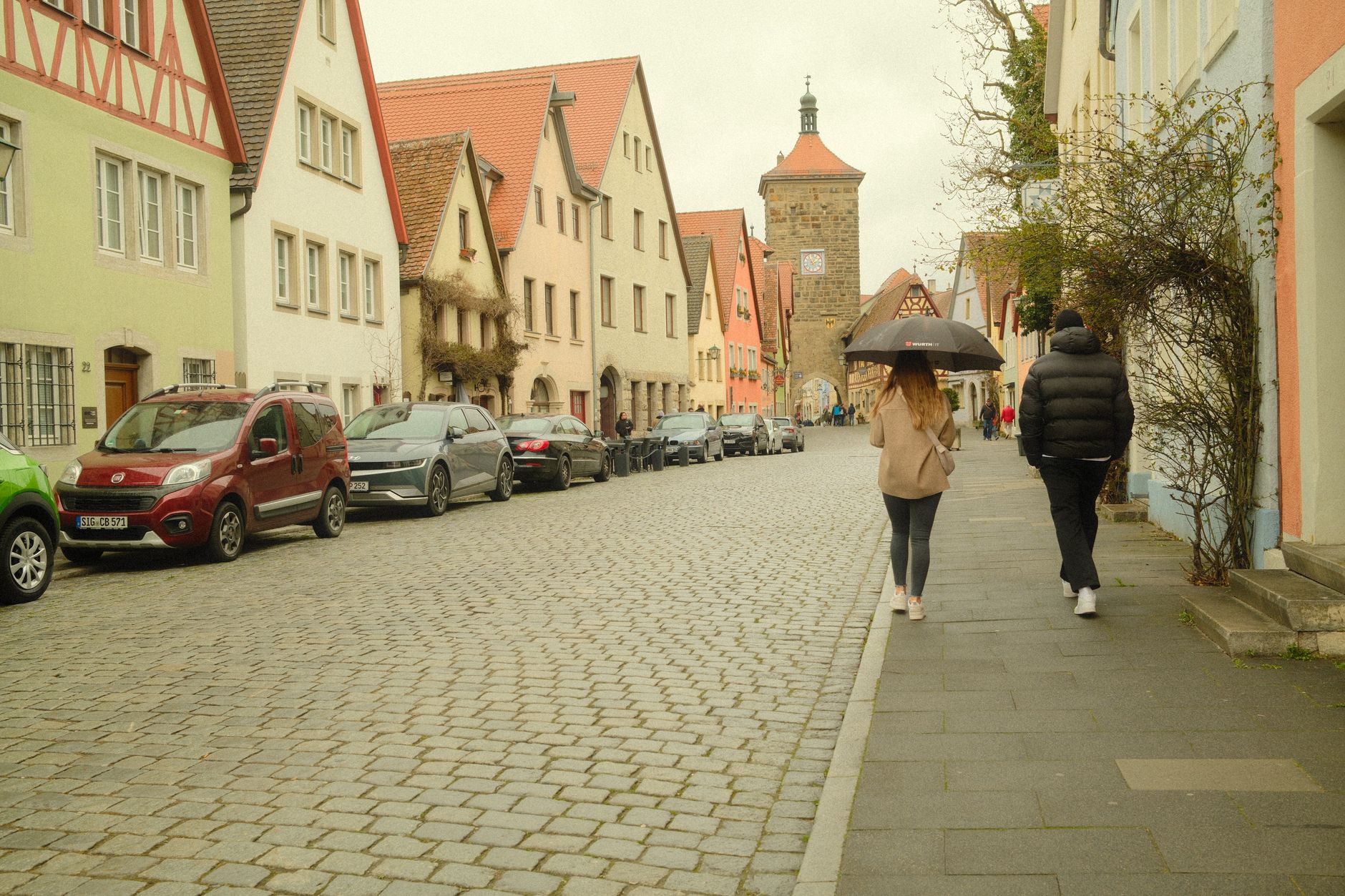
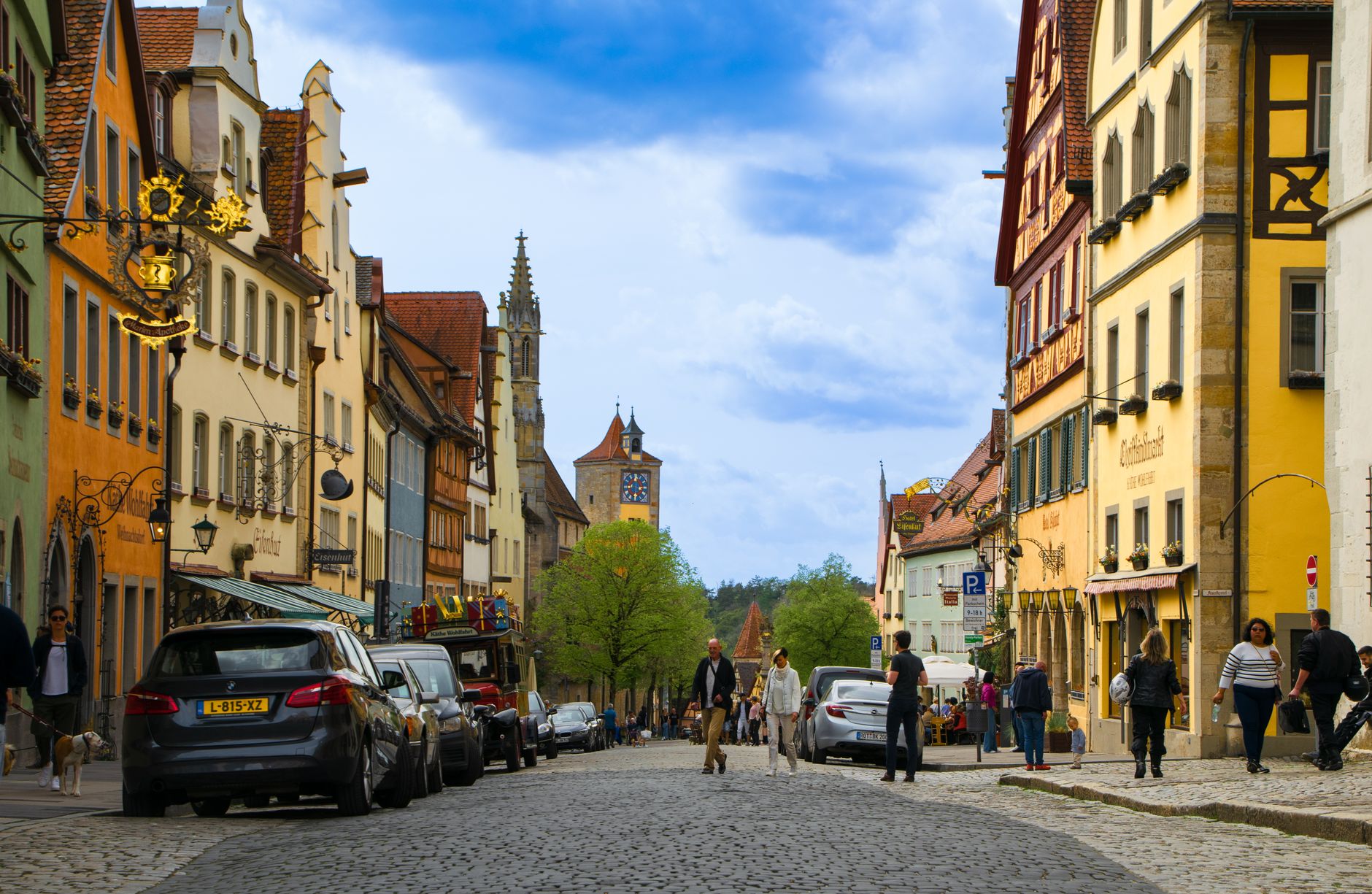
Donauwörth sits where the Wörnitz flows into the Danube, and the town hasn't forgotten it. The Reichstraße, its main artery, runs between the old Town Hall and the Renaissance Fuggerhaus in a long corridor of painted patrician facades — destroyed in 1945, then rebuilt house by house from photographs and memory. That act of reconstruction gives the street an odd double quality: genuinely old in feel, yet earned rather than simply inherited.
The Liebfrauenmünster anchors the upper town with a Gothic bell tower you can climb on 217 wooden steps, and the Holy Cross church on the highest point inside the old walls carries Baroque plasterwork from the early 1700s. Between them, the town covers a lot of ground for its size.
💛 What travellers fall for
People who come back tend to mention the same two things: the carillon on the Town Hall, which plays Mozart's Die Zauberflöte at set hours and catches you off guard if you're sitting at a café below, and the Donauwörth Brewery, where Simon Baumer revived a brewing tradition that had been dormant since 1981. The beer and the bells are a reliable combination.
Deals in Donauwörth
Book directly at the provider

How Donauwörth came to be
The town grew from a river crossing — legend credits two fishermen, but settlement evidence goes back to the 6th century. By 1301 it had become the free imperial city of Schwäbisch Wörth, and it held that status, with interruptions, for centuries. The most consequential interruption came in 1608, when the Lutheran majority's decision to bar Catholics from the annual Markus procession sparked a riot serious enough to draw Bavarian military occupation — an episode historians trace as one of the triggers for the Thirty Years' War.
The 18th century brought two more battles across its fields: the 1704 Battle of Schellenberg during the War of Spanish Succession, and Napoleon's opening move of the Ulm campaign in October 1805. April 1945 erased roughly three-quarters of the town. The Reichstraße you walk today is a faithful copy, rebuilt in the years immediately after.
Who and what shaped it
People who shaped it
Landmark buildings
See Donauwörth in motion
Plan your visit
On the map
When to go
Summers are warm and walkable, with long evenings well-suited to the outdoor stretches along the Danube promenade. Winters are cold and often grey; the Christmas market period aside, the town is quieter and some smaller museums keep reduced hours.
Right now
Background & history adapted from Wikipedia (CC BY-SA) · specs from Wikidata (CC0) · weather from Open-Meteo · map data © OpenStreetMap contributors · photos from Wikimedia Commons / Unsplash with per-image credit. No third-party reviews or social posts reproduced.