
Bad Mergentheim
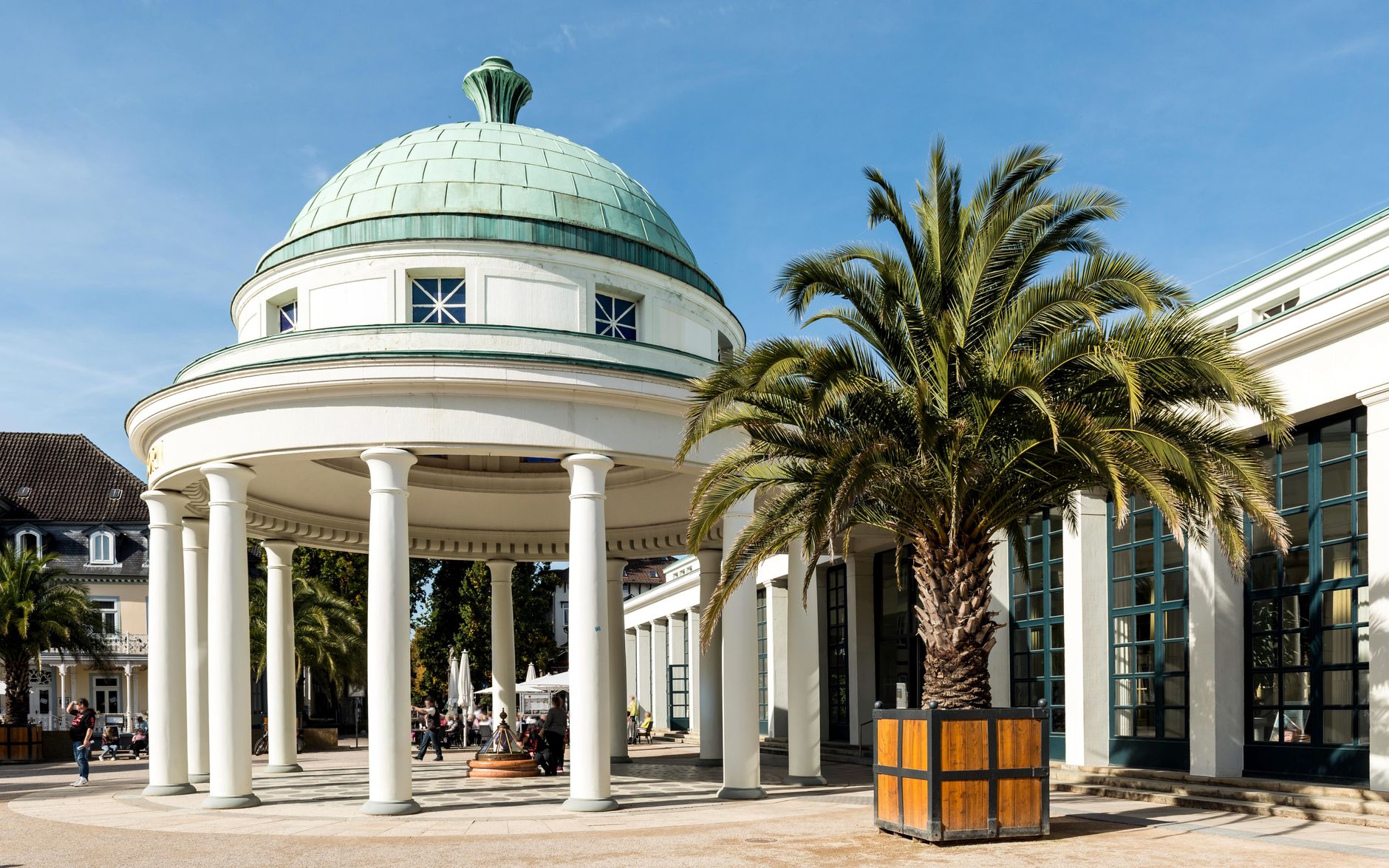
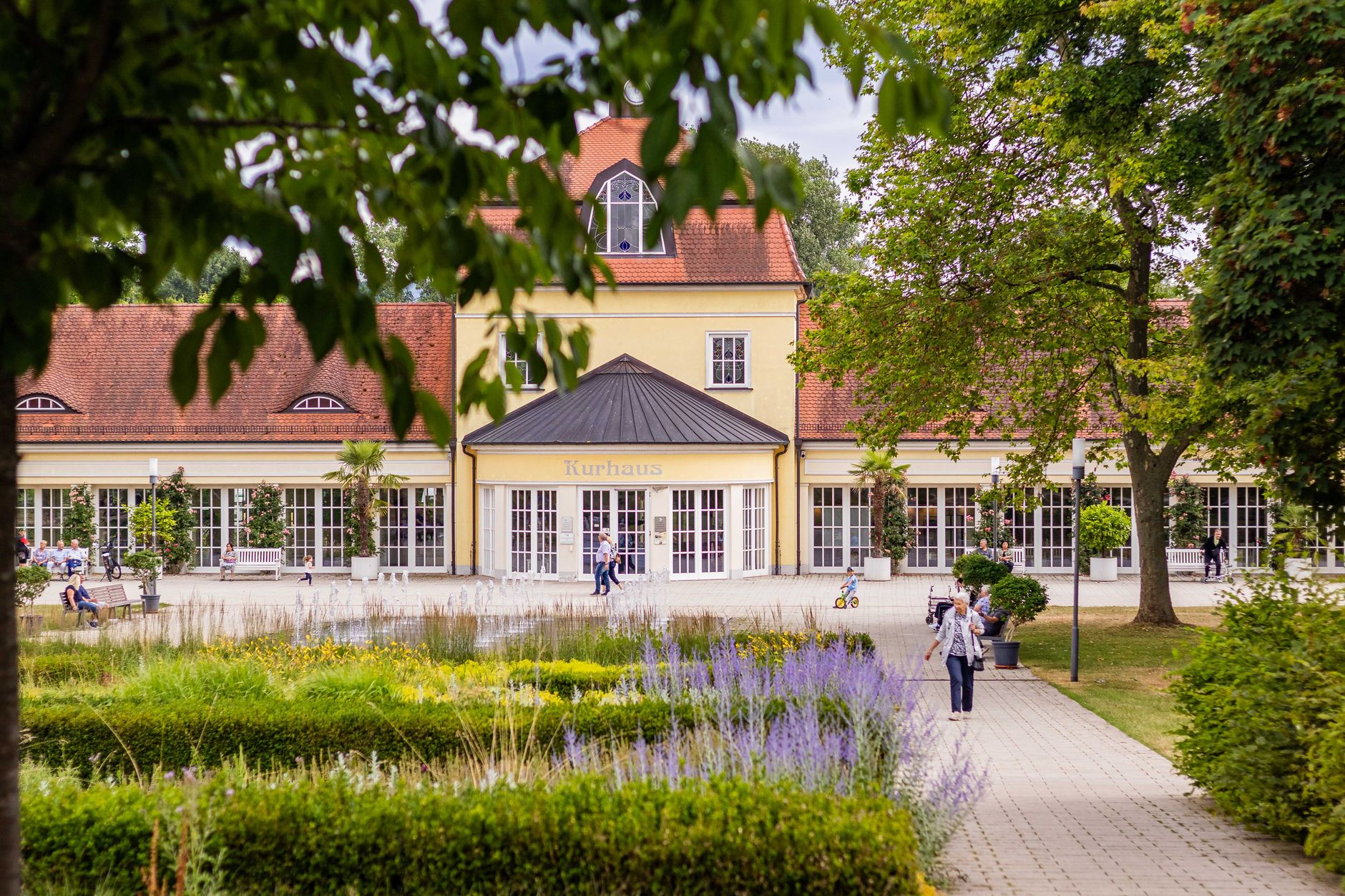
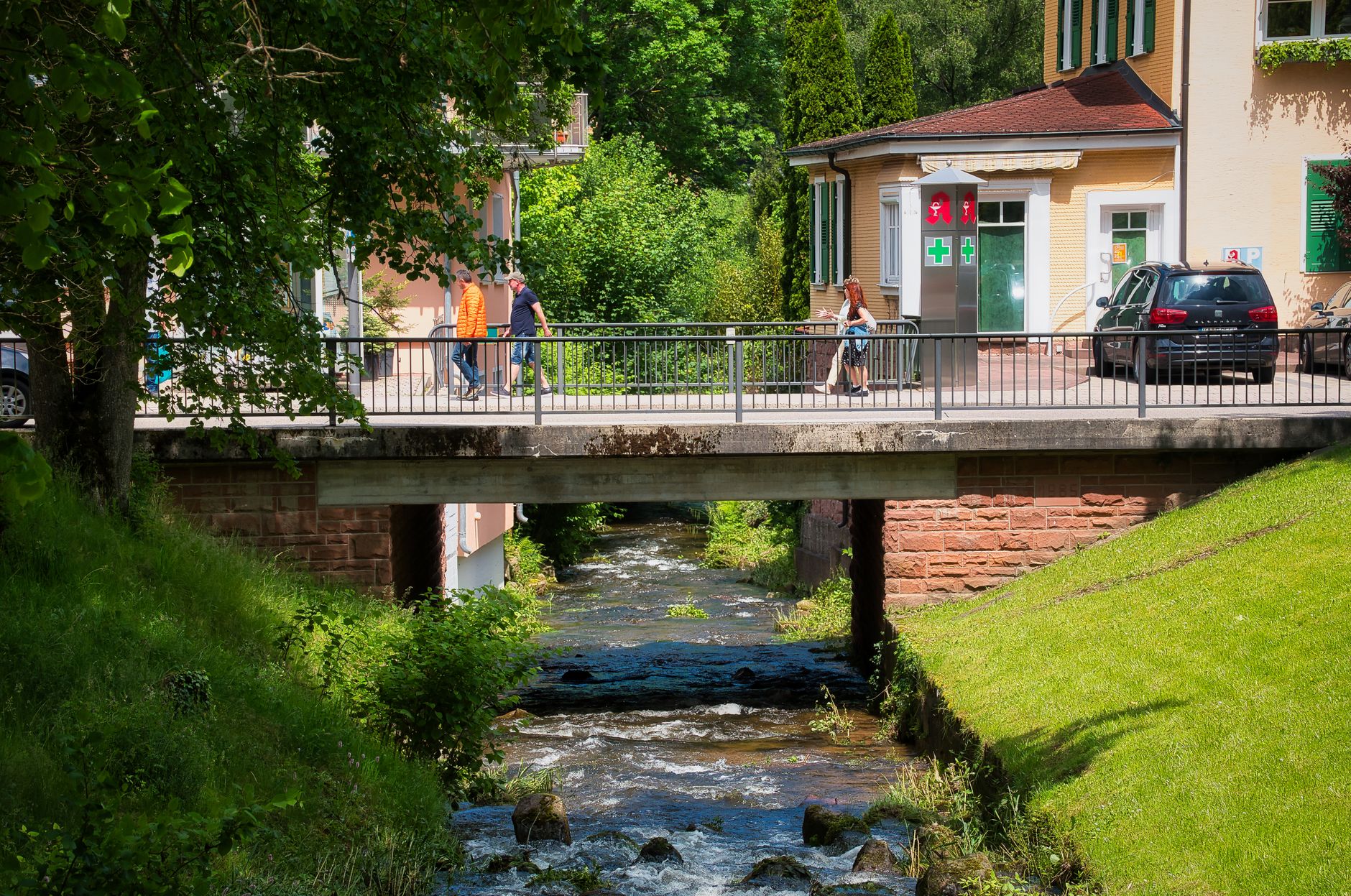
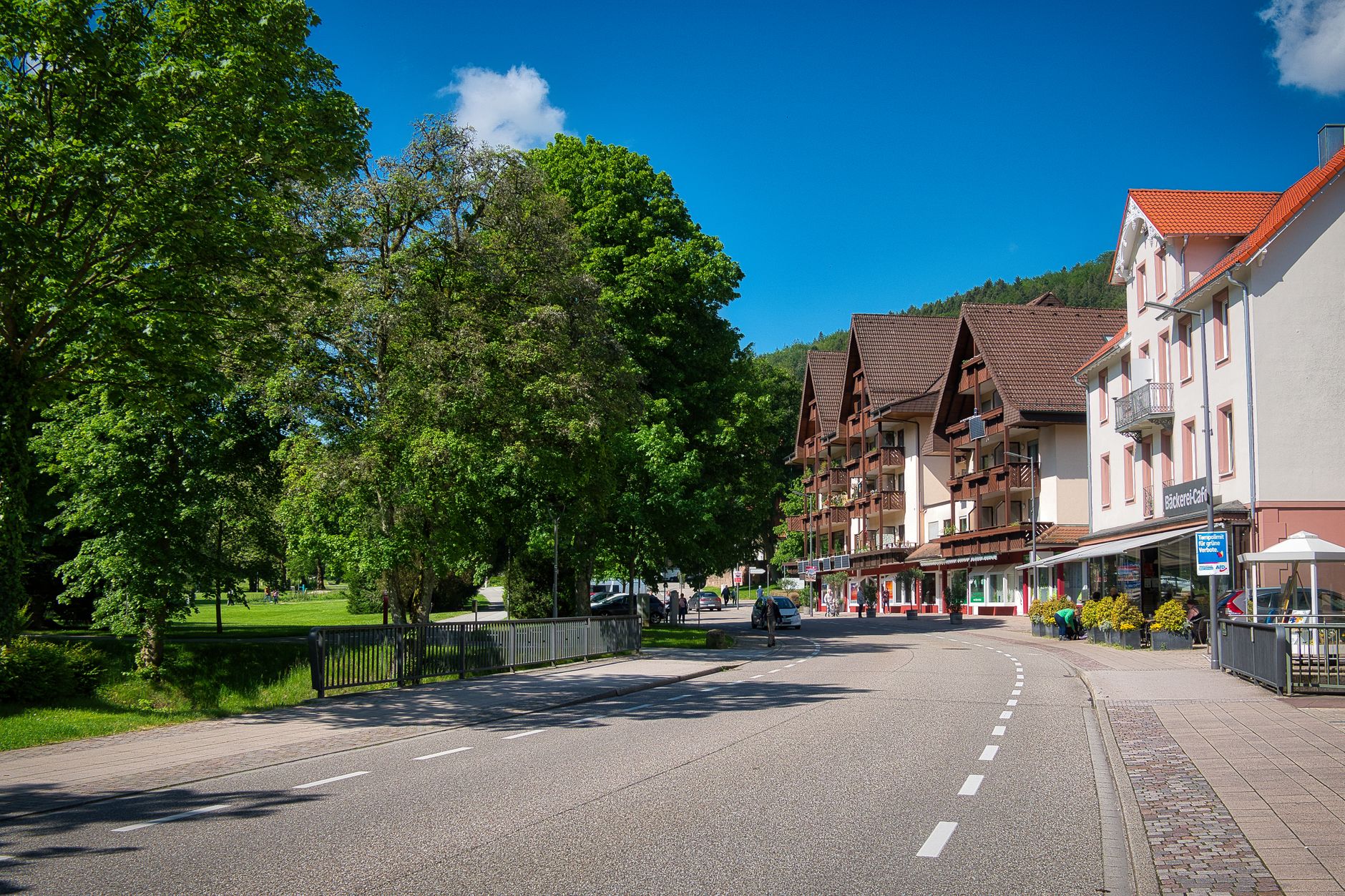
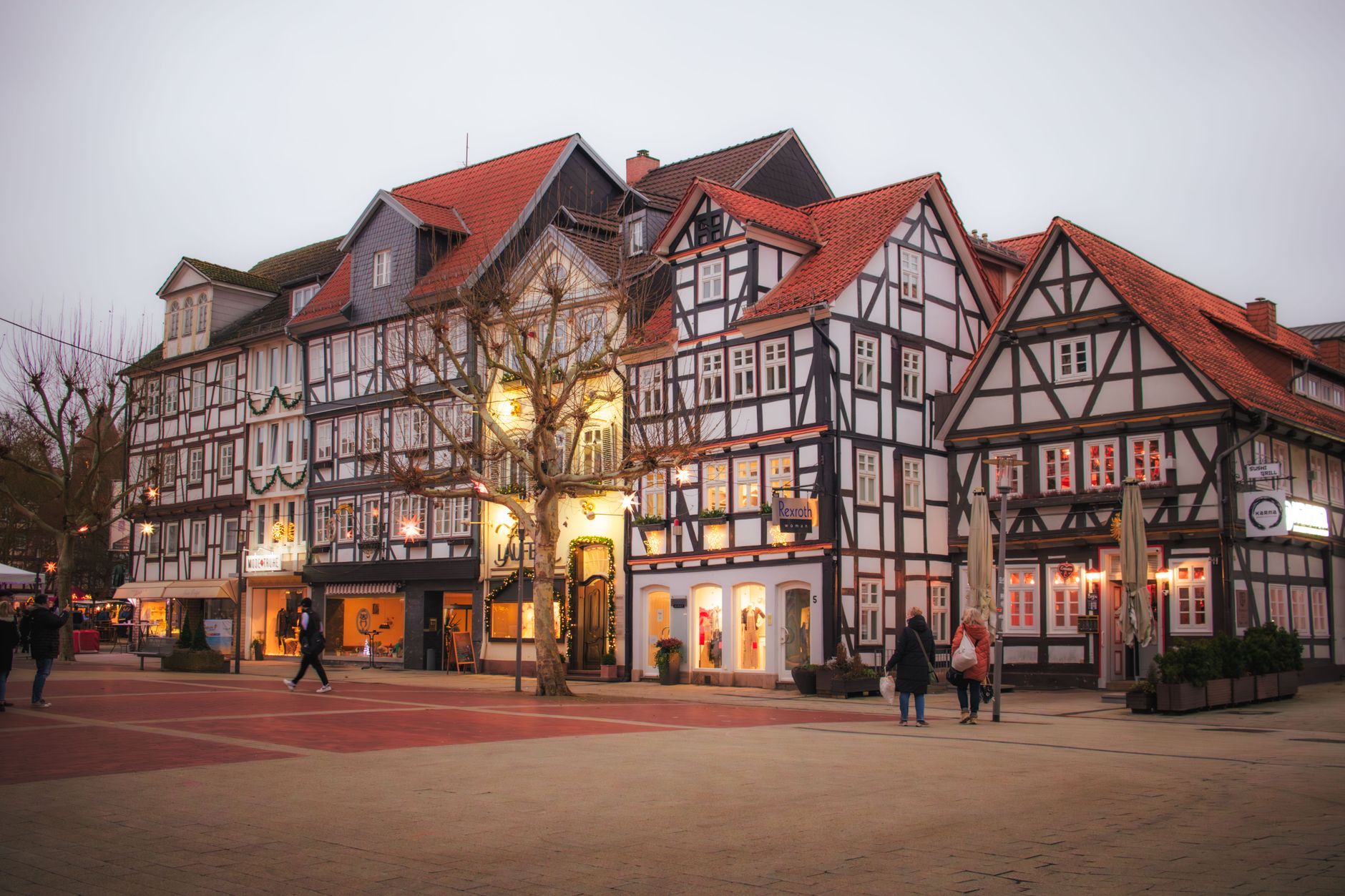
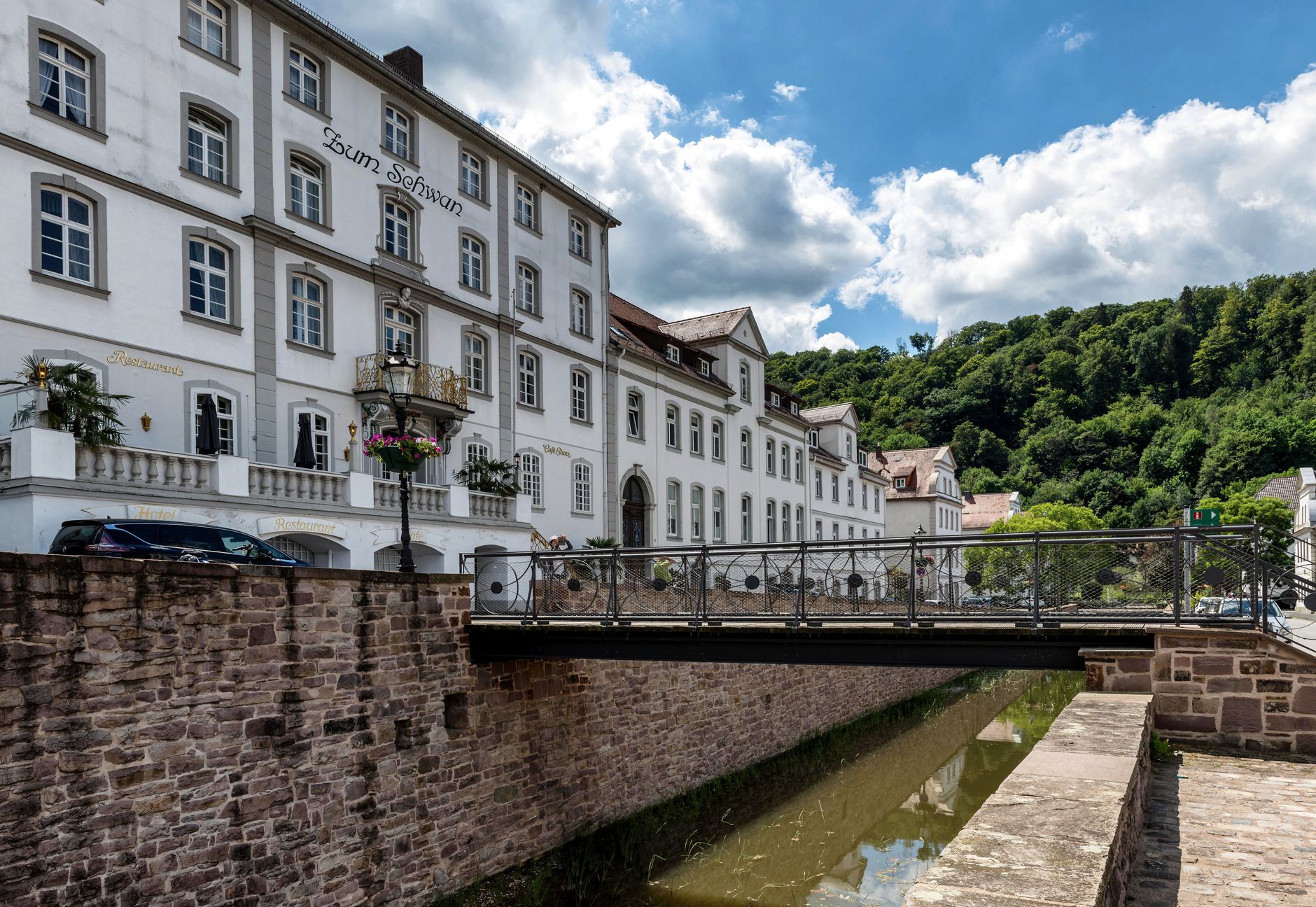
Bad Mergentheim sits in the Tauber valley with the quiet confidence of a town that has been somebody's headquarters for a very long time. The Teutonic Knights ran their central European operations from the castle here for nearly three centuries, and that institutional weight still shapes the skyline — the Deutschordensschloss rises above the river bend like a statement of intent.
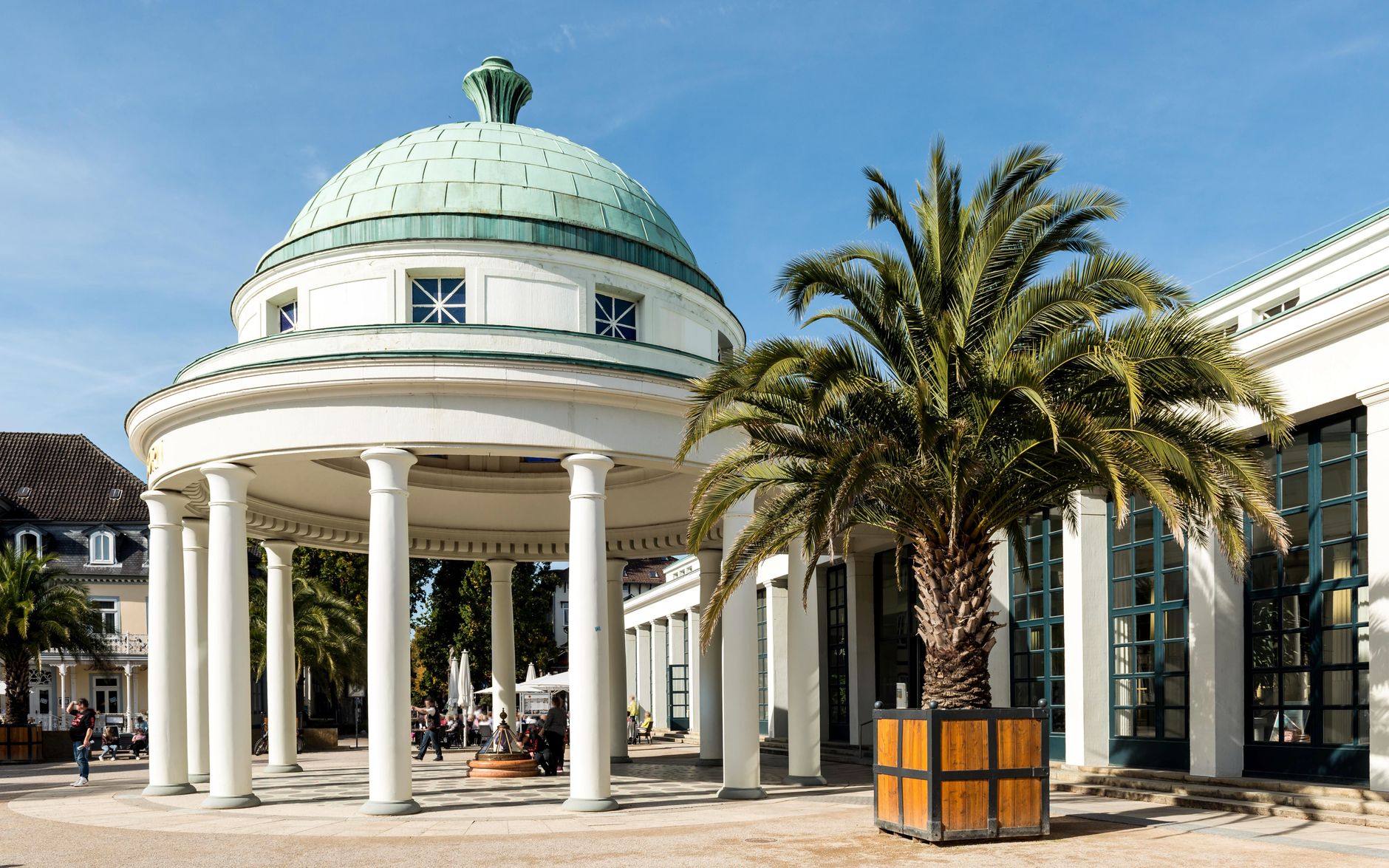
The other thing that defines the town is water. In 1826 a shepherd named Franz Gehring stumbled across mineral springs in the surrounding fields, and the discovery eventually earned Mergentheim the prefix 'Bad' a century later. The spa culture that followed layered a second identity over the medieval one, and both are still very much in use.
💛 What travellers fall for
People who come back tend to spend a slow morning in the Kurpark before the tour groups arrive at the castle, then loop through the Marktplatz for coffee among the half-timbered facades. The Wildpark on the edge of town — quietly one of the more species-rich wildlife parks in the region — earns more repeat visits than you'd expect.
Experiences you don't want to miss




Deals in Bad Mergentheim
Book directly at the provider

How Bad Mergentheim came to be
Mergentheim appears in chronicles from 1058 as a Hohenlohe family seat, and received town privileges in 1340. The pivotal moment came in 1525, when the Deutschmeister — the highest-ranking Teutonic Knight within the Holy Roman Empire — relocated his seat here after peasants destroyed his castle at Horneck. The Order remained until Napoleon's reorganisation of German territories forced them out in 1809, leaving behind a castle complex built across eight centuries.
The town's fortunes dipped after that until 1826, when shepherd Franz Gehring's discovery of mineral springs set a new course. The springs drew the attention of a Germany increasingly enthusiastic about therapeutic bathing, and on 2 August 1926 — the centennial of Gehring's find — Prussian authorities granted official spa-town status, adding 'Bad' to the name and the infrastructure to match.
Who and what shaped it
People who shaped it
Landmark buildings
See Bad Mergentheim in motion
Plan your visit
On the map
When to go
Summers in the Tauber valley are warm and generally dry, making June through September the most comfortable time to walk the old town and the Kurpark. Winters are cold and can be grey, though the castle and thermal baths give the colder months their own logic.
Right now
Background & history adapted from Wikipedia (CC BY-SA) · specs from Wikidata (CC0) · weather from Open-Meteo · map data © OpenStreetMap contributors · photos from Wikimedia Commons / Unsplash with per-image credit. No third-party reviews or social posts reproduced.