
Landsberg am Lech
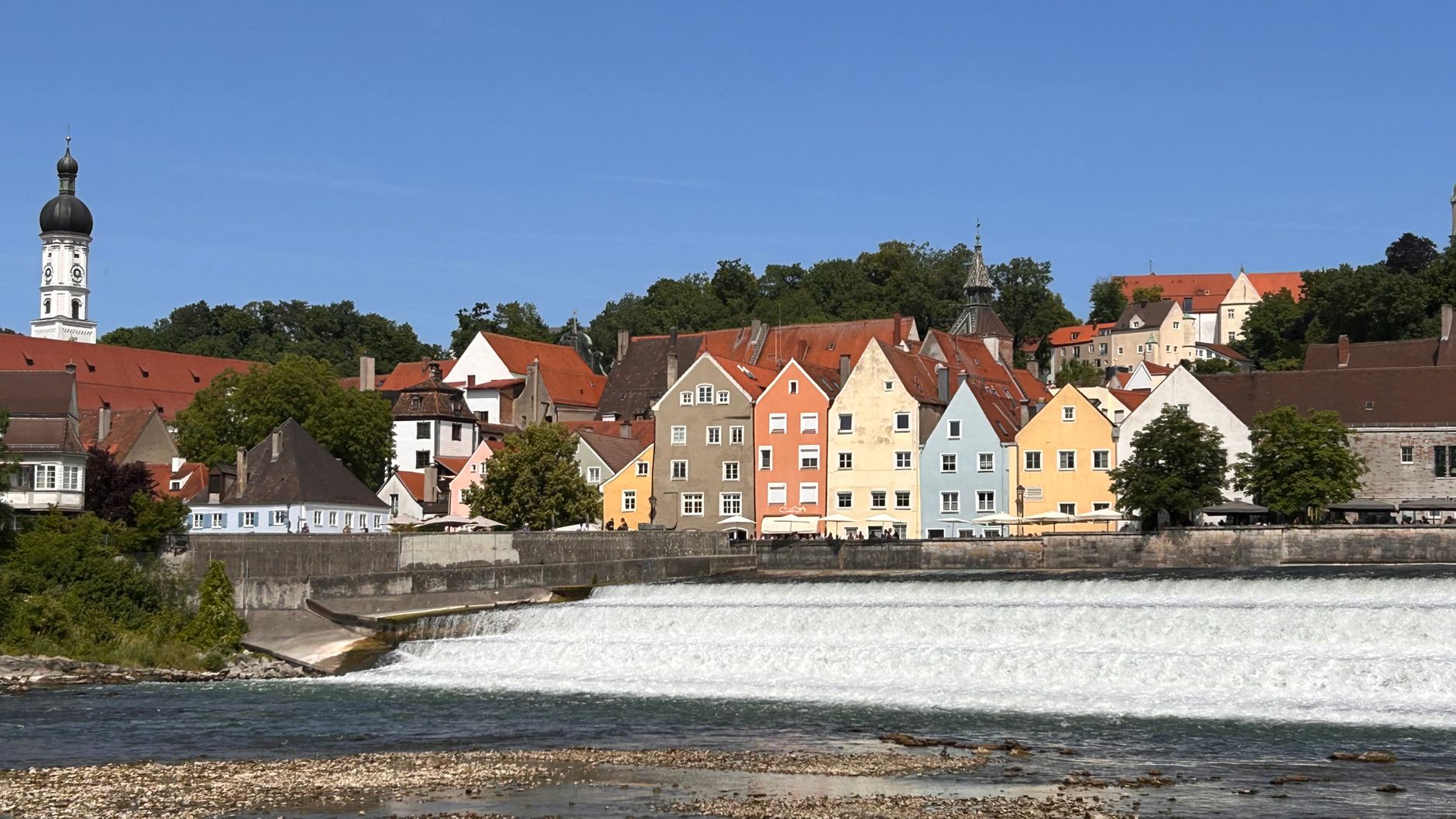
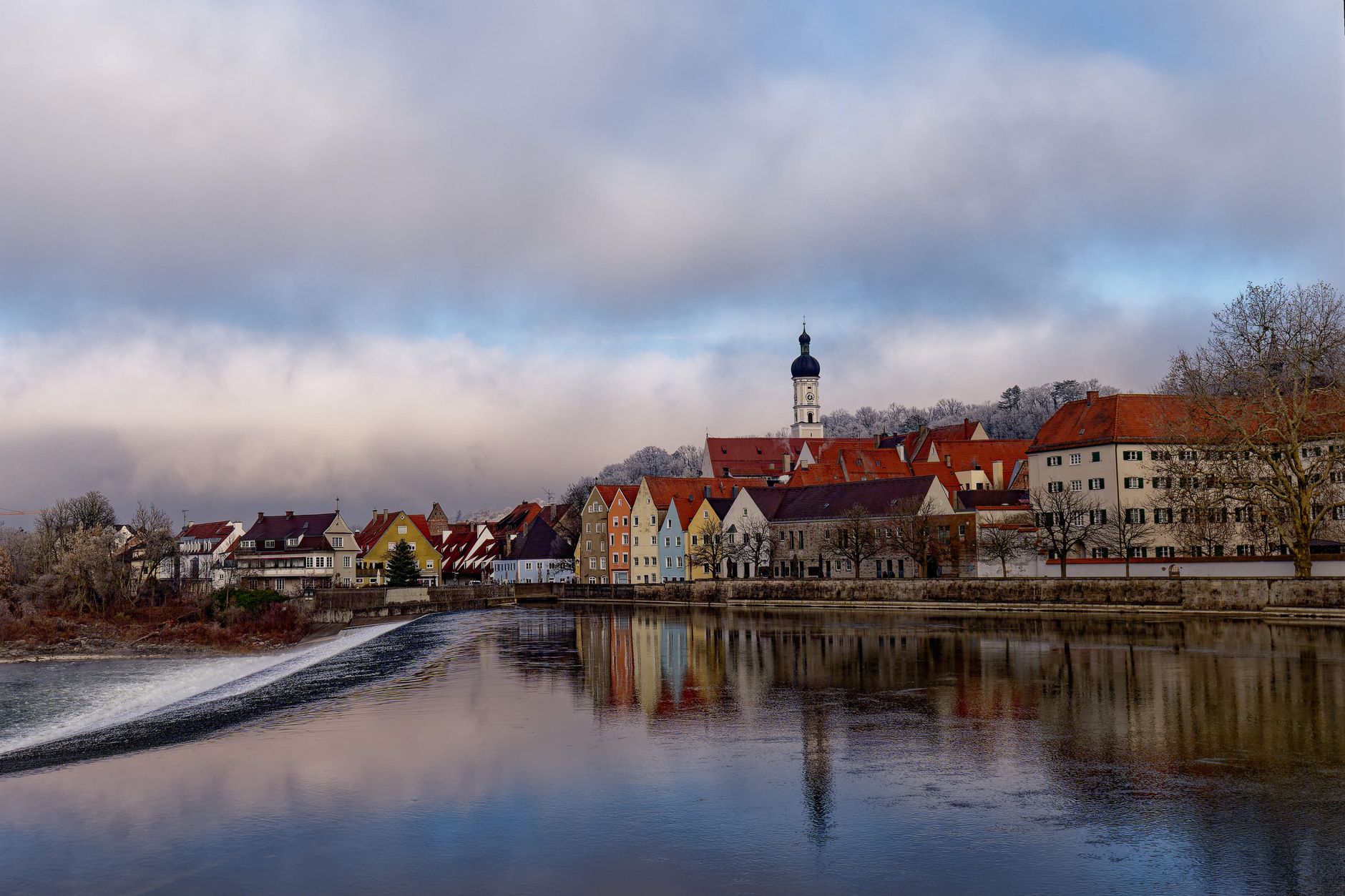
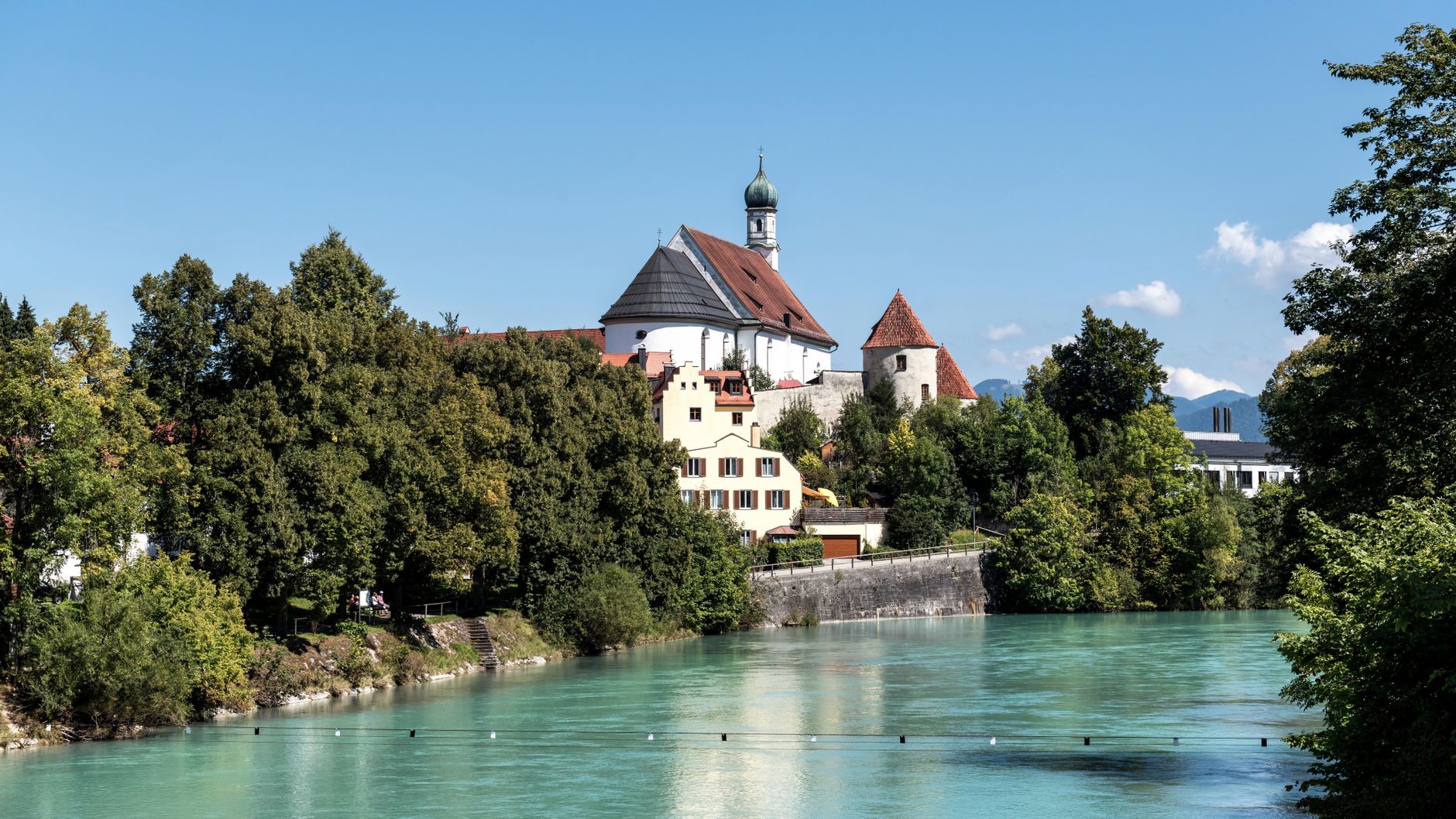
The Bayertor stops you in your tracks — a late Gothic gate from 1425, its stonework so intact it looks like the town simply forgot to move on. Landsberg am Lech sits on the Lech River in Bavaria, a walled market town that collected salt duties from 1320 and grew prosperous enough to commission proper architecture, then kept it.
What you get here is a compact old town where the layers are legible: medieval towers, a baroque town hall with frescoes, a weir that's been rebuilt since the 14th century. The Romantic Road passes through, but Landsberg tends to reward slower attention than a coach-tour stop allows.
💛 What travellers fall for
People who come back tend to walk the town walls early, before the day warms up, and end at the Lechwehr to watch the river work against the weir. The Rathaus ballroom — now a concert hall — is worth checking for evening events. The Mutterturm is easy to miss and quietly worth finding.
Deals in Landsberg am Lech
Book directly at the provider

How Landsberg am Lech came to be
Around 1160, Duke Henry the Lion ordered a castle — Castrum Landespurch — built on a site that absorbed an older settlement called Phetine. A town charter followed in the 13th century. Fire levelled the town in 1315, but it was rebuilt, and by 1320 Landsberg had secured the right to collect salt duties on the trade routes passing through, which funded the walls, gates and churches still standing today. A river tax added further income from 1419.
The 18th century brought Dominikus Zimmermann, who lived here from 1716 to 1757, served as mayor, and left his mark on the town hall facade. Hubert von Herkomer, born near the town in 1849, erected the Mutterturm in 1884 and painted two large canvases in the council chamber. Johnny Cash was stationed at the Landsberg-Lech Airbase from 1951 to 1954, early in his life, before any of the records.
Who and what shaped it
People who shaped it
Landmark buildings
See Landsberg am Lech in motion
Plan your visit
On the map
When to go
Bavarian summers are warm and occasionally thundery — July and August bring the most visitors and the most reliable sunshine. Spring and September offer cooler, clearer days that suit walking the walls and the riverside paths; winters are cold and sometimes snowy, which gives the Gothic stonework a particular quality if you don't mind the chill.
Right now
Background & history adapted from Wikipedia (CC BY-SA) · specs from Wikidata (CC0) · weather from Open-Meteo · map data © OpenStreetMap contributors · photos from Wikimedia Commons / Unsplash with per-image credit. No third-party reviews or social posts reproduced.