
Cologne
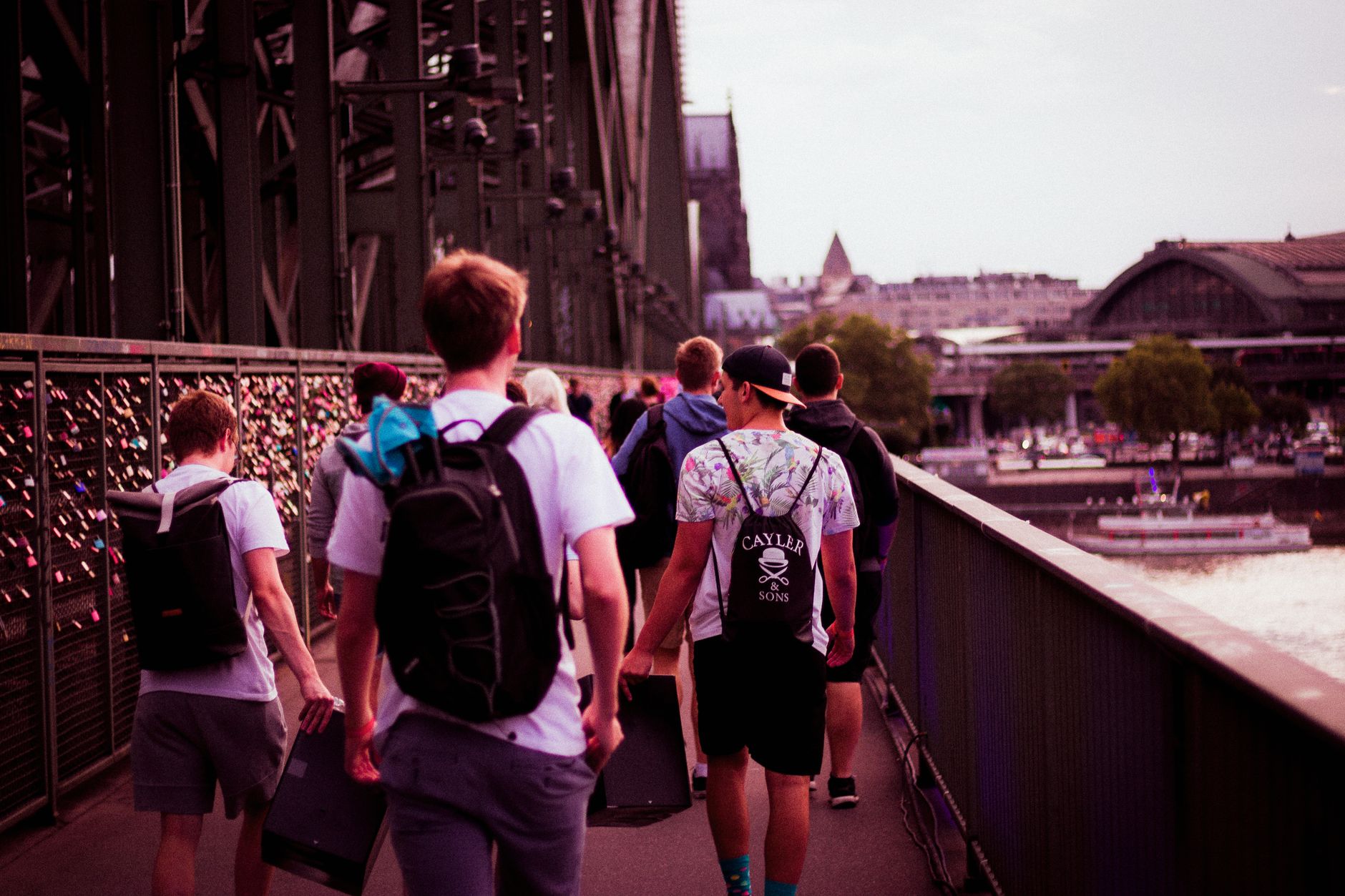
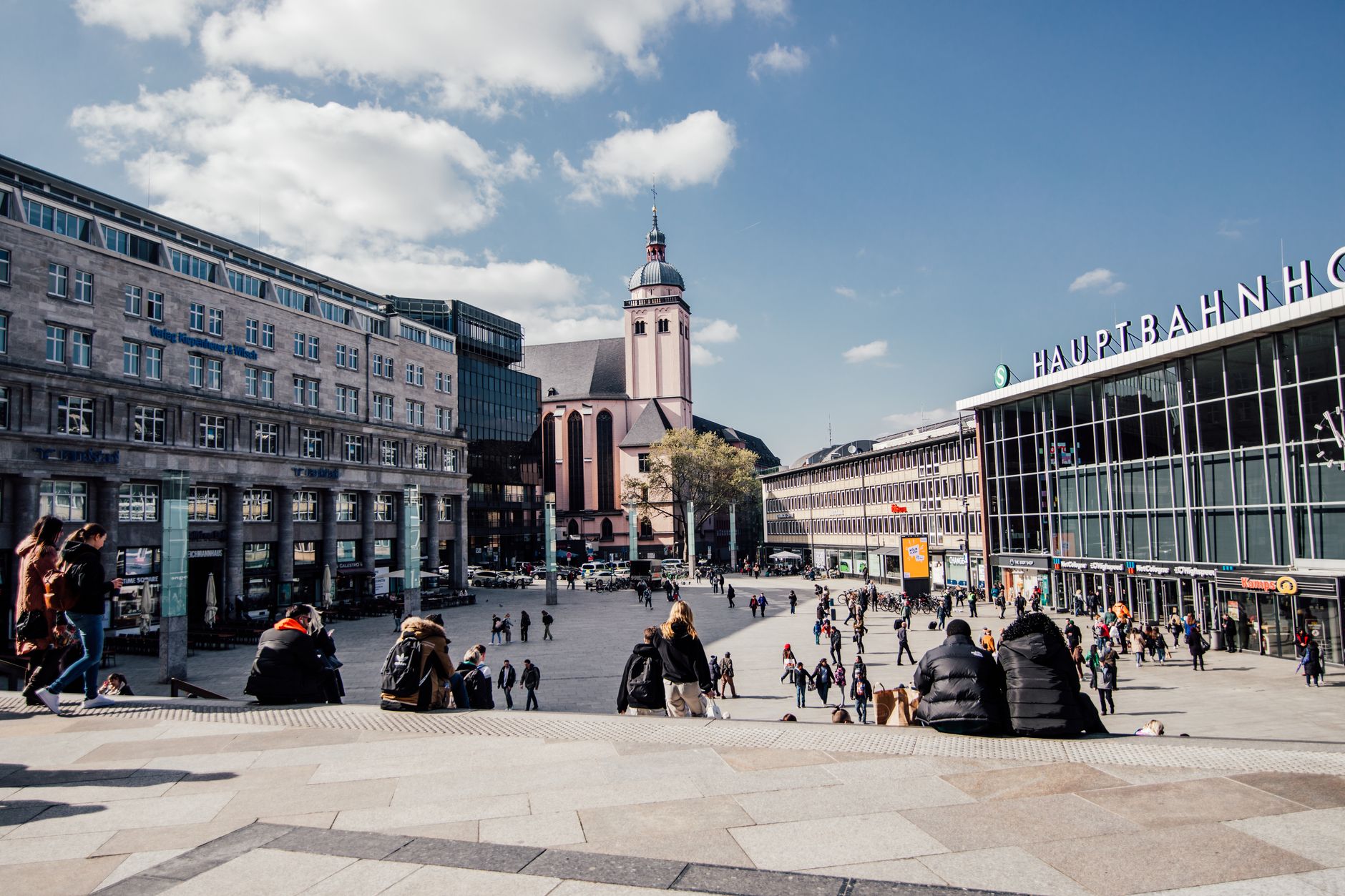
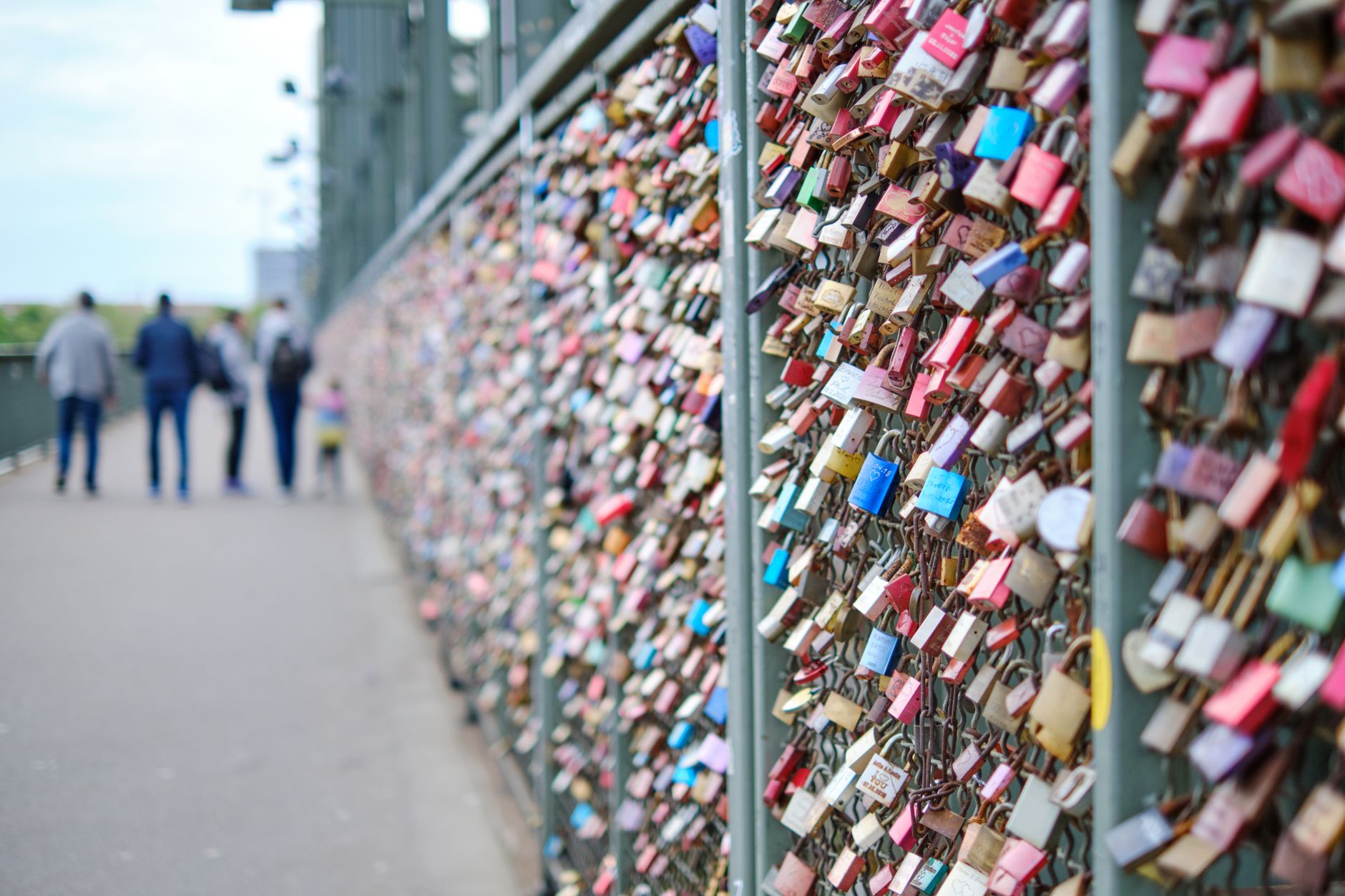
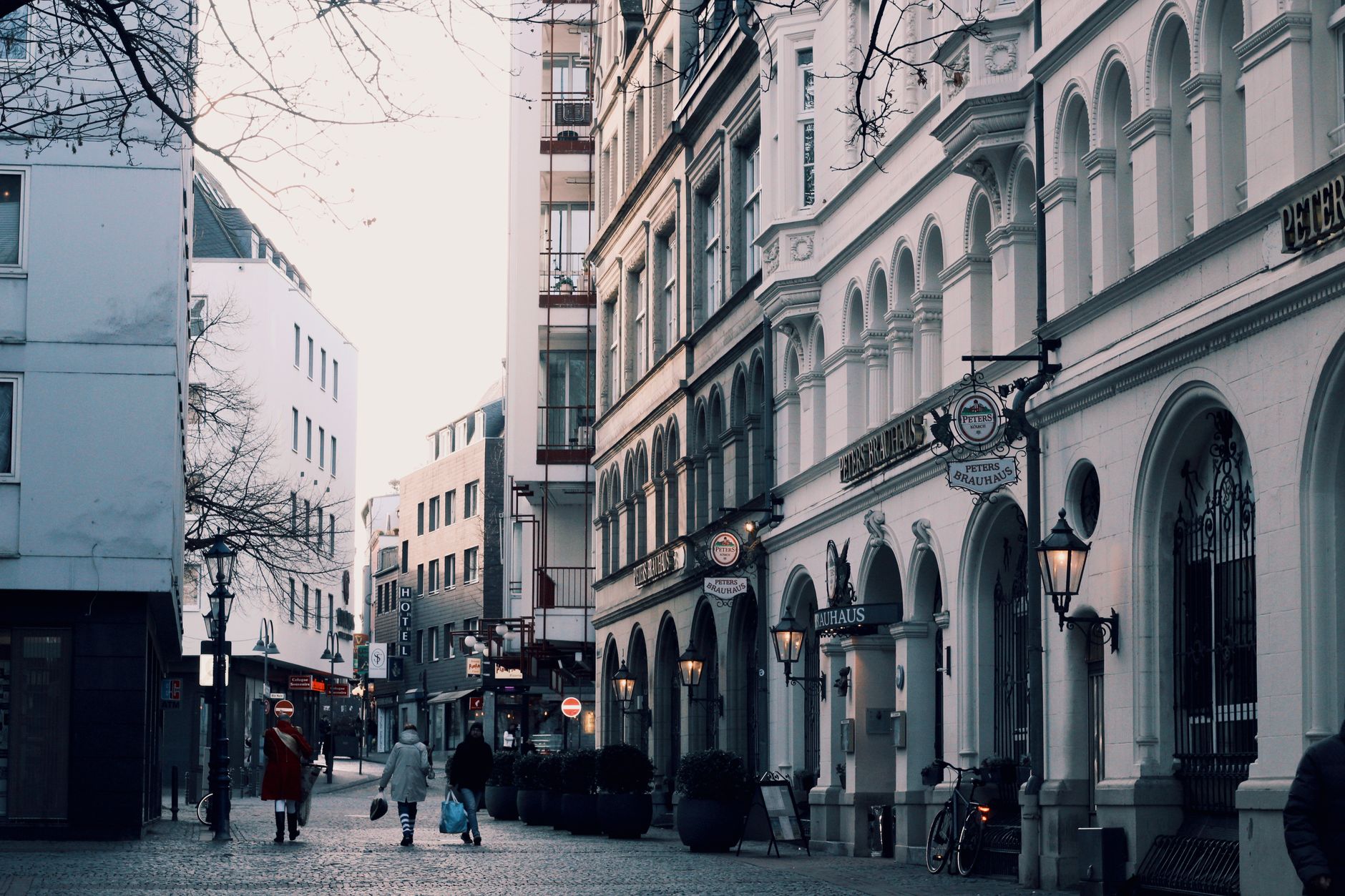
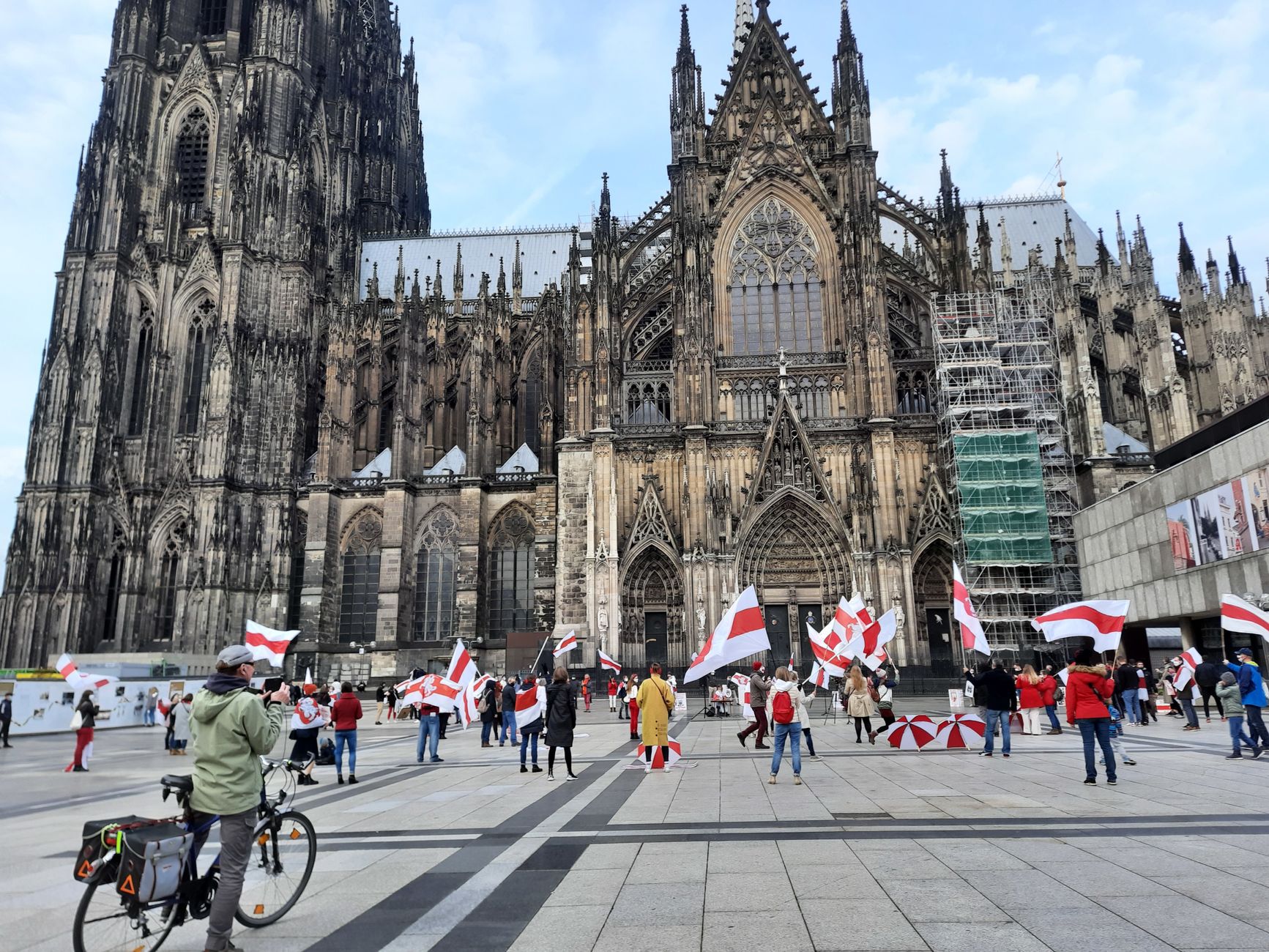
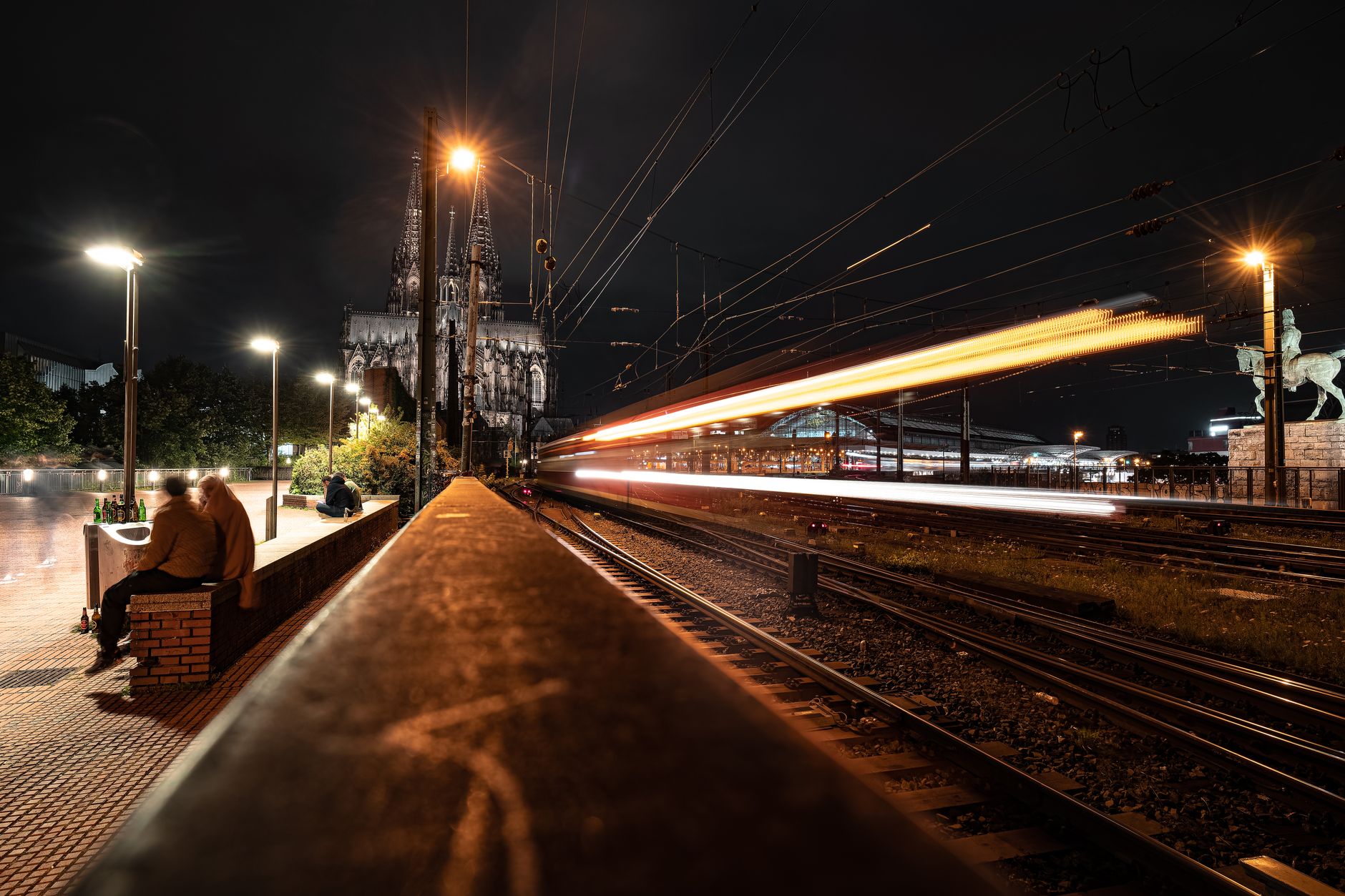
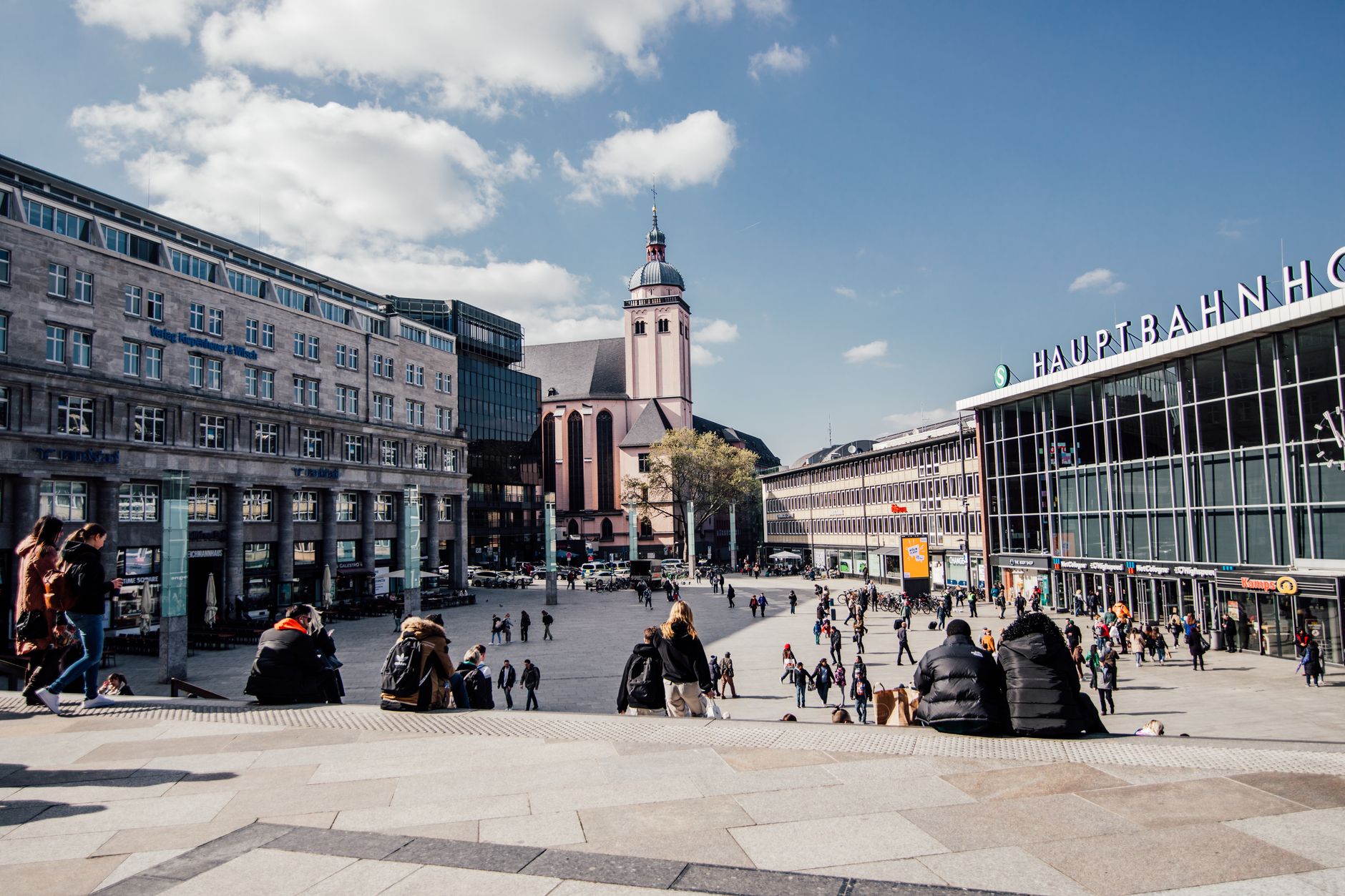
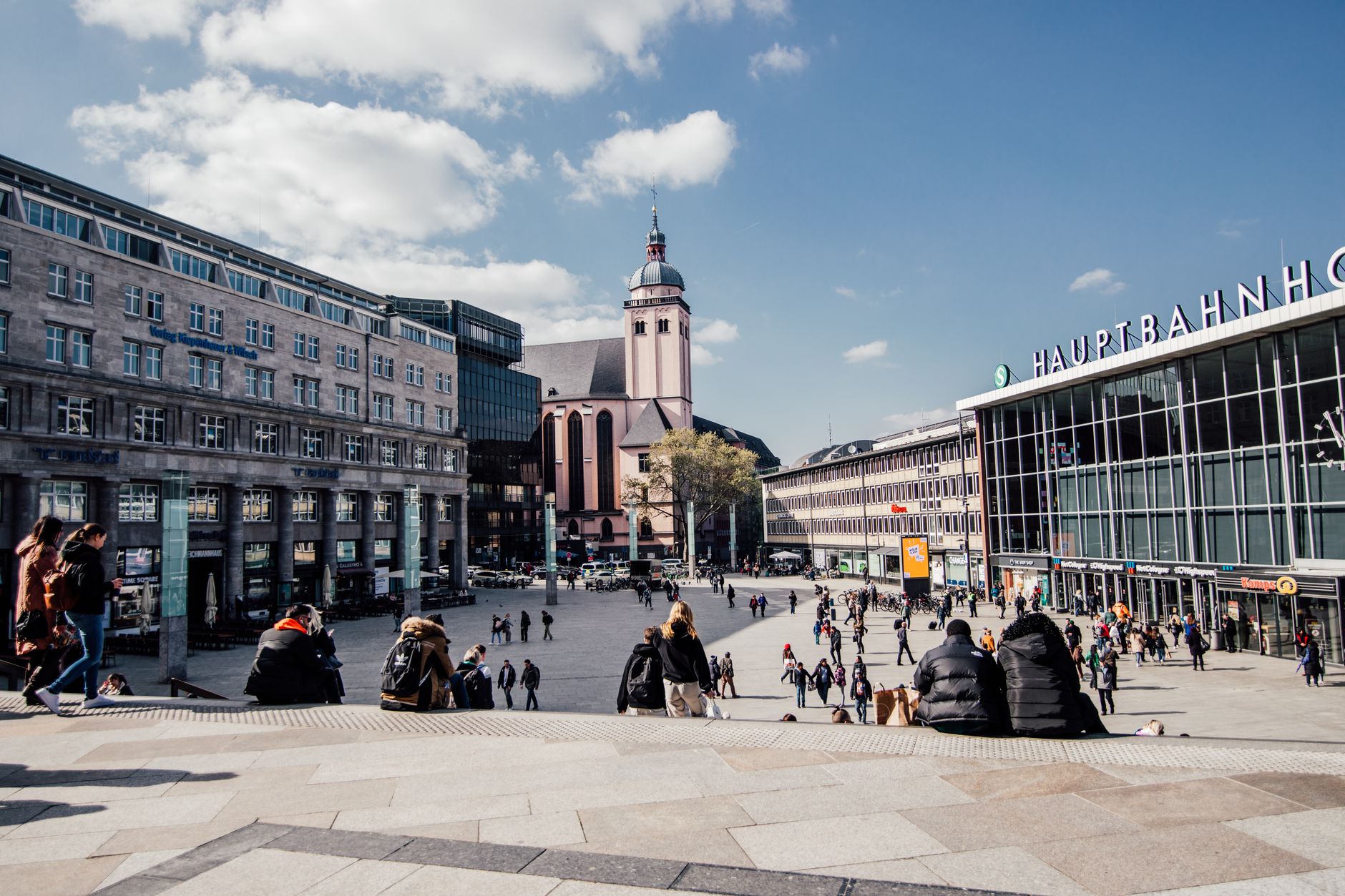
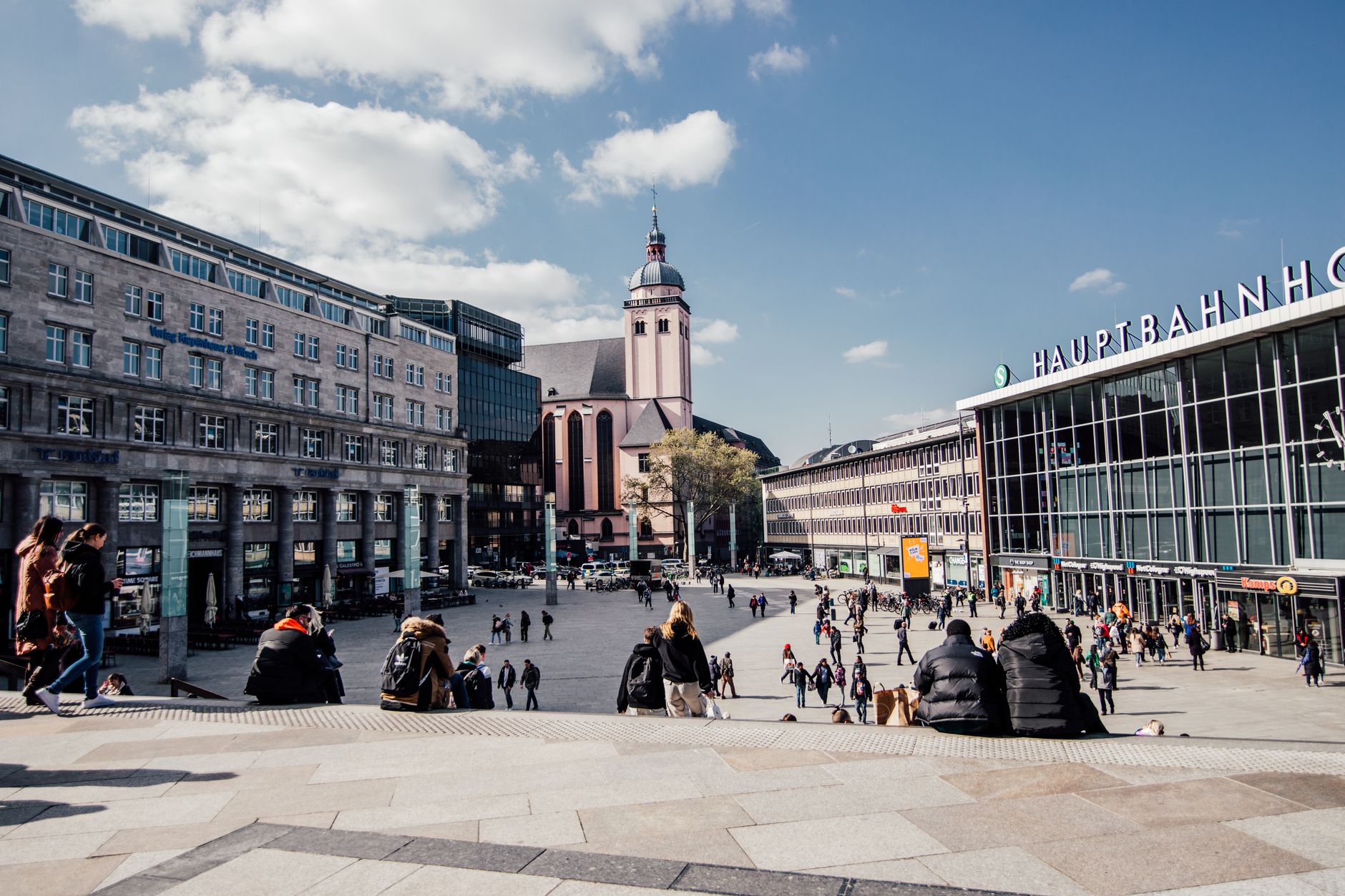
Cologne announces itself with its cathedral before you've left the train station — the twin spires rise 157 metres directly across the square, and the scale takes a moment to settle. This is a city that has been continuously inhabited for over two thousand years, and the layers show: Roman foundations beneath medieval churches, postwar concrete beside Romanesque apses, a riverside lined with cranes and café terraces in equal measure.
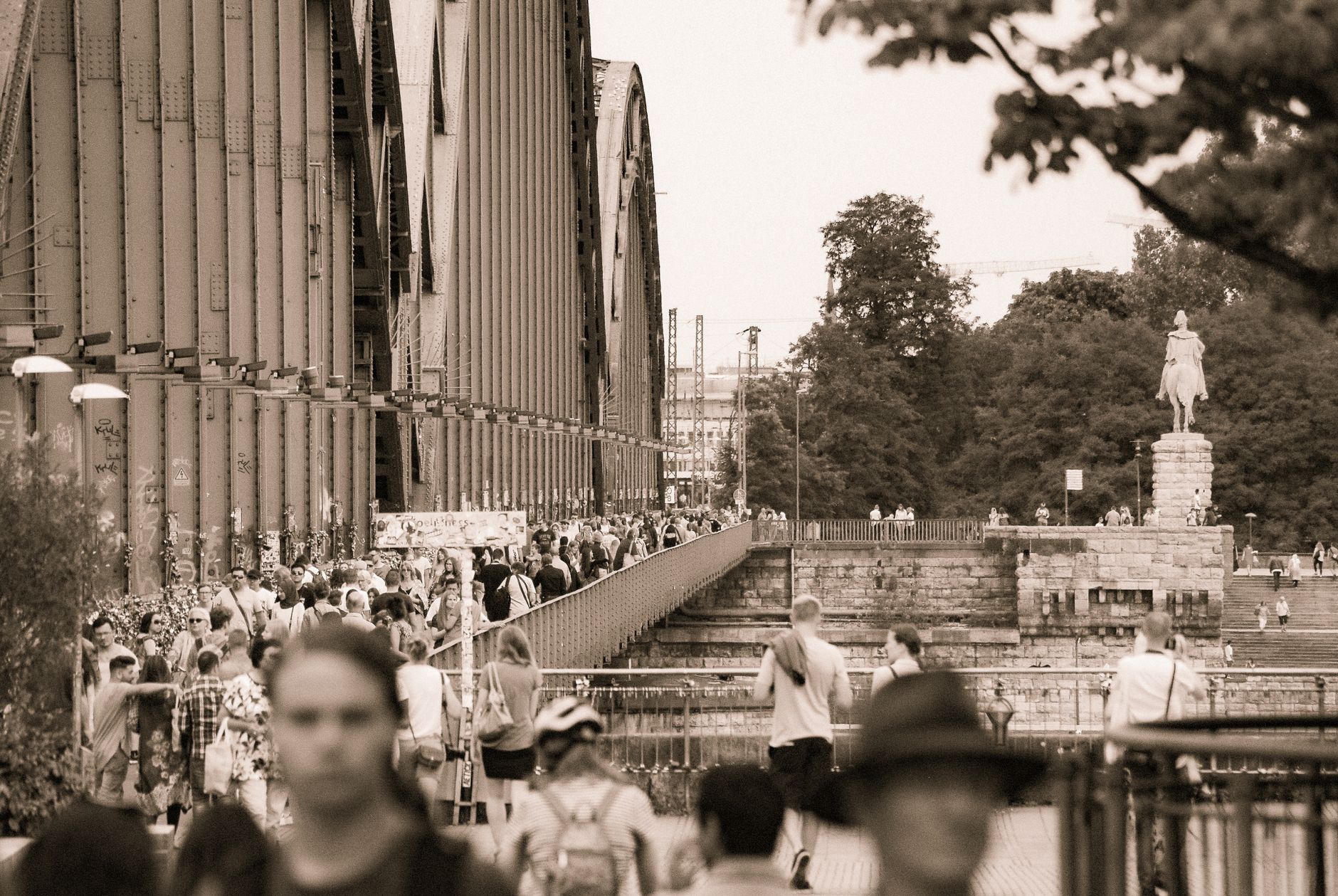
The Rhine is the other constant. It bends through the city's western edge, wide and working, and the old town clusters on its banks around twelve Romanesque churches that survived — or were rebuilt after — the 262 air raids of World War II. Cologne earns its place as one of Germany's great cities not through polish but through persistence.
How Cologne came to be
The city began in 38 BC as a settlement of the Ubii, a Germanic tribe, before Emperor Claudius formalized it as a Roman colony in AD 50 — naming it Colonia Claudia Ara Agrippinensium after himself and his wife Agrippina the Younger. By AD 85 it was capital of the province of Germania Inferior. Medieval Cologne grew into one of Europe's great ecclesiastical and commercial centres: in 1164, Archbishop Reinald von Dassel brought the supposed relics of the Three Wise Men from Milan, turning the city into a major pilgrimage destination and spurring construction of the cathedral that began in 1248.
The city won its political independence from its archbishop at the Battle of Worringen in 1288. The cathedral stood unfinished for three centuries before work resumed in the 19th century; it was completed in 1880, briefly the tallest building on earth. World War II left the city almost empty — its population fell to 40,000 by March 1945 — but reconstruction was thorough enough that the Romanesque churches and the cathedral skyline read, broadly, as they did before.
Who and what shaped it
People who shaped it
Landmark buildings
See Cologne in motion
Plan your visit
On the map
When to go
Cologne has a temperate oceanic climate: summers are mild and occasionally warm, with temperatures in the low-to-mid twenties Celsius; winters are grey and damp rather than bitterly cold. Spring and early autumn offer the most reliable conditions for walking the city, while July and August bring the heaviest tourist traffic around the cathedral.
Right now
↡ Cities
Background & history adapted from Wikipedia (CC BY-SA) · specs from Wikidata (CC0) · weather from Open-Meteo · map data © OpenStreetMap contributors · photos from Wikimedia Commons / Unsplash with per-image credit. No third-party reviews or social posts reproduced.