
Cologne Cathedral
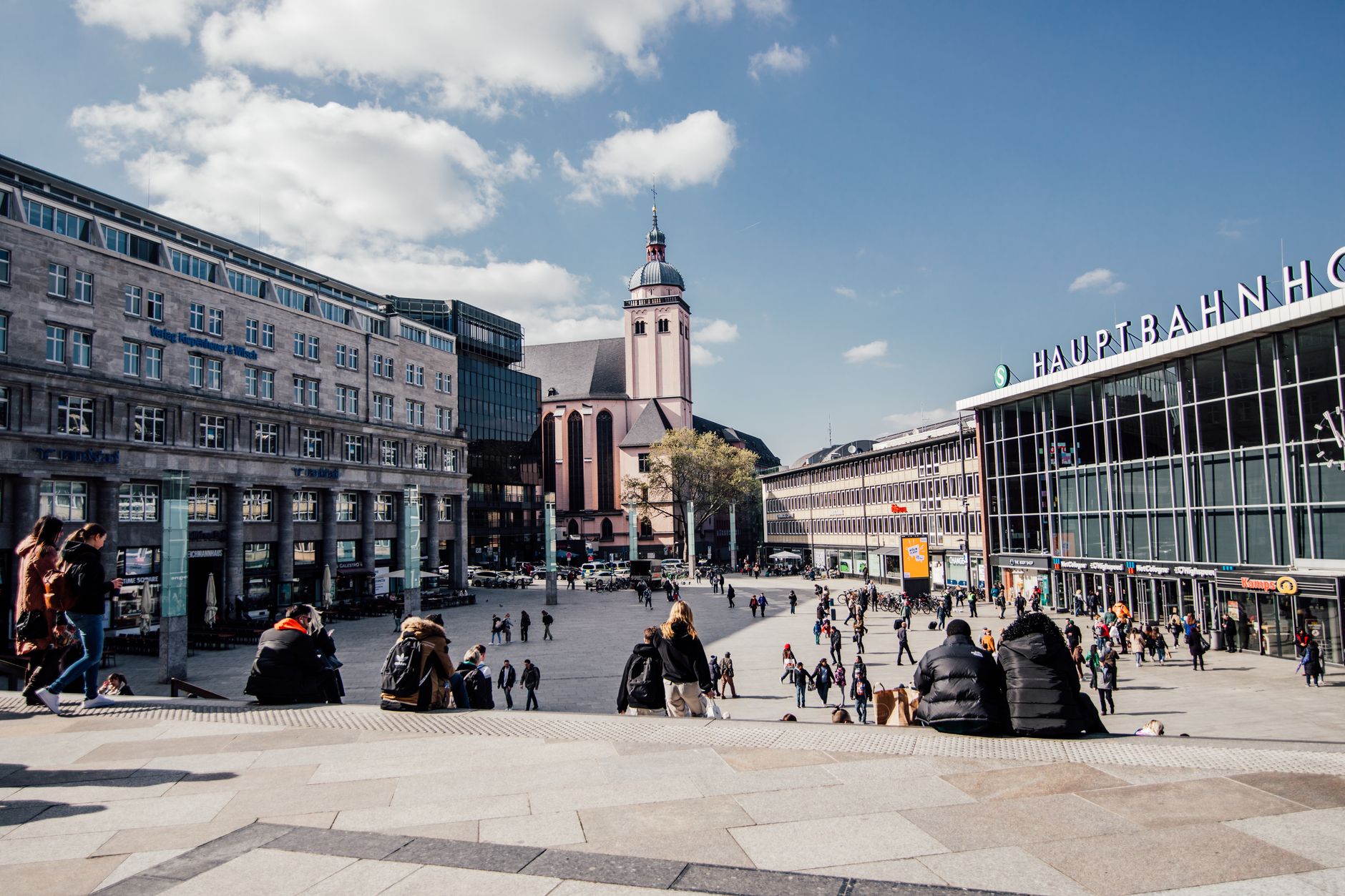
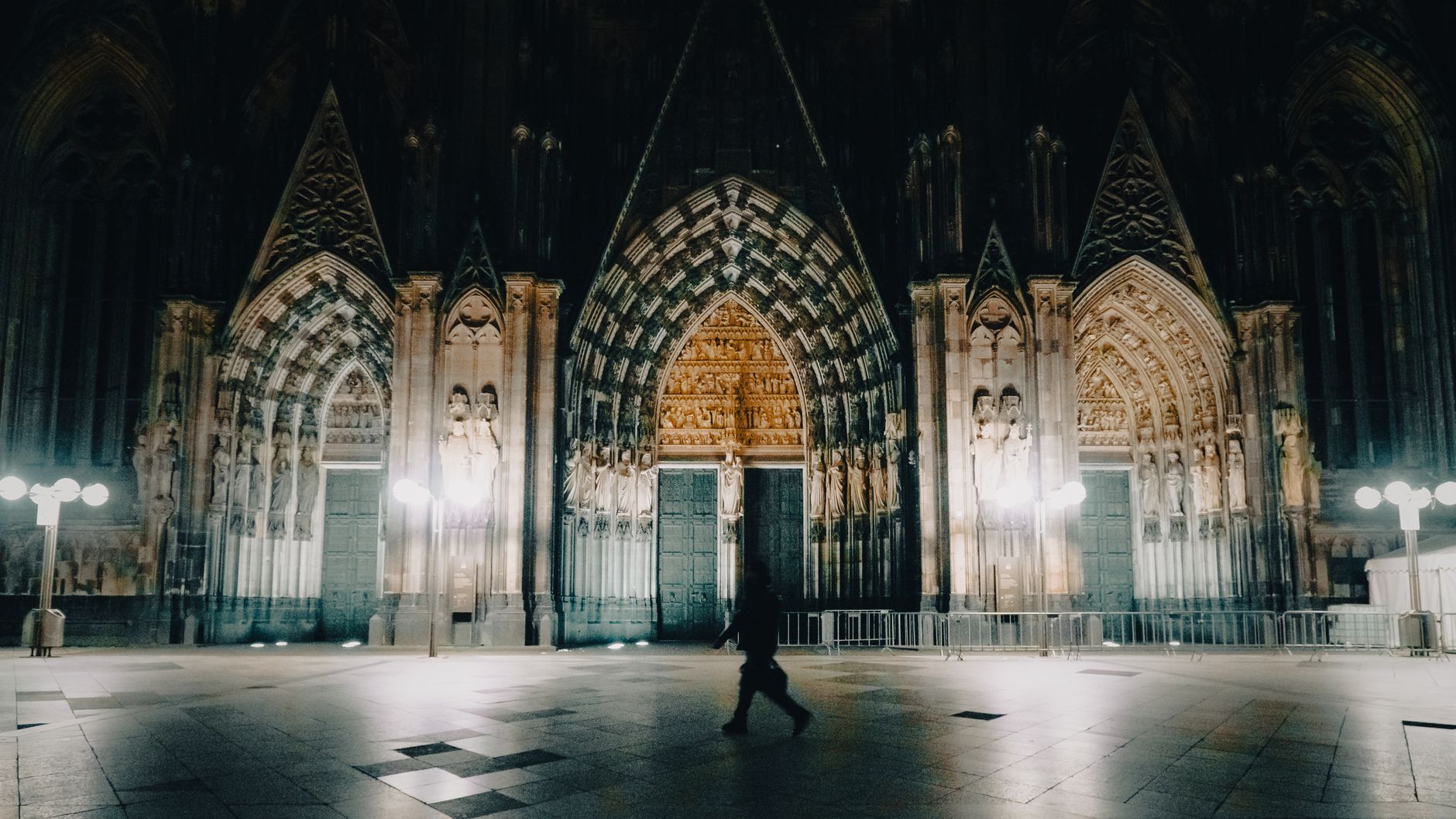
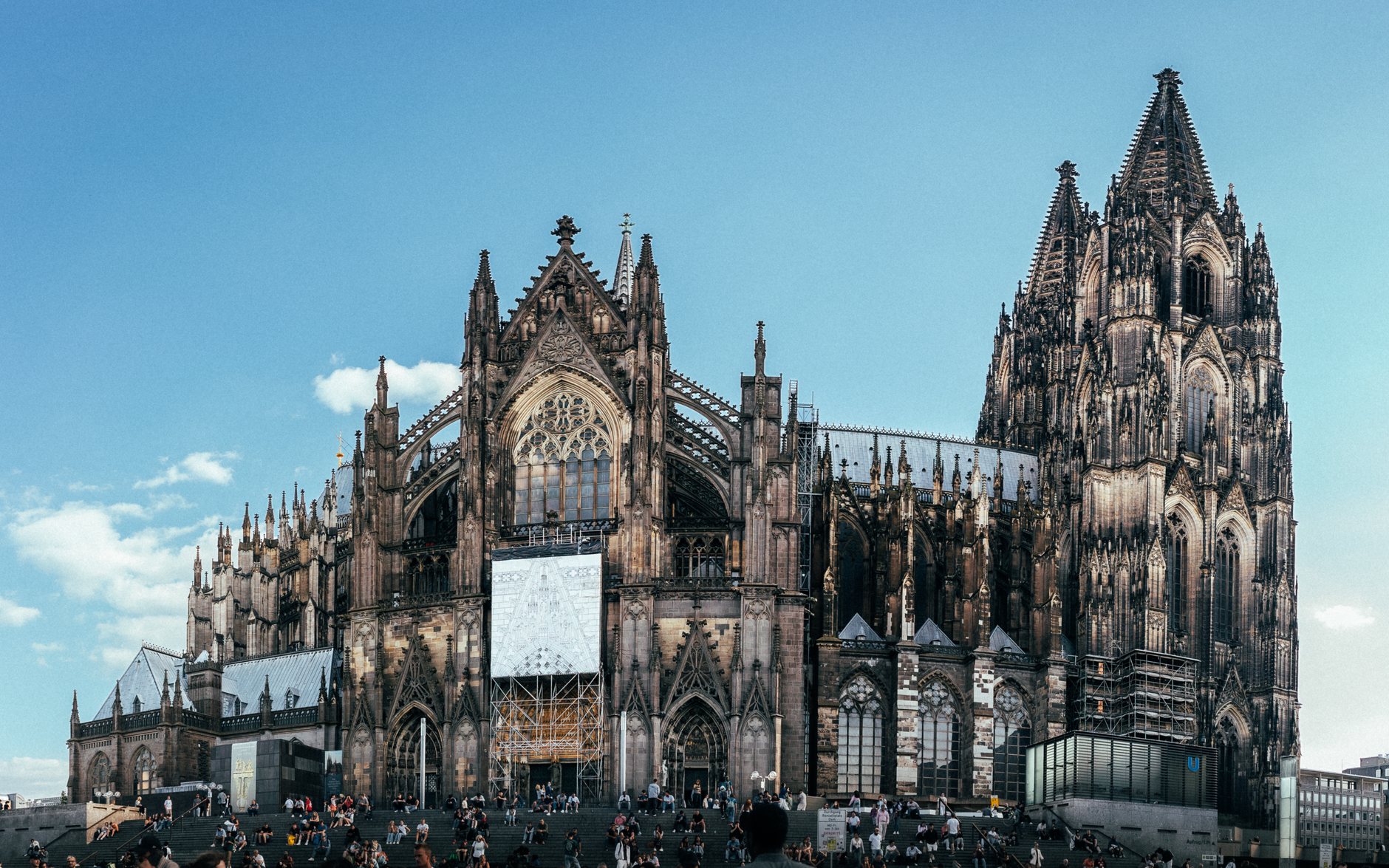
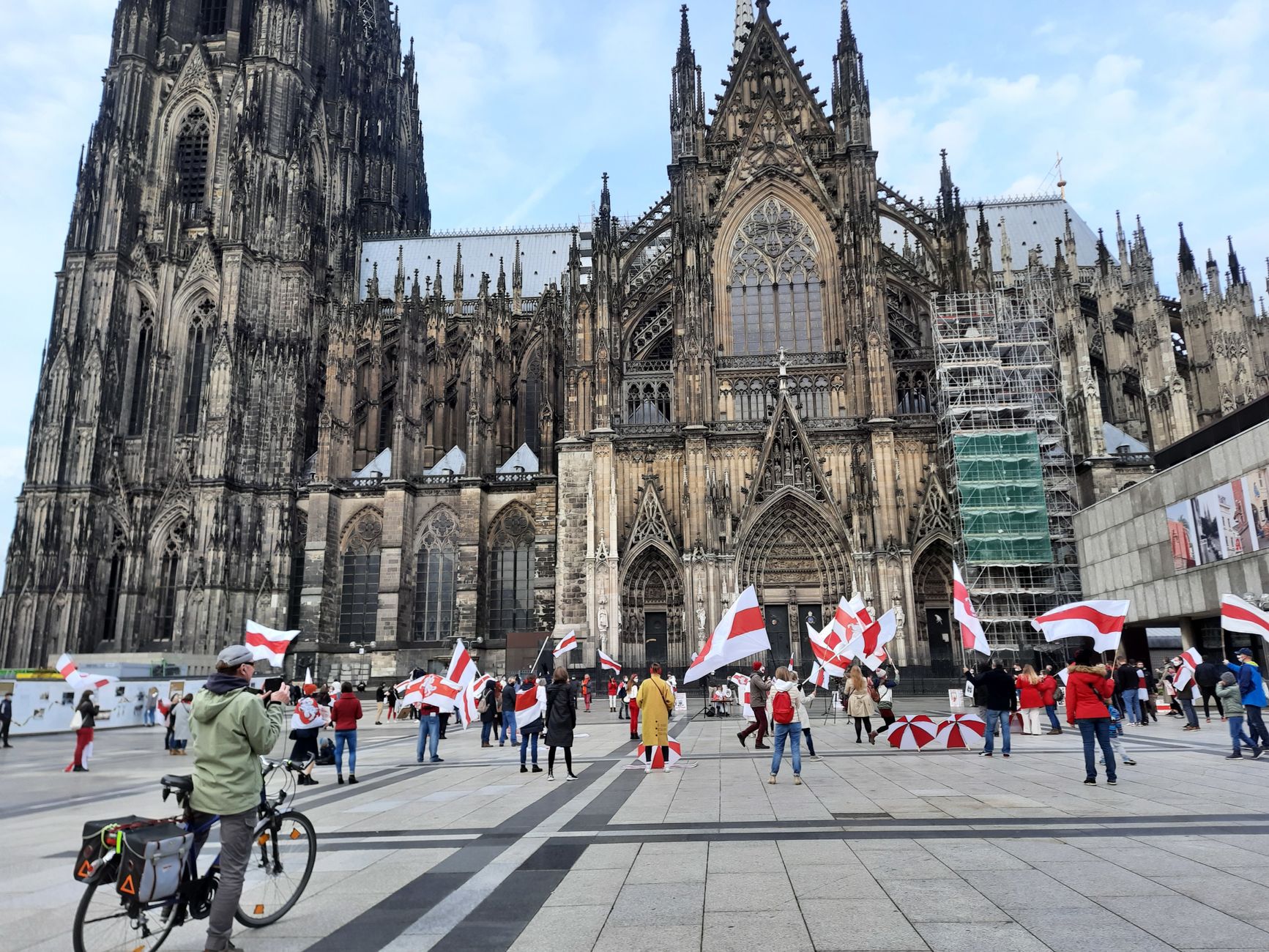
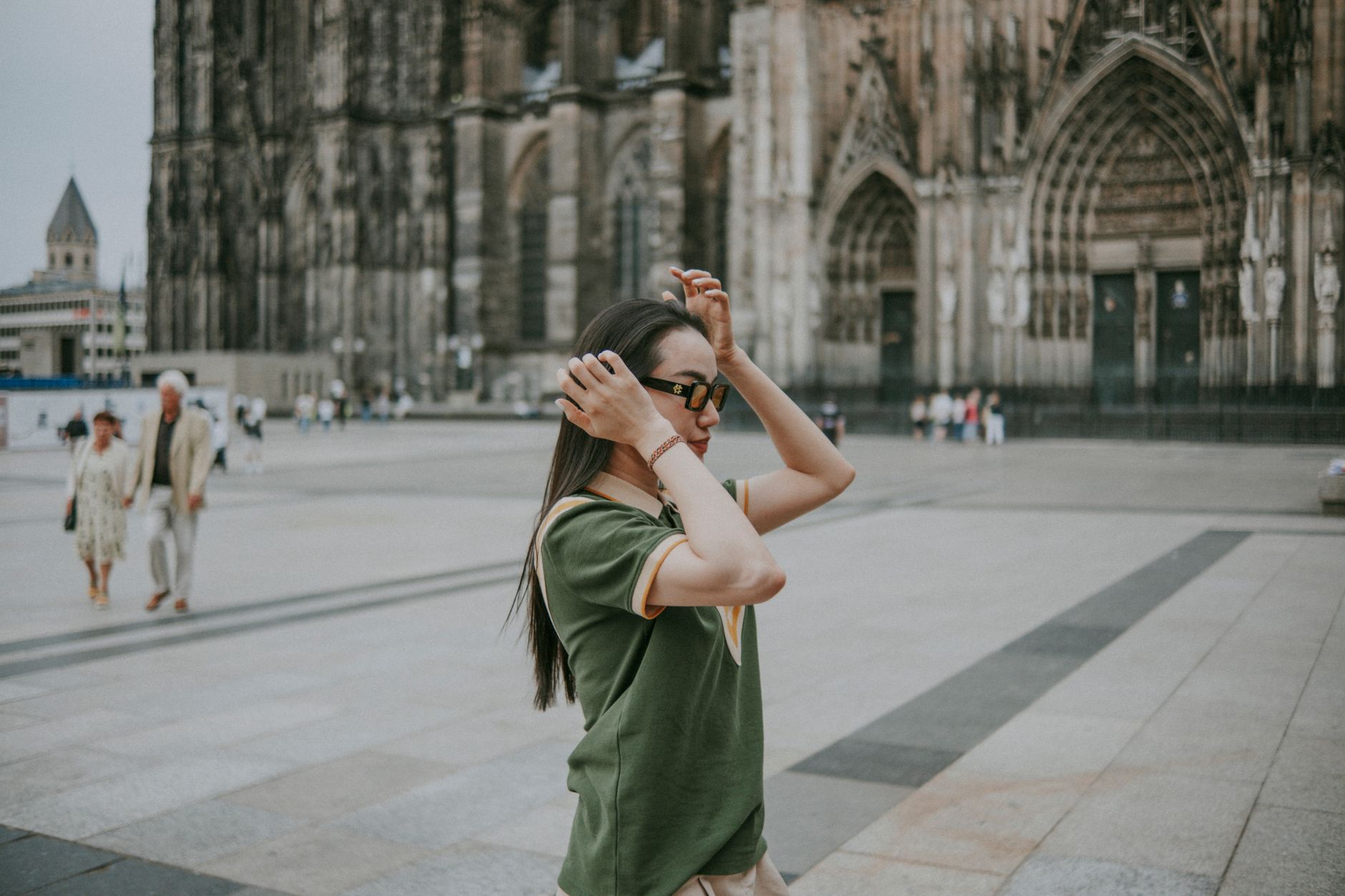
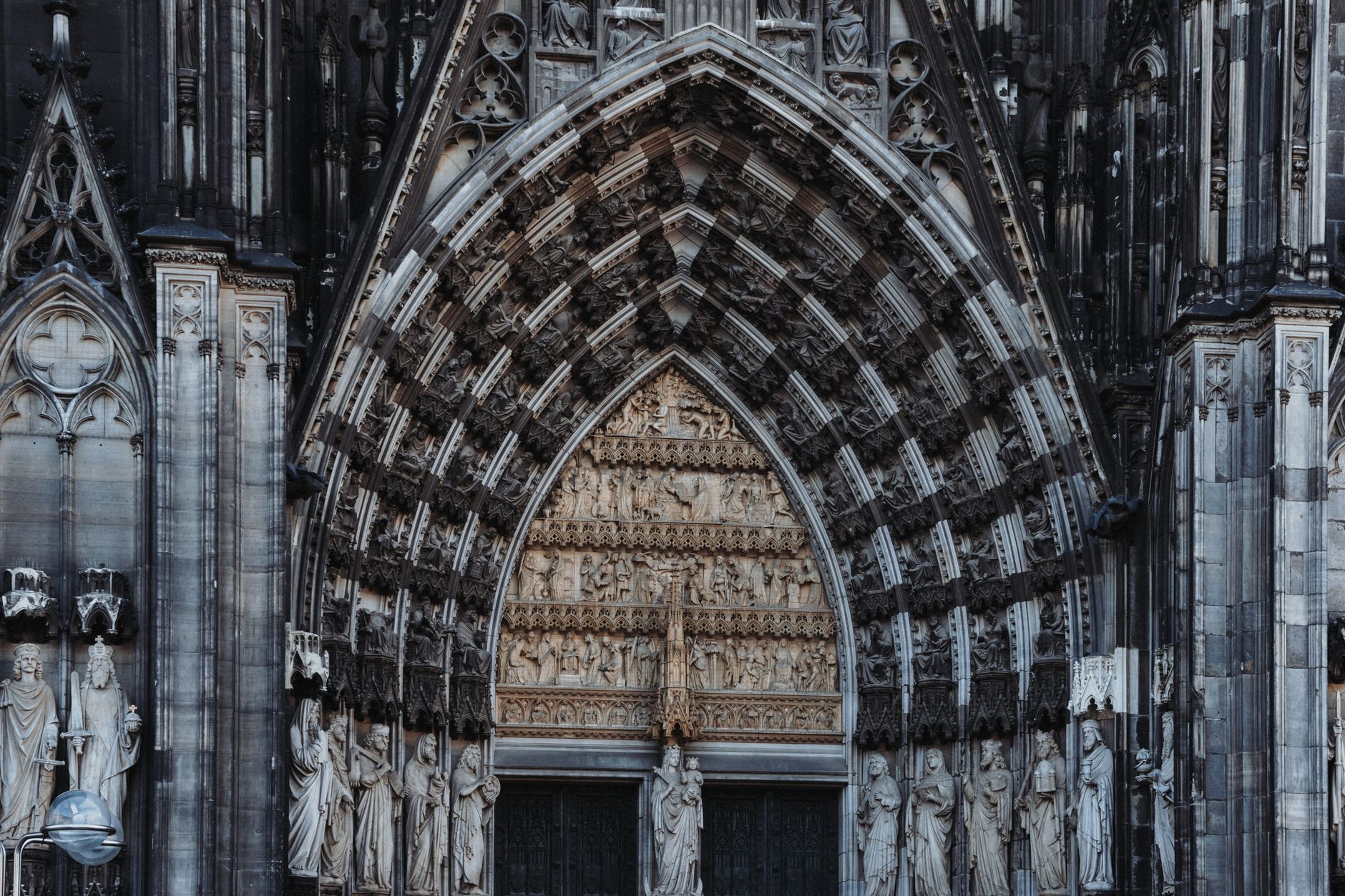
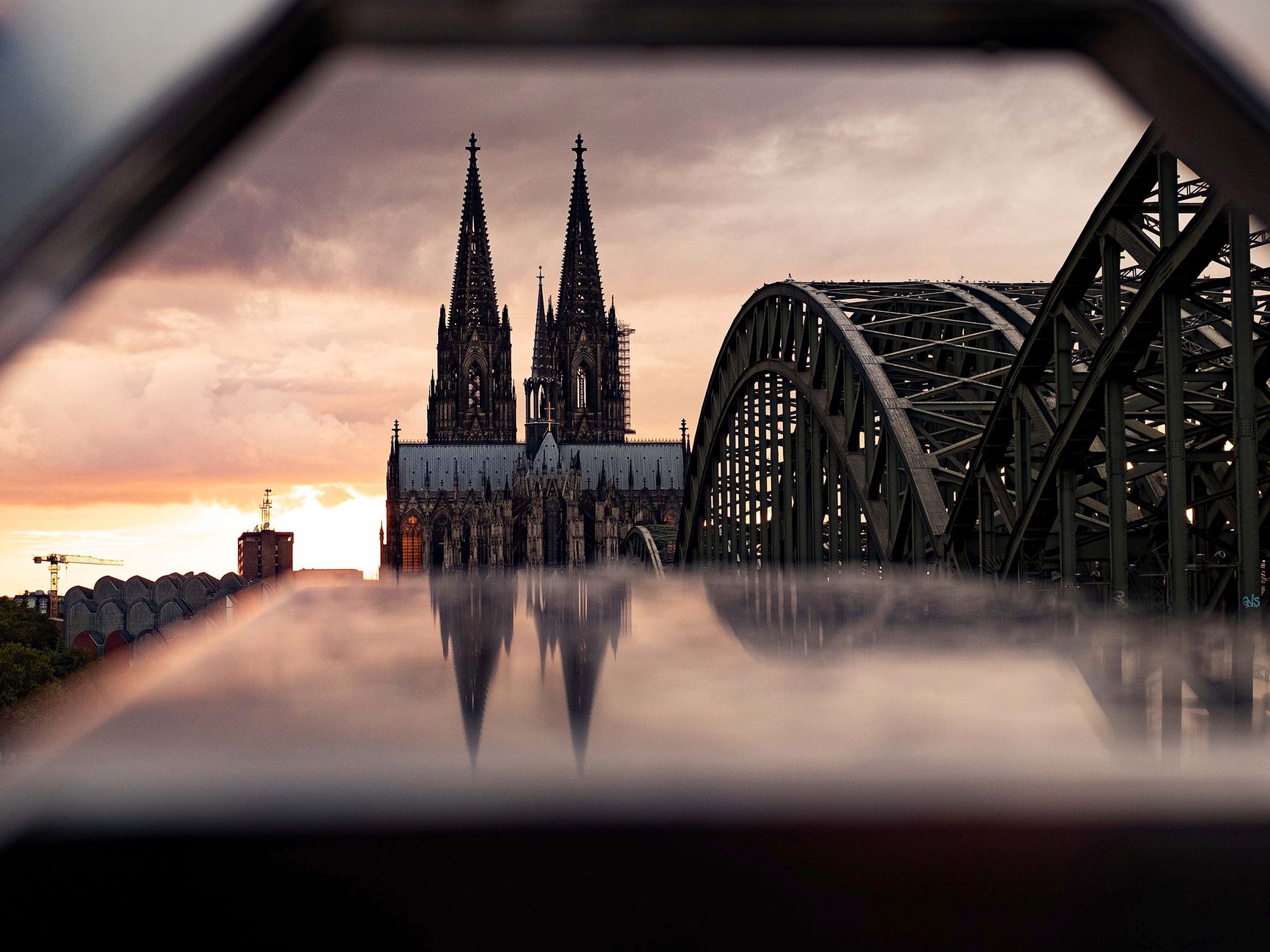
The first thing you notice is the stone — almost black, centuries of soot and acid rain having darkened the trachyte and sandstone into something that looks less built than grown out of the earth. Cologne Cathedral stands directly beside the main railway station, and the effect of stepping off a train and finding yourself at the foot of 157-metre twin towers is genuinely disorienting in scale.
Inside, the nave climbs to nearly 44 metres and the light shifts depending on where you stand — warm and figurative near Stefan Lochner's 1445 altarpiece in the Lady Chapel, then fractured into 72 colours by Gerhard Richter's window of over 11,000 square panes on the south transept.
💛 What travellers fall for
People who return tend to come back for the tower at opening time — 9 AM, before the crowds find the 533 steps. The Shrine of the Three Kings, a gilded reliquary near the high altar made by Nicholas of Verdun from 1190, rewards a second look once you know what you're standing in front of.
Deals in Cologne Cathedral
Book directly at the provider

How Cologne Cathedral came to be
The cathedral's origin is a relic story. In 1164, Archbishop Rainald von Dassel brought the supposed bones of the Three Wise Men from Milan to Cologne, and the city needed a church worthy of them. Archbishop Konrad von Hochstaden laid the foundation stone on August 15, 1248 — the feast of the Assumption — and Master Gerhard drew up the ground plan. The choir was complete by the 14th century, but construction stalled in 1560 as the Reformation and later the Thirty Years' War made continuation impossible. A large wooden crane sat atop the unfinished south tower for four centuries, an unmissable symbol of the pause.
The project resumed in 1842 under architect Ernst Friedrich Zwirner, driven partly by Romantic nationalism and the rediscovery of the original medieval plans. The building was finally complete in 1880 — 632 years after work began. Allied bombing in World War II caused serious damage, but restoration finished by 1956. UNESCO added it to the World Heritage list in 1996.
Who and what shaped it
People who shaped it
Landmark buildings
See Cologne Cathedral in motion
Plan your visit
On the map
When to go
April through May and September through October give you mild temperatures and thinner crowds than high summer. December brings a Christmas market directly in front of the cathedral, which draws significant numbers and transforms the square at night.
Right now
Background & history adapted from Wikipedia (CC BY-SA) · specs from Wikidata (CC0) · weather from Open-Meteo · map data © OpenStreetMap contributors · photos from Wikimedia Commons / Unsplash with per-image credit. No third-party reviews or social posts reproduced.