
Lindenthal
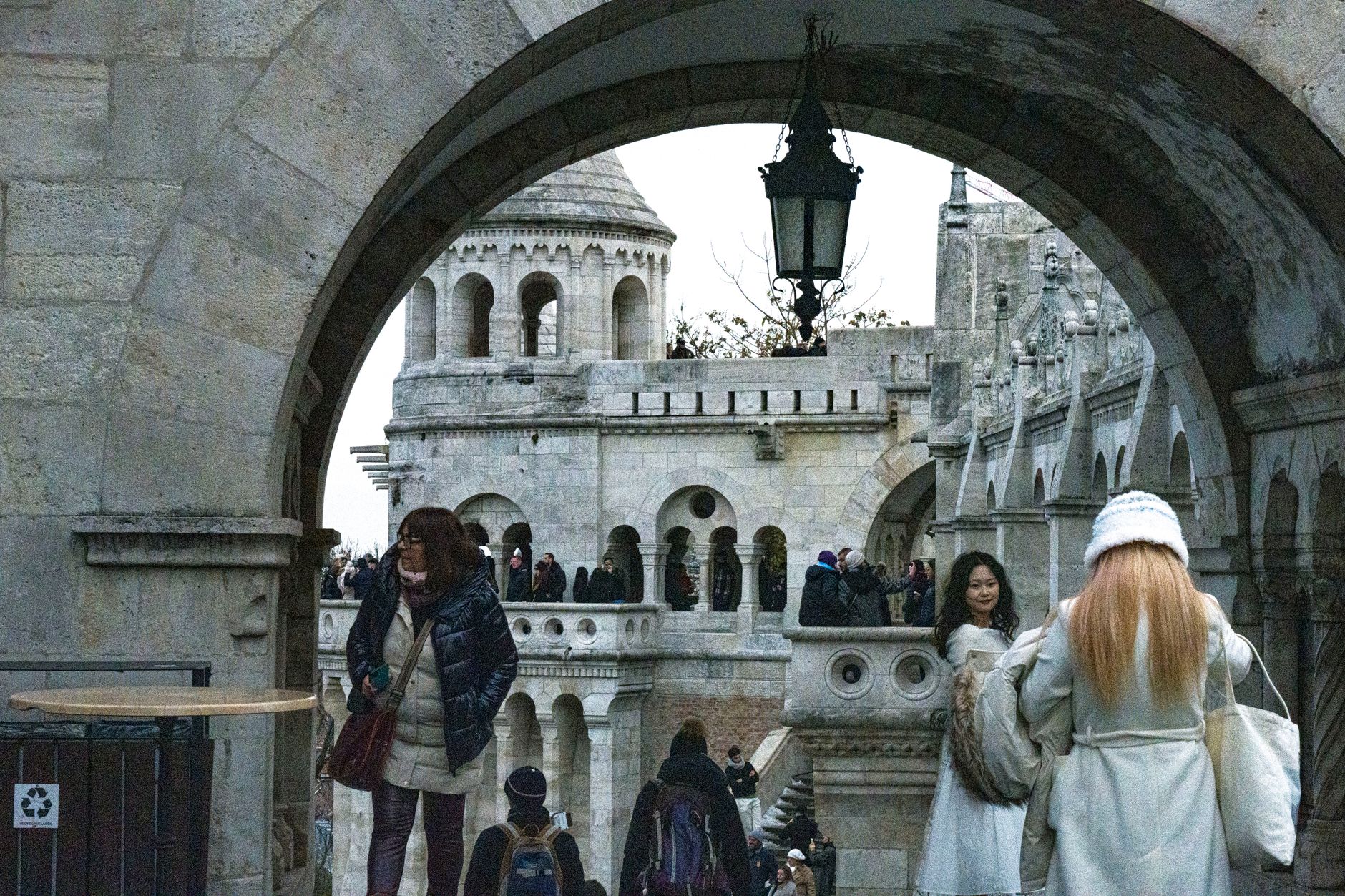
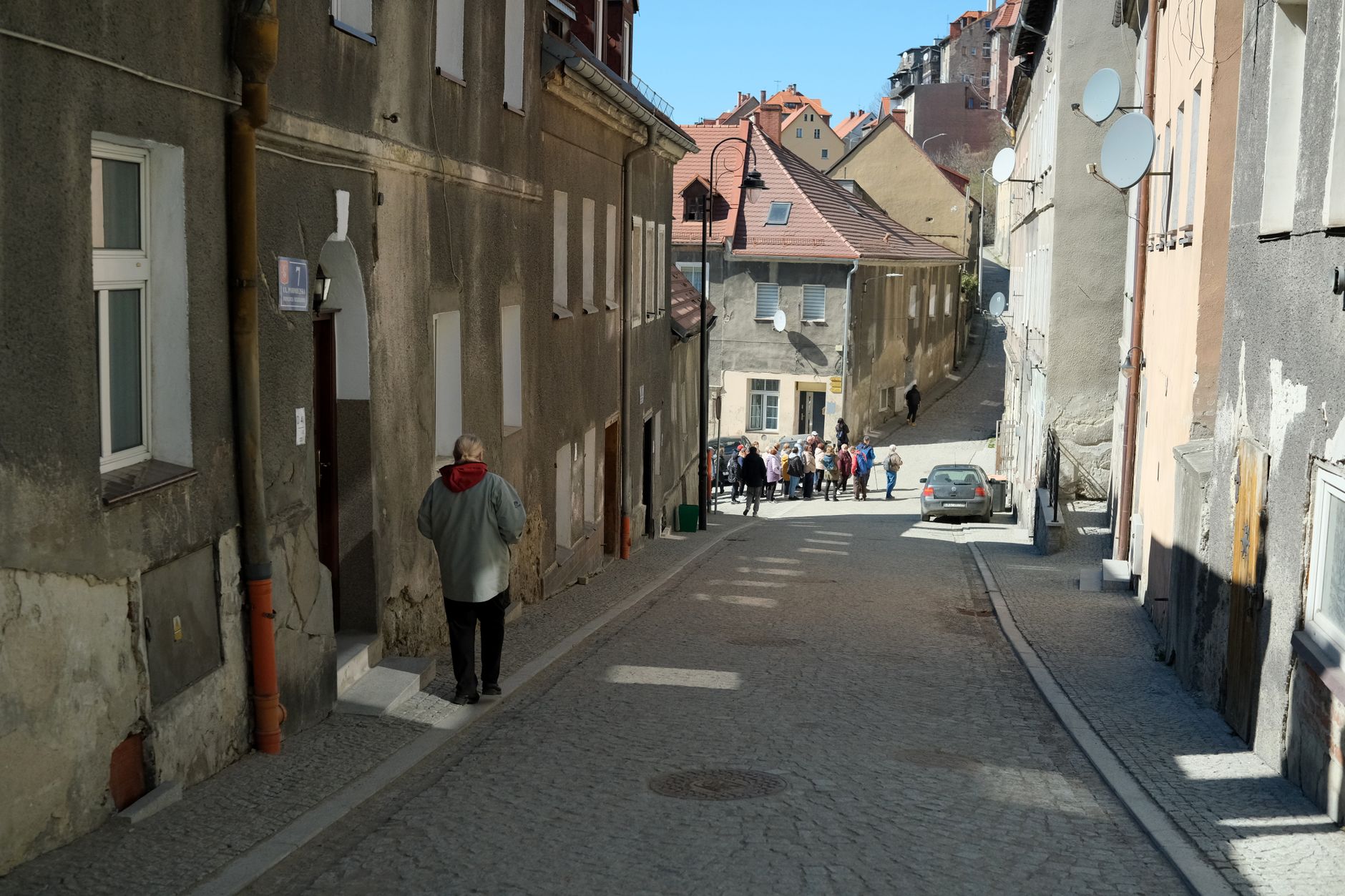
Lindenthal is where Cologne goes to live. West of the ring road, it holds roughly a fifth of the city's entire population across 41 square kilometres of tree-lined streets, student quarters, and one of the finest landscaped cemeteries in Germany. The University of Cologne campus anchors the eastern edge, its main building on Albertus-Magnus-Platz completed in 1934, and the whole district has the particular density of a place that belongs to the people who actually use it.
The rhythm here is residential and academic rather than tourist-facing. Sülz draws students to Berrenrather Straße and Zülpicher Straße after dark; Klettenberg draws families to its park with meadows and ponds by day. There is no single set piece — instead, the district rewards the kind of walking that has no firm destination.
💛 What travellers fall for
People who come back tend to spend a morning at Melaten Cemetery regardless of the season — the axial paths, the monumental gate, the variety of old trees make it function as a park as much as a burial ground. From there, Berrenrather Straße is a reasonable lunch orbit, with the university crowd keeping the options honest on price.
Deals in Lindenthal
Book directly at the provider

How Lindenthal came to be
The ground here was occupied long before Cologne existed as a city. Excavations carried out between 1929 and 1934 uncovered a Neolithic Linear Pottery Culture settlement dating to roughly 4300–4100 BC — one of the earliest known agricultural communities in the region. Lindenthal itself took its modern administrative shape in 1888, when five separate areas were merged into Cologne.
The 20th century gave the district two of its defining landmarks in quick succession. In 1929, Mayor Konrad Adenauer laid the foundation stone for the new University of Cologne campus, its main building finished by 1934. That same decade, the Neolithic site was being excavated nearby. Melaten Cemetery, established in 1810 under a Napoleonic decree banning burials within city walls, had already been reshaping the western edge of the district for over a century — its design consciously modelled on Paris's Père Lachaise, on land that had housed a lepers' asylum as far back as the 12th century.
Who and what shaped it
People who shaped it
Landmark buildings
See Lindenthal in motion
Plan your visit
On the map
When to go
Cologne sits at 51°N in western Germany, which means mild, grey winters and warm rather than hot summers — rain is possible in any month, so a layer is rarely wasted. Spring and early autumn tend to give the clearest light for walking the cemetery or the campus grounds.
Right now
Background & history adapted from Wikipedia (CC BY-SA) · specs from Wikidata (CC0) · weather from Open-Meteo · map data © OpenStreetMap contributors · photos from Wikimedia Commons / Unsplash with per-image credit. No third-party reviews or social posts reproduced.