
Old Town (Altstadt)
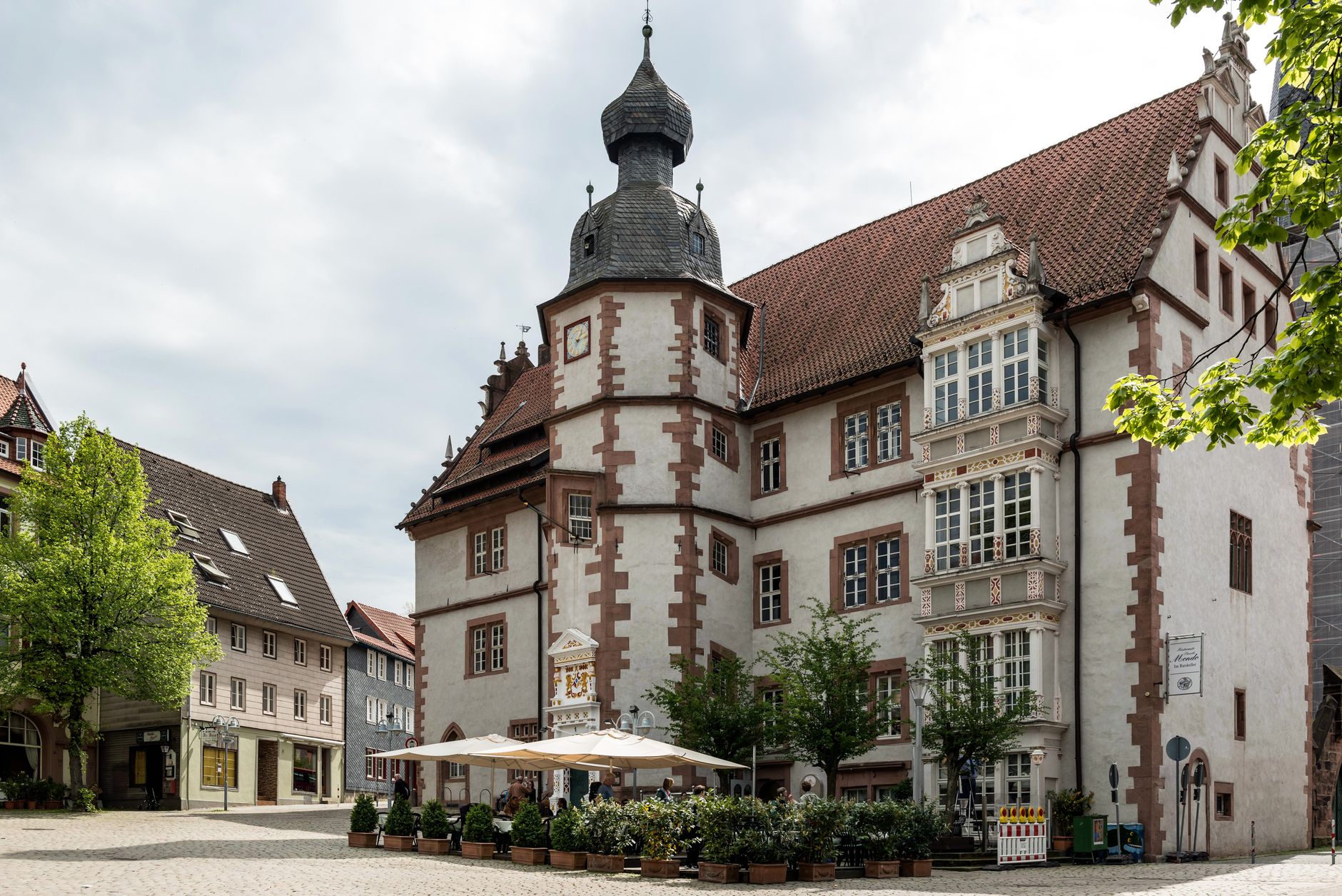
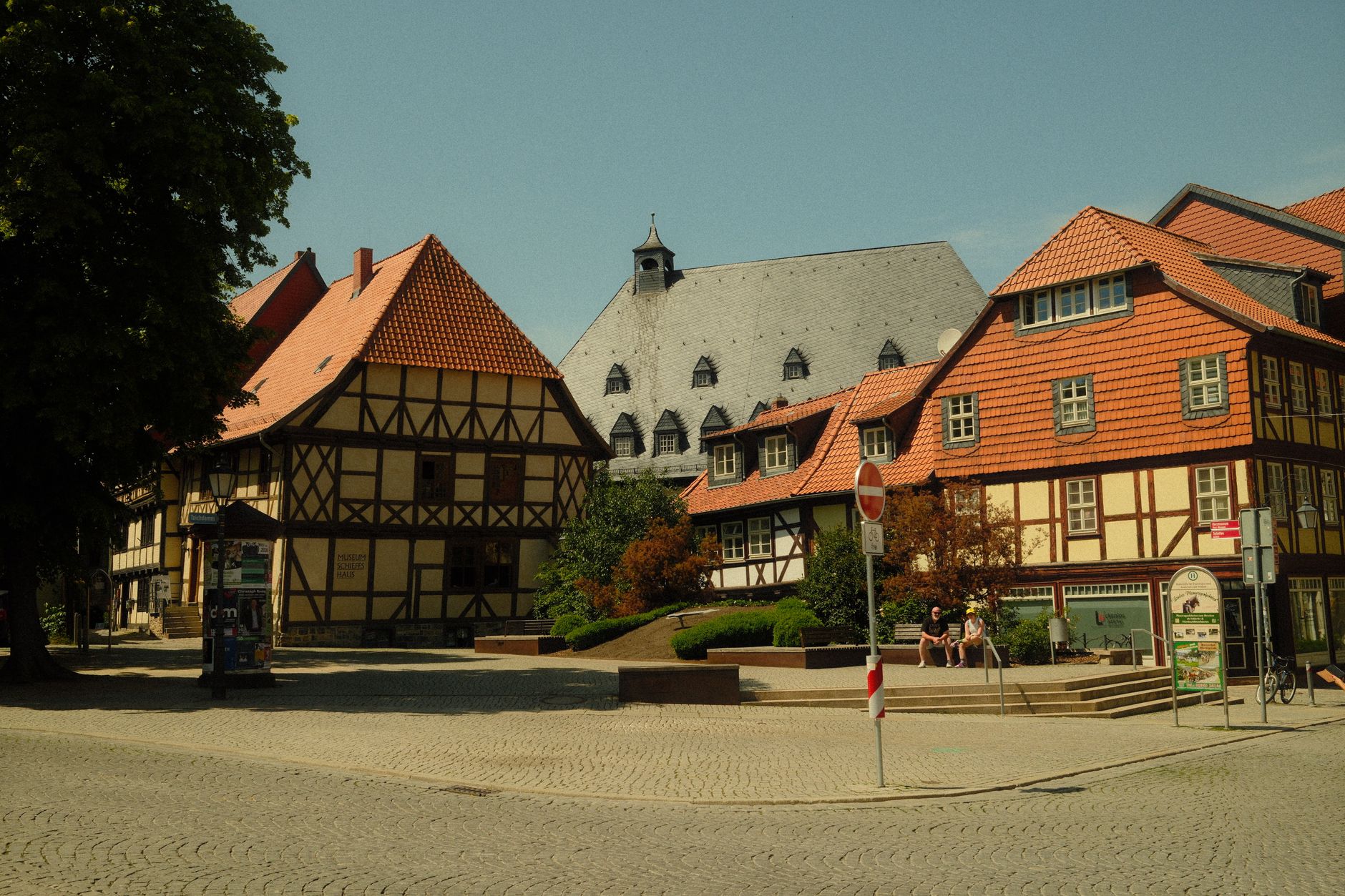
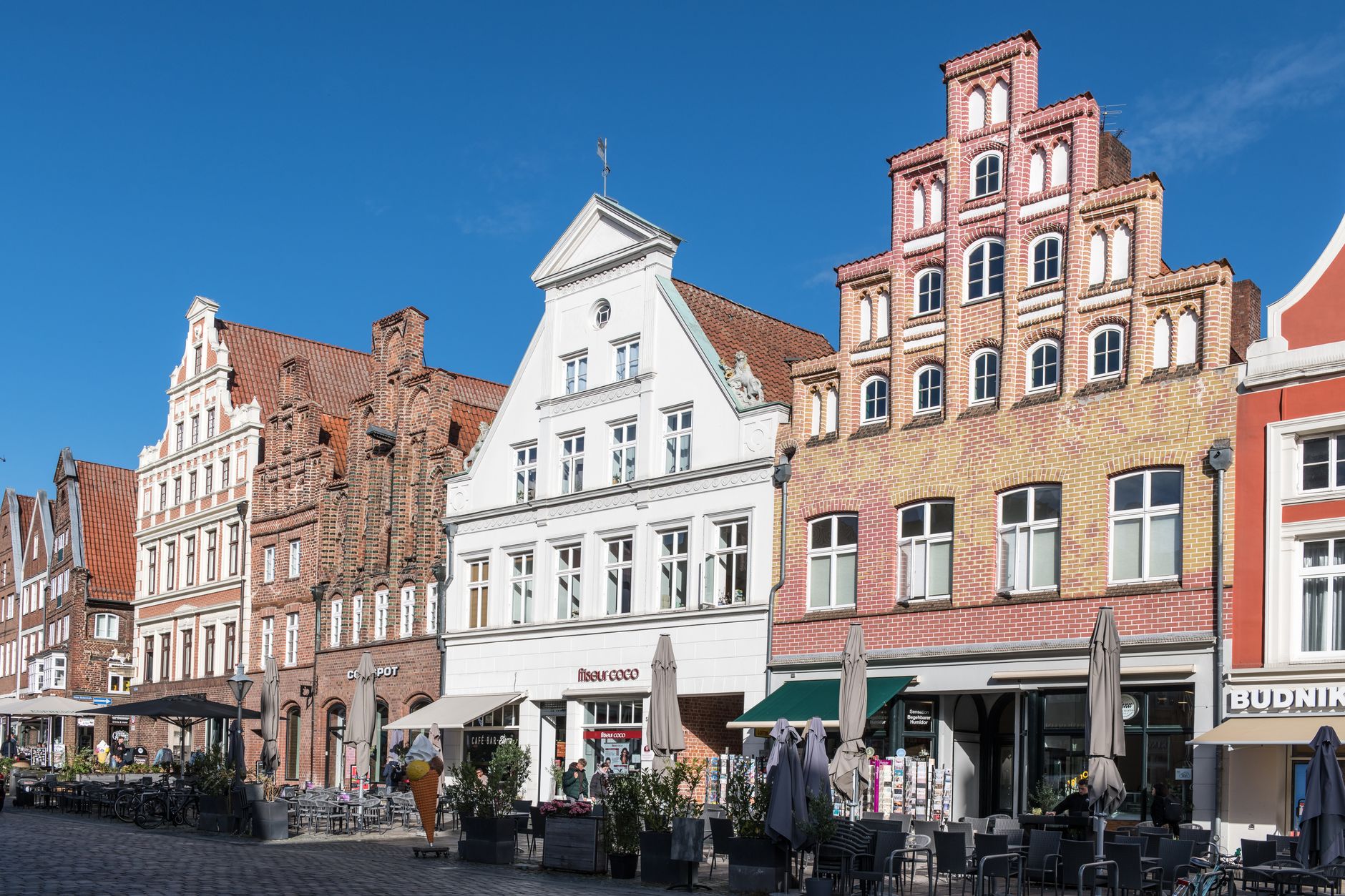
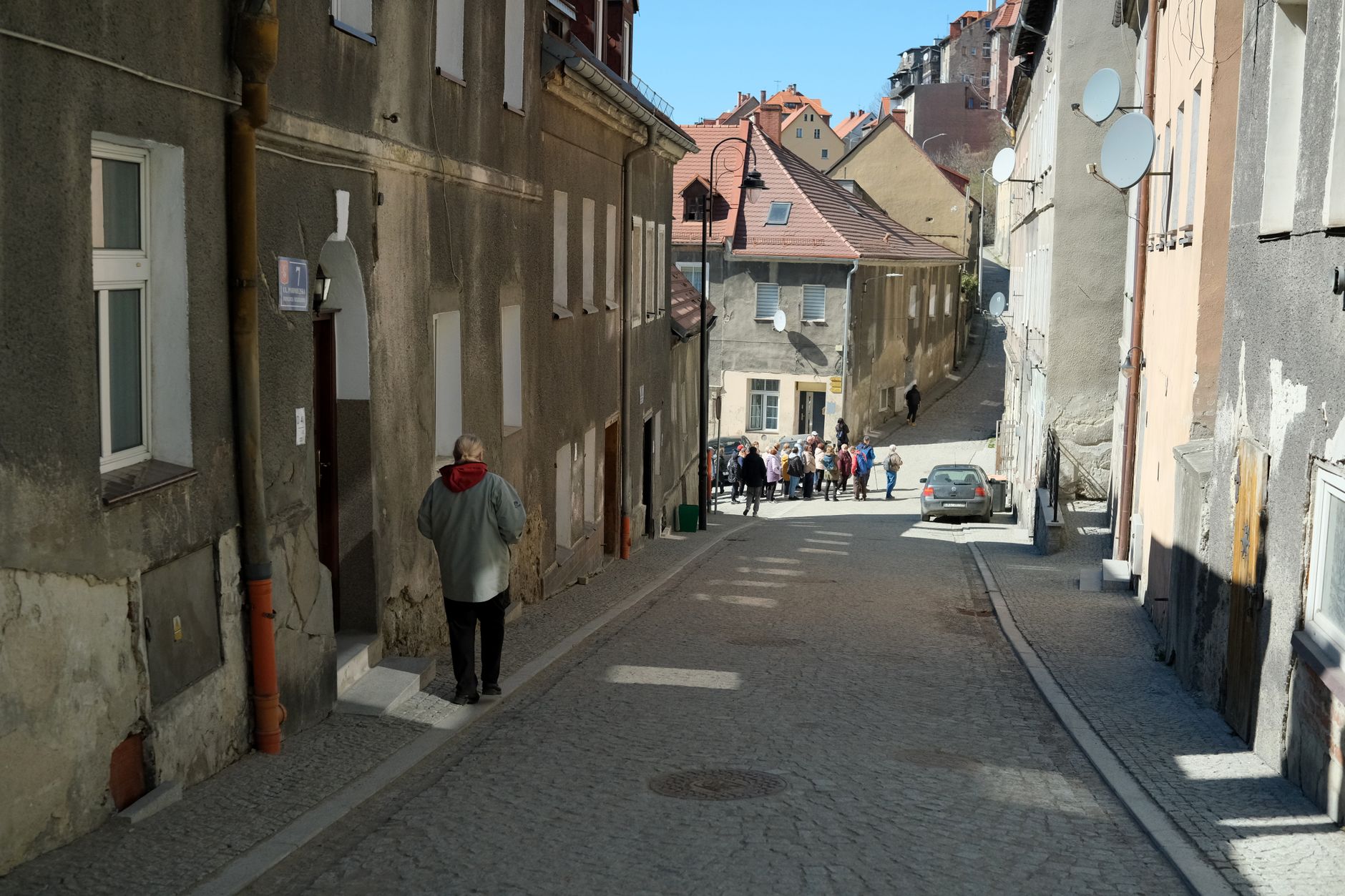
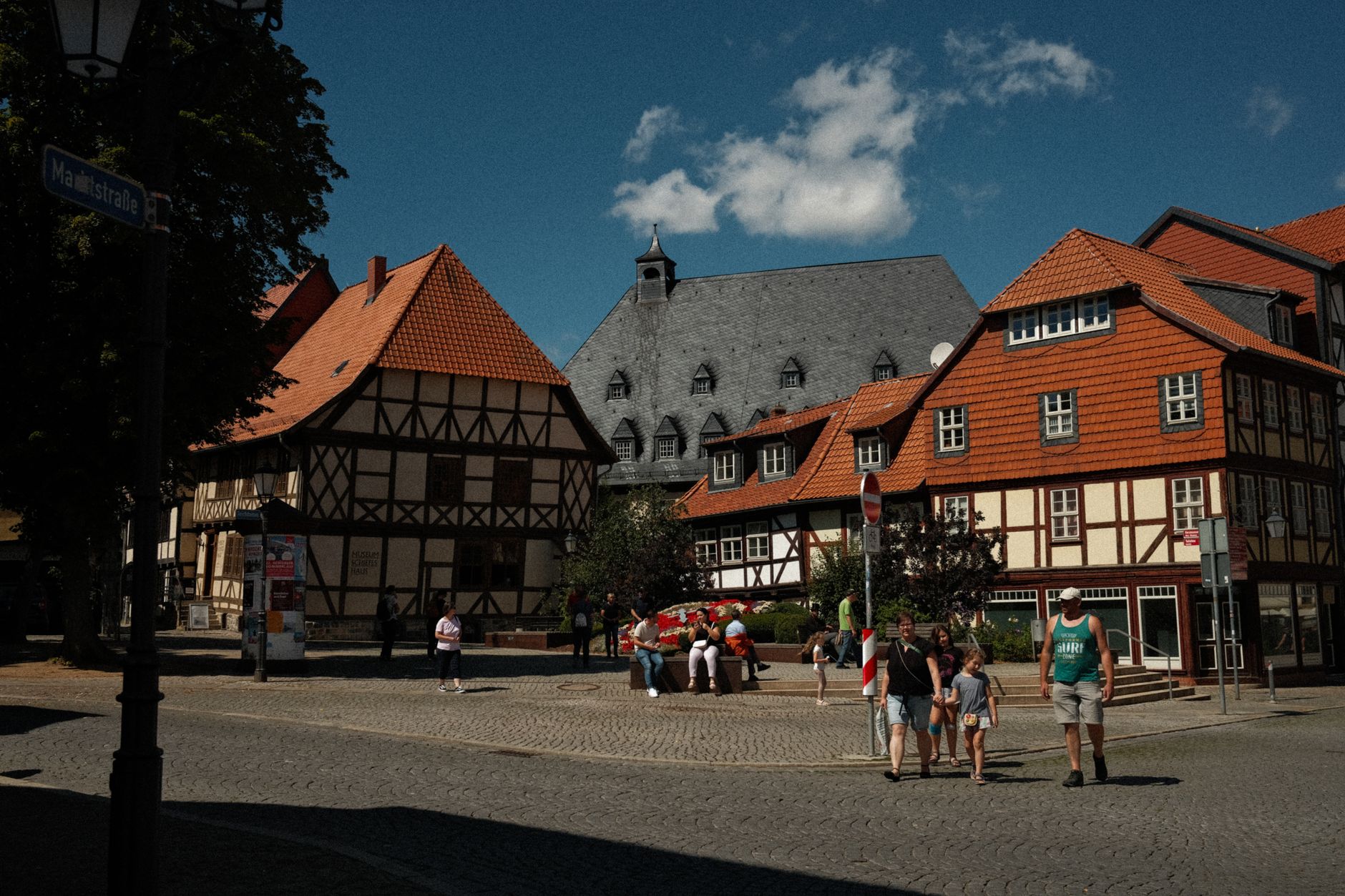
The Cathedral announces itself before you're ready for it — two Gothic spires rising 157 metres above a square where people eat pretzels and check their phones, utterly unbothered. That collision of the monumental and the mundane is the Old Town's whole personality. The Altstadt is a compact quarter of narrow, intentionally disorienting medieval streets, Romanesque church towers, a city hall that has been in continuous use longer than any other in Germany, and enough brewpubs to sustain a serious afternoon.
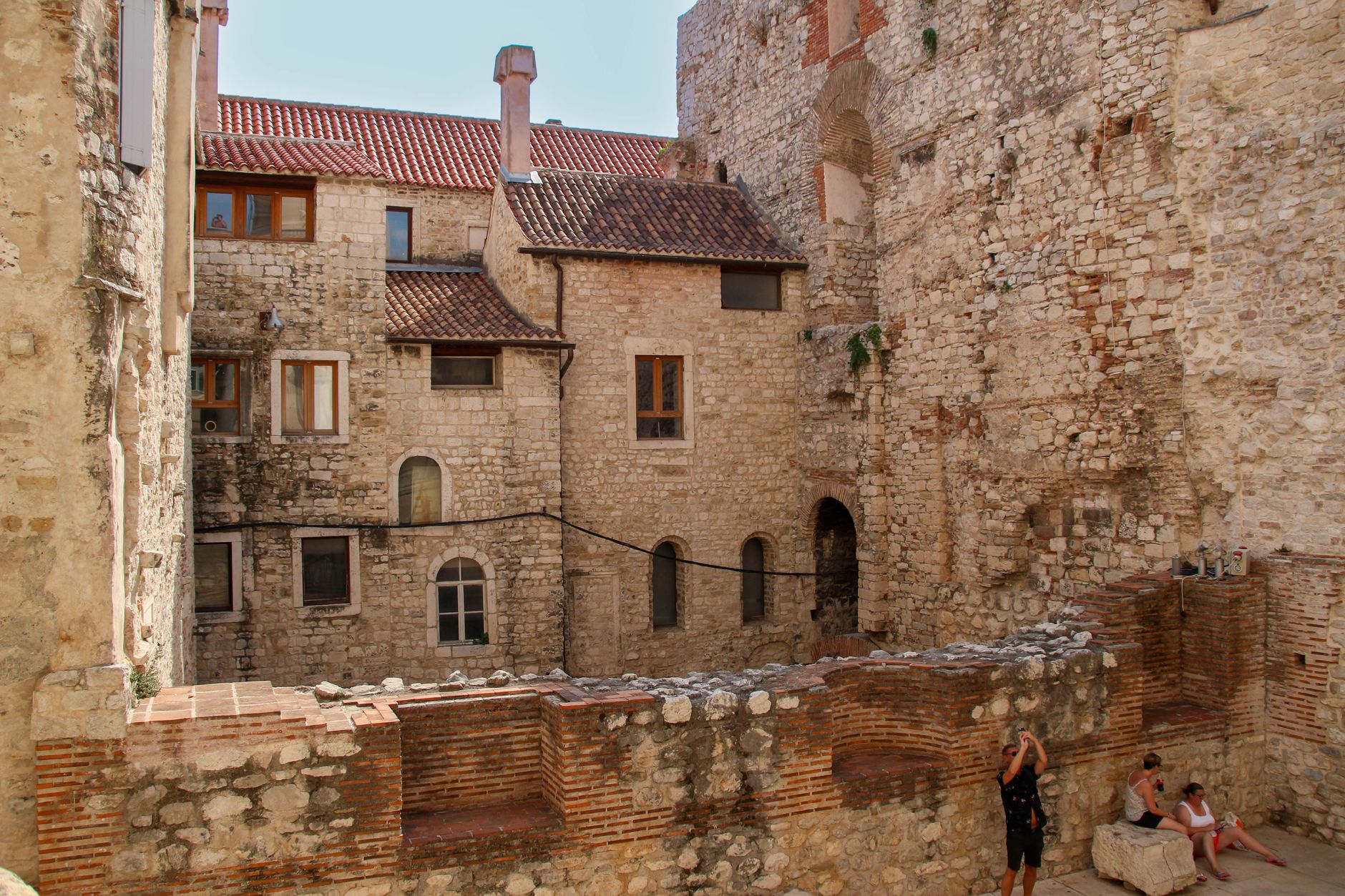
Most of what you see was rebuilt from rubble after World War II, painstakingly reconstructed from historical records and original foundations. The bones are Roman — this ground has been settled, governed, and prayed over for roughly two millennia.
💛 What travellers fall for
Regulars tend to figure out quickly that the Cathedral tower climb (533 steps, €6) earns you a view that reorders the whole city in your mind. They also learn to use the Cathedral spires as a compass — the medieval street grid was designed for defence, not wayfinding, and dead ends arrive without warning.
Deals in Old Town (Altstadt)
Book directly at the provider

How Old Town (Altstadt) came to be
Romans established a settlement here around 38 BC, and by 50 AD it had become Colonia Claudia Ara Agrippinensium — a full Roman colony whose governor's palace has been partially excavated beneath the present-day City Hall square. The Cathedral's story begins on 15 August 1248, when Archbishop Konrad von Hochstaden laid its foundation stone. Master Gerhard drew up the original plans; construction stalled around 1560 and left the spires unfinished for nearly three centuries.
Work resumed in 1842 under Ernst Friedrich Zwirner and Richard Voigtel, and the twin spires were finally completed in 1880 — at that moment the tallest structures in the world. The Cathedral's Shrine of the Three Kings, begun by Nicholas of Verdun in 1182, remains inside. The surrounding quarter was largely flattened in the 1940s and rebuilt over the following decades, with the Romanesque churches — twelve of them, including Groß St. Martin and St. Maria im Kapitol — restored to their pre-war forms.
Who and what shaped it
People who shaped it
Landmark buildings
See Old Town (Altstadt) in motion
Plan your visit
On the map
When to go
Winters are cold but rarely brutal — a few degrees above freezing by day, with occasional snow that tends to be light. Spring is unpredictable: snow is possible into April, but warm southwesterly spells can push temperatures above 25°C in May. Summer is mild and the most comfortable season to walk the quarter at length.
Right now
Background & history adapted from Wikipedia (CC BY-SA) · specs from Wikidata (CC0) · weather from Open-Meteo · map data © OpenStreetMap contributors · photos from Wikimedia Commons / Unsplash with per-image credit. No third-party reviews or social posts reproduced.