
Volksgarten
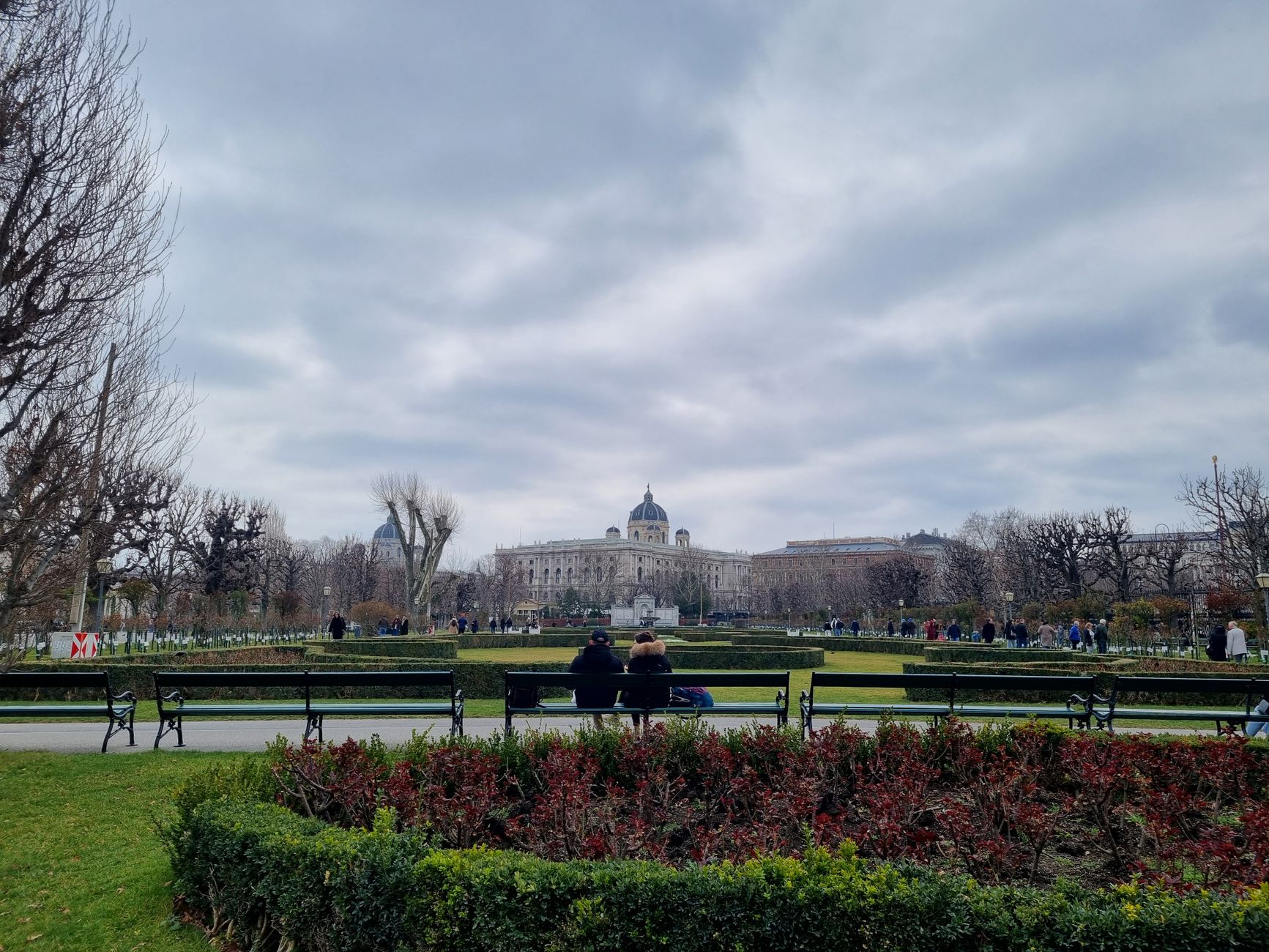

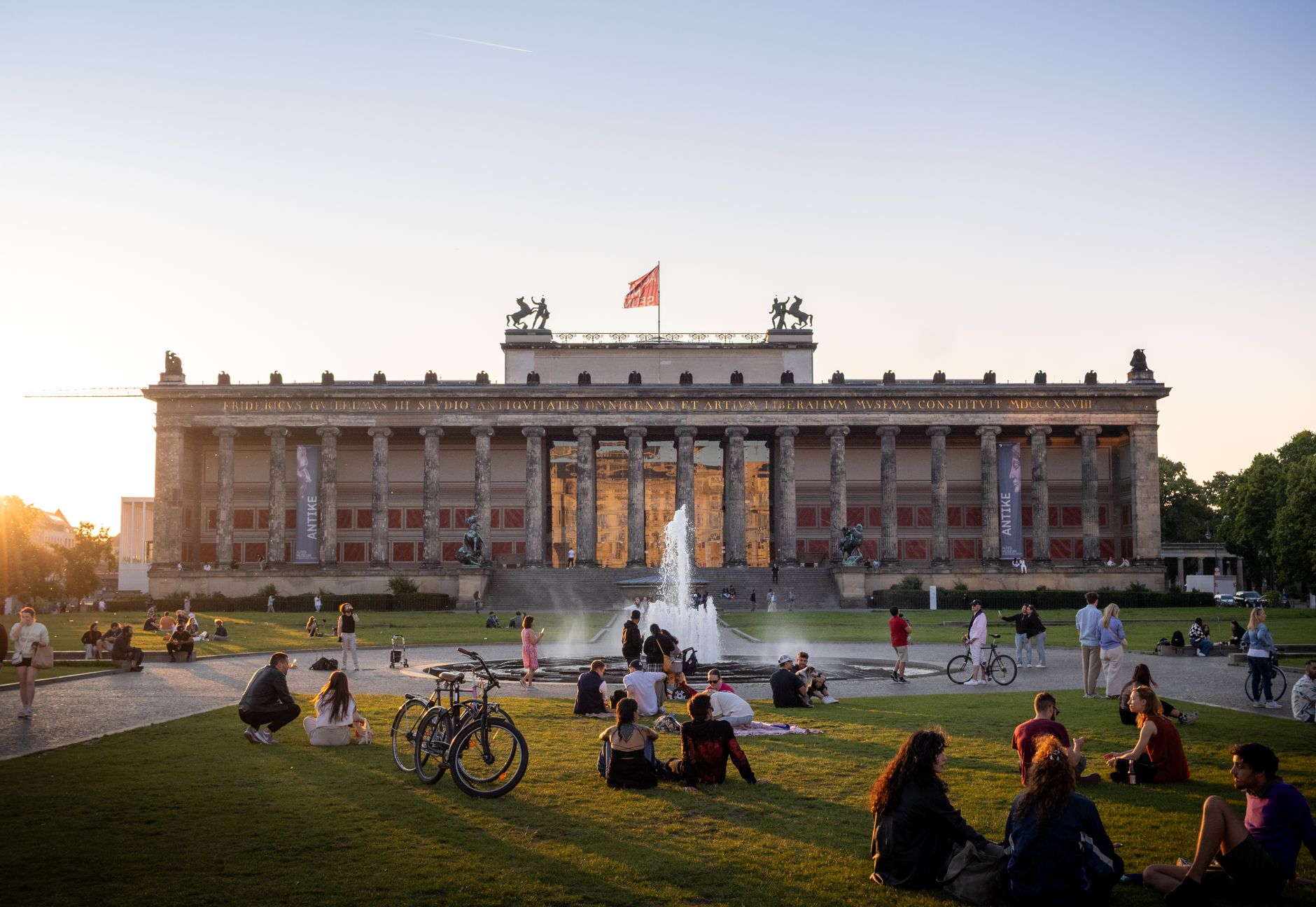
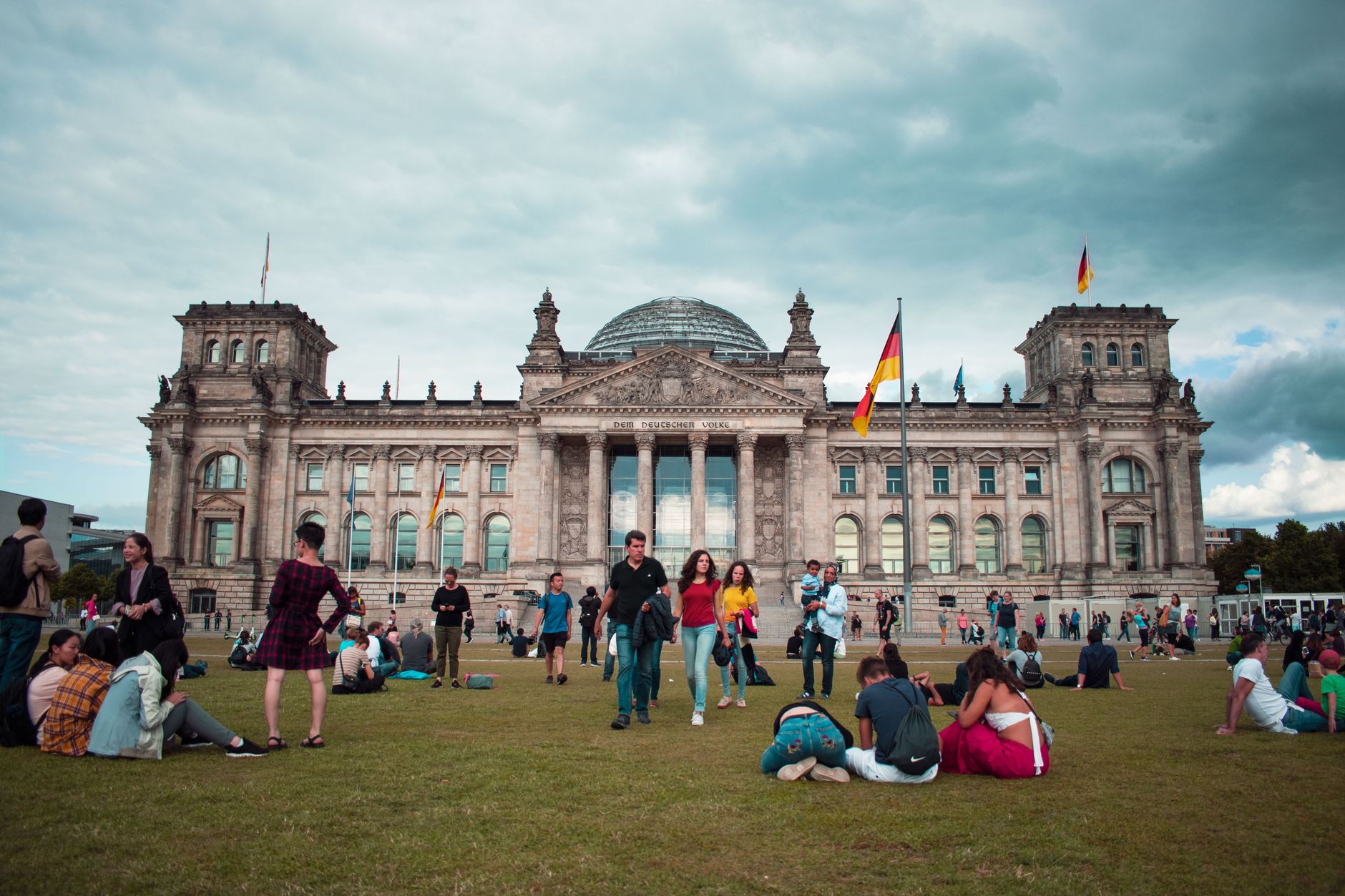
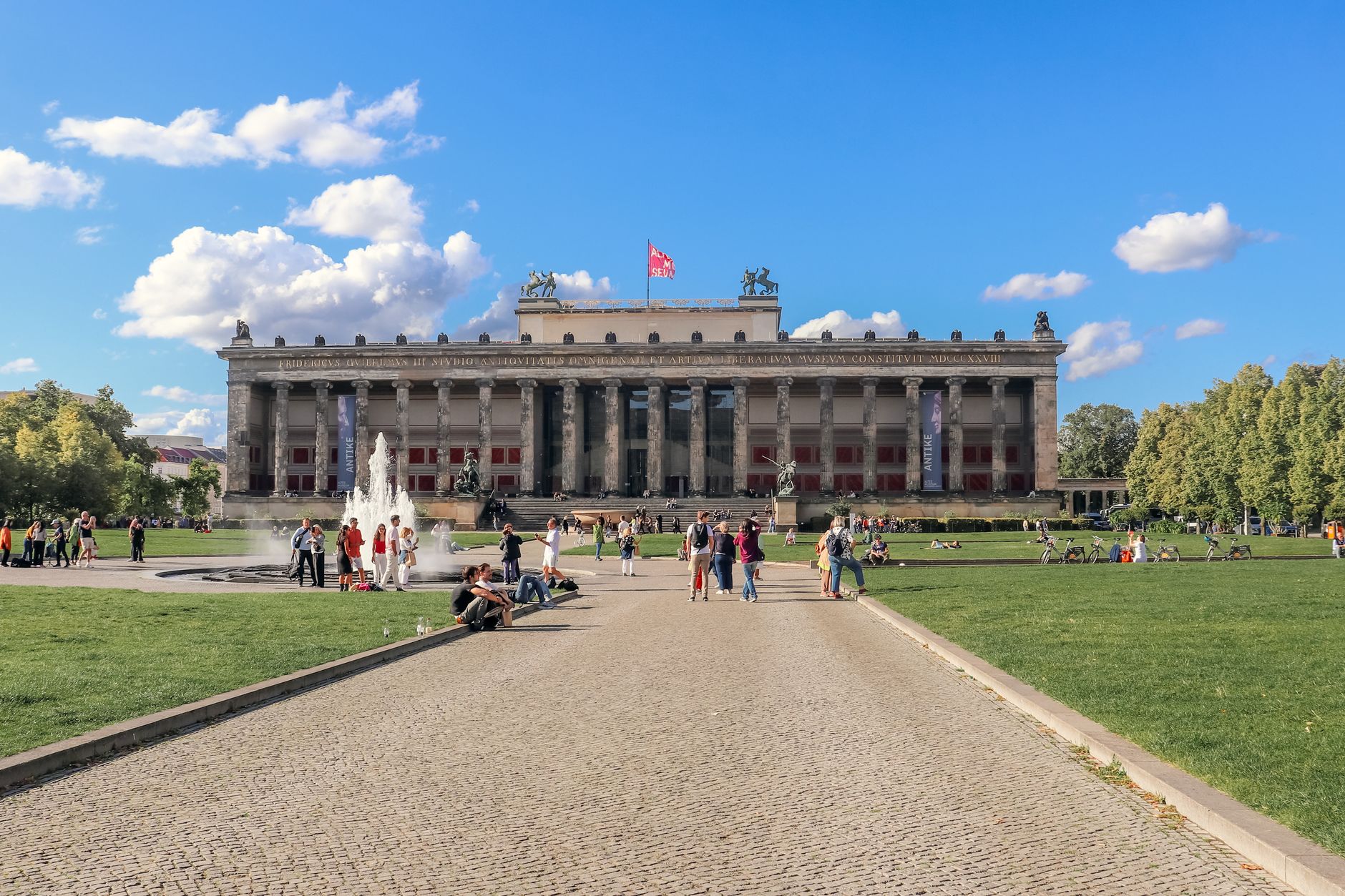
The fountain at Volksgarten can throw water 28 metres into the air, and on a still summer afternoon you can hear it before you see it through the trees. This is a park that was designed to feel older than it is — when it opened in 1889, around 400 mature trees had already been transplanted here from other woods, so the place arrived with a sense of depth and shade already built in.
Today the mix of people is as layered as the planting: students with laptops, families circling the boat pond, Bongo drummers setting up near the rose garden, someone always attempting a long Frisbee throw across the grass. On a warm Sunday the crowd can top 10,000, and yet the curvy shoreline of the pond keeps breaking the space into quieter pockets.
💛 What travellers fall for
Regulars tend to arrive via the S-Bahn at Köln Süd and walk through the residential streets first — the Wilhelminian townhouses along those blocks put on a proper magnolia show in April. The pedal boats on the pond rent out fast on weekends, so the early-afternoon window between lunch and the post-school rush is worth targeting.
Deals in Volksgarten
Book directly at the provider

How Volksgarten came to be
Volksgarten exists because of demolition. Prussia had ringed Cologne with fortifications in the early nineteenth century, and Fort IV went up between 1816 and 1825. When the inner ring was abolished in the 1880s, the land it had locked away suddenly became available, and Cologne's garden director Adolf Kowallek — who would live only to 50 — began laying out the park from 1887. It opened in 1889 as the first section of what would become the inner green belt.
Kowallek's sleight of hand was the instant maturity he gave the place: those hundreds of transplanted trees meant visitors never experienced it as raw or new. One structure predates the park entirely — the Orangerie, built in 1841 as a Prussian ammunition store, now stages concerts and theatre, its walls holding a memory the rose garden doesn't.
Who and what shaped it
People who shaped it
Landmark buildings
See Volksgarten in motion
Plan your visit
On the map
When to go
Summer visits (June–August) run warm and mostly pleasant, though afternoon thunderstorms arrive without much warning, so a layer in your bag is sensible. Winter is grey and cold, with light snow possible from December through to mid-April; the bare trees and quieter paths give the park a different, more contemplative character.
Right now
Background & history adapted from Wikipedia (CC BY-SA) · specs from Wikidata (CC0) · weather from Open-Meteo · map data © OpenStreetMap contributors · photos from Wikimedia Commons / Unsplash with per-image credit. No third-party reviews or social posts reproduced.