
Yala
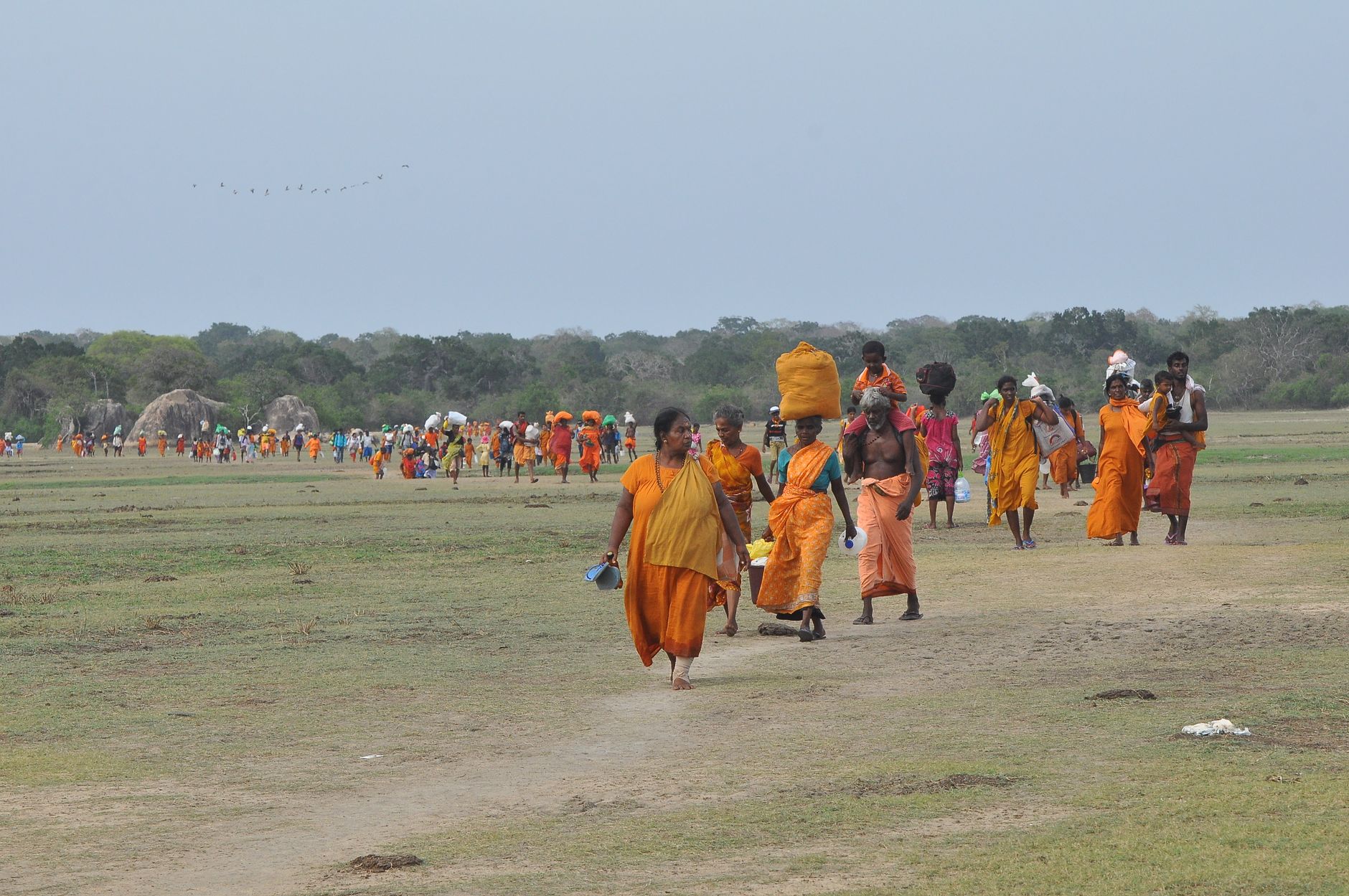
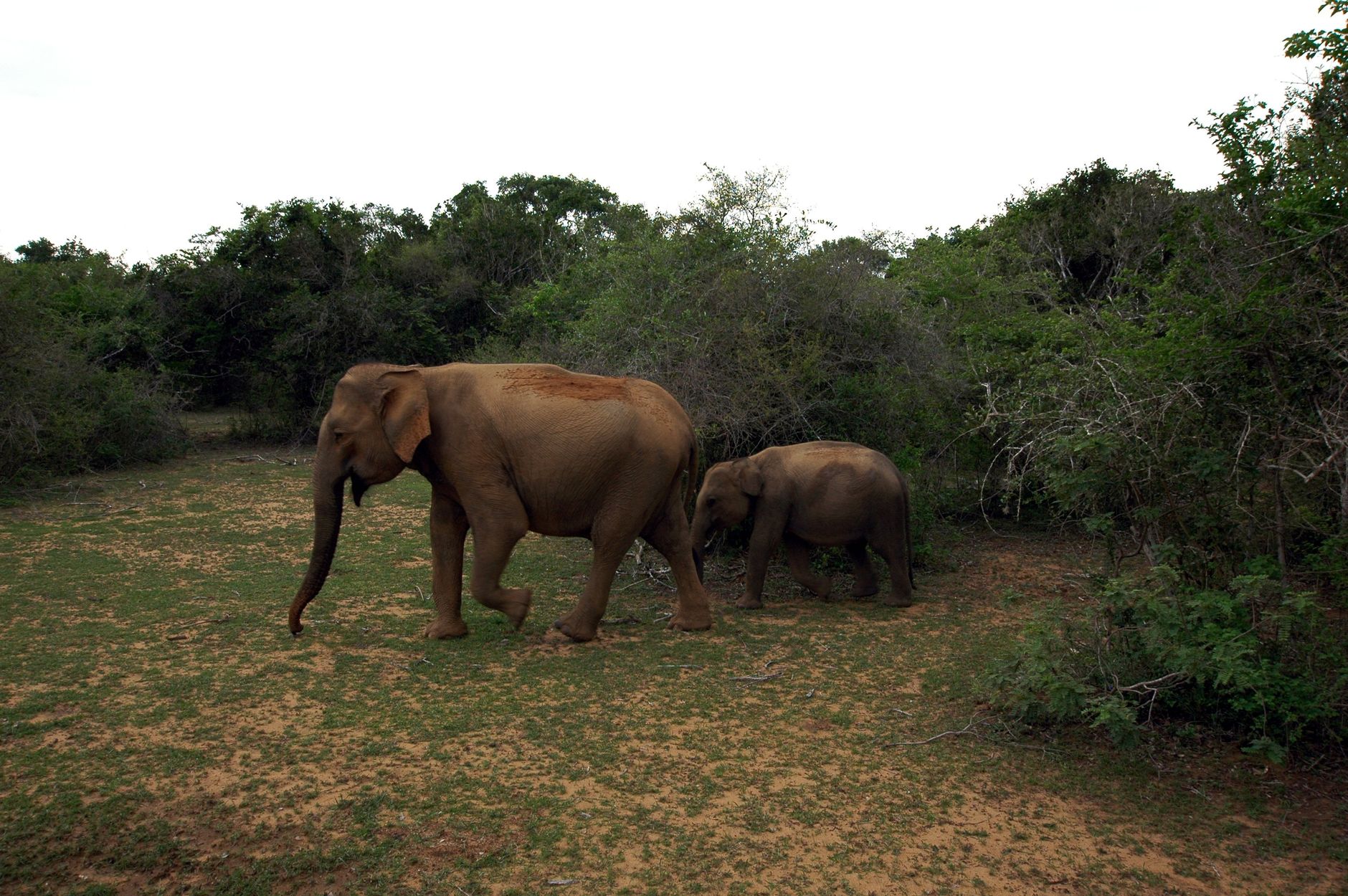
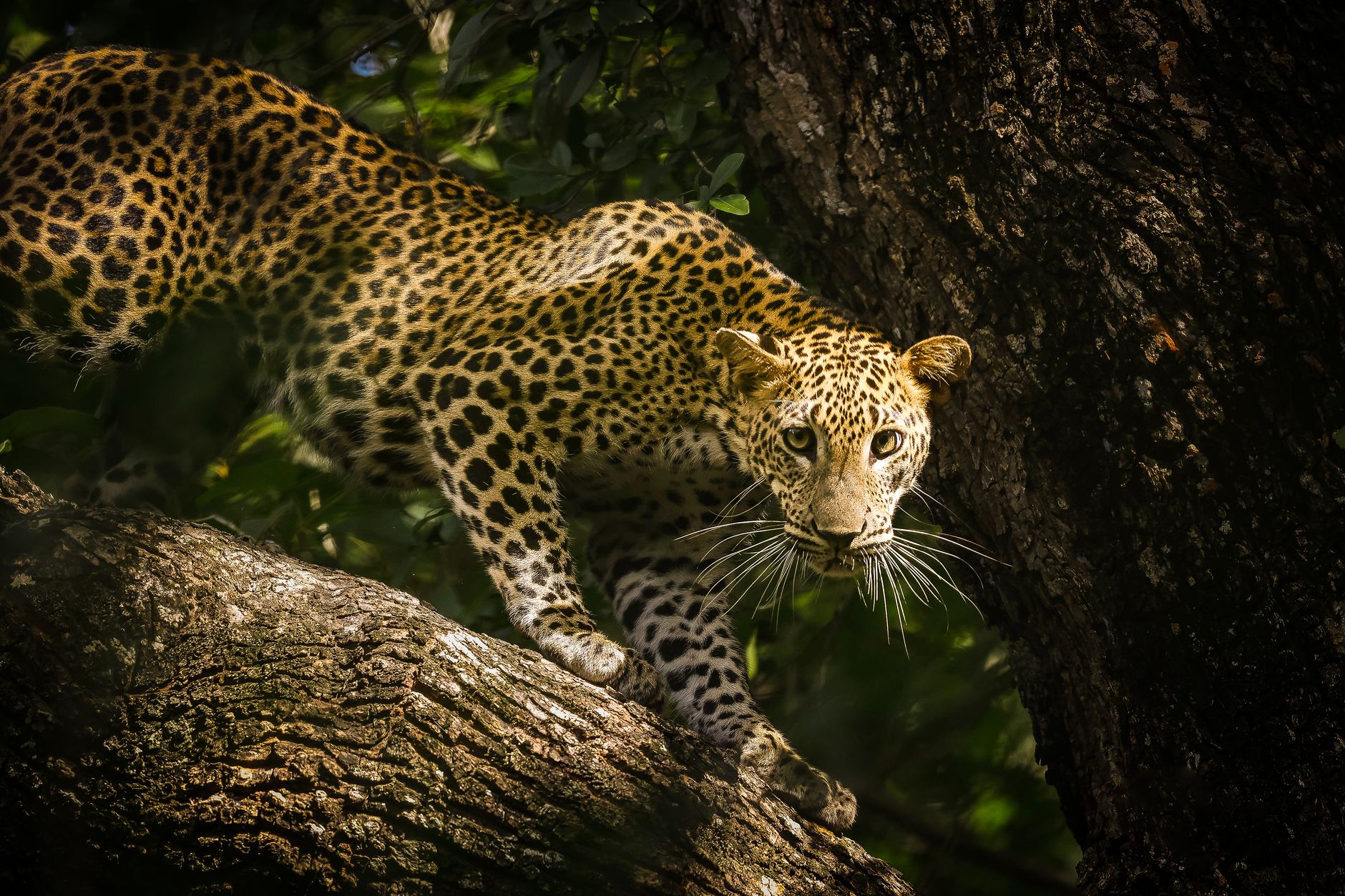
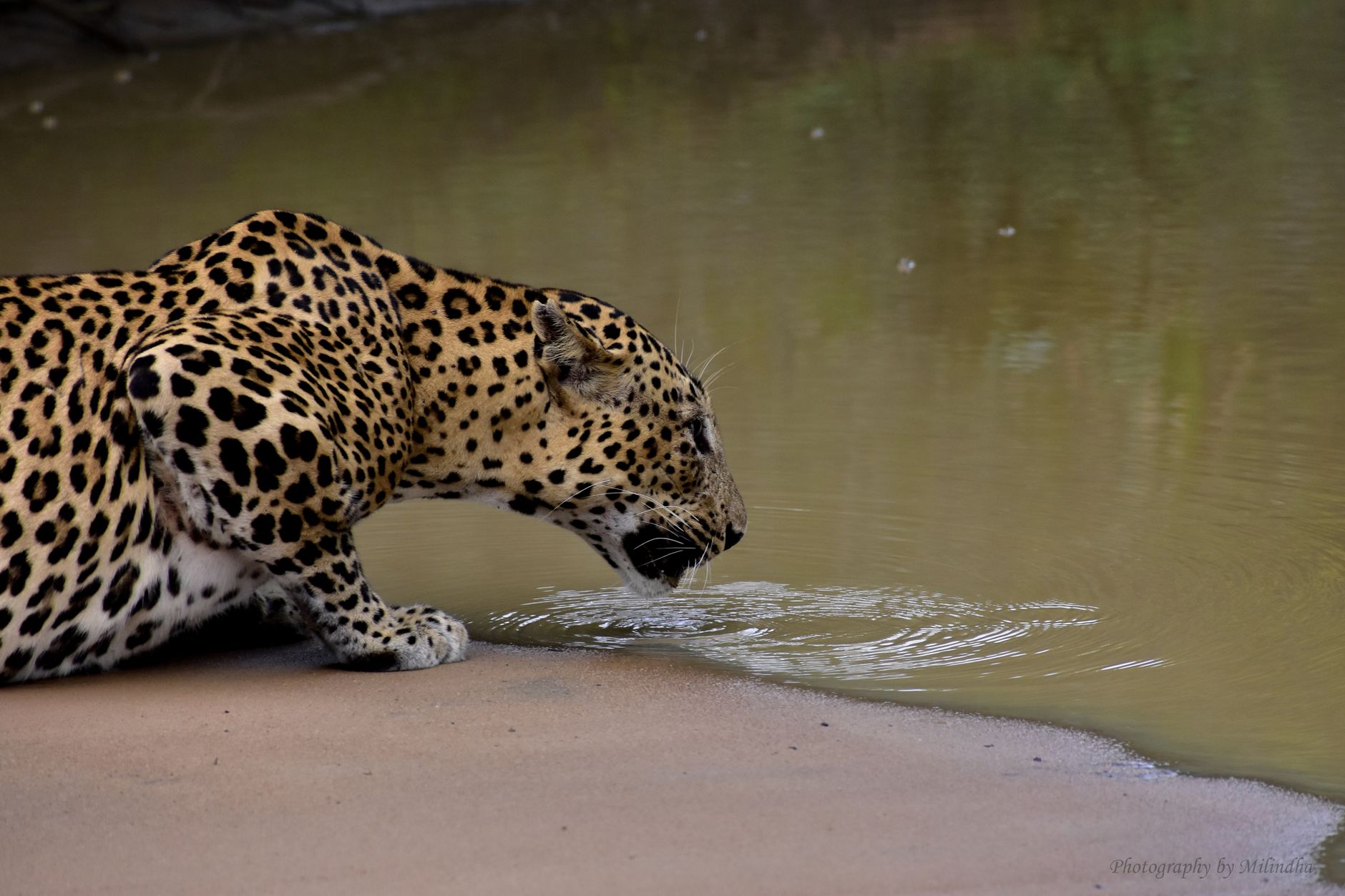
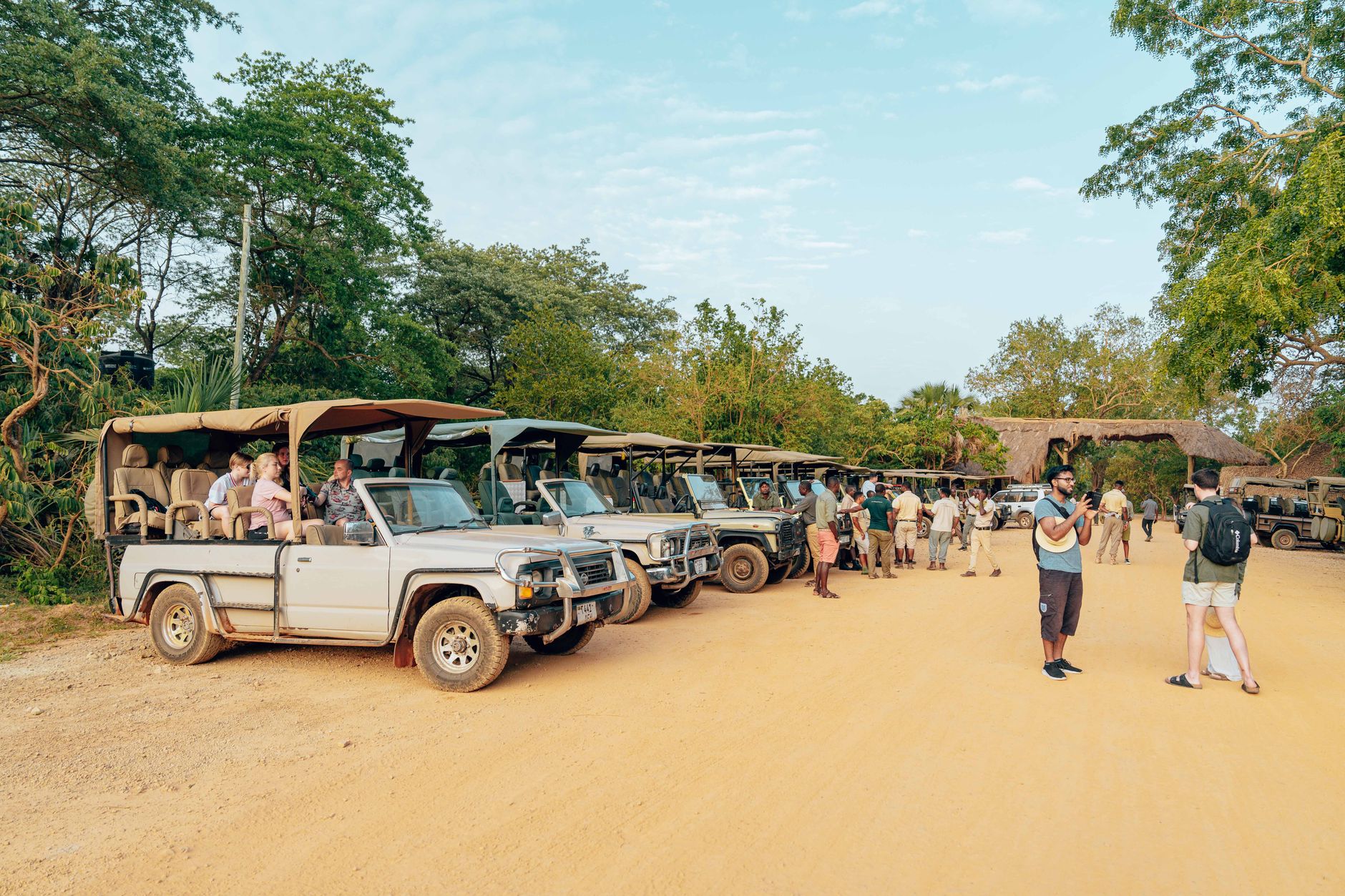
Yala is where you sit in an open jeep at first light, the scrub still grey, and a leopard walks across the track twenty metres ahead and keeps walking as if you aren't there. The park covers 979 square kilometres of dry-zone forest, lagoons, and Indian Ocean coastline in Sri Lanka's deep south — and leopards are here in higher density than almost anywhere on earth.
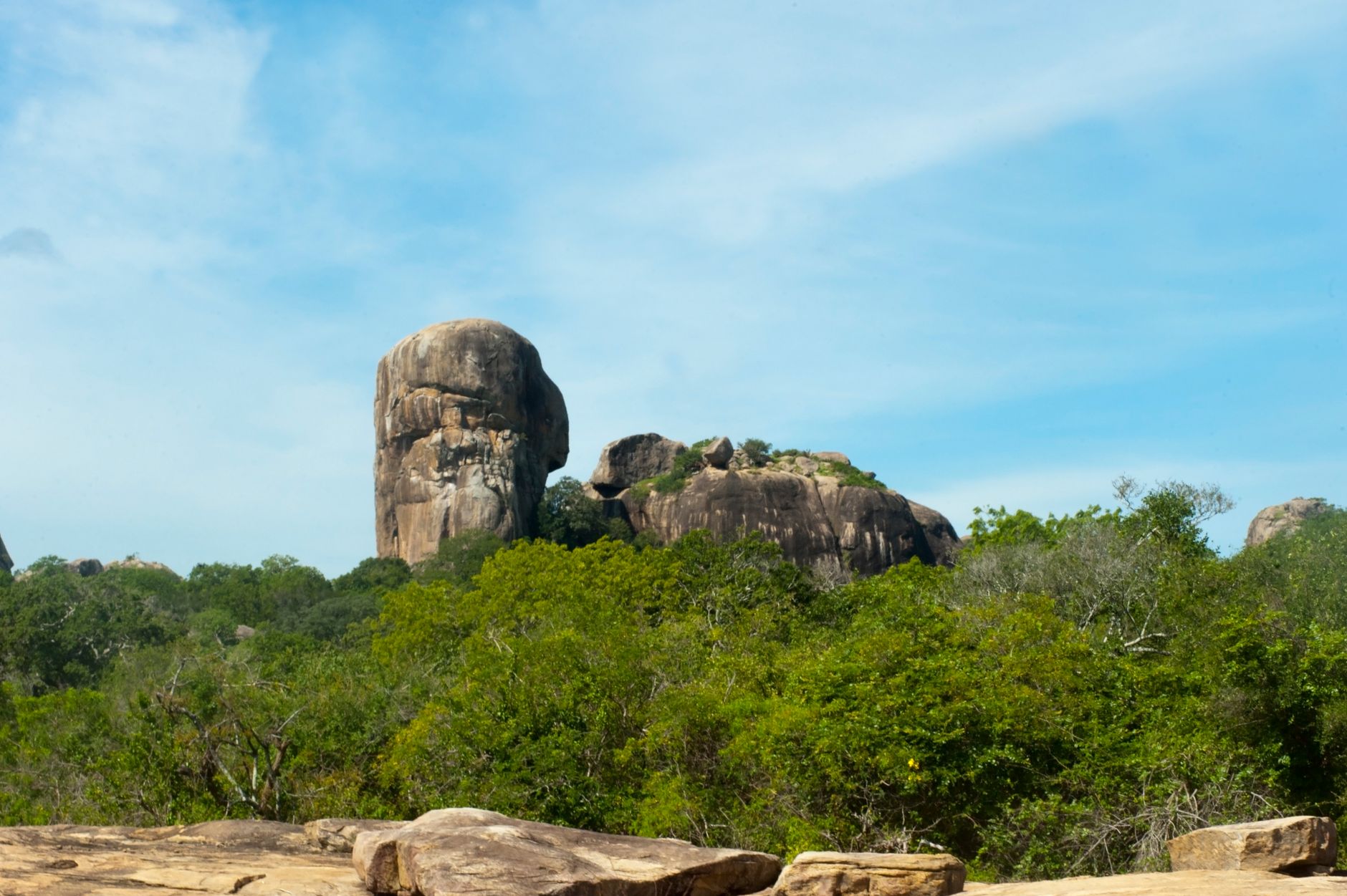
Four-fifths of the park is a strict nature reserve, closed to visitors entirely. The fifth you can enter — Block 1, reached through the gate at Palatupana — is enough. Ancient rock temples rise from the same landscape where elephants graze at dusk and crocodiles idle in shallow tanks. The place carries centuries of human history without it getting in the way of the silence.
💛 What travellers fall for
People who come back tend to say the same thing: do the early morning safari, not just the afternoon one. The light is better, the animals are moving, and the park feels emptier. Book a bungalow inside Block 1 if you can — waking up already inside the boundary changes the whole rhythm of the day.
Deals in Yala
Book directly at the provider

How Yala came to be
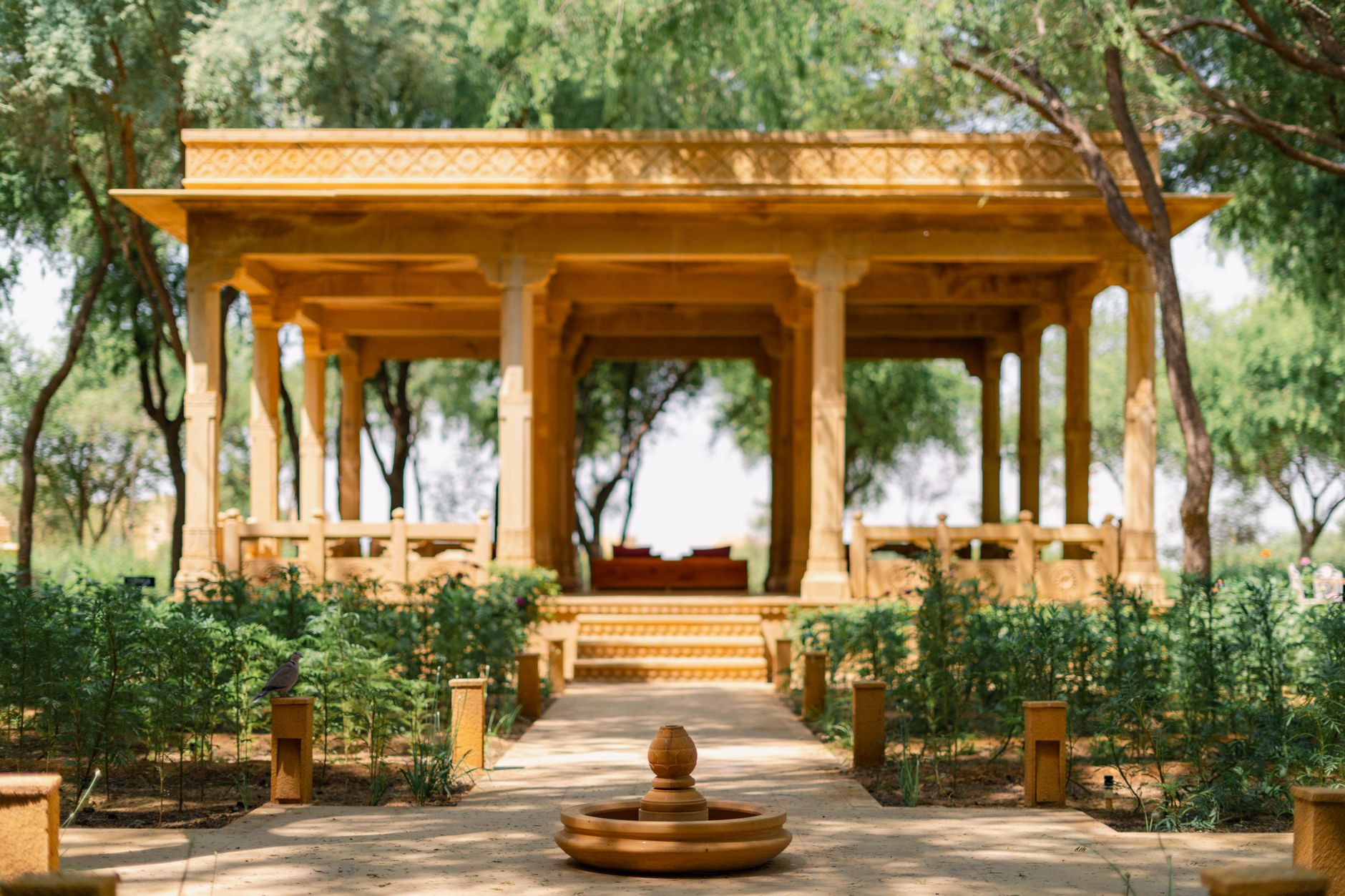
The land that is now Yala was once part of the ancient Kingdom of Ruhuna, ruled by King Dutugemunu, and the Buddhist monuments still standing inside the park — Sithulpawwa Rock Temple, Magul Vihara — are evidence of a civilisation that thrived here long before the jungle reclaimed it. A Spanish cartographer writing in 1560 noted the area had been abandoned for three centuries, citing unhealthy conditions. The British later used it as a hunting ground before colonial attitudes shifted.
It was designated a wildlife sanctuary in 1900 and declared a national park in 1938. In December 2004, the Indian Ocean tsunami struck the park's coastal edge; 250 people died in its vicinity. The park recovered, and the wildlife with it.
Who and what shaped it
People who shaped it
Landmark buildings
See Yala in motion
Plan your visit
On the map
When to go
Yala is semi-arid, with temperatures sitting between 26°C and 30°C for most of the year and climbing toward 35°C on March and April afternoons. The long dry season runs roughly June to October — good for concentrating animals around water sources — while the north-east monsoon brings rain from October through January.
Right now
Background & history adapted from Wikipedia (CC BY-SA) · specs from Wikidata (CC0) · weather from Open-Meteo · map data © OpenStreetMap contributors · photos from Wikimedia Commons / Unsplash with per-image credit. No third-party reviews or social posts reproduced.