
Region

Kandy

Kandy
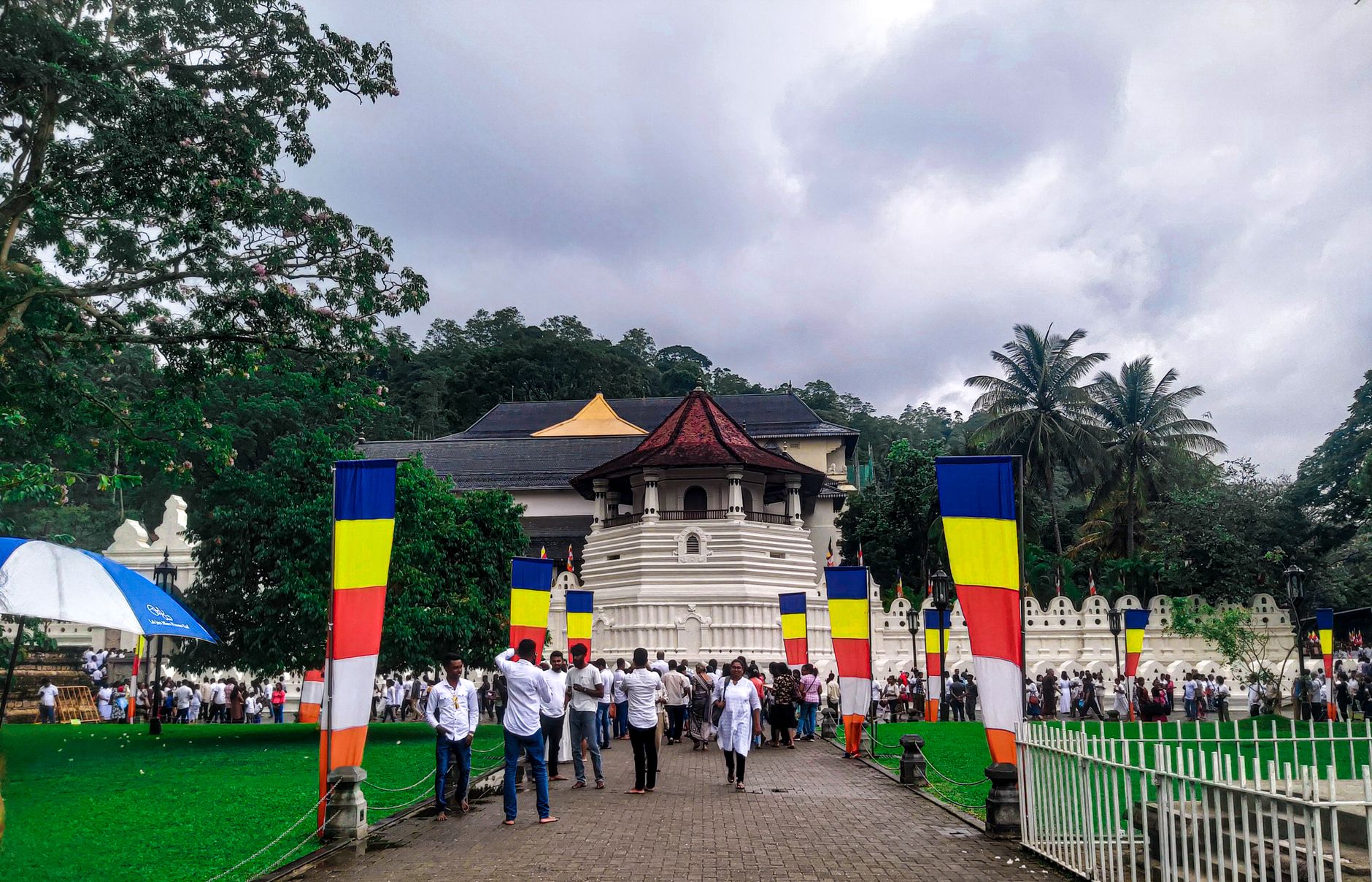
Photo by Lakshan Abey on Pexels
Kandy
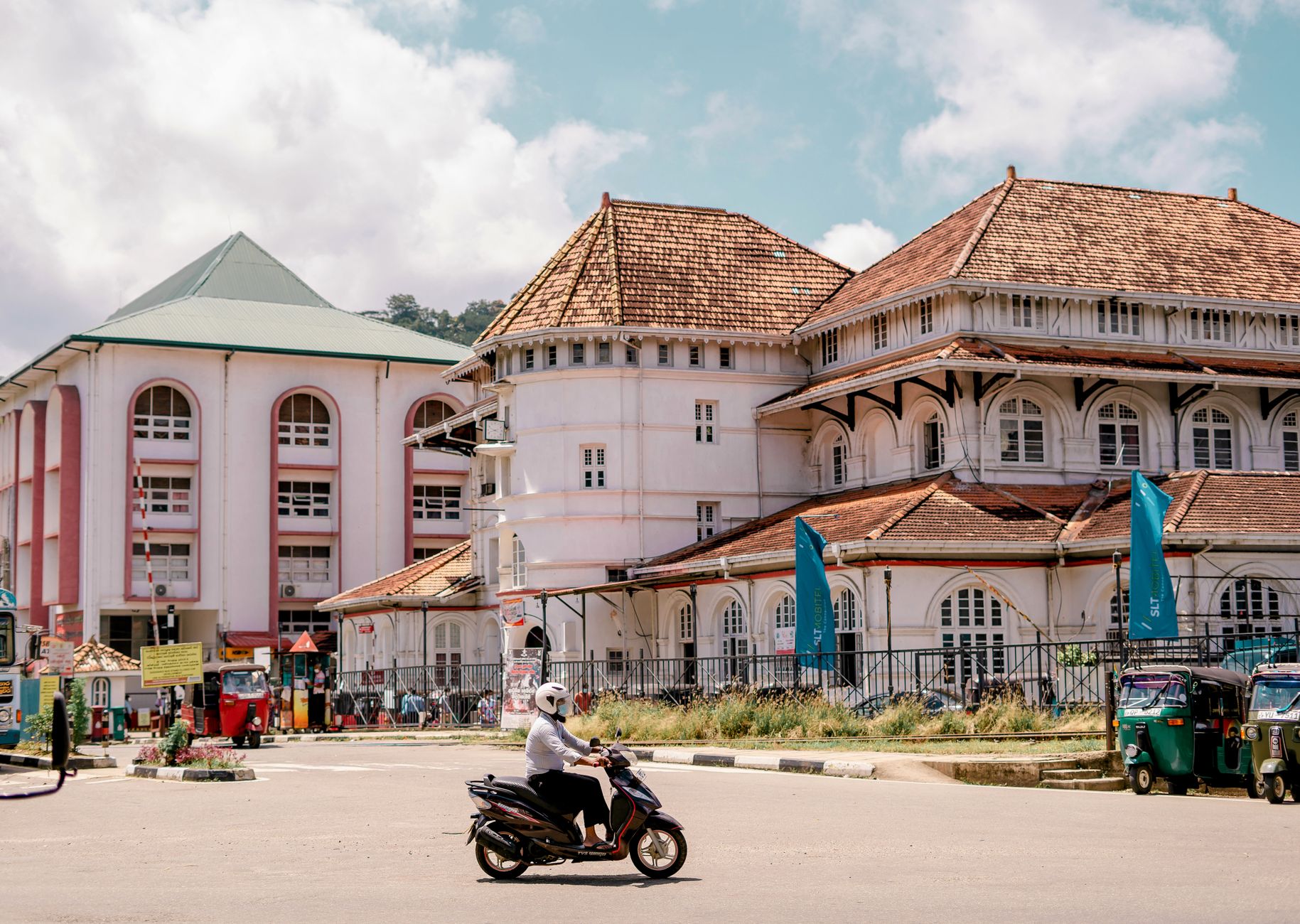
Photo by Gihan Bandara on Pexels
Kandy
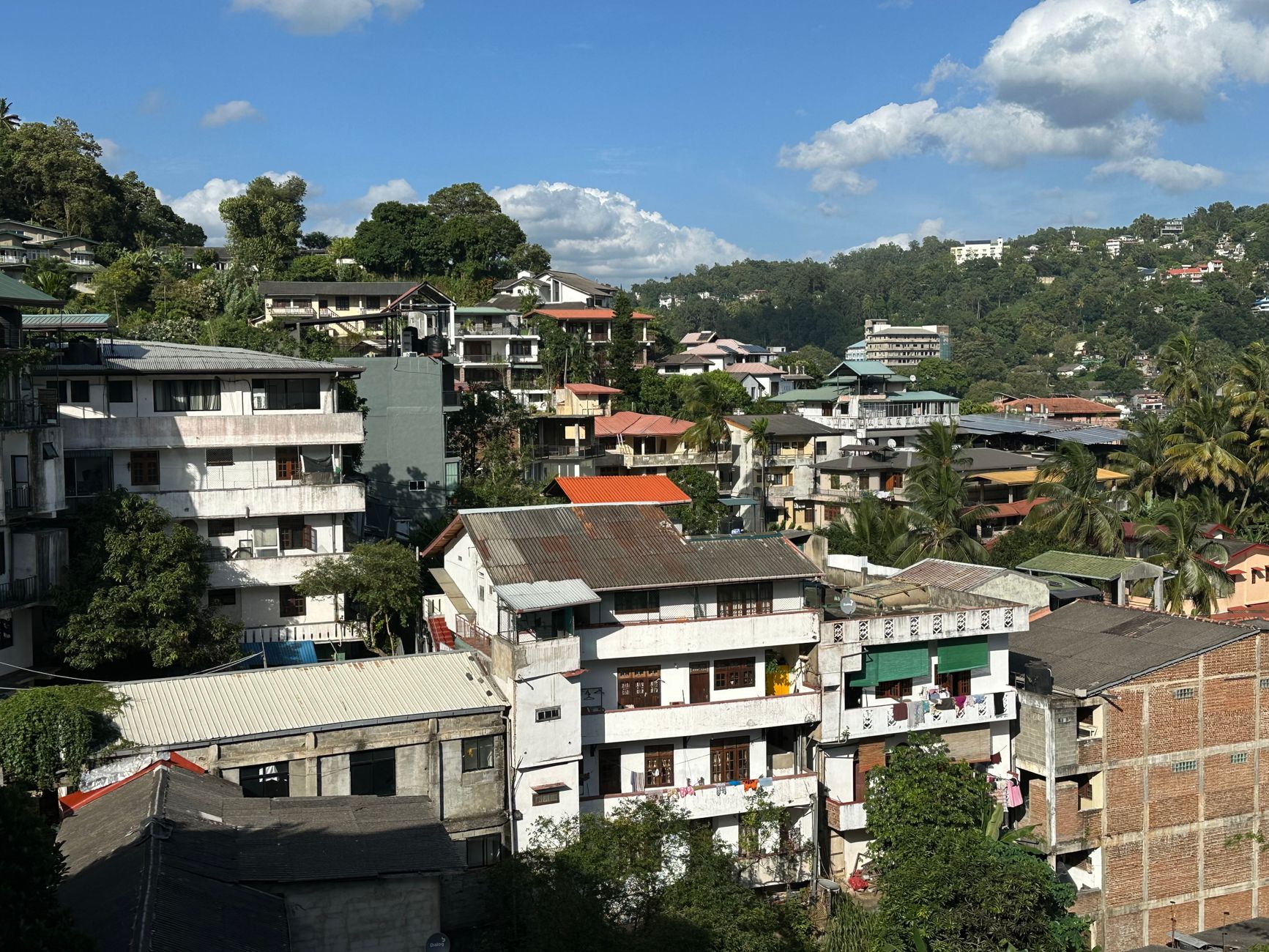
Photo by Shifna Captures on Pexels
Kandy
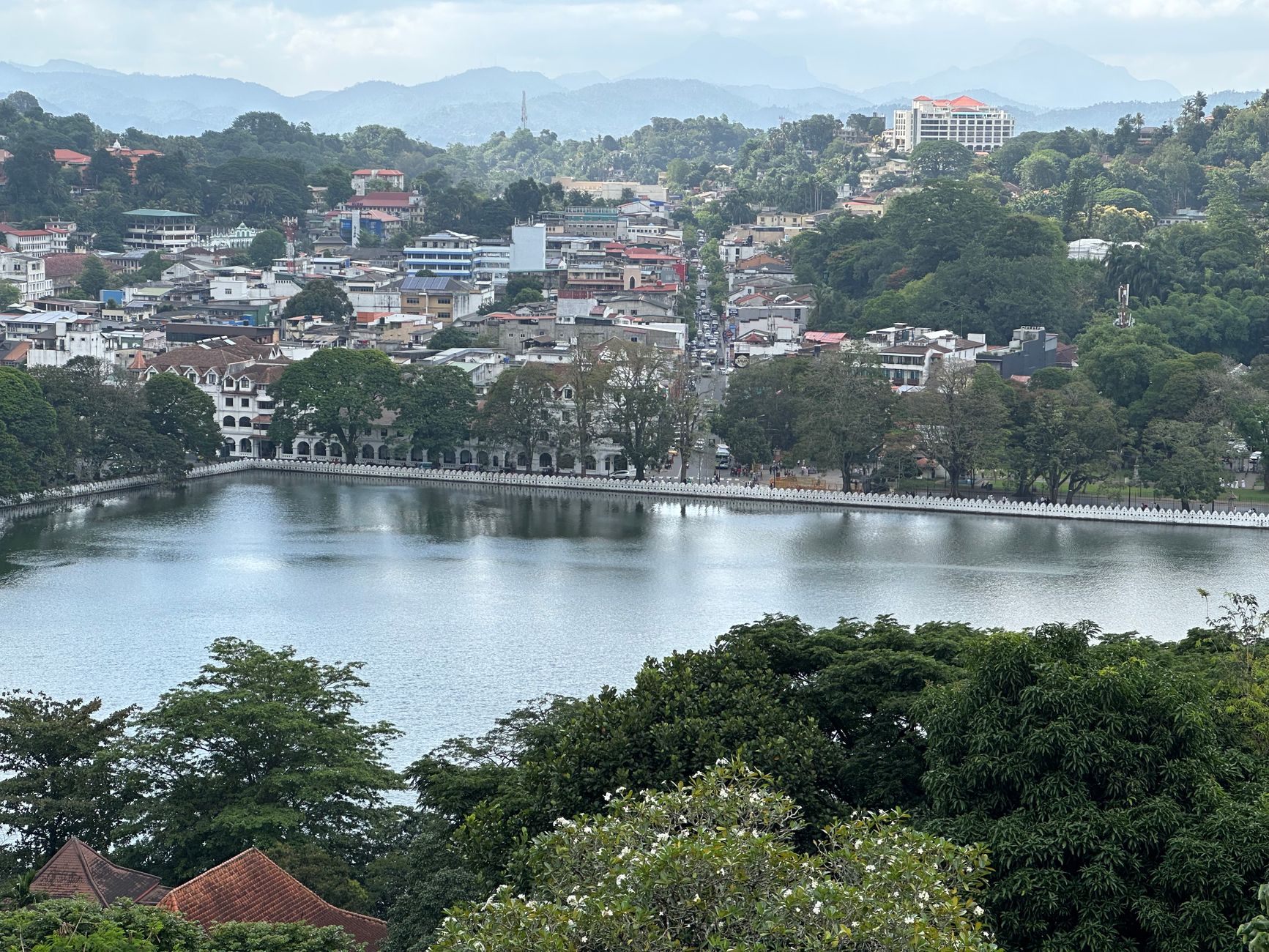
Photo by Shifna Captures on Pexels
Kandy
Photo by Piyumi Nisansala on Pexels
Kandy
Photo by Ishara Kasthuriarachchi on Pexels
City break Culture & history Wellness & spa

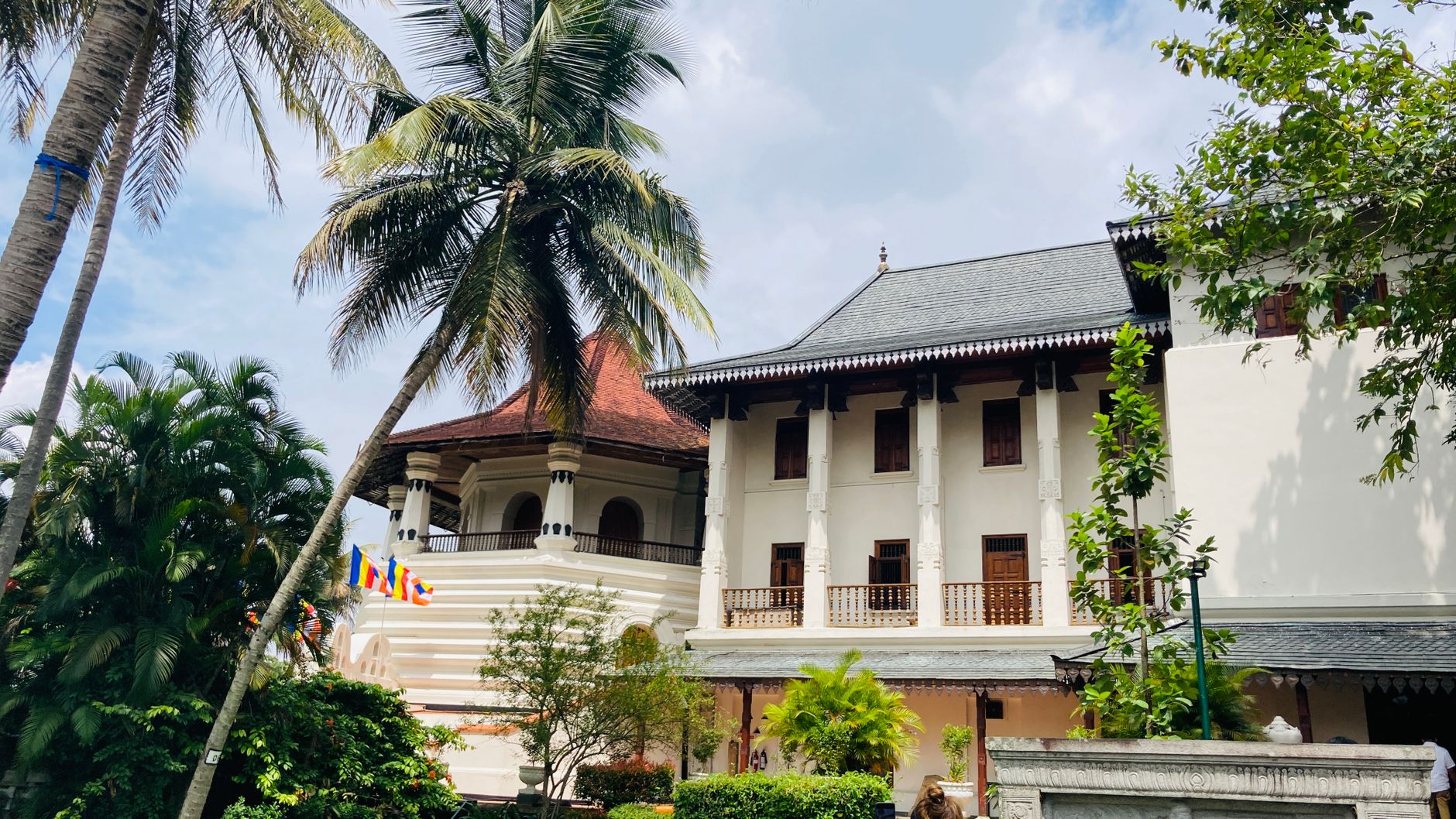
Kandy sits in a bowl of green hills at around 500 metres, its lake catching the light in the early morning before the day's crowds arrive. The city is the spiritual centre of Theravada Buddhism for much of the world — the Temple of the Tooth Relic draws pilgrims who queue before sunrise for the 5.30 am pooja, and the drumming that opens each ceremony carries across the water.

This is the highland gateway: the train from Colombo takes around two and a half hours, and from here the hill-country routes fan out toward Ella, Nuwara Eliya and beyond. Give it more than a night.

Good to know
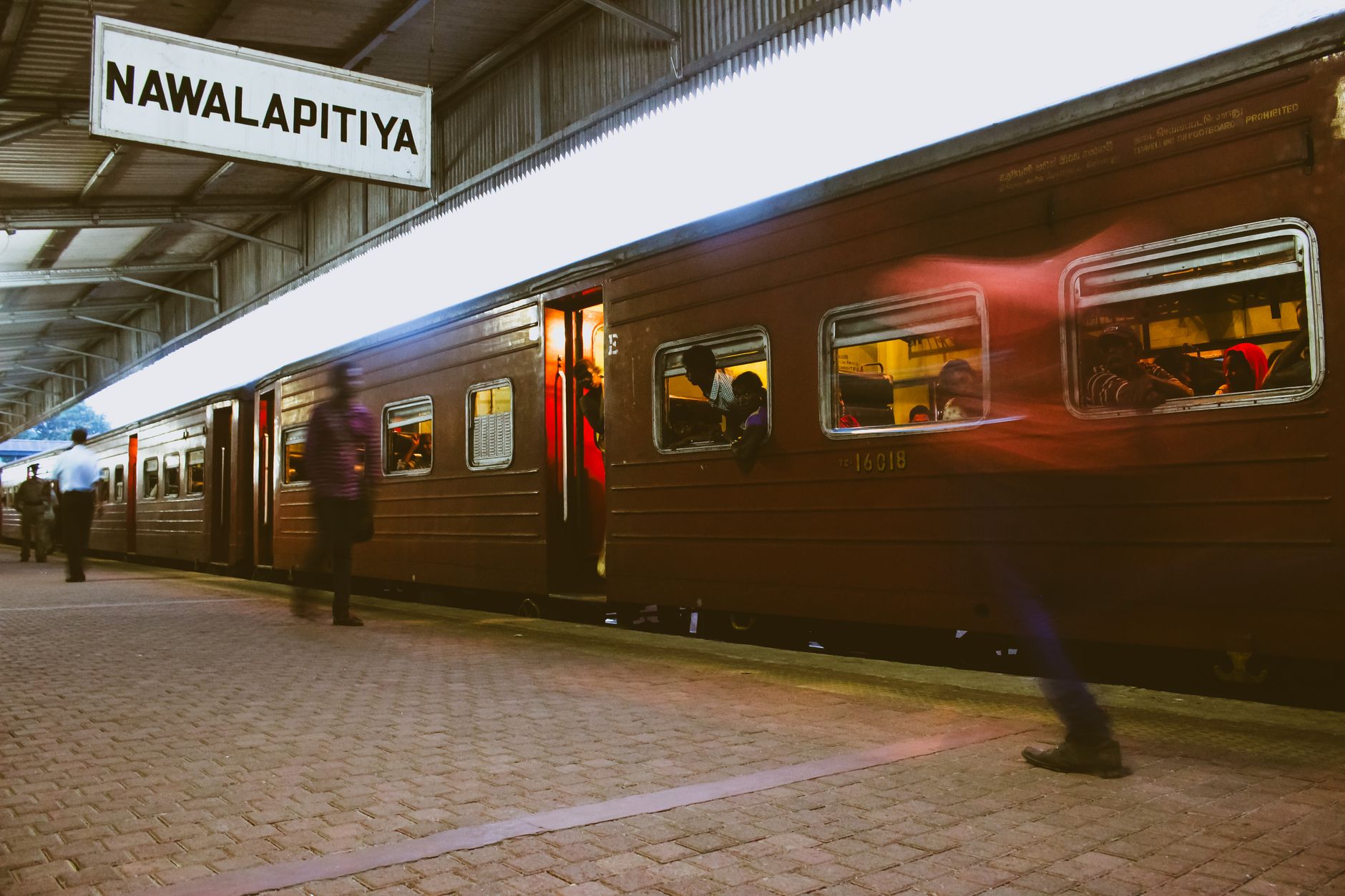
The train from Colombo Fort is the right way in — roughly every four hours, tickets around $3–9, and the first-class observation saloon books out fast. Two full days covers the lake, the temple and the outer monasteries without rushing. Peradeniya Botanical Garden is five kilometres west and worth a morning.
The story

How Kandy came to be

Sena Sammatha Wickramabahu established the Kingdom of Kandy in the central highlands around 1476, choosing the city — then called Senkadagalapura — partly for its defensive geography, ringed by hills and rivers. After Portuguese forces took the coast in the sixteenth century, Kandy became the last independent Sinhalese kingdom on the island, a status it held for over two centuries.

The final king, Sri Vikrama Rajasinha, completed the Dalada Maligawa's octagonal Paththirippuwa — designed by the architect Devendra Mulacharin — and built the artificial lake in 1807. On 14 February 1815, British forces entered the city and the Kandyan Convention formally ended the monarchy. The temple complex was declared a UNESCO World Heritage Site in 1988.

People & landmarks

Who and what shaped it

People who shaped it

Sena Sammatha Wickramabahu
Founded the Kingdom of Kandy in 1476 and established the city as capital of the central highlands.
Sri Vikrama Rajasinha
Last Kandyan king (1798–1815); completed the Dalada Maligawa's Paththirippuwa and built Kandy Lake in 1807.
Devendra Mulacharin
Kandyan architect who designed the octagonal Paththirippuwa at the Temple of the Tooth.

Landmark buildings

Sri Dalada Maligawa (Temple of the Tooth)
UNESCO World Heritage Site (1988) housing the sacred Tooth Relic; constructed 1687–1707 and 1747–82; ceremonies at 5:30 AM, 9:30 AM, 6:30 PM daily.
Kandy Lake
Artificial lake constructed in 1807 by Sri Vikrama Rajasinha; central to the city's landscape.
Bahiravakanda Temple (Sri Maha Bodhi Viharaya)
Features a 25-metre-tall Buddha statue in Nirvana pose, built in 1972; visible across the city.
Royal Palace Complex
Includes King's Palace, Queen's Palace, Audience Hall, Royal Bathhouse and Summer House; represents final Sinhalese architectural achievement.
Gadaladeniya Viharaya
Buddhist temple constructed in 1344 by King Bhuvanekabahu IV.
Lankathilaka Viharaya
Built in the 14th century by King Bhuvanekabahu IV; located 30 minutes from Kandy city centre.
Embekke Devalaya
Ancient temple founded 1357–1374 by King Vikramabahu III; dedicated to guardian deity Kataragama deviyo.
Natha Devale
Kandy's oldest shrine, dating from the 14th century.
Malwatte Maha Vihara
Built in the 16th century to house Burmese monks; one of Kandy's largest monastic establishments with 375 resident monks.
Asgiriya Maha Vihara
Monastery founded in the 14th century.
St Paul's Church
Neo-gothic church built in 1848; served British officials and garrison during colonial period.
Royal Botanical Garden, Peradeniya
Located 5 km west of city centre; largest botanical garden on the island, visited by 1.2 million annually.
Queen's Hotel
One of Sri Lanka's oldest hotels (160+ years); originally built as Governor's residence and Ceylon Rifle Regiment barracks.
Watch

See Kandy in motion

Practical

Plan your visit

On the map

When to go

Kandy has two monsoon seasons: the southwest monsoon brings rain from May to August, the northeast from October to January. The driest and most reliable windows are roughly February to April and again in August and September.

Right now

21°C
Partly cloudy
Sat
🌧️
30°
21°
Sun
🌧️
29°
21°
Mon
🌧️
28°
21°
Tue
🌧️
29°
21°
Weather data: Open-Meteo

Background & history adapted from Wikipedia (CC BY-SA) · specs from Wikidata (CC0) · weather from Open-Meteo · map data © OpenStreetMap contributors · photos from Wikimedia Commons / Unsplash with per-image credit. No third-party reviews or social posts reproduced.

Top