
Anuradhapura
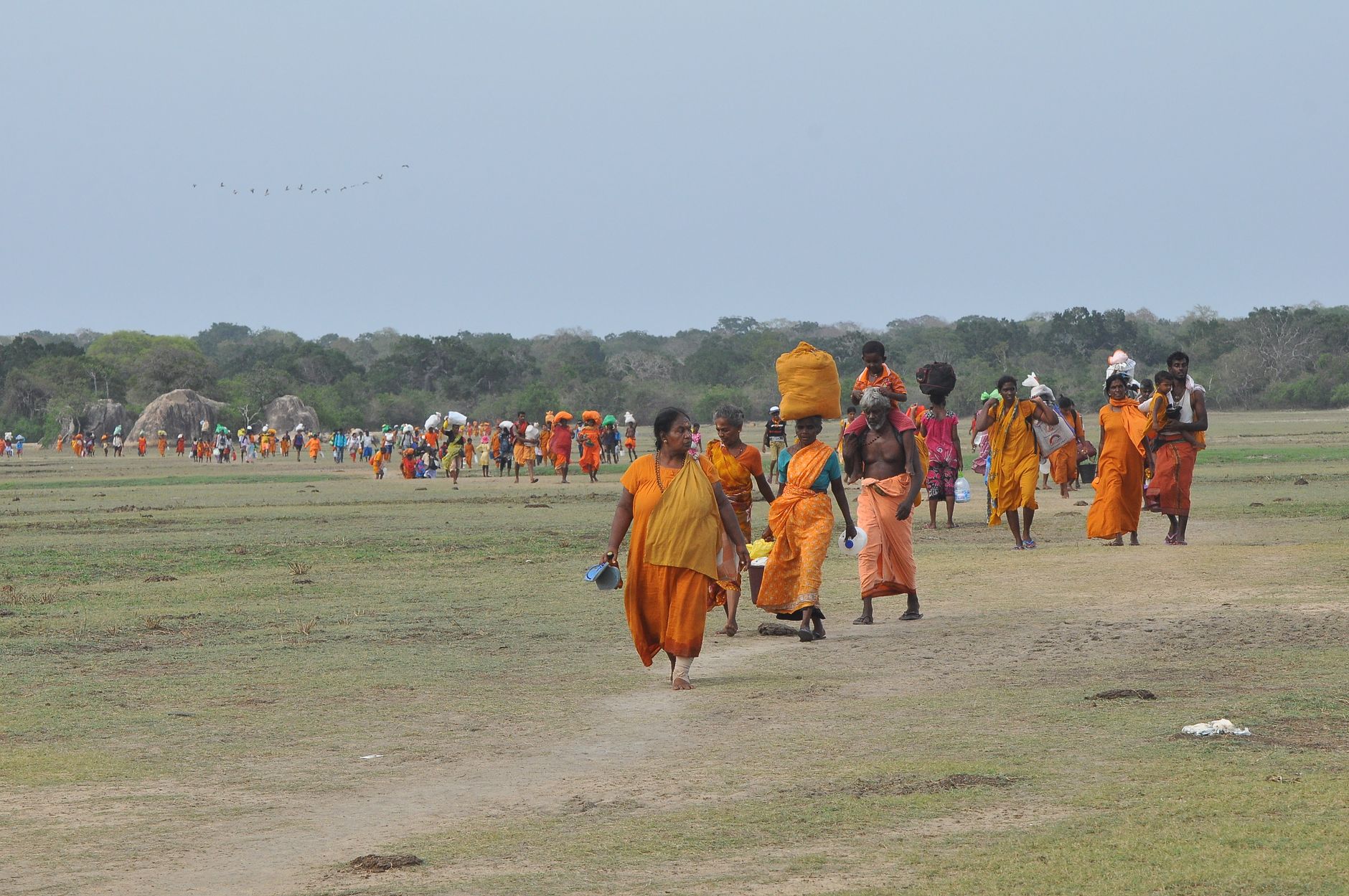
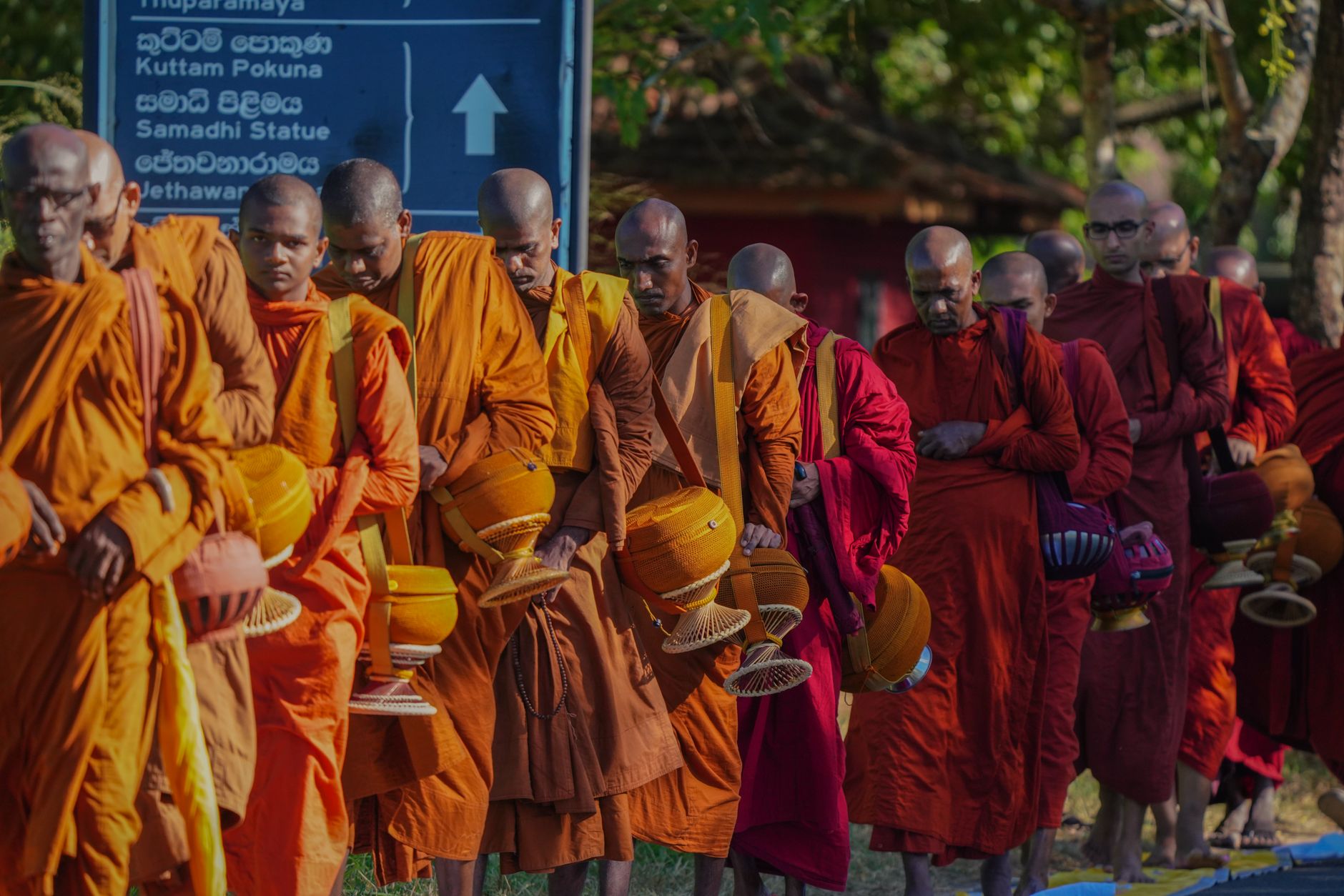
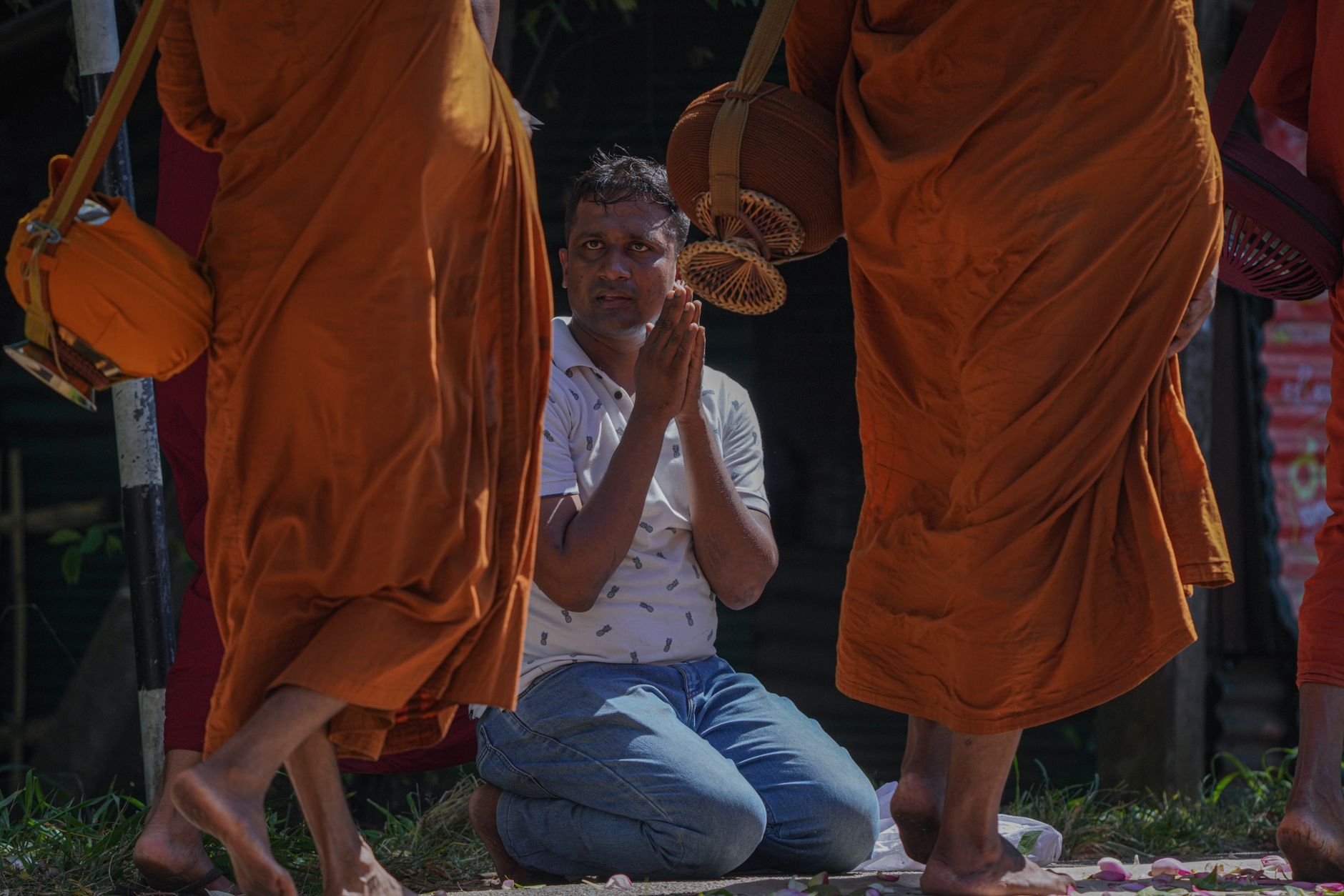
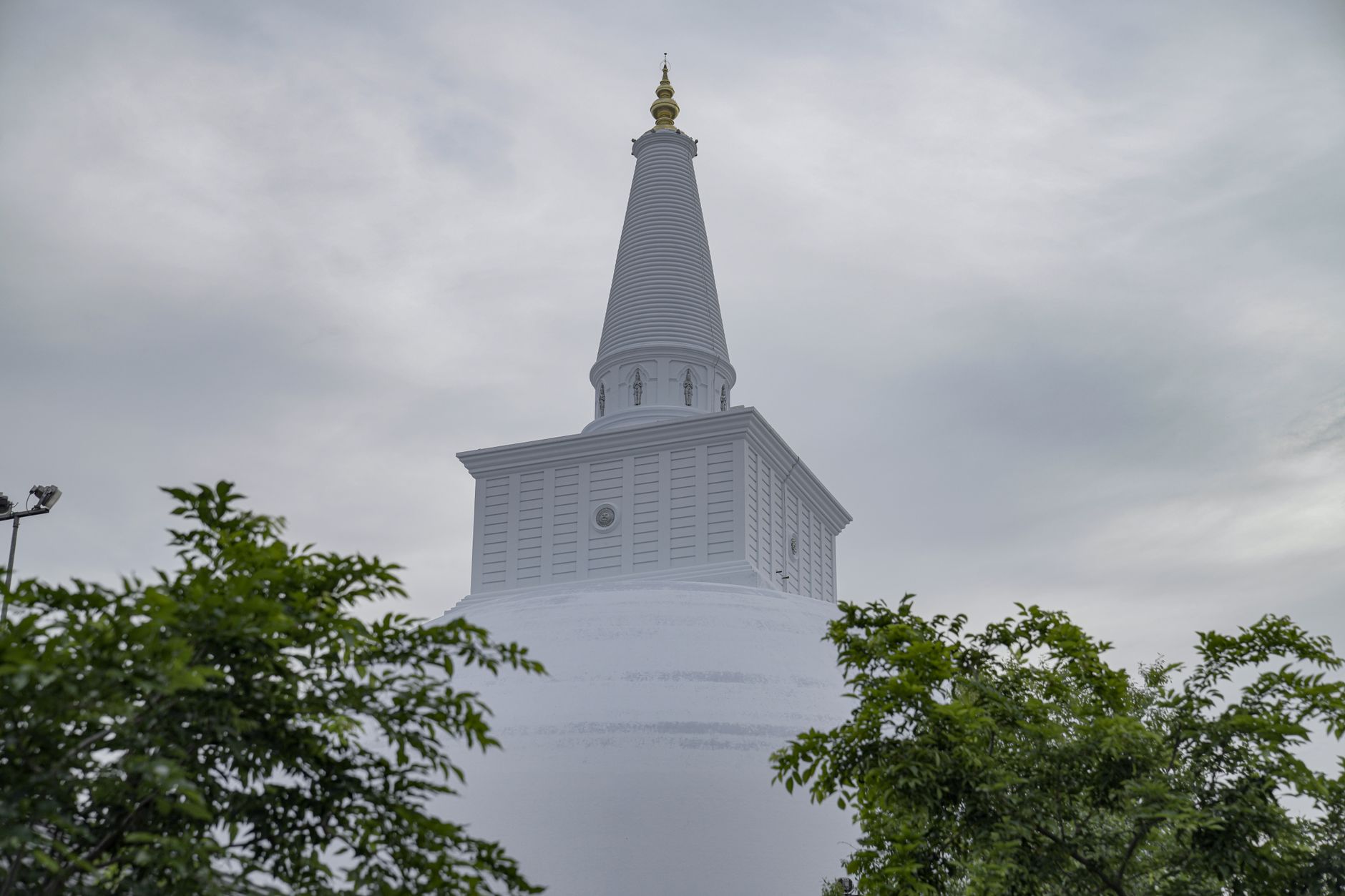
Somewhere in the middle of Sri Lanka's dry northern plains, a fig tree has been growing since roughly 245 BCE. It was planted from a cutting of the tree under which the Buddha is said to have attained enlightenment, and people still come every day to pray beneath it. That tree — the Jaya Sri Maha Bodhi — is as good an entry point as any into Anuradhapura, a city that served as the Sinhalese capital for around fifteen centuries and left behind a landscape of dagobas, ruined palaces, and monastery ponds that stretch across several square kilometres.
This is not a place you pass through quickly. The ruins are spread wide, the light changes everything by hour, and the sites are still actively used for worship — which means you're moving through living religious practice, not just archaeology.
💛 What travellers fall for
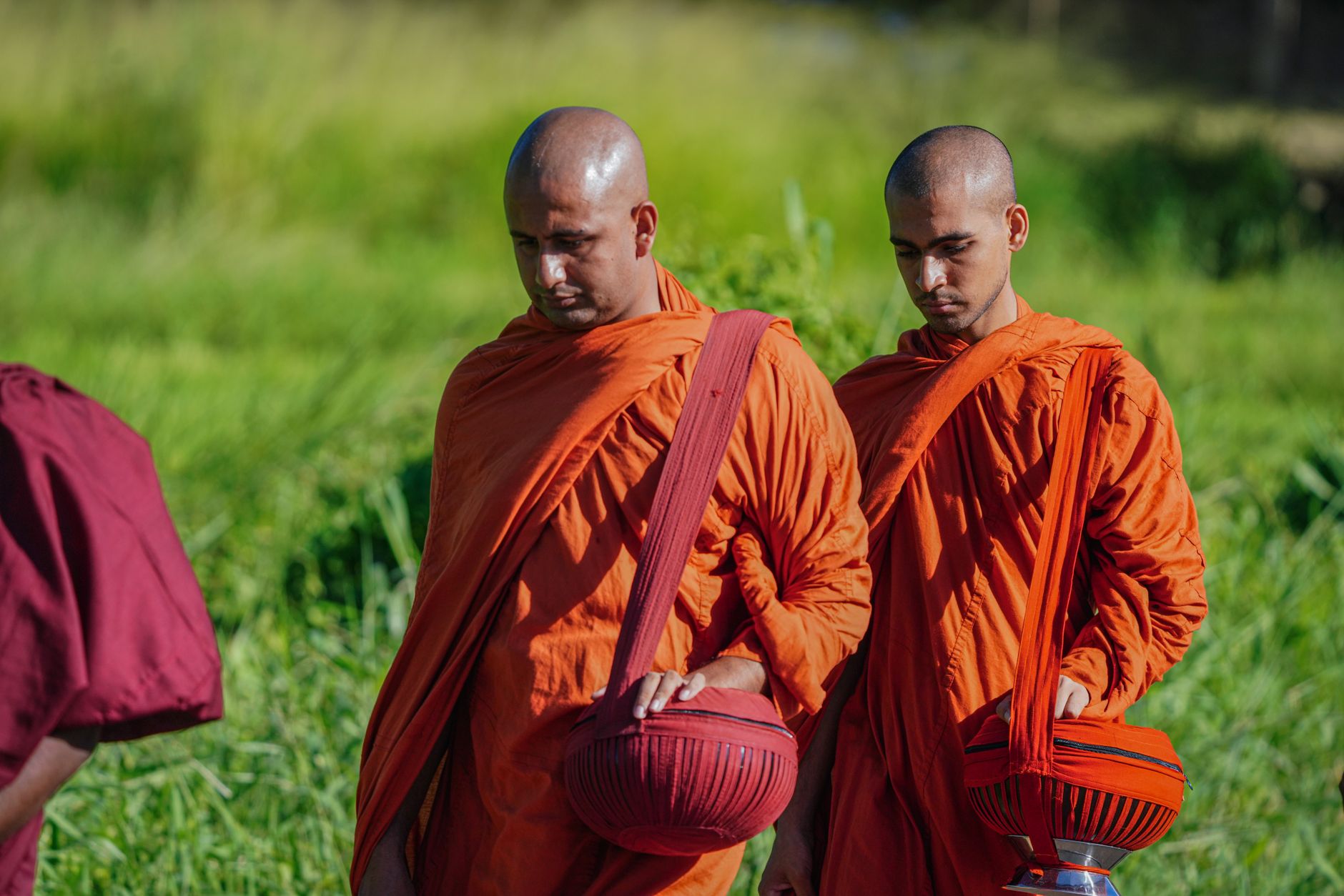
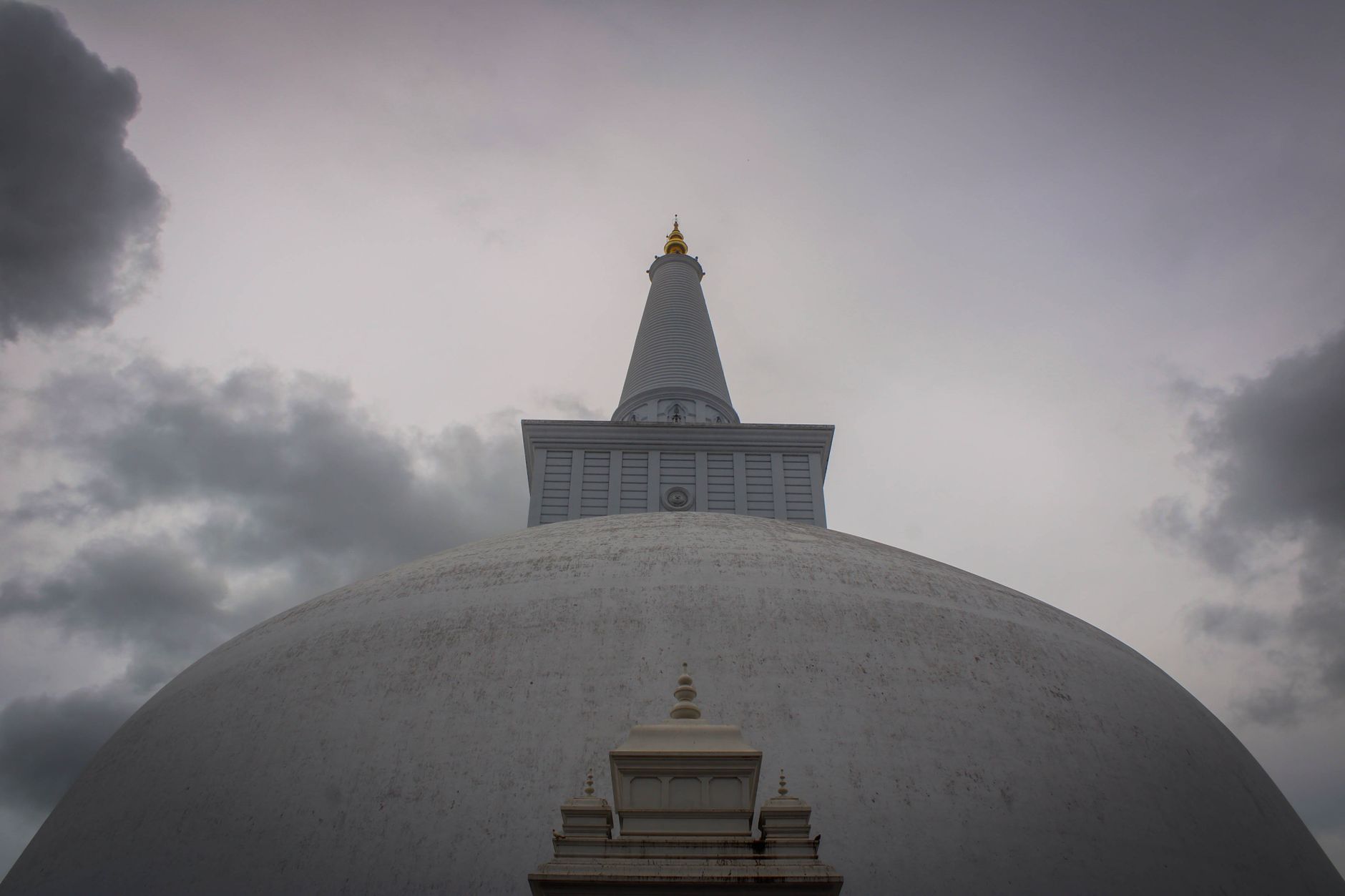
People who return tend to hire a tuk-tuk driver for the full day rather than cycling in the heat, and to arrive at Ruwanwelisaya at dusk, when the white dome goes gold and the monks begin their evening circuit. The Kuttam Pokuna twin ponds, easy to skip, reward a slow look — the stonework is exact in a way that stays with you.
How Anuradhapura came to be
A minister named Anuradha founded the settlement near the Malwathu Oya river sometime in the 6th century BCE, and King Pandukabhaya formally established it as capital in 377 BCE, laying out gates and quarters for different communities of traders. It was King Devanampiya Tissa, in the 3rd century BCE, who gave the city much of its enduring form — converting to Buddhism, receiving a cutting of the sacred fig tree via the nun Sanghamitta, and beginning the great building programme that would define the skyline.
Kings added to it for centuries: Dutugemunu raised the Ruwanwelisaya stupa and the nine-storey Brazen Palace in the 2nd century BCE; Mahasena built the Jetavana Dagaba in the 3rd century CE, then among the tallest structures on earth. The city was effectively abandoned after Chola invasions in 993 and 1014 CE, and only began to be excavated and understood again under British colonial administration in the 1870s. UNESCO designated it a World Heritage Site in 1982.
Who and what shaped it
People who shaped it
Landmark buildings
See Anuradhapura in motion
Plan your visit
On the map
When to go
The north-central plains are warm and dry for much of the year, with the heaviest rains arriving between October and January via the northeast monsoon. January through April tends to be the most comfortable window for walking the sites — hot but manageable, and mostly clear.
Right now
Background & history adapted from Wikipedia (CC BY-SA) · specs from Wikidata (CC0) · weather from Open-Meteo · map data © OpenStreetMap contributors · photos from Wikimedia Commons / Unsplash with per-image credit. No third-party reviews or social posts reproduced.