
Trincomalee
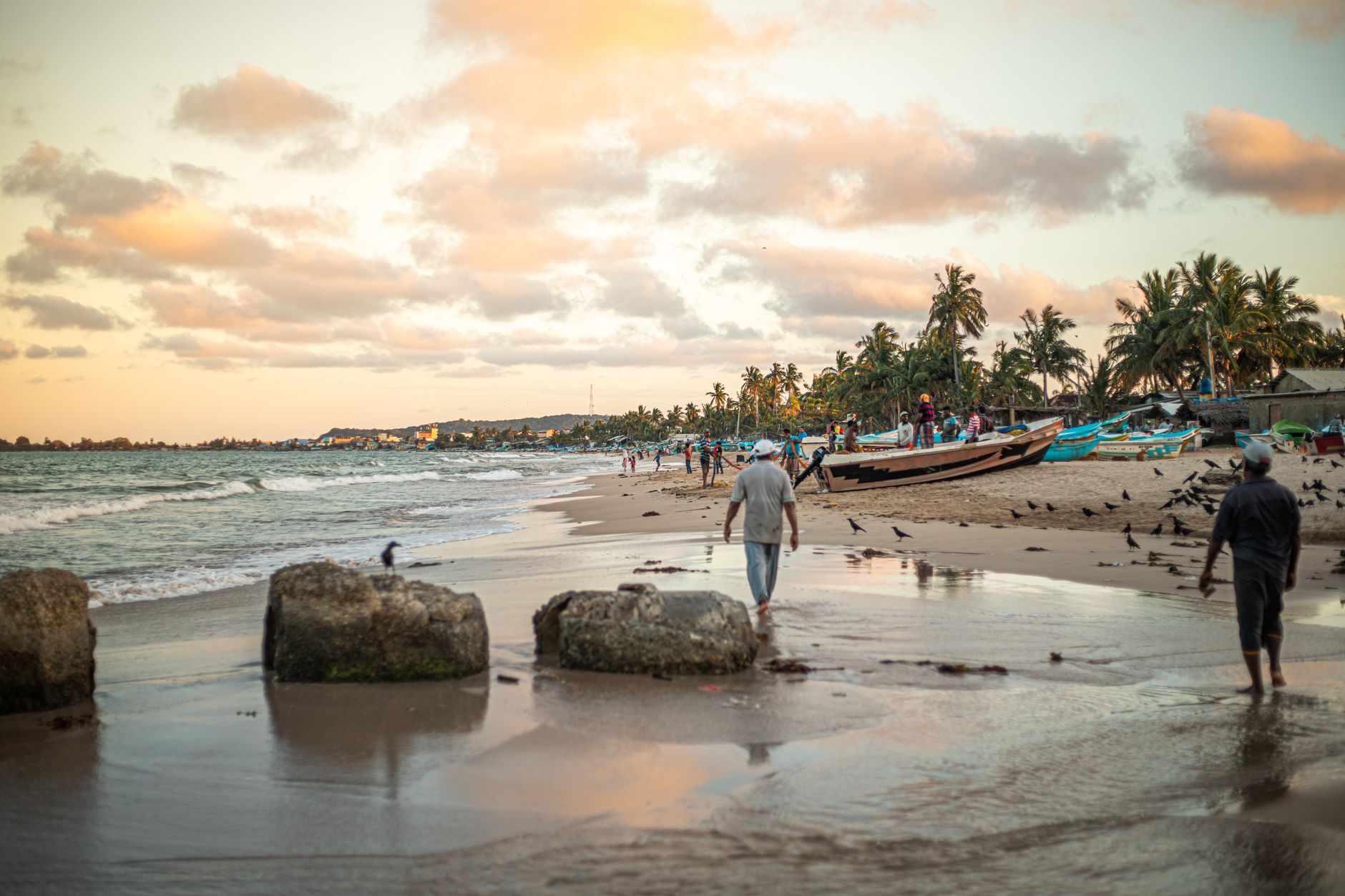
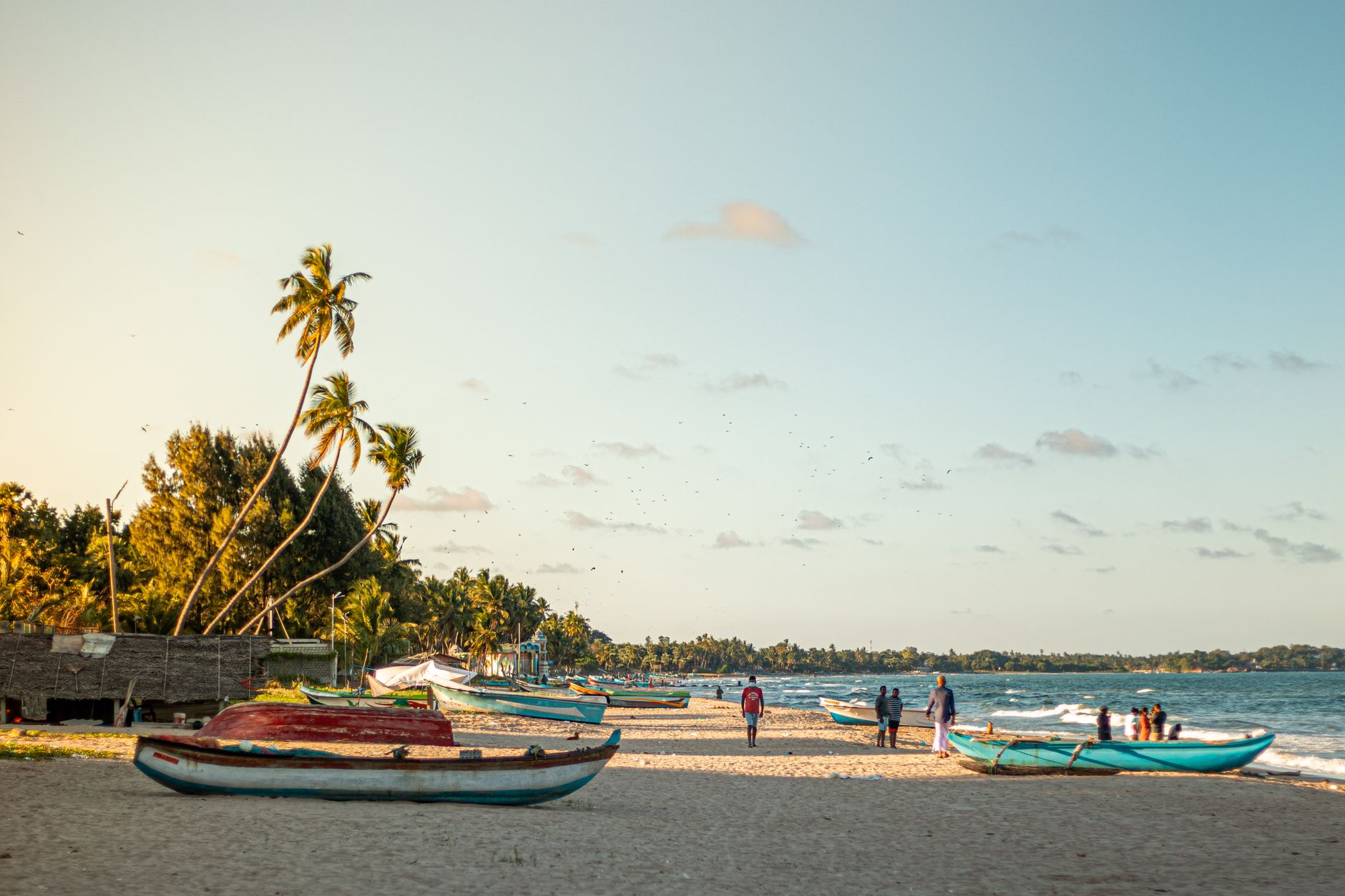
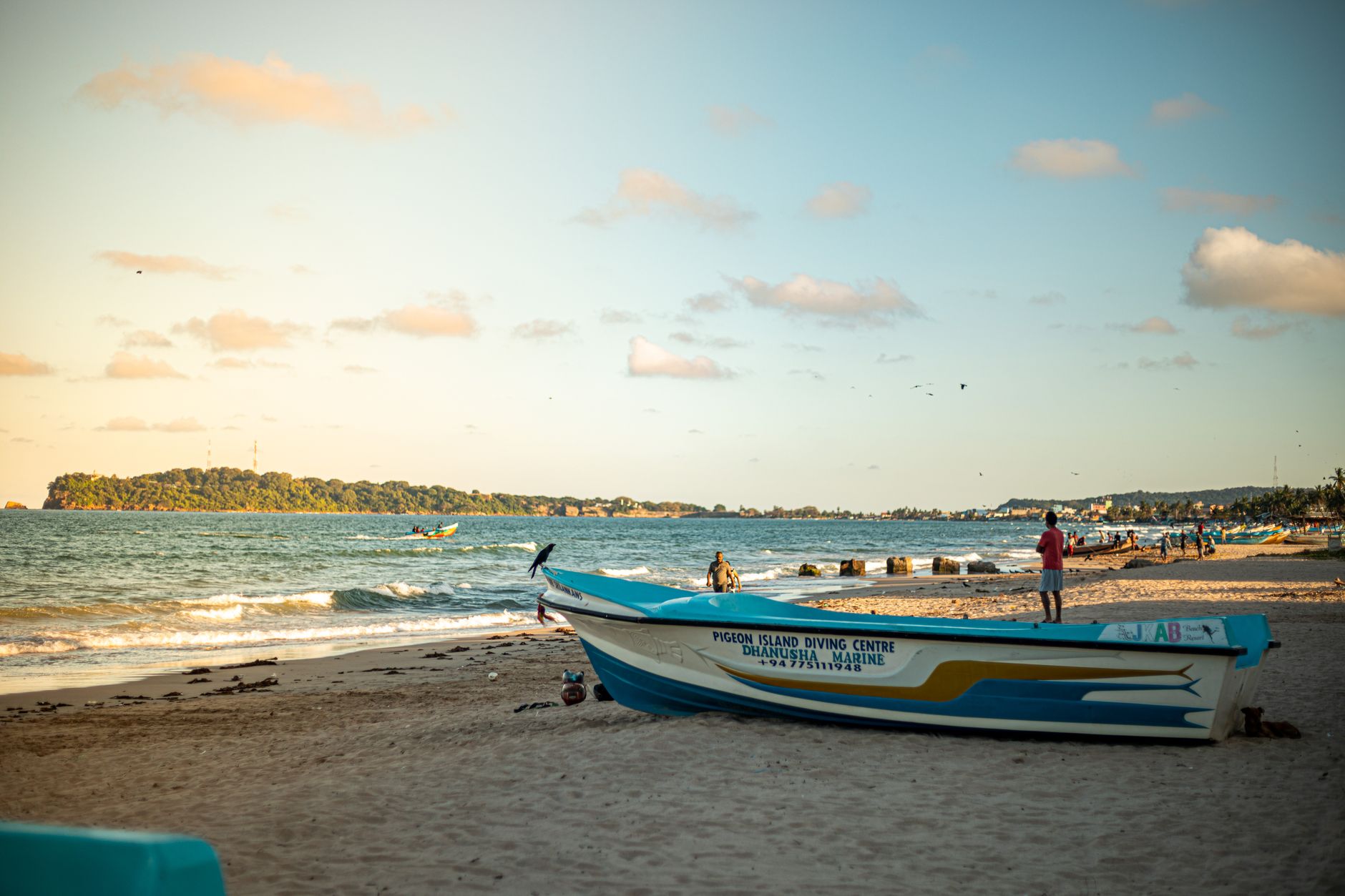
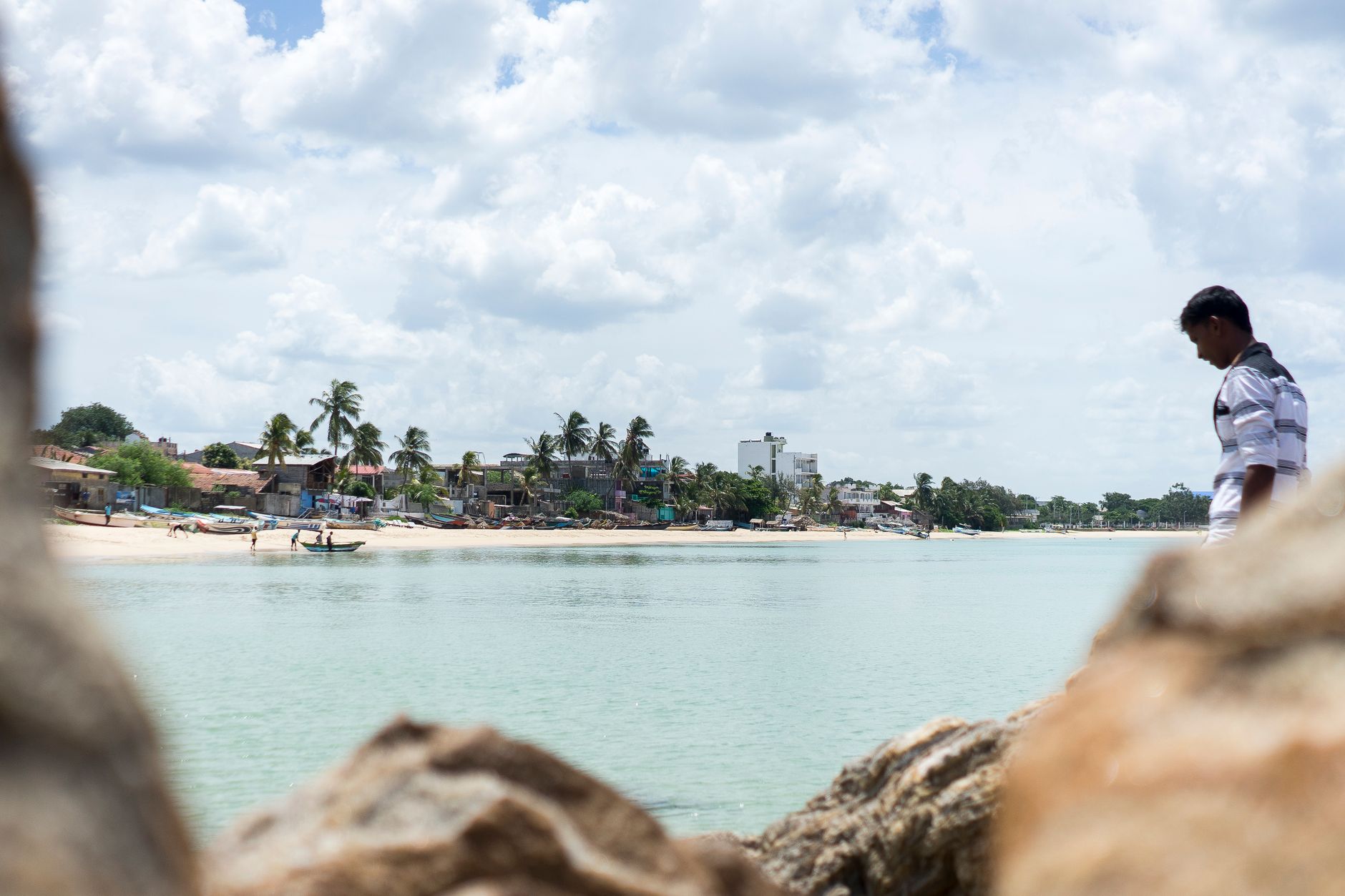
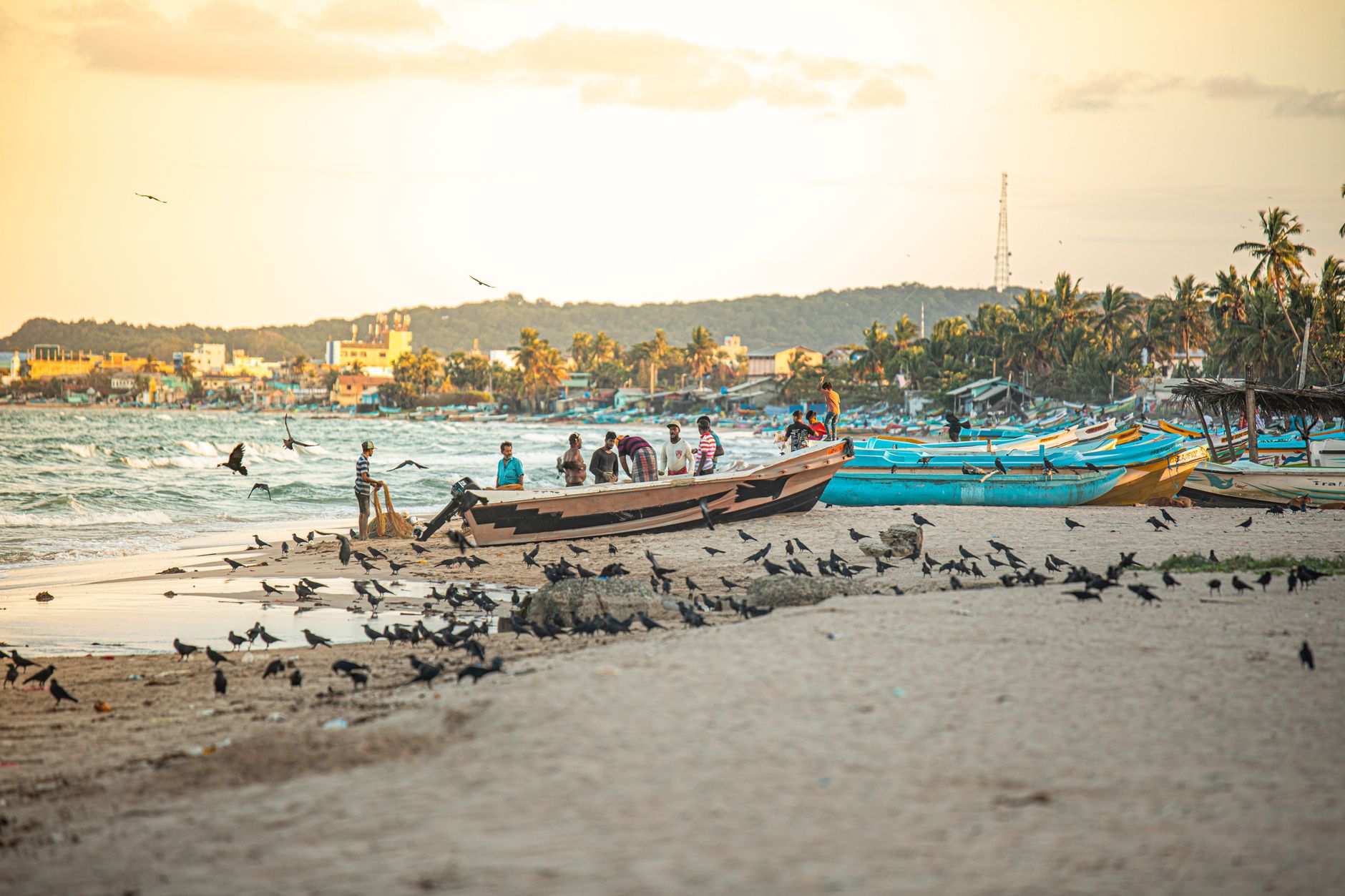
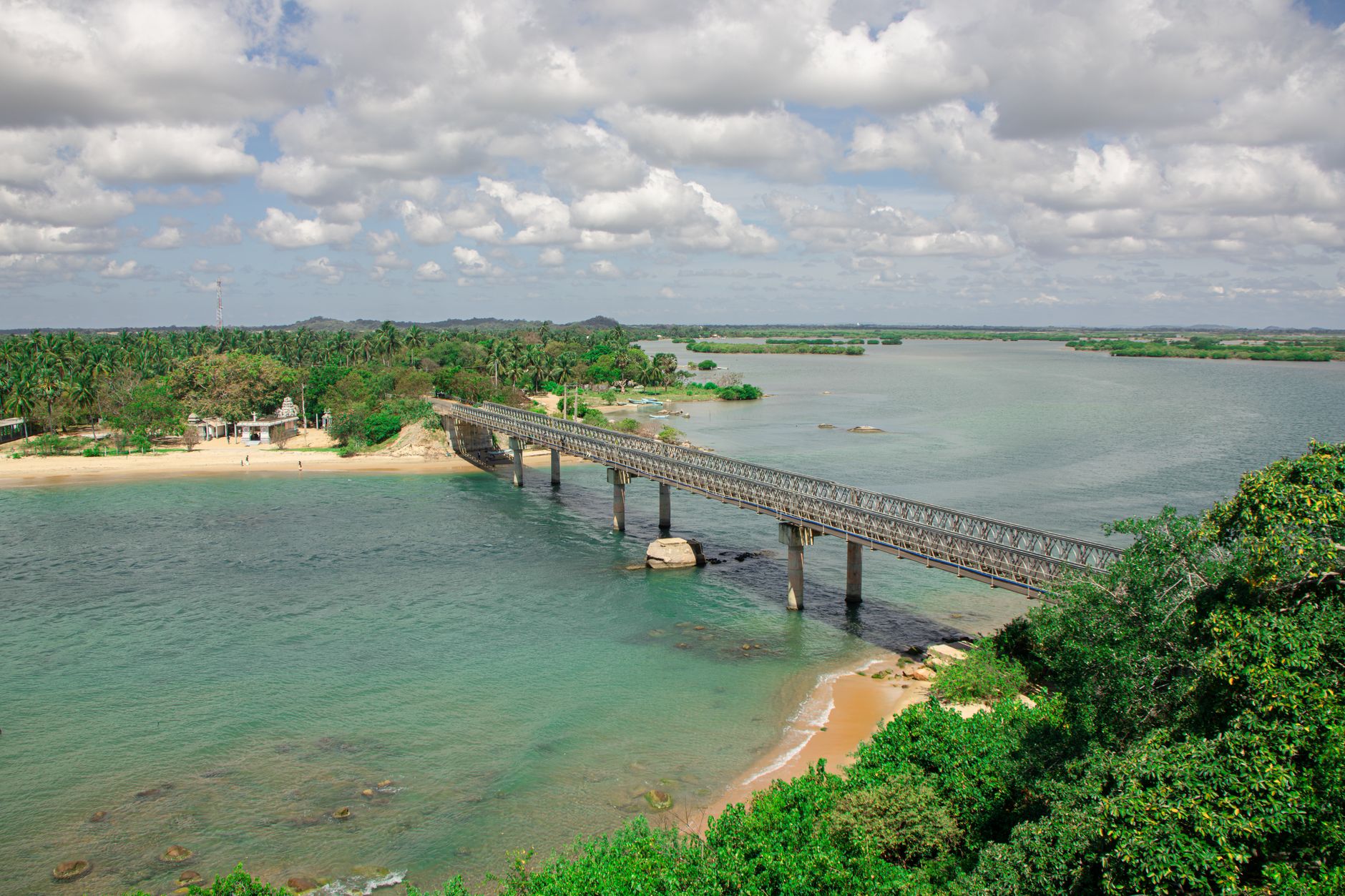
Trincomalee sits where a long peninsula juts into the Bay of Bengal, its cliffs dropping 120 metres straight into water so clear you can see the reef from the surface. The town has been a working harbour for more than two thousand years, and that history accumulates in layers — Hindu temple, Portuguese fort, British naval dockyard, all stacked on the same headland.
What draws people now is a combination the east coast does unusually well: whale sharks passing offshore between March and October, hot springs a short ride from town, and a pace that hasn't been smoothed into resort-town ease.
How Trincomalee came to be
Settlement here goes back to at least 400 BCE, anchored by the Koneswaram Temple on Swami Rock — a site so significant it gave the city its Tamil name, Thirukonamalai. The original structure had a thousand-pillared hall; Portuguese forces razed it in the 17th century and used its stone to build Fort Frederick below. The Dutch took the fort in 1639, the British seized it in 1782, the French briefly held it that same year, and the British returned in 1795, remaining until independence in 1948.
In 1956, photographer Mike Wilson and writer Arthur C. Clarke recovered carved columns, idol images and elephant-head carvings from the seabed — remnants the Portuguese had thrown from the cliff. Bronze statues found buried nearby in 1950 were reinstalled at the restored temple on 3 March 1963.
Who and what shaped it
People who shaped it
Landmark buildings
See Trincomalee in motion
Plan your visit
On the map
When to go
The east coast runs on a different monsoon calendar from the rest of Sri Lanka: April through September brings dry, sunny weather ideal for the water. October to January sees heavy rain and rough seas, when most of the coast closes down.
Right now
Background & history adapted from Wikipedia (CC BY-SA) · specs from Wikidata (CC0) · weather from Open-Meteo · map data © OpenStreetMap contributors · photos from Wikimedia Commons / Unsplash with per-image credit. No third-party reviews or social posts reproduced.