
Galle
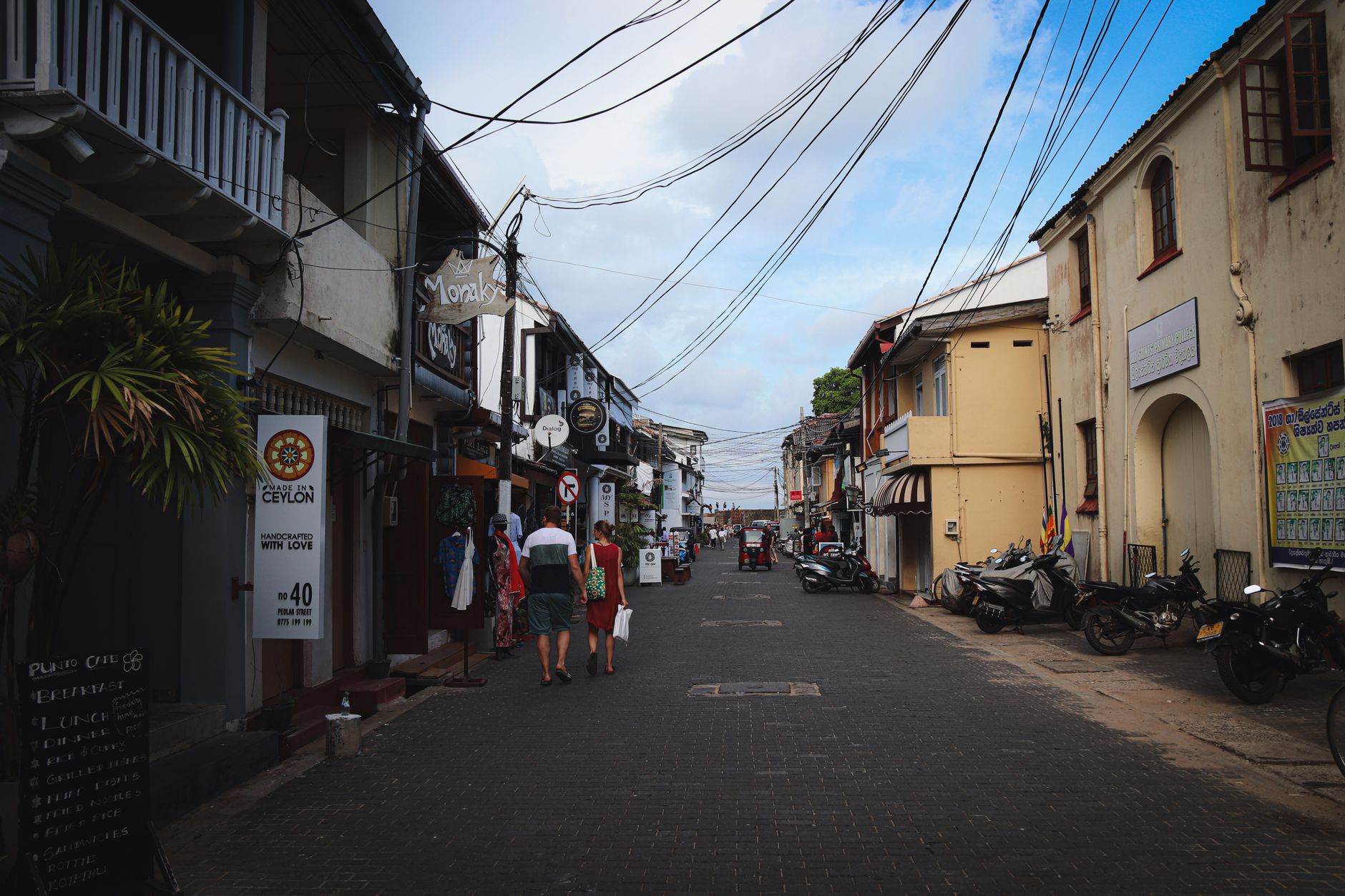
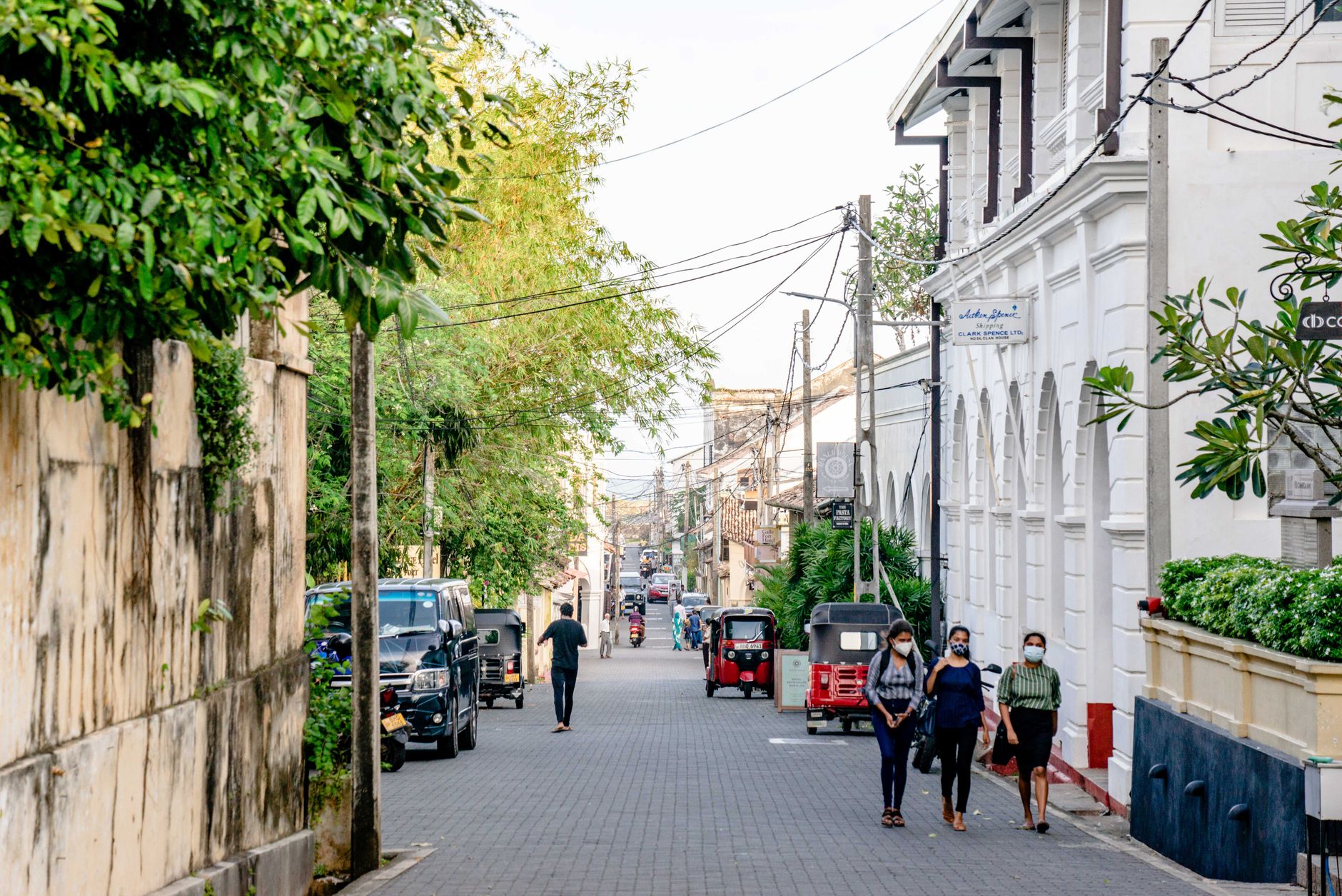
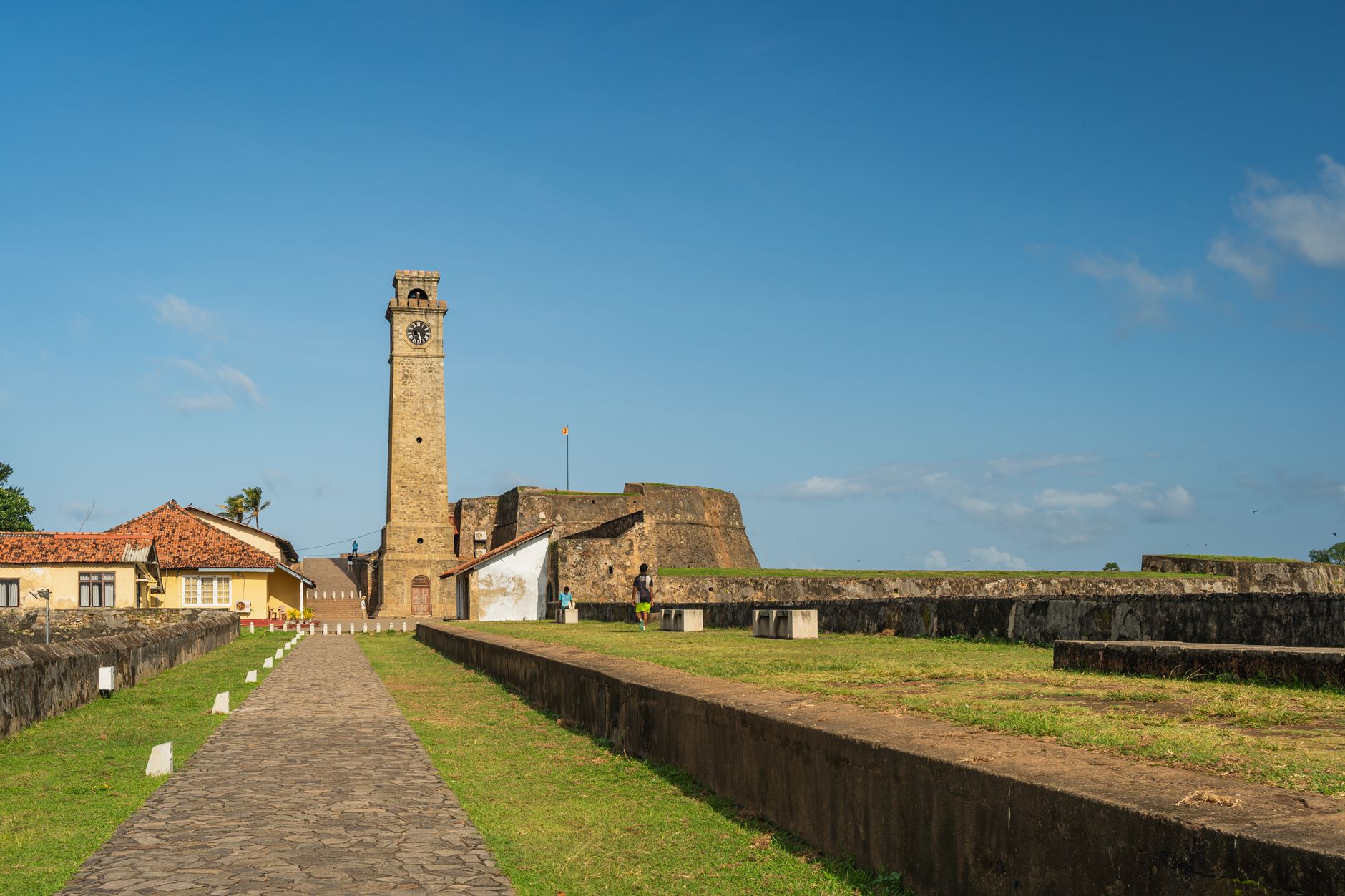
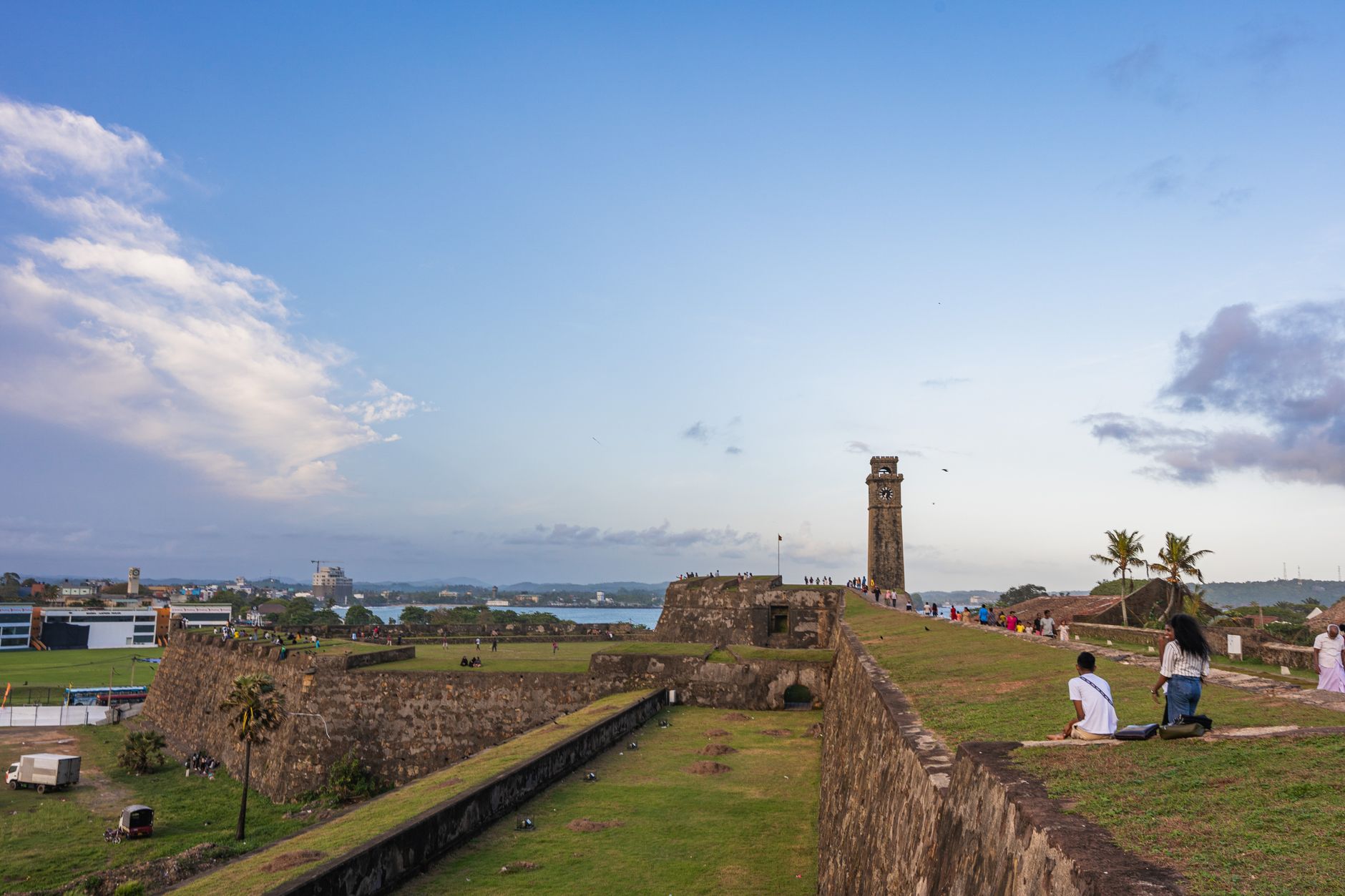
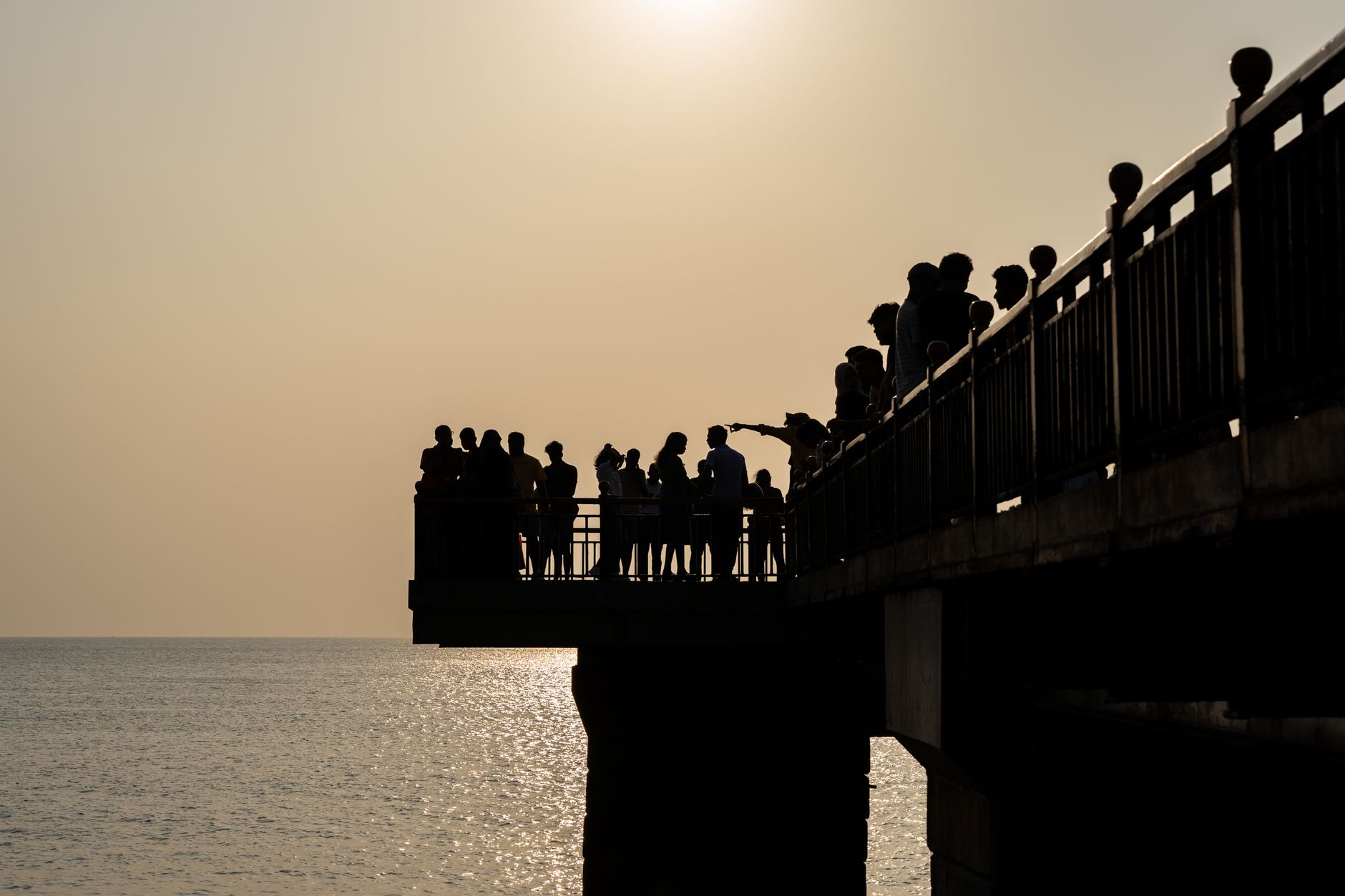
At the southern tip of Sri Lanka's west coast, a Dutch-built fort sits on a rocky peninsula jutting into the Indian Ocean, its coral-and-granite walls still holding the line after three centuries of monsoons, a 2004 tsunami, and the slow churn of tourism. Walk the ramparts at dusk and you pass the Flag Rock bastion, a working lighthouse, a 1775 baroque church, and the minaret of a mosque built by Arab merchant descendants — all within a 52-hectare enclosure that takes less than an hour to cross end to end.
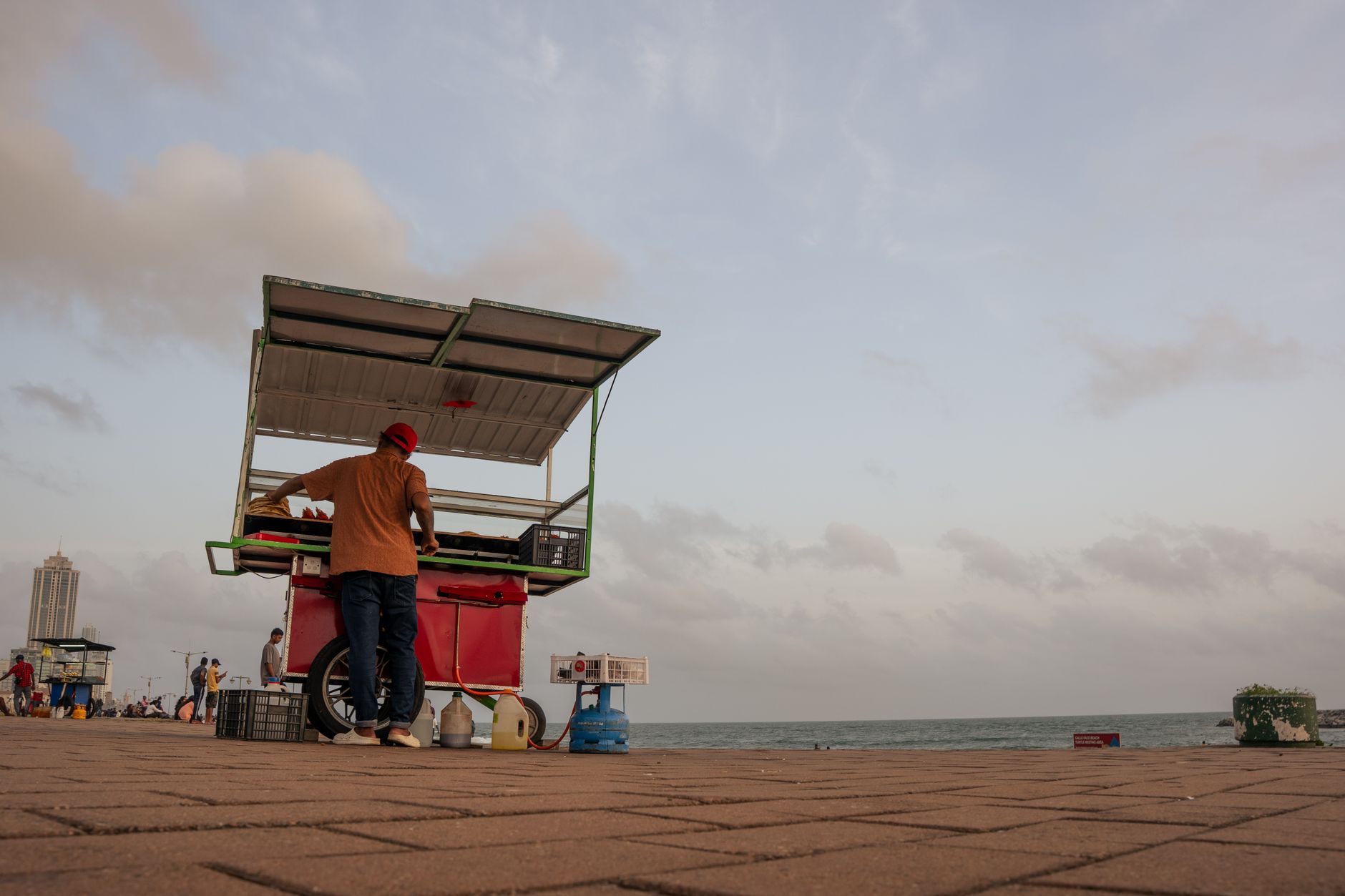
Galle Fort is the reason people come, but the town around it — the railway station, the harbour, the market streets — gives the fort its context. This is a living place, not a preserved one.
💛 What travellers fall for
People who return tend to time their mornings carefully: the ramparts before 8am, before the heat builds and the tour groups arrive, are a different place entirely. The Groote Kerk is worth catching when it's unlocked — the calamander-wood pulpit and the 1760 organ repay a slow look. And the train back to Colombo, taken at least once, earns its reputation.
How Galle came to be
A Moroccan traveller named Ibn Battuta passed through in 1342 and noted a place called Qali. The Portuguese arrived in 1597 and built a small fort on the peninsula, then known as Gimhathiththa. The Dutch East India Company took it from them in 1640 and spent the following decades turning it into something more serious — from 1649 onwards, they raised the coral-and-granite ramparts, built the Reformed church, and made Galle the VOC's administrative capital in Sri Lanka.
By the mid-18th century, around 275 families lived inside the fortress walls: Dutch administrators, local Sinhalese, Sri Lankan Moors descended from Arab traders, and mixed-heritage families who would come to be called Burghers. The British took over on 23 February 1796, added the Clock Tower in 1883 and a lighthouse in 1939, and left the Dutch bones largely intact. UNESCO recognised the fort in 1988. The 2004 tsunami caused serious damage across Galle, though the fort's thick walls absorbed much of it.
Who and what shaped it
People who shaped it
Landmark buildings
See Galle in motion
Plan your visit
On the map
When to go
Galle is tropical year-round, with temperatures ranging from around 27°C in January to 35°C or more in April and May. The driest and most comfortable months run January through March; from May onward the southwest monsoon brings sustained humidity and heavy rain through to November.
Right now
Background & history adapted from Wikipedia (CC BY-SA) · specs from Wikidata (CC0) · weather from Open-Meteo · map data © OpenStreetMap contributors · photos from Wikimedia Commons / Unsplash with per-image credit. No third-party reviews or social posts reproduced.