
Colombo
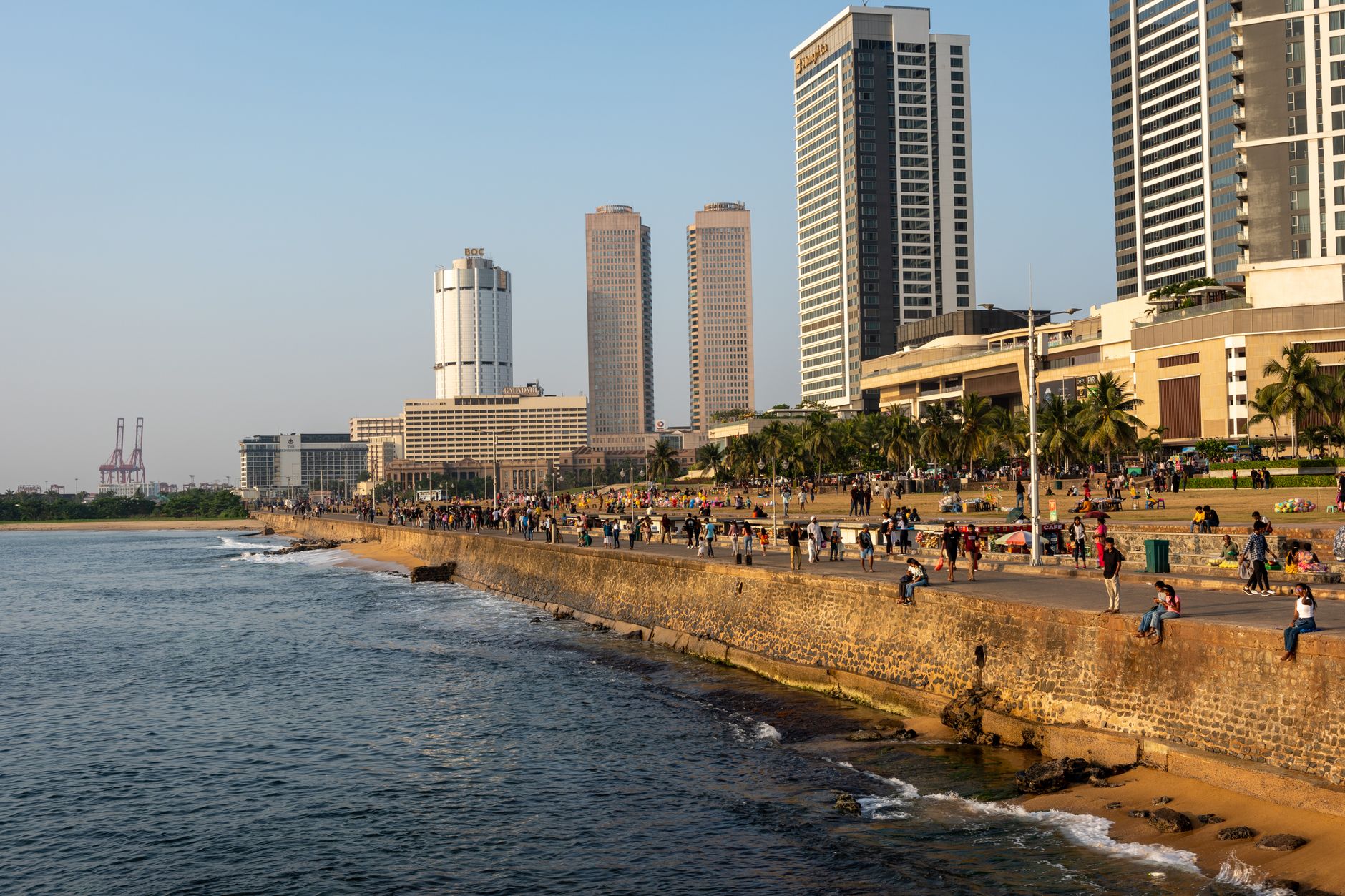
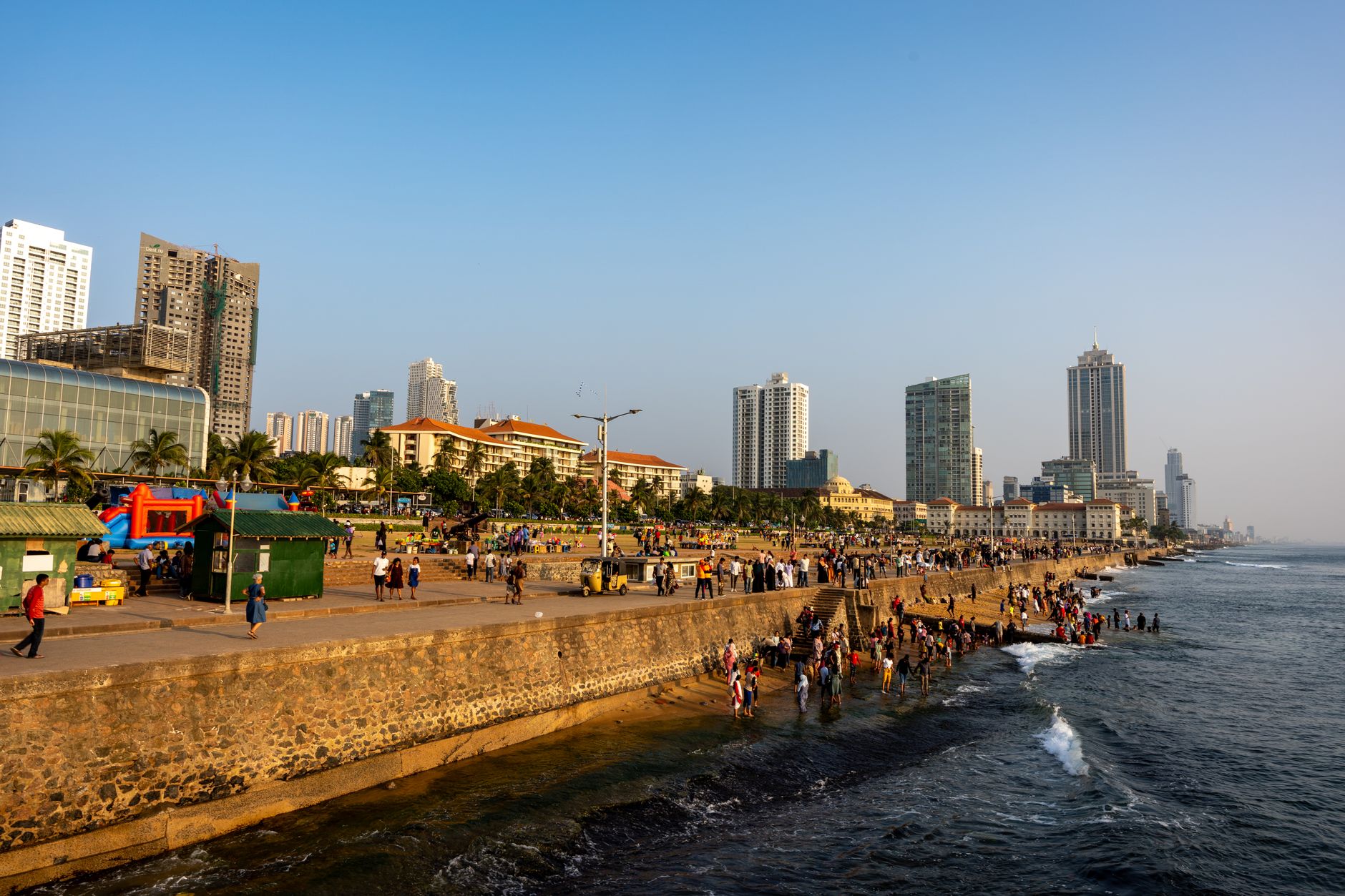
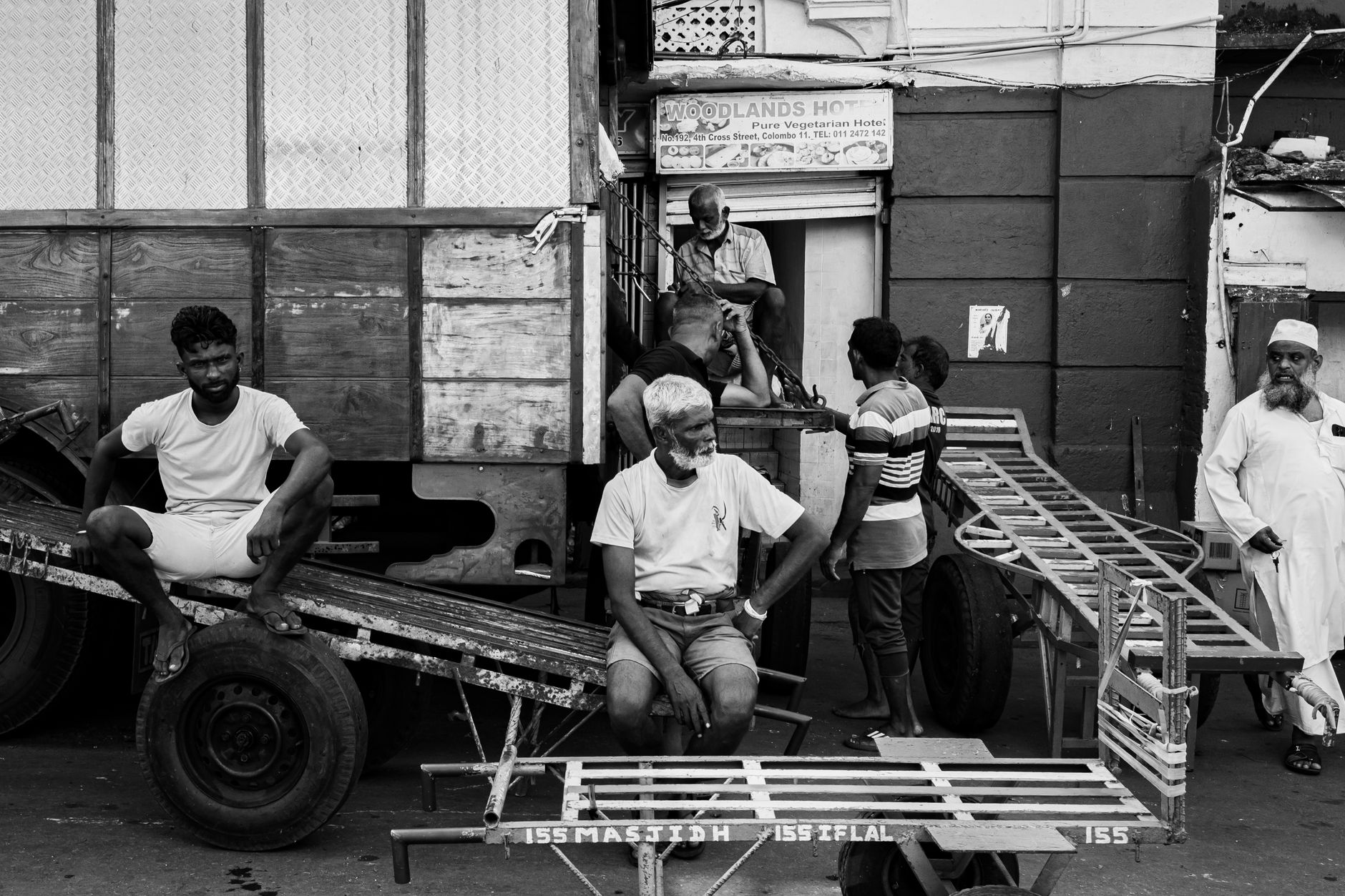
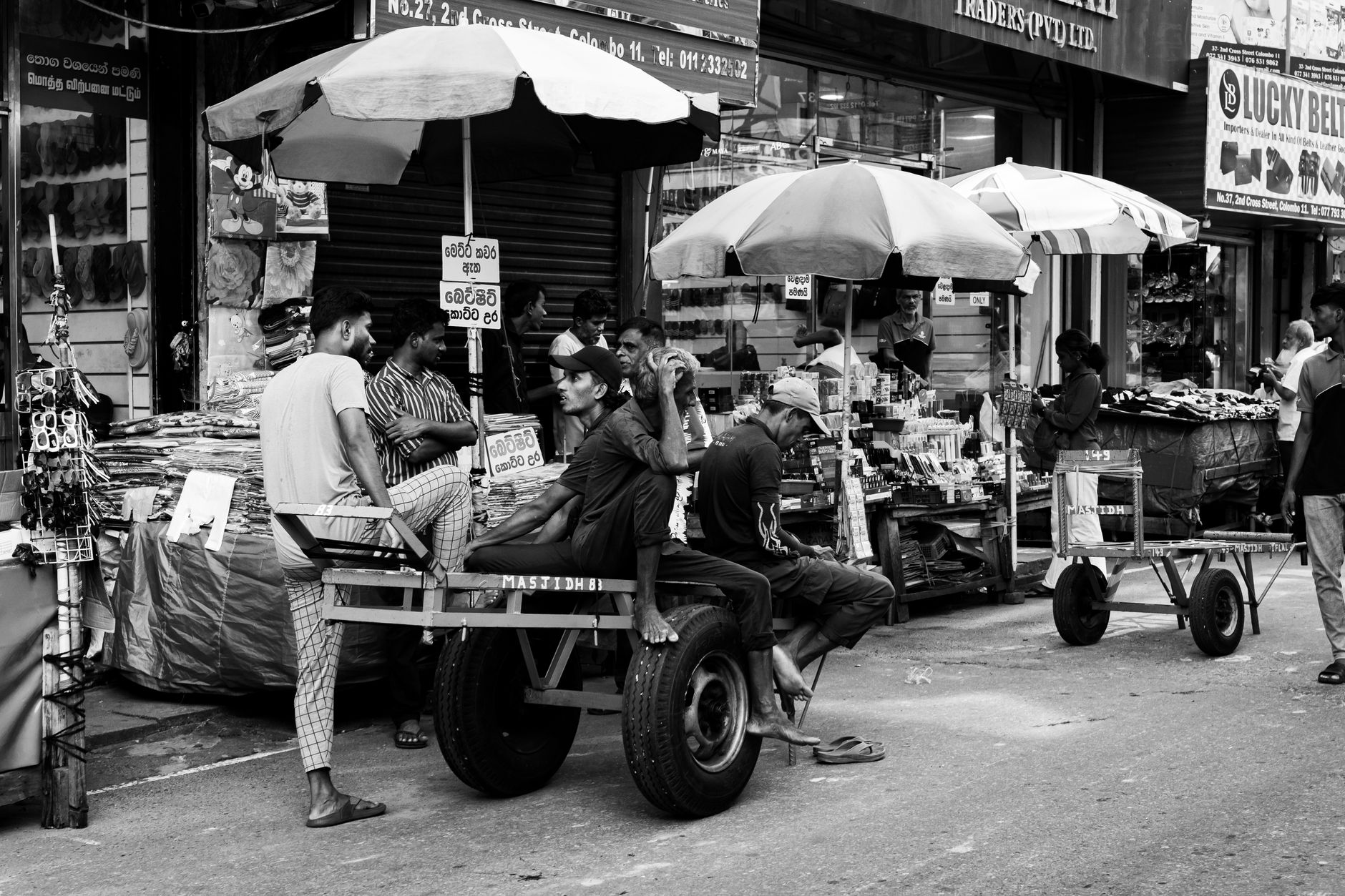
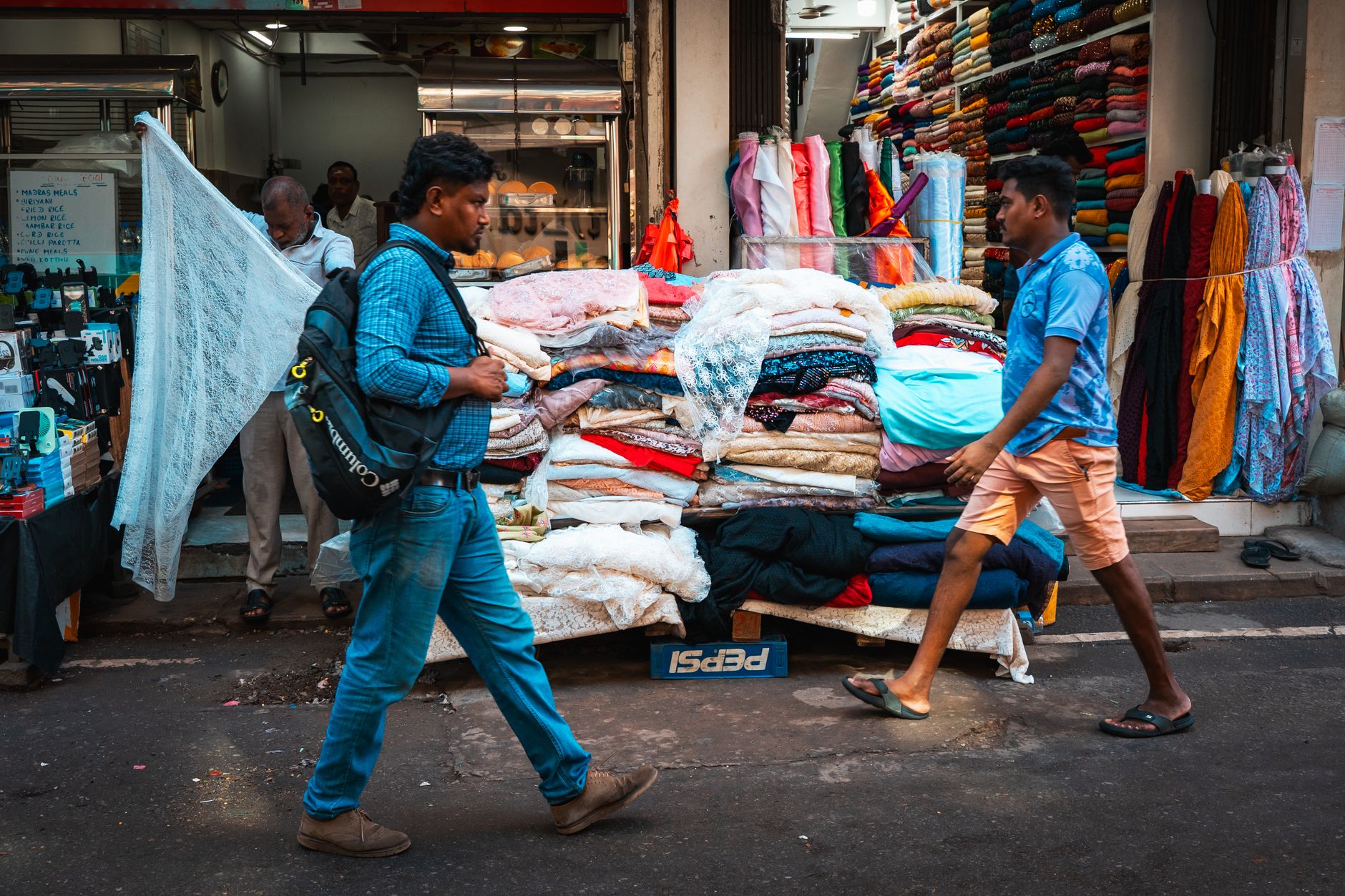
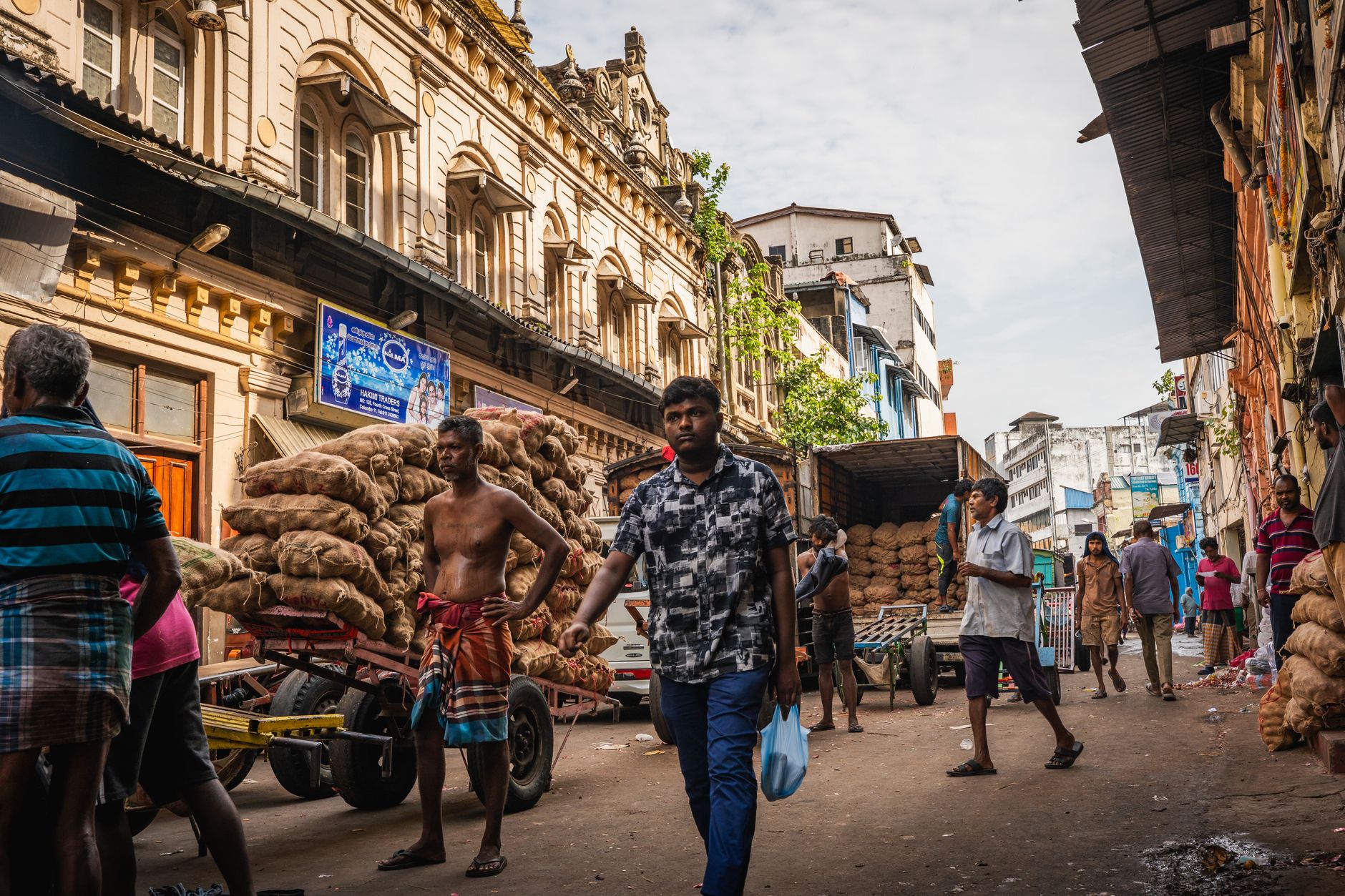
Colombo announces itself in layers: the red-and-white striped facade of the Jami Ul-Alfar Mosque rising above Pettah's street commerce, the slow expanse of Beira Lake catching afternoon light, the old Dutch Hospital of 1681 repurposed into somewhere you can order a cold beer where VOC officers once recovered from tropical ailments. This is a city that has been receiving strangers — Arab traders, Portuguese fort-builders, Dutch merchants, British administrators — for the better part of fifteen centuries, and the accumulation shows.
As Sri Lanka's commercial and executive capital, Colombo works as both a destination in its own right and the practical hub from which the island's train lines radiate toward Kandy, Galle, and the hill country beyond.
💛 What travellers fall for
People who come back tend to anchor themselves in a particular neighbourhood rather than trying to cover the city wholesale. Pettah rewards slow walking — the Dutch Museum is small and genuinely good. The stretch along Galle Face Green at dusk, kite-sellers and all, is one of those urban moments that lands differently in person than in photographs.
How Colombo came to be
The name comes from the Sinhalese "Kolon thota" — port on the Kelani River — which the Portuguese adapted to "Colombo" after arriving in 1505 and building a fort here in 1517. The Dutch ousted them mid-17th century, leaving behind the VOC hospital (1681), the Wolvendaal Church in Pettah, and a Dutch Museum that tracks that chapter in detail. Britain took control in 1796, and Colombo became the island's capital in 1815, growing into a proper colonial administrative centre — the Fort Clock Tower went up in 1857, the National Museum opened on January 1, 1877 under Governor Sir William Henry Gregory with 800 exhibits, and the Town Hall's foundation stone was laid in 1924.
Independence came in 1948, marked by the Memorial Hall built on 60 carved pillars. In the 1980s the formal capital shifted to Sri Jayawardenepura Kotte, though Colombo retains the executive and judicial functions — and the weight of everything built before that decision was made.
Who and what shaped it
People who shaped it
Landmark buildings
See Colombo in motion
Plan your visit
On the map
When to go
Colombo has two monsoon windows: the south-west monsoon brings heavy rain from May through August, while a shorter north-east monsoon touches the city around November and December. The driest and most comfortable months for walking the city are January through April, when heat is manageable and the streets are not waterlogged.
Right now
Background & history adapted from Wikipedia (CC BY-SA) · specs from Wikidata (CC0) · weather from Open-Meteo · map data © OpenStreetMap contributors · photos from Wikimedia Commons / Unsplash with per-image credit. No third-party reviews or social posts reproduced.