
Han-sur-Lesse (Caves of Han)


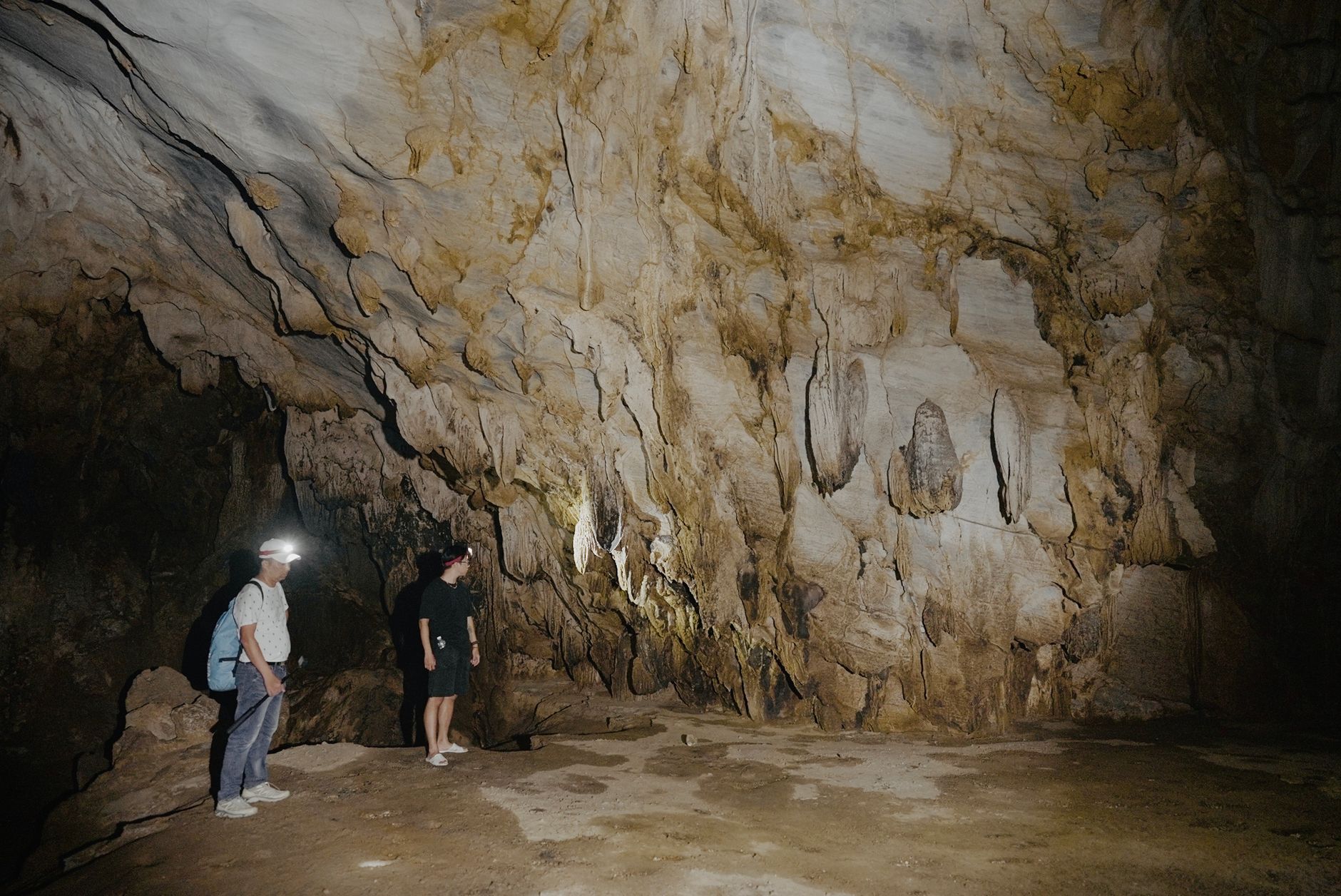
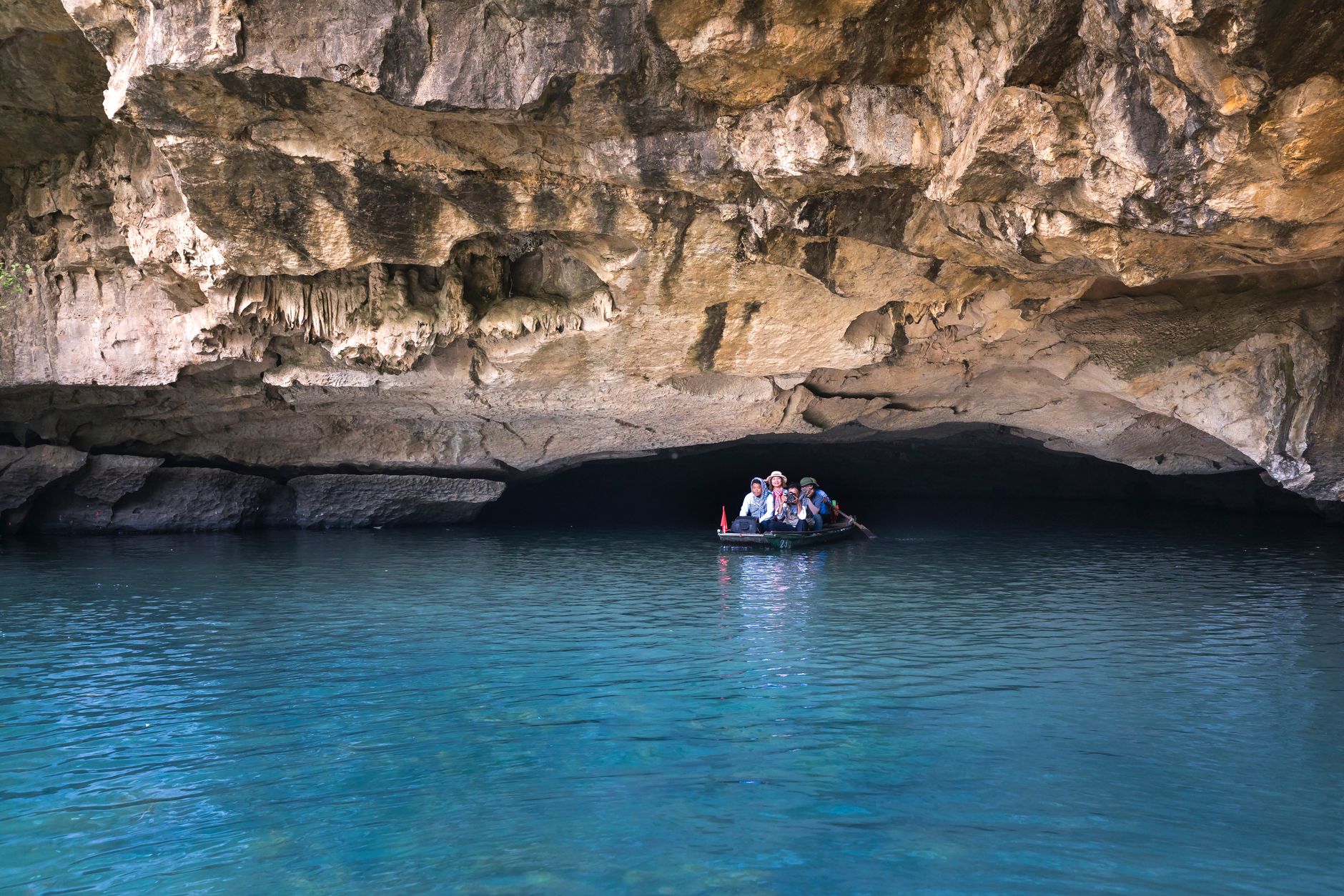

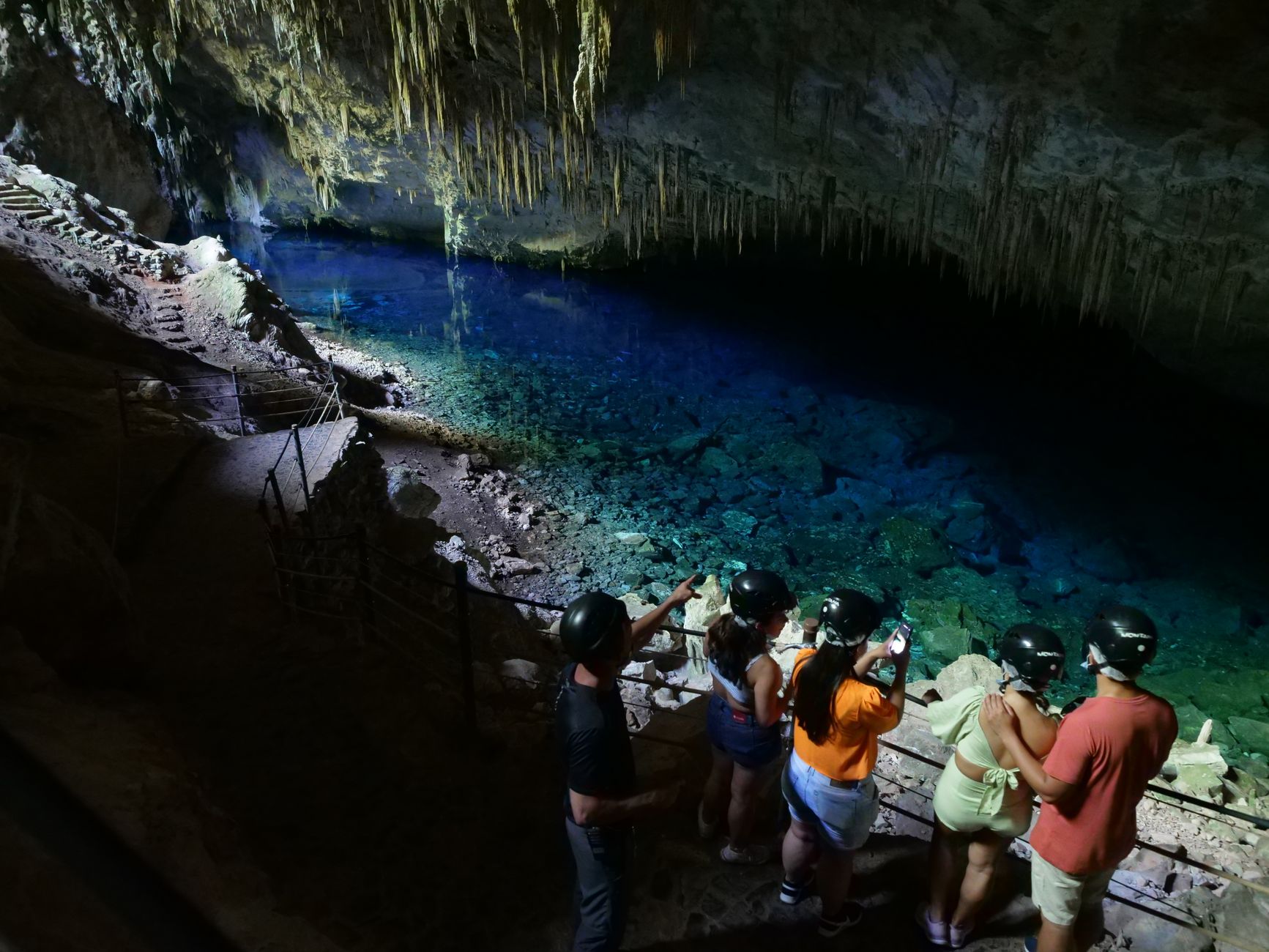
Somewhere beneath the Boine limestone ridge in the Ardennes, the River Lesse simply disappears. It drops into a sinkhole called the Gouffre de Belvaux and resurfaces more than a kilometre later, having carved out one of Belgium's most extraordinary underground spaces over half a million years. You reach the cave entrance not by foot but by vintage tram — the same cars that replaced steam-powered versions in 1935 — which sets the right tone before you've even gone underground.
The Grottes de Han are genuinely large-scale: the Hall of the Dome stretches 150 metres across and rises 127 metres to its vaulted ceiling. The constant 13°C inside means the place feels the same in August as in February, which is either a relief or a shock depending on the season you visit.
How Han-sur-Lesse (Caves of Han) came to be
The caves were known locally for centuries, but it was Pierre Lambert de Saumery — novelist, sometime impostor, sometime marriage swindler — who first researched them systematically. Formal public access began in 1857, following infrastructure work initiated by Baron Édouard de Spandl, who created what became Belgium's first tourism company. A branch tram line arrived in 1906, connecting the village to the wider vicinal network.
The caves themselves preserve a far older record: Bronze Age and Stone Age artefacts have been recovered inside, and archaeologists diving the submerged Lesse riverbed have retrieved objects dating back 10,500 years. In 2018 the surrounding Famenne-Ardennes area was designated Belgium's first UNESCO Global Geopark, the same year a large-scale sound and light show by Luc Petit was installed in the Weapons' Room.
Who and what shaped it
People who shaped it
Landmark buildings
See Han-sur-Lesse (Caves of Han) in motion
Plan your visit
On the map
When to go
Above ground, summers are mild — July and August average around 22°C — and the Lesse draws kayakers and canoeists along its banks. Winters are cold and wet, with January often dropping below freezing. Inside the caves, none of this matters: 13°C and high humidity year-round, so a mid-layer is always worth carrying.
Right now
Background & history adapted from Wikipedia (CC BY-SA) · specs from Wikidata (CC0) · weather from Open-Meteo · map data © OpenStreetMap contributors · photos from Wikimedia Commons / Unsplash with per-image credit. No third-party reviews or social posts reproduced.