
Antwerp
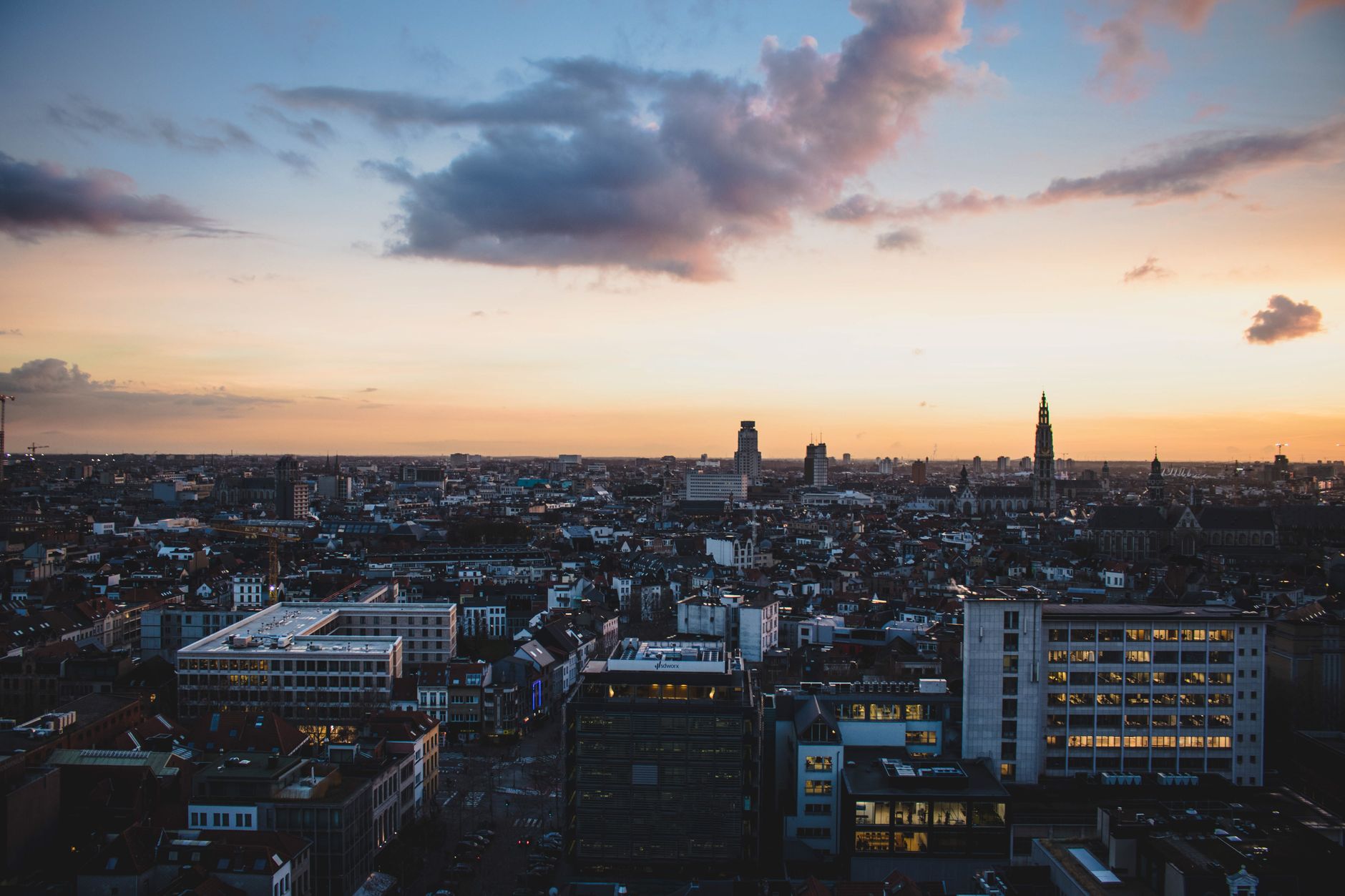
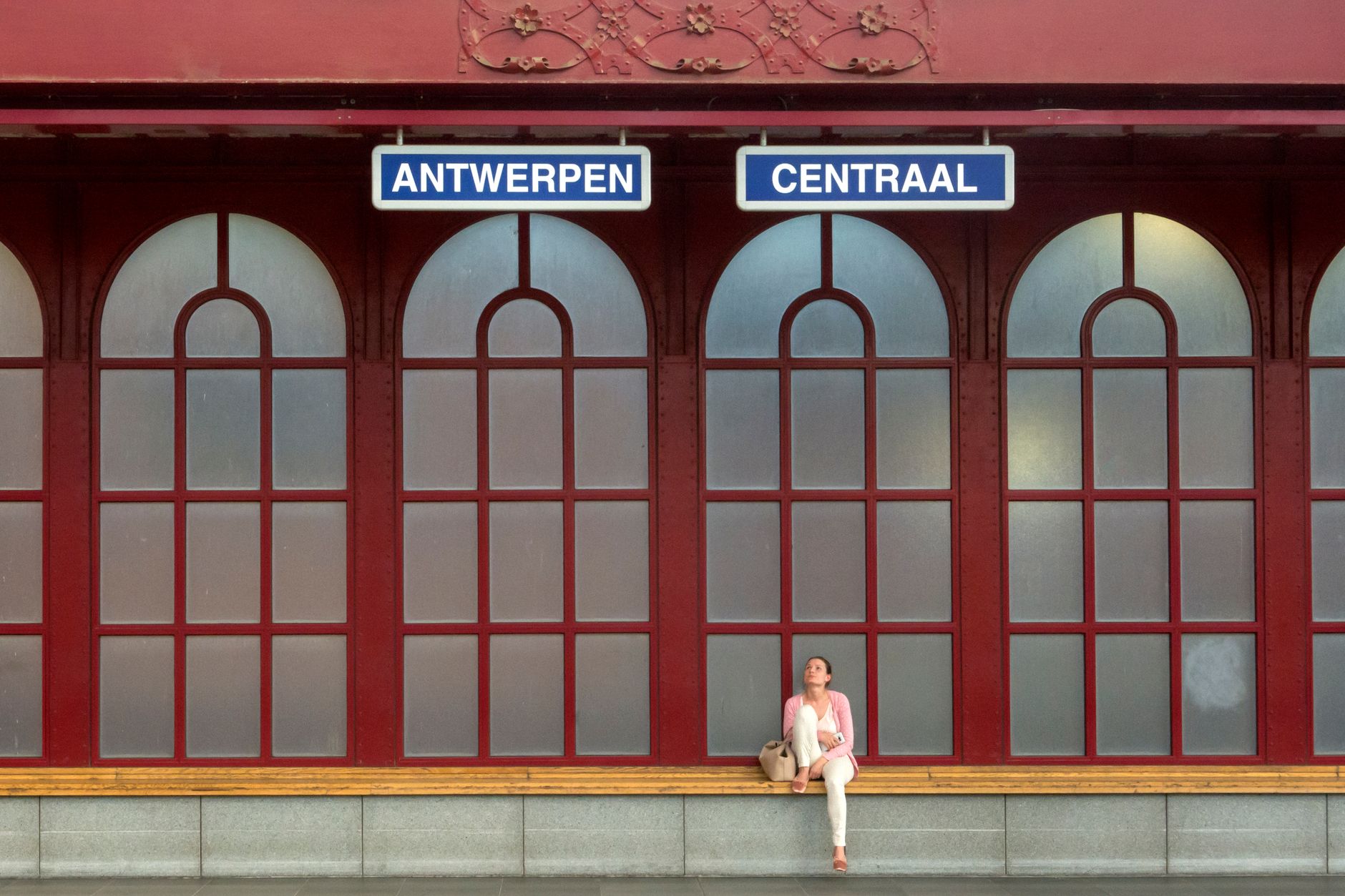
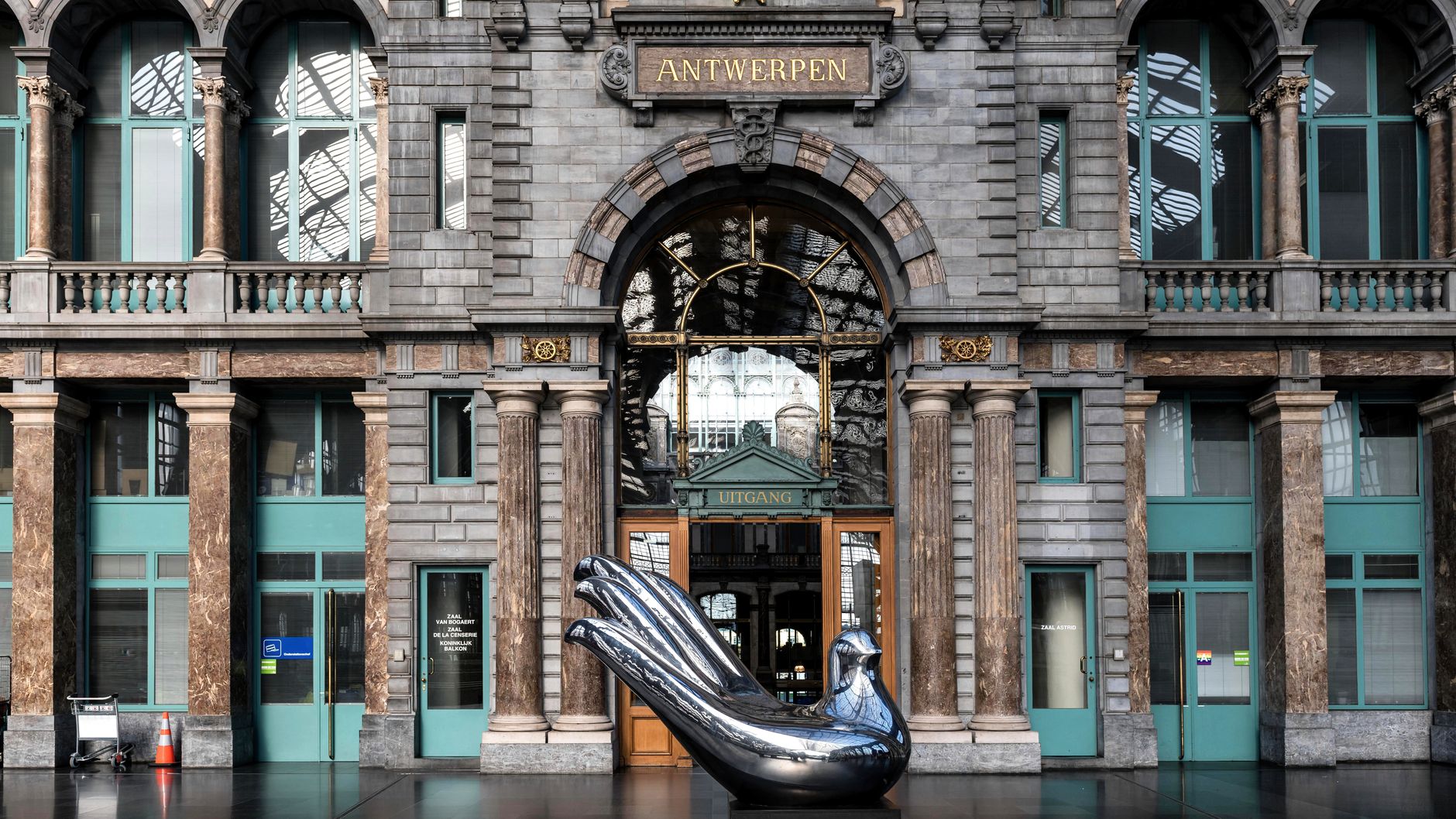
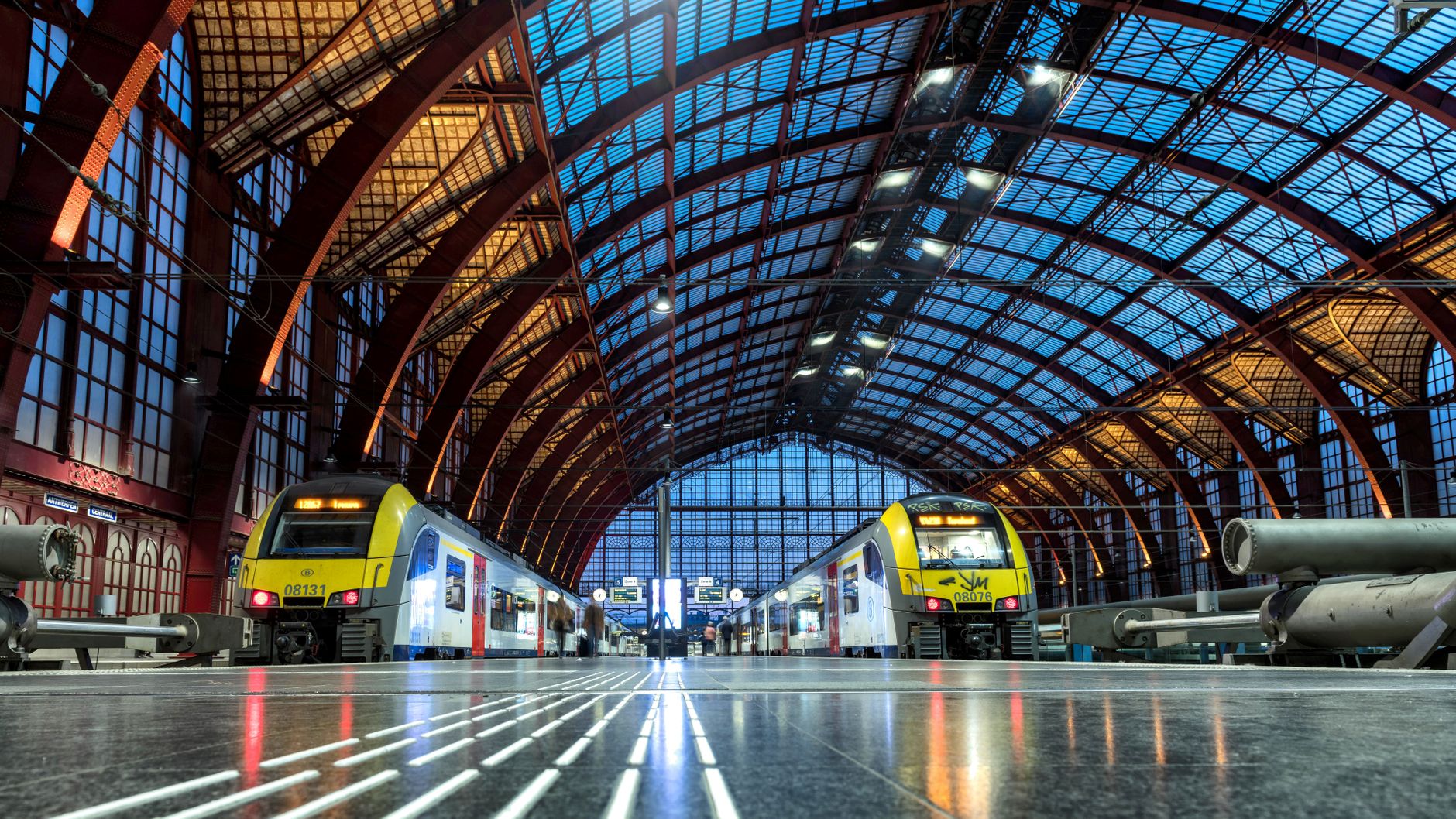
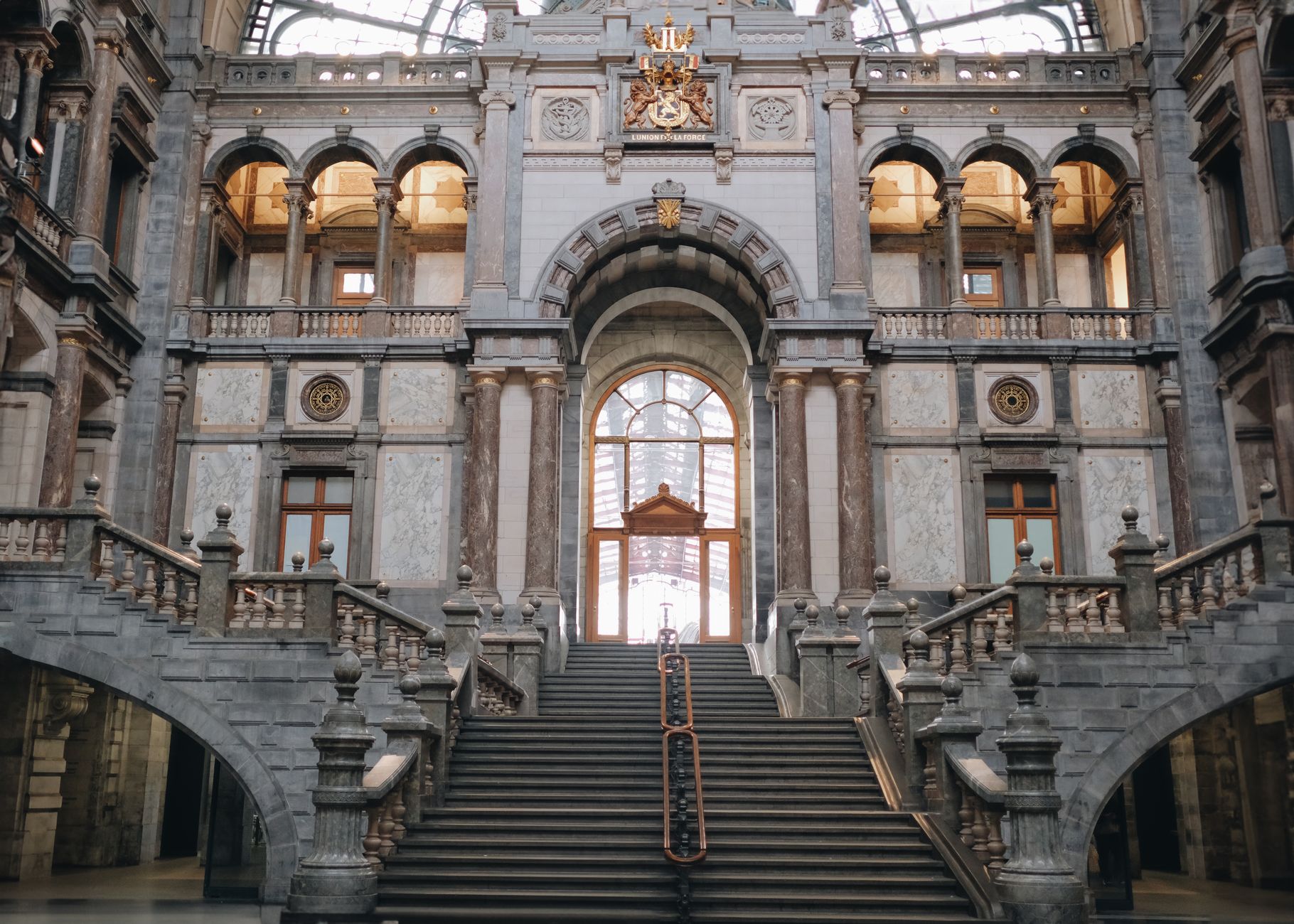
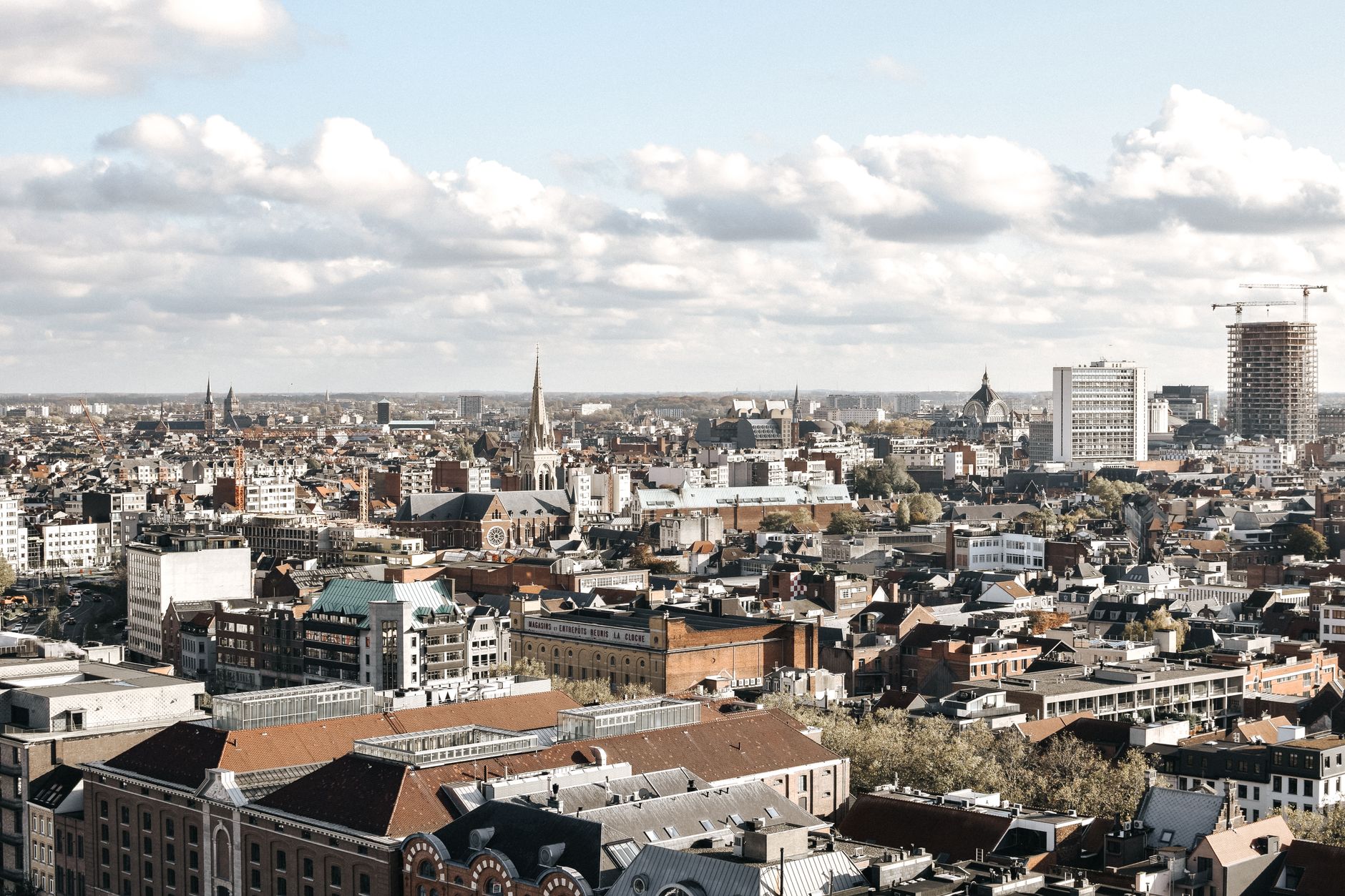
Antwerp announces itself through contradictions. The medieval Steen fortress squats at the river's edge where it has stood since around 1200, while a few streets away the Zaha Hadid-designed Port House floats above an old firehouse in a glass exoskeleton. The city made itself the commercial capital of 16th-century Europe, lost almost everything to a Spanish siege and a treaty that closed its river, then rebuilt again — and that cycle of rise, ruin and reinvention is still visible in the stone.
Today it runs on diamonds, fashion, and one of the world's busiest ports. The Royal Academy of Fine Arts produced a generation of designers in the 1980s who changed how the industry looked at Belgium, and the city's confidence about its own taste has never quite deflated since.
💛 What travellers fall for
Regulars tend to build a morning around the Grote Markt before the tour groups arrive, then cut through the Cogels-Osylei neighbourhood to look at the turn-of-the-century villas — no two in the same style. The pre-metro tram network, full-size trams running through underground tunnels, is worth a single-ticket ride just to understand how the city moves.
How Antwerp came to be
Antwerp's name likely traces to a 9th-century fortified position on the Scheldt, and it received municipal rights in 1291, joining the Hanseatic League by 1315. Its real ascent came in the 16th century, when it became the distribution hub for Spanish and Portuguese trade and the financial capital of Europe. That peak ended violently: Spanish troops killed roughly 6,000 inhabitants in 1576 in what became known as the Spanish Fury, and Alessandro Farnese took the city after a 14-month siege in 1584–85.
The Treaty of Münster in 1648 closed the Scheldt to navigation and effectively strangled trade for a century and a half, shrinking the population below 40,000 by 1800. The French reopened the river in 1795, Napoleon expanded the port, and Belgium's independence in 1830 set the stage for a second era of growth — confirmed in 1863 when Dutch restrictions on Scheldt traffic finally ended.
Who and what shaped it
People who shaped it
Landmark buildings
See Antwerp in motion
Plan your visit
On the map
When to go
Antwerp has a temperate maritime climate: mild, grey, and damp through autumn and winter, with summers that are warm enough but rarely hot. April through October is the most reliable window for walking the city; January and February can be raw, though the architecture doesn't mind the weather.
Right now
Background & history adapted from Wikipedia (CC BY-SA) · specs from Wikidata (CC0) · weather from Open-Meteo · map data © OpenStreetMap contributors · photos from Wikimedia Commons / Unsplash with per-image credit. No third-party reviews or social posts reproduced.