
Belgian Coast (Flemish Coast)

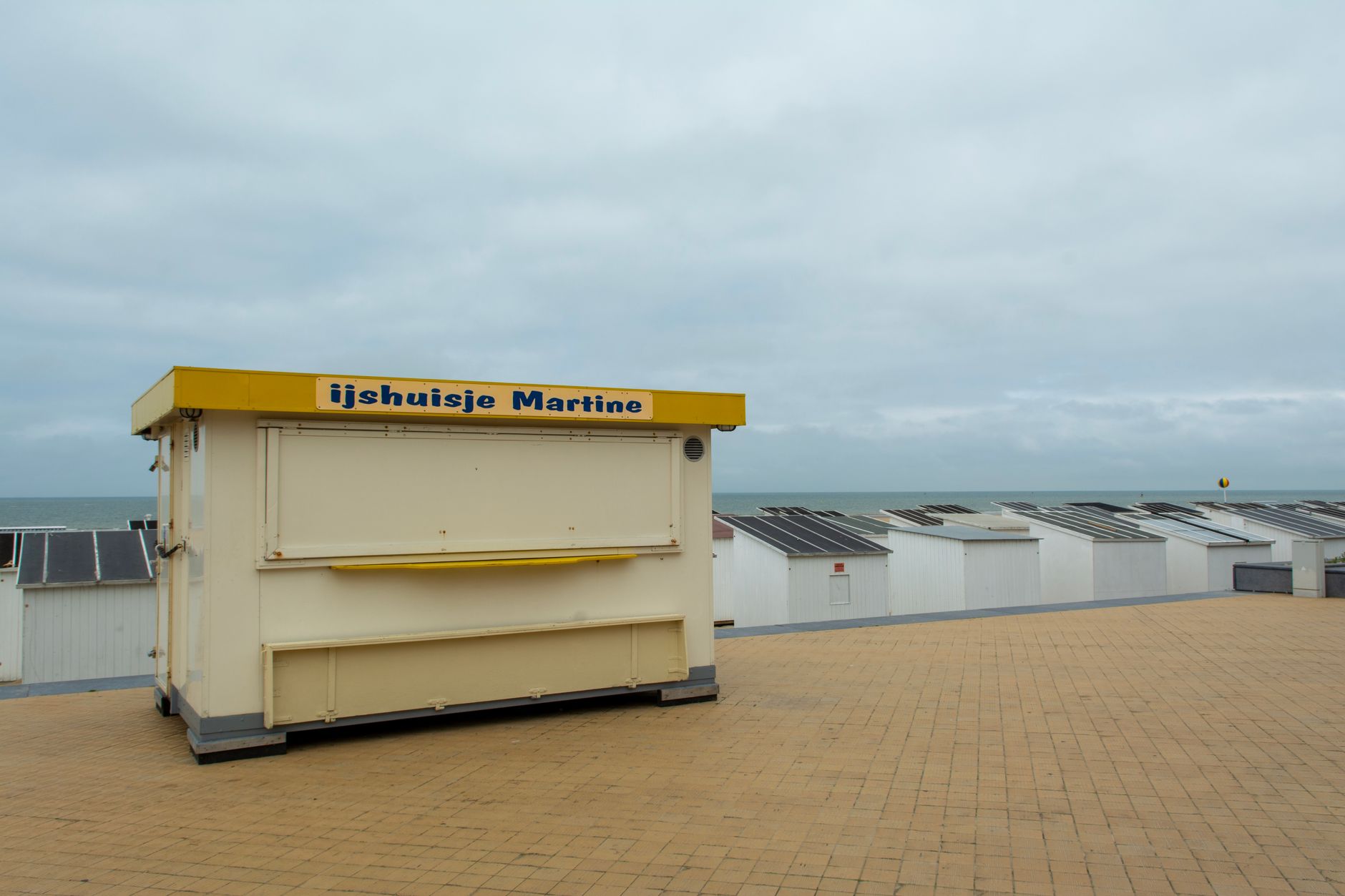
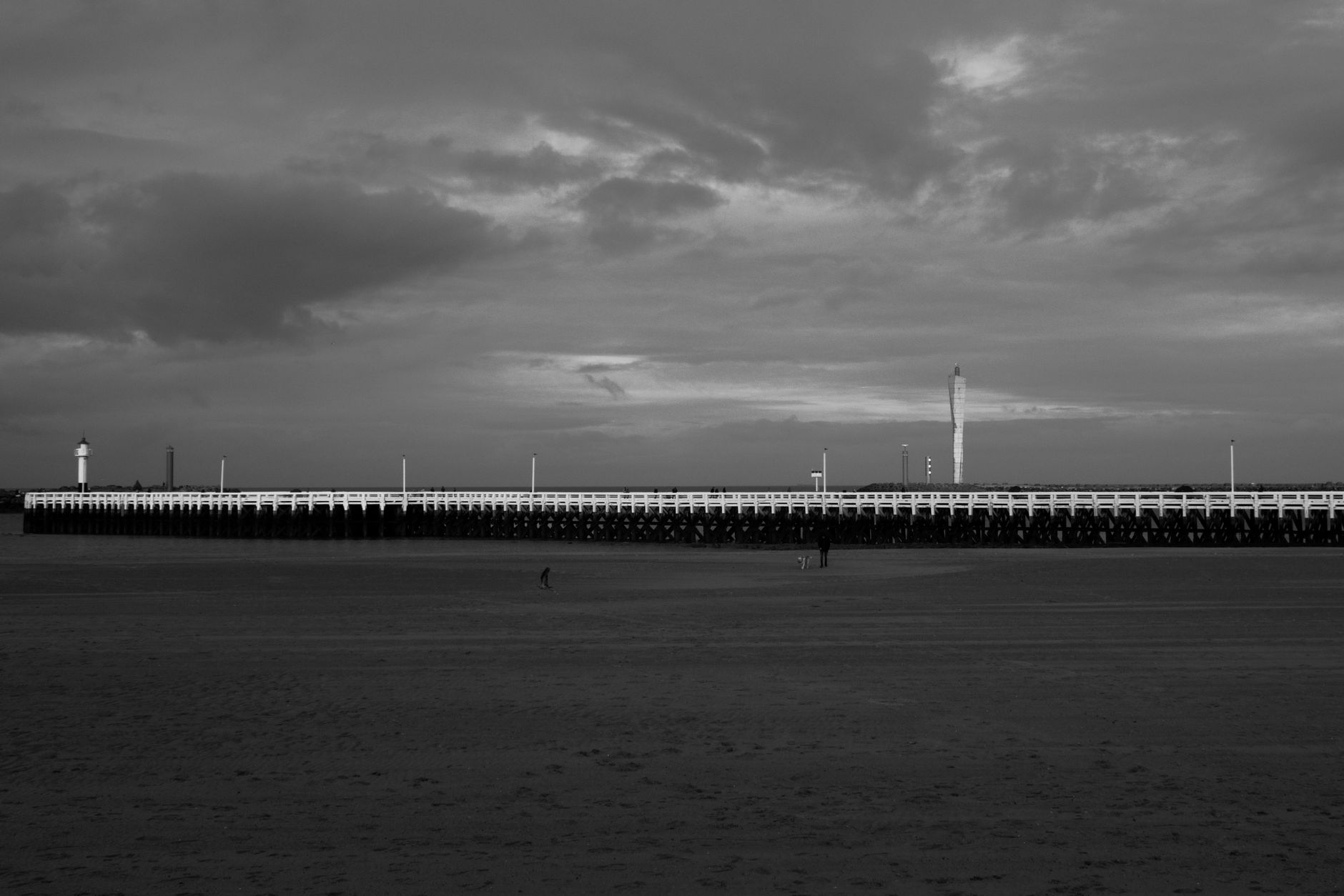
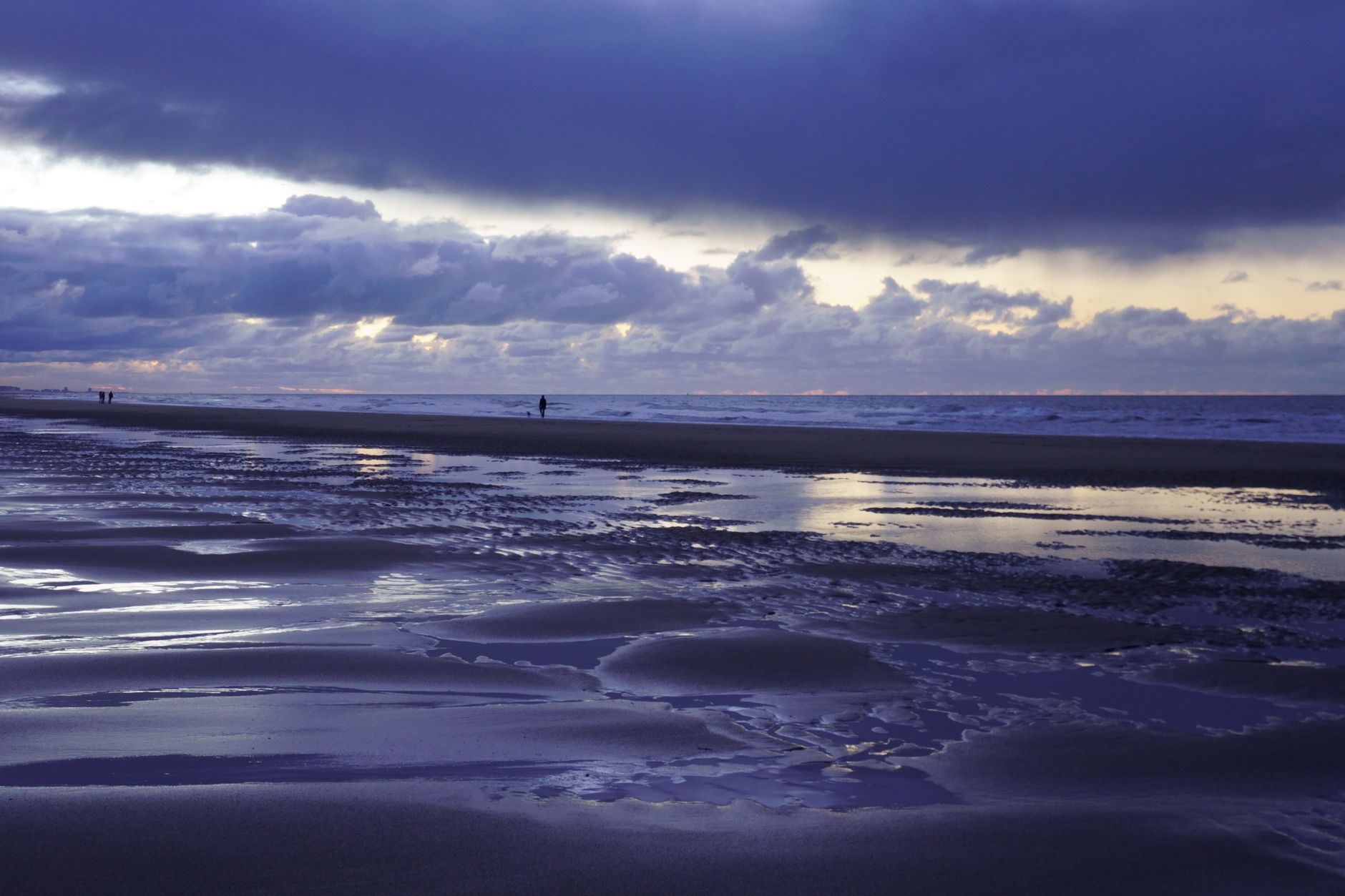
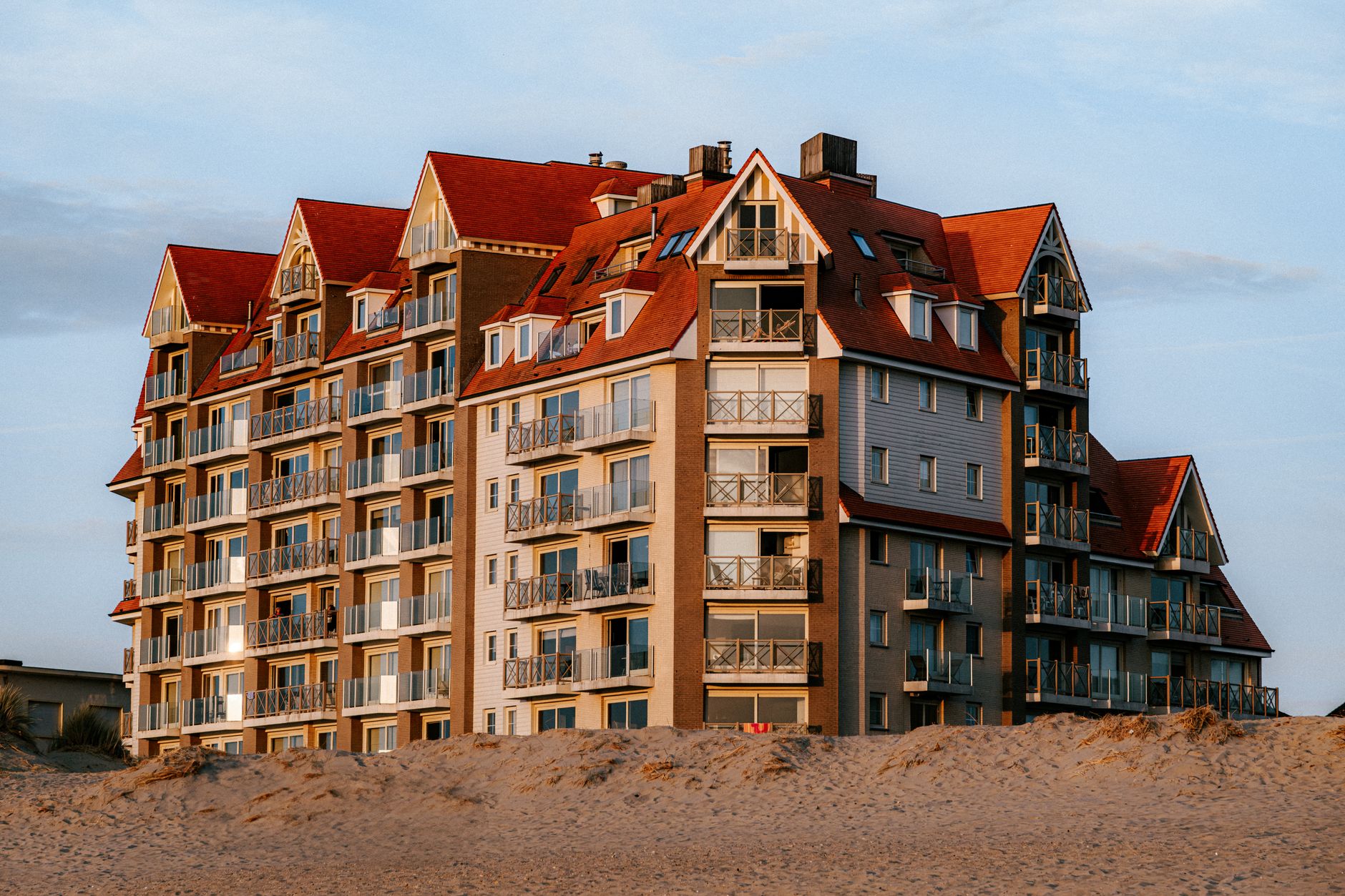
Sixty-seven kilometres of fine sand, one very long tram line, and a coast that has been quietly reinventing itself for a century and a half. The Belgian Coast runs from the French border at De Panne all the way to the Dutch border at Knokke, and almost every stop along it has a different personality — Ostend with its ship-museum and modern-art gallery, Blankenberge with its English-style pier, Knokke-Heist with white villas and a bird reserve where migratory species pause on their way elsewhere.
What holds it together is the Kusttram, a 67-kilometre tram line that is the longest in the world, running the full length of the coast at 20-minute intervals. Ride it end to end and you get the whole picture: dune grass, beach bars, old fishing ports where a glass of Belgian beer still arrives with a small dish of fresh, unpeeled shrimps.
💛 What travellers fall for
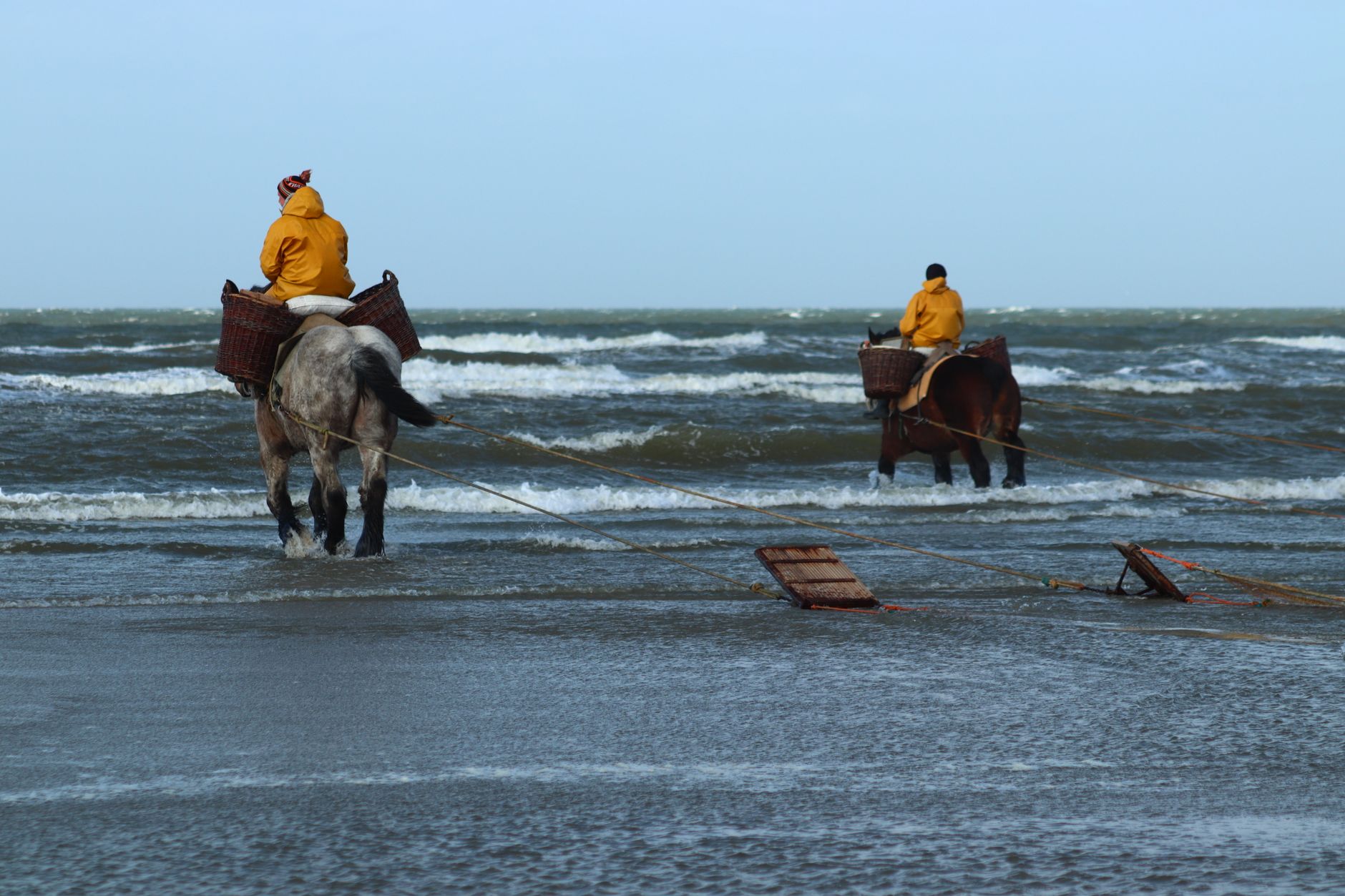
People who come back tend to work the tram like a local — a day ticket for nine euros, no fixed plan. They get off at Oostduinkerke between April and September to watch the horseback shrimp fishermen wade into the surf, then reboard and end the afternoon in Het Zoute, where the orange-tiled roofs and timber-framed villas give the streets an oddly Anglo-Dutch calm.
Experiences you don't want to miss



How Belgian Coast (Flemish Coast) came to be
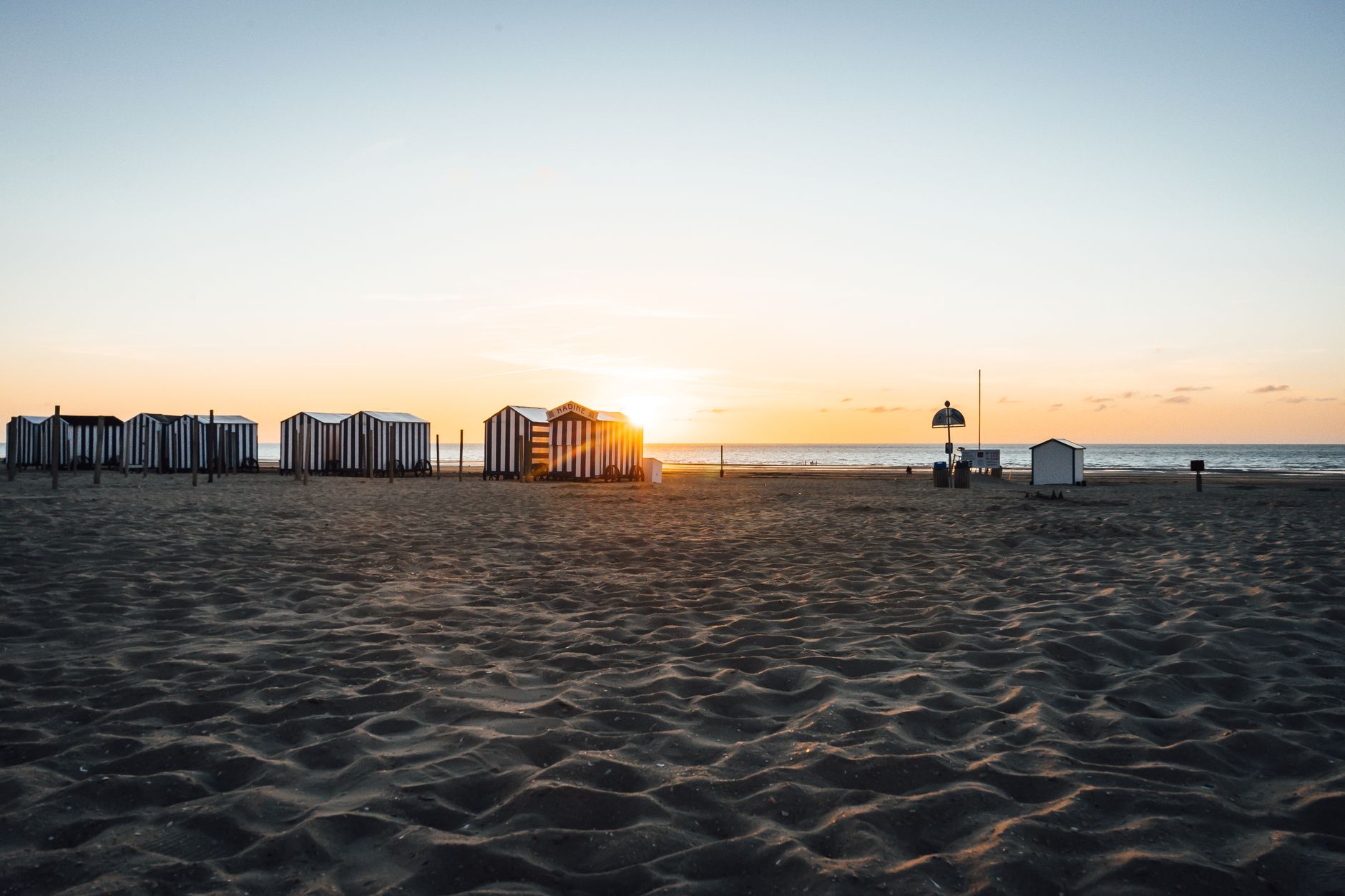
Ostend began as a fishing village around a thousand years ago and was already a port of consequence when it held out for three years against a Spanish siege during the Revolt of the Netherlands, starting in 1601. Napoleon had a pentagonal fortress built in the dunes in 1810 — Fort Napoleon still stands. It was only in the second half of the 19th century that humans began to reshape the coastline more broadly, and it was King Leopold II who turned Ostend into one of Europe's most fashionable seaside resorts, a rival in its heyday to Monaco, Brighton, and Deauville.
At Koksijde, the ruins of a 12th-century Cistercian abbey anchor the coast's deeper past. At Oostduinkerke, shrimp fishing on horseback — a practice more than 500 years old — was added to UNESCO's intangible cultural heritage list in 2013, recognition that some traditions here have outlasted every transformation the shoreline has been through.
Who and what shaped it
People who shaped it
Landmark buildings
See Belgian Coast (Flemish Coast) in motion
Plan your visit
On the map
When to go
Summers are cool and bright — July and August top out around 21–22°C, with long sunny days that make the beach genuinely pleasant without being oppressive. Winters are mild rather than harsh, averaging around 4°C in February, though the wind off the North Sea is real and the months from October to December bring the most rain.
Right now
Background & history adapted from Wikipedia (CC BY-SA) · specs from Wikidata (CC0) · weather from Open-Meteo · map data © OpenStreetMap contributors · photos from Wikimedia Commons / Unsplash with per-image credit. No third-party reviews or social posts reproduced.