
Brussels
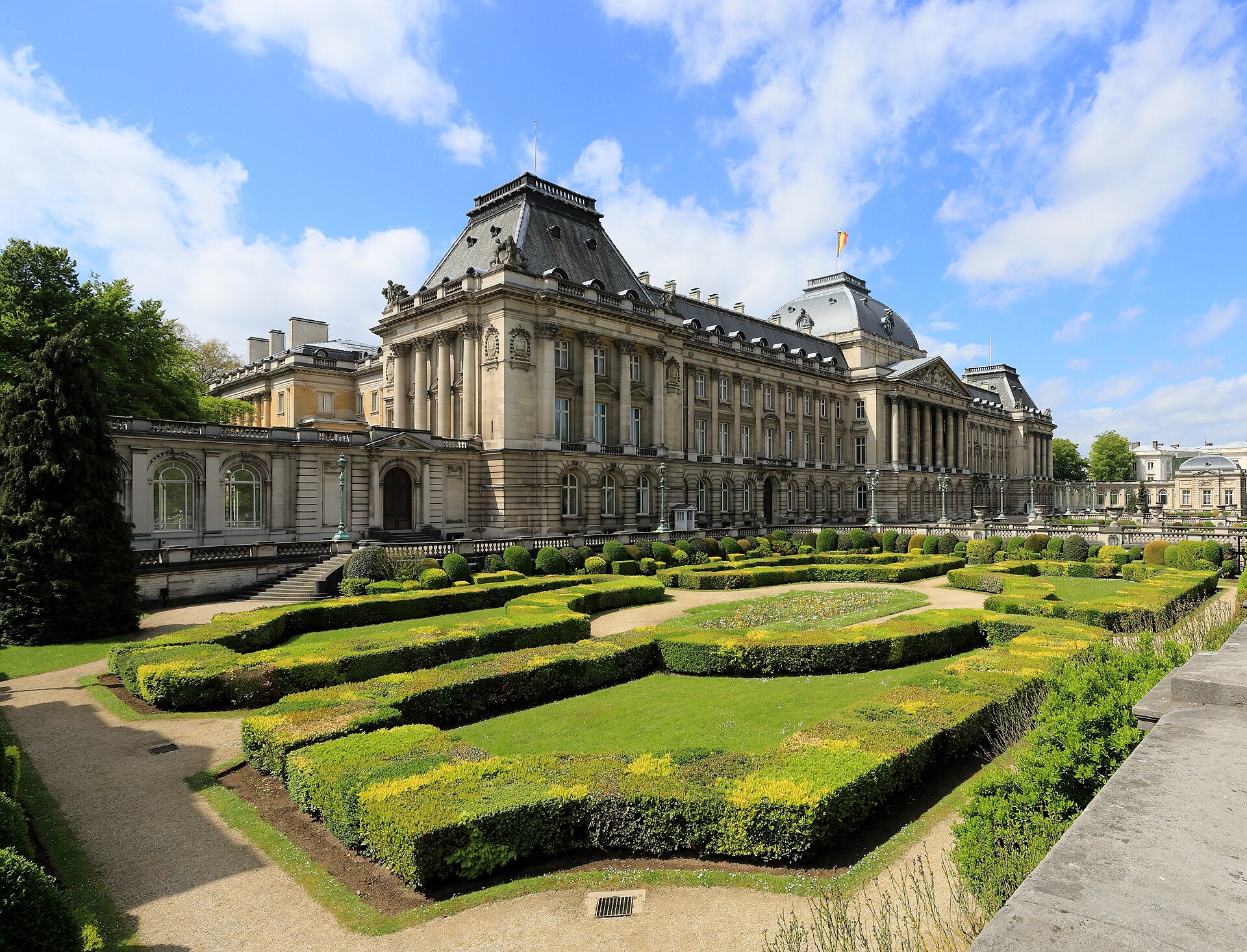
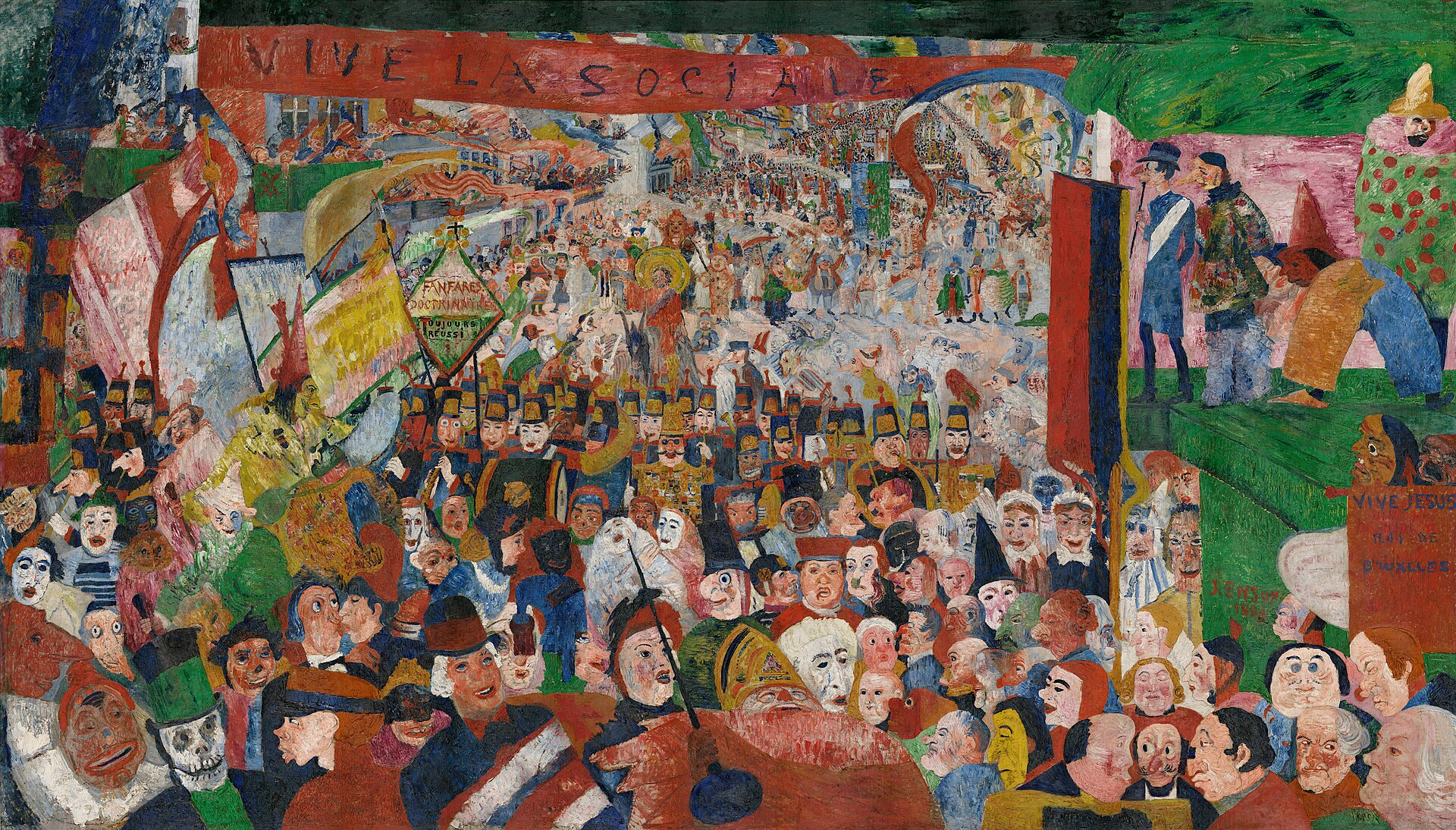

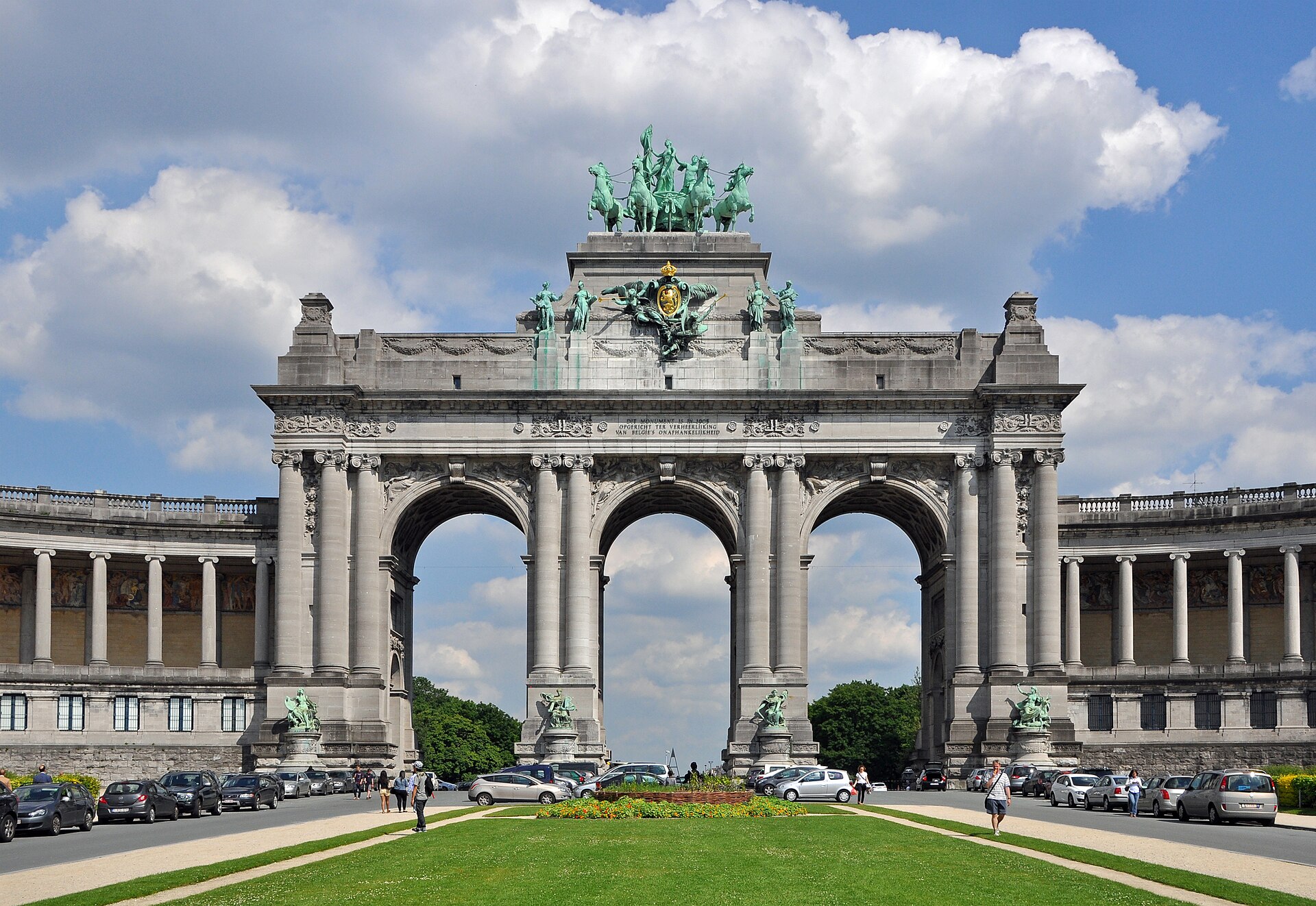
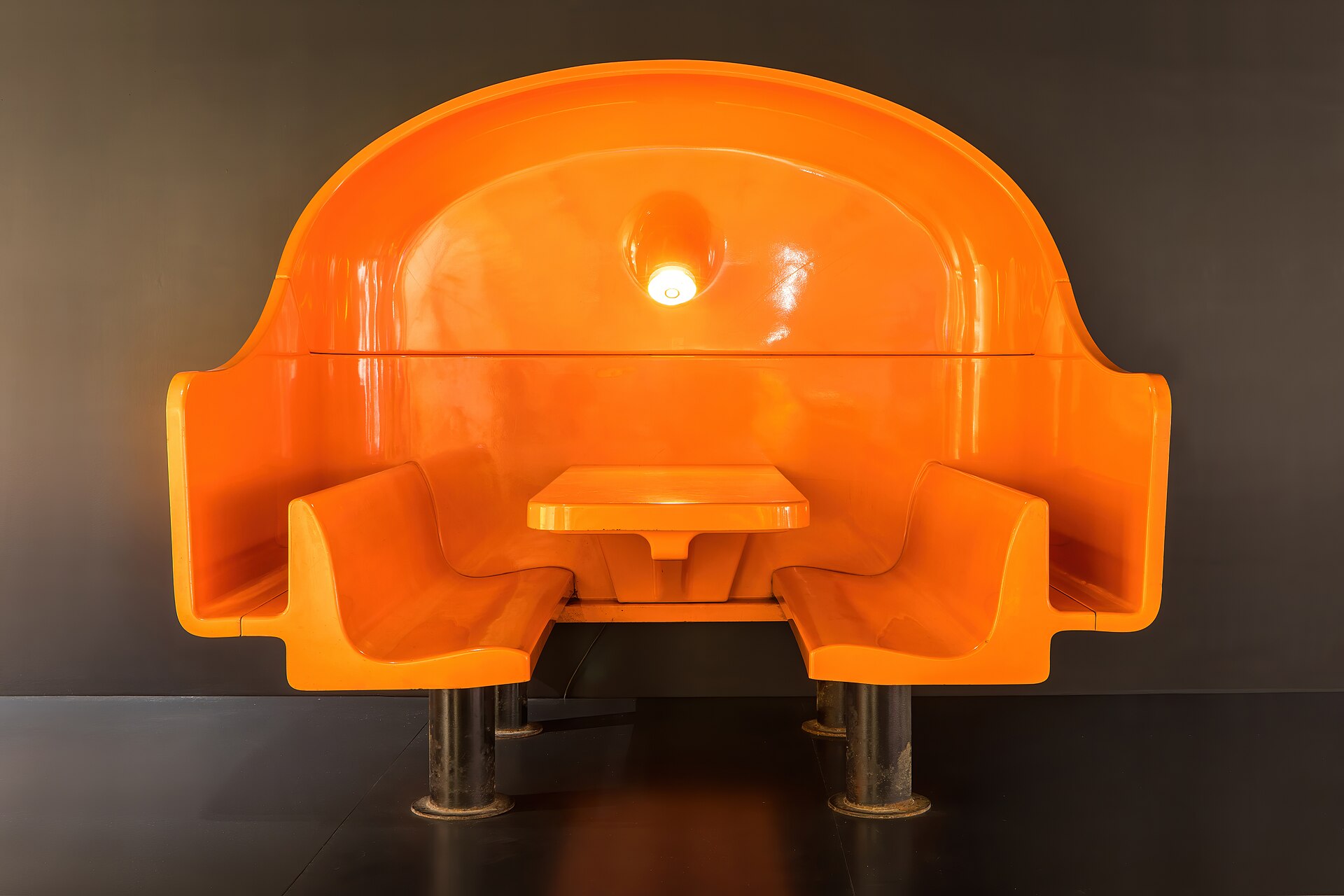
Brussels is where the Grand-Place stops you mid-stride. The 15th-century Flamboyant Town Hall and the Baroque guild halls that ring the square were rebuilt within five years after Louis XIV's artillery levelled most of them in 1695 — and the speed of that reconstruction tells you something about the city's stubborn self-regard.
This is also the capital that gave the world Art Nouveau architecture, the Tintin comics, and the Atomium — a 102-metre steel molecule raised for the 1958 World's Fair and still standing on the city's northern edge like a cheerful piece of science fiction. Brussels rewards the curious and punishes the hurried.
💛 What travellers fall for
Return visitors tend to drift away from the Grand-Place by mid-morning, into the Royal Saint-Hubert Galleries for a slow coffee, then up to the Sablon neighbourhood for the antique shops and Notre Dame du Sablon's late-Gothic stonework. The Horta Museum on Rue Américaine — the architect's own house — is the city's best-kept open secret.
How Brussels came to be
A chapel on an island in the river Senne, attributed to Saint Gaugericus around 580, is where the story begins — though Brussels' official founding is usually dated to 979, when Charles, Duke of Lower Lorraine, moved the relics of Saint Gudula here. Lambert II of Leuven added a castle and city walls in the mid-11th century, and from the 12th century onward the city grew as a staging post on the trade road between Bruges and Cologne.
The Belgian Revolution of 25 August 1830 changed everything. Within a year, Leopold I was crowned the first King of the Belgians and Brussels became the national capital. The 19th century left its mark in stone: the Palace of Justice (1883), designed by Joseph Poelaert, was reputedly the largest building raised anywhere in that century; the Royal Saint-Hubert Galleries (1847) arrived earlier, modelled on Italian Renaissance arcades. Brussels Capital Region was formally constituted in 1989.
Who and what shaped it
People who shaped it
Landmark buildings
See Brussels in motion
Plan your visit
On the map
When to go
Brussels has a temperate maritime climate: mild, grey, and prone to rain in any season. Summers are pleasant but rarely hot; winters are damp and overcast rather than severely cold. April through June and September through October give you the most comfortable days on foot.
Right now
Background & history adapted from Wikipedia (CC BY-SA) · specs from Wikidata (CC0) · weather from Open-Meteo · map data © OpenStreetMap contributors · photos from Wikimedia Commons / Unsplash with per-image credit. No third-party reviews or social posts reproduced.